
Affiliate disclosure: As an Amazon Associate I earn from qualifying purchases. Learn more
A pink bird with a spoon for a beak is not something most people expect to spot from the driver’s seat. Near Titusville, on Florida’s Space Coast, it happens more often than you might think.
A slow gravel loop winds through coastal marsh where alligators sun themselves in roadside canals and wading birds work the shallows. The trip costs less than a fast food lunch, and you never have to leave your car unless you want to.
Bird lovers count dozens of species in a single morning here. First-timers sometimes see their very first wild gator within minutes.
Keep reading for the best months to go, what the entry fee covers, where the restrooms and overlooks sit, and a few smart tips that can turn a quick detour into one of the most memorable afternoons of your Florida trip.
A Gravel Loop Inside Merritt Island
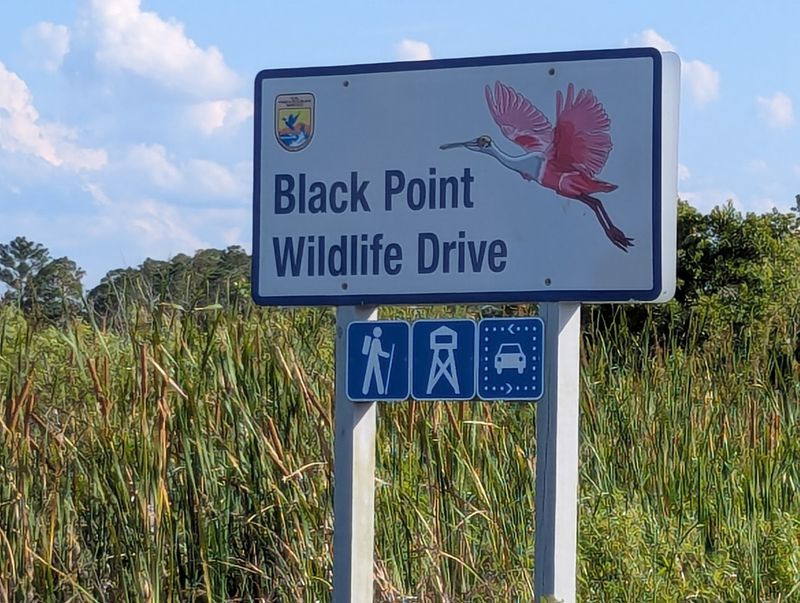
Some of the best wildlife viewing in Florida starts at a simple turnoff, no ticket booth or theme park gate in sight. Black Point Wildlife Drive sits at 1989 Scrub Jay Way, Florida, United States, inside the Merritt Island National Wildlife Refuge near Titusville.
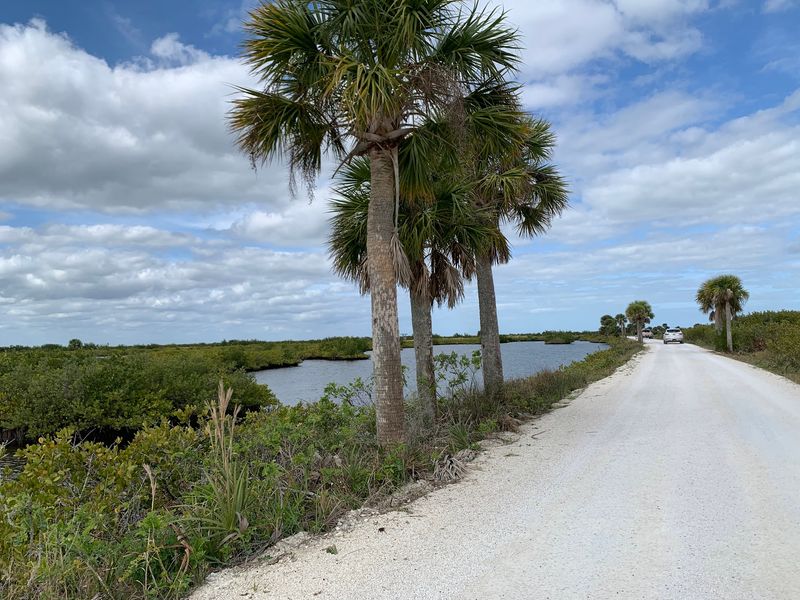
The drive is a one-way loop that runs roughly seven to eight miles through coastal estuary and marsh. Most of the route is packed limestone gravel, so the pace stays slow by design.
It is managed as part of the federal refuge system, which explains the straightforward, back-to-nature feel. There are no flashy attractions here, just road, water, and a lot of wildlife.
The loop works for cars and bikes alike, and plenty of people treat it like a self-guided safari. Pull-offs along the way let you stop, watch, and let others pass.
Many locals call it a hidden find, even though it sits close to some of the busiest corners of the Space Coast. Its quiet setting makes it easy to forget how near the main roads really are.
Keep the address handy, because there is no big central building to guide you in. Once you reach the start of the loop, the refuge takes over the show.
Old Florida on Packed Limestone
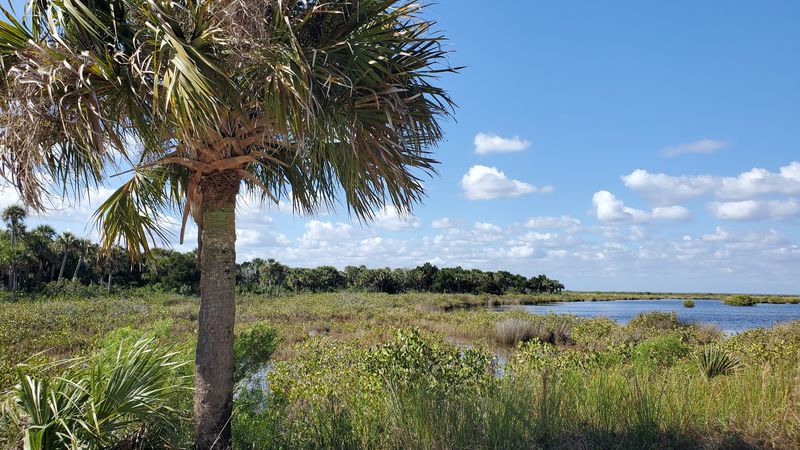
Long before theme parks reshaped central Florida, much of the state looked a lot like this stretch of marsh. Some longtime Floridians say the drive reminds them of the Florida they grew up in back in the 1970s.
The roads are not paved highways. They are limestone-packed gravel lanes that keep things simple and close to nature.
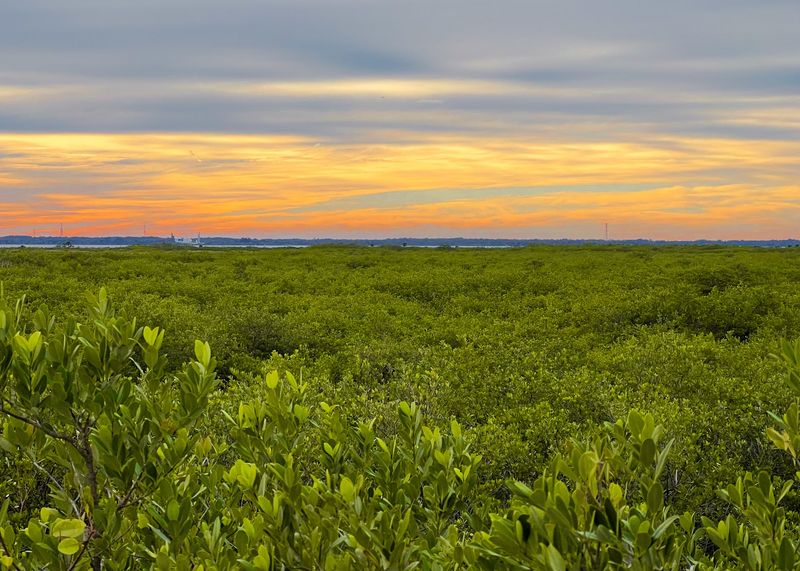
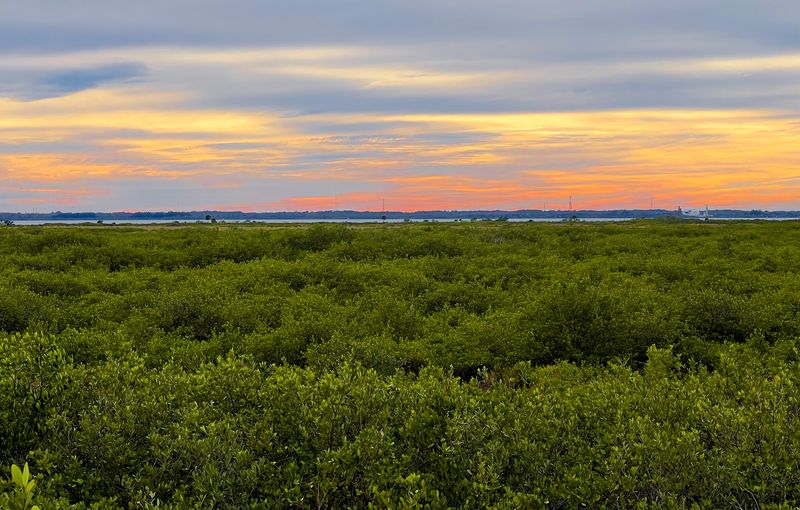
The refuge protects a large swath of coastal estuary and marsh habitat. Driving the loop means passing through several of these habitats in one trip.
That variety is a big part of the appeal. Open water, canals, shallow pools, and patches of trees all appear along the route.
Unique plant species grow throughout the area, adding interest even when the birds are taking a break. Botany fans can find plenty to study between wildlife sightings.
The road stays well maintained overall, though it can be a bit bumpy in spots. A slow speed is not just polite here, it is practical.
Nothing about the setting feels staged or polished. That unfiltered quality is exactly why many people come back again and again.
The Spoonbill Payoff
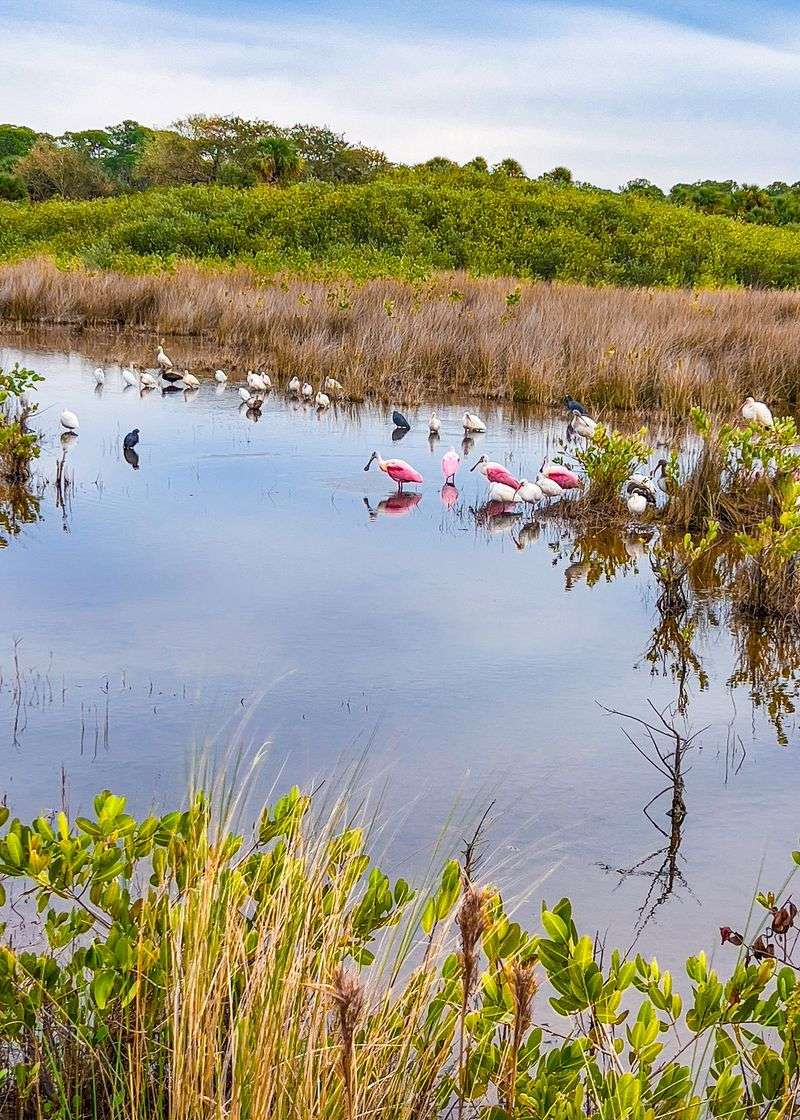
Pink feathers and a flat, spoon-shaped bill make the roseate spoonbill one of the most sought-after sightings on the loop. It is also the bird that gives this drive its headline appeal.
Spoonbills show up regularly enough to earn frequent mentions from people who make the trip. They feed in the shallow pools that line parts of the route.
One birder spent just under three hours on the loop and logged 41 species. The highlight of that list was a roseate spoonbill, along with a wood stork.
Sightings are never guaranteed, since wild birds keep their own schedules. Still, the odds improve during the cooler months when bird numbers climb.
Binoculars help a lot. Some birds feed close to the road, while others stay farther out across the water.
A camera with a decent zoom lens is another smart addition. Spoonbills tend to move steadily while feeding, which gives photographers time to line up a shot.
Spotting that first flash of pink from the driver’s seat is a moment many people remember long after the drive ends. Keep scanning the shallows, because the next one may be closer than you think.
Gators in the Roadside Canal
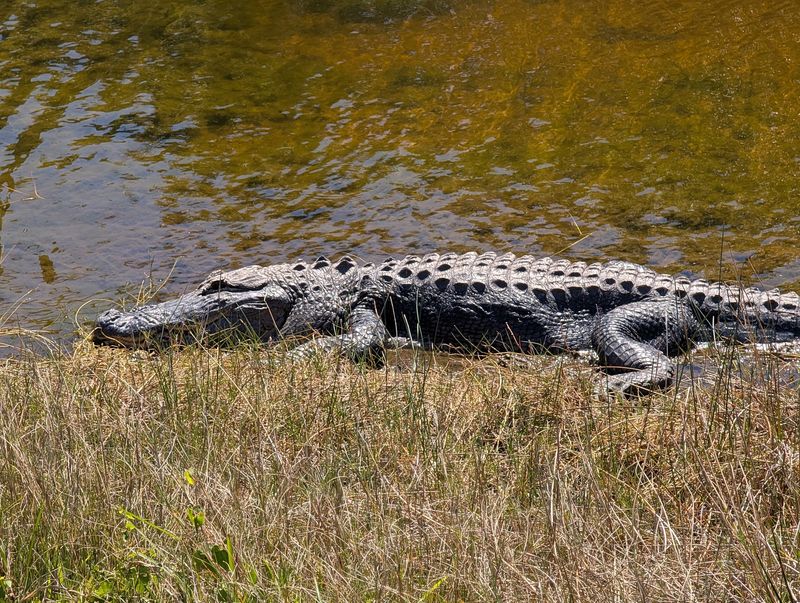
Ask what people talk about most after this drive, and the answer is usually alligators. They are by far one of the most mentioned highlights of the loop.
Gators often sun themselves along the canals that run beside the road. Several people report seeing them especially toward the end of the loop.
Sizes vary. Some trips turn up four or five midsize gators, while others reveal a single baby tucked near the water.
For first-timers, it can be a real thrill. A three to four foot gator spotted in the wild can make an entire day feel worthwhile.
Results do change from visit to visit. On cooler days, gators may stay hidden for most of the drive and appear only near the exit.
Turtles often share the same ditches and canals. Their heads pop up from the water while you wait for a gator to move.
Stay in your vehicle or keep a respectful distance on the trails. These are wild animals, and the refuge works best when everyone simply watches.
The gators, for their part, seem perfectly happy to keep doing nothing at all.
Egrets, Herons, and a Bird List That Keeps Growing
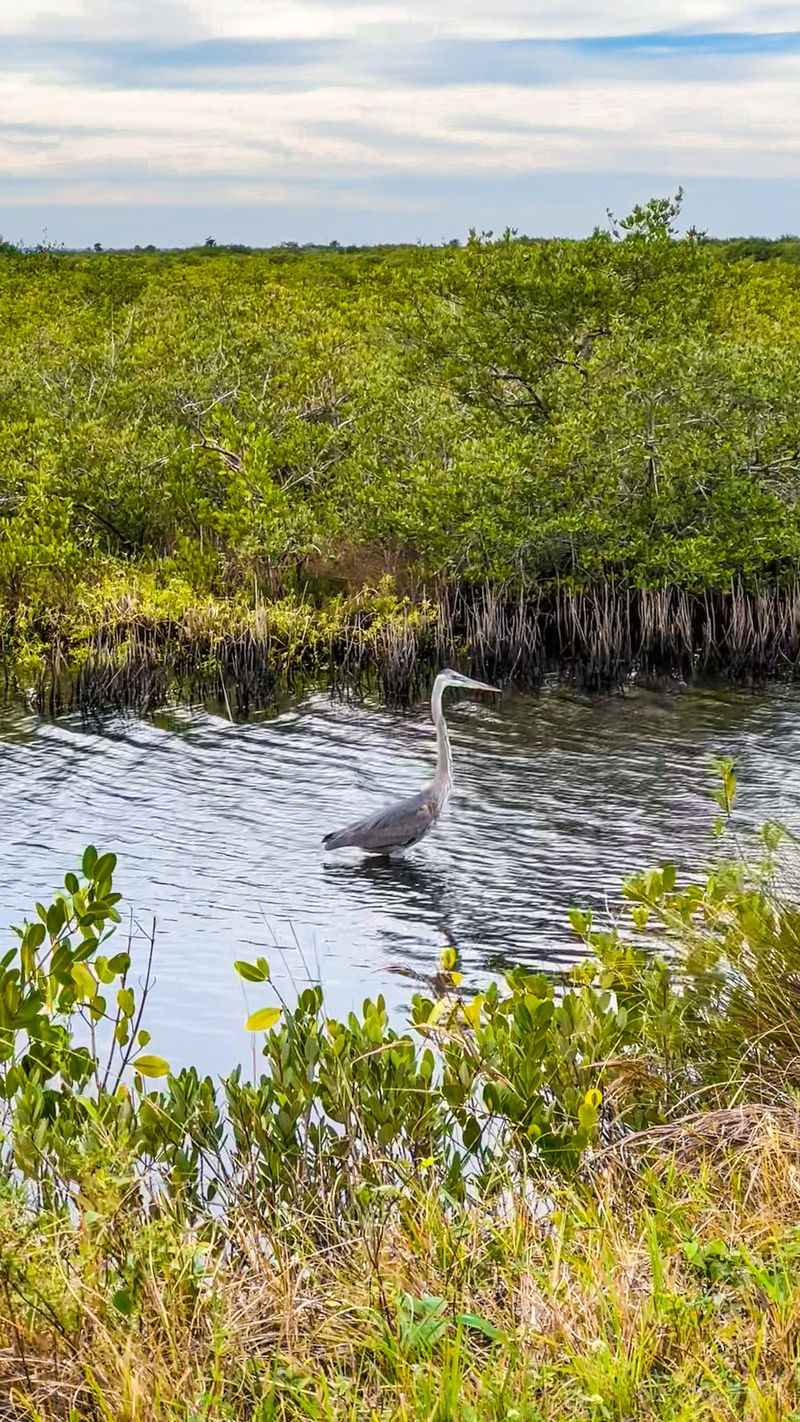
Bird watching tops the list of reasons people make this drive, and it is easy to see why. The variety of species along the loop surprises even experienced birders.
Wading birds steal much of the attention. Herons and egrets work the shallow water, often close enough to watch without much effort.
Reddish egrets earn special praise from people who know their birds. Wood storks also appear, adding another uncommon name to many checklists.
During the busy season, eagles and owls may join the lineup. That mix of waders and raptors keeps the drive interesting from start to finish.
Each trip tends to be different. One morning might bring large flocks, while another offers a few rare species in quieter numbers.
Beginners do not need any special skills to enjoy it. A basic bird guide or app can help put names to the many shapes and colors on the water.
Serious birders often keep a running count and take their time at each stop. Casual watchers can simply enjoy the parade.
Either way, the bird list has a funny habit of growing longer than planned.
Bobcats, Turtles, and Jumping Fish
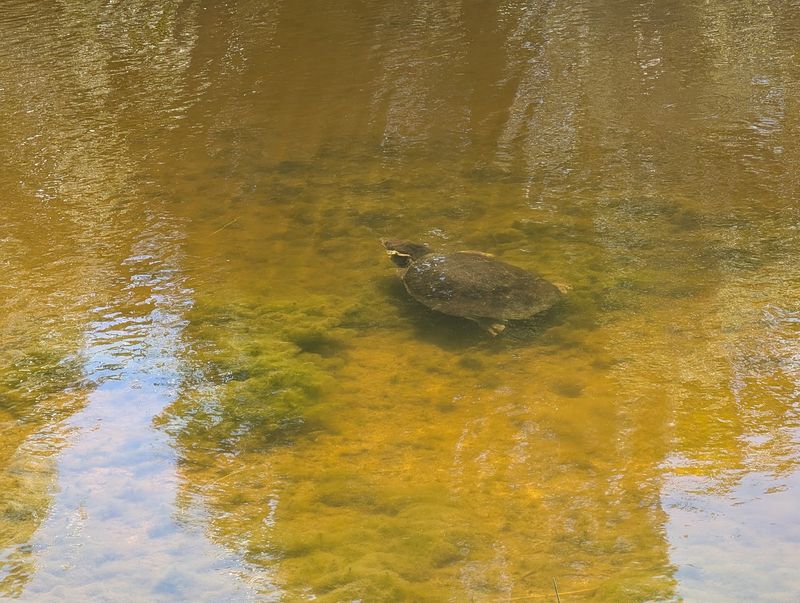
Feathers and scales get top billing, but the supporting cast deserves a mention too. Bobcats have been spotted along the route, though they are much harder to find.
Seeing a bobcat takes luck and patience. Early morning and late afternoon offer the best chances, since many animals are more active then.
Turtles are far more reliable. They gather in the ditches and canals, especially near the end of the loop.
Fish add their own entertainment. On some days, they are active enough to jump right out of the water.
Even a rainy day can bring surprises. Some regulars have gone during light rain and found the fish especially lively.
Not every animal shows up on cue. That unpredictability is part of what keeps people driving the loop more than once in a single day.
Some fans have looped the drive three times in a row. With so many species sharing the marsh, each lap can reveal something the last one missed.
Overlooks and Bird Blind Pagodas
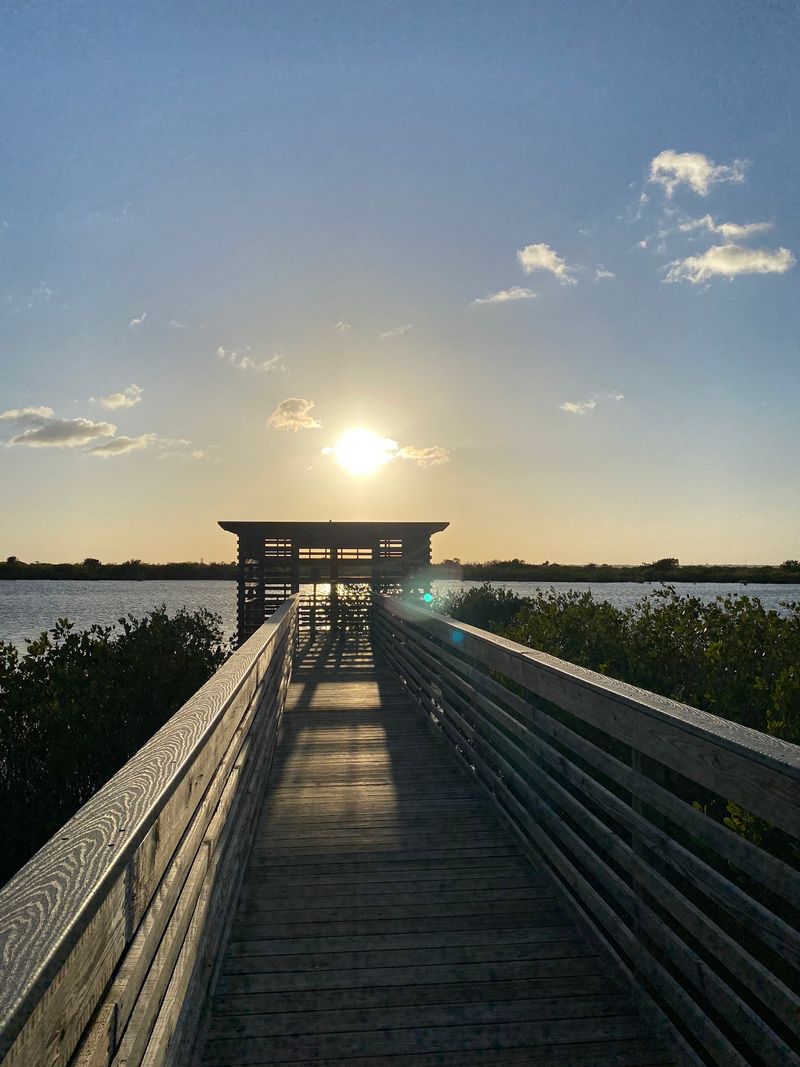
A car window works fine, but the drive also offers a few chances to get out and look around. Lookout points and bird blind pagodas sit along the route.
These structures give a higher or more sheltered view over the marsh. Many people find they help them spot birds that are hard to see from the road.
An observation deck stands near the second trail area. It offers a wider look across the water.
Fair warning for anyone uneasy around spiders. Large orb weavers have been known to take over parts of that deck at times.
Storms can also change plans. Thunderstorms roll in quickly in Florida, and skipping an overlook during unsettled weather is a smart call.
When conditions cooperate, these stops are worth a few extra minutes. They break up the drive and give the eyes a different angle on the habitat.
Bring the binoculars along on every short walk to a lookout. The view from up high may reveal a spoonbill hiding just beyond the reeds.
Short Strolls and a Longer Hike
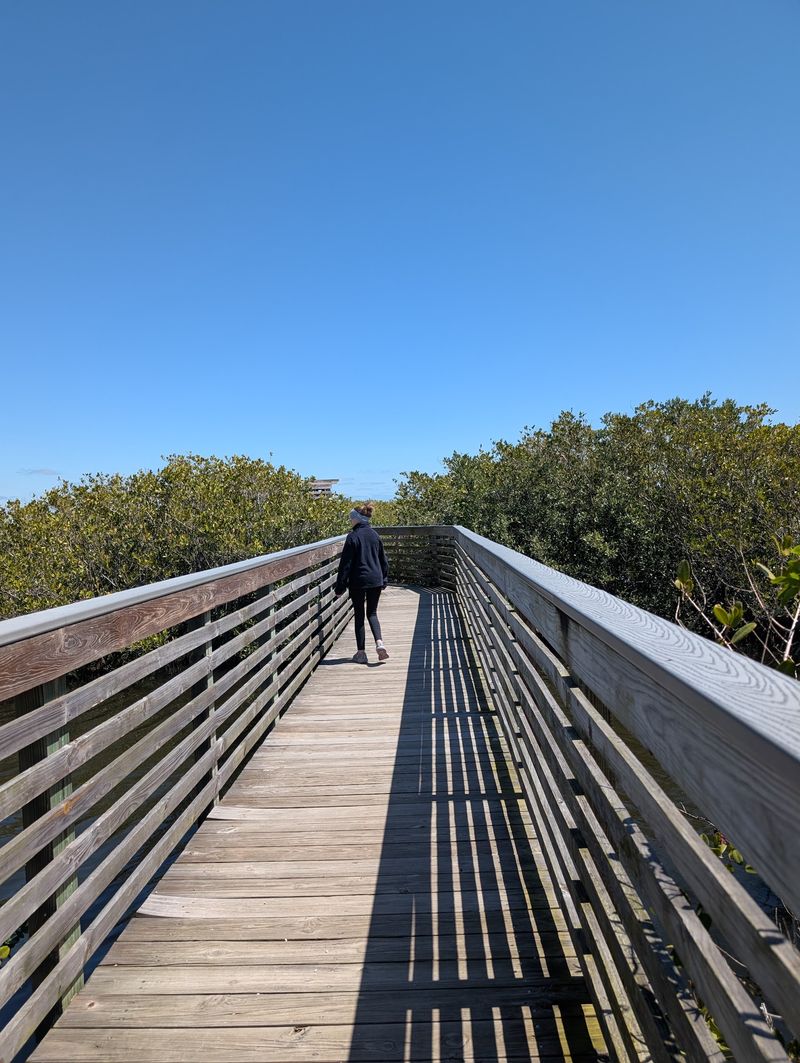
Legs need a stretch now and then, even on a drive. Small walking trails are scattered throughout the loop for that exact reason.
One option is a short stroll of about a quarter mile. It works well for families or anyone wanting a quick break from the car.
A longer hike of about five miles is available for those with more time and energy. It offers a deeper look into the refuge away from the road.
These trails add variety to the trip. A visit can be a quick drive-through or a half day of walking and watching.
Plan for sun before heading out. Trees line a few parts of the road, but shade is limited along much of the route.
Sunscreen and water make a big difference on the longer walk. A hat is also a sensible addition.
Cyclists can ride the loop too, since it works for both driving and biking. Whatever the pace, the trails turn a simple road trip into a fuller outdoor outing.
Rules of the One-Way Road
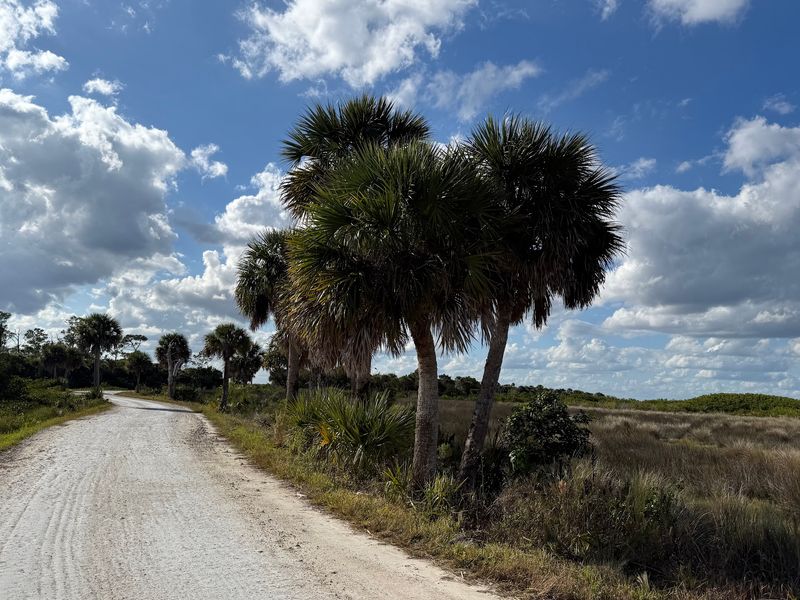
Good manners matter on a narrow gravel loop. The road runs one way, and a little courtesy keeps everyone happy.
Pull-offs appear regularly along the route. Use them to stop and watch, then stay to the right so others can pass.
Stopping in the middle of the road is the biggest headache here. It blocks traffic and leads to tight squeezes between cars.
The road is mostly wide enough for passing if drivers pull over properly. A few seconds of care makes the whole loop smoother.
Vehicle choice can also matter. A loud engine may scare away animals close to the road, so quieter vehicles tend to see more.
Large vehicles can feel awkward on the narrow lanes. A standard car handles the route easily in dry weather.
At the end of the loop, there is a small mailbox for recycling your brochure. It is a tidy finish to a drive built around respect for the land and the people sharing it.
Who Will Love This Loop
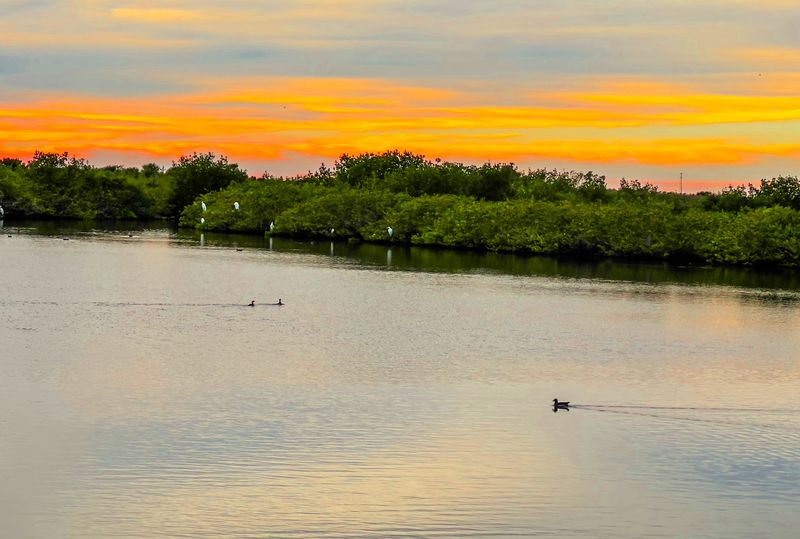
Few outings in Florida work equally well for toddlers, grandparents, and dedicated birders. This drive comes close.
Families with kids often call it a great fit. Children can spot gators and birds from the back seat without a long walk.
People with mobility issues can enjoy most of the experience from the car. That makes it a welcoming choice for older travelers too.
Photographers find plenty to work with. Patient shooters with long lenses can capture birds feeding and gators resting.
Naturalists and quiet thinkers also appreciate the calm. It is a peaceful place to slow down and watch nature at its own pace.
Travelers passing through the area can fit it in easily. An hour or two is enough for a satisfying loop.
Some people discover the drive by chance, even from a stranger’s tip on a flight to Orlando. Once they go, many say they only wish they had gone sooner.
Timing the Birds Right
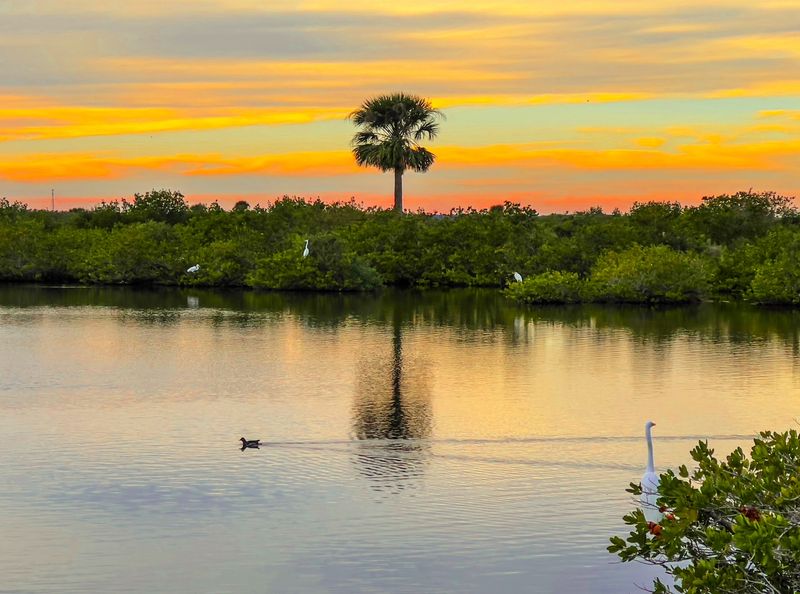
Calendar and clock both play a role in what you will see. November through March are widely considered the best birding months.
Cooler months bring large numbers of birds and many species. A January trip, for example, can deliver an impressive variety.
Time of day matters too. Early morning and later afternoon are often the best windows for animal activity.
Sunrise earns special praise from people who have made the effort. Arriving early may be a stretch, but many feel it pays off.
Chilly days can still be rewarding for birds. Gators may hide when the air is cool, though, appearing only later in the drive.
Summer brings heat and quick thunderstorms. Plan around the weather and keep an eye on the sky.
Rainy days are not a total loss either. Fish can be especially active, and the marsh takes on a different mood.
Whatever the season, no two trips turn out quite the same.
Hours, Fees, and Passes
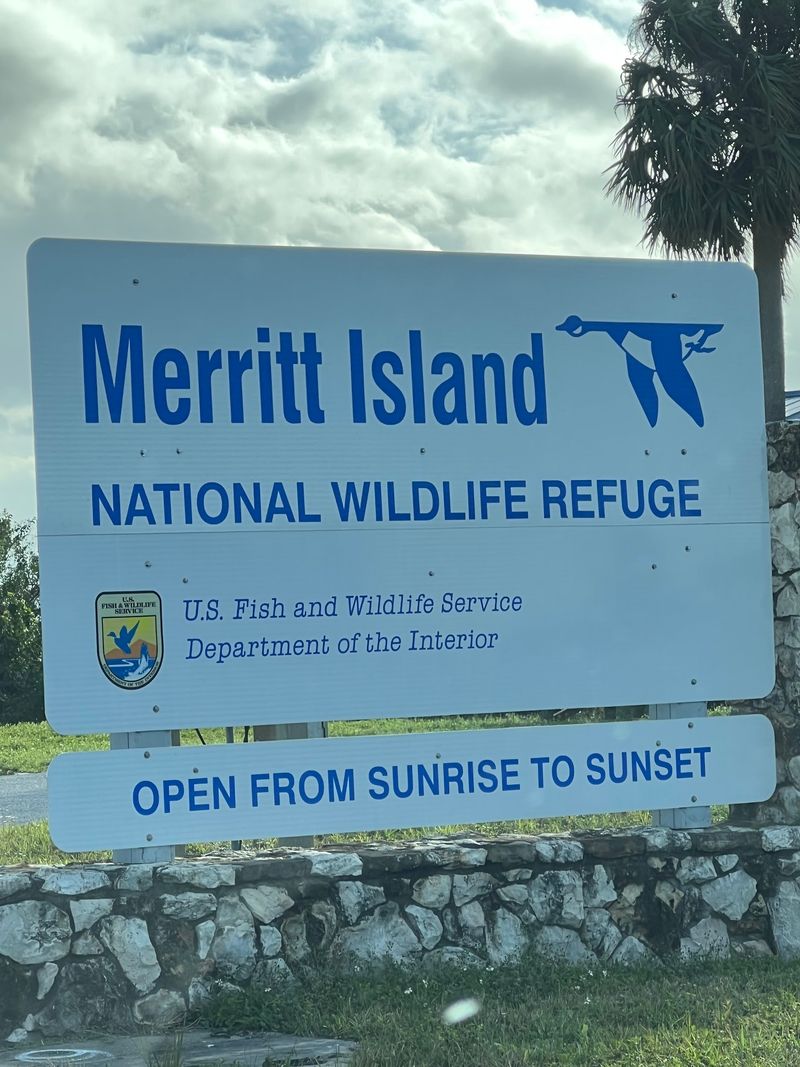
Budget travelers can relax, because this is one of the more affordable outings on the Space Coast. Entry is handled with a simple fee per vehicle.
Amounts have varied over time, with mentions of both a $5 per car fee and a $10 day pass for the refuge. Check the official refuge website before you go for the current rate.
Payment often works on an honor system with envelopes. Paying the fee supports the refuge that makes the drive possible.
A national park annual pass can cover the fee. That is handy for anyone already holding one.
Listed hours run 8 AM to 4 PM, Tuesday through Saturday. Sunday and Monday are listed as closed.
Hours can change, so confirming ahead of time is wise. Arriving right at opening gives you the most time on the loop.
Give yourself one to three hours depending on how often you stop. A focused birder can easily spend the longer end of that range.
Restrooms, Shade, and What to Pack
A little planning goes a long way on a remote gravel loop. Facilities are limited, so it helps to know what to expect.
Restrooms have been found about halfway through the drive. Their availability has varied, though, and some trips have found them closed or replaced by a portable toilet.
Using a restroom before starting the loop is the safest plan. That way, an unexpected closure will not cut the trip short.
Conditions can also shift after heavy rain. Flooding and overgrowth have affected the trail at times, though the drive has stayed passable.
Shade is scarce along much of the route. Sunscreen is a must, especially for anyone driving with the top down.
Binoculars and a camera with a zoom lens rank high on the packing list. Many animals stay a fair distance from the road.
Water and a bird guide round out the essentials. Pack light, pack smart, and leave plenty of room in the schedule for surprises.
A Detour Worth Taking
Some places earn their reputation slowly, one spoonbill and one sunning gator at a time. This loop has done exactly that.
It holds a strong 4.8 out of 5 average from hundreds of people. That level of praise is rare for a simple gravel road.
The formula is refreshingly basic. Drive slowly, stop often, and let the wildlife come into view.
Many fans call it one of the best scenic drives in Florida. Others simply call it natural Florida at its best.
Respect keeps it that way. Pay the fee, leave the animals alone, and share the road kindly.
For a low cost and a couple of hours, few Florida outings deliver this much. It suits a quick stop or a full morning with equal ease.
So pack the binoculars and point the car toward Titusville. Somewhere in those shallows, a pink bird with a spoon for a beak may be waiting right outside your window.


