
Affiliate disclosure: As an Amazon Associate I earn from qualifying purchases. Learn more
South Jersey has a reputation for flat ground and sandy pine roads, so a forest trail with real hills, river bluffs, and old brick ruins tends to surprise people. Just outside Millville, a protected patch of woods climbs high above a winding tidal river where bald eagles patrol the shoreline.
It costs nothing to walk in according to its nonprofit caretakers’ general approach to public preserves, though it is smart to confirm before you go, and the trails welcome kids, dogs, and mountain bikers alike. Keep reading to find out where it is, what hides along its color-coded paths, and how to plan a weekend morning there.
A Millville Preserve Hiding In Plain Sight
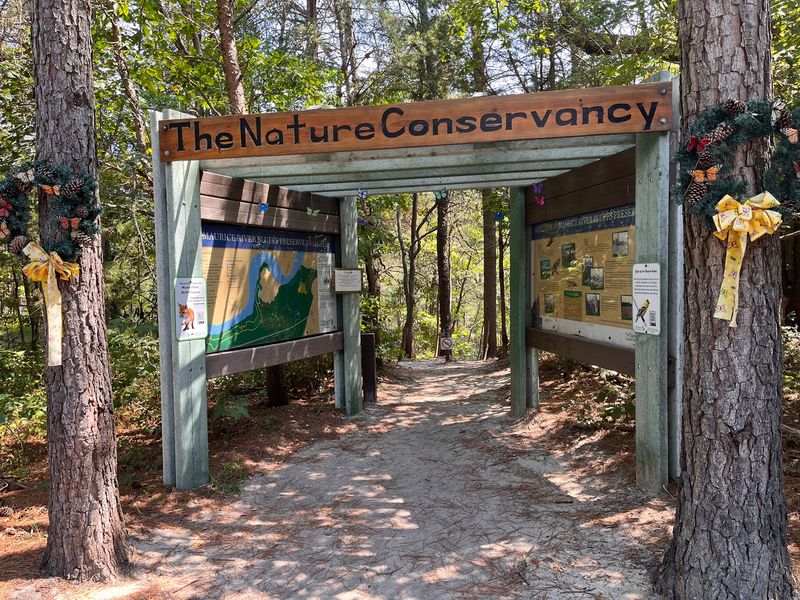
Plenty of Cumberland County locals drive past Silver Run Road without realizing what sits behind the pines. The spot is Maurice River Bluffs Preserve, found at 1311 Silver Run Rd, Millville, NJ 08332, in southern New Jersey.
It is a nature preserve covering 535 protected acres. Roughly 5 miles of forested trails wind through the property, with picnic spots, river views, and a bird blind along the way.
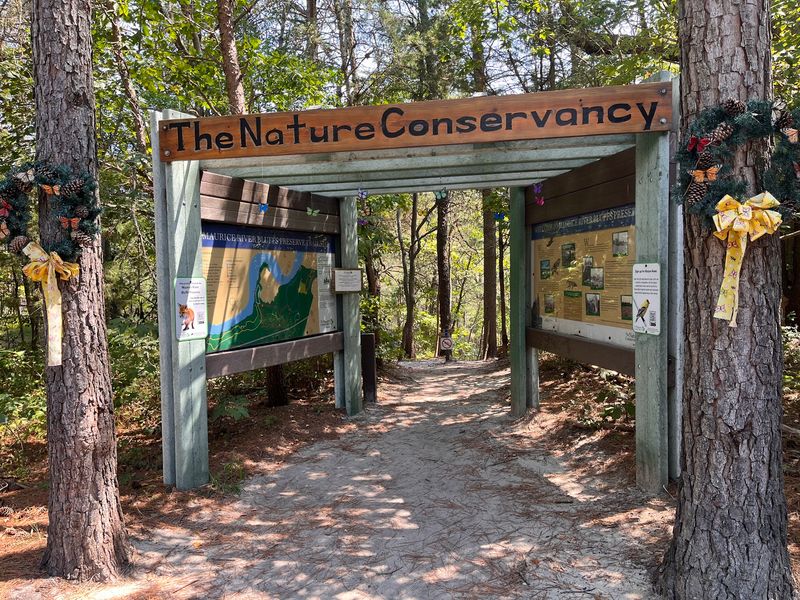
The land is cared for by The Nature Conservancy, which lists it among its Delaware Bayshores places. That connection matters, because it explains why the trails feel so carefully managed.
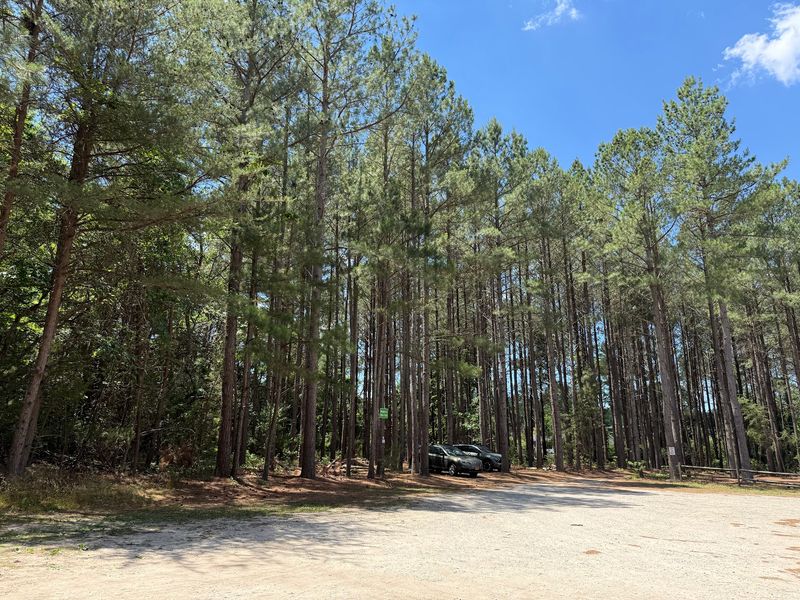
The parking lot sits right in a pine forest setting. From there, the trail system fans out in several directions, giving short-walk fans and long-loop hikers equal options.
Many people who come here call it their favorite place in Cumberland County to hike or walk. Others describe it as a hidden spot, which fits a preserve that rarely shows up on big statewide lists.
The appeal is simple. You get a real woodland hike, a river overlook, and a bit of history, all within easy driving distance for much of South Jersey.
So where did all this protected land come from, and who keeps it looking so tidy? That story starts with the people behind it.
Caretakers Behind The Bluffs
Good trails do not maintain themselves. Someone has to clear branches, refresh markers, and pick up the occasional wrapper left behind.
At this preserve, The Nature Conservancy manages the land as part of its work protecting the Delaware Bayshores region. The organization’s website hosts the official trail map, which shows routes and the locations of picnic tables.
Volunteers also play a big role. One longtime volunteer has earned heartfelt public thanks from local families for his steady work keeping the Bluffs clean and safe.
That kind of kindness is a big part of why the place feels so welcoming. Trails here are regularly described as well kept, nicely maintained, and cared for.
Local groups use the preserve too. The South Jersey Land and Water Trust has led guided walks here in different seasons, focusing on plants, birds, and the river shoreline.
There is a community feel to it all. People come for a hike and often leave wanting to protect the place a little more.
A simple way to say thanks is to follow the classic rule of taking nothing but pictures and leaving nothing behind. Pack out your trash, clean up after pets, and the next family will find the trail just as tidy as you did.
High Ground Above The Maurice River
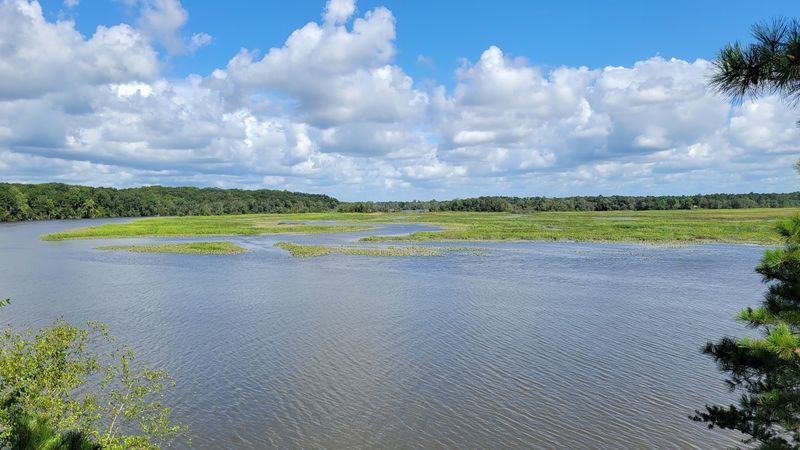
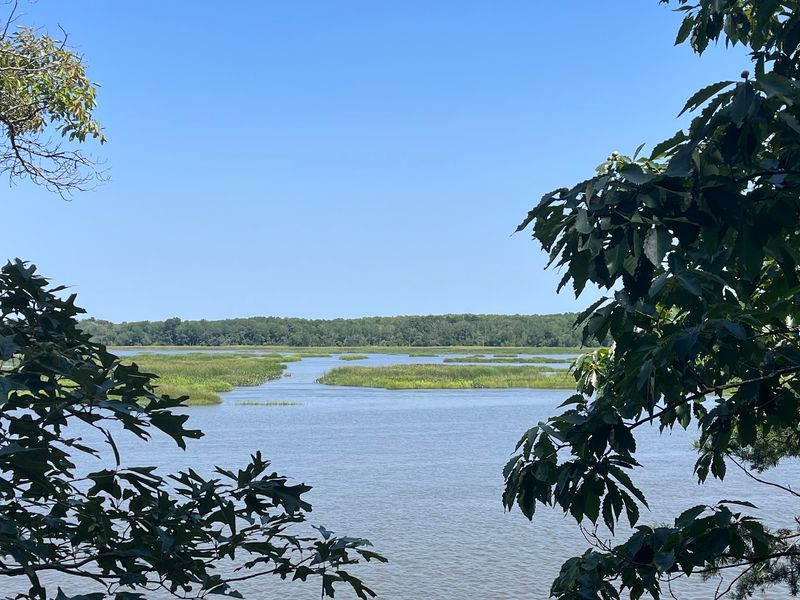
Bluffs are the star attraction, and the name does not oversell them. The trails climb to high points above the Maurice River, giving hikers a wide look across the water.
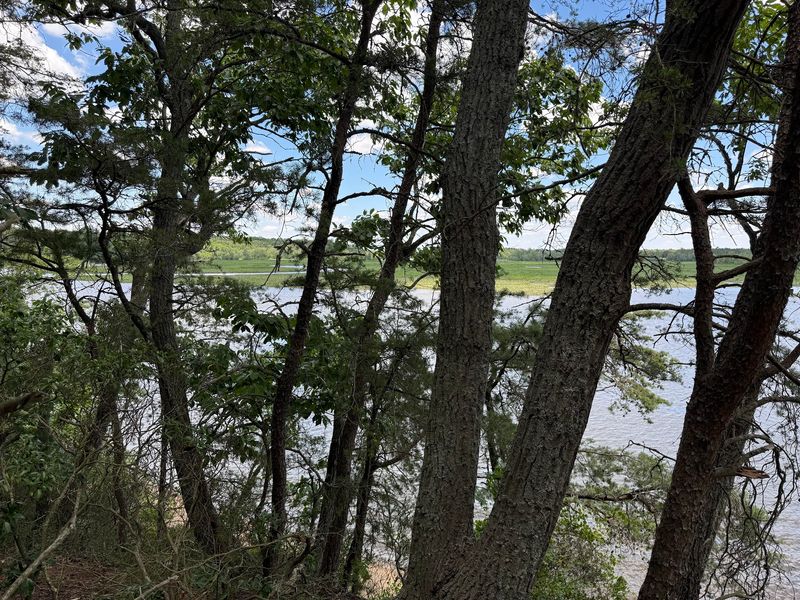
For many people, the river views from the bluffs are the highlight of the whole hike. Tall trees frame the overlook, which makes the scene feel far removed from the busy roads nearby.
One picnic table sits above a water view. It makes a natural stopping point for a snack break or a quick rest before heading back into the woods.
The Maurice River itself is a tidal waterway. Water levels shift with the tide, so the shoreline below can look quite different from one visit to the next.
That changing scene is part of the fun. A high tide morning and a low tide afternoon can feel like two separate trips.
Photographers tend to linger here, and families often pause long enough for kids to catch their breath. A trip to the bluffs is worth timing so you have a few unhurried minutes at the top.
Of course, getting to those overlooks means following the right path. The preserve makes that part easy with a clever color system.
Color-Coded Routes For Every Pace
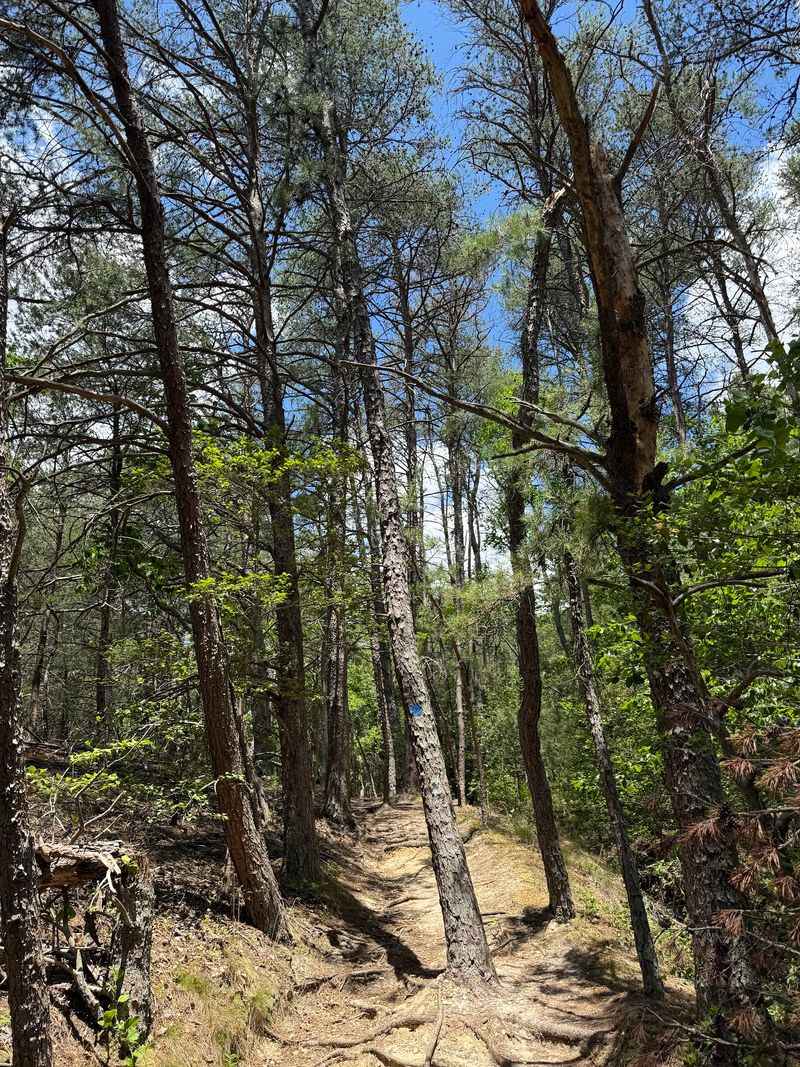
Getting lost here takes real effort. The trail network is consistently called well marked, with detailed markers and maps placed periodically along the routes.
Each path has its own color. Blue, red, white, yellow, and orange trails crisscross the preserve, and each one has its own character.
The Blue Trail is often treated as the beginner choice. Red and Yellow routes lean more advanced, with extra climbs and steps.
Distances are flexible. Some people stroll a single mile, while others combine trails into a big loop that comes out to just over 5 miles.
Families with kids have covered about 1.5 miles in a little over an hour. Hikers who want to see everything have finished the full system in roughly 2 hours, including stops for sightseeing.
On a difficulty scale, the preserve generally lands in the easy to moderate range. Varied terrain keeps it interesting without becoming a test of endurance for most hikers.
A handy tip is to snap a photo of the posted park map before setting out. That way, you have a reference in your pocket at every junction.
Follow the Blue Trail long enough, though, and you may run into something unexpected waiting in the woods.
Ruins And A Flowing Artesian Well
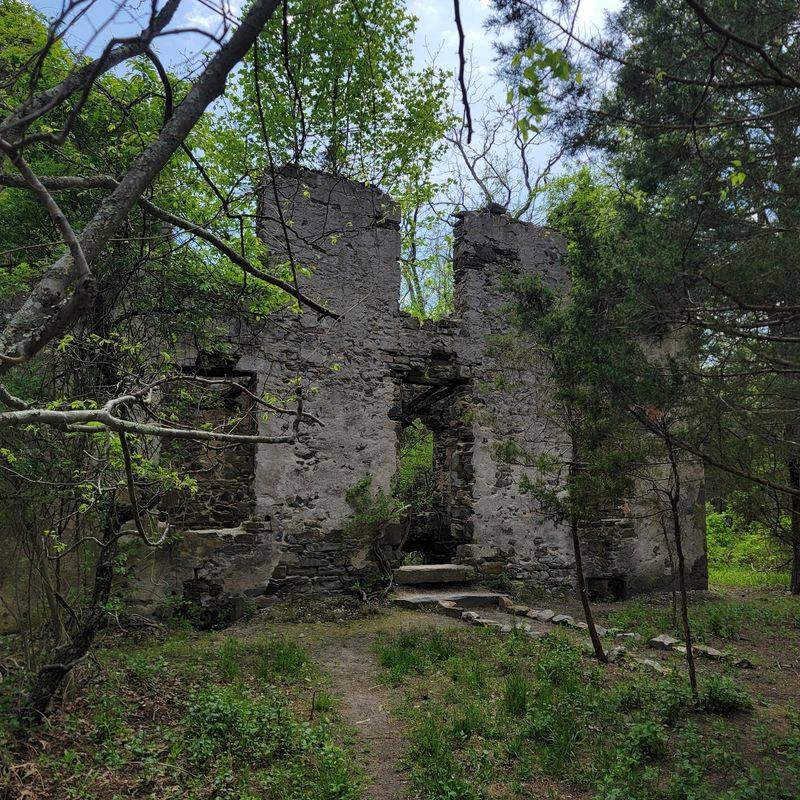
History pops up in surprising places along these paths. Hikers on the Blue Trail come across old ruins tucked into the forest, a detail that turns a nature walk into a small mystery.
The remains include a doorway that still stands. One group even found two young birds, possibly vultures, sitting right in that opening, which made for quite the trail story.
Not far off, an artesian well adds another curiosity. Many hikers list the ruins and the well together as a favorite part of the big loop.
Kids especially love finding these points of interest. A hike with a destination, such as a ruin to explore, tends to keep young legs moving.
Please treat the old structures with respect. Admire them from a safe distance, avoid climbing on them, and leave everything as you found it.
The preserve does not post much detail about the ruins’ backstory on site. That leaves room for curious families to research the area’s past after the trip.
Fair warning, reaching these spots is not always a flat stroll. The terrain here has a few tricks up its sleeve that surprise many South Jersey hikers.
Real Hills In Flat-Land Country
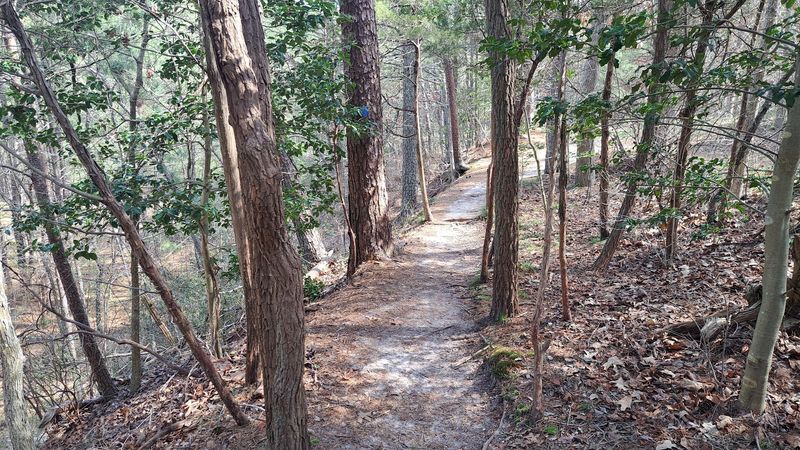
South Jersey is not exactly famous for elevation. That is why the ups and downs here catch so many hikers off guard.
Elevation changes come up again and again when people talk about this preserve. Trails include inclines, steep hills, and steps formed by roots or built from wood.
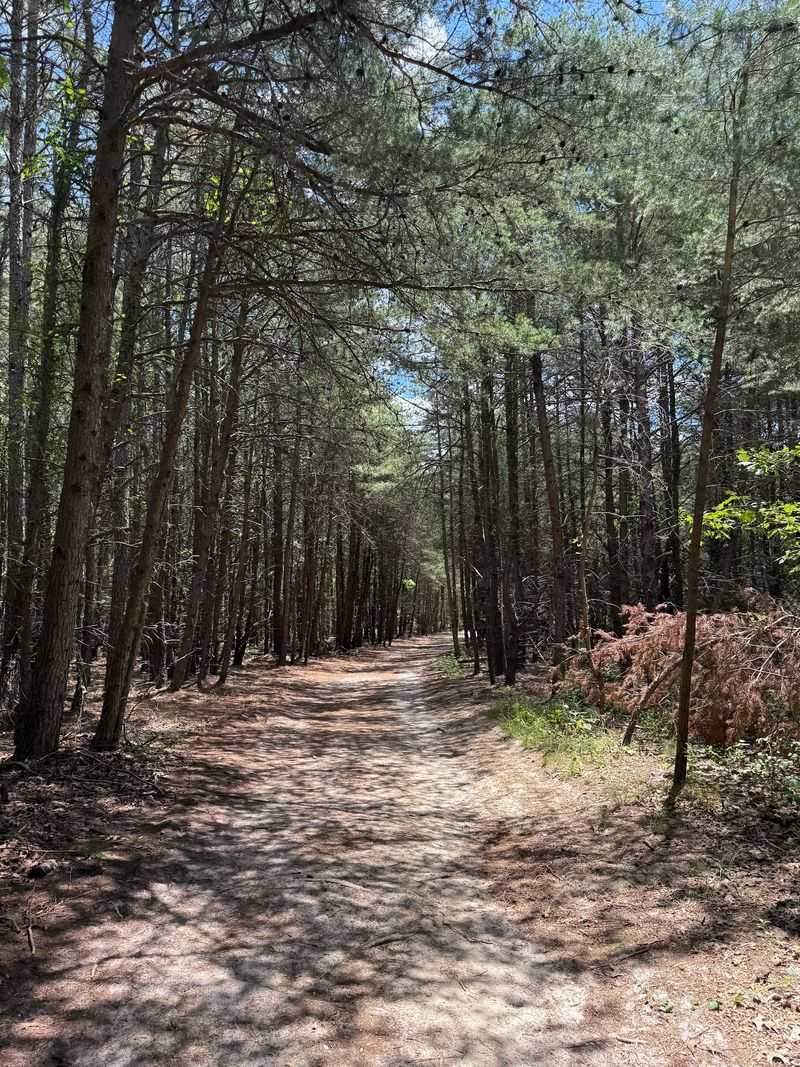
Most surfaces are sand and dirt. A few roots cross the paths, so watching your footing is wise.
The variety is part of the charm. Families appreciate that the hike is not all flat and sandy, yet still close to home.
The hills also give a decent workout. Expect to get your heart pumping on the climbs, even if the overall distance is modest.
Some people with arthritis or similar conditions have found the built-in stairs helpful. Others with nerve or mobility issues have found the steep sections, narrow paths, and makeshift steps too challenging.
Honest planning helps here. The preserve is generally not suited to anyone with significant physical limitations, at least not on its current trails.
Sturdy shoes are a smart choice for everyone. And if you hear rolling tires behind you on the hills, you are not imagining it.
Mountain Bike Paths With Their Own Lane
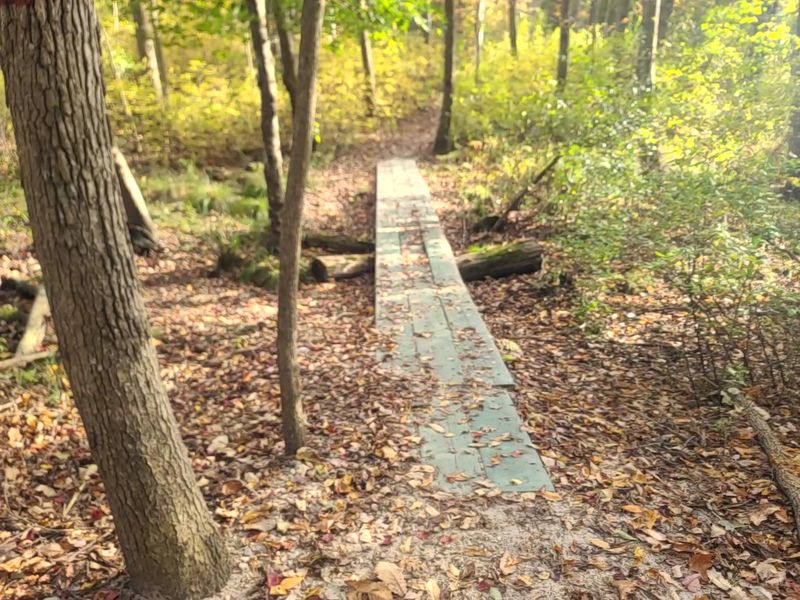
Riders get their own playground here. Mountain biking is one of the most talked-about activities at the preserve, and a dedicated bike track runs through the woods.
Bike routes are clearly marked and kept separate from the main hiking paths for the most part. Specific markers make it easy to tell which trail is meant for pedestrians and which is meant for wheels.
The same hills that challenge hikers make the riding fun. Elevation changes and winding forest sections give cyclists plenty to work with.
There is one important catch. Hiking and bike trails do intersect on occasion, so both groups need to stay alert at crossings.
Hikers should look both ways at junctions, just like crossing a street. Riders should slow down near those points and expect people on foot.
A little courtesy keeps everyone happy. Shared respect is what lets a single preserve serve both crowds so well.
Many hikers leave planning to come back with bikes. It is a good sign when a place makes people want a second trip with different gear.
While the riders focus on the ground, some of the best action at the preserve is actually happening overhead.
Eagles Over The Shoreline
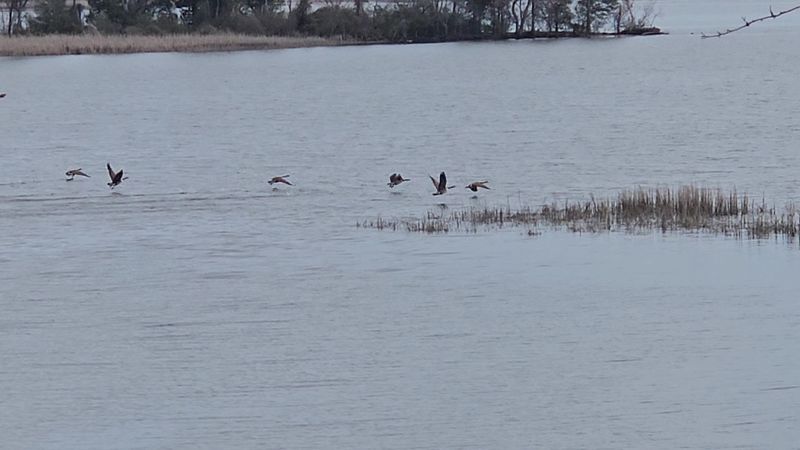
Bald eagles are regular stars of the show. Sightings come up often, and guided walks have counted as many as three eagles in a single outing.
Ospreys also patrol the river. One summer walk recorded two bald eagles and five ospreys along the water.
The wetlands host red-winged blackbirds in good numbers. A bird blind on the property gives birdwatchers a dedicated spot to watch without disturbing wildlife.
Plant life adds to the seasonal interest. Winter cress blooms along forest trails in spring, milkweed appears in the fields, and later in the year goldenrod, cow wheat, and cow vetch take over.
Wildlife can be hit or miss, of course. Some hikers see very little activity, especially on busy days.
Early mornings tend to be the best bet for birds. The preserve opens at 6 AM, which gives dedicated birders a head start.
Binoculars are worth packing, even for casual families. Kids get a thrill out of spotting an eagle before the grown-ups do.
Down at the water’s edge, there is even more to explore for anyone willing to follow the trail all the way to the river.
A Dock, A Beach, And Skipping Stones
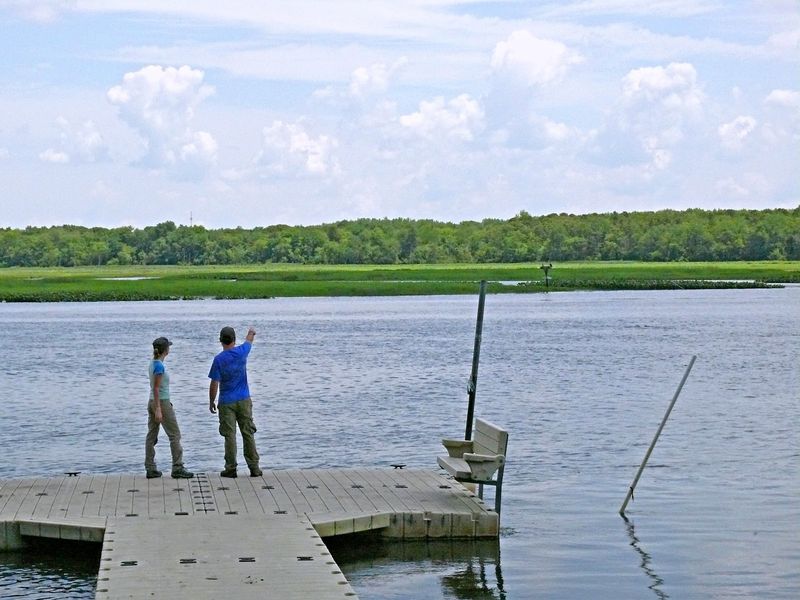
Grandkids throwing stones into the river is about as classic as a day outdoors gets. That simple pleasure is easy to find here, thanks to river access at the bottom of the trails.
A dock reaches out over the water. It is kept in good shape and offers a different perspective than the high bluffs above.
There is also a small beach. Kids enjoy poking around the shoreline, and families often stop here to rest before climbing back up.
Low tide reveals more of the shore. On one guided walk, a hiker showed the group Native American pottery and jasper shards he had found along the edge.
Finds like that are a reminder of how long people have lived along this river. They are also best admired and left in place so the history stays where it belongs.
Tides change what the beach looks like throughout the day. Checking a tide chart before you go can help you plan for more shoreline.
Little ones should be supervised near the water and on the dock. Once everyone has had their fill of stones and ripples, it may be time to refuel.
Picnic Tables Scattered Along The Way
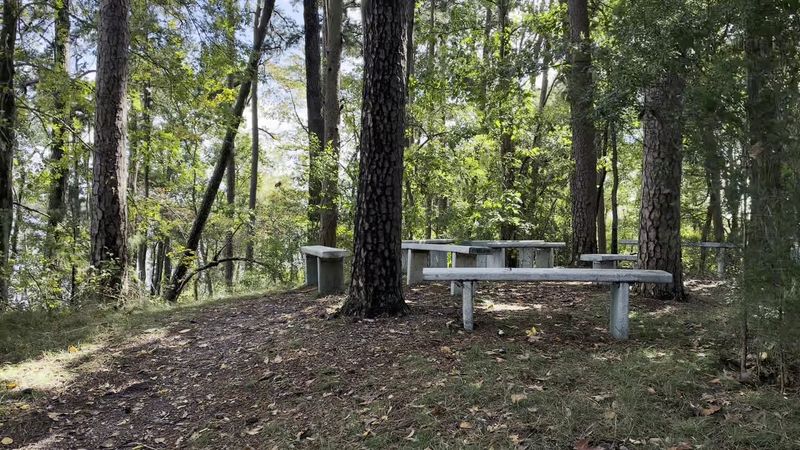
Hungry hikers have options, just not where most people expect them. The preserve does not have a single designated picnic area near the parking lot.
Instead, picnic tables are placed along the Yellow, White, Blue, and Orange trails. Their locations appear on the official trail map from The Nature Conservancy.
That setup turns lunch into a small goal. Kids can hike toward the next table, and adults get a built-in break.
Some people miss the tables entirely and assume there are none. A quick look at the map before you start solves that problem.
The table above the water view is a popular choice. It pairs a rest stop with one of the best outlooks on the property.
Pack light and plan to carry everything out. The preserve has no trash cans, so a spare bag for wrappers is essential.
A simple picnic also keeps the outing affordable. Bringing your own snacks makes this one of the easier budget-friendly family days in the area.
Of course, a good picnic needs good company. The preserve happens to welcome a wide mix of hikers, including some four-legged ones.
Families, Dogs, And Weekend Crowds
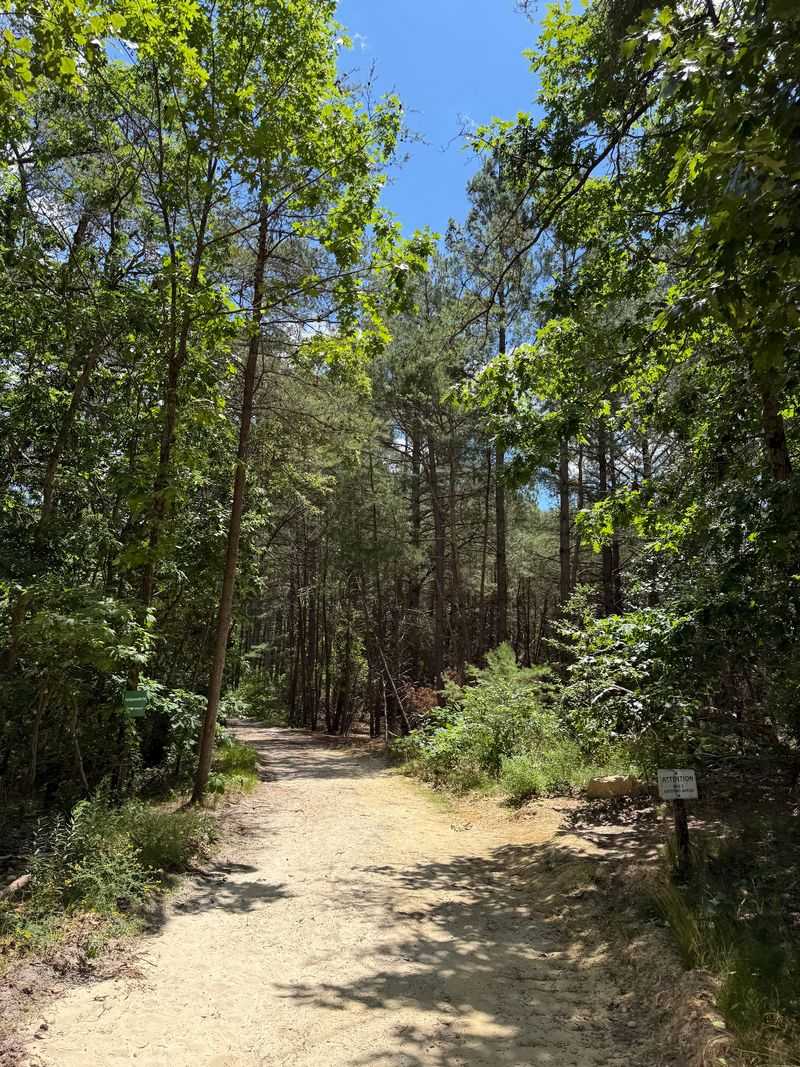
A family with kids aged 13, 12, and 10 spent a weekend hike here and called it a hit. That sums up the crowd well, since the preserve suits curious kids, active grandparents, and couples looking for a morning outside.
Dogs are welcome. Pups seem to love the hills and smells as much as their owners love the views.
Please clean up after pets. The preserve depends on hikers to keep the trails pleasant for everyone.
Kids tend to run ahead, charge up hills, and race down the other side. The ruins, the dock, and the river give them plenty of targets to aim for.
Couples will find it a relaxed spot for a walk to clear their heads. Shorter loops make it easy to fit a hike into a busy weekend.
Popularity has a downside. Weekends can get crowded, so arriving early helps with parking and trail space.
Most people on the trail are friendly, and a quick hello goes a long way. Sharing the paths kindly is part of the preserve’s easygoing spirit.
Not every hiker can handle the hills right now, though. Good news is on the way for them.
A Wellness Garden On The Horizon
Steep climbs and root steps leave some hikers on the sidelines. The Nature Conservancy has announced plans to change that.
The project centers on an accessible garden area. Part of the Blue Trail, from the parking lot to the Orange Trail, is planned to become a flat and stable surface.
That path will lead to a new wellness garden. Plans call for wide, flat trails and ample seating, along with other accessible amenities.
This is a meaningful step for people with mobility challenges. It opens the preserve to grandparents, people with injuries, and families using strollers or other mobility aids.
Details are available in a project FAQ from The Nature Conservancy. Timelines for projects like this can shift, so checking the organization’s website for current status is wise.
The idea reflects the preserve’s welcoming attitude. Nature should feel open to as many people as possible, not just those who can tackle the hills.
Until the garden is complete, the current trails remain the main way to explore. Knowing a few practical details before arrival will make any visit smoother.
Hours, Parking, And Planning Notes
Early birds and after-work walkers both have room here. The preserve is open daily from 6 AM to 8 PM, seven days a week.
Admission details are not listed in the information available for this article. Many Nature Conservancy preserves are free to enter, but it is smart to confirm on the official website before you go.
Parking is on site, with plenty of spaces. The lot sits in the pine forest and is usually kept clean.
The paths in and out of the lot can be rutted. Drive slowly, especially in a low car.
A portable restroom stands in the parking lot. Its condition varies, so it is best not to count on it.
There are no trash cans on the property. Bring a bag and carry out everything you bring in.
Here is a quick checklist for the trip:
Sturdy shoes for roots and hills. Water and snacks.
A photo of the trail map. Binoculars for eagles.
Hours can change seasonally, so a quick check online before leaving is always a good habit. With the basics covered, all that is left is deciding whether this preserve deserves a spot on your weekend plans.
Worth The Drive To Silver Run Road
Small preserves rarely pack this much variety. Tall trees, river bluffs, brick ruins, an artesian well, eagles, a dock, and real hills all share just 535 acres.
The preserve holds a 4.8-star average across more than 700 public ratings on Google Maps. That kind of steady praise is rare for any outdoor spot.
It works well for families with school-age kids who like a little adventure. Couples looking for an easy weekend walk will find plenty of short loop options too.
Mountain bikers have their own marked routes. Birdwatchers have eagles, ospreys, and a bird blind.
It is less ideal for anyone who needs flat, smooth paths, at least until the planned wellness garden is ready. Weekend crowds and a basic restroom are the other trade-offs.
Those are small issues for most hikers. The well-marked trails and careful upkeep more than make up for them.
For South Jersey families, this preserve offers a rare mix of history, wildlife, and hill climbing close to home. Grab the trail map, lace up your shoes, and see what the bluffs above the Maurice River have waiting for you this weekend.


