
Affiliate disclosure: As an Amazon Associate I earn from qualifying purchases. Learn more
Arizona does not get crunchy leaves or frosty mornings, but the West Valley has found its own way to celebrate fall. On one working farm in Glendale, October means rows of pumpkins, a corn maze that can swallow close to an hour, and kids who refuse to leave.
Families have made this place a yearly ritual for more than a decade, and some parents first went as children themselves. The farm stays busy long after Halloween, too, with a produce stand and fresh Christmas trees later in the year.
Keep reading to learn what admission covers, which rides cost a few extra dollars, how to beat the crowds, and why a bag of quarters might be the smartest thing to pack. A real farm adventure sits closer to Phoenix than most locals realize.
A Working Farm on 75th Avenue
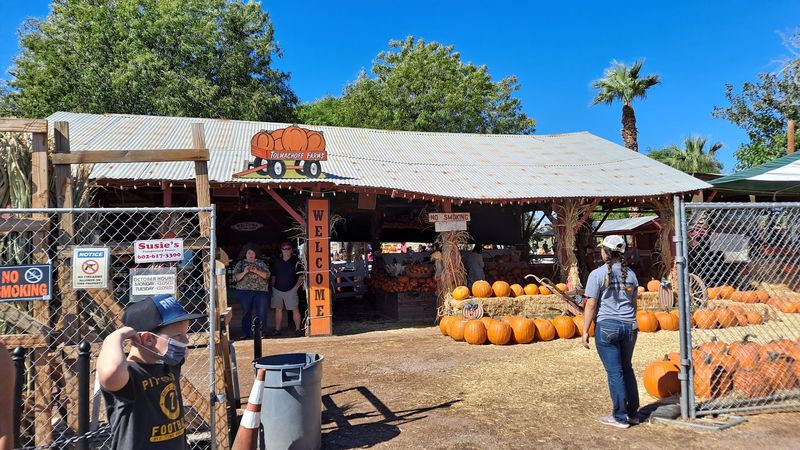
Some of the best fall traditions in the Valley start at an ordinary-looking address. Tolmachoff Farms sits at 5726 N 75th Ave, Glendale, AZ 85303, in the heart of the West Valley.
It is a working farm first, with a farmers market and produce stand that keep it busy beyond pumpkin season. Come autumn, the grounds turn into a full family playground.
The central location is a big selling point. Families from Phoenix, Peoria, and nearby suburbs can reach it without a long trek across the metro.
That matters, because many popular pumpkin patches sit far out in the East Valley. Here, West Valley families can skip the freeway marathon and still get a classic farm day.
The farm keeps daily hours of 9 am to 5 pm, seven days a week. Seasonal events can shift the schedule, so checking the official website before heading out is wise.
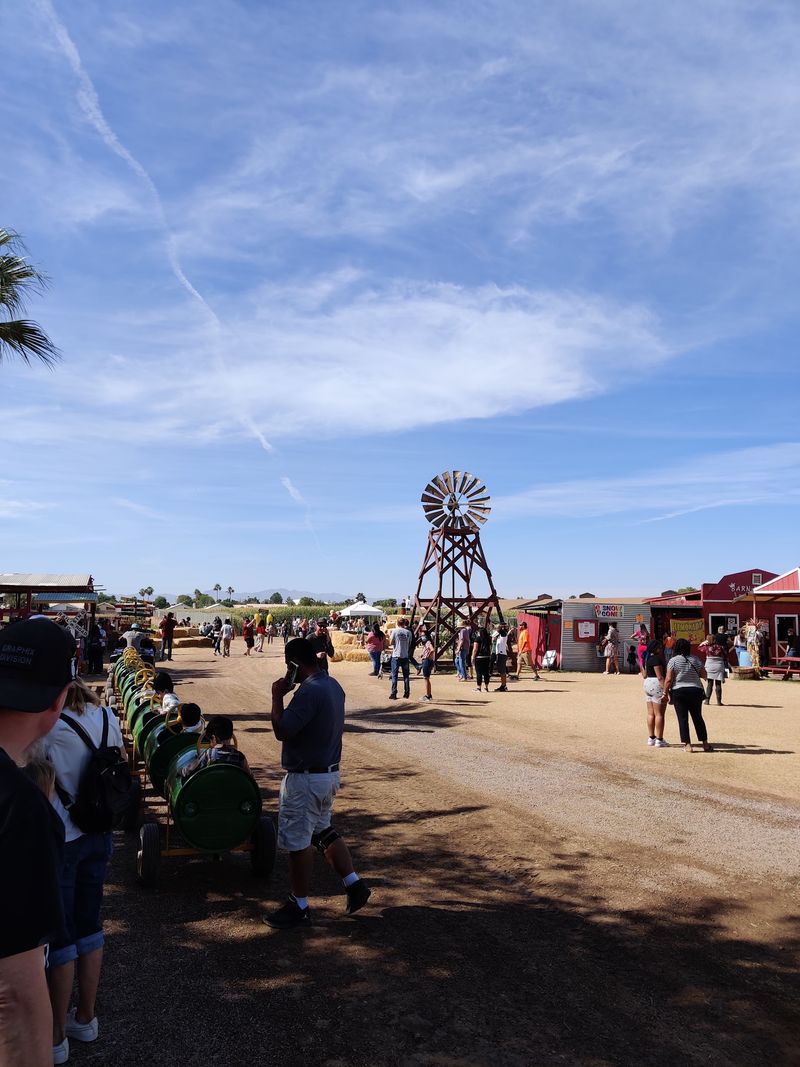
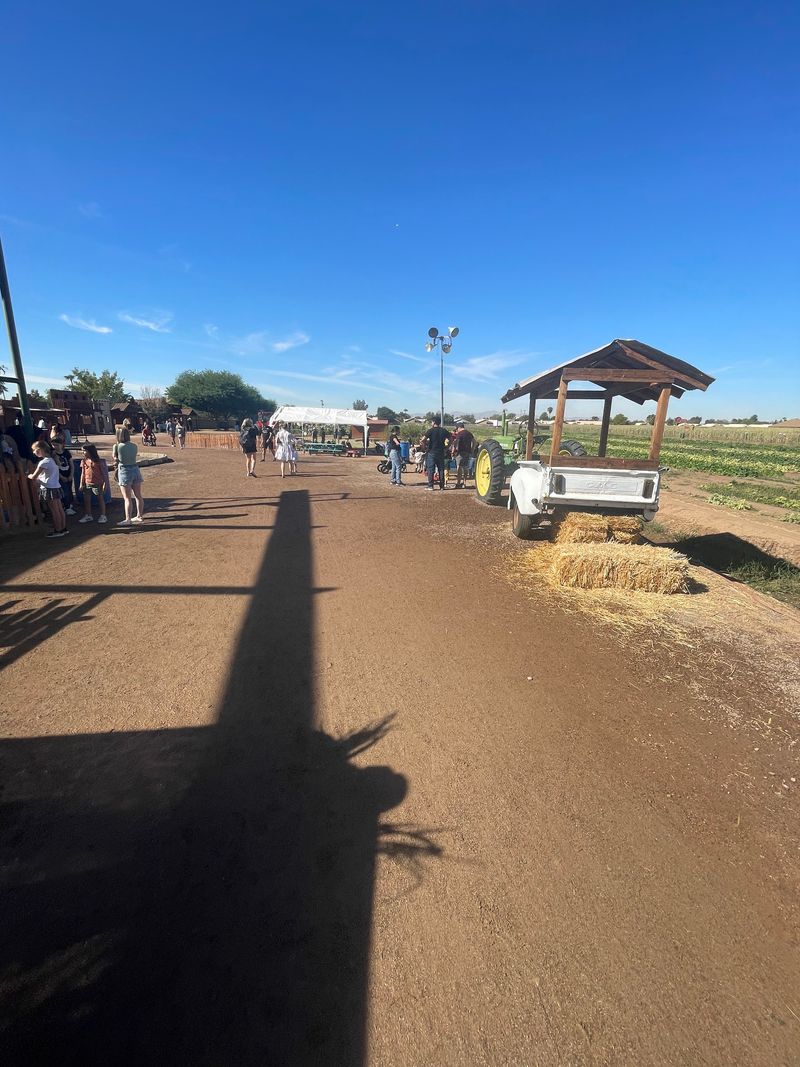
The setting is open and roomy, with plenty of parking and space to spread out. It feels more like a destination than a quick roadside stop.
So what keeps families coming back year after year? The answer starts with a long local history.
Traditions Spanning Generations
Ask West Valley parents about their fall plans, and plenty will mention this farm without a second thought. For many households, the trip is simply what October looks like.
Some families have been coming every fall for more than ten years. Others first visited as kids and now return with little ones of their own.
That kind of loyalty is hard to build. It usually comes from a place that feels steady and familiar while still growing over time.
The farm has expanded its attractions through the years. Parents who remember a smaller patch now find slides, jumpers, a train, and more.
It also serves as a harvest-style alternative for families who skip trick-or-treating. The pumpkin outing becomes the main Halloween event instead.
Grandparents show up with toddlers, and teens tag along for the maze. Even out-of-state guests use it to share a slice of Arizona fall with relatives.
The repeat factor says a lot about the experience. Few places become a ritual by accident, and this one has clearly earned its spot on the family calendar.
Next up is the attraction that gets the most attention: the corn.
Getting Lost in the Corn Maze
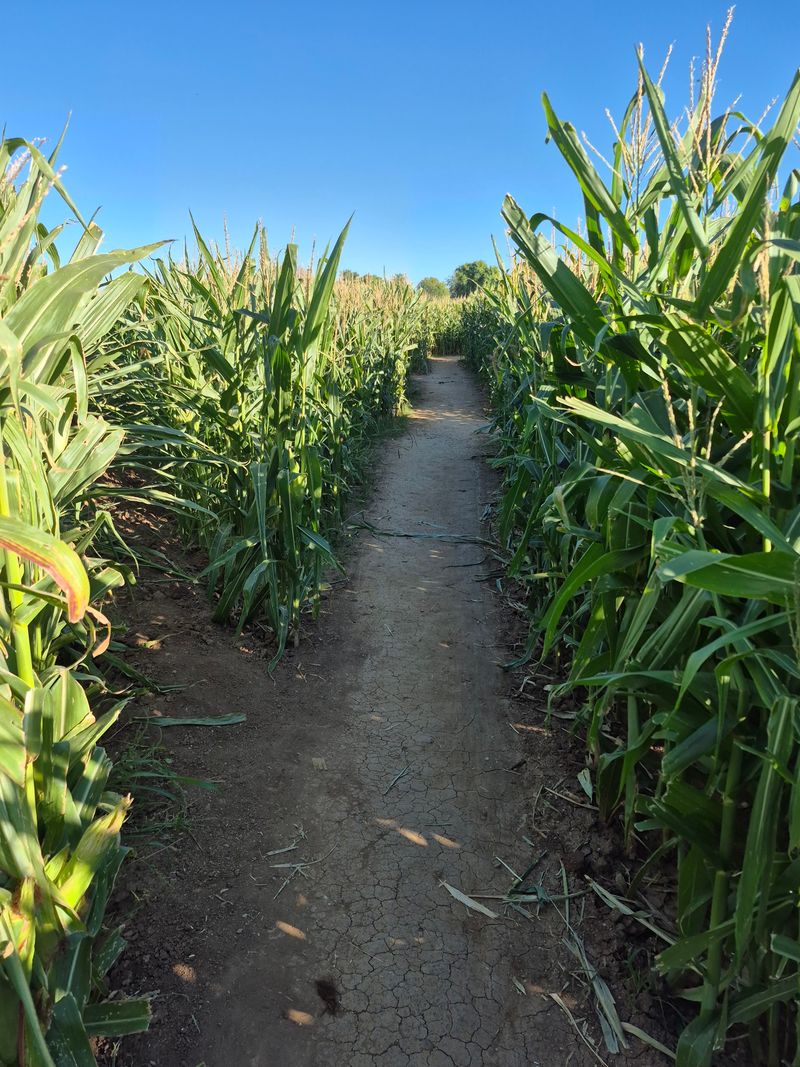
Nearly an hour. That is how long some families spend winding through the corn maze before finding the exit.
The family maze is included with general admission. It is designed as a non-scary option, so younger kids can join without worry.
Teens and adults enjoy it too. Some groups skip most other attractions and simply do the maze and grab a pumpkin.
It works well for mixed-age groups. Older siblings can lead the way while parents pretend not to know the route.
Comfortable shoes are a must. The paths are dirt, and after watering they can turn muddy enough to steal a small shoe or two.
Bringing water is smart, especially early in the season when Arizona temperatures still run warm. A slower pace keeps the adventure fun instead of exhausting.
The maze also adds a bit of real challenge to the day. Getting turned around is part of the charm, and nobody minds an extra loop.
Those wanting a bigger thrill can look forward to another version of the maze entirely.
After Dark Haunted Maze
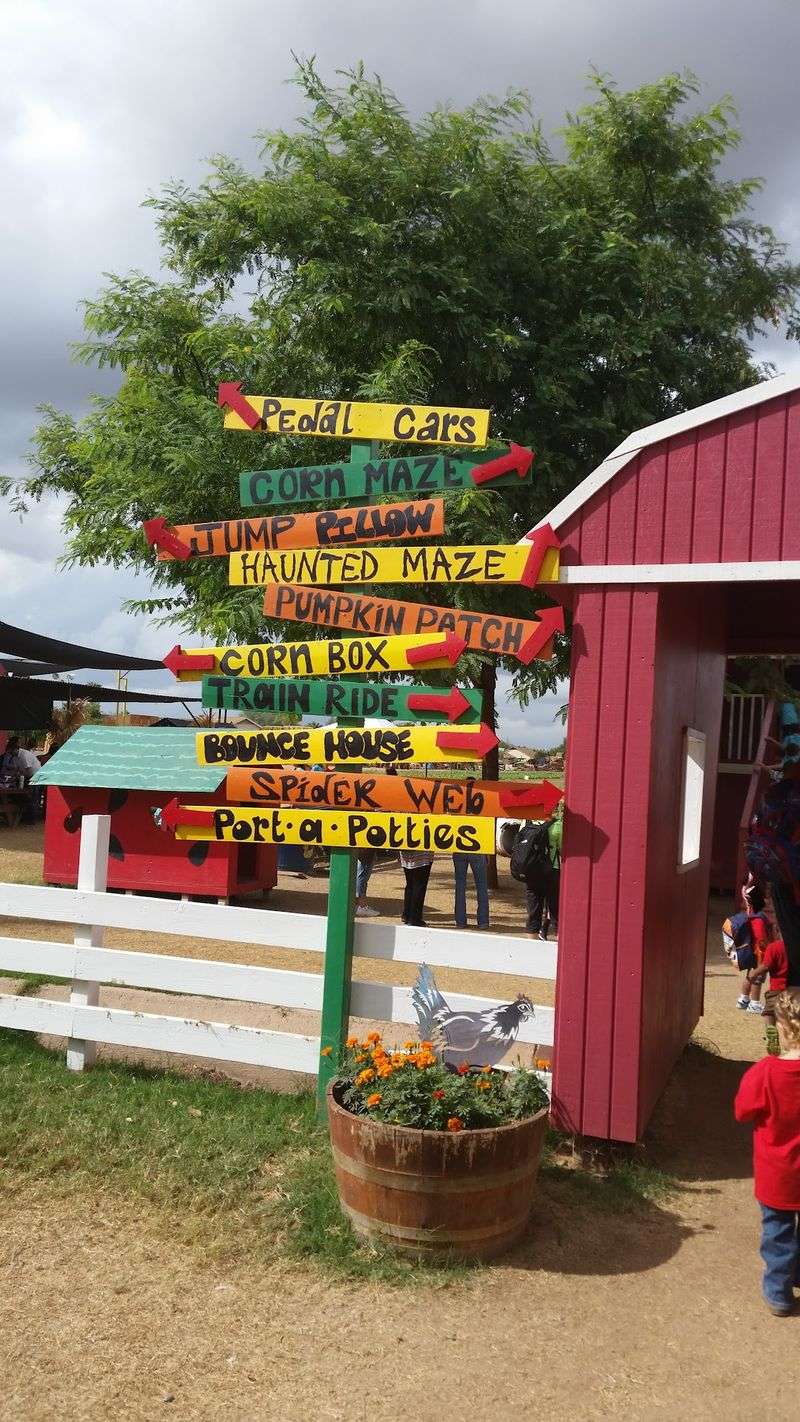
Not every maze trip is meant for toddlers. The farm also offers a haunted maze experience for guests who like their fall with a few jumps.
It runs separately from the daytime family maze, which stays not haunted. That split lets parents choose the right level of excitement.
Teens and adult groups tend to find this option most appealing. It turns a family farm into a weekend night out for older crowds.
Evening events can follow different hours and ticket rules than the daytime patch. Online tickets may be required for later entry.
That detail is worth taking seriously. Arriving late without a ticket can mean being turned away at the parking lot.
The best move is to check the website for haunted maze dates, times, and booking details. A little planning saves a frustrating U-turn.
Families with young children can stick to daylight hours and the friendlier maze. Older thrill-seekers can save the spooky route for a later trip.
Of course, the real star of the season is round, orange, and waiting in the field.
Rows of Pumpkins to Pick
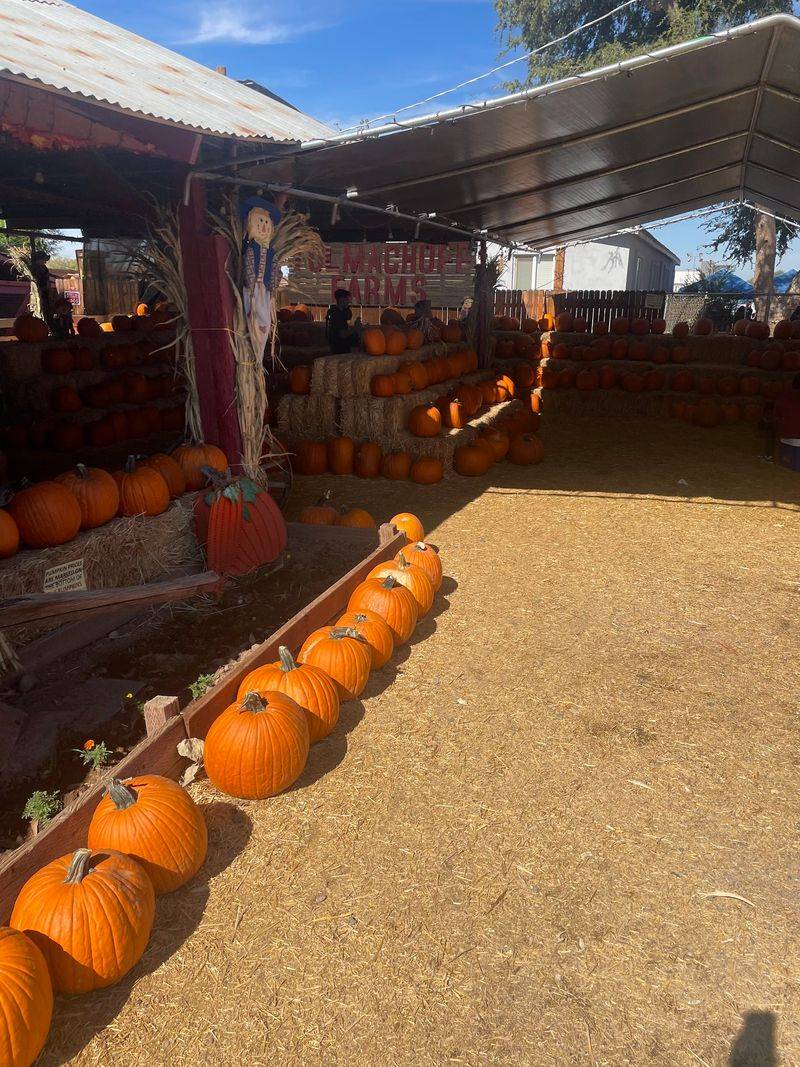
Pumpkins are the reason most families make the drive. The patch offers a wide variety, from carving candidates to decorating pieces.
Kids get to pick their own pumpkin, which is often the highlight of the visit. Many save it for the very end as a final reward.
The selection works for porch displays, centerpieces, and jack-o-lantern projects. Shoppers looking for several sizes will have plenty to compare.
Prices are separate from admission. A medium pumpkin has run about $10, and some shoppers find the cost on the higher side.
Setting a pumpkin budget before arriving helps avoid surprises. Kids tend to spot the biggest one first.
The patch also makes a great photo backdrop. The open layout leaves room for family pictures without too much crowding.
Many guests come only for a pumpkin and a stroll, and that is a perfectly fine plan. Others turn the patch into the closing act of a long day.
Either way, there is plenty to fill the hours before picking time.
Jumpers, Slides and Bounce Pillows
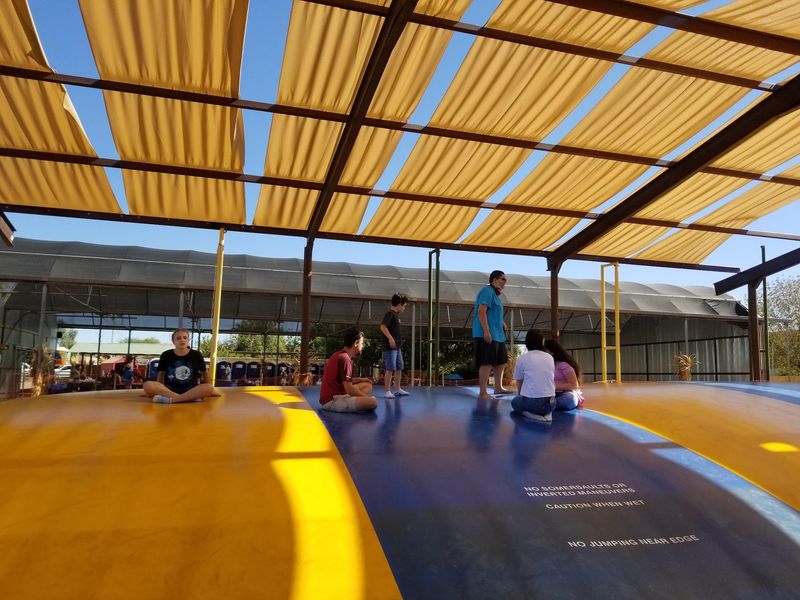
Energy levels rise fast once kids spot the play zone. The farm packs in slides, bounce pads, a bouncy house, and climbing spots.
Jumpers are split by age, which parents appreciate. Toddlers can bounce without bigger kids knocking them over.
There are also corn-filled boxes for digging and playing. These keep small children busy for a surprisingly long time.
Popular areas can have lines. The bounce pad may limit groups and jump times to keep things safe and moving.
Staff monitor some play equipment with rules on repeat turns and adult use. Asking about limits upfront helps avoid confusion.
A smaller playground sits toward the far end of the grounds. Heading straight past the entrance leads to it.
Kids often get tired here but still refuse to stop. That is usually the sign of a good day.
Once the jumping winds down, the farm has more wheels waiting.
Trains, Tractors and Pedal Cars
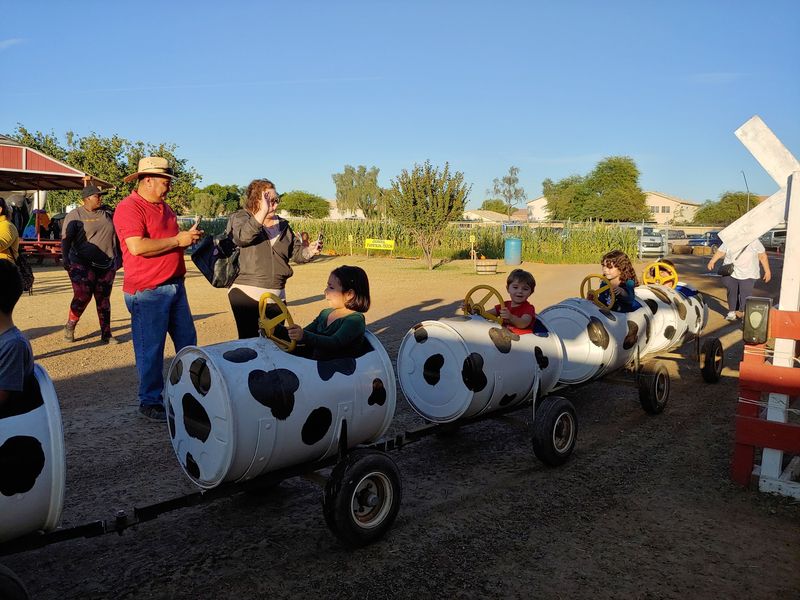
Little engineers tend to make a beeline for the kids train. It is often called the most popular ride on the property.
The train costs extra, usually a few dollars per ride. Past prices have ranged around $3 to $4.
It is meant for children who can ride on their own. Adults do not ride along, which parents should know before promising a joint trip.
Tractor rides also carry a small added fee. They bring the classic hayride feel to the farm visit.
Tractor pedal cars and bikes are included with admission. Kids can pedal laps while parents rest for a minute.
The add-on costs are modest individually, but they stack up for big families. Planning which rides matter most keeps spending in check.
Some guests wish one ride came free with entry. Others see the small fees as fair for a full-day outing.
After the wheels stop, a gentler crowd waits by the fence.
Goats, Cows and Quarters
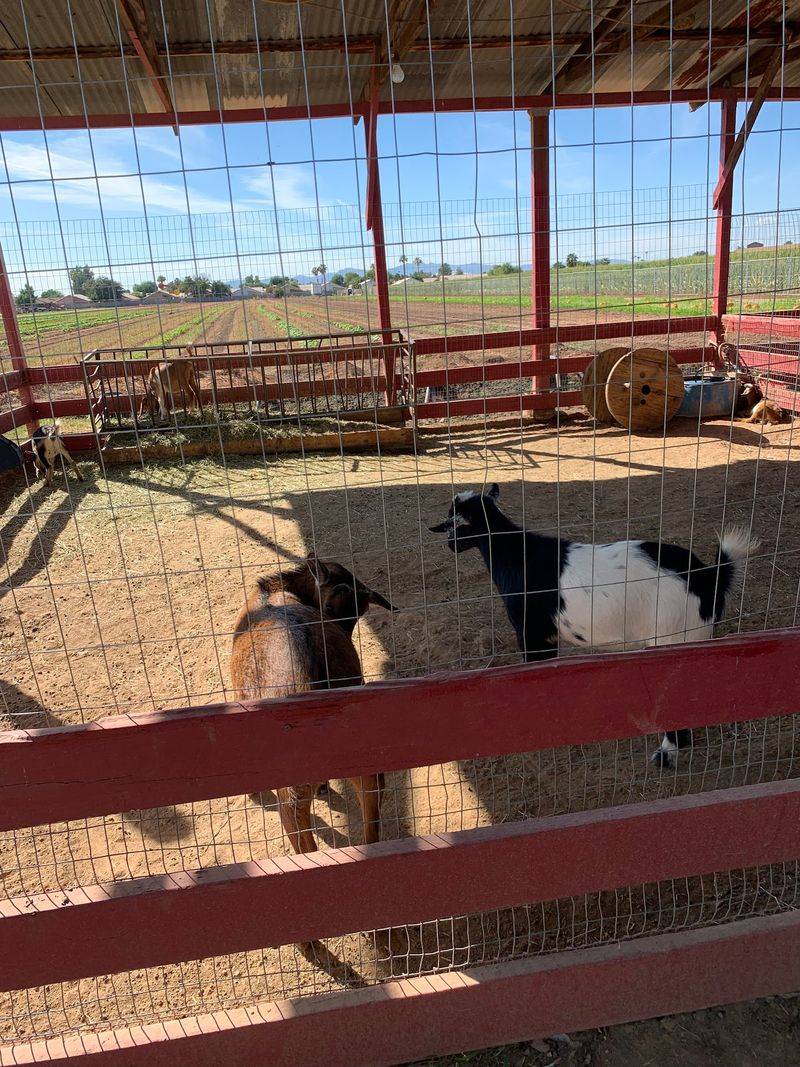
A pocket full of quarters may be the best tool for this part of the farm. The petting zoo has baby goats that kids can feed for about 50 cents.
Children love seeing the animals up close. A cow sighting has turned more than one shy toddler into a beaming one.
The zoo is included with admission. It is a calm break between bouncing and running.
Not every animal is in the mood for petting. Expectations work best when the visit is treated as an animal meet and greet.
Very young children may watch more than touch. Even so, the goats tend to draw plenty of attention.
Washing hands afterward is a good habit. Portable restrooms are available on site.
It is a small corner of the farm, yet it often sticks in kids’ memories longest. Animals have a way of doing that.
Next comes a launch that adds a bit of science to the fun.
The Potato Launch
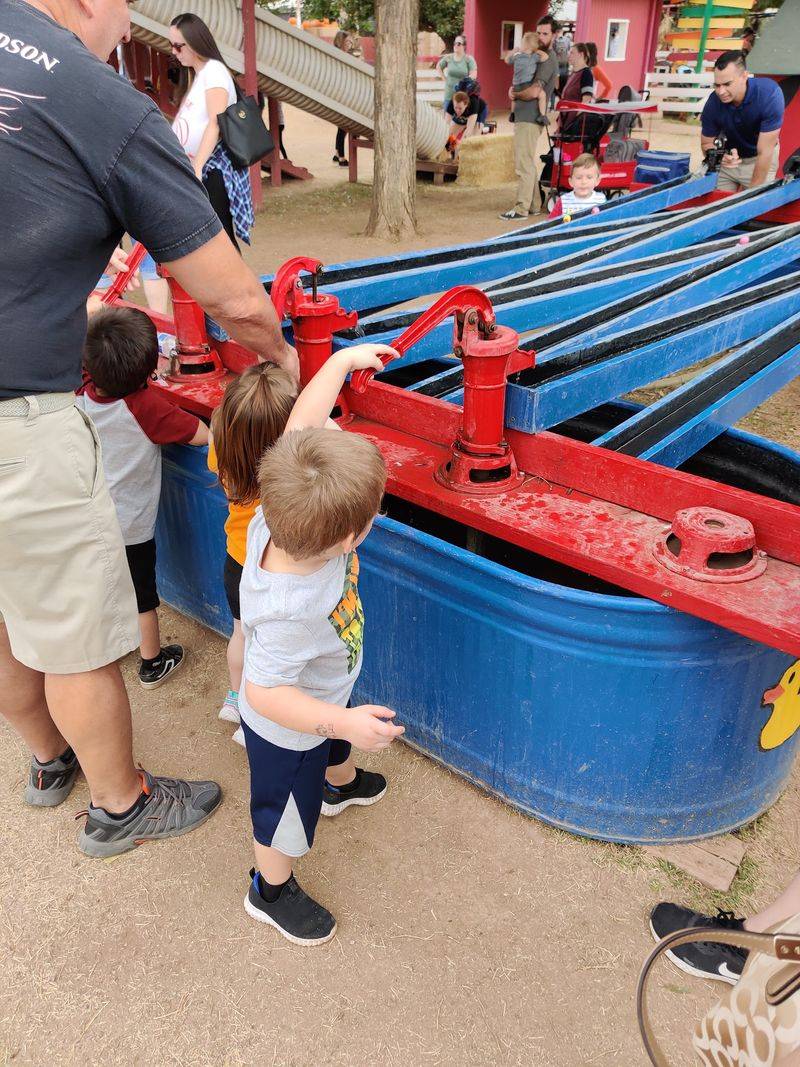
Few farms let guests fling produce on purpose. The potato launch is one of the more playful add-ons here.
It has cost about $3 extra. That puts it in the same small-fee group as the train.
Older kids tend to find it especially fun. It offers something different from slides and mazes.
Parents of tweens and teens may want to point this out early. Older children sometimes feel the farm leans young, and this helps balance that.
Like other extras, availability can vary by season. Checking at the ticket booth confirms what is running that day.
The launch also makes a quick, memorable stop for families short on time. A few tries can spark plenty of laughter.
Food comes next, and planning ahead pays off there.
Fair Food and Snack Strategy
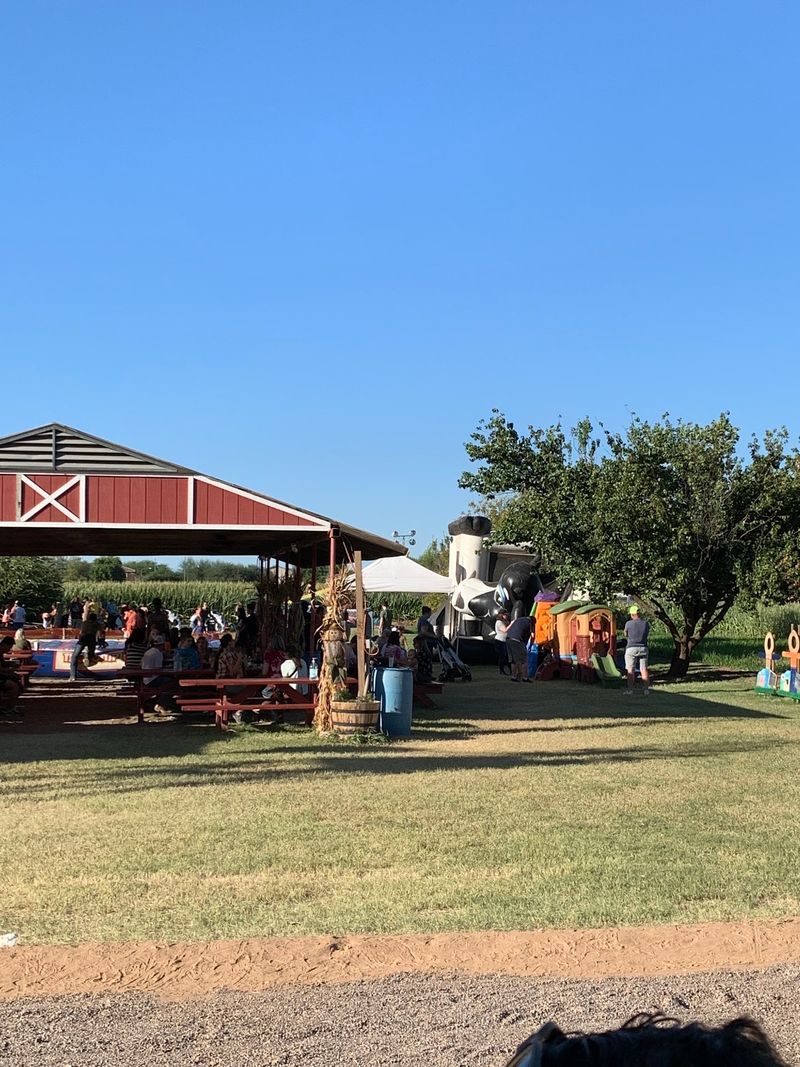
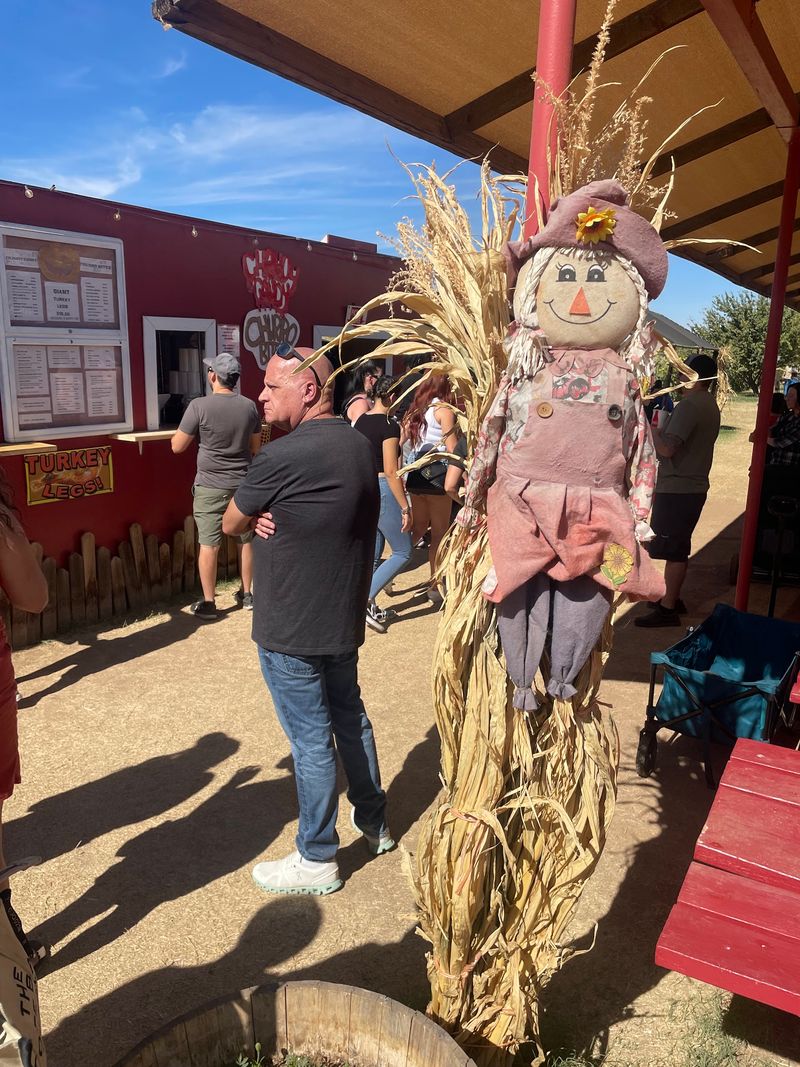
Hungry kids can change the mood of any outing. The farm has a couple of food stations serving fair-style options.
Food is not included in admission. Prices can feel steep, which is common at seasonal events.
Options for picky young eaters can be limited. Many parents bring snacks and water for the kids.
Water is especially important early in fall. Arizona afternoons can stay warm well into October.
Picnic-style planning keeps costs down. It also prevents meltdowns between attractions.
Some guests treat food stalls as a small treat rather than lunch. That approach keeps the budget friendly.
The real food find, though, may be at the farm stand.
The Produce Stand Year Round
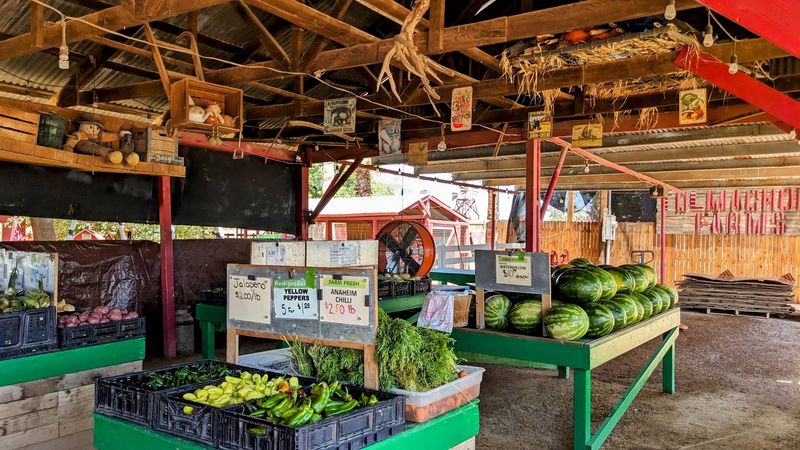
Long after the last pumpkin leaves, the farm stand keeps working. Its produce draws loyal shoppers all year.
Shelves can hold green onions, carrots, corn, tomatoes, and Anaheim peppers. Watermelon is a regular favorite, including a yellow variety that is a rare local find.
Prices are considered good for farmers market produce. Shoppers can ask staff about items stored in the back.
Jarred goods, local honey, and baked items round out the stand. Homemade sourdough and pastries have appeared too.
This side of the farm suits adults just as much as kids. It turns a quick stop into a grocery run with local roots.
Many families pair a fall trip with a produce haul. Others return in summer just for melons.
And when December rolls around, the farm changes costumes again.
Christmas Trees in the Desert
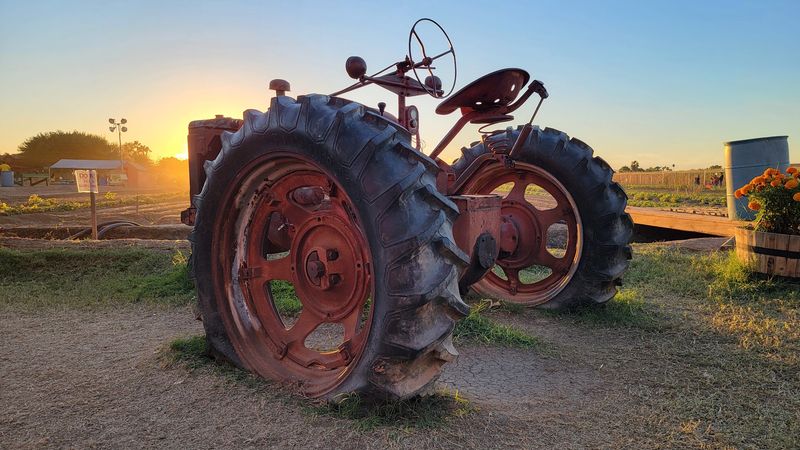
Fall is not the farm’s only holiday moment. Fresh Christmas trees arrive later in the year.
Some families have built a second tradition around this. They pick a pumpkin in October and a tree in December.
It gives West Valley households a local option for tree shopping. No long drive is needed.
Tree season details can change each year. The website is the best place to confirm dates and selection.
Pairing the trip with a produce stand stop is easy. The farm makes holiday errands feel like an outing.
With seasons covered, it is time to talk tickets.
Tickets, Hours and Smart Timing
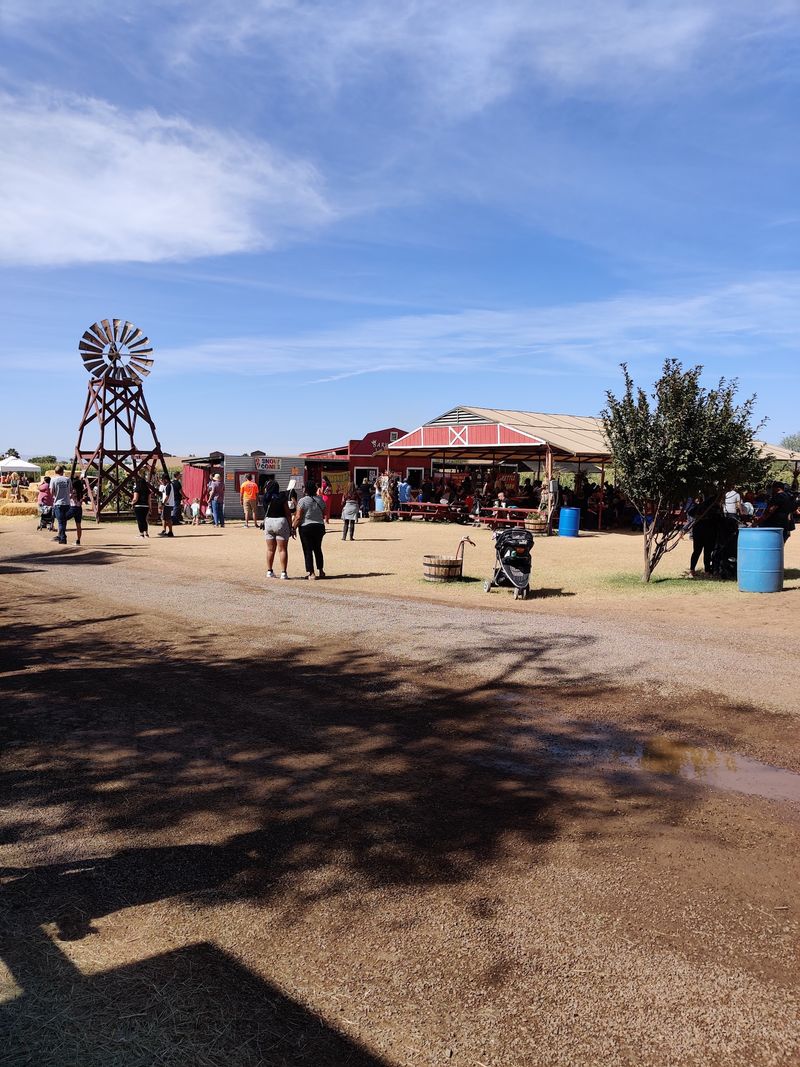
Admission has run about $20 per person in recent seasons. Children one and under have entered free.
That ticket covers the family maze, bounce pillow, pedal cars, petting zoo, slides, and more. Train, tractor, and potato launch cost extra.
A cash discount has been offered, which helps larger groups. Bringing cash and quarters is a smart move.
Value depends on the kids’ ages. Children around two to ten usually get the most out of admission.
Standard hours run 9 am to 5 pm daily. Evening entry may require online tickets.
Lines can be long at opening but tend to move quickly. Mornings also offer cooler weather.
Plenty of parking and clean portable restrooms help logistics. Dressing for dirt makes the day easier.
So, is it worth the trip?
Who Will Love It Most
Young families get the biggest payoff here. Kids between toddler age and about ten can fill hours with jumping, mazes, and animals.
Grandparents find it easy to manage, with age-sorted play areas. The roomy grounds rarely feel packed.
Teens and adults may prefer a shorter visit focused on the maze, pumpkins, and produce. The haunted maze adds a grown-up option.
Families on tight budgets should plan for extras. Rides, food, and pumpkins add up.
Staff are often friendly and helpful, though rules on equipment are enforced. Clear questions at the gate help everyone.
For West Valley locals, the convenience is hard to beat. It brings a true farm day close to home.
With pumpkins, corn, and a stand that never really closes, this Glendale farm has quietly become a seasonal landmark. Arizona fall, it turns out, grows right here.


