

Affiliate disclosure: As an Amazon Associate I earn from qualifying purchases. Learn more
Some Tucson residents live here for years before they finally walk through one particular gate on the east side of town. Then they wonder why they waited so long.
Tucked into a neighborhood setting is a garden that packs a dozen themed spaces, a butterfly house, cacti by the hundreds, and a miniature railroad onto just over five acres. It looks small on the map, yet people regularly spend two to four hours inside without running out of things to see.
The cooler months are when this place really belongs to the people of the Old Pueblo, with comfortable afternoons, rotating art, and butterflies back in their greenhouse. Keep reading to learn what makes this desert oasis so loved, which corners deserve your time, and the practical details that will help you plan a smooth visit.
An East Side Oasis on Alvernon Way
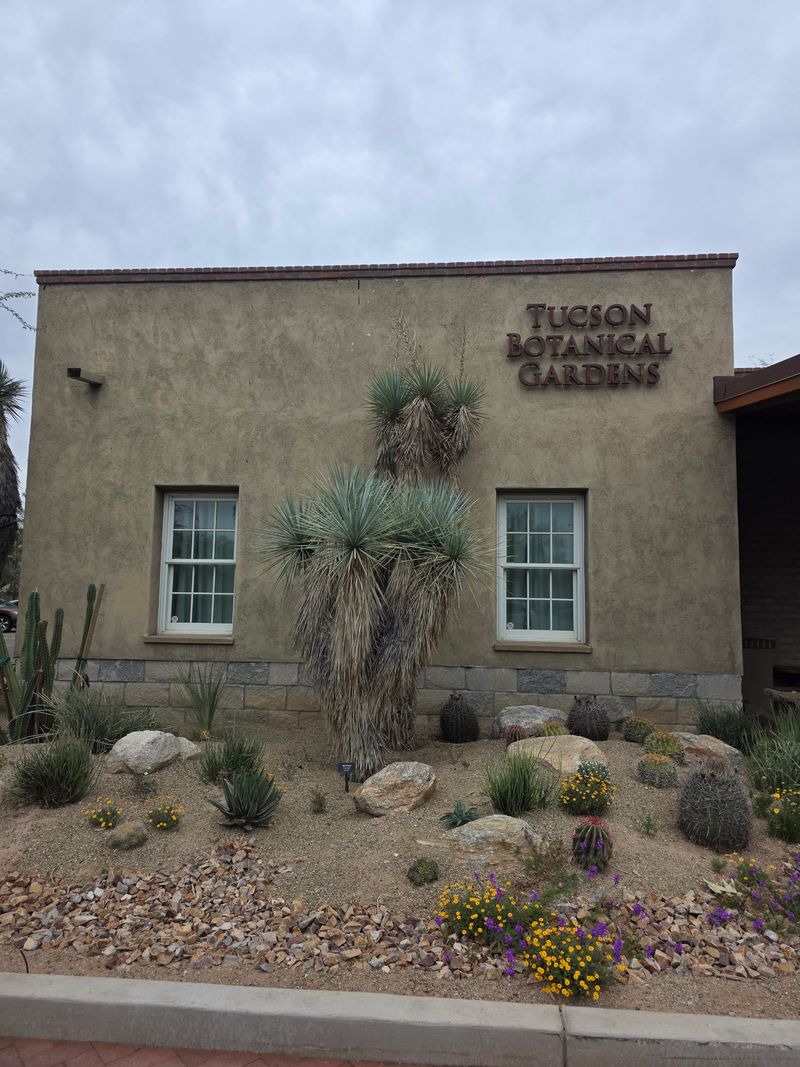
Plenty of cities have botanical gardens, but few fit this much into such a modest footprint. Tucson Botanical Gardens sits at 2150 N Alvernon Way, Tucson, AZ 85712, in southern Arizona.
The grounds cover more than five acres. Within that space are about a dozen separate public gardens, each with its own theme and purpose.
The location makes it easy for locals to reach from almost anywhere in the city. It is a quick stop for an afternoon outing, yet deep enough to fill most of a day.
A common surprise for first-timers is the scale. The garden appears tiny on a map, but the winding paths, side gardens, and exhibits make it feel much larger once inside.
Families, solo wanderers, retirees, and art lovers all find a reason to come here. The garden also offers educational features and activities designed with kids in mind.
With a 4.7-star standing across more than 4,600 public ratings, it has earned a strong reputation among people who know Tucson well. That kind of local loyalty does not happen by accident.
So what exactly fills those five acres? The answer starts with a little history.
Historic Grounds With Decades of Roots

Long before it became a weekend favorite, this patch of Tucson already had a story. The garden sits on historic grounds, and that sense of heritage is part of its charm.
Decades of care have shaped the property into what it is today. The plantings show a long-running commitment to desert horticulture and to showing how life thrives in a dry climate.
One of the garden’s main goals is education. The collections showcase the plants of the Sonoran Desert and how residents can grow their own small paradise right here in the Old Pueblo.
That message lands especially well with locals. Many come away with fresh ideas for their own yards and patios.
The garden is also 100% organic. Because of that approach, insects, birds, and reptiles find plenty of room to flourish across the grounds.
Plant labels throughout the property carry helpful information. Curious guests can learn names and details at almost every turn without needing a guidebook.
History here is not locked behind glass. It grows right along the paths, one labeled plant at a time.
Cactus Country, Up Close
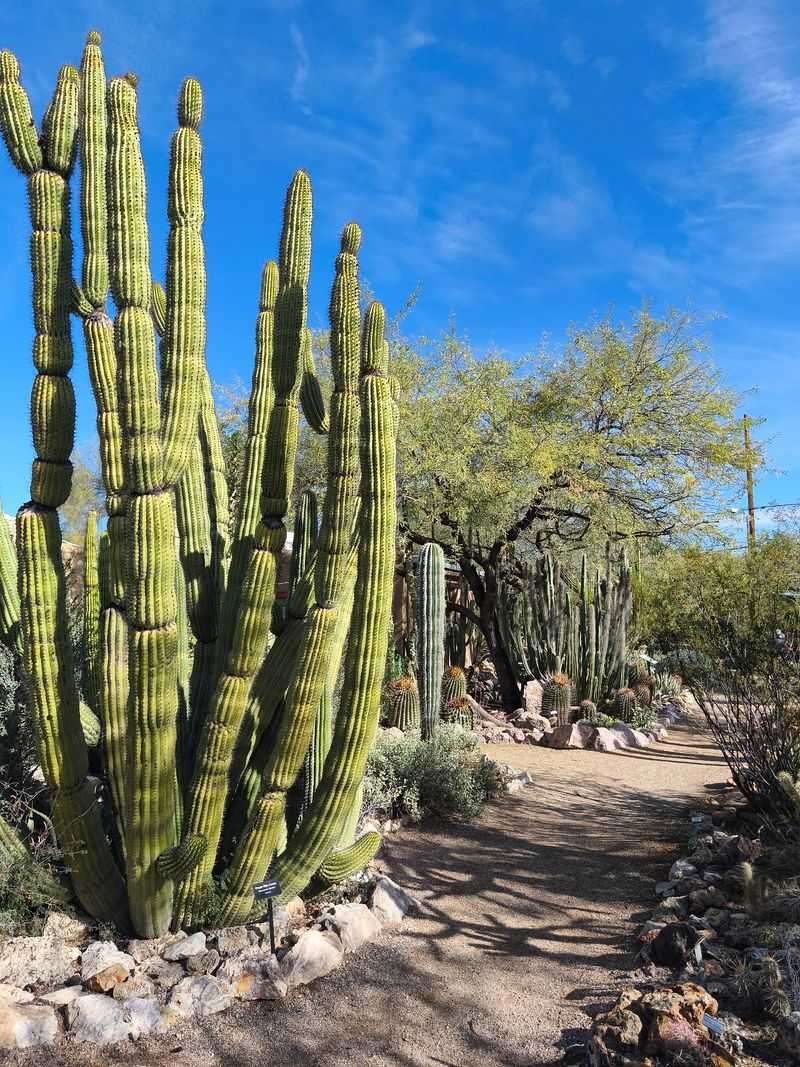
Saguaros get the postcards, but the cactus garden here proves the desert has a much deeper bench. Variety is the big story.
Cacti and succulents appear throughout the property, not just in one corner. The dedicated cactus garden is a standout, and it is a favorite stop for photographers.
Many people find themselves stopping every few steps to snap another shot. The range of shapes and sizes makes it hard to put the camera away.
Labels help turn a casual stroll into a mini lesson. Names and growing details are posted clearly, which is handy for anyone planning a home garden.
For newcomers to Arizona, this section offers a crash course in desert plant life. For longtime residents, it is a reminder of just how diverse the local landscape can be.
The layout is easy to follow, with paths that make it simple to circle back to a favorite specimen. Nobody needs a map to enjoy it.
Consider it a prickly reunion with the neighbors you drive past every day.
Butterfly Magic in the Greenhouse
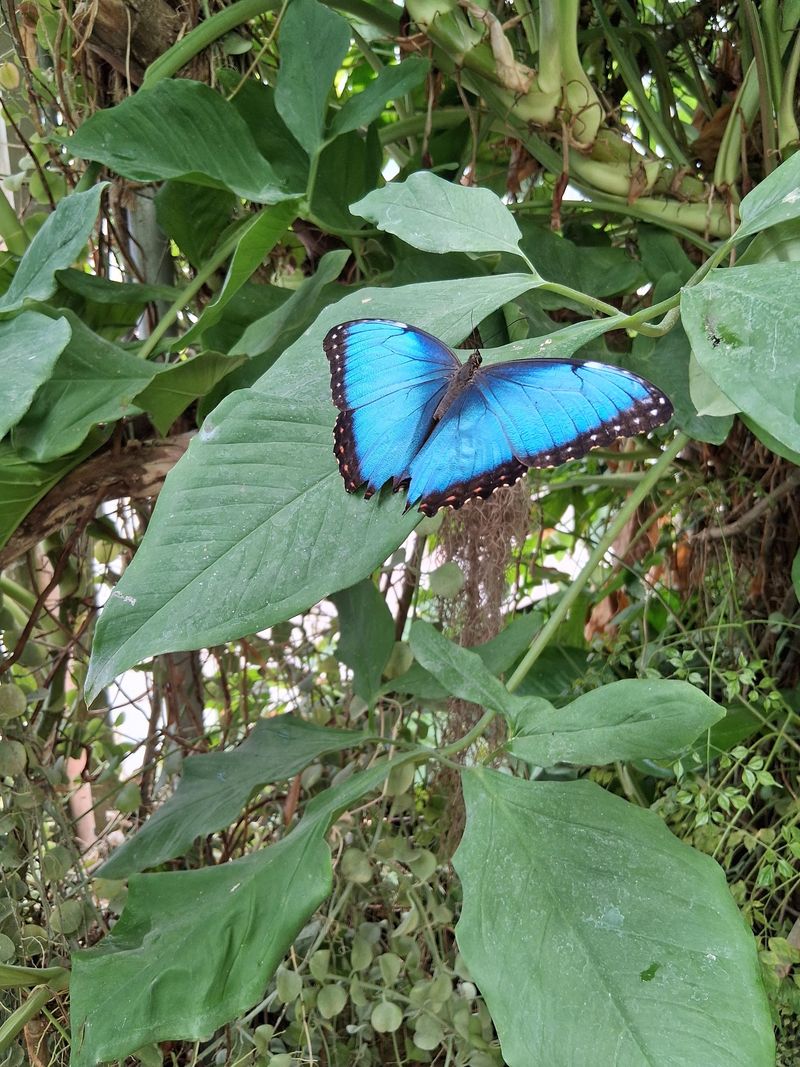
Mention this garden to almost any Tucsonan, and the butterflies come up first. The butterfly exhibit, known as Butterfly Magic, is the most talked-about feature on the grounds.
It lives inside a greenhouse filled with orchids and large tropical plants. Butterflies fly freely around the space and sometimes land right on guests.
Blue Morpho butterflies are among the stars. Many people take several laps around the enclosure to spot as many as possible.
The pavilion is on the smaller side compared with some others around the country. Even so, it remains a highlight for families and longtime fans alike.
Timing matters here. Butterfly Magic closes every summer because the greenhouse gets too hot, and it reopens in October.
The garden uses that closed period for updates and repairs. That means the butterflies return each fall to a freshly tuned space.
Here is the winter advantage in action. The cooler months are exactly when this exhibit is open and fluttering at full strength.
Tiny Trains and Historic Stations
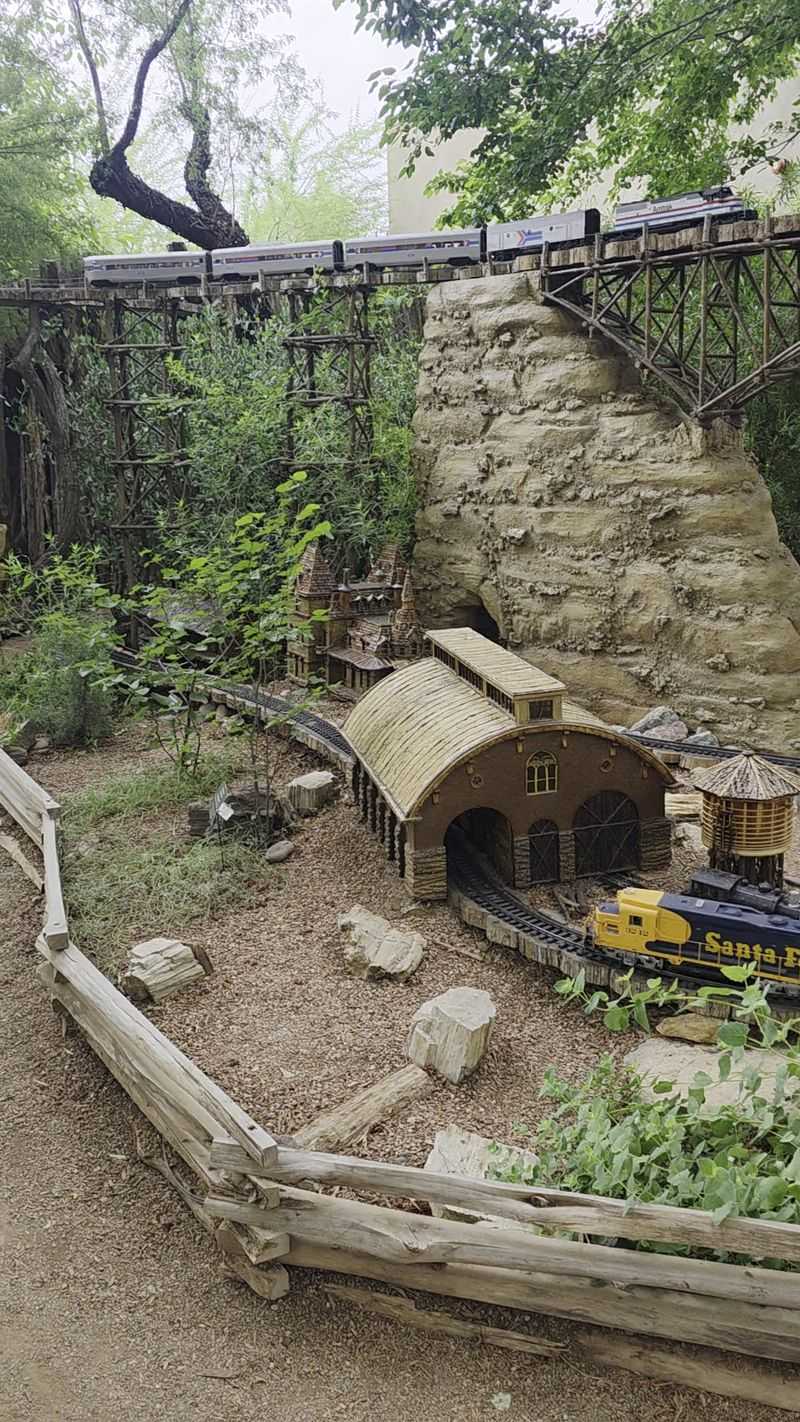
Small scale, big fan club. The model train exhibit is one of the garden’s most charming surprises.
Miniature trains travel past detailed stations modeled on historic southern Arizona towns. During the holiday season, the display has also featured stations tied to other US states.
The craftsmanship is impressive even when the trains are parked. Still, seeing them in motion is the real treat.
Run times are worth checking upon arrival. It is easy to miss the final run of the day if you linger too long elsewhere.
A small fairy garden sits alongside the train area. Together, they create a playful corner that kids and adults both enjoy.
Railroad fans tend to linger here longer than planned. The historic details invite a closer look at each little building along the track.
All aboard for a short trip through Arizona’s past, no ticket punch required.
Frida Kahlo’s Blue House Tribute
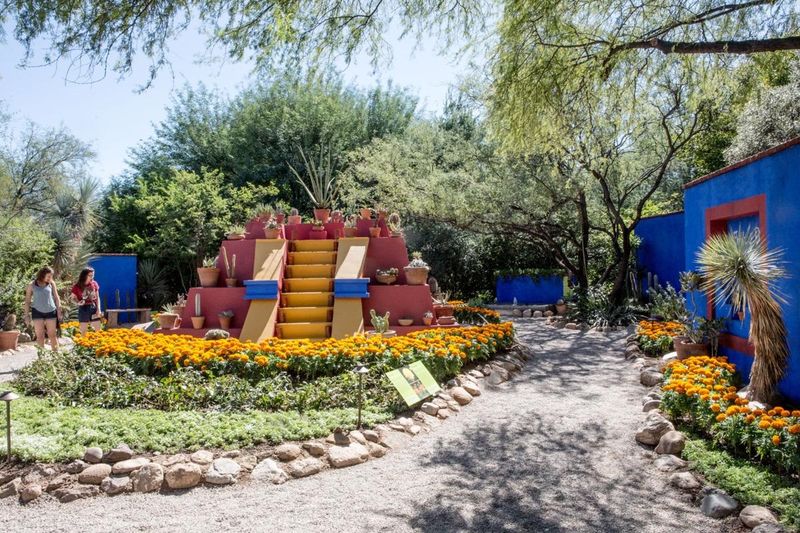
A bright blue courtyard in the middle of a desert garden makes people stop and look twice. That is the Frida Kahlo: La Casa Azul installation.
The exhibit is a tribute inspired by the artist’s home in Mexico City. It blends art, garden design, and culture into one memorable space.
Many guests count it among their favorite parts of the visit. Some return for each new version of the Frida experience the garden presents.
The installation often sets the tone for exploring the rest of the grounds. It is an artistic welcome that hints at the creativity found elsewhere on the paths.
For locals, it offers a cultural connection that feels right at home in southern Arizona. It reflects the strong ties between Tucson and Mexico.
Fans of art and history will want to give this area extra time. There is plenty to notice in the details.
Blue may be the signature color, but the mood here is anything but.
Art That Keeps Changing
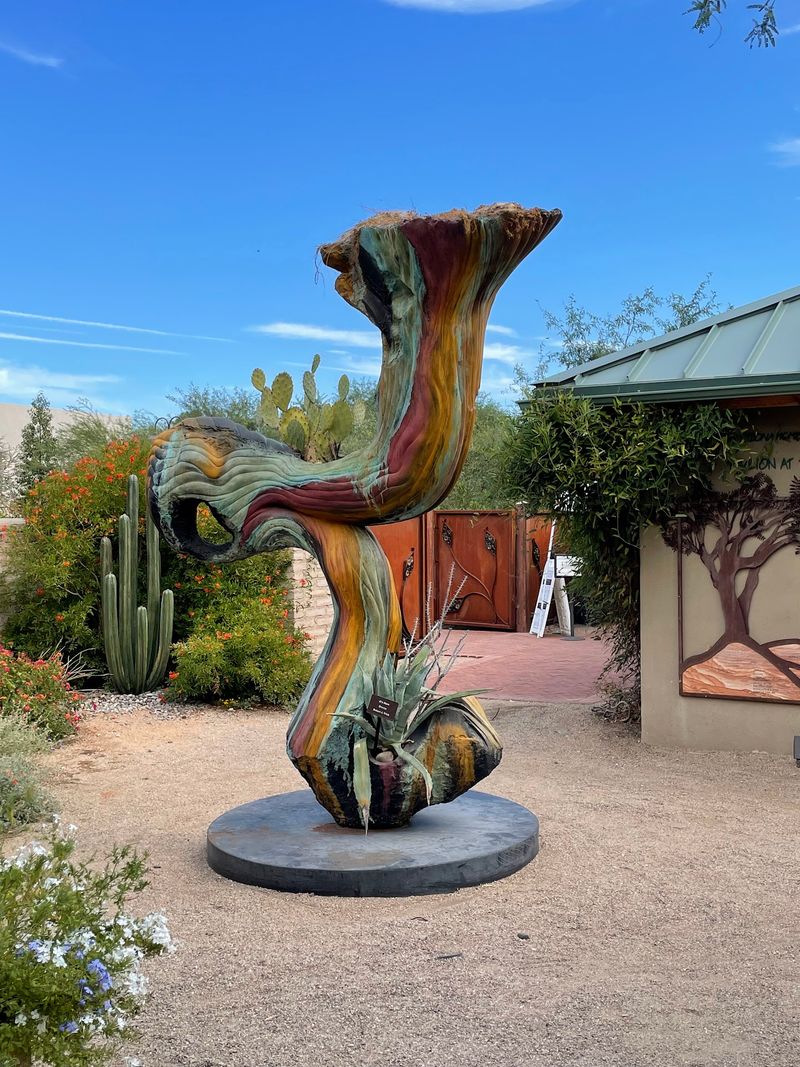
Repeat visits rarely feel like reruns here. The garden regularly rotates art throughout the grounds.
Local artists exhibit works in a gallery space and along the paths. Traveling sculpture exhibits also appear, adding new pieces among the plants.
Quilt exhibits have been part of the lineup too. A LEGO exhibit has drawn plenty of attention as well.
Sculptures placed around the property give walkers something unexpected around corners. They pair well with the layered plantings.
This steady refresh is a big reason members keep coming back. Each season can bring a fresh gallery show or a new outdoor display.
Some regulars even bring sketchbooks on quiet weekdays. The setting invites creativity as much as admiration.
Check the garden’s website before a trip to see what is currently on view. The lineup has a habit of changing when you least expect it.
Little Neighbors Among the Plants
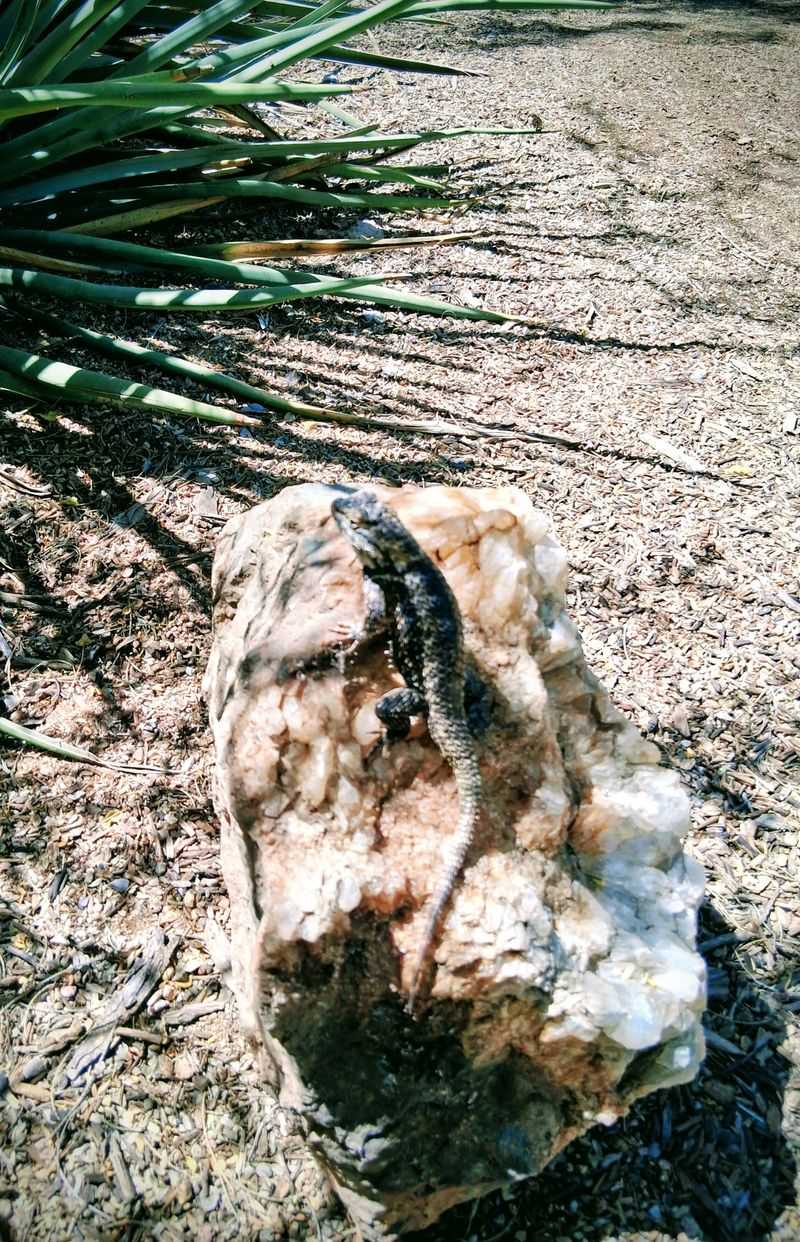
Not every resident here has roots. Lizards, birds, and insects are part of the daily cast.
Thanks to the organic gardening approach, wildlife thrives across the grounds. Small lizards dart along paths and rocks, and kids love trying to spot them.
Birds move through the trees and flower beds. Butterflies are not limited to the greenhouse either.
The garden also has a tortoise. It is not always out and about, so seeing it is a bit of luck.
A friendly resident cat has charmed plenty of guests too. It is a small detail, but it adds personality to the place.
After a wet monsoon, mosquitoes can show up. Bringing repellent during that season is a smart move.
Wildlife watching turns a garden stroll into a gentle scavenger hunt. Just remember that the lizards set their own schedule.
Shade, Herbs, and a Calm Pace
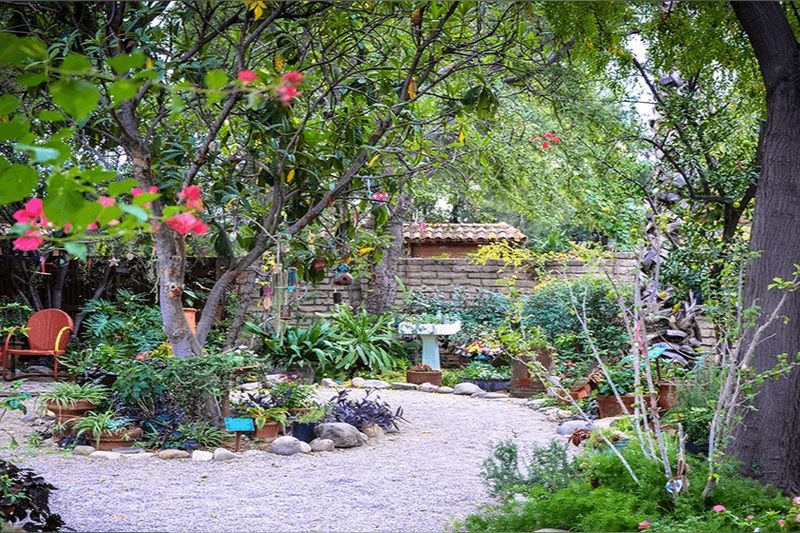
Calm is a big part of the appeal. The atmosphere here is often described as peaceful, and it shows.
Paths are easy to walk and well maintained. Shady stretches make a real difference on warmer days.
Plantings are thoughtfully layered, so there is something to look at in nearly every spot. The gardening team plans that layering on purpose.
The herb area is a must for anyone who likes to cook or grow plants at home. A Tuscan garden adds another distinct mood.
Fruit trees and colorful flowers also appear around the property. Some transplants spot flowers they have not seen since moving to Tucson.
Litter is hard to find, and the grounds feel cared for. Water bottle refill stations near the entrance help keep everyone comfortable.
Leashed dogs have also been welcomed warmly by staff. It is the rare outing that suits people and pups alike.
Edna’s Eatery and the Gift Shop
Hunger has a way of cutting garden visits short. Here, it does not have to.
Edna’s Eatery sits within the gardens and offers a convenient spot for lunch or a snack. The menu is varied and considered budget friendly.
Staff at the cafe are known for being welcoming. On busy days, the space fills with happy guests taking a break.
When the cafe is closed, an ice water station has been set out. It is a thoughtful touch in the desert heat.
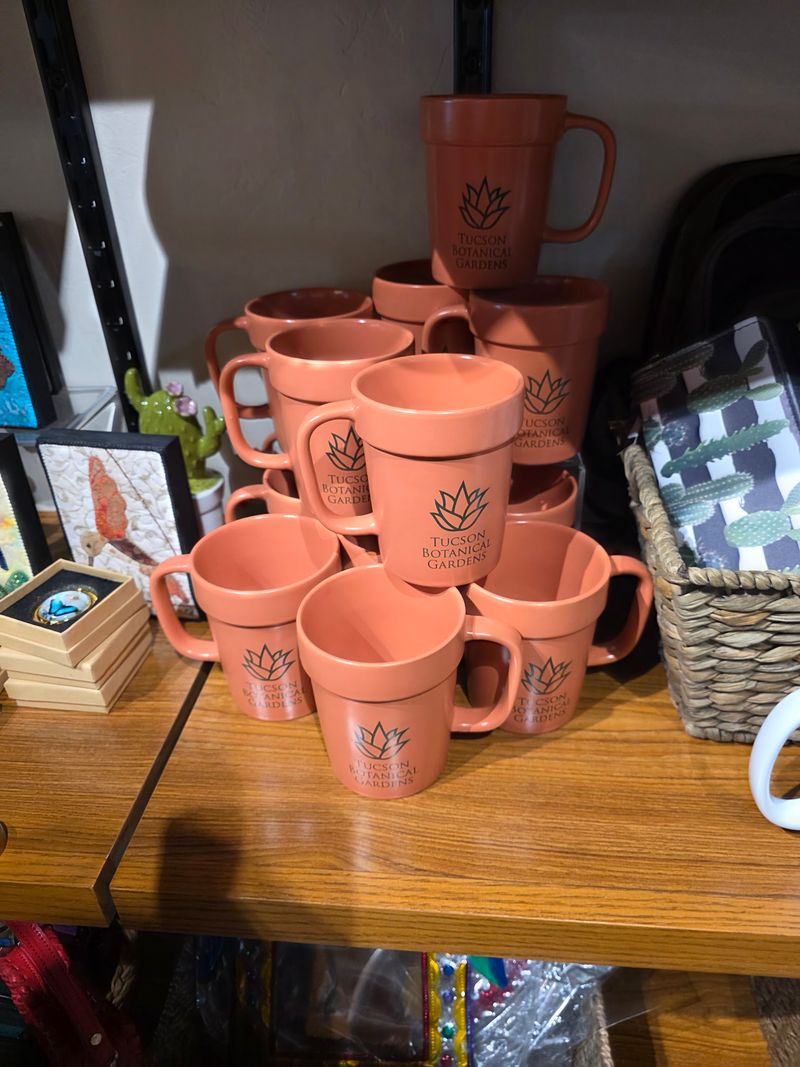
The gift shop is another popular stop. It carries a nice selection of items, and staff there share helpful information.
Many people make the shop their final stop before heading out. It is an easy way to take home a small reminder of the day.
Fuel up, browse a bit, then head back out for one more loop.
Winter Lights and Seasonal Shifts
Summer locals know the drill: go early or not at all. Winter changes the game completely.
Cooler weather makes long walks comfortable. The butterflies are back by fall, and new exhibits often arrive as temperatures drop.
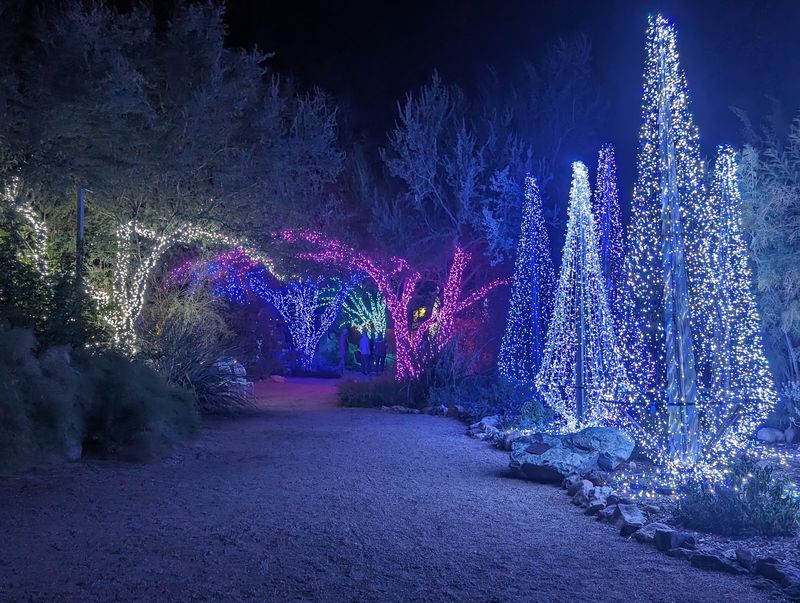
Around Christmas, the garden hosts light displays. The plants remain striking even at night under the glow.
Holiday visits have also featured live music and the decorated model trains. It turns an ordinary outing into a seasonal tradition.
The garden changes dramatically throughout the year. Something new is usually blooming, and gallery shows rotate too.
Returning guests often notice how different each season looks. That variety rewards locals who visit more than once.
For residents, winter is the sweet spot. It is when this desert garden feels most like a hometown secret.
Planning a Smooth Visit
Good news for flexible schedules: the gates keep the same hours every day. The garden is open daily from 8:30 AM to 4:30 PM.
Plan for about two to four hours at a relaxed pace. That leaves time for the trains, butterflies, art, and a cafe break.
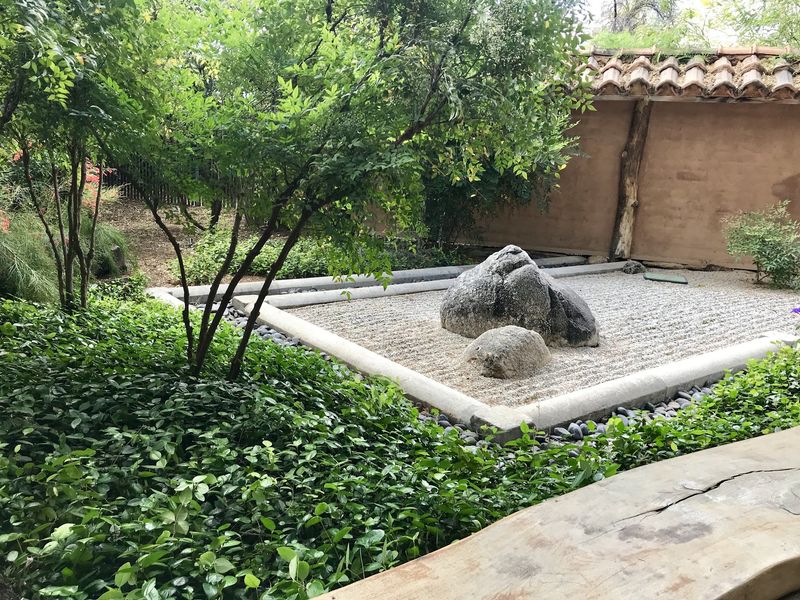
Teacher and military discounts are available. Combo tickets that include a visit to Japanese-inspired gardens are another option worth asking about.
Local volunteers work as staff and share insights while walking the grounds. Staff in general are known for being friendly and knowledgeable.
Arriving early helps during warm months. Remember that Butterfly Magic closes in summer and reopens in October.
Tucson residents who visit often may want to consider a membership. It comes with perks and supports this local resource.
Check tucsonbotanical.org for current exhibits and details. Then pick a cool winter morning and claim the paths while they are quiet.


