
Affiliate disclosure: As an Amazon Associate I earn from qualifying purchases. Learn more
Plenty of drivers on a quiet country road in Butler County have rolled past a modest building without a second thought. Some of them did it for years.
What they missed was not one building but three, packed with Ford Model Ts, Model As, race cars tied to the salt flats, and a huge lineup of antique fire trucks. Admission is free, with a suggested donation of $7, and the tour often comes from one of the owners himself.
The hours are short, the town is small, and the stories run long. For Ohio families weighing whether a trip from Cincinnati, Dayton, or Columbus is worth the gas, this one makes a strong case.
Here is everything worth knowing before you go, including the one step you should never skip.
A Small Town Address Worth Remembering
Shandon is the kind of Ohio town that rarely shows up on a road trip itinerary. That is exactly what makes its best-kept secret so fun to find.
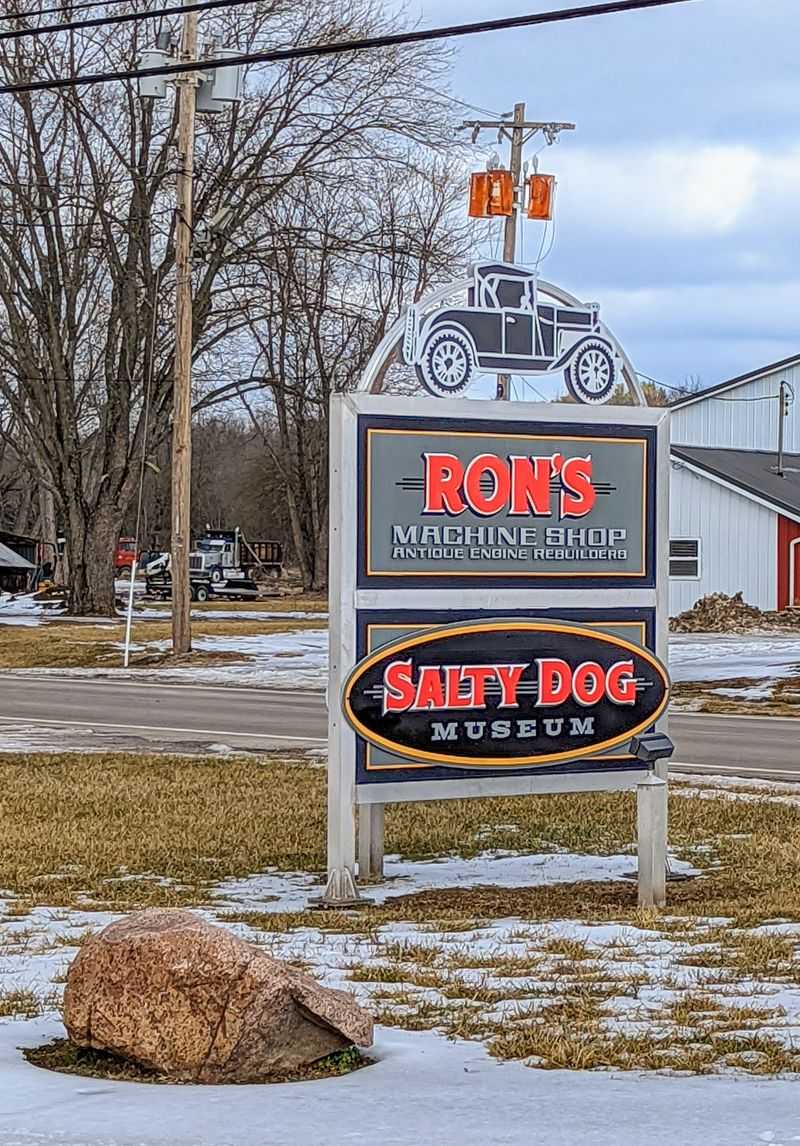
The Salty Dog Museum sits at 4985 Cincinnati Brookville Rd, Shandon, OH 45063, in Butler County in southwest Ohio. The museum focuses on vintage automobiles and antique fire apparatus, all gathered by people who clearly love the machines they show off.
From the road, the place looks modest. Plenty of locals have assumed it was just a single building and kept on driving.
The truth is bigger. The property holds three separate buildings, each with its own share of the collection, so a visit unfolds in stages rather than all at once.
Shandon is an easy hop from Cincinnati and a reasonable drive from Dayton. That puts the museum squarely in day-trip territory for much of southwest Ohio.
The name alone tends to spark questions. A museum about cars and fire trucks called the Salty Dog makes more sense once the racing side of the collection comes into view, and that story is coming up shortly.
The Heartland Story Behind the Collection
Some museums are built by foundations and boards. This one feels more like it was built by hand, one vehicle at a time.
The collection is run by its owners, including Mark, who leads many of the tours. His late partner, Ron, helped shape the museum, and Ron’s son is now part of carrying it forward alongside Mark.
That family thread matters. The place is often described as a true he-built-it-himself heartland story, the kind of project that grows out of passion rather than a business plan.
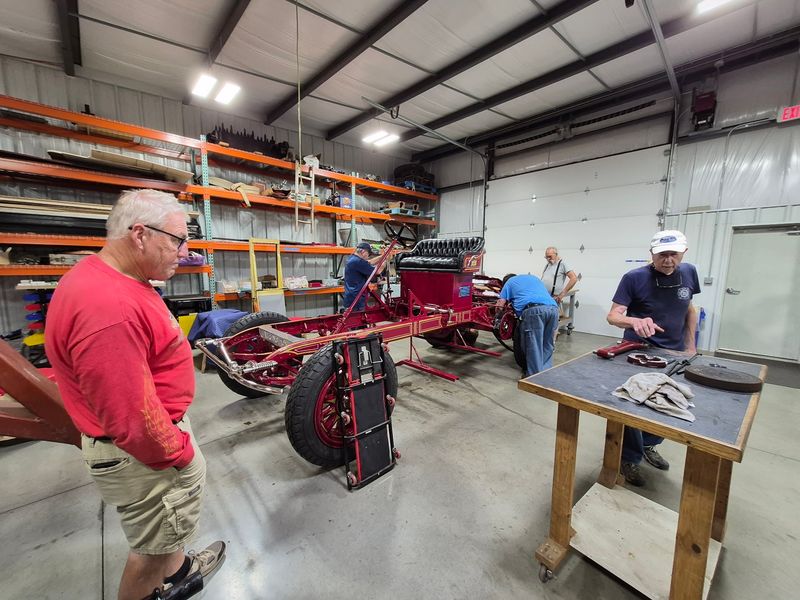
Restoration is still a living part of the operation. Antique fire trucks are restored on site, and volunteers often work alongside the owners.
The friendly banter among the crew, often laced with humor, makes it clear that everyone shares the same love for old vehicles. It reads less like a job and more like a group of people doing exactly what they enjoy.
That spirit shapes everything about a visit. Knowing who built the collection makes each car and truck feel personal, which is a good mindset to carry into the first building.
Three Buildings, Not One
Surprise number one arrives fast. The building you see from the road is only the opening act.
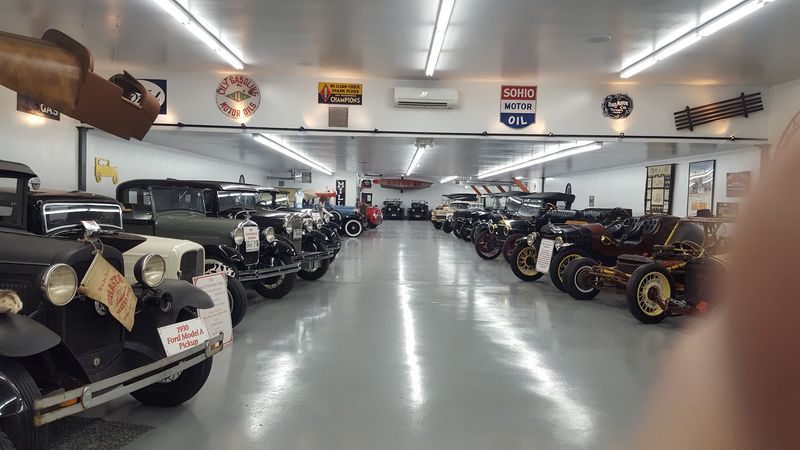
The museum spreads across three buildings, and each one shifts the focus a little. Early cars, racing machines, and fire apparatus all get room to shine.
The final building is devoted to vintage fire equipment. Saving it for last works well, since it tends to be the part that sends people home talking.
Moving between the buildings also breaks the visit into manageable chunks. Kids get a reset between rooms, and adults get a chance to absorb what they just saw.
Time is worth planning for. Groups in a hurry can still catch the highlights, since the guides know how to cover the essentials quickly, but a relaxed pace lets the details land.
A short stop here can easily stretch into a much longer one. Give it room on the schedule and the three-building layout pays off.
Model Ts, Model As, and the Dawn of Driving
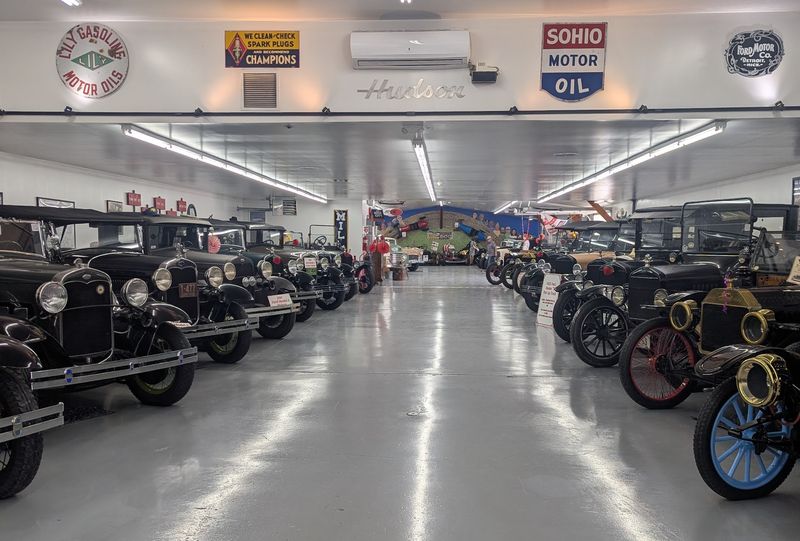
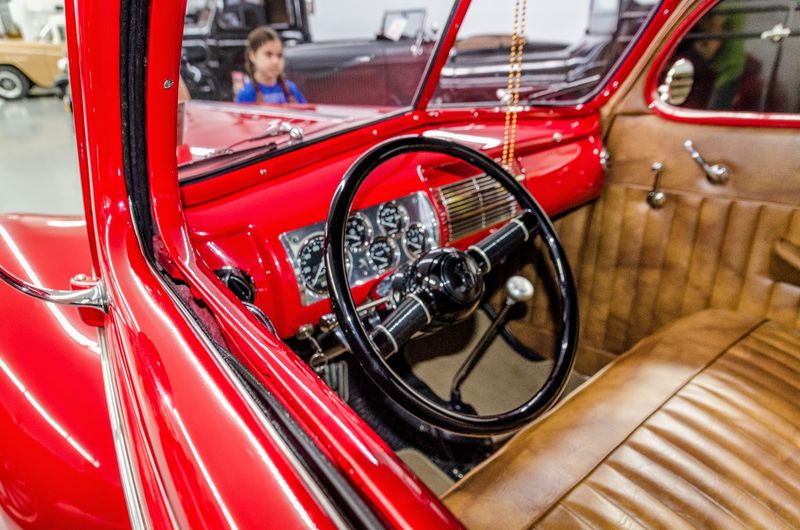
Long before cup holders and backup cameras, cars came with crank starts and a lot of personality. The early automobile collection here captures that era well.
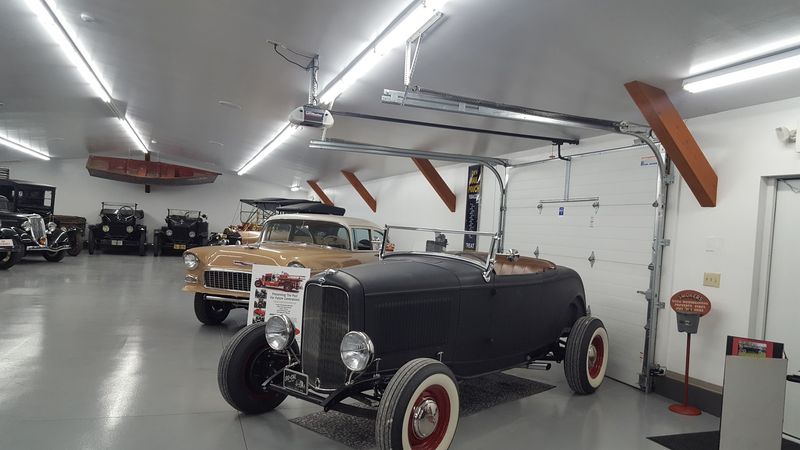
On-site cars range from about 1900 to 1935. That window covers the years when the automobile went from novelty to everyday tool for American families.
Ford Model Ts and Model As make up a big part of the lineup. These were the cars that put much of the country on wheels, and seeing several together shows how quickly design changed.
Rare pieces turn up too. Car fans will find some genuine rarities mixed in among the more familiar Fords.
The value of the guided tour really shows here. Every car comes with background, and the owner can explain the details that a placard would never cover.
For anyone who grew up hearing a grandparent talk about their first Ford, this room can hit close to home. Old stories suddenly have a body, wheels, and a steering wheel attached.
Where the Salt Flats Come In
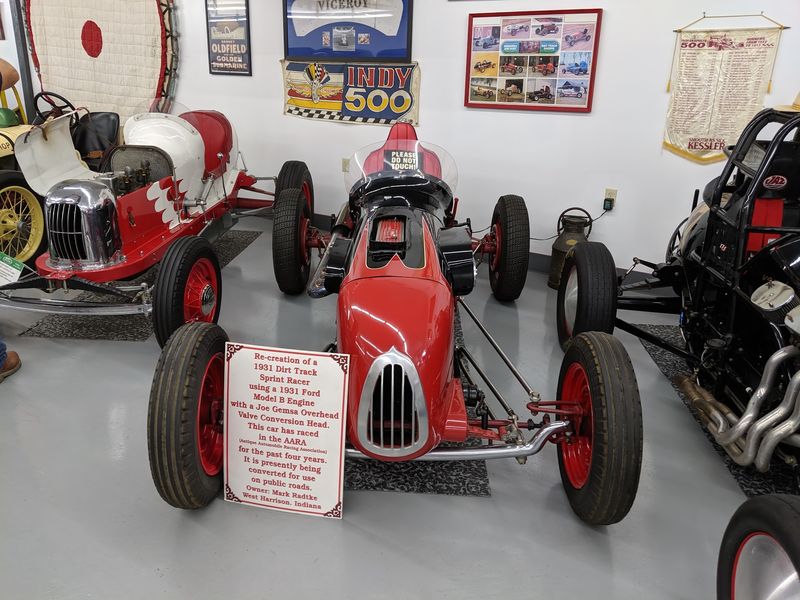
Here is where the name starts to make sense. Part of the collection is tied to vehicles that raced across the salt flats.
Salt flats racing is all about speed on wide open ground, and the race cars here give a look at that side of motoring history. They stand apart from the practical family Fords in the earlier rooms.
Race cars appear throughout the collection rather than as a single afterthought. That mix keeps the visit lively, since a quiet Model T can sit not far from something built purely to go fast.
Ask questions here. The guides enjoy sharing how these machines were built and what made them special.
Young racing fans tend to perk up in this part of the museum. Model car lovers and Hot Wheels collectors will find real-life inspiration on every side.
A salty name with a speedy backstory, it turns out. Few small-town museums in Ohio can claim a link to land speed racing.
The Fire Truck Finale
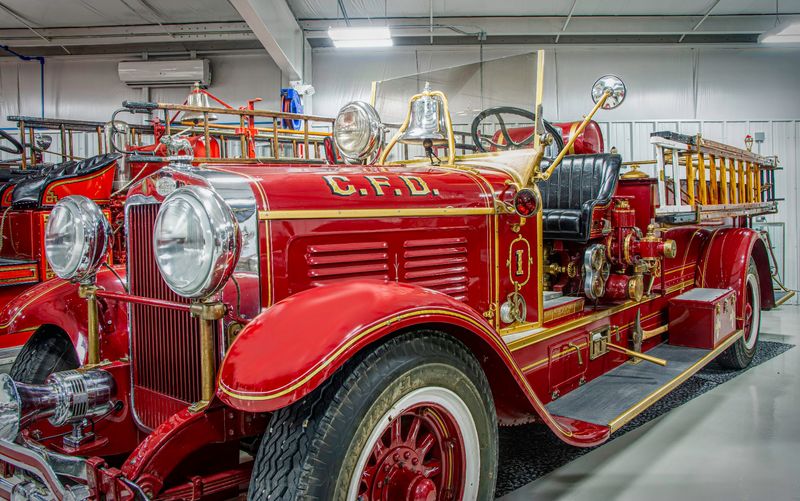
Many people walk in for the cars. Plenty walk out talking about the fire engines.
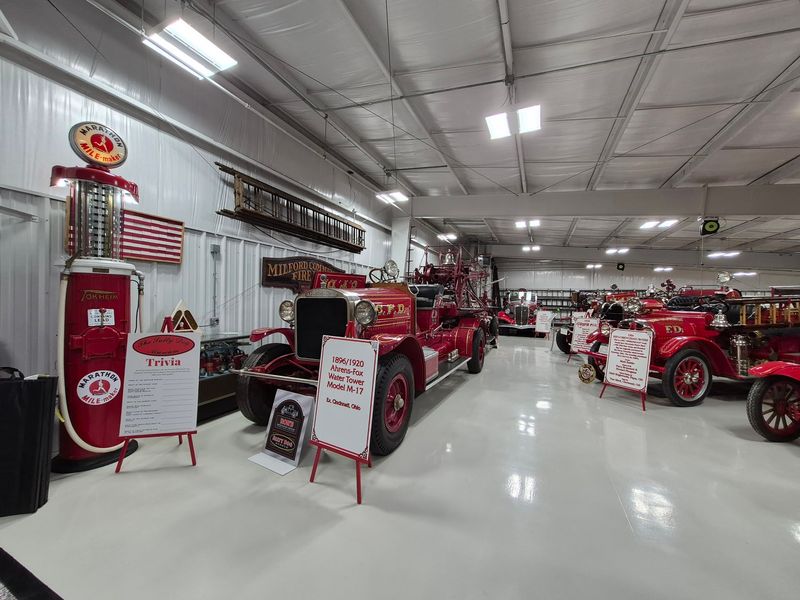
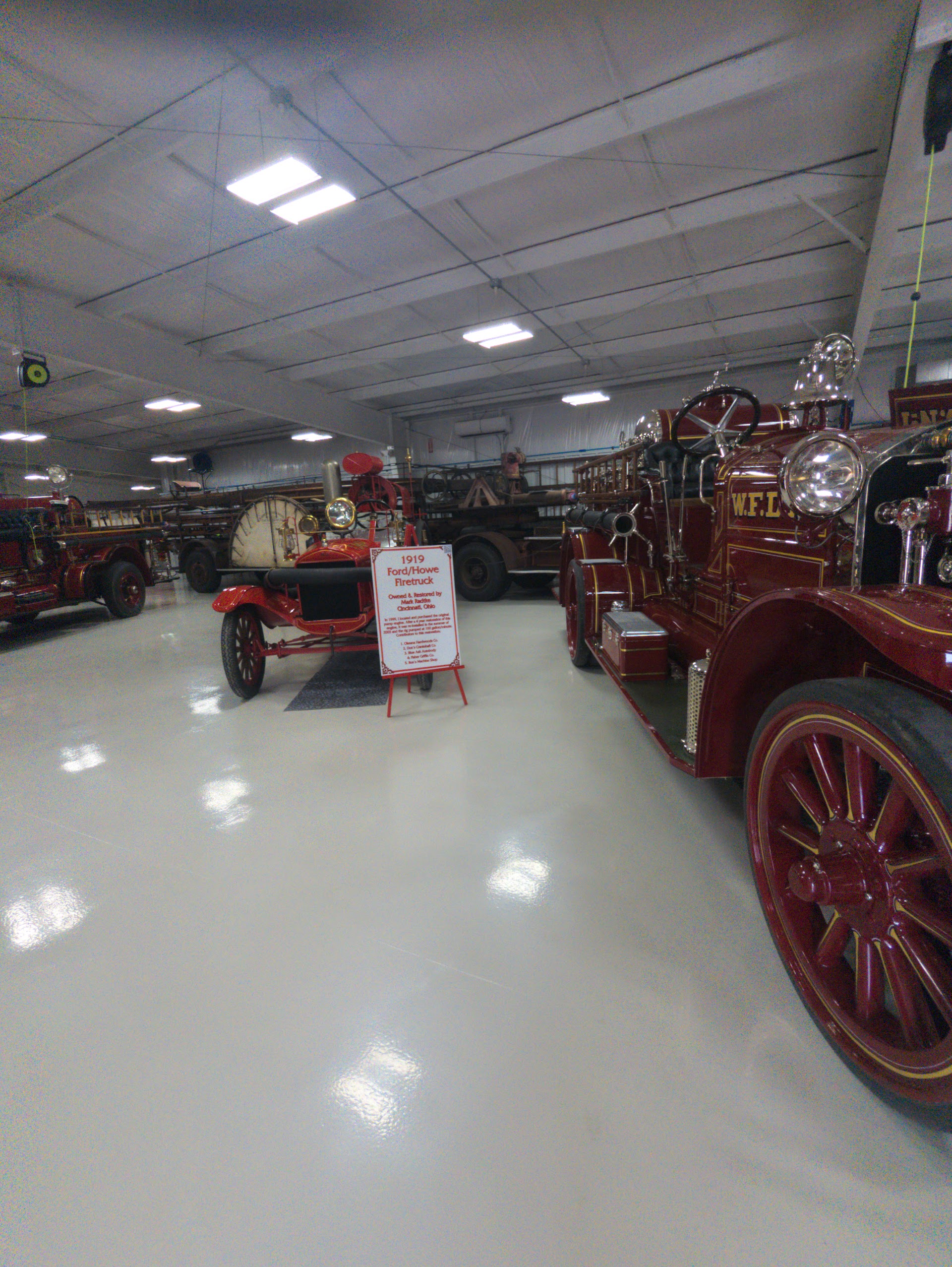
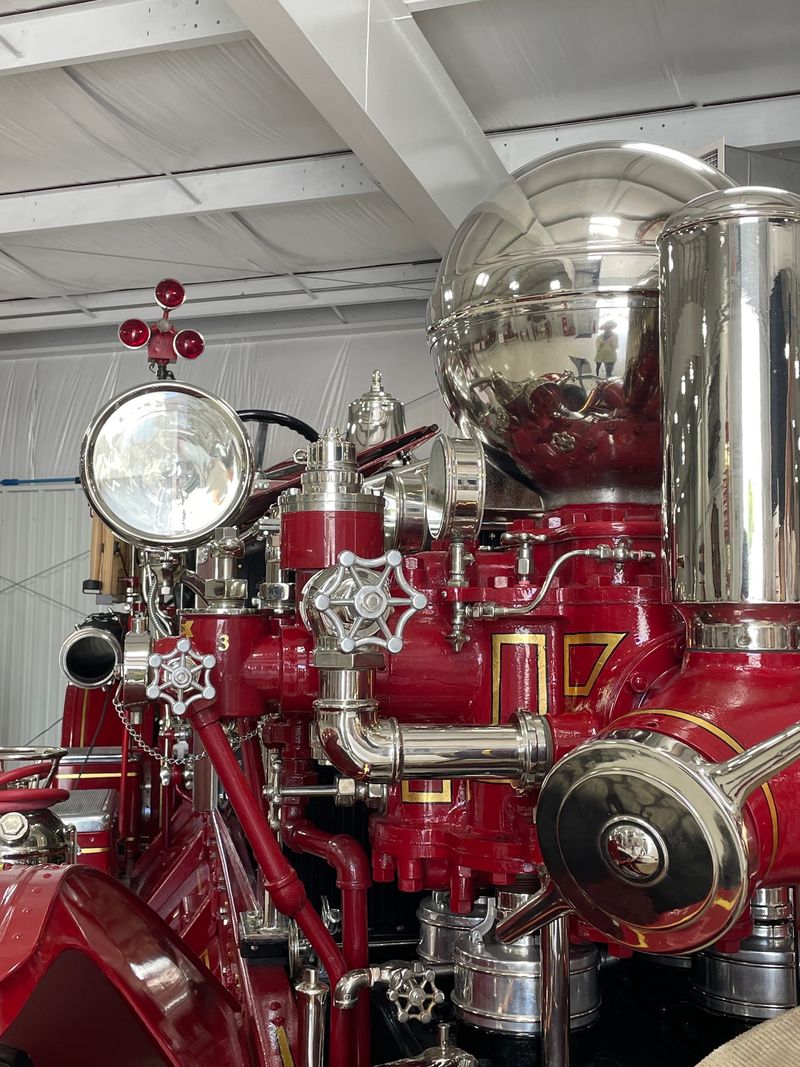
The fire apparatus collection is huge, with pieces dating from the 1800s through the 1950s. That span covers a long stretch of firefighting history, from early equipment to mid-century trucks.
The variety is the real draw. Different types of fire trucks worked in different ways, and the tour explains how each one was operated back in the day.
Memorabilia fills in the gaps. Equipment and smaller items help tell the story of the crews who relied on these machines.
Restoration happens right on site, so some trucks may be in the middle of being brought back to life. Seeing that work in progress adds a behind-the-scenes layer most museums cannot offer.
For a lot of guests, this building is the highlight of the whole trip. It is easy to see why the fire engines earn top billing.
Tours Led by the Person Who Knows Every Bolt
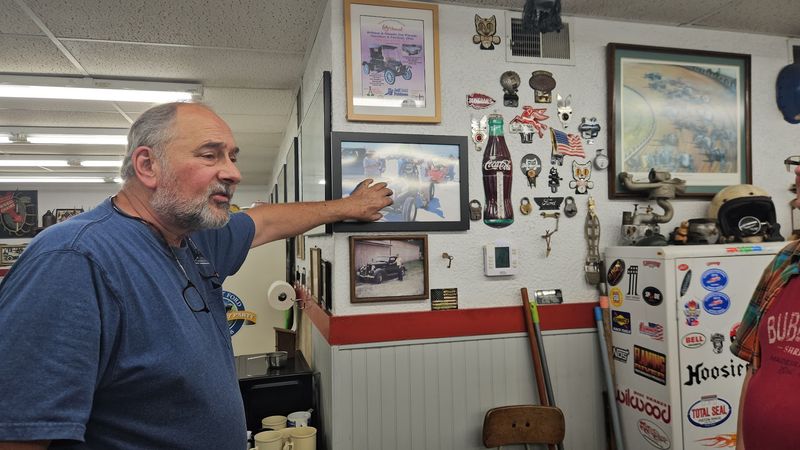
Forget the audio guide. At this museum, the tour guide is often the co-owner, and his enthusiasm is famous.
Mark leads many of the tours personally. He walks groups through the collection and explains the history of nearly every car, often down to small details.
Questions are welcome. Guests regularly come away saying he seemed happy to answer anything and share his knowledge of each vehicle.
Small groups get attention too. A co-owner walking alongside a handful of people feels more like a visit with a neighbor than a formal tour.
Private tours are part of the experience for many groups. That makes the museum a good pick for families or friends who want time to linger.
The volunteers and mechanics also keep things friendly. Expect warm welcomes, a bit of humor, and the sense that nobody is in a rush to hurry you out.
Little Hands, Big Bells
Kids and fire trucks go together like Saturdays and road trips. The crew here seems to know that well.
Young guests sometimes get a hands-on moment. One almost four-year-old was allowed to sit in a fire truck and ring the bell, a memory that tends to stick.
Small surprises happen too. A granddaughter on a private tour once went home with her very first Hot Wheels car.
Those gestures say a lot about the place. The museum is welcoming to families, not just serious collectors.
Grandparents often bring grandkids, and the multi-generation appeal is strong. Older adults recognize the cars, while children are wowed by the trucks.
Of course, those moments depend on the day and the crew on hand, so it is best not to promise anything specific. Still, the friendly spirit makes this an easy outing to plan with little ones in tow.
Free Admission With a Friendly Ask
Good news for budget-minded families. Admission to the museum is free.
The museum does ask for a suggested donation of $7. Given the guided tour and the size of the collection, many guests consider it well worth it.
Tickets can also be bought online when scheduling a tour. That is a handy way to lock in a spot and handle the details before arriving.
Free or low-cost outings are a big win for Ohio road-trippers. A full family visit here costs far less than most big-city attractions.
The donation helps keep a passion project running. Restoration work and upkeep on century-old vehicles take real effort and resources.
Put simply, this is one of the better deals in southwest Ohio for car and fire truck fans. The value comes from the people as much as the pieces.
Two Days a Week, So Plan Ahead
Timing is everything here. The museum keeps short hours, and showing up on the wrong day means a closed door.
Regular hours are Thursday and Saturday, from 10 AM to 4 PM. The museum is closed Sunday through Wednesday and on Friday.
Calling ahead is strongly encouraged. Booking an appointment lets the crew know you are coming and sets up a guided tour.
Groups that forget can sometimes still get in. Still, it is better not to count on luck after a long drive.
Scheduling online is another option. Buying tickets and booking the tour in advance keeps the day running smoothly.
A Saturday trip works well for working families. Thursday is a solid pick for retirees or anyone with a free weekday, and both days leave plenty of afternoon for exploring the area.
Festival Weekends in Shandon
Want to stretch the trip into a full small-town day? Pairing the museum with a local event is a smart move.
Some guests have timed their visit with the Shandon strawberry festivities held the second weekend in June. The museum makes a great add-on to a festival outing.
Holiday visits work too. Families from Cincinnati have come during Christmas in the Country and called it a great day.
Those events bring extra energy to the area. They also give the trip a reason beyond the museum, which helps when the drive is a bit longer.
Event dates and museum availability can shift, so check ahead before planning around a festival. A quick call saves headaches.
Small-town Ohio shines brightest on days like these. Classic cars, fire trucks, and a community gathering make for a well-rounded outing in any season.
Who Will Love It Most
Not every museum suits every crowd. This one hits a wide range of people anyway.
Classic car fans are the obvious match. Model T and Model A lovers will find plenty to study, and race car fans get their share too.
Fire service history buffs may find this the highlight of their year. The depth of the fire truck collection is hard to match in the region.
Couples enjoy it as a relaxed outing. Learning how old fire trucks were operated turns out to be fascinating even for people who are not gearheads.
Families with young children also do well here. The trucks, the bells, and the welcoming crew make it more than a look-but-do-not-touch stop.
Anyone who loves a homegrown success story will connect with it as well. The heart of this place is the people who keep it going, and that comes through in every room.
Worth the Detour
So, is it worth the drive? For anyone who loves old machines and good people, the answer leans strongly toward yes.
The museum holds a 4.8-star standing across 83 opinions on Google. That kind of consistency is rare, and the warm tours are a big reason why.
The checklist is simple. Visit on a Thursday or Saturday between 10 AM and 4 PM, call ahead or book online, and bring a $7 donation per person if you can.
In return, you get three buildings of history. Early Fords, salt flats racers, and fire engines from the 1800s through the 1950s all wait inside.
Best of all, it remains one of those spots most drivers still pass without knowing. That makes finding it feel like a small win.
Next time the road leads through Shandon, ease off the gas. The real show sits just past the parking lot, and it has been waiting for you.


