
Affiliate disclosure: As an Amazon Associate I earn from qualifying purchases. Learn more
Somewhere in Beaumont, a family kept nearly everything they owned, and then left it all exactly where it belonged so the rest of Texas could come see it. The silver is still there, along with the lamps, the portraits, the chandeliers and the china.
The best part is that a guided tour through this early 1900s mansion is free, and the staff typically will not even take a tip. Keep reading to learn where it is, what makes it special, and how to plan a visit that fits into a weekend road trip.
A Beaux Arts Landmark on Calder Avenue
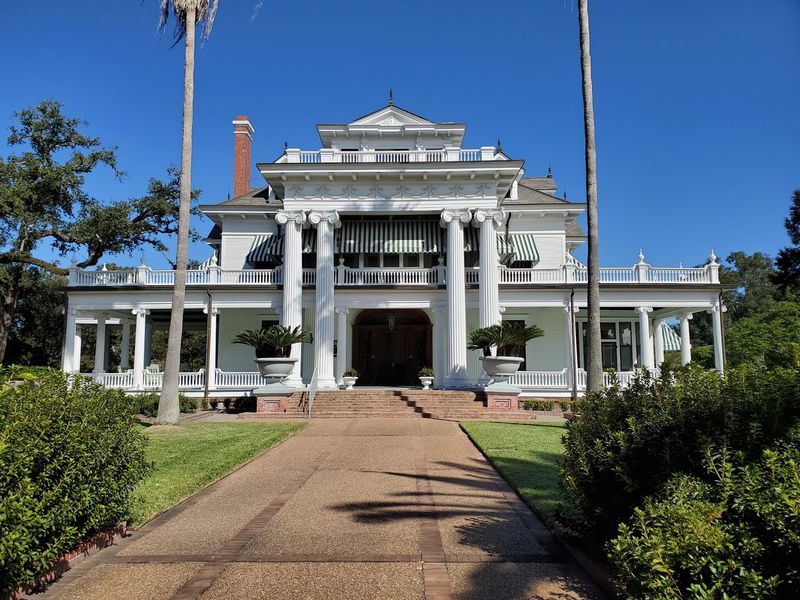
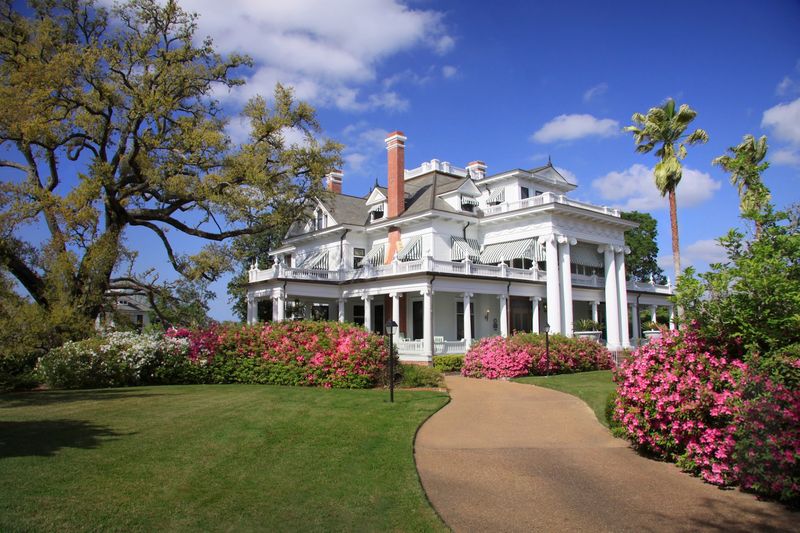
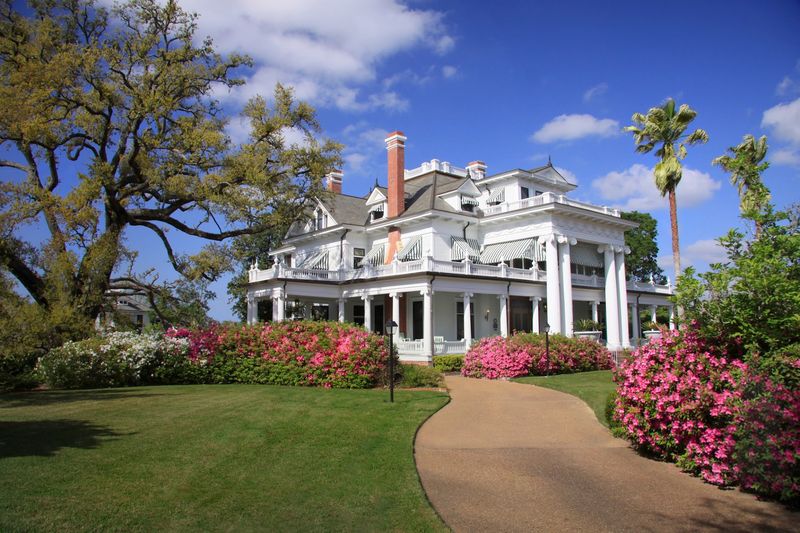
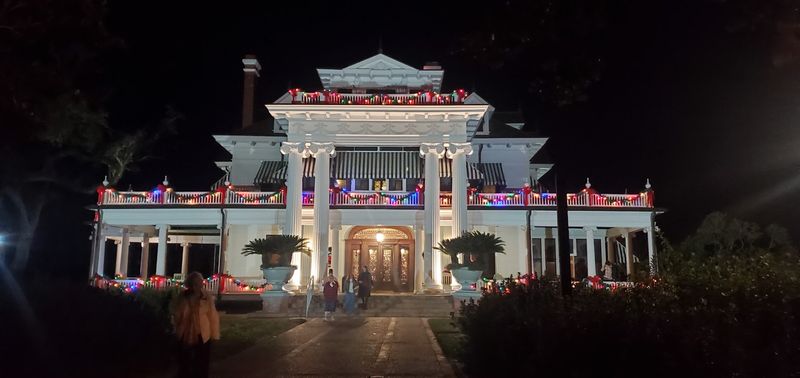
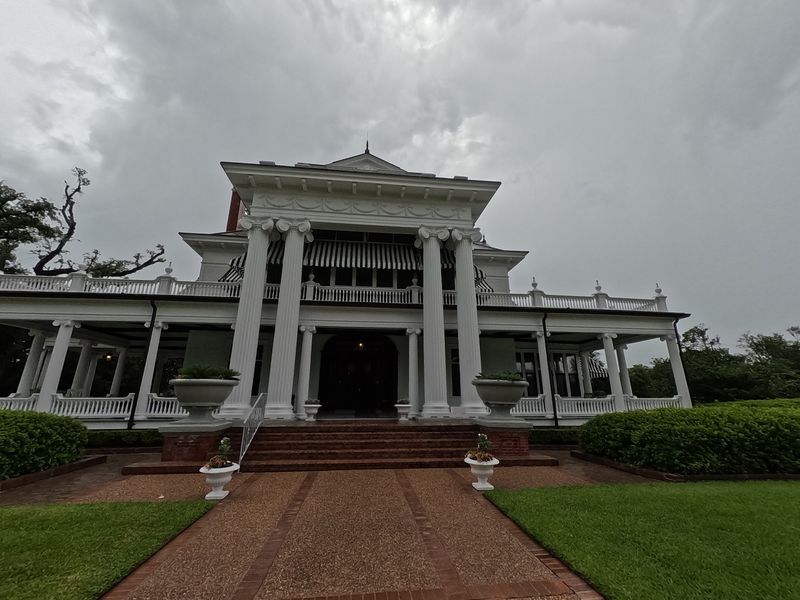
Some houses are built to be lived in, and some are built to make a statement. The McFaddin-Ward House Historic Museum does both, and it sits at 1906 Calder Ave, Beaumont, TX 77701, in the heart of Southeast Texas.
The mansion dates to the early 20th century and stands out for its beaux arts style. That style is known for symmetry, formal details and a sense of grandness, and this home leans fully into all three.
Today it operates as a historic house museum. It is period-furnished, which means the rooms look the way they did when the family lived there.
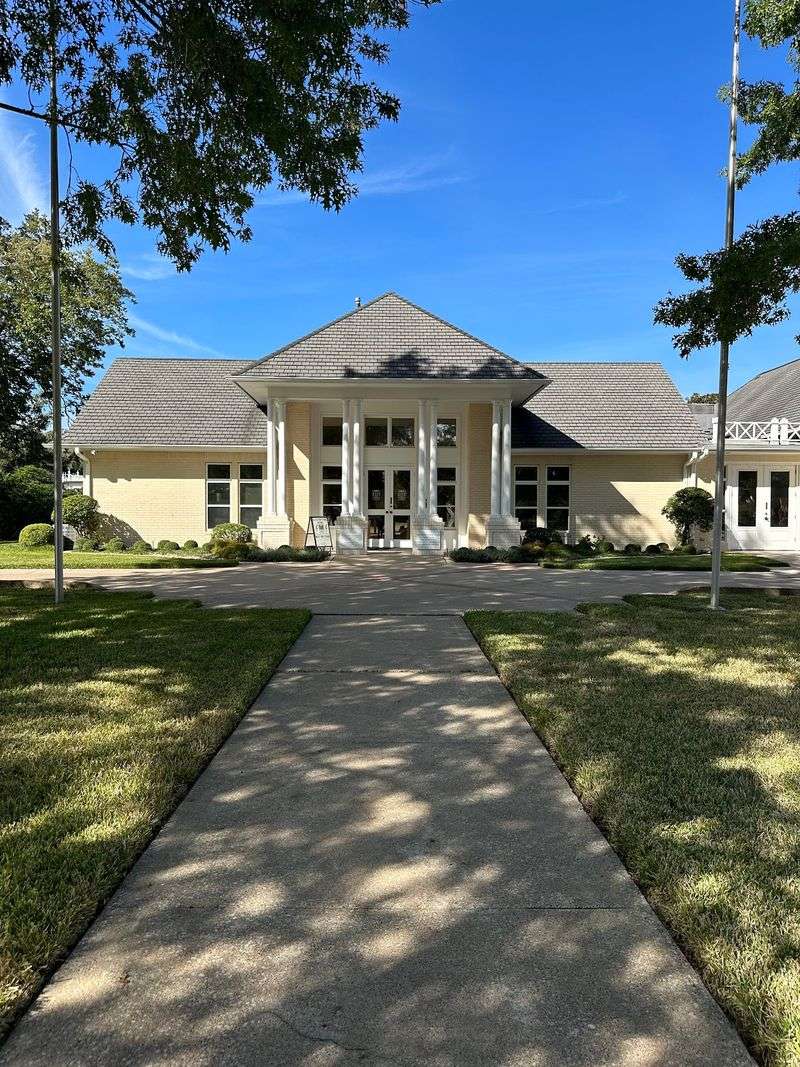
Guided tours lead groups through the main house, the grounds and the carriage house. Exhibits in a visitors center add more background before and after the walk-through.
Beaumont sits in the far southeast corner of the state, roughly an hour and a half from Houston by car depending on traffic. That makes it an easy detour for anyone heading toward the Louisiana line or down to the coast.
Plenty of people who stop here were only passing through. Many of them leave planning a second trip, which says a lot about what waits behind that front door.
Cattle, Spindletop and a Growing City
Money did not fall from the sky in early Beaumont. It came from cattle, from farming, and from the famous Spindletop oil boom that changed the region almost overnight.
The tour here does a good job of tying the house to that larger story. Guests hear about agriculture, ranching and the rapid growth of the city in the early 1900s.
The family story stretches well past the house’s first years, too. Tours cover daily life in the home from the early 1900s and on into the mid-20th century.
That wider lens is what makes the visit feel bigger than one wealthy household. It becomes a lesson in how this corner of Texas turned into what it is today.
History fans who enjoy connecting dots will find plenty to chew on. Cattle, oil, city streets and family life all show up in the same conversation.
A short video about the family typically starts the experience in the visitors center. It sets the stage before anyone sets foot in the main house.
By the time the group heads outside, the mansion no longer feels like a random fancy building. It feels like a chapter of Southeast Texas history with a front porch.
Everything Original, Down to the Silver
Here is the detail that surprises nearly everyone. The family kept their belongings and stored them, so the furnishings on display are original to the house.
That is rare for a historic home. Many house museums fill rooms with pieces from the same era, but this one shows what the family actually owned.
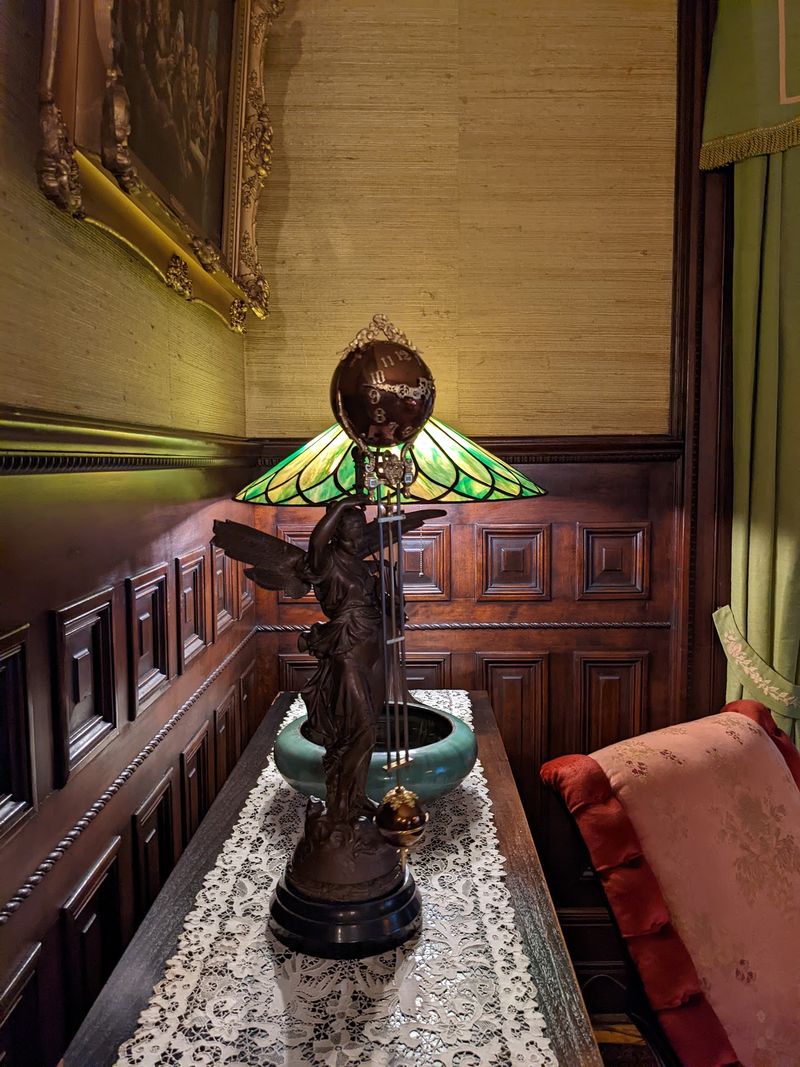
The collection includes silver items, lamps, furniture, portrait paintings, chandeliers and chinaware. Decorations and artwork fill the rooms as well.
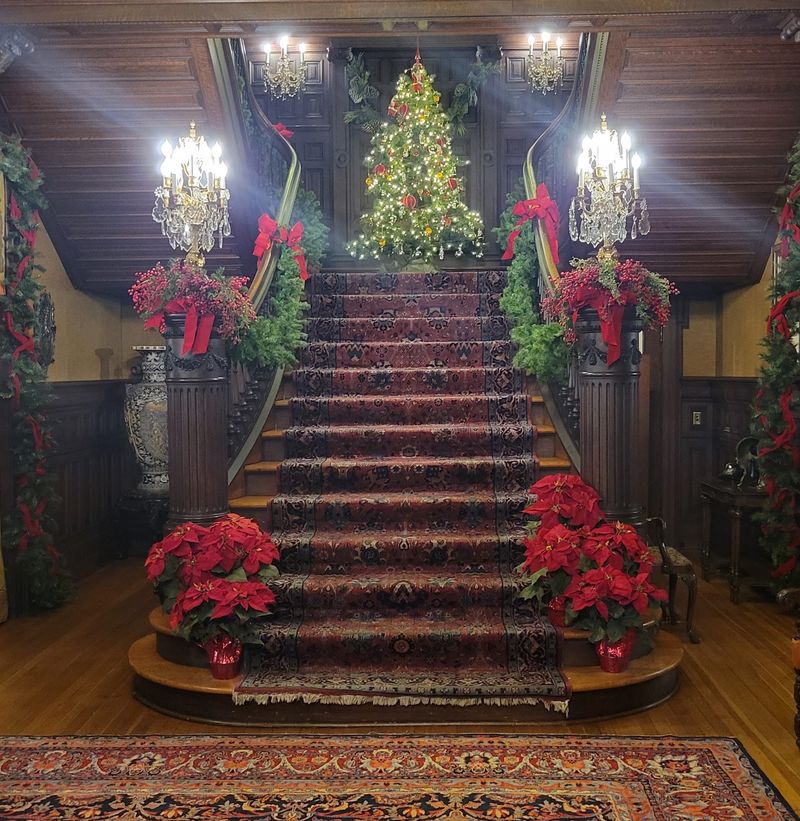
Fine woodwork and stained glass add to the craftsmanship throughout the home. Guests often spend extra time studying the small details in each space.
There are so many artifacts that a single tour may not be enough to catch them all. Some guests plan a return trip simply because they suspect they missed a few things.
The level of preservation gives the house an unusual quality. It feels less like a museum and more like the family just stepped out for the afternoon.
For anyone who loves antiques, this is the room-by-room payoff of the whole trip. Bring patience, because the shelves and cabinets reward a slow look.
Room After Room of Wow Moments
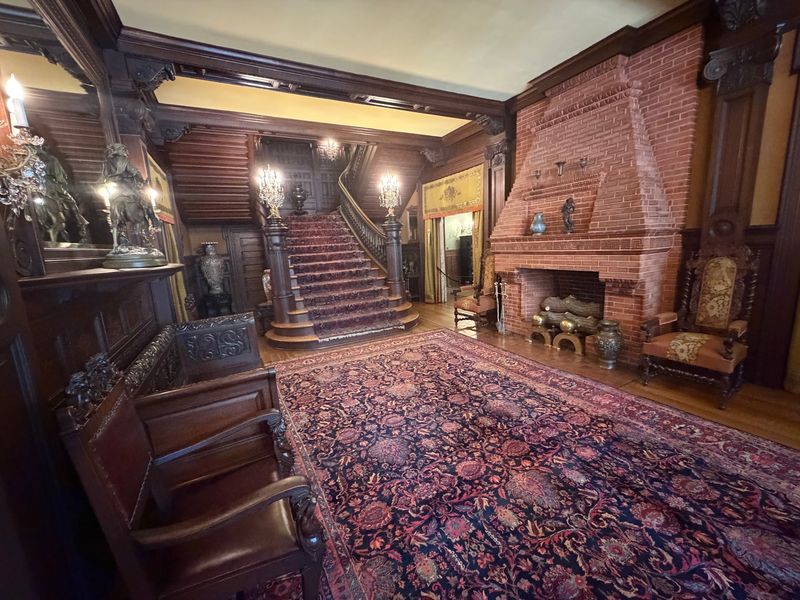
Size is part of the story here. The title talks about a ballroom, a basement and more than 30 rooms, and the scale of the place is a big reason the tour can stretch to an hour or longer.
Exact room counts and which spaces are open can vary by tour, so it helps to ask the docent what is included that day. Not every corner of a historic home is always on the route.
What is clear is that the house is packed with variety. Formal spaces, family rooms and working areas all help tell the story of how the household ran.
The home is often described as one of a kind, with lots of wow moments along the way. Architecture, woodwork and stained glass keep pulling attention upward and sideways.
Groups move from space to space with plenty of chances to ask questions. Docents tend to welcome curiosity, even the odd or random kind.
That back-and-forth is part of the fun. Guests who planned a quick look frequently end up wanting the full version once they get going.
A building this large rarely gets boring. Each doorway seems to open onto a new piece of the family puzzle.
The Pink Room Fan Club
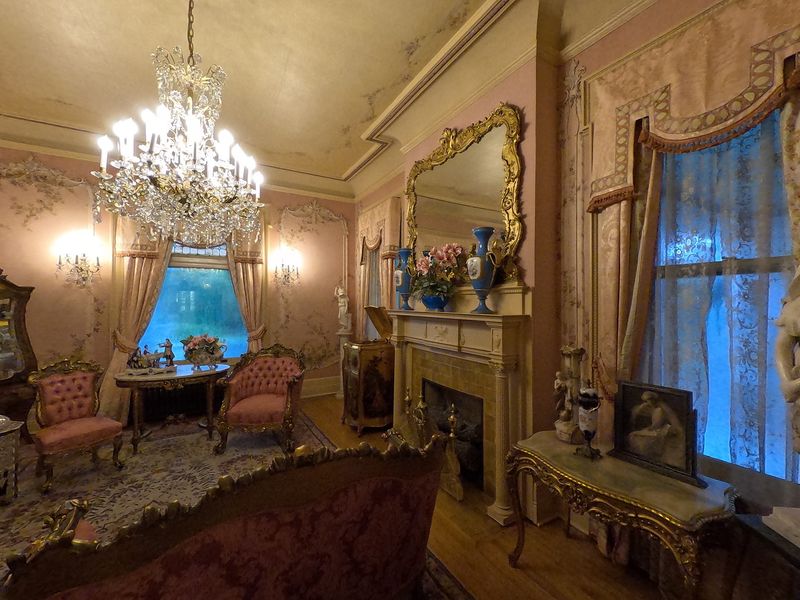
Every big house has a room that steals the show, and here a lot of hearts belong to the pink room. It has picked up a small but loyal fan base among guests.
Part of the charm is how personal it feels. In a house full of formal spaces, a room with that much color stands out right away.
Favorites like this give younger guests something to look forward to. Kids who enjoy history often latch onto a standout room and remember it long after the trip.
The pink room also shows how much personality the family put into the home. These were not just showpieces for company, they were rooms people used and loved.
Docents can share stories about how spaces were used and how things worked at the time. Those stories help a pretty room turn into a meaningful one.
Bring a camera if photos are allowed on your tour, and check the rules before snapping. Policies can differ from place to place.
Whether the pink room becomes your favorite or not, it is a fun reminder that history can have a playful side. Pick your own winner and see if the group agrees.
Stories From Beyond the Parlor
Plenty of mansion tours focus only on the people who owned the place. This one gives real attention to the people who kept it running.
Chauffeurs, cooks, housemaids, groundskeepers and other employees are part of the story here. Their roles are discussed openly instead of being treated as background details.
Displays about the loyal staff who worked for the family are part of the carriage house portion of the visit. Those exhibits help round out the picture of daily life.
That approach adds honesty and humanity to the tour. It shows that a house this size depended on many hands, not just one family name.
Guests who come for the woodwork and chandeliers often leave talking about these stories instead. They are a big part of what makes the experience memorable.
Multi-generation groups get something special here too. Older relatives may recognize household routines and confirm stories the docents share about how life used to work.
It turns the tour into a conversation across ages. A grandparent nodding along can be just as interesting as any artifact behind glass.
Carriage House and Garden Grounds
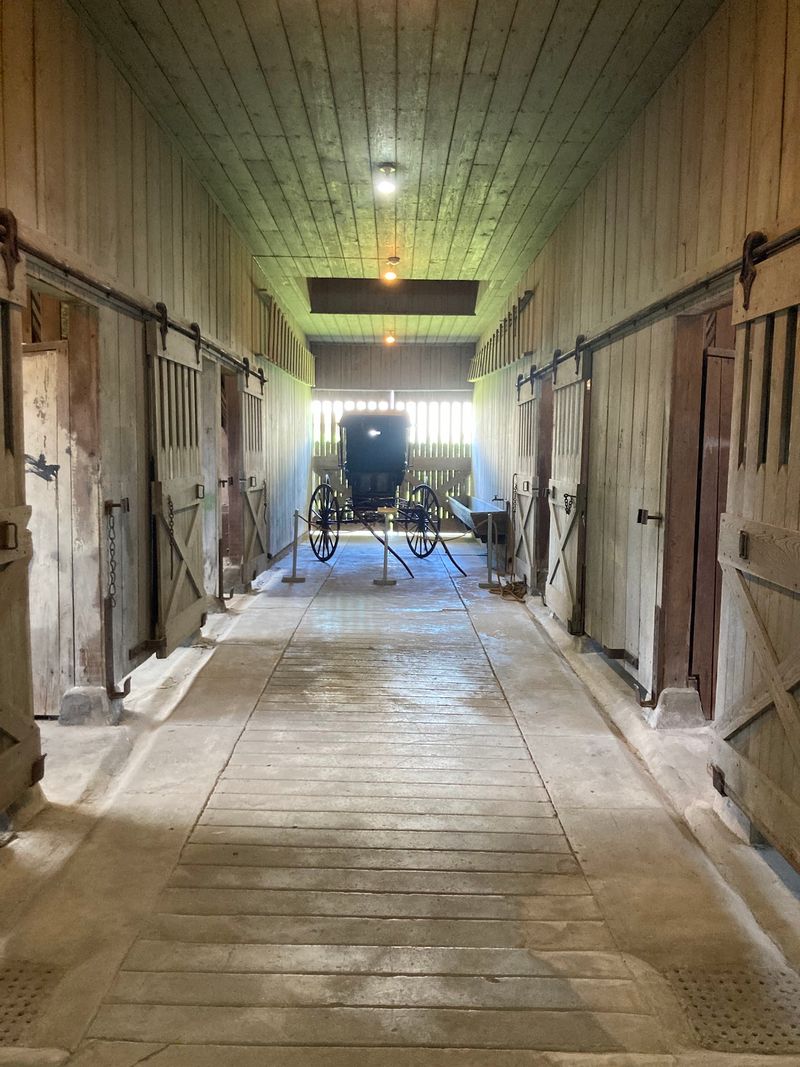
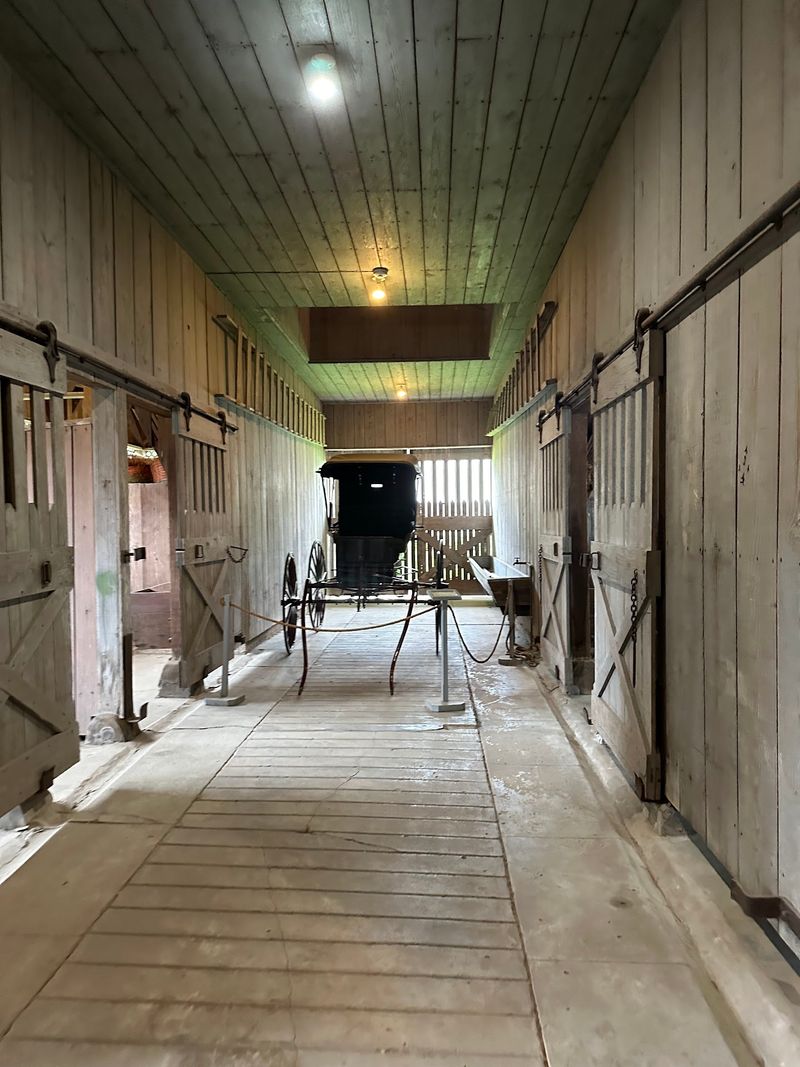
The tour does not end at the back door. The carriage house is one of the most talked-about parts of the property, and it usually wraps up the visit.
Inside, guests find displays tied to the household staff and the working side of the estate. It is a nice change of pace after the formal rooms of the main house.
The grounds deserve time as well. Gardens surround the property, and some groups tour the garden first before heading indoors.
Azaleas are a highlight of the landscaping. Spring visitors may catch them in bloom, while other seasons still show off healthy, well-kept beds.
Timing a trip around the azaleas could be a smart move for garden lovers. Bloom periods depend on the weather, so flexibility helps.
The grounds also give kids a moment to stretch between indoor sections. A short walk outside can reset attention spans before the next stop.
Between the carriage house and the gardens, the estate feels complete. It shows how the whole property worked together, not just the big house in front.
Docents Who Bring the Family to Life
Ask anyone what made their visit special, and the answer usually starts with the guide. The docents at this museum are known for deep knowledge and a friendly, patient style.
They know the family history, the house history and countless small stories about life in that era. Those stories help connect furniture and rooms to real people.
Questions are welcome, even lots of them. Some groups ask so many that guides have to work to keep the tour on schedule.
That flexibility matters for families. Children curious about history tend to get thoughtful answers instead of rushed ones.
Small groups make the experience even better. Fewer people means more chances to look closely and chat.
Guides also tend to adapt to the group’s pace. Guests short on time can ask for a quicker version, though many change their minds once the stories begin.
Passion shows in how the staff talks about the house and the people connected to it. It is the kind of enthusiasm that rubs off on even casual visitors.
The house holds the treasures, but the docents unlock them.
Free Tours and an $8 Souvenir
Here is the number that makes Texans grab their keys: zero. The guided tour of the McFaddin-Ward House is free.
Staff have been known to decline donations and tips entirely. That makes it a standout compared with similar historic home tours that can be pricey elsewhere.
For families on a budget, that is a big deal. A full afternoon of history, architecture and gardens costs nothing beyond gas and time.
The visitors center has exhibits to browse while waiting for the rest of a tour group. It is a good spot to get oriented before the video and main tour.
Souvenir hunters can pick up a cookbook for about $8. It makes a handy keepsake and a fun gift for the history lover back home.
Prices can change, so it is smart to confirm at the desk. Still, the core experience of touring the home has stayed free.
Value like this is hard to find in any state. In Beaumont, it comes wrapped in beaux arts style.
Hours, Reservations and Holiday Timing
Timing is everything with this museum, because the schedule is a little unusual. It opens Tuesday, Wednesday, Friday and Saturday from 9 am to 2:30 pm.
Sunday hours run from 12 to 2:30 pm. The museum is closed on Monday and Thursday, so plan road trips around those days.
Calling ahead to reserve a docent-led tour is a smart idea. Tours run in groups, and booking helps secure a spot at the time you want.
Plan for at least two hours to enjoy the full experience. That covers the visitors center, the video, the main house, the grounds and the carriage house.
December is a popular time to go. The house is well known for its Christmas decorations, and some guests return specifically for the holiday look.
Spring brings the possibility of azaleas in bloom on the grounds. Either season adds something extra to an already full tour.
Check the museum website or call before heading out, since schedules can shift around holidays. A quick confirmation can save a long drive.
Worth the Detour to Beaumont
Some road trip stops are fillers. This one tends to become the reason for the trip.
Couples plan weekend getaways to Beaumont just for its museums, and this house often ends up the highlight. Others stop on the way to Galveston and leave wishing they had more time.
Nearby options make it easy to build a full history day. The Stark House in Orange sits roughly 30 minutes away by car.
The museum suits kids who love history, adults who enjoy architecture, and grandparents with stories of their own. Solo travelers find plenty to explore too.
There is also a gentle reminder here for Southeast Texans. It is easy to drive hours for attractions while overlooking history just down the road.
The house holds a near-perfect reputation for a reason. Original furnishings, thoughtful storytelling and free admission make a strong combination.
Pack the car, reserve a tour and leave room in the schedule. Chances are good this Calder Avenue mansion will earn a spot on the return list.