
Affiliate disclosure: As an Amazon Associate I earn from qualifying purchases. Learn more
Some families in Orange County have a quiet dream that nobody in the family has reached before: a university diploma. For many of them, the first step does not happen at a famous campus with a big football stadium.
It happens at a community college in Santa Ana, where students who once dropped out of high school have gone on to finish bachelor’s degrees. This story looks at how that campus works, who it helps, and what anyone curious should know before showing up.
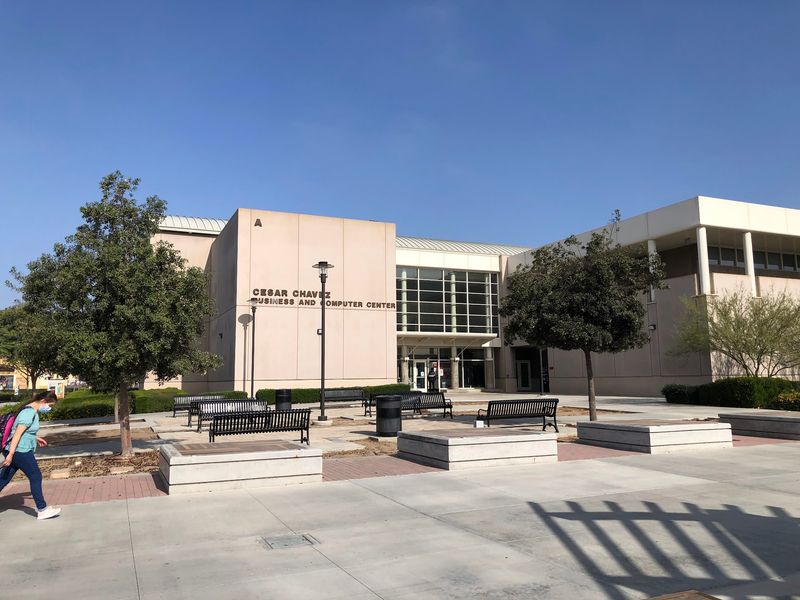
A Campus Off West 17th Street
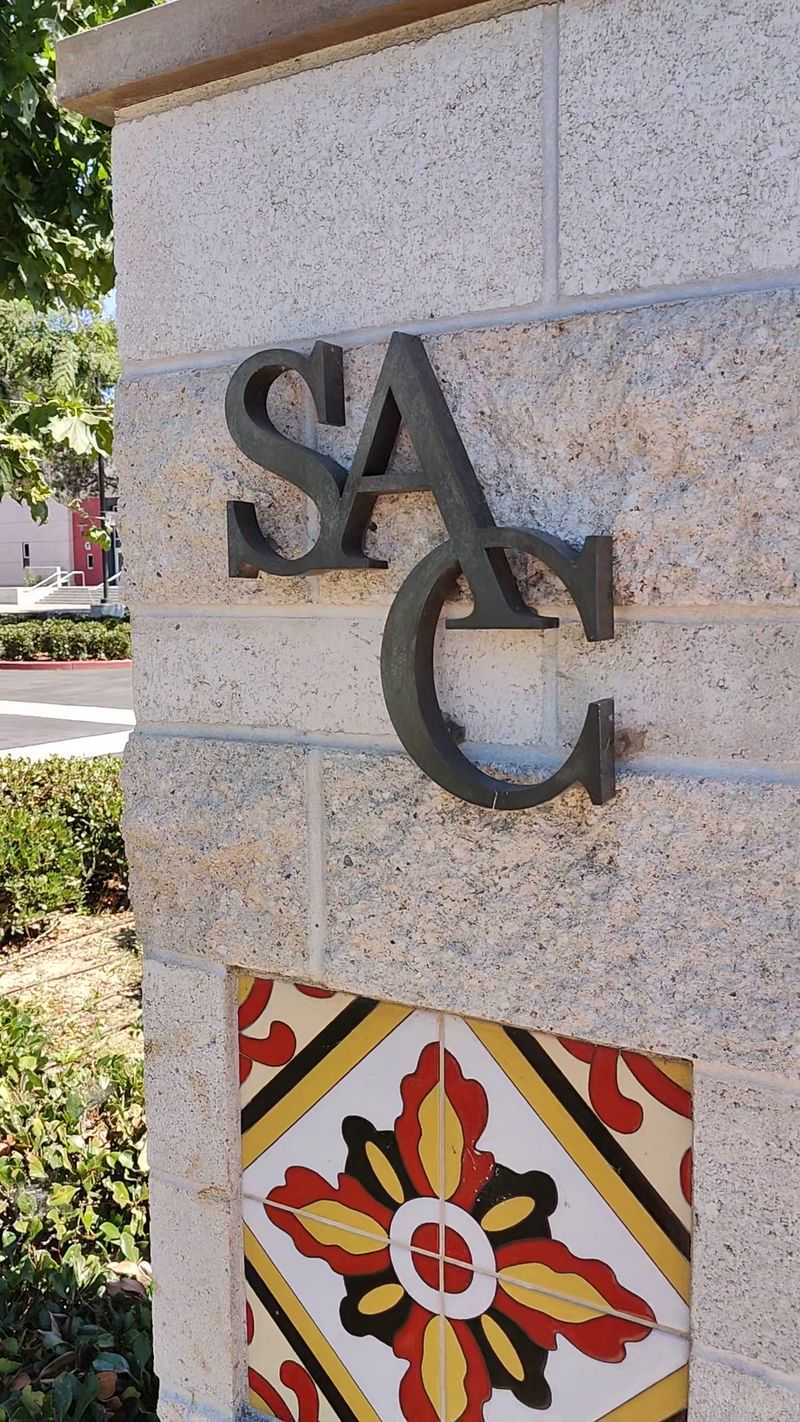
Plenty of life-changing stories in Orange County start at one ordinary intersection. The place is Santa Ana College, a community college at 1530 W 17th St, Santa Ana, CA 92706, in the heart of Santa Ana, California.
It is not a flashy research university, and it does not try to be one. Its job is simpler and maybe more important: giving local people an affordable, nearby place to start or restart their education.
Students often call it SAC for short. The campus sits close to homes and neighborhoods, which matters for anyone balancing classes with work and family.
One older student put it plainly in spirit: this is the closest school, so this is the school. For many first-generation students, that closeness is the whole point.
Short distances can lead to long journeys, and that is where the real story begins.
From Dropout to University Student
A high school dropout walks onto campus unsure if college is even possible. A few years later, that same person is close to finishing a B.A. in English at Cal State East Bay, aiming for a GPA above 3.5.
That is not a made-up example. It is the path one graduate described after leaving SAC, giving the college part of the credit.
The paperwork side was tough, and the graduate admitted to struggling with the bureaucratic parts while going it alone. That is a common challenge for anyone who is the first in the family to try college.
What helped, by that account, was the people. Faculty, classmates, and the wider campus community helped close the gap from dropout to university-ready student.
Stories like that explain why the transfer path matters so much here. A community college can be a bridge, not a dead end, when the right support shows up at the right time.
Free Classes and Financial Aid
Money is the first question most families ask, and SAC has a strong answer. Classes have been described as very much free for Orange County residents, with extra financial help available for those who need it.
There is one caveat that students have pointed out. Students from overseas may not get the same deal, so international applicants should check details directly with the college.
Free classes and financial aid both come up often when people talk about this campus. For families frustrated by rising California costs, that can make the difference between trying college and skipping it.
Programs and aid rules can change from year to year. Anyone planning to enroll should confirm current costs and eligibility on the official website at sac.edu before counting on any specific amount.
Still, the basic promise is clear. A degree path that starts close to home at little or no cost is a rare thing in today’s California.
Professors Who Want Students to Win
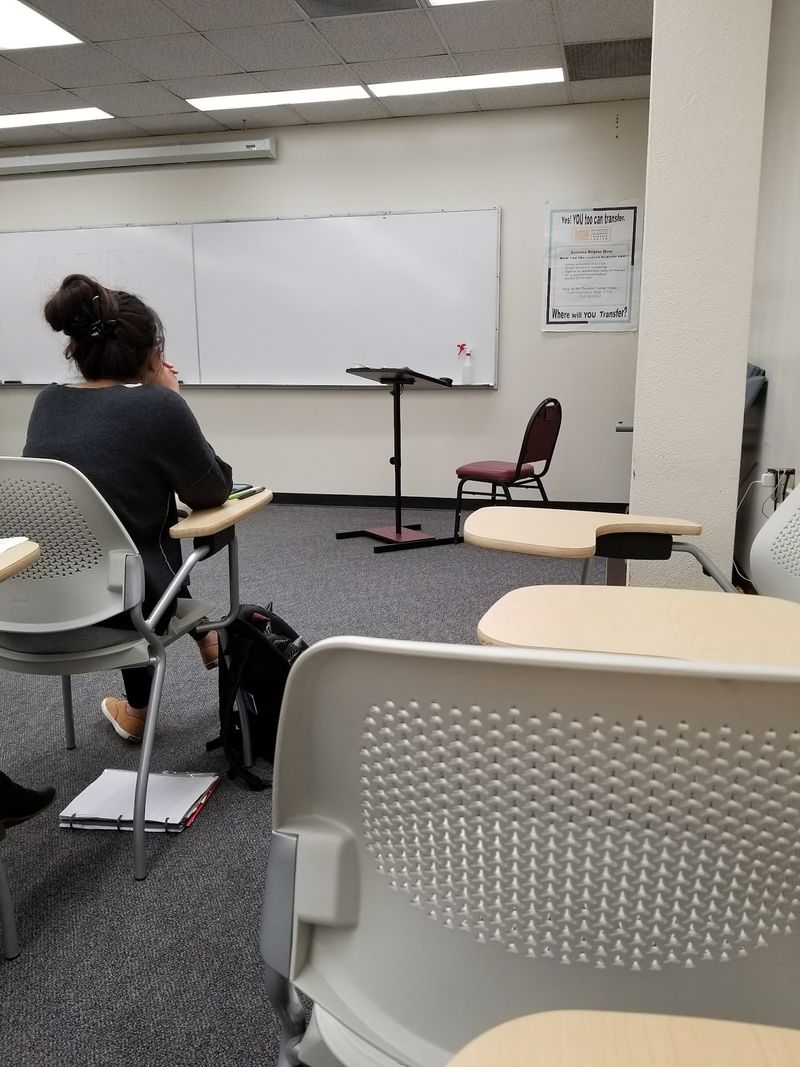
Good teachers can change the direction of a whole family. At SAC, many students say the faculty is one of the best parts of the school.
Communications and Economics professors get special praise. Others describe a large number of passionate instructors who truly want students to succeed.
Not every department earns the same marks, though. Math has been called a tougher area, and some students have had frustrating experiences with individual instructors or absences.
That honest mix is useful to know. It means students should ask around, compare class sections, and lean on counselors when choosing courses.
Returning students also show up in this story. One graduate came back for more classes, which says a lot about how the teaching felt the first time.
Find the right professor, and the semester gets a lot lighter.
Rising Scholars and Student Support
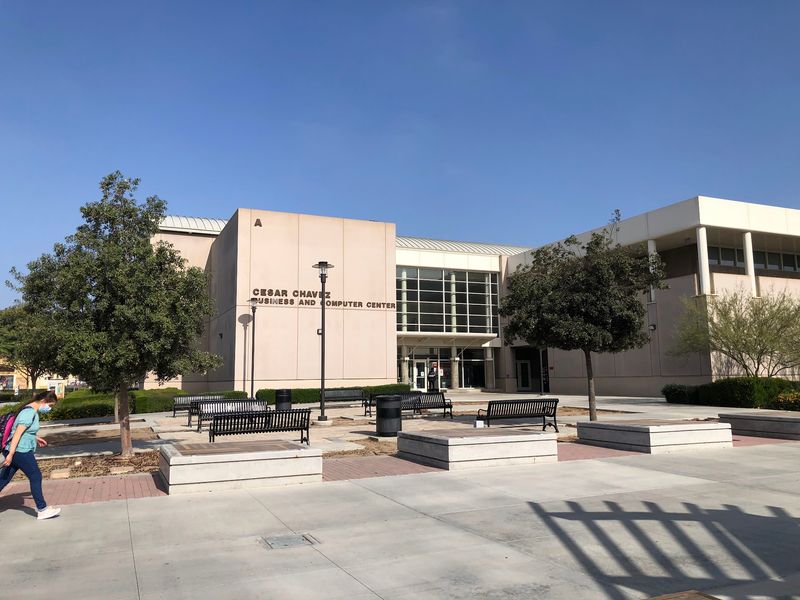
Belonging is not a small thing for a first-generation student. Feeling welcome can decide whether someone stays or quietly drops out.
SAC has programs aimed at exactly that. Rising Scholars is one of them, and one student said it was a place to be around others with similar life experiences.
Student support and helpful staff come up again and again when people talk about the school. Many describe the staff as people who truly care about students.
There are bumps. The learning center has been slow to return calls at times, and one student waited about 10 days for a callback about TEAS tutoring.
Earlier on, some felt the college lacked enough transfer prep guidance. Anyone aiming for a four-year school should start talking with counselors early and follow up often.
Support works best when students ask for it more than once.
A Bachelor’s Degree in Diesel-Electric

Here is a twist many people do not expect. A community college that offers a bachelor’s degree.
SAC has a first-of-its-kind Diesel Electric Transportation Technology program, known as DETT. It has been described as a brand new automotive bachelor’s degree in a field expected to be in strong demand.
One parent in the program said the reason was simple: building a future for the family. That kind of motivation fits right in on this campus.
The college also offers certificate programs for professional growth, plus trades like welding. One graduate left with two degrees and two certificates.
For workers who cannot leave town for four years, a local bachelor’s option can open real career doors. The advice from students in the program is to ask questions without worrying about what classmates think.
Campus Life for Every Age
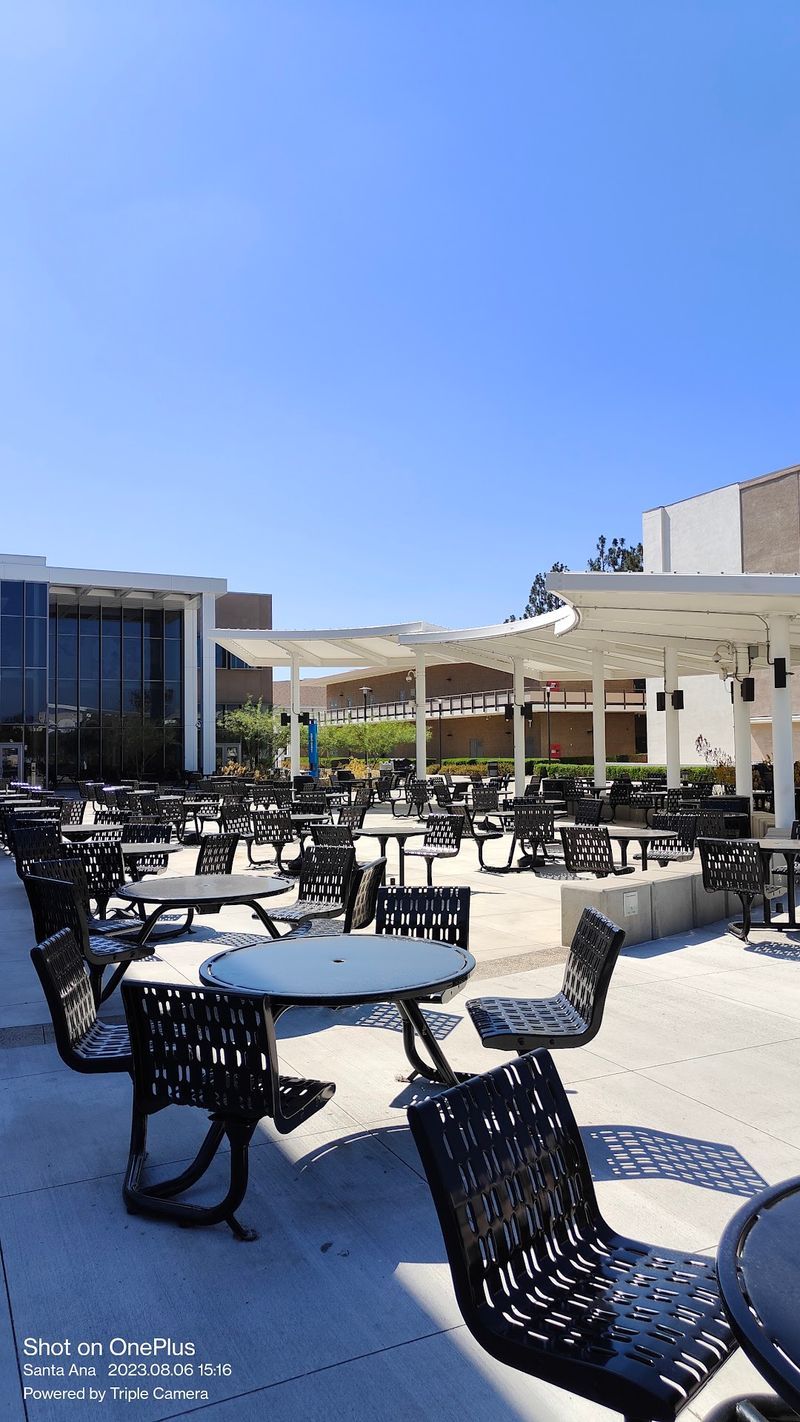
A 40-year-old student cheering about finally experiencing community college says plenty about the mood here. SAC is not just for recent high school grads.
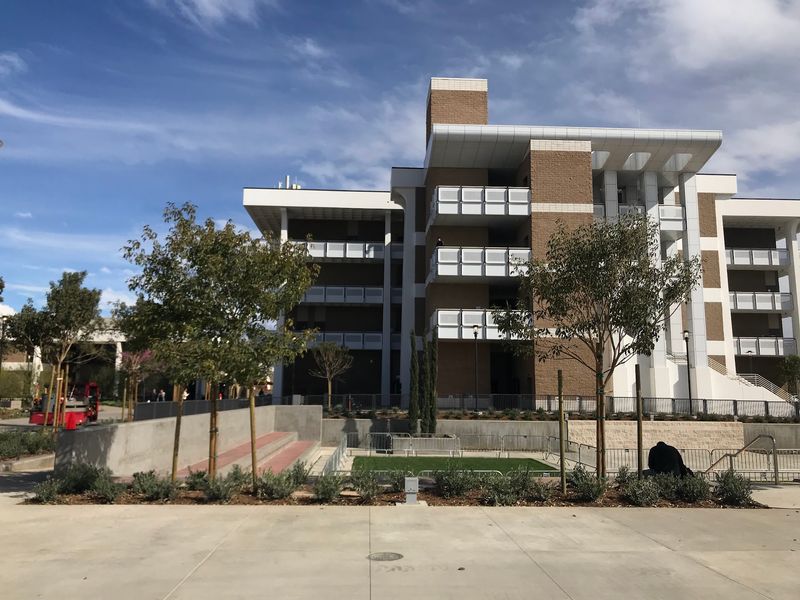
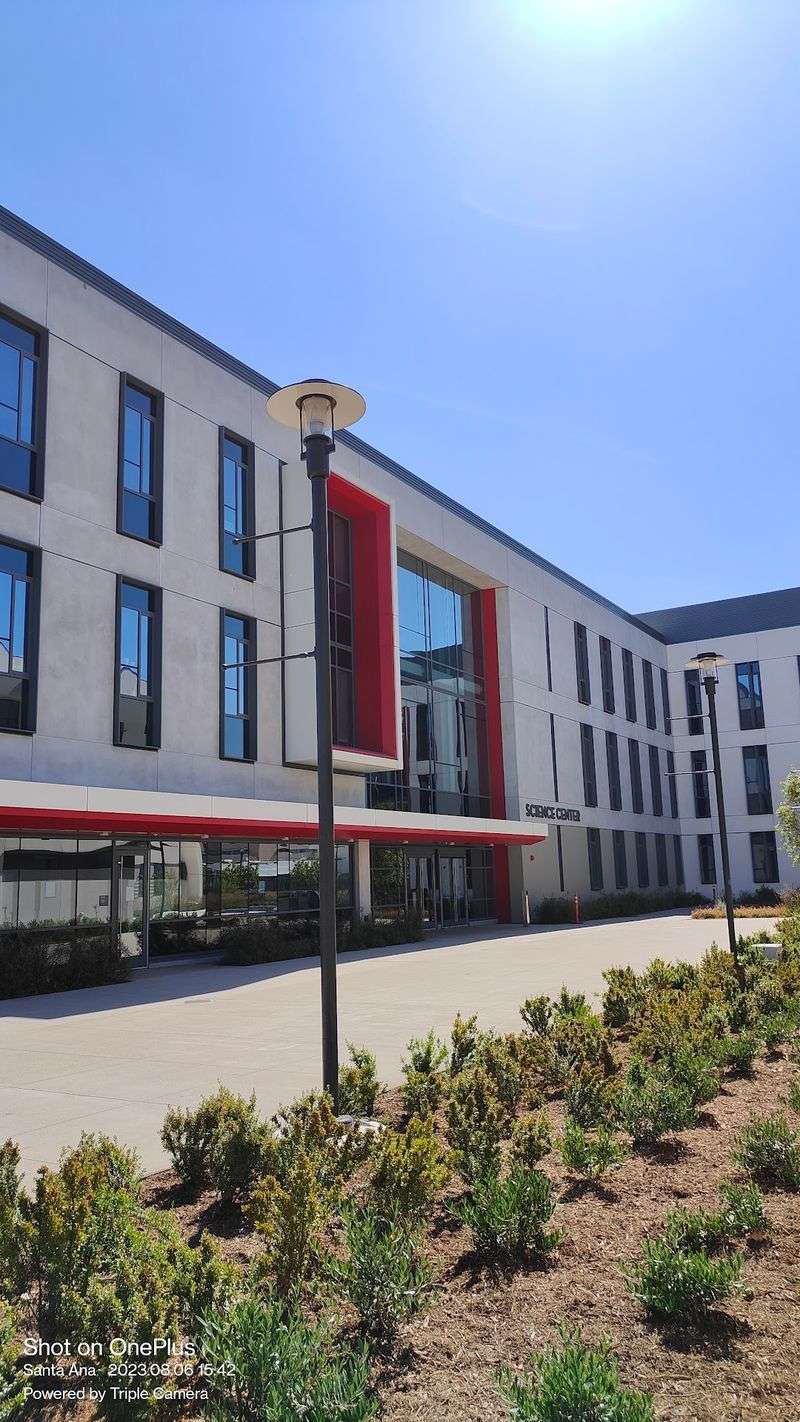
Many describe the campus as clean, nice, and welcoming. There are frequent events for students, along with good places to hang out between classes.
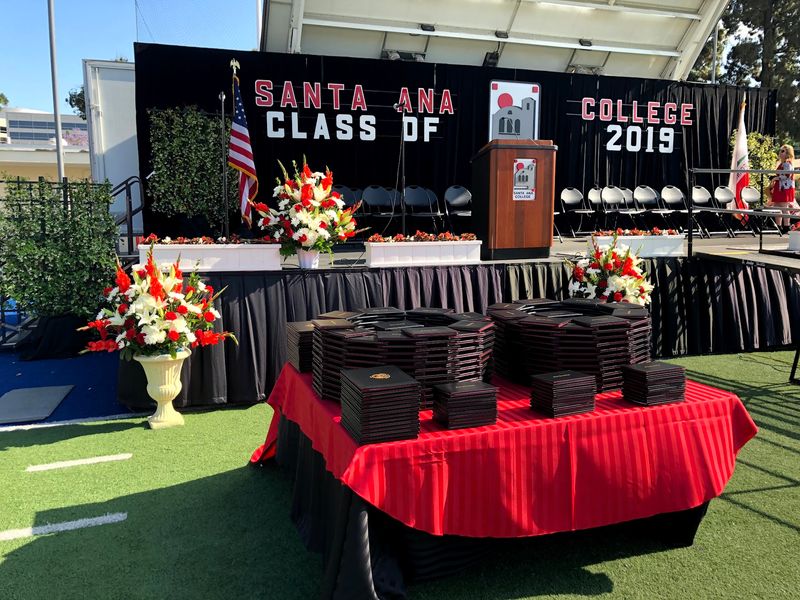
Graduation ceremonies are a big topic too, which makes sense at a school where so many students are firsts in their families.
Some complaints are worth knowing. The gyms have been called in need of better air conditioning, and some buildings feel dated to a few students.
The campus can also feel confusing at first. Finding the right office takes a few trips, but it gets easier with time.
The overall vibe suits working adults, parents, career changers, and young students looking for a fresh start.
Hours, Parking, and Getting Help
Timing matters when there are forms to file. SAC offices are open Monday through Thursday from 8 am to 5:45 pm.
Friday hours are shorter, running from 8 am to 4:30 pm. The campus is closed on Saturday and Sunday, so weekday visits are the way to go.
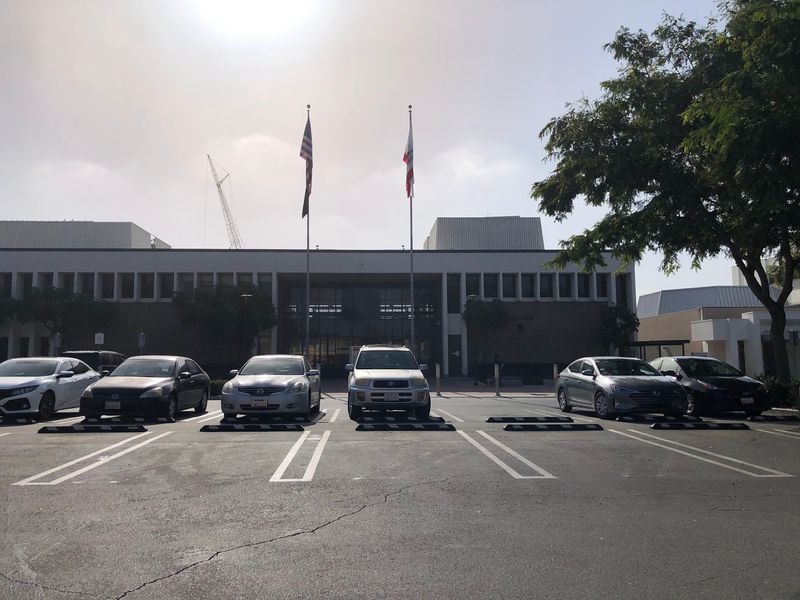
Parking has been a common headache over the years. Arriving early helps, especially at the start of a semester.
The main phone number is 714-564-6000, and the website is sac.edu. Many people find what they need online quickly, which can save a trip.
During the pandemic, the campus also served as a COVID shot site, and people found staff there helpful and organized. That community role is part of its local reputation.
Bring patience, a list of questions, and a parking plan.
The Verdict on a Hometown Launchpad
No college is perfect, and SAC has its rough spots. Some counseling, tutoring response times, and certain classes have frustrated students.
Yet the bigger picture is hard to ignore. With a 4.6-star average across more than 540 opinions, most people leave with good things to say.
The pattern is steady. Free or low-cost classes, caring staff, strong professors, and programs that help students move on to universities like the Cal State system.
For first-generation families in Orange County, that is a serious deal. A degree path can start a short drive from home without huge debt.
Students who go in ready to ask questions and push for answers seem to get the most out of it. Many walk out with a diploma, a plan, and a family first to celebrate.
Some hometown schools stay small on purpose, and still send people far.


