
Affiliate disclosure: As an Amazon Associate I earn from qualifying purchases. Learn more
In January 1848, a sawmill worker looked down into a ditch along a California river and spotted something shiny. That small moment changed the whole state, and the spot where it happened is still open to the public today.
Families can sit by the same river, swirl a pan of gravel, and go home with tiny flakes of real gold. There is a museum, a blacksmith shop, a stone jail, and a hilltop statue too.
Parking runs roughly ten dollars for the day, which makes it one of the better deals left in Gold Country. Keep reading to learn where it is, what to see first, and how to plan a day that kids and grandparents will both remember.
The Valley Where It All Began
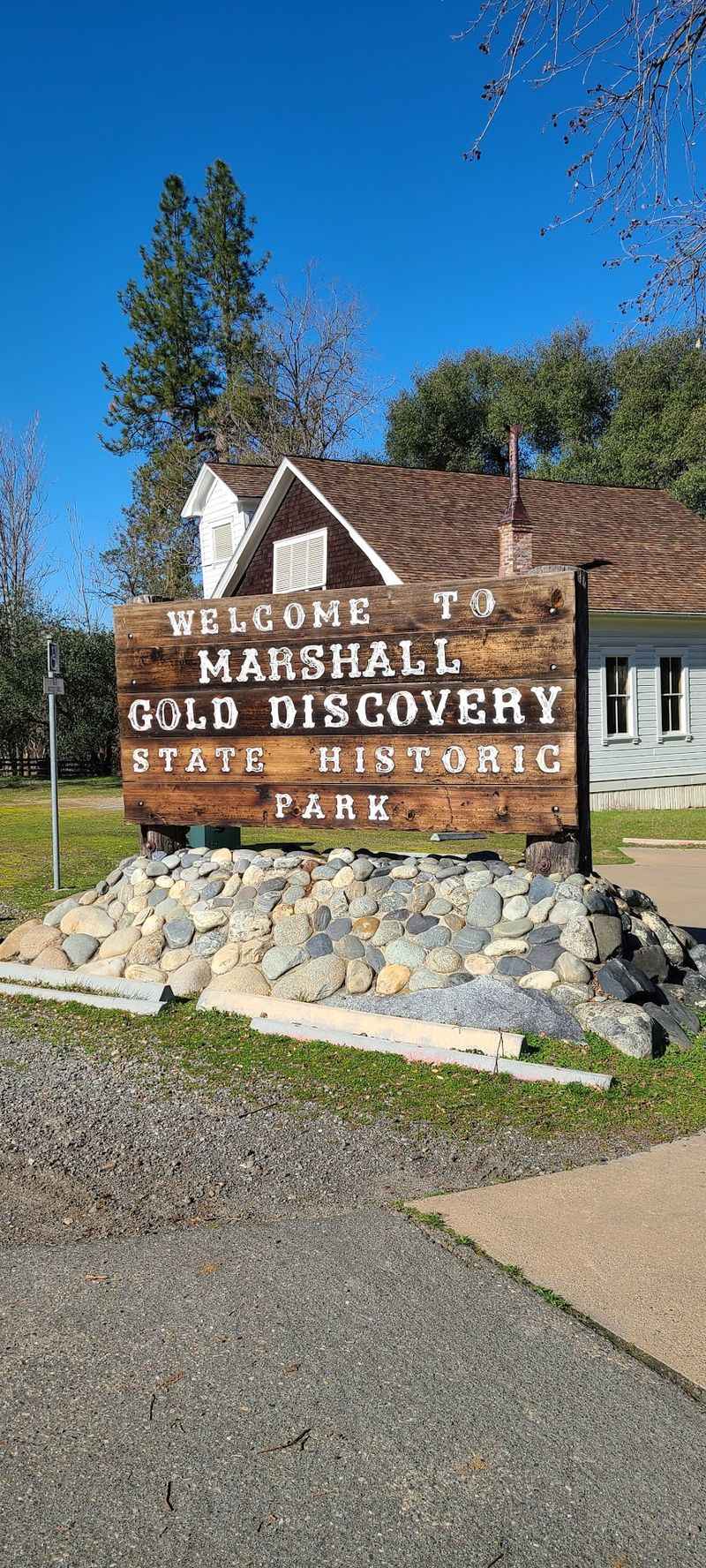
Every gold story in California traces back to one quiet valley. The spot is Marshall Gold Discovery State Historic Park, found at 310 Back St, Coloma, CA 95613, in the heart of California Gold Country.
The park sits right on the South Fork of the American River. Big oak trees shade much of the grounds, and dirt paths connect the old buildings scattered through the valley.
Many day-trippers come up from Sacramento for the afternoon. Once the main roads give way to the canyon, the pace slows down quite a bit.
The park is known as the birthplace of the Gold Rush. It includes a replica of the sawmill that started it all, more than 20 historic mining buildings, and a place to try gold panning.
People who expect a cheesy roadside stop often leave surprised. The setting feels more like a calm small town than a theme park.
Standing in such a quiet spot and realizing an entire rush of fortune hunters started here is a strange and wonderful feeling. That surprise is half the fun of the trip.
A Sawmill Ditch That Changed California
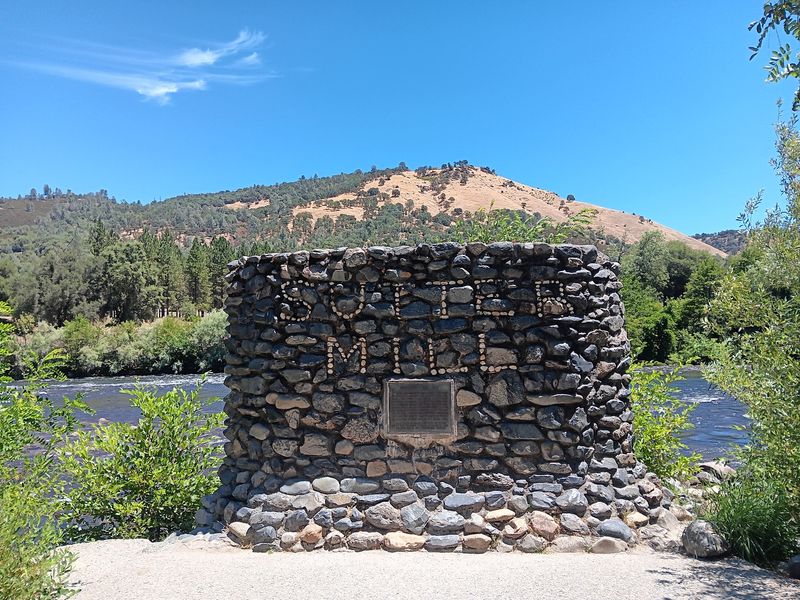
A sawmill is not the place most people expect history to happen. Yet James Marshall was working on a mill for John Sutter when he spotted gold in the water here in 1848.
Word spread fast. Within a short time, people from all over the world were heading west, and California would never be the same.
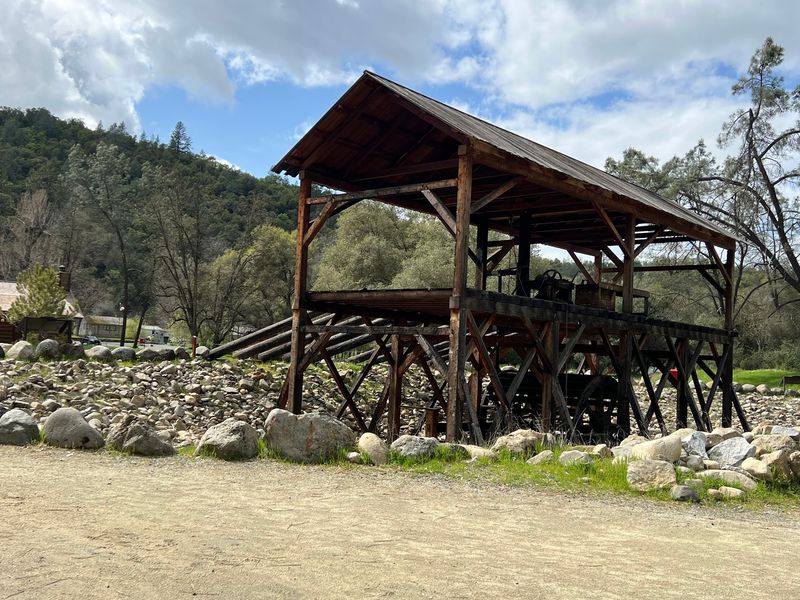
Today the park keeps that story front and center with a replica of the mill. It stands near the river so guests can see the kind of structure that set everything in motion.
The original discovery area is also marked. Fans of history can stand close to where the first flakes were found and look out at the same stretch of river.
Guests often call it one of the best outdoor museums they have seen. The grounds are easy to stroll, with plenty of signs to stop and read along the way.
Kids tend to grasp the story better here than in any textbook. Seeing the mill and the river side by side makes the lesson stick.
Gold Panning With Real Flakes
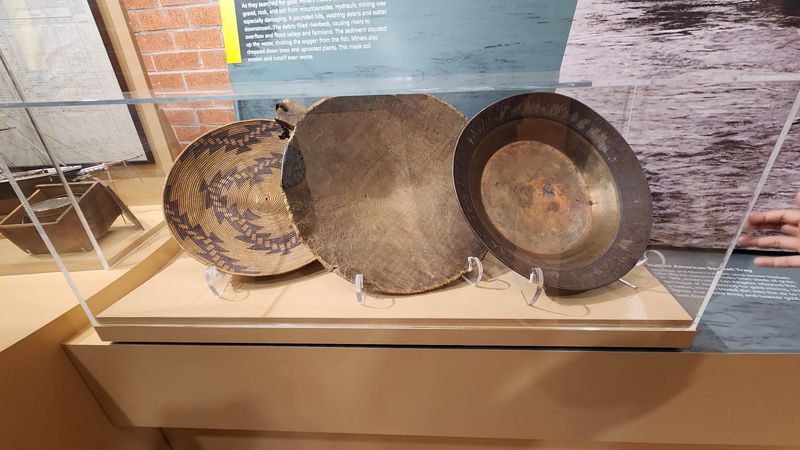
Here is the part the kids will talk about all week. Gold panning is one of the most popular activities at the park, and families do find small flakes of real gold.
Lessons teach the basic swirl and rinse method. Once the technique clicks, the hunt for a tiny glint in the pan becomes surprisingly addictive.
Families who join a lesson often finish with a few flakes to take home. They are small, but they are real, and that is what makes it special.
Panning lessons may not run during very hot weather. Calling ahead or checking the park website before a summer trip is a smart move.
Grandparents who first panned here as children now return with grandchildren. That kind of tradition is hard to find these days.
Nobody is retiring on the haul. Still, few souvenirs beat a flake of gold pulled from the same valley that launched the Gold Rush.
Hammer Time at the Blacksmith Shop
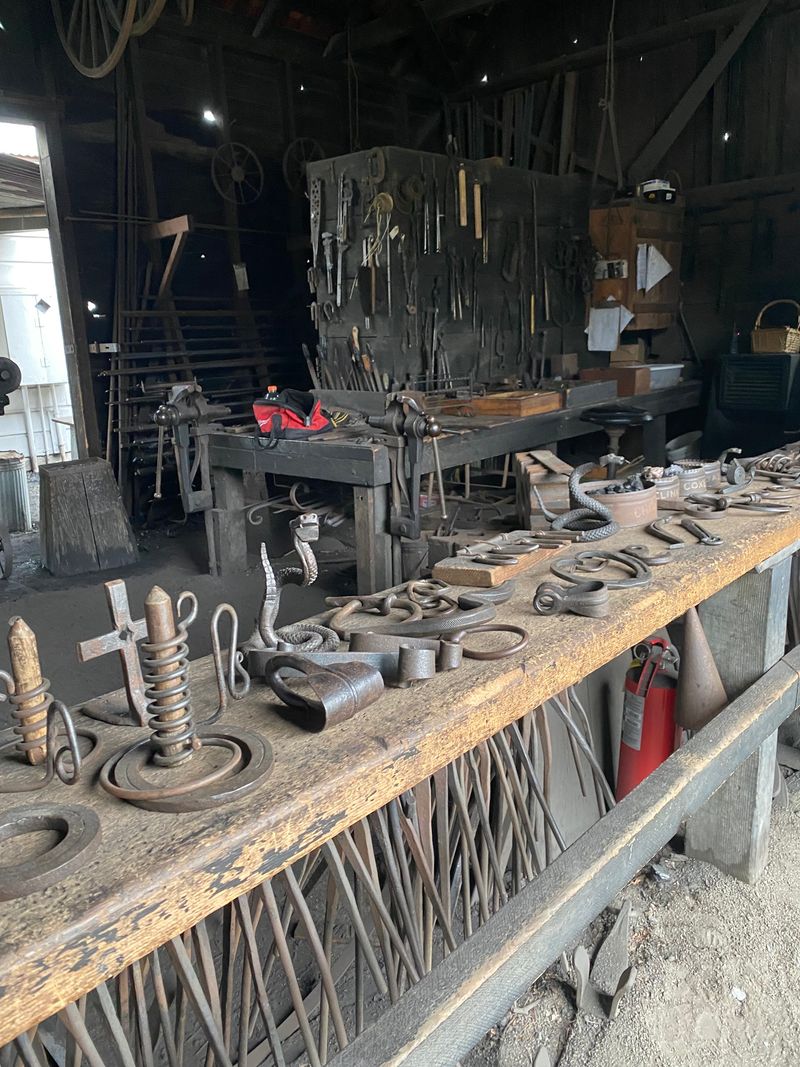
Among all the old buildings, the blacksmith shop draws a big share of attention. It comes up again and again as a favorite stop on the grounds.
In Gold Rush days, a blacksmith kept miners working. Picks, shovels, and wagon parts all needed repairs, and the smithy handled them.
The shop helps guests understand how much daily work went into mining life. Tools on display show the plain, practical side of the era.
The blacksmith shop has been open even on holidays like the observed New Year’s Day. That makes it a reliable stop for winter trips.
Kids usually linger here longer than expected. Something about heavy tools and old iron simply holds their attention.
It is a good reminder that the Gold Rush was not only about lucky finds. It was about a lot of people forging a living, one swing at a time.
Stone Jails and Old Storefronts
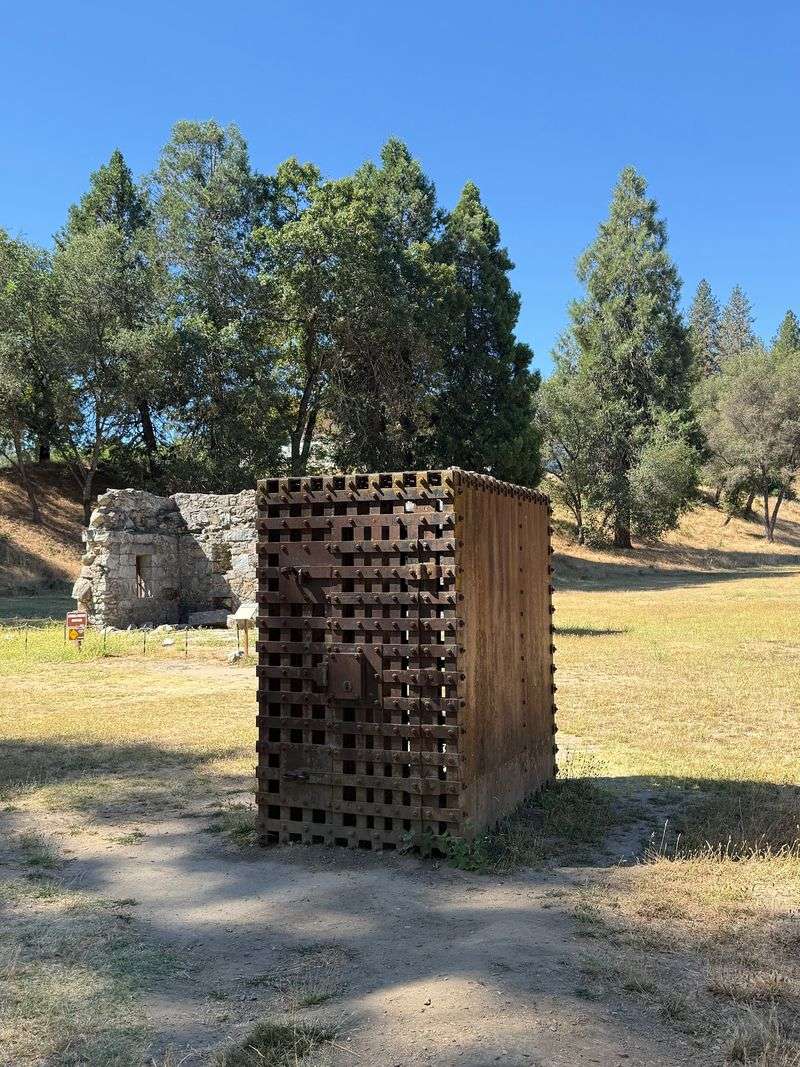
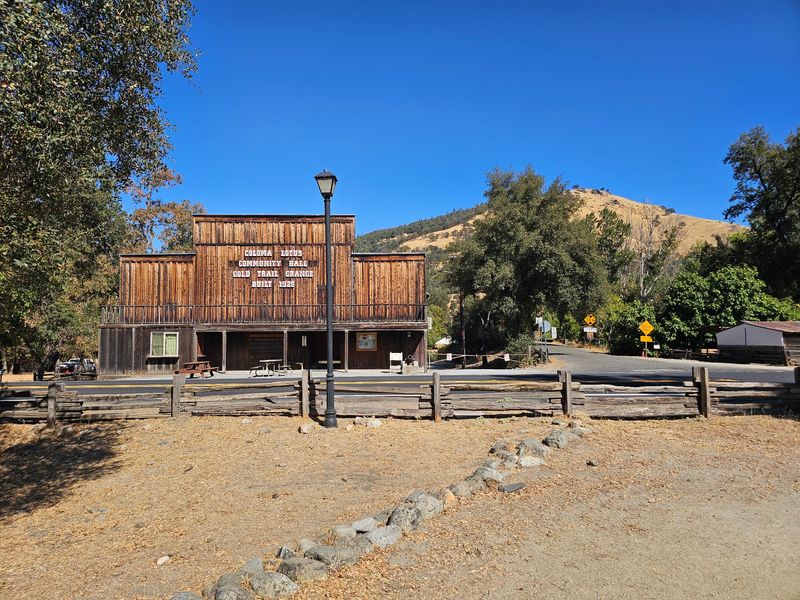
Dozens of original and reconstructed buildings line the dirt paths. Wandering between them is a big part of the day.
A stone jail is one of the standouts. It hints that boomtown life was not always calm and orderly.
Other buildings help fill in the picture of an early mining town. Together they turn the valley into a walkable history lesson.
The paths are short and connected, so there is no need for long hikes between stops. Families can move at their own pace and rest in the shade.
Guided walking tours add a lot of depth. Some tours have run from the souvenir shop at 11 am and 1 pm, though times can change, so check before you go.
Guides are known for being friendly and full of stories. A tour can turn a quiet row of buildings into a lively old town in the mind.
A Small Museum With Three Films
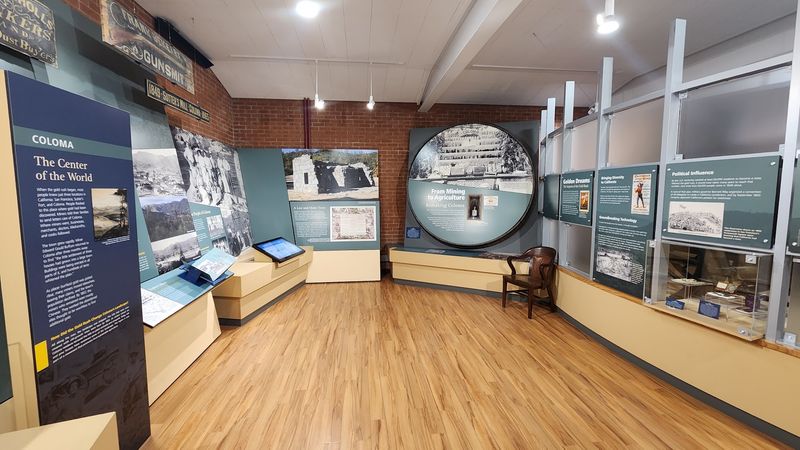
Small does not mean slight. The park museum packs a lot of information into a modest space.
There are three films to watch, which make a handy starting point for the whole visit. They give context before heading outside.
The mining methods exhibit is a favorite. It is laid out so well that young kids have been convinced they were walking into a real mine.
Here is a timing tip worth remembering. Outdoor sites and the museum may close at different times, and some guests have missed the museum by waiting too long.
Heading to the museum early in the day is the safer plan. That way nothing gets skipped.
Restrooms are reachable from outside even after the museum closes. They are known for some pretty fun tiles, an odd but welcome bonus.
Honoring the Nisenan People
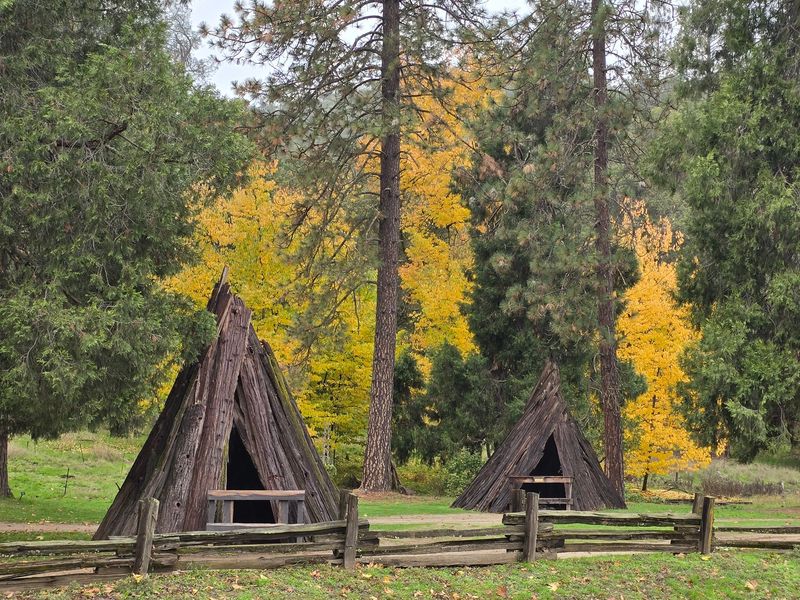
Long before 1848, the Nisenan people called this valley home. The park makes a point of telling their story alongside the Gold Rush.
Exhibits explain who lived here and how the rush affected them. It adds an important and honest layer to the history.
The displays have earned praise from people who study the past for a living. They are described as thoughtful and well presented.
Learning both sides helps guests see the full picture. The Gold Rush brought big changes, and not all of them were good for everyone.
For families, this section opens up good conversations. Kids often ask great questions once they see the Native history next to the mining story.
It is time well spent. A visit feels more complete with this part included.
Up the Hill to Meet James Marshall
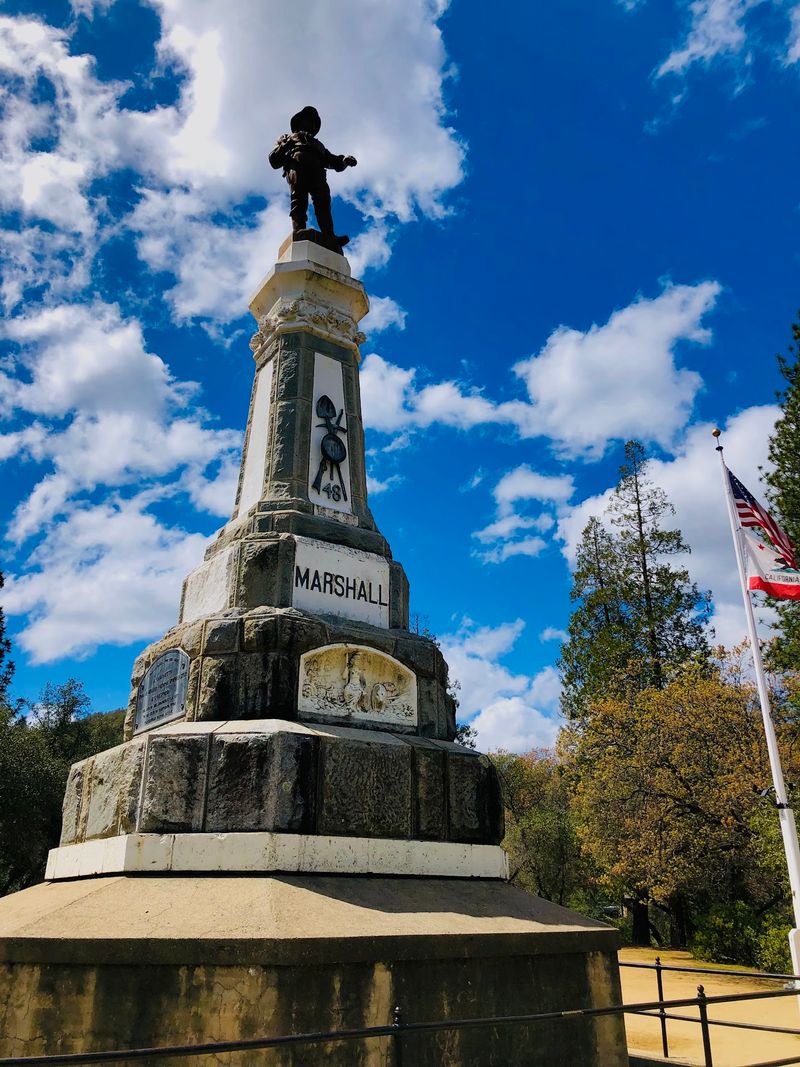
Some views require a little effort. The Monument Loop Trail leads up to a large statue of James Marshall looking out over the valley.
The walk to the monument is about 0.6 miles one way. Much of the trail is shaded, which helps on warm days.
It is short enough for kids, though it can feel longer than expected. Sturdy shoes or hiking boots are a good idea.
At the top, the panoramic view of Coloma Valley is the payoff. It is easy to see why the spot was chosen.
Marshall’s cabin is also part of the park. Pairing it with the monument rounds out his story nicely.
The climb is a fine way to stretch your legs after the museum. And Marshall seems to approve, standing there still keeping watch.
Wildflowers, Quail, and the Odd Otter
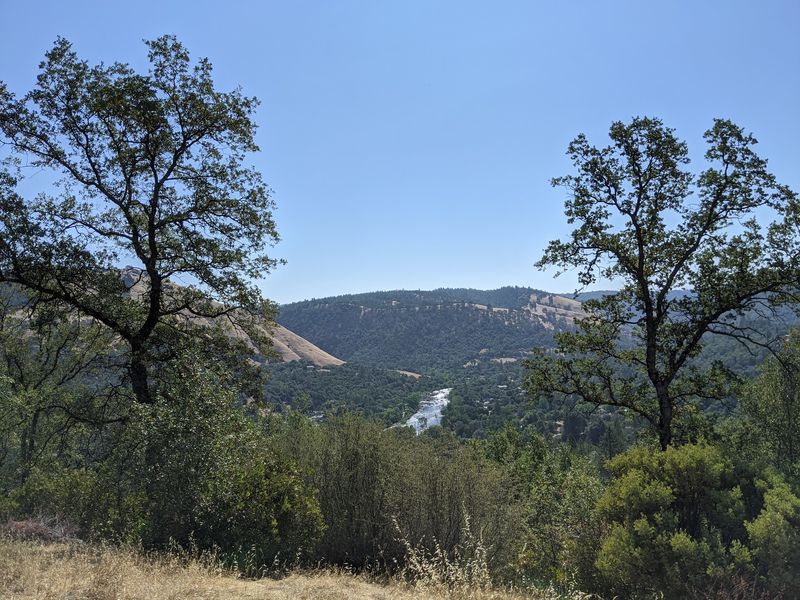
Nature lovers get a bonus round here. The monument trail is dotted with wildflowers in season.
Birds like quail and scrub jays are often spotted along the way. Patient walkers may see plenty more.
Along the river, a lucky few have even caught sight of a river otter. There are no promises, but it happens.
Oak trees provide wide stretches of shade across the park. That makes a summer stroll far more comfortable.
Fishing along the river is another option. It is a nice break from the history stops.
Bring a little patience and a sharp eye. The wildlife may become the surprise highlight of the day.
Life on the South Fork
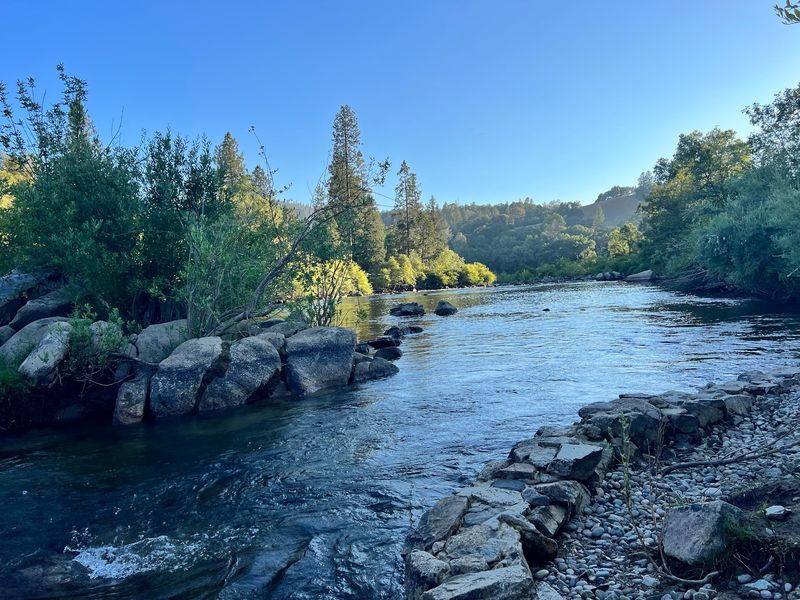
The river is not just a backdrop. The South Fork of the American River is a big reason people return again and again.
Families like to spend time hanging out by the water. On hot days, a quick dip can cool everyone off.
Caution matters here. The current is strong, so young kids need close supervision at all times.
Rafting is popular nearby, and the area is well known for it. Many people combine a raft trip with a park visit.
Fishing is also possible along the banks. Bring the right gear and check current rules first.
The river carried the first gold, and today it carries rafters. Not a bad second career for a famous waterway.
Picnic Tables and Lazy Afternoons
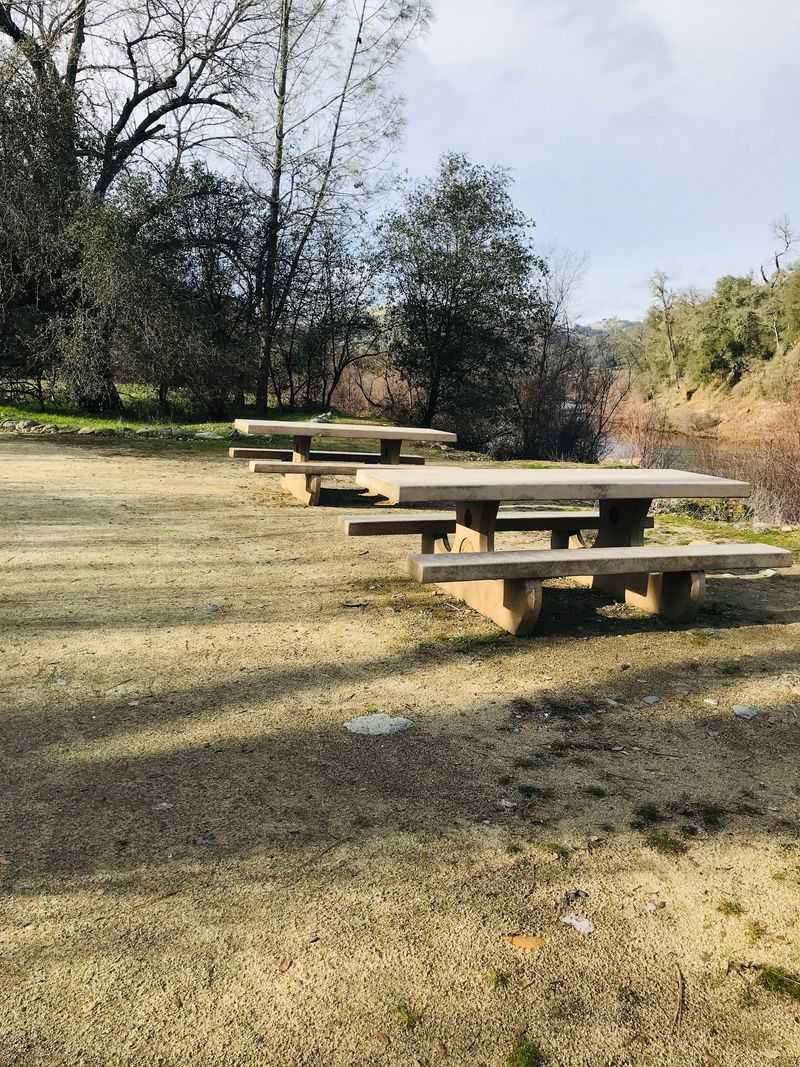
Packing a lunch is one of the smartest money moves here. Picnic tables are scattered all around the park, plus a large picnic area.
Shade from the oaks makes it easy to find a comfortable spot. Families can settle in near the water and stay a while.
The whole park is pet friendly too. Bring the family dog along for the outing.
Nearby there is a cafe, a gift shop with fun souvenirs, and an ice cream and gelato shop. Those are handy for a treat after panning.
Many groups spend half a day or more. Some stay around five hours without running out of things to do.
A cooler, a blanket, and an unhurried plan go a long way. It is old California at its relaxed best.
Junior Rangers and Three Generations
Some places get passed down like a family heirloom. Many guests first came as kids and now bring their own grandchildren.
Children enjoy the Junior Ranger activity book. Even preschoolers around age four have gotten into it.
The mix of short walks, hands-on panning, and old buildings works for nearly every age. Nobody needs to be a history buff to have fun.
History fans will still find plenty to chew on. Stamp mills, hydraulic mining remnants, cemeteries, and a Catholic church are spread across town.
The original Tragedy Springs memorial to members of the Mormon Battalion is here too. It surprises many people who did not know it existed.
Each return trip seems to reveal something new. That keeps families coming back year after year.
Hours, Parking, and Smart Timing
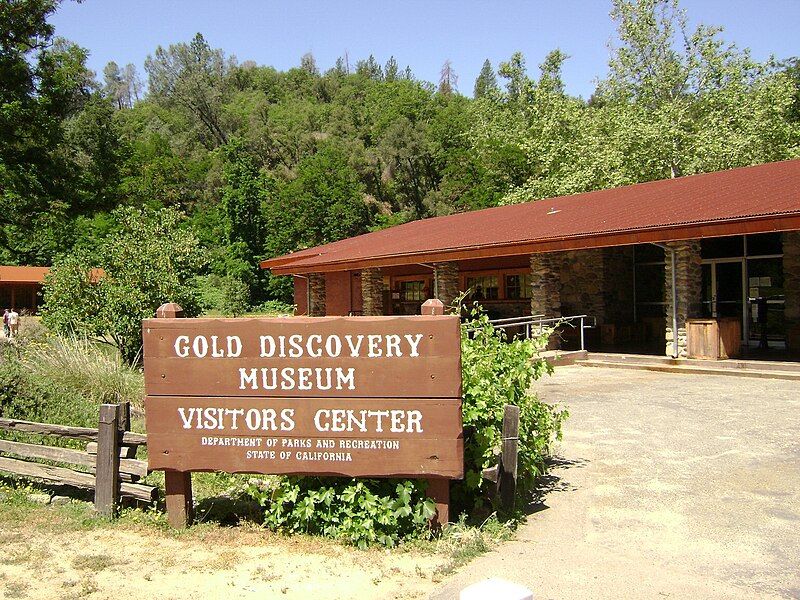
A little planning saves a lot of hassle. The park grounds are listed as open daily from 8 am to 8 pm.
Museum and outdoor exhibit hours can be shorter, and they may change by season. Check the official state parks site before going.
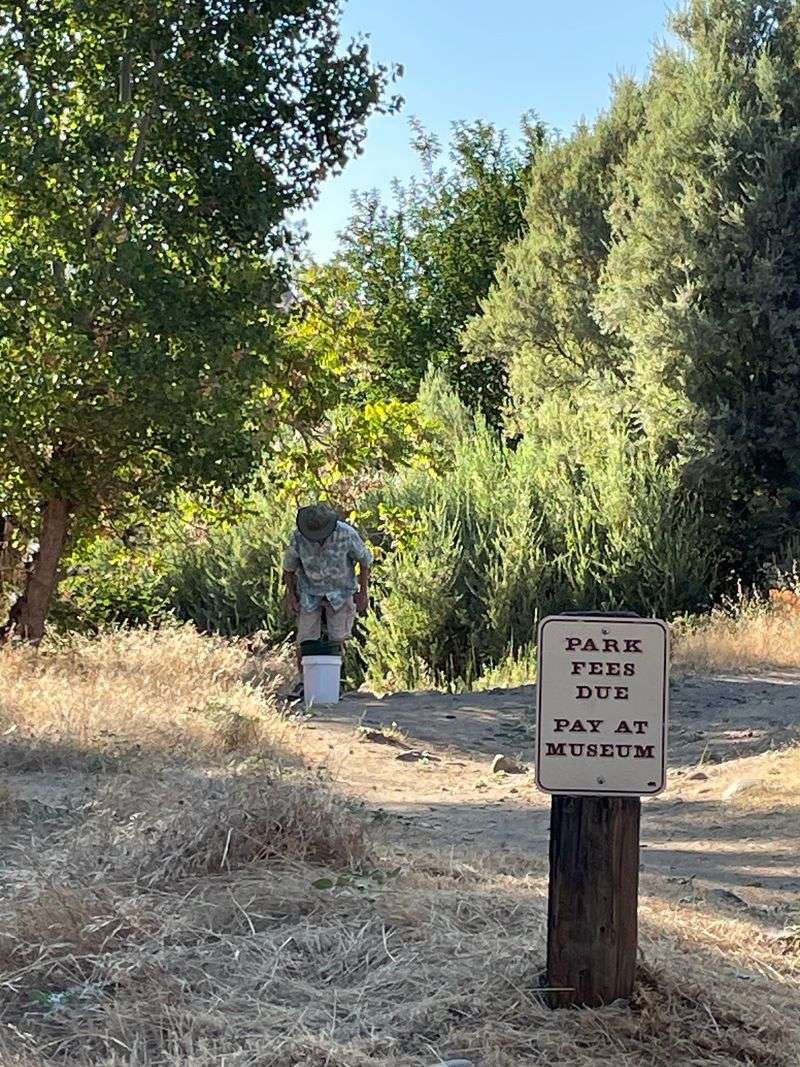
Parking has cost roughly ten dollars for the day. Prices can change, so treat that as a ballpark figure.
A California State Park pass can cover parking. Tours may still carry a separate fee.
Start at the visitor center for maps and information. After paying, guests can park in any lot.
Parking is plentiful, and the staff are known to be kind and helpful. Clean restrooms round out the basics nicely.
Worth Its Weight in Gold
Few spots in California still feel this genuine. The park keeps its history alive without turning it into a costly attraction.
For about the price of a parking pass, families get a river, a museum, trails, old buildings, and a chance to pan for gold.
It is an easy escape from Sacramento and the valley heat. The quiet canyon setting makes the drive worth it.
History lovers, river fans, and young gold hunters all find their own reasons to stay. Grandparents get to share a place they loved as kids.
Plan for the museum early and wear good shoes for the monument trail. Pack a lunch and keep an eye on little ones by the water.
The gold flakes may be tiny, but the memories tend to be big. That is a trade any old prospector would gladly take.


