
Affiliate disclosure: As an Amazon Associate I earn from qualifying purchases. Learn more
In a Clinton County farm town better known for church steeples and grain fields, a small hospital keeps its doors open every hour of every day. Its name now shares space with major medical centers from much bigger cities.
For Illinois families who live far from Chicago or St. Louis, that matters, because good care close to home can save long drives at stressful moments. Here is what makes this compact community hospital stand out, plus what families should know before they ever need it.
A Hospital on Holy Cross Lane
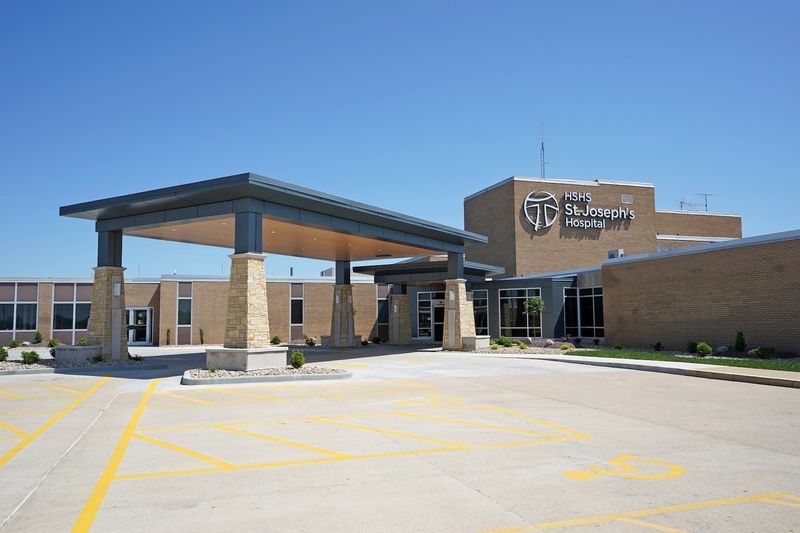
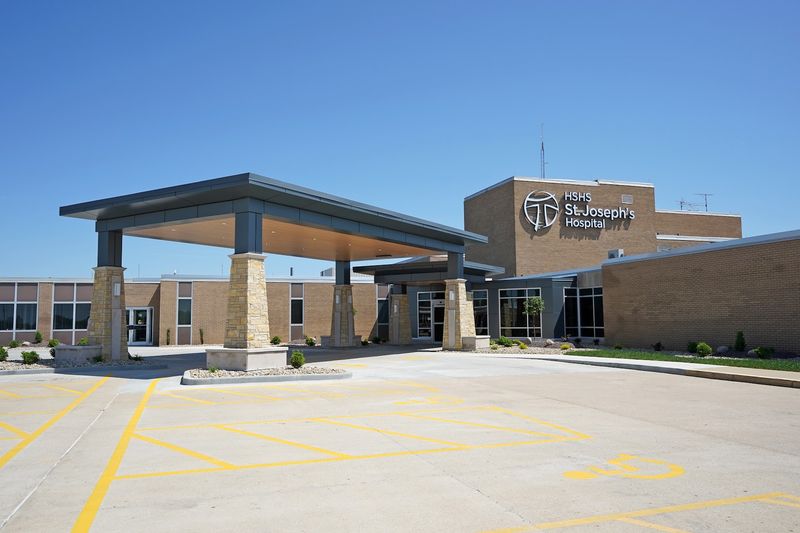
Breese is a small town in southern Illinois, and its hospital is one of the anchors of daily life there. HSHS St. Joseph’s Hospital sits at 9515 Holy Cross Ln, Breese, IL 62230, in the United States.
The hospital is part of the HSHS network, a Catholic health ministry. Its own responses to the public describe that mission as being dedicated to Christ’s healing love and to whole-person care.
One fact makes it especially useful for rural families. The hospital is open 24 hours a day, seven days a week, with no days off on the calendar.
Emergencies rarely wait for business hours. Late-night falls, sudden fevers and early labor all happen at inconvenient times, and a hospital that never closes takes some of the guesswork out of those moments.
For people in surrounding farm communities, the location means care without a long highway trip into a major metro area. Several patients have mentioned that they chose to drive here even when other options were closer to home.
That choice says a lot about how the place is viewed locally. A short drive can feel like a small price when the care on the other end is trusted.
So how does a hospital in a town this size end up in conversations with big-city medical centers? The answer starts with its people.
Small Town, Big-League Company
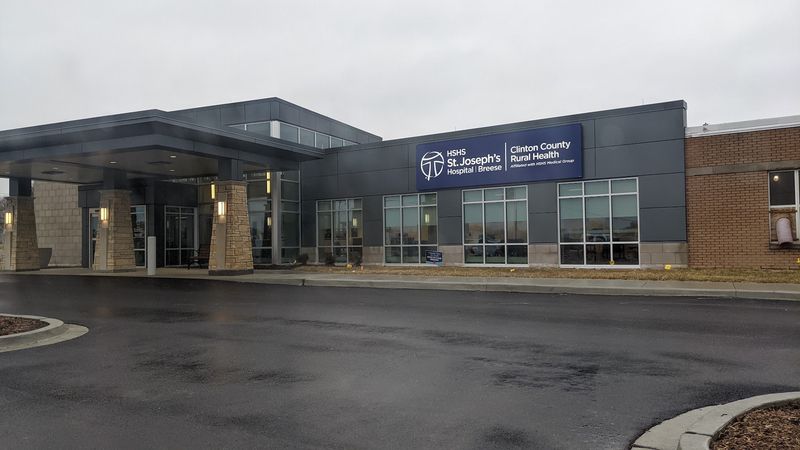
Big hospitals tend to collect the headlines. They have huge buildings, research labs and names that everyone recognizes.
That is what makes a modest community hospital in Breese landing on the same national top 100 list such a fun twist. A farm town facility sharing space with major urban medical centers is the kind of news locals love to pass along to friends.
Families who want the specifics on the recognition and the exact bed count can find current details on the HSHS St. Joseph’s website. Hospital facts like these can change from year to year, so checking the source is always smart.
What the recognition highlights is simple. Size is not the only measure of quality.
A smaller hospital often means fewer hallways to get lost in and staff who may see the same families again and again. In a tight-knit area, the nurse at the bedside might also be someone from church or the grocery store.
Patients describe a team that takes time to explain what they plan to do before they do it. Several mention feeling like a person instead of a number on a chart.
Of course, no hospital is perfect, and this one has its share of mixed experiences too. Still, its strongest moments tend to show up in one particular department.
Emergency Room Teamwork
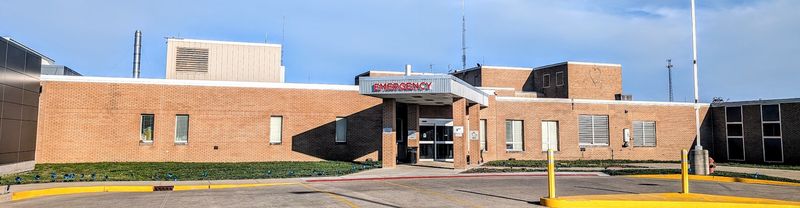
Spring weather brings people outside, and outdoor fun sometimes ends with a trip to the ER. One busy spring day, staff here were handling a wave of physical injuries, and patients still came away praising the doctor on duty as both competent and congenial.
That kind of steady performance under pressure comes up often. One patient treated for a hernia called the ER team among the best they had experienced across many hospitals.
Explanation seems to be a real strength. Patients note that staff walk them through tests and treatment plans, sometimes more than once if needed.
Another point stands out. Some patients say the team works to find the actual problem instead of rushing through with guesswork.
That approach left one person so pleased that they said the care was worth the extra drive past closer facilities. Professionalism and friendliness got equal credit.
Not every ER visit has gone smoothly, and some patients have felt brushed off or waited longer than they hoped. Families should know that experiences can vary from shift to shift.
Overall, though, the emergency team earns plenty of thanks from people who walked in worried and left with answers. And for many local families, the hospital’s most memorable moments happen a few floors away, where new arrivals begin.
Where New Generations Begin
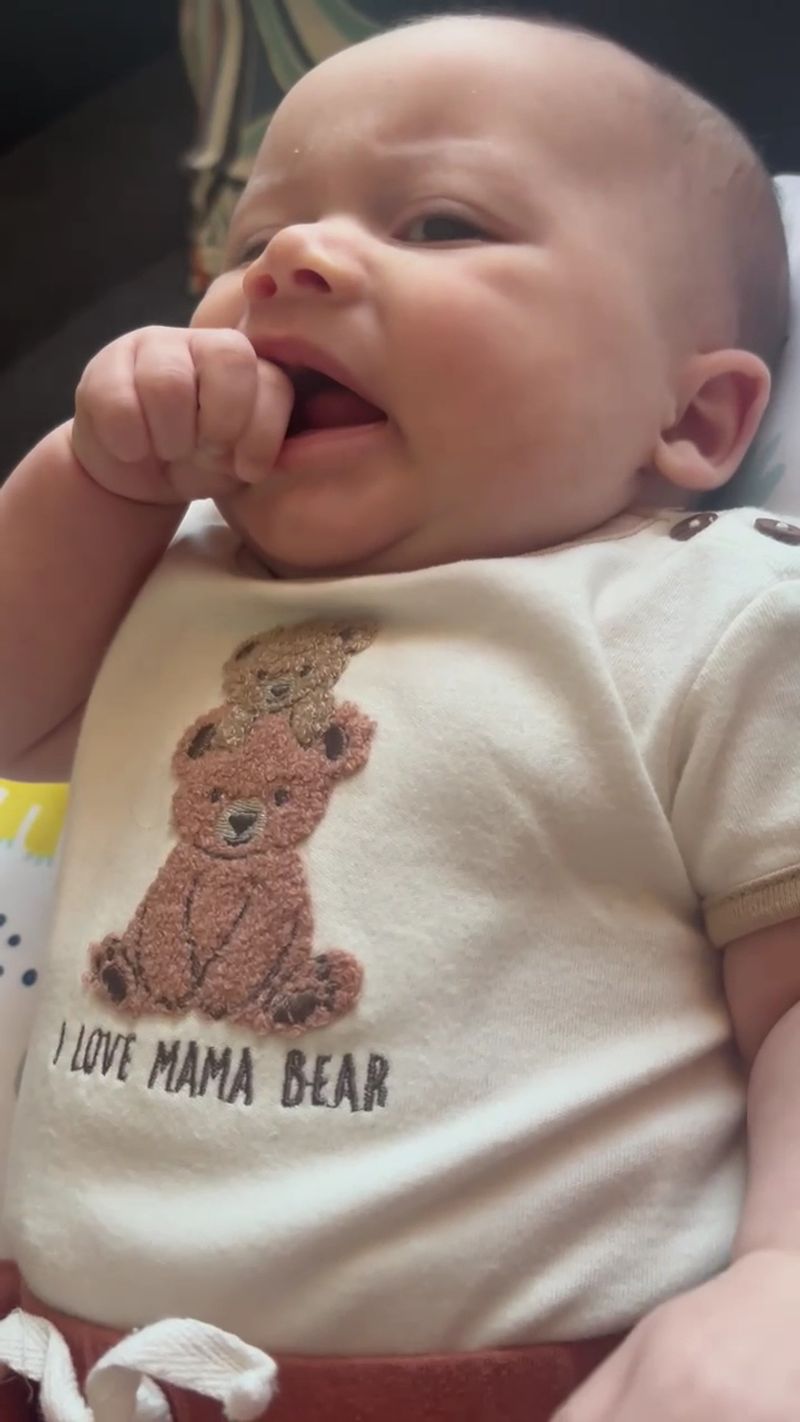
Grandparents in Clinton County may have a special connection to the OB floor here. One grandmother publicly thanked the staff for caring for her daughter through many visits before her grandson finally arrived, crediting their quick thinking for getting him on the right path.
Stories like that show how a hospital can become part of a family’s history. Children born here may one day bring their own kids through the same doors.
Early arrivals get special attention. Parents of a baby born six weeks early described the staff as competent and very caring, and they strongly recommended the OB floor.
Another family noted that the team helped a premature baby brother get the care he needed. Even while sharing a complaint, they gave the staff credit for that.
Not every detail of a maternity stay pleases everyone. One family wished their mother had been moved from the birthing room to a more comfortable resting room after delivery.
Expectant parents can ask about room arrangements ahead of time. A quick question during a prenatal visit may help set expectations.
For a small-town hospital, the women and infant care team draws real loyalty. That warmth carries over to another group that needs extra patience: nervous kids.
Calming Nervous Little Patients
Few things test a parent’s nerves like watching a child panic over a needle. One mom shared how a blood draw nearly turned into a meltdown until help arrived from an unexpected place.
The nurse caring for her son brought in an EMT to assist. He used a distraction approach, and it worked better than the mother expected given how scared her boy was.
She later said the EMT had a real gift with anxious kids. Her son even talked positively about that interaction for days afterward.
That is a big deal for families. A child who leaves a hospital with a good memory may feel less afraid the next time a checkup or test comes along.
The same family described the staff as nice and welcoming from arrival to departure. Their one wish was clearer information from the doctor about what was causing their son’s pain.
Parents can help by bringing a short list of questions. Asking for next steps in writing may make follow-up easier.
Still, the bigger lesson is encouraging. In a small hospital, staff from different roles seem willing to pitch in when a child needs comfort.
And that sense of teamwork reaches well beyond the medical staff.
Everyone on the Team Counts
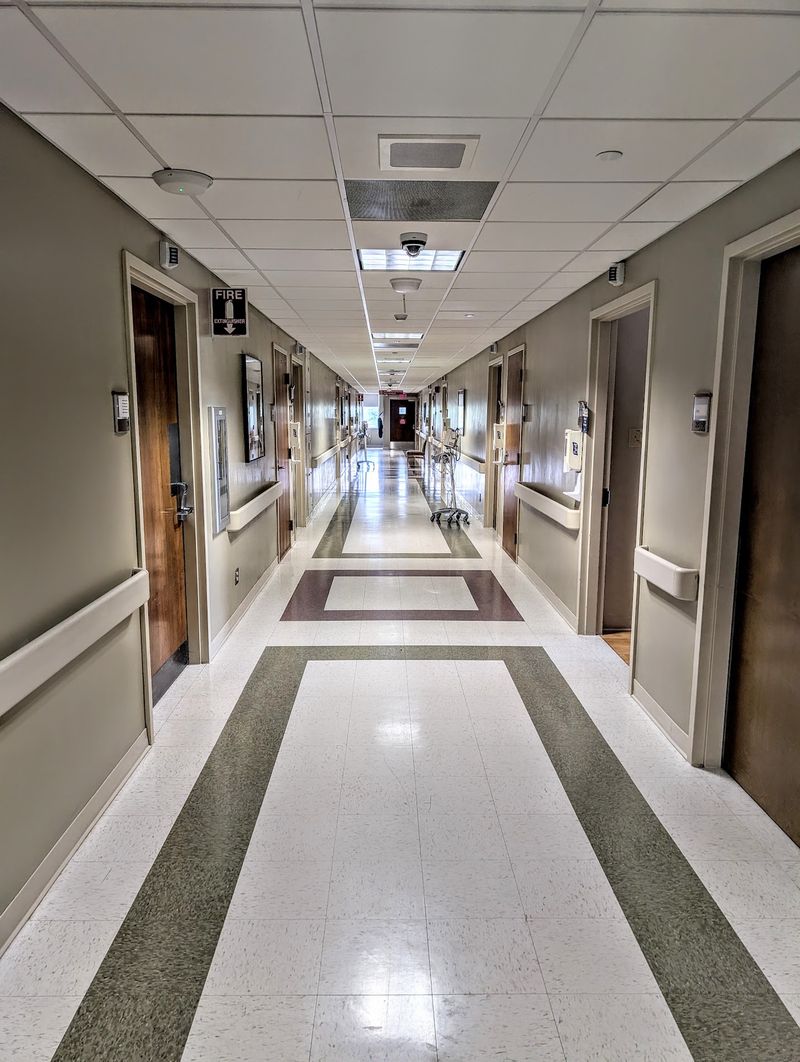
Hospital stays are rarely anyone’s idea of a good time. One patient admitted for blood clots arrived after a rough few months and said the staff made the two-day stay feel less scary.
The credit did not stop with doctors and nurses. That patient thanked medical staff, housekeeping and dietary workers alike.
A radiologist also got a special mention for encouraging tests the patient had been nervous about. Patience and willingness to explain things repeatedly made a difference.
That patient said they would come back if another stay were ever needed. For a hospital, few compliments carry more weight.
Surgery patients have offered similar praise for the surgeons and overall care. One person who had concerns about overnight attention still described the surgical team as good.
These moments show something important about community hospitals. When the whole building works together, patients notice.
The people cleaning rooms and preparing meals are part of the healing experience too. In a town like Breese, many of them are neighbors serving neighbors.
Care is only one part of the picture, though. The practical side of a hospital visit deserves just as much attention before families need it.
Practical Notes Before You Go
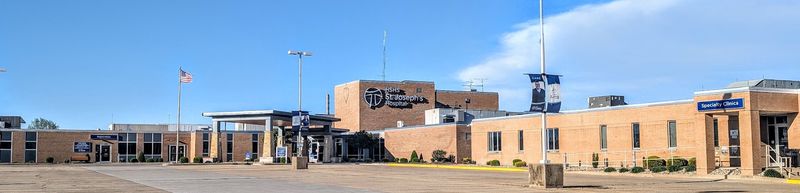
Good planning can make a stressful day a little easier. The hospital is open 24 hours every day, so there is no need to worry about closing times.
Billing is one area worth understanding early. Some patients have reported difficulty working out monthly payment amounts, so it may help to call the billing office soon after a visit and ask about payment plans and financial aid.
Financial aid applications can require detailed documents, including bank statements. Gathering paperwork ahead of time may prevent delays.
Test results can take time too. One patient learned that x-ray results might not reach their doctor for a few days, so asking about expected timing upfront is a smart move.
Medical records requests have been slow for some patients. Following up in writing and keeping notes of each call may help.
The hospital invites anyone with concerns to reach out through the contact page on the HSHS website. Staff respond publicly to feedback and ask people to share details so they can follow up.
Families switching doctors should know that a new primary care appointment may not be immediate. Planning ahead for prescription refills can save frustration.
With those tips in mind, here is the bigger picture.
A Hometown Hospital Worth Knowing
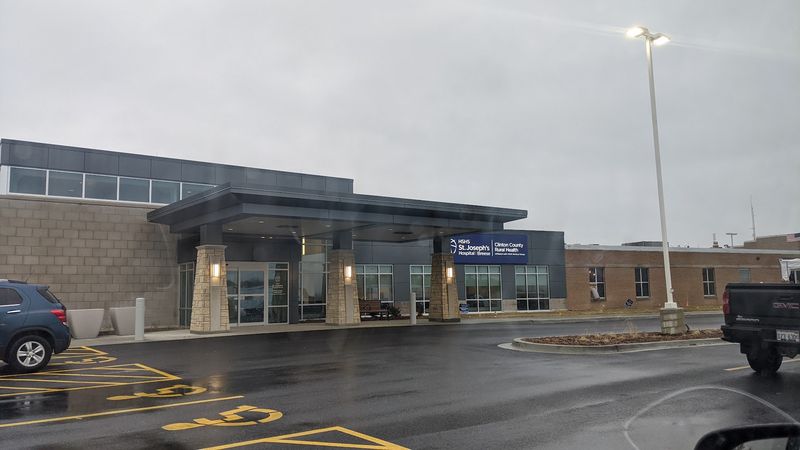
Nobody plans a weekend around a hospital. Still, knowing where to turn in an emergency is one of the most useful things a family can learn about the area they live in or visit often.
HSHS St. Joseph’s in Breese brings round-the-clock care to a part of Illinois where big medical centers are a long drive away. Its national recognition puts it in surprising company for a farm-town facility.
The strongest praise centers on caring nurses, friendly staff and a team that takes time to explain. The OB floor and emergency room come up again and again as bright spots.
There are honest weak spots as well. Billing questions, records requests and occasional communication gaps are areas where families may need to be patient and persistent.
That balance is what makes the story feel real. A small hospital doing big things does not mean every day is flawless.
For grandparents, parents and new families in Clinton County, the takeaway is reassuring. Quality care can live close to home, even in a town surrounded by cornfields.
Save the address, share it with relatives nearby, and keep it handy. Hopefully the only reason to visit is to welcome a brand new grandbaby.