
Affiliate disclosure: As an Amazon Associate I earn from qualifying purchases. Learn more
Most Michigan kids learn that Sojourner Truth was a famous speaker, and then the lesson moves on. What often gets left out is that she chose Battle Creek as home and lived here for the last 27 years of her life.
A woman born into slavery in New York became one of the most important voices for freedom in American history, and her final chapter played out right here in our state. In downtown Battle Creek, a towering 12-foot tribute stands ready to tell the rest of her story, any hour of the day, at no cost at all.
Keep reading to learn where it is, what the plaques reveal, and why this quiet corner deserves a spot on every Michigander’s list.
A 12-Foot Tribute on East Michigan Avenue
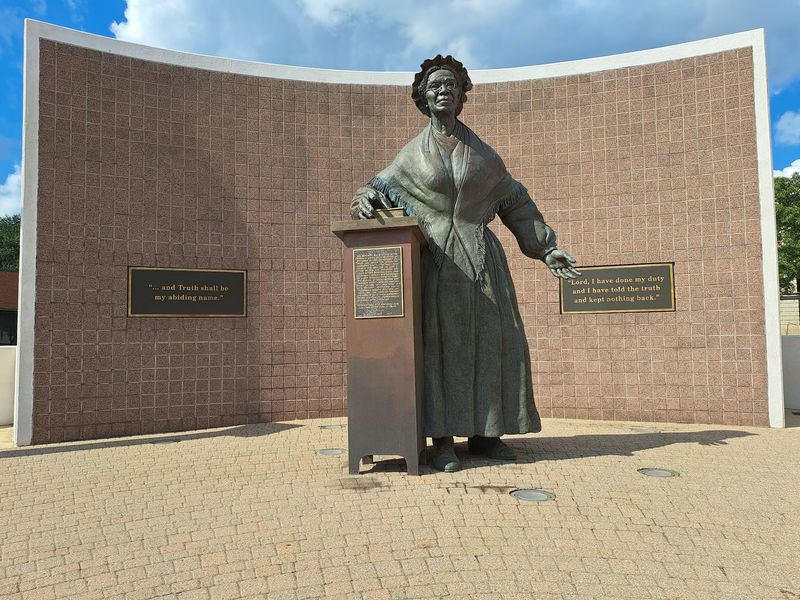
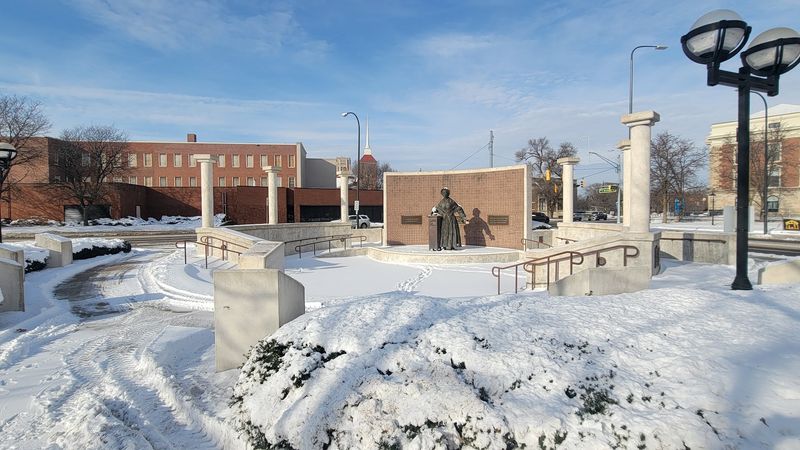
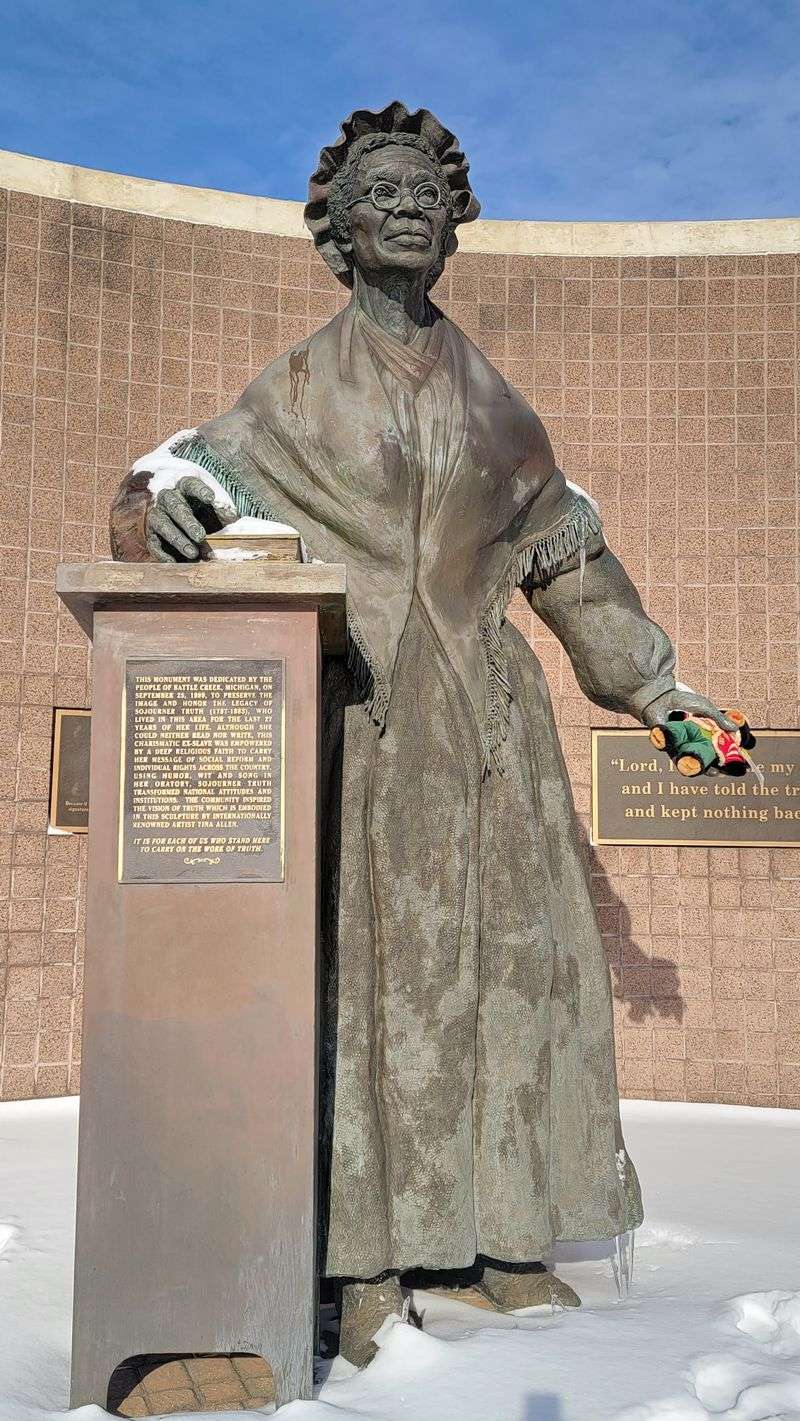
Downtown Battle Creek holds a statue that stands taller than most people expect. The Sojourner Truth Monument sits at 2-14 E Michigan Ave, Battle Creek, MI 49014, in the heart of the city’s downtown in southwest Michigan.
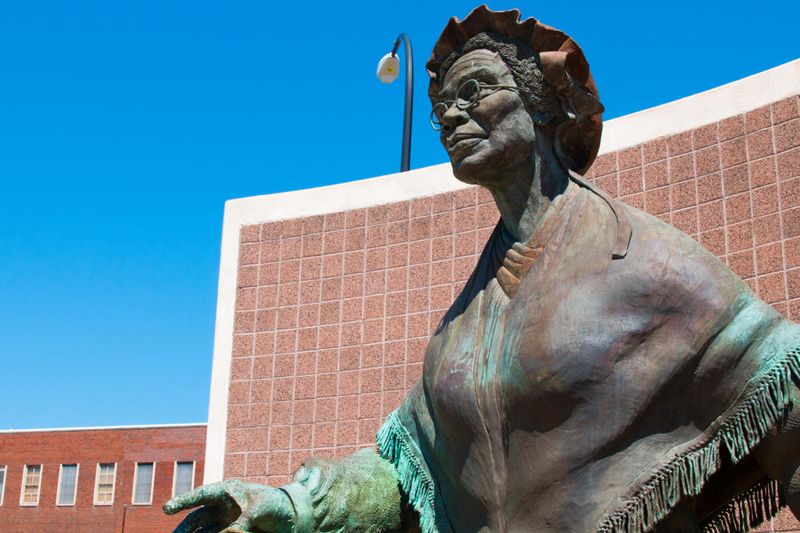
The sculpture rises 12 feet high. It honors Sojourner Truth, the formerly enslaved woman and abolitionist who spent her final years in this city and passed away here in 1883.
Plenty of people simply drive past it on the way somewhere else. The figure is easy to spot from the road, which makes it a familiar landmark for locals who might never have stopped to read a single plaque.
That habit of passing by is worth breaking. The monument is free, open around the clock, and packed with history that many classrooms only touch briefly.
For Michiganders, the bigger point lands quickly. One of the most important figures in the American fight for freedom chose Michigan as her home, and Battle Creek made sure that fact would not be forgotten.
So the next time East Michigan Avenue is on the route, consider pulling over for a few minutes with a true giant of history.
From Isabella Baumfree to a Name of Her Own
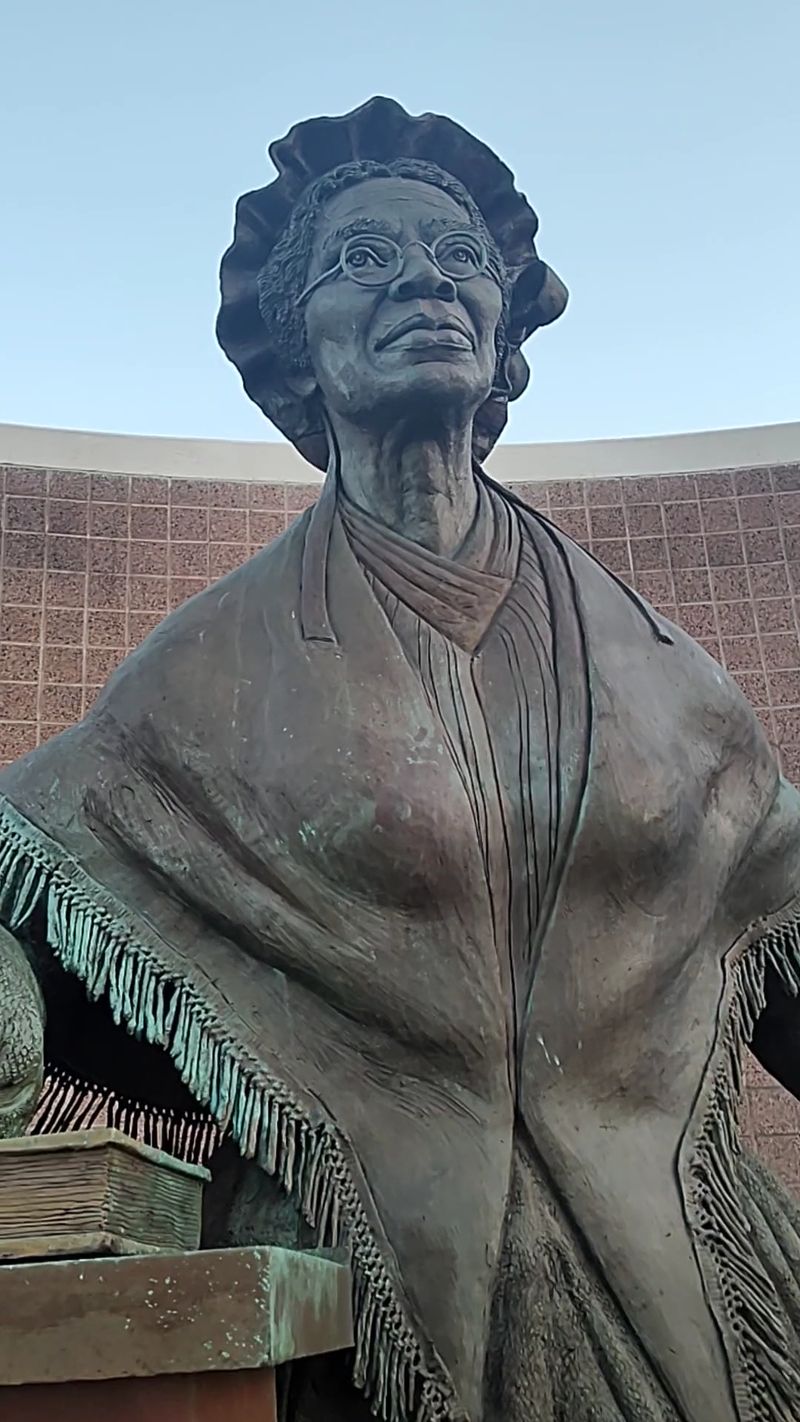
Long before anyone called her Sojourner Truth, she was a child named Isabella Baumfree. She was born in Ulster County, New York, in 1797, to enslaved parents named James and Elizabeth.
Being born to enslaved parents meant Isabella was enslaved too. New York did not officially end slavery until 1827, so her early life unfolded under a system that treated people as property.
One of her earliest memories came at about age 9. She was sold at auction along with a flock of sheep for roughly $100.
The man who bought her was violent. Her childhood was shaped by hardship that would have broken many people.
Isabella refused to let those years define her. Later in life she chose a new name, Sojourner Truth, and it became one of the most recognized names in American history.
Many people who stop by say they love her name. It carries a sense of purpose, a person traveling with something true to say.
The statue in Battle Creek honors that whole journey, from an auction block in New York to a place of honor in Michigan.
The Courtroom Win Few Textbooks Mention
Here is a fact that rarely makes it into a Michigan lesson plan. Sojourner Truth took a white man to court, and she won.
She had five children. One of them, a son named Peter, was illegally sold into slavery.
Instead of accepting it, she filed a lawsuit against the man responsible. Her victory made her the first African American woman to win a case against a white man.
That detail changes how people see her. She was not only a speaker with a powerful voice, she was also someone who used the legal system to protect her family at a time when the odds were stacked against her.
Standing in front of the 12-foot statue, this part of the story tends to hit differently. The figure represents a mother who fought for her child and refused to back down.
Courage like that is a big reason people describe her persona with words like strength and bravery. The case happened long before she ever reached Battle Creek, yet it is part of the legacy the city now carries.
Not a bad résumé for someone who started life with no legal rights at all.
Why Battle Creek Became Home
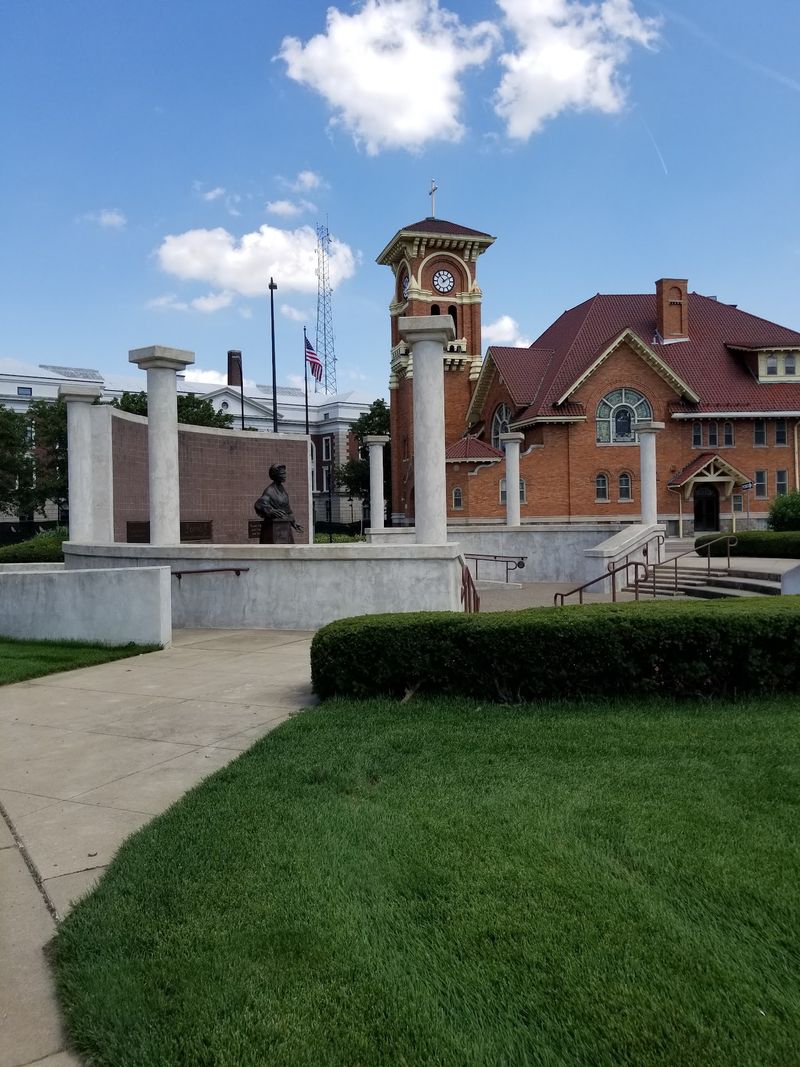
Of all the places she could have settled, Sojourner Truth picked Battle Creek. She lived in the city for the remaining 27 years of her life.
That is a long stretch. It means Battle Creek was not a quick stop on a speaking tour but a true home base during the later decades of her life.
She lived a long life and supported many causes along the way. Michigan was the place she returned to and the place where her story came to rest in 1883.
Plenty of people outside the state have no idea about this connection. Some arrive at the monument without having heard of her at all and leave having learned a great deal from the plaques.
For locals, this is the kind of heritage that sparks real pride. A national figure in the fight for freedom called our state home, and the evidence stands right downtown.
The monument turns that connection into something visible. It is a reminder that big chapters of American history were written in towns like this one, not only in famous East Coast cities.
Battle Creek earned its spot in her story, and the city clearly knows it.
Plaques Worth the Extra Minutes
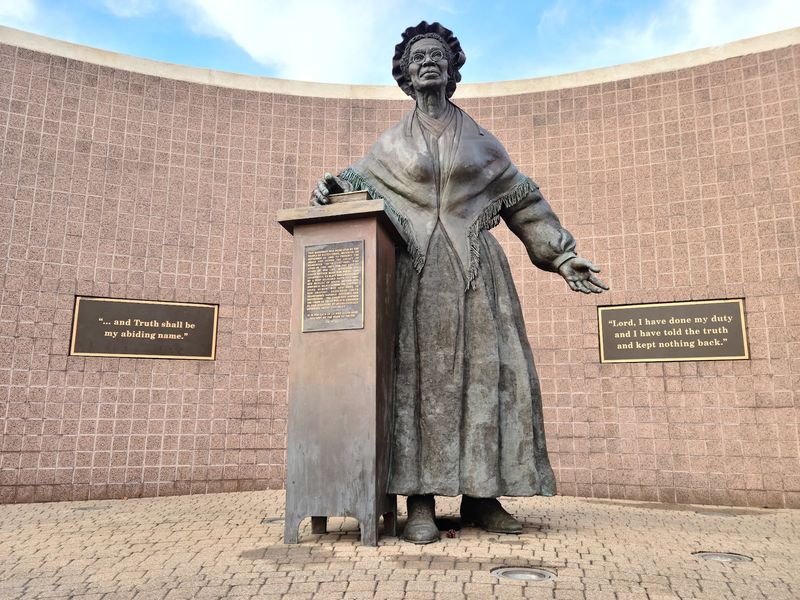
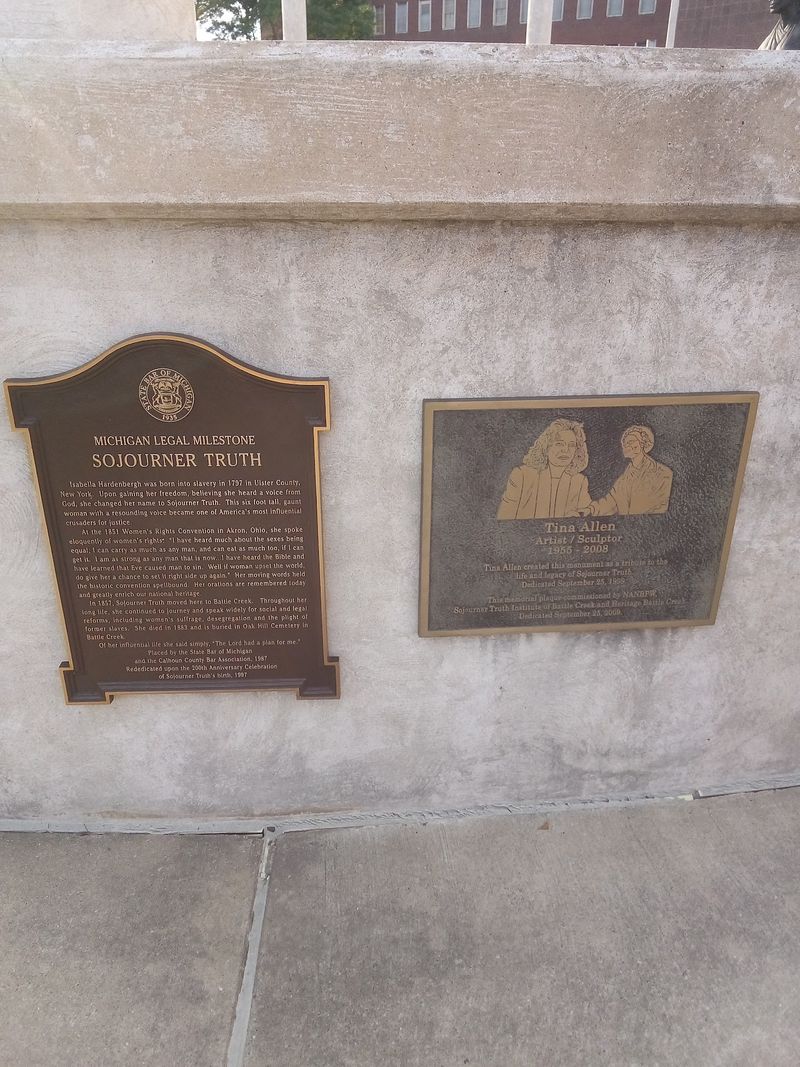
A quick glance at the statue is fine. Reading the plaques is where the real lesson happens.
The monument includes informational plaques that help explain who Sojourner Truth was and why she matters. People who arrive knowing little about her often walk away with a much clearer picture.
That makes the site a handy outdoor classroom. Parents, grandparents, and teachers can use it to share history with the next generation in a way that feels more personal than a textbook page.
Many people praise the plaques specifically. They pair well with the scale of the statue itself, which many describe as powerful.
Budget a little extra time for reading. A drive-by look shows the sculpture, but stopping to read fills in the details that most history classes skip.
Afterward, many people feel encouraged to explore her life further. That curiosity is exactly what a good monument should create.
Consider it homework that nobody will grade, the best kind.
After Dark, the Statue Still Shines
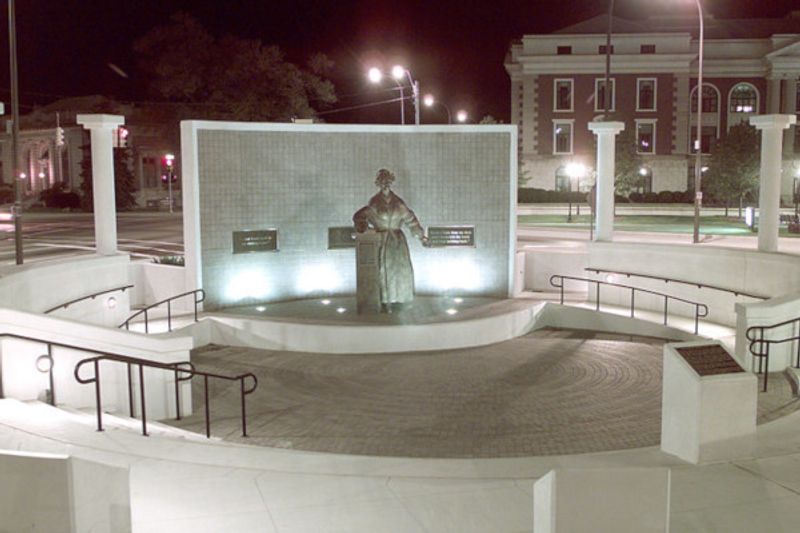
Night owls get their own version of this landmark. The monument is well lit after dark, so the statue remains easy to see long after sunset.
Because the site is open 24 hours a day, seven days a week, there is no closing time to worry about. An evening walk through downtown can include a stop here without any planning.
Some people who have only seen it in daylight say they wish they could catch it lit up at night. It is a different way to experience the tribute.
The lighting also helps drivers spot it from the road. That visibility keeps her presence felt in downtown Battle Creek around the clock.
As with any downtown spot after dark, visiting with a friend or family member is a sensible choice. A little common sense goes a long way.
A daytime visit for the plaques and an evening pass for the lights make a nice pair. Two looks, zero tickets required.
Gathering Ground for Rallies and Community Moments
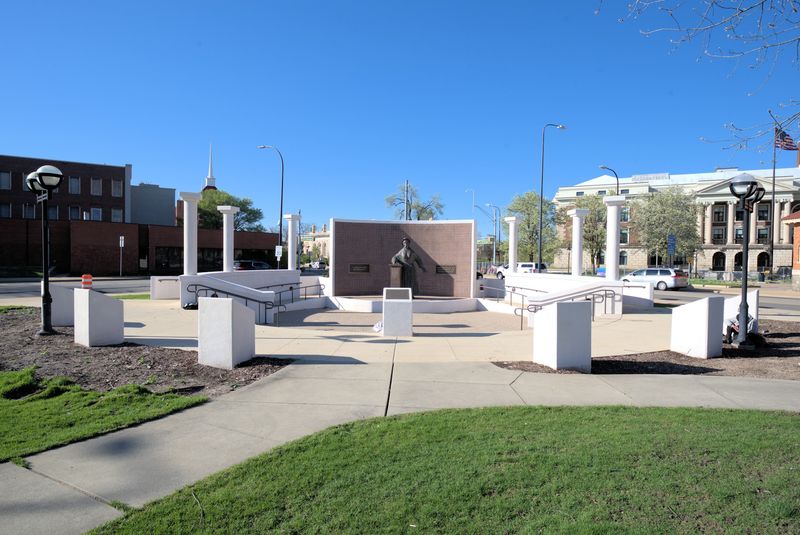
Some monuments are just for looking. Here, the community actually uses the space.
The area around the statue serves as a gathering place for meetings, rallies, and demonstrations. Locals see it as a real community asset rather than a decoration.
That fits the woman it honors. Sojourner Truth spent her life speaking up and supporting causes, so a place where people come together to make their voices heard feels like a natural tribute.
On ordinary days, the mood is often quiet. A calm Friday afternoon visit can feel peaceful and reflective, a good time for paying respects.
Some people even notice that when they stand in front of the statue and sing, their voice seems to grow louder. It is a fun little quirk for anyone curious enough to try it.
The space works both ways, a quiet stop or a public stage. Either way, her legacy of speaking out stays front and center.
The Underground Railroad Sculpture Nearby
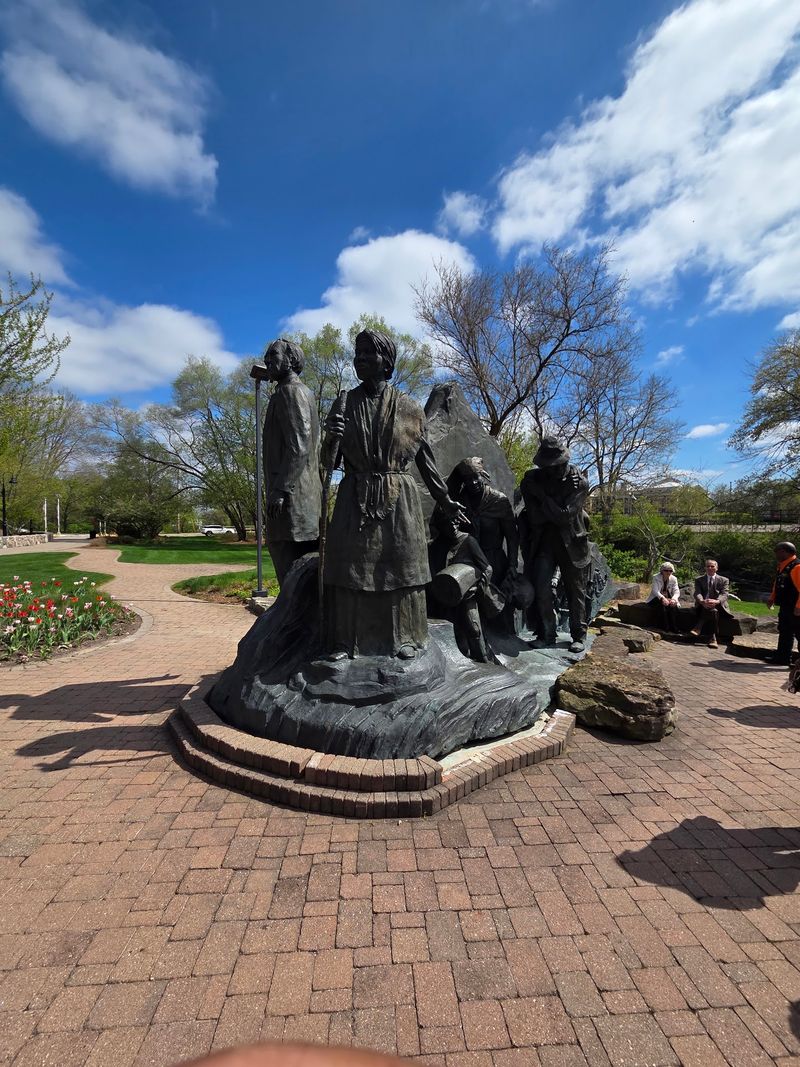
One statue is good. Two connected pieces of history within reach of each other is even better.
Downtown Battle Creek is also home to an Underground Railroad sculpture. Pairing it with the Sojourner Truth Monument makes for a fuller look at the city’s role in the long struggle for freedom.
Both are considered must-sees for anyone spending time near downtown. Together they tell a bigger story than either one does alone.
Freedom is a recurring theme here. Many people who stop by reflect on how far north this story reached and how it pointed toward new opportunities and a fresh start.
A short walk can cover both sites. It is an easy, free outing that fits into a lunch break or a weekend afternoon.
For families, the combination turns an errand downtown into a mini history tour. Kids get to see that Michigan was part of this national story, not a bystander to it.
Two stops, one powerful lesson, and no admission booth in sight.
A Second Stop at Oak Hill Cemetery
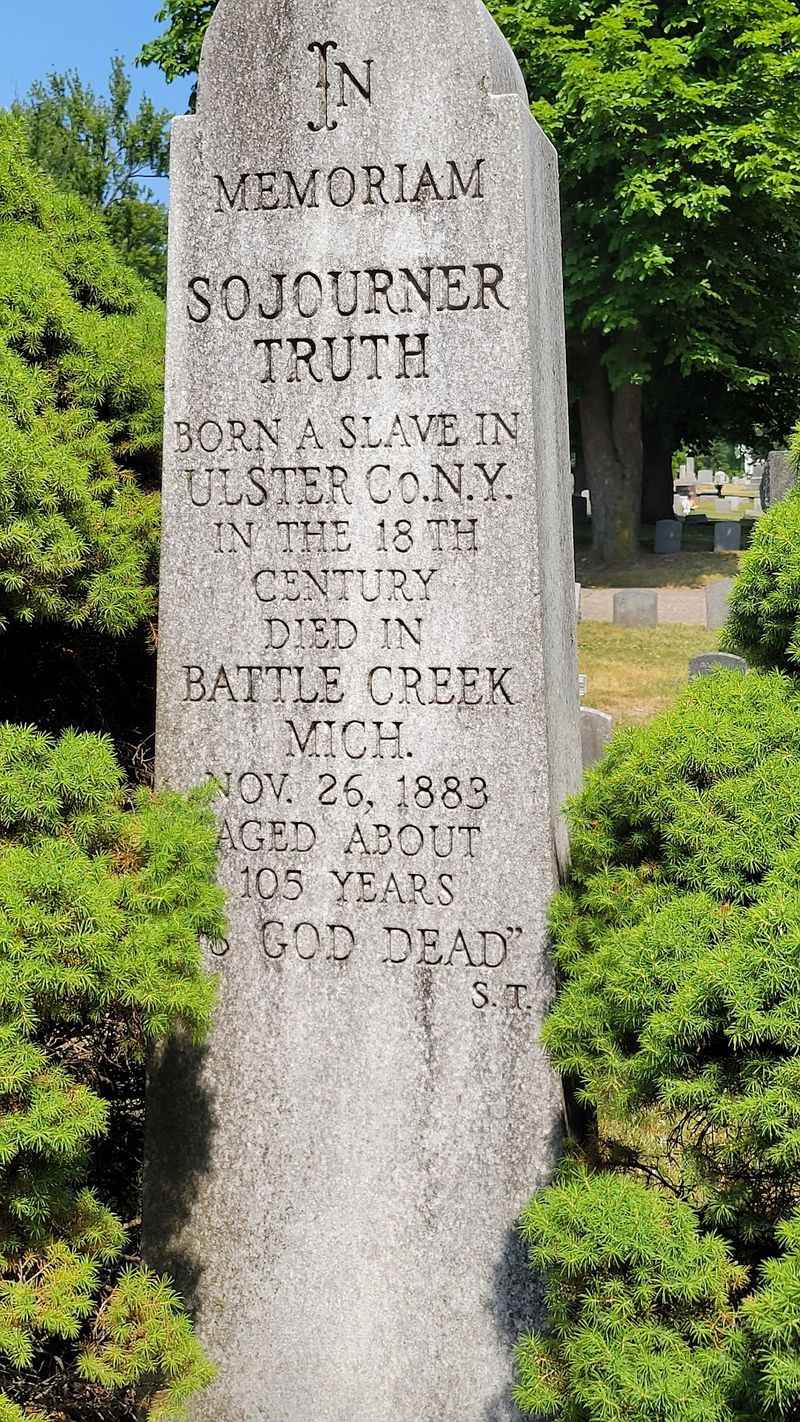
The monument is only half of the pilgrimage for many history fans. Her resting place is also in Battle Creek.
Sojourner Truth is buried at Oak Hill Cemetery. People who want to complete the story often recommend heading there after visiting the statue downtown.
Her grave sits right behind that of C.W. Post, another well-known name tied to Battle Creek history.
That makes it a little easier to find among the markers.
Seeing both locations gives the visit a sense of completion. The statue celebrates her public legacy, while the cemetery offers a quieter, more personal moment of respect.
Treat the cemetery visit with care and calm. It is a place for reflection, and that tone matches the purpose of going.
For anyone researching her life or sharing her story with others, this pairing is a natural next step. It connects her final years in Michigan to a specific spot residents can still visit today.
History rarely gets this close to home.
Quiet Mood, Big Inspiration
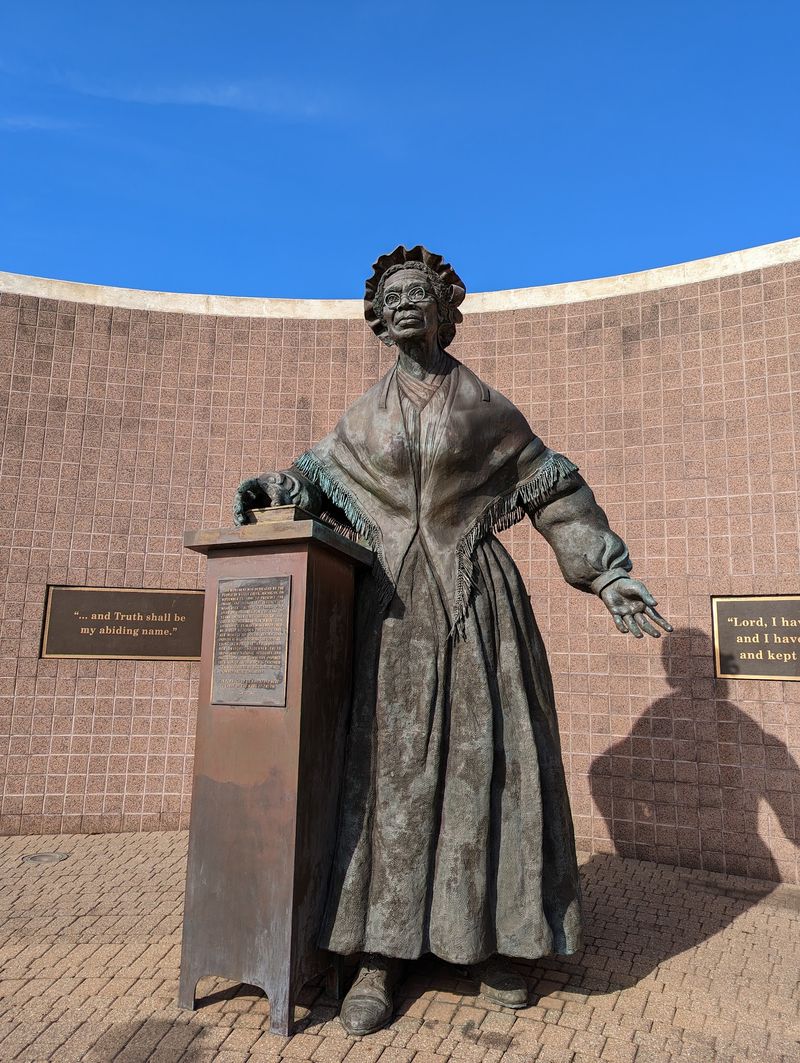
Nobody comes here for rides or attractions. The draw is simpler and, for many people, more meaningful.
The space carries a quiet, inspiring mood. Many describe something heartwarming about spending a few moments in front of her statue.
It is honest to say there is not much to do besides look, read, and reflect. Some wish there were more activities so friends could linger longer.
That simplicity is part of the point, though. The monument asks for attention, not entertainment, and a few focused minutes can leave a lasting impression.
Out-of-town guests often get brought here by locals giving a tour of Battle Creek. It has become a point of pride to show off.
A short, thoughtful visit fits well for history lovers, families with curious kids, and anyone who wants a calm break downtown. A few people even stop by while playing Pokémon Go, which proves history can find an audience in surprising ways.
Honest Notes on Upkeep and Safety

Every landmark has its rough spots, and fairness means mentioning them. This one is no exception.
Some people feel the area could use more attention. Comments over the years point to litter at times and a wish for better cleaning and care of the statue itself.
The park is also a place where unhoused people sometimes spend time. A few have noted that Sojourner Truth, known for caring about people in need, would likely have wanted something done to help.
An older account mentioned not feeling fully comfortable during one visit. Visiting with a companion and staying aware of surroundings is a sensible approach, as it would be anywhere downtown.
There are no public restrooms on site, according to past comments. Plan ahead for that.
Many locals simply want the memorial to be more respected and highlighted. That desire says a lot about how much it means to the community.
Showing up, reading the plaques, and treating the space with care is one small way to help.
Parking and Getting There
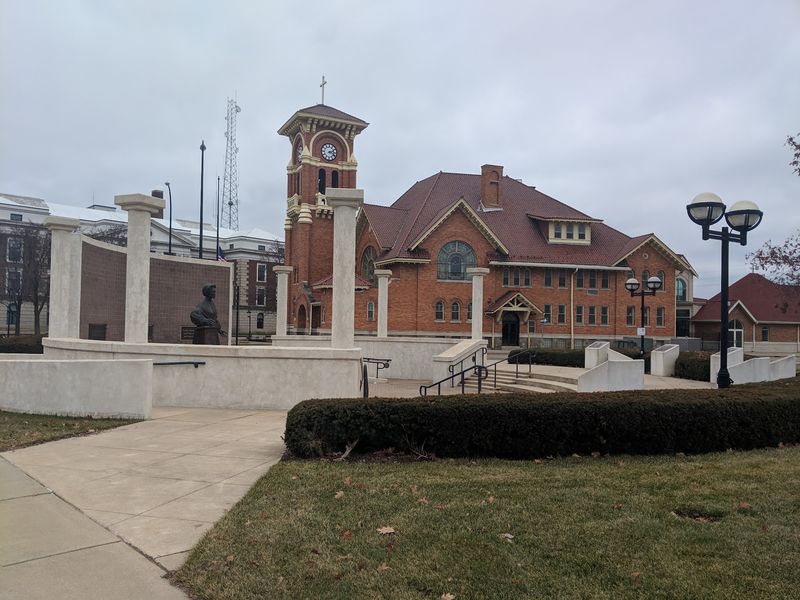
Finding the statue is easy. Finding a parking spot right next to it can take a bit more patience.
The monument is visible from the road on East Michigan Avenue, though it can be harder to notice from some nearby streets in normal traffic.
Parking experiences vary. Some people find ample space nearby, while others describe parking as tricky and say a short walk is needed to reach the statue.
The best plan is to park in the downtown area and stroll over. The walk is short and lets you take in more of downtown along the way.
Many people enjoy turning the stop into a wider walk around downtown Battle Creek, which they describe as attractive in its own right.
Since the site is open 24 hours, timing is flexible. Choosing a quieter part of the day can make parking simpler.
A few extra steps are a small price for meeting a 12-foot legend.
Free, Open Around the Clock
Good news for the budget-minded. A visit here costs exactly nothing.
The monument is an outdoor public landmark, with no admission fee mentioned anywhere. It is open 24 hours a day, every day of the week.
That makes it one of the most accessible history stops in Michigan. There are no tickets, no reservations, and no closing time.
A quick visit might take only a few minutes for a look at the statue. Reading every plaque and pairing the stop with the Underground Railroad sculpture can stretch it into a longer outing.
Clear days are especially popular. A blue sky afternoon makes for a pleasant, unhurried visit and good photos.
For families planning a cheap weekend outing, this is hard to beat. Combine it with a downtown walk and a stop at Oak Hill Cemetery for a full, free history day.
World-class history, no plane ticket needed.
Why This Statue Belongs on Your Michigan List
Some places earn their spot through size or spectacle. This one earns it through story.
The Sojourner Truth Monument brings a national figure home to Michigan. It reminds residents that a woman who escaped slavery, won a landmark court case, and fought for freedom spent her final 27 years in Battle Creek.
Many locals call it a fitting and well-deserved tribute. Others say it should be even more celebrated, which is a sign of how much it matters.
Yes, there are practical bumps, from parking to upkeep. Even so, the strength of the statue and the plaques outweighs the small hassles for most people.
It is free, open anytime, and easy to combine with nearby history stops. That makes it an ideal outing for families, students, and anyone curious about the chapters history class skimmed.
Next time you are in Battle Creek, give her a few minutes. Sojourner Truth spent a lifetime making people listen, and her statue is still doing the talking.


