
Affiliate disclosure: As an Amazon Associate I earn from qualifying purchases. Learn more
Texans love a good beach day, but the Gulf Coast can sit five or six hours away from North Texas. Here is the twist.
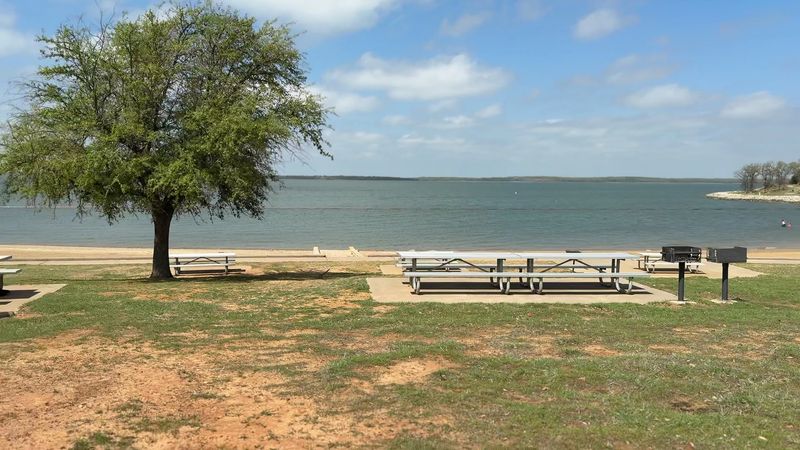
There is a sandy shoreline less than an hour from parts of the Dallas-Fort Worth suburbs, and a day pass costs $7 per adult. Kids under 12 get in free.
This spot comes with swimming areas, miles of trails, deer that wander around like they own the place, campsites on the water, and night skies that pull stargazers out after dark. It is so popular that the entry line can stretch long on busy weekends.
Keep reading to find out where it is, what you get for your money, when to go, and the small mistakes that can trip up a first trip.
A Lakeside Beach Hiding in Denton County Country
North Texas has no ocean, yet it does have a beach worth the drive. Ray Roberts Lake State Park sits at 100 P W 4137, Pilot Point, TX 76258, in the rolling country north of Denton.
The park is a state park run by Texas Parks and Wildlife, and it stretches around a large reservoir. It has wooded trails for hiking and horseback riding, a marina, and a rustic lodge with an eatery.
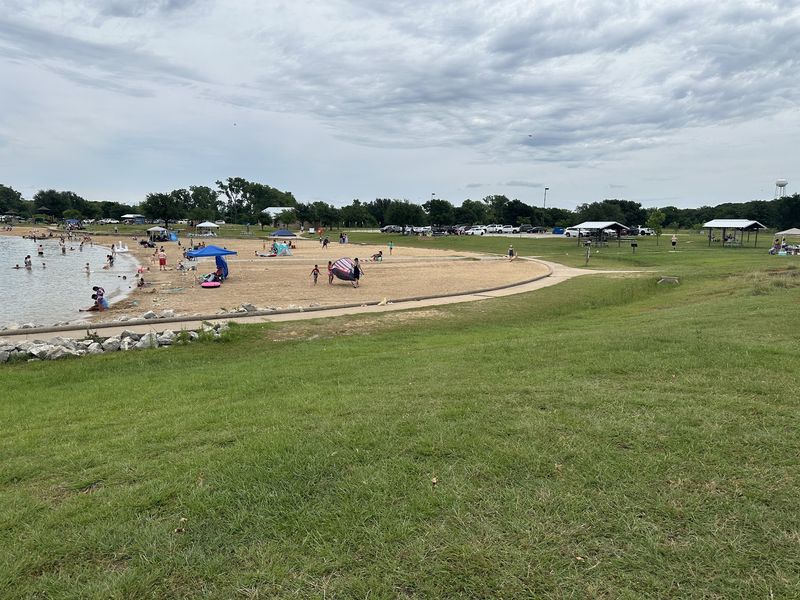
The main event for many families is the sandy shoreline. Beach talk comes up more than almost any other topic about the park, second only to camping.
Some fans even call it one of the largest lake beaches in Texas. That claim is hard to confirm, but the beach is big enough to hold a crowd without feeling squeezed.
So why travel here when Galveston exists? Distance is the answer.
Frisco folks can reach the park in about 30 minutes. Allen and McKinney residents report a trip of roughly 40 miles, usually under an hour.
For Dallas and Irving families, it can work as an easy day trip. That makes it a beach you can visit on a whim instead of planning a full vacation around it.
The $7 Ticket and What It Buys
Seven dollars does not stretch far these days. At this park it covers a full day on the lake.
The entry fee is $7 per person, not per car. Children under 12 get in free, which makes a family outing far easier on the wallet.
That one ticket opens up the beach, the swimming areas, the trails, picnic spots, and fishing spots. Boaters, water skiers, and sailors also use the lake.
A ticket is required for entry, so this is not a drop-in-and-wander kind of place. Plan to pay at the gate or book ahead.
Camping costs extra, and site fees vary by type. The official Texas Parks and Wildlife website lists current rates, and checking them before you go is smart since fees can change.
For a group of four with two young kids, the beach day might come to just $14. That is less than many movie tickets, and it lasts until 10 PM.
Isle du Bois, the Busy Heart of the Lake
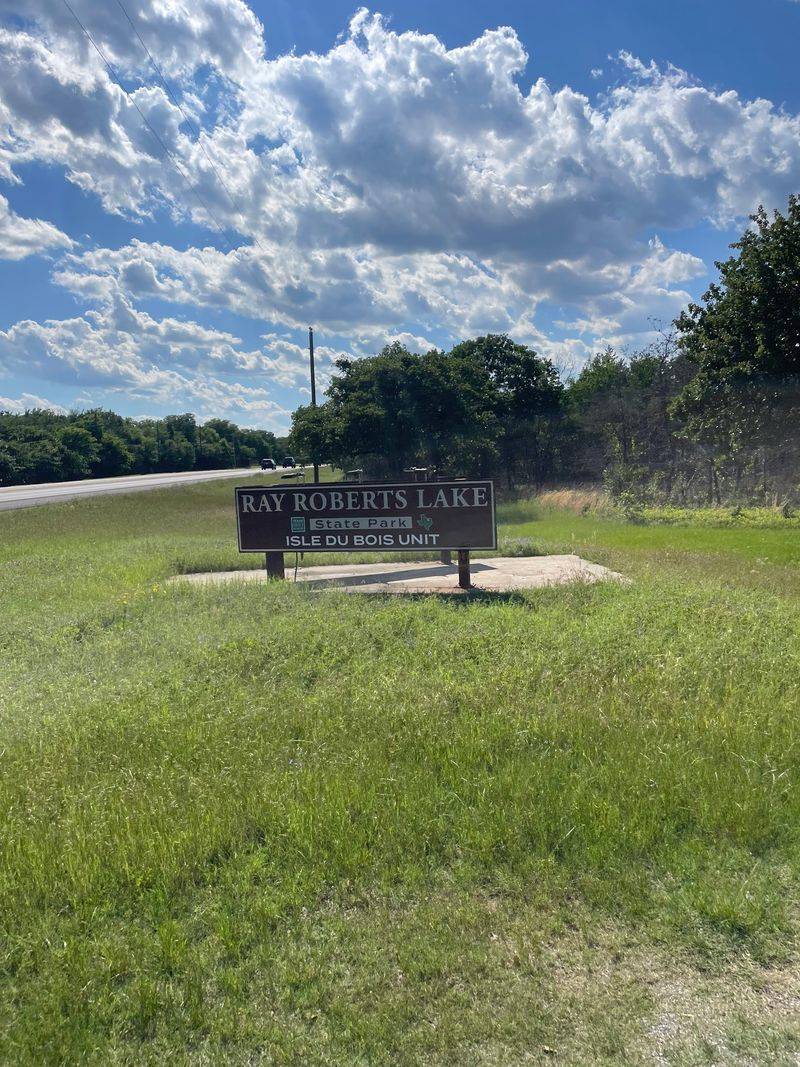
Ray Roberts Lake is not one single park entrance. The state park has several units on the same lake.
A couple of them are simple boat ramps. Two are full parks with campsites, trails, ramps, and a park headquarters.
The Isle du Bois side is the busiest part of the park. It holds the beach and the larger day-use area, so most beach seekers end up here.
That popularity has a cost in time. On weekends the line to get in can be very long.
Reservations are the fix. Booking ahead, especially on weekends, can save a lot of waiting at the gate.
Spring break crowds can also slow down check-in. One camper noted extra waiting during that week, though it was not a disaster.
Arrive early and you can usually claim a good patch of sand. Show up at noon on a Saturday, and you may spend part of the morning reading license plates in line.
Swimming Water With a Sandy Floor
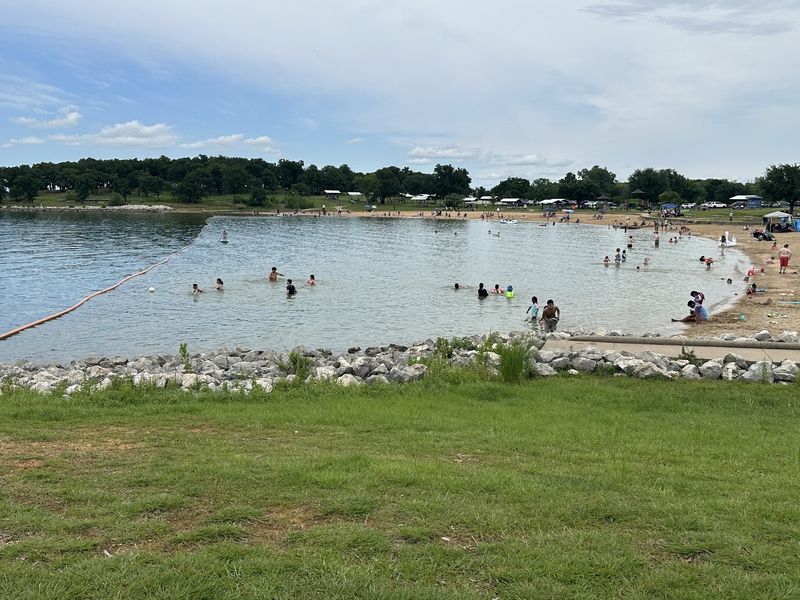
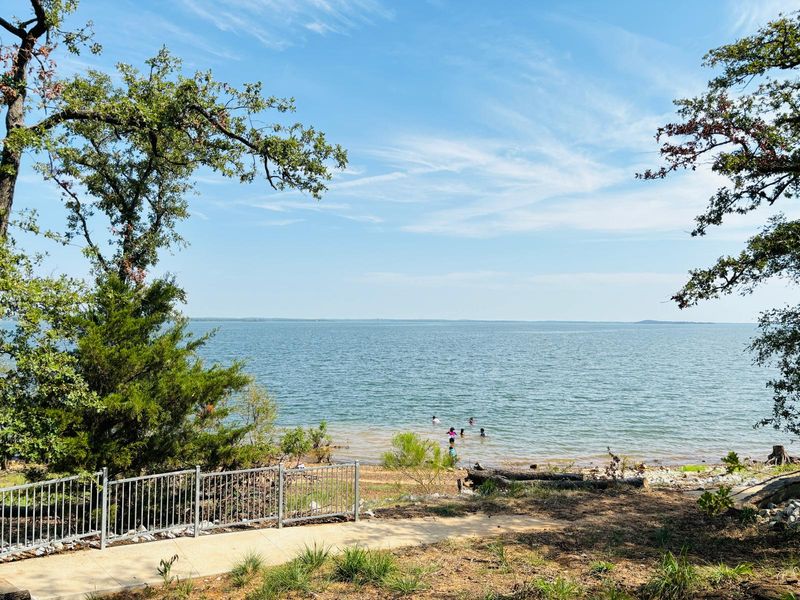
Swimming is a big reason people make the trip. The lake has a rocky and sandy bottom that works well for wading and paddling around.
The water stays shallow for a stretch in some spots. Near the Quail Run area, it reached about chest high on a six-foot adult only after a good walk out from shore.
That gradual slope can help families keep little ones closer to the edge. Still, always keep an eye on kids, since lake conditions can shift.
The park has dedicated swimming areas and a pier. Those are good options for anyone who wants a defined spot to cool off.
Kayaking is popular here too. A calm day on the water can make a kayak a nice addition to a beach trip.
Summer heat in North Texas is no joke. Bring plenty of water and some shade, such as a canopy or umbrella, since the beach can get very hot during the middle of the day.
Deer That Do Not Mind the Company
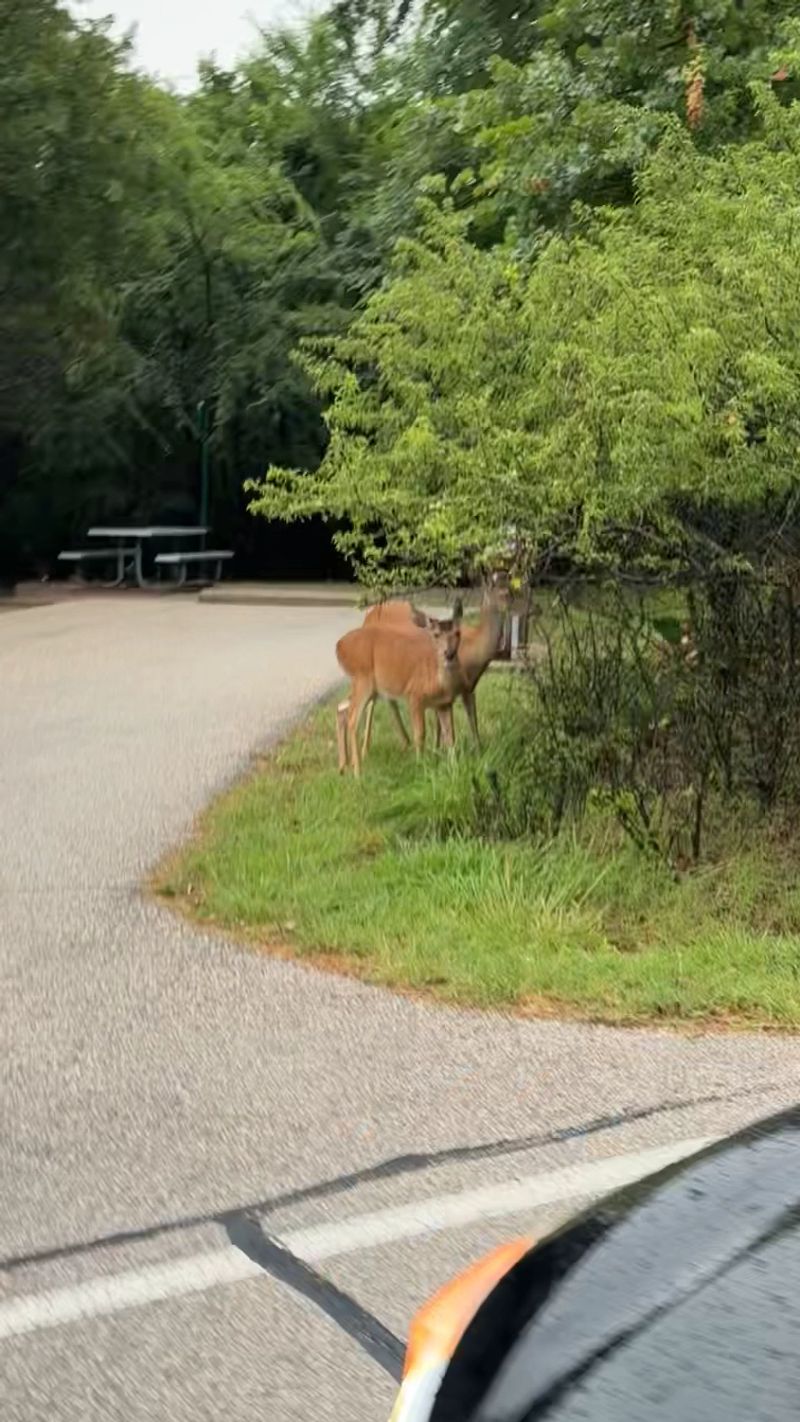
Some state parks make you hunt for wildlife. Here the deer seem to come looking for the spotlight.
Deer are one of the most talked-about features of the park. They often roam freely and appear calm around people.
Part of the area works as a wildlife refuge. That protected status helps explain why so many animals feel at home.
Families often spot deer near campsites, trails, and open fields. Kids tend to count them like a scavenger hunt.
Photographers have plenty to work with as well. The park has lots of wildlife, which makes it a favorite for people carrying cameras.
Please keep a respectful distance and do not feed the animals. Wild deer are best enjoyed from a few steps back.
Early morning and evening can be good times to look. That is also when the lake views tend to be at their best, so you may get two shows for one ticket.
A Birding Checklist Worth Grabbing
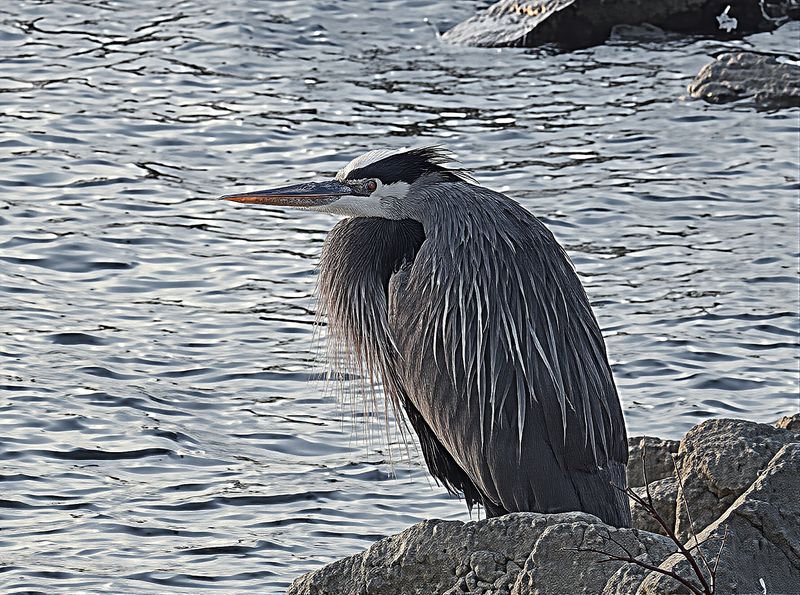
Here is a small tip many first-timers miss. Stop at the entrance building and ask for the birding checklist.
The list is quite extensive. It turns a casual drive or stroll into a game.
One family checked off six species almost right away. After that, the hunt was on.
Birding works well for all ages and abilities. You can do it from a trail, a picnic table, or even the car.
The park also has a nature center and a small store. Both are handy stops for curious kids with questions.
Bring binoculars if you own a pair. A field guide or bird app can also help put names to the birds you spot.
For grandparents, toddlers, and everyone in between, this is one of the simplest ways to share a day outdoors. It costs nothing beyond the entry fee and keeps eyes on the trees instead of on screens.
Paved Paths and Dirt Trails
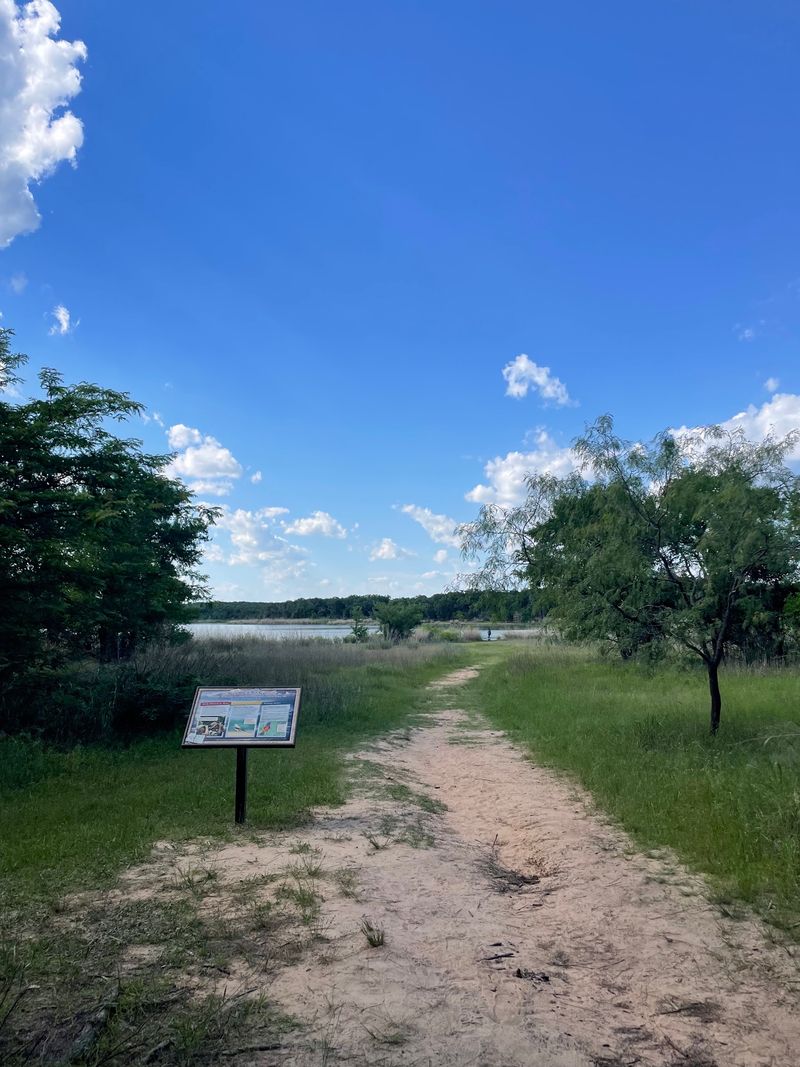
Trail lovers get two flavors here. Meandering concrete paths pair with well-kept dirt trails.
Some routes suit hiking, while others are designed for mountain biking. The park is also known for its wooded equestrian trails.
The land is mostly flat. Some people see that as a drawback, but it makes the trails easier for beginners and families.
Paved trails also help strollers and wheelchairs move more easily. There is a boardwalk as well.
Dogs are welcome on the trails. They often enjoy a dip in the lake after a long walk.
One caution matters a lot. Poison ivy grows in fields and even near some campsites.
Stay on marked paths, especially if you react to it. Long pants on dirt trails can also help.
A flat trail with a lake view and a deer or two along the way is a fine trade for a few hills. Your knees may thank you later.
Picnic Tables, Grills and Playgrounds
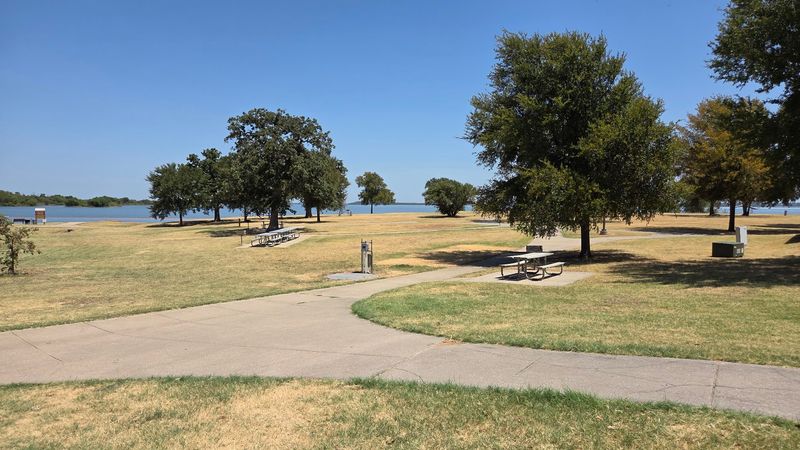
Beach days run on snacks. Good news, the park makes picnics easy.
Covered picnic tables are spread across the grounds. Many come with BBQ grill stands for cookouts.
Shaded areas give families a break from the sun. There is also open space for kids to run around.
Playgrounds are available for younger children. That makes it easier to balance beach time with a little climbing and sliding.
Permanent restrooms are plentiful and generally kept clean. Staff are often described as friendly and helpful.
Parking is ample in the day-use areas. Even so, busy weekends can fill things up fast.
Some picnic tables are easy to reach by car. That helps guests with limited mobility enjoy a meal by the lake.
Pack your cooler, sunscreen, and trash bags. A well-planned picnic can turn a $7 entry into a whole day of family fun.
Campsites on the Water’s Edge
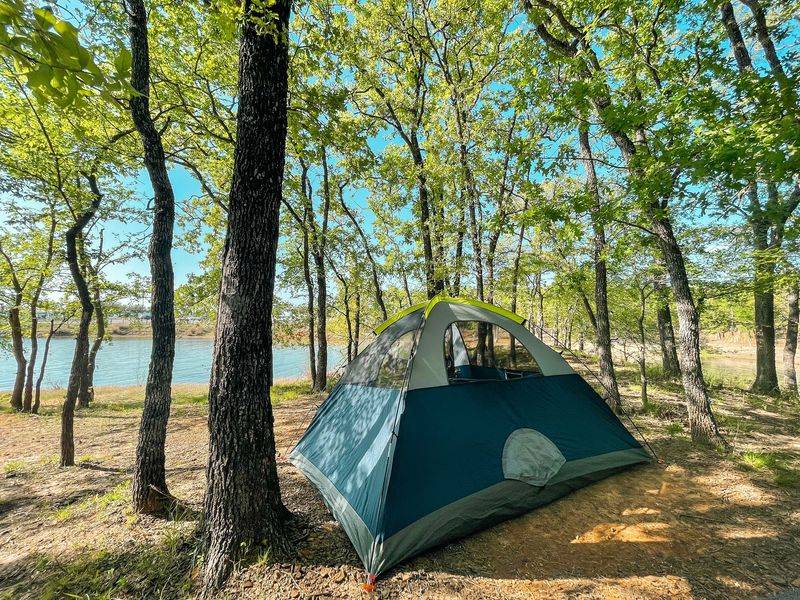
Camping is the single most mentioned topic about this park. Plenty of people come for a day and return for a weekend.
Sites are well spaced, and many have trees between neighbors. Some RV spots sit right by the lake.
The Deer Point loop has paved pads, mostly back-in, with some pull-throughs. Handicap-accessible sites include a sidewalk to the picnic table.
Primitive sites exist too, and some have a fire pit and grill. That makes the park a friendly choice for beginner campers.
Bathrooms sit near the middle of campgrounds with paved paths. Showers offer warm water.
Burn bans can happen. During one, charcoal and propane stoves were allowed, but open flames and wood were not.
Get clear directions to your site before driving in. Signs inside the park can be limited.
The quiet is part of the appeal. Many nights feel calm, with little loud noise around the loops.
Sunrise, Sunset and a Sky Full of Stars
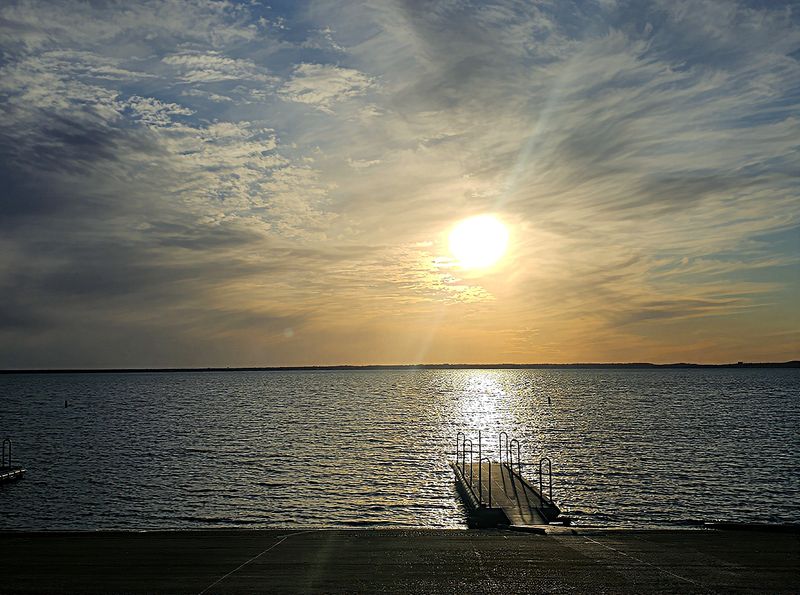
The day does not have to end when the beach clears out. Evening is when the lake puts on another show.
Certain spots look over the water toward both sunrise and sunset. A west-facing boat ramp works well for sunset photos.
After dark, the park is a solid choice for stargazing. On clear nights, countless stars show up overhead.
The moon over the lake adds to the scene. It is a quiet, calm way to finish the day.
Keep the hours in mind. The gate stays open until 10 PM, and that curfew is enforced.
Campers receive a PIN code to exit and reenter after the gate closes. Day guests should plan to leave on time.
Bring a blanket, a flashlight, and bug spray. Then let the sky do the rest.
Dog Paddles and Kid-Friendly Fun
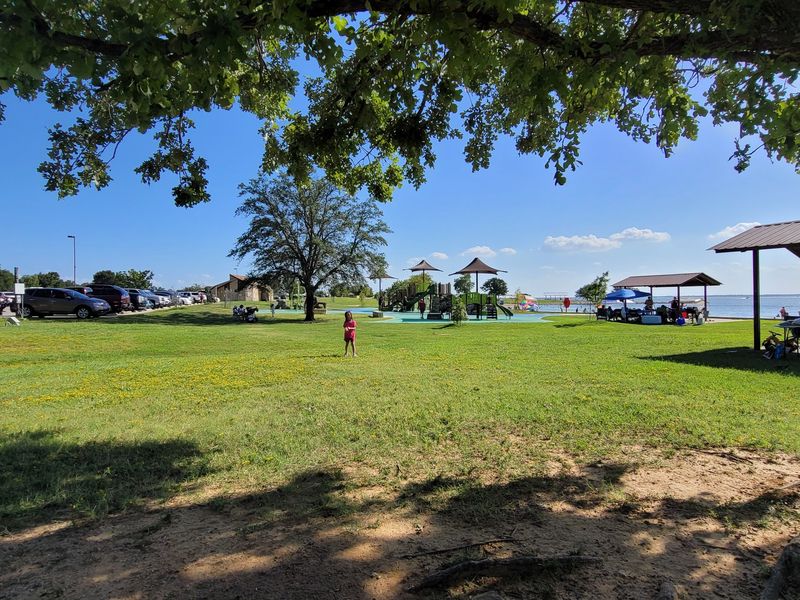
Four-legged family members are not left out here. The park is both kid and dog friendly.
Dogs cannot use the public swimming beach. Yet a spot outside that area, close by, lets pups take a swim.
Many dogs leave tired and happy. A lake dip after a trail walk is a hit.
Kids get playgrounds, sand, shallow water, and wildlife spotting. The birding list adds a learning twist.
Free entry for children under 12 helps big families. It also makes repeat trips easier.
Rules keep things family-focused. The park enforces a 10 PM curfew, and certain restricted items are not allowed.
Scorpions and wasps can show up in the outdoors, including restrooms now and then. A quick look before little ones run ahead is wise.
With a bit of planning, it is easy to fill a whole day. Most families may find the hardest part is leaving.
Hours, Booking and Smart Timing
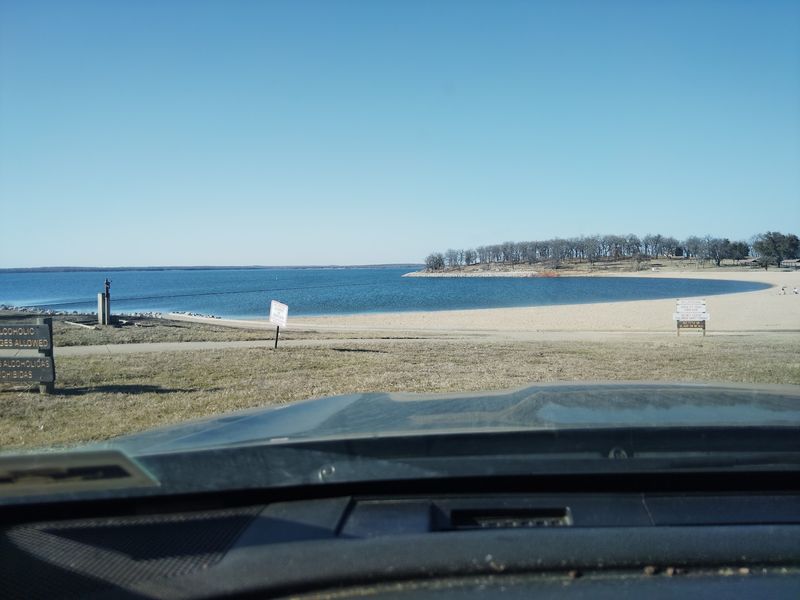
Planning ahead pays off. The park is open every day from 6 AM to 10 PM.
Weekends bring the biggest crowds, especially at Isle du Bois. Reservations ahead of time are strongly encouraged.
Arrive after the office closes for camping, and you can often check in the next morning. You will need a slip for your car window and one for your site post.
Spring break can mean longer check-in waits. Summer brings heat, so pack shade and extra water.
Some areas may be closed at times. Checking the official park website before leaving home is a good habit.
Roads run through much of the park. That helps guests with disabilities see the sights from the car.
The lake also has a marina for boaters. Fishing gear is welcome, and Texas fishing rules apply.
A few minutes of prep can turn a long line into an easy drive-in.
A Beach Day Without the Coastal Drive
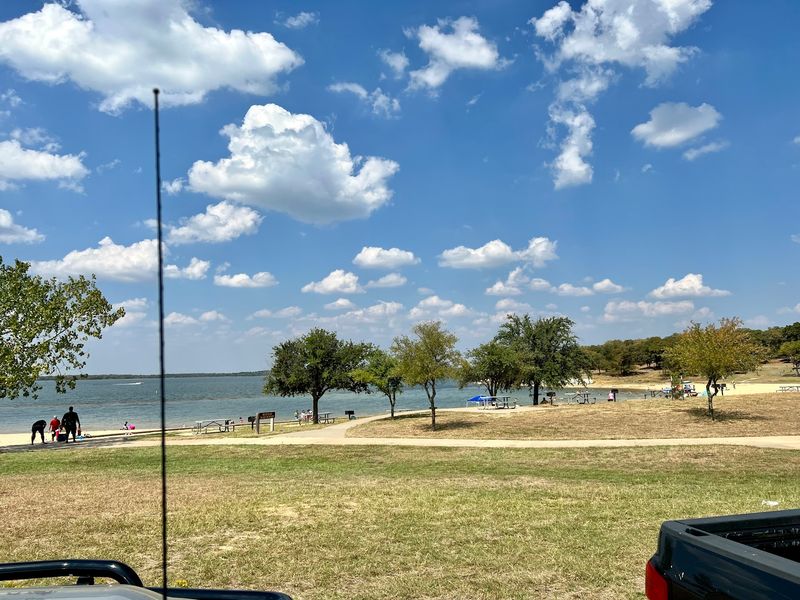
Some places earn a spot on the family calendar. This one does it with sand, deer, and a low price.
The park holds a 4.7-star average from more than 6,400 ratings online. That is a strong sign people keep coming back.
It is not flashy. The land is flat, the lines can be long, and poison ivy needs watching.
Still, the value is hard to beat. For $7 per adult, and free for kids under 12, you get a lake beach, trails, picnic spots, and wildlife.
Campers get roomy sites and quiet nights. Day trippers get a sandy escape within an hour of many DFW suburbs.
For North Texans who love finding a spot before friends do, this is one to share. Pack the cooler, book ahead, and save the long coastal drive for another weekend.
The Gulf can wait. Pilot Point has sand ready right now.


