
Affiliate disclosure: As an Amazon Associate I earn from qualifying purchases. Learn more
Big tech companies want to build huge computer warehouses all over Texas, and many of them need a lot of water to stay cool. In towns already worried about dry wells and shrinking lakes, that plan is not going over quietly.
Neighbors are packing city council meetings, asking hard questions, and sometimes winning. Here is what is happening, where the fights are, and why it matters for anyone who turns on a Texas tap.
1. Why Data Centers Need So Much Water
Every time someone asks a chatbot a question or streams a show, a server somewhere does the work. Those servers run hot, and keeping them cool is the expensive part.
Many large facilities use evaporative cooling, which works a lot like a swamp cooler on a ranch house. Water absorbs heat and then evaporates into the air, so it does not come back.
That is why a single big campus can draw millions of gallons in a short stretch, especially during a Texas summer.
Not every site cools the same way. Some newer designs use closed-loop systems that recirculate water, while others lean on air cooling that uses more electricity instead.
The trade-off is real, because saving water can mean pulling more power from a grid that Texans already watch closely in August.
For neighbors, the question usually comes down to one thing. Where is the water coming from, and what is left for everybody else when the next drought hits?
2. The Numbers That Got Texans Talking
A 2025 analysis from the Houston Advanced Research Center put a spotlight on the issue. It estimated that Texas data centers could use around 49 billion gallons of water in 2025, with that figure possibly climbing toward roughly 399 billion gallons by 2030.
Those are estimates, not meter readings, and the researchers noted how little official reporting exists. That gap is part of the frustration.
Companies are not always required to share detailed water use, so residents often learn the scale only after a project is announced.
Put next to the state water plan, which already warns of shortages in drought years, the projections hit a nerve. Farmers, ranchers, and small-town utilities are all drawing from the same aquifers and reservoirs.
I think this is the section to send to the relative who says it is just a warehouse full of computers. The scale can be bigger than many people expect.
3. Hood County Residents Speak Up
Granbury and the surrounding Hood County area have become a familiar name in this debate. Residents there spent years objecting to noise from a large bitcoin mining operation, and that experience made many of them wary of more big power-hungry facilities.
When talk of additional data center development surfaced, people showed up to county meetings in force. Some pushed for a pause on new projects so the community could study water, noise, and power impacts first.
County leaders weighed the idea, though Texas counties have limited zoning power, which makes outright bans difficult.
The Hood County story shows a pattern you may see elsewhere. Folks who moved to the Lake Granbury area for quiet country living are organized, informed, and not shy about speaking at the microphone.
4. San Marcos Says Not So Fast
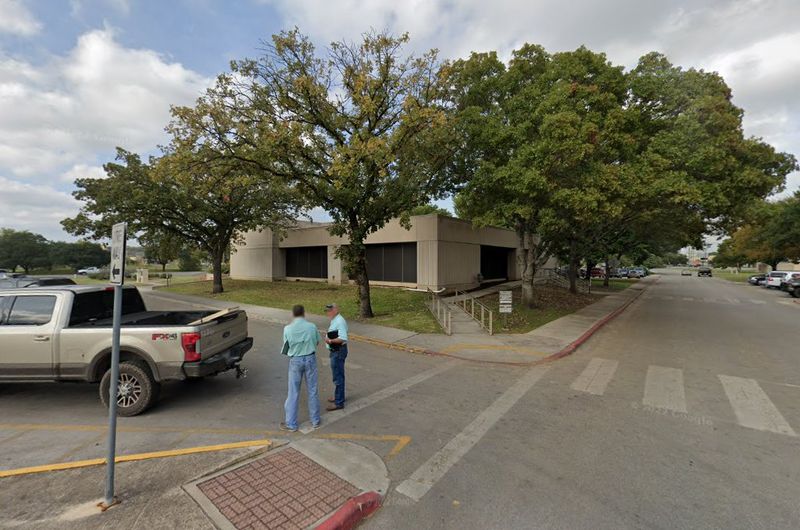
Few Texas towns care about water quite like San Marcos. The city grew up around crystal-clear springs, and the San Marcos River is home to protected species found almost nowhere else.
In 2025, a proposed data center project needed a zoning change from the city. Residents raised concerns about water, power lines, and land use along the fast-growing I-35 corridor.
After hearing from the public, the city council voted against the rezoning request.
Developers can often return with revised plans, so the story may not be over. Still, the vote became a talking point across Central Texas because it showed that local councils can say no when the zoning decision is theirs to make.
If you have floated the river on a hot afternoon, it is easy to see why people here guard it closely.
5. Abilene and the Stargate Project
Out in West Texas, Abilene landed one of the biggest tech projects in the country. The Stargate campus, tied to OpenAI, Oracle, and developer Crusoe, has brought construction crews and national headlines to the Big Country.
Here is a twist worth knowing. The developers have said the site uses a closed-loop cooling design, which fills once and recirculates instead of evaporating large amounts daily.
That approach is meant to ease pressure on a region that knows drought well.
Supporters point to jobs and new tax revenue. Skeptics want long-term proof, plus answers on electricity, since less water often means more power use.
Abilene is a useful example because it shows the conversation is not only about stopping projects. Sometimes it is about pushing builders toward smarter designs.
6. Drought Makes Every Gallon Count

Ask anyone in the Hill Country about lake levels and you will probably get a long answer. Lakes Travis and Buchanan dropped sharply during recent dry years before heavy rains in 2025 refilled much of the system.
That roller coaster is the backdrop for every data center debate. A town might have plenty of water in a wet spring and real trouble two summers later.
Many smaller communities rely on groundwater districts and aging pipes. Adding a single customer that wants millions of gallons can change their planning math overnight.
Rural residents also worry about private wells. When a big user pumps from the same aquifer, nearby wells may drop, and the cost of drilling deeper falls on the family, not the company.
7. What Lawmakers Are Doing in Austin
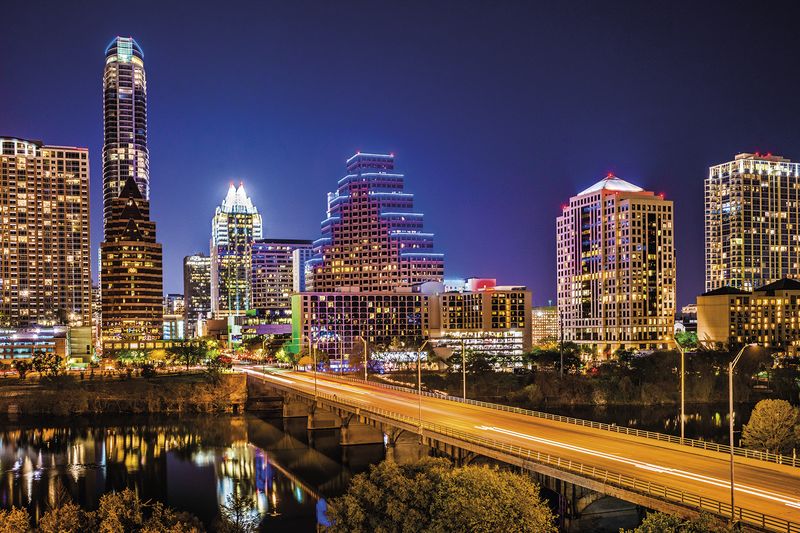
State leaders have started paying attention, mostly through power and water policy. In 2025 the Legislature passed Senate Bill 6, which sets new rules for very large electricity users connecting to the ERCOT grid, a group that includes many data centers.
Water got its own spotlight too. Texas voters approved Proposition 4 in November 2025, dedicating up to $1 billion a year in state sales tax revenue to water projects starting in 2027.
What is still missing, according to many advocates, is clear water-use reporting for data centers. Without required numbers, local officials may be planning with partial information.
If you care about this issue, the Capitol is a good place to make some noise. Your state representative and senator take calls from constituents, and the next session will likely revisit the topic.
8. How You Can Get Involved Locally
Good news first. Attending a city council or county commissioners meeting is free, and most post agendas online a few days ahead.
Look for items mentioning rezoning, tax abatements, or water service agreements. Those are often where data center projects show up before construction starts.
Groundwater conservation districts are another stop many people overlook. They typically hold public hearings on large pumping permits, and residents can usually comment.
It helps to ask specific questions rather than just saying no. What cooling system will be used? Will the company use treated wastewater?
Who pays if nearby wells drop?
Texans have a long tradition of showing up for their land and water. The towns making headlines did not have special powers.
They had neighbors who read the agenda and grabbed a seat in the front row.


