
Affiliate disclosure: As an Amazon Associate I earn from qualifying purchases. Learn more
Down in the Rio Grande Valley, a building that looks like an old church is hiding one of the biggest surprises in Texas. It was not built for Sunday services, though.
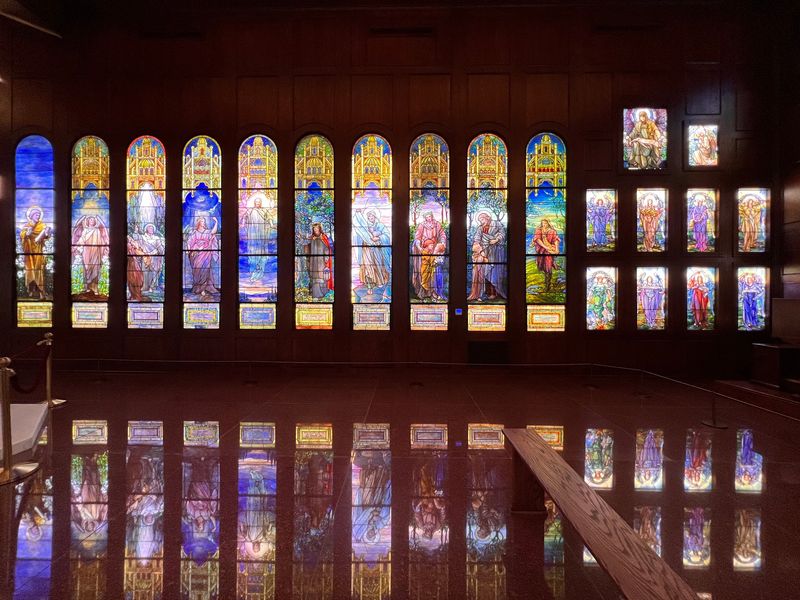
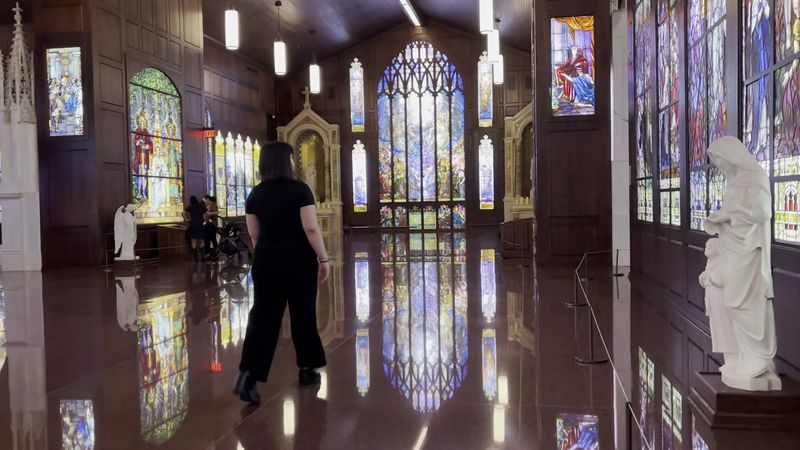
It was built from the ground up to hold nearly 200 antique stained glass windows, many rescued from early American churches that were set to be torn down. Some pieces are more than a century old, and a few come from famous studios like Tiffany.
Most Texans have never heard of it, which makes it a fun find to share with friends and family. Keep reading for the story behind the collection, what you will see inside, what tickets cost, and the unusual hours you need to plan around before you make the drive south.
A Cross-Shaped Treasure Box in San Juan
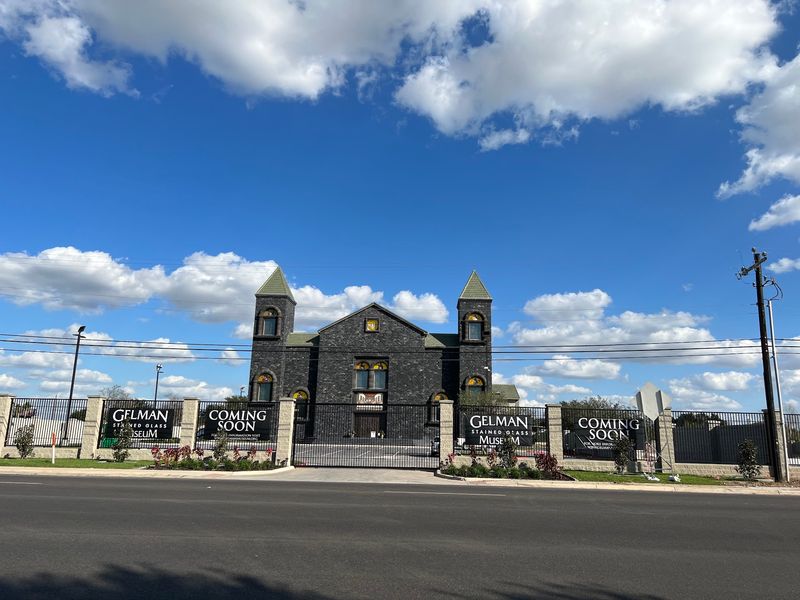
Plenty of travelers drive past it assuming it is just another historic church. The Gelman Stained Glass Museum sits at 411 Virgen de San Juan Blvd, San Juan, TX 78589, in the Rio Grande Valley of South Texas.
It stands right across from the Basilica of Our Lady of San Juan, one of the best-known landmarks in the area. That makes it easy to pair the two into one outing.
The museum is an art museum devoted entirely to stained glass. Its collection is described as the largest of antique stained glass in the United States, with nearly 200 pieces on display.
For road-trippers, San Juan typically sits roughly four hours from San Antonio and a bit over five from Houston or Austin. Dallas-Fort Worth folks should budget a longer haul, often eight hours or more.
That is a real commitment, so it helps to know what waits at the end. The short answer is a building packed wall to wall with glowing scenes, altars and mosaics.
The longer answer fills the rest of this article, starting with the man whose vision made it possible.
Rescued From the Wrecking Ball
Every great collection starts with someone who refuses to let things disappear. Here, that someone was a doctor with a big idea about saving art.
Many of the windows came from early American churches that were headed for demolition. Instead of being lost, the glass was gathered, preserved and eventually brought to South Texas.
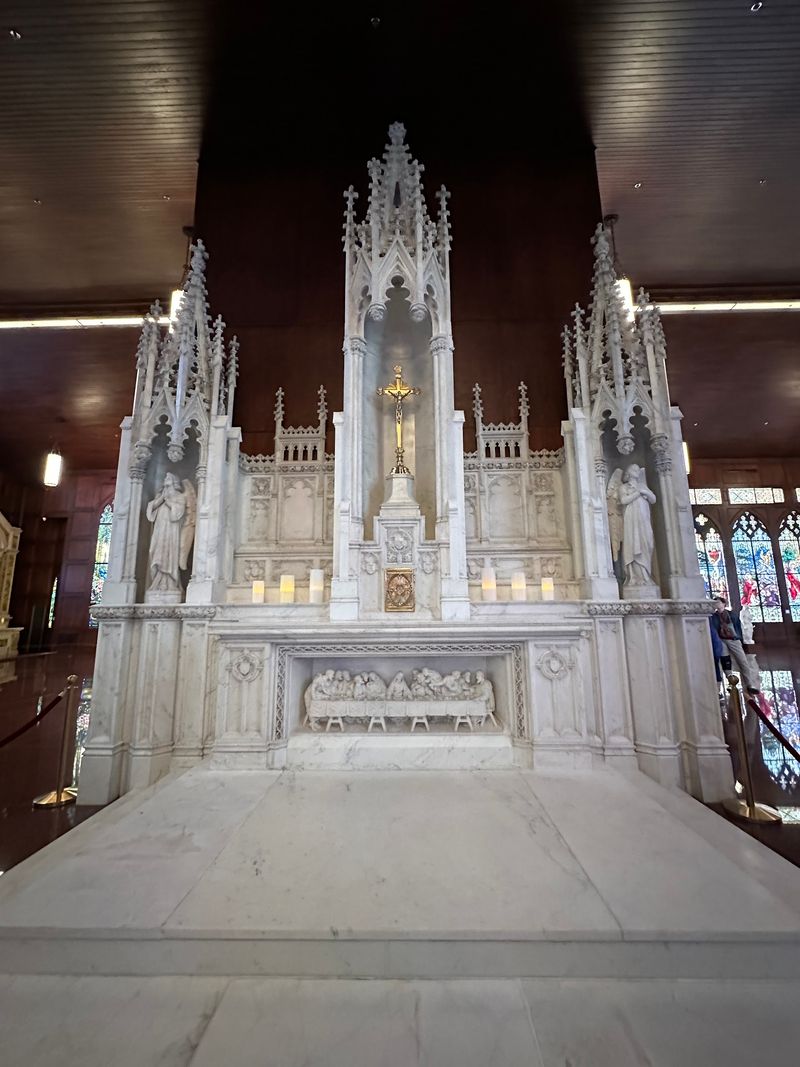
The altars on display share that same backstory. They were saved from demolition too, and now stand inside the galleries alongside the windows.
Most of the work dates from roughly 1870 to the 1920s. A handful of contemporary pieces round things out, so the collection stretches across generations of craftsmanship.
Guides often explain the history behind individual works, which helps the rescue story come alive. Hearing where a window once hung adds a layer that a quick glance cannot offer.
It is a quiet kind of preservation project. Rather than letting old glass end up in storage or worse, the museum gives it a second life where anyone can come and look.
That second life happens inside a building designed with these windows in mind, which is where things get clever.
Built New to Look Old
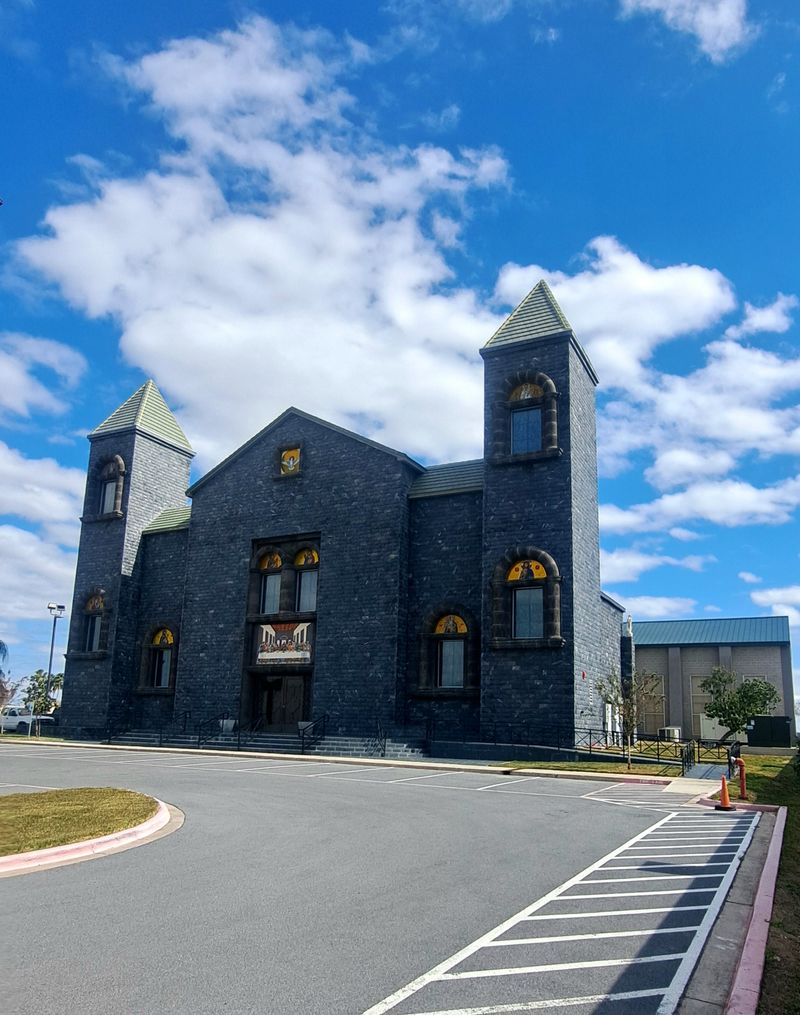
Here is a fun bit of trivia to share on the drive home. The building looks like a historic church, but it is relatively new.
It was constructed specifically to house this collection. The floor plan follows a traditional cross shape, the same layout seen in classic churches.
Some guests honestly assume they are standing in an old sanctuary. That illusion is part of the charm, since the windows end up in a setting close to the one they were made for.
The architecture deserves attention on its own. Heavy, ornate doors greet guests at the entrances, setting the tone before anyone reaches the main gallery.
Chairs are placed throughout the space. They give people a spot to sit and take everything in, which is a thoughtful touch for anyone who cannot stand for long.
The overall layout feels chapel-like without being a working church. Moving through it can remind some guests of the Catholic stations of the cross, with scene after scene unfolding around the room.
Of course, a beautiful room is only the frame. The real headliners are the windows themselves.
Nearly 200 Windows and Counting the Details
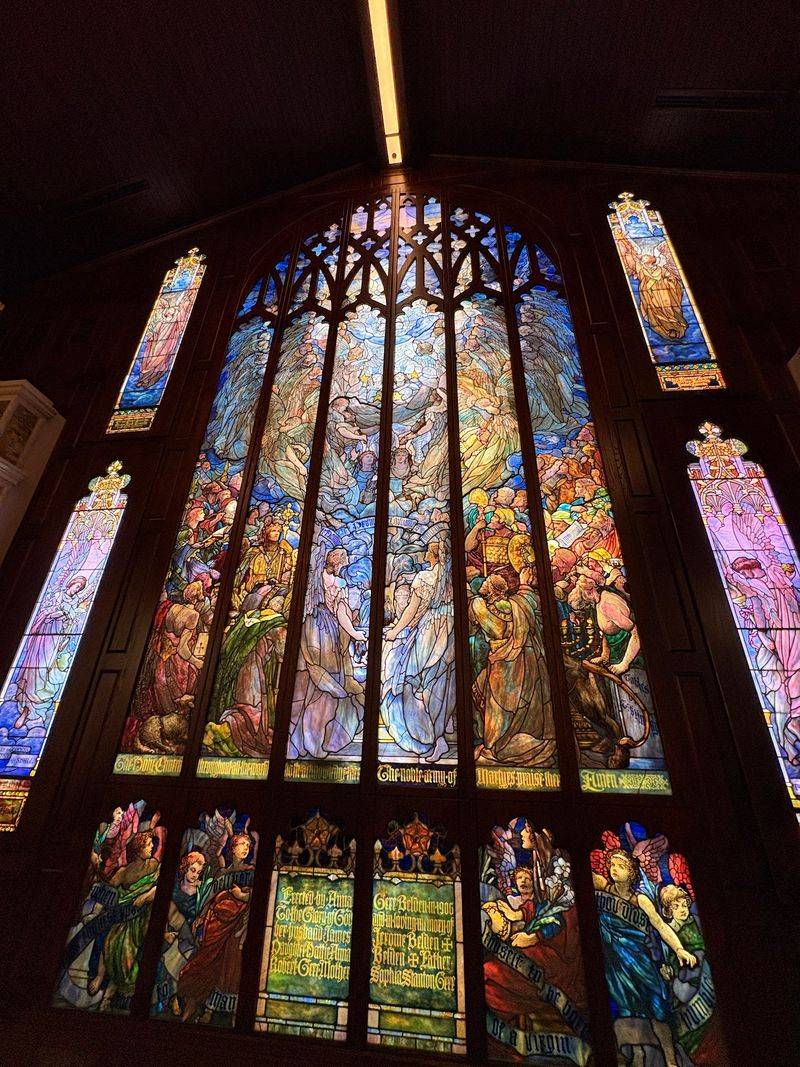
Two hundred is a big number until each window starts telling its own story. Then it can feel like a library written in colored glass.
The collection includes close to 200 pieces, and many show biblical stories. Each panel works almost like a page, with figures and scenes laid out across the glass.
The lighting is a big part of the experience. Pieces are illuminated so the intricate details and colors come through clearly, even indoors.
The works are kept in excellent condition. For glass that may be well over a century old, that is no small achievement.
Time spent here varies wildly. Some people breeze through in about 10 minutes, while true fans can easily linger for two hours.
A middle path is common. Many groups find that about an hour gives them time to see the highlights and read about the pieces that catch their interest.
Slowing down tends to pay off. The small details in each panel are where the craftsmanship really shows, and some of those details carry very famous signatures.
Tiffany Without the New York Trip
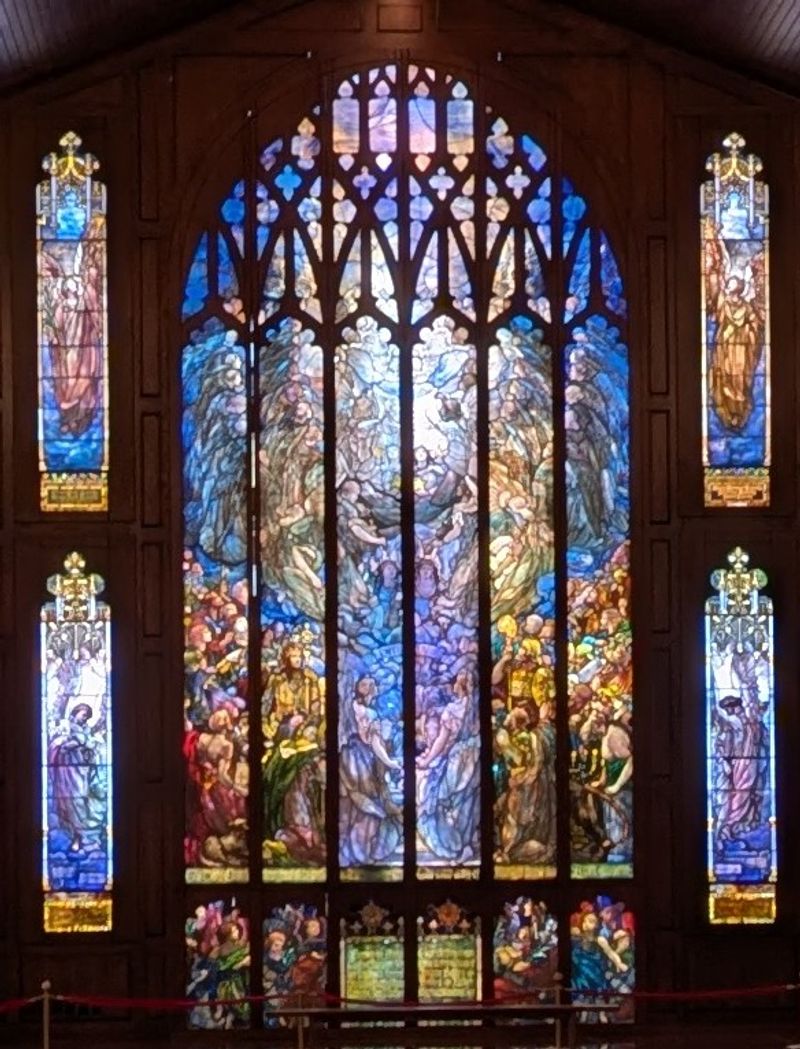
Texans do not need a plane ticket to see Tiffany glass. A drive to the Valley does the job.
The collection features windows from Tiffany and other well-known artists. That gives South Texas a genuine claim to world-class art in this medium.
Works from four or five large studios are on display. Assorted individual artists also appear, offering a broader look at how stained glass was made across different workshops.
Names of manufacturers and techniques are listed in the museum pamphlet. Art lovers who enjoy digging deeper may want to read up before or after their visit.
It is a proud Texas moment, honestly. Artwork that might be expected in a big coastal city is instead sitting a short walk from the basilica in San Juan.
Comparing styles from one studio to the next can become a fun game for families. Kids can hunt for differences in color choices, faces or borders.
Beyond the windows, though, a few other features compete for attention, including some that rarely show up in a typical museum.
Altars, Mosaics and a Pipe Organ
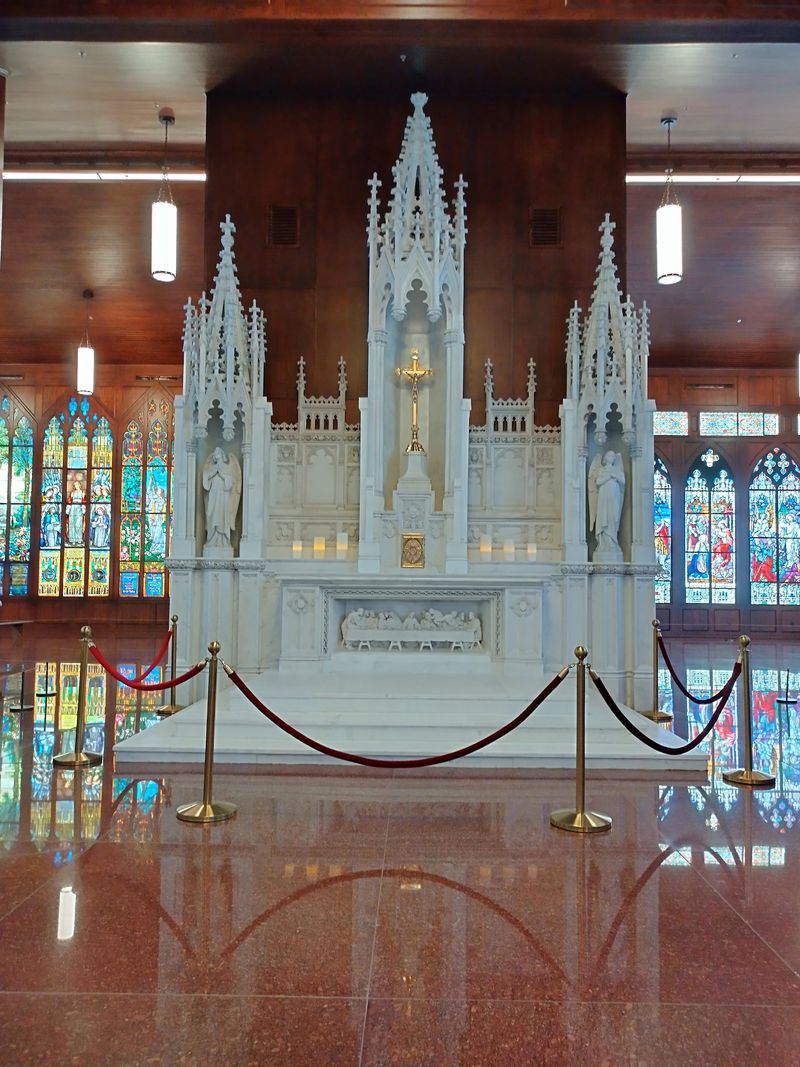
Glass gets top billing, but it does not work alone. Several supporting pieces make the space feel complete.
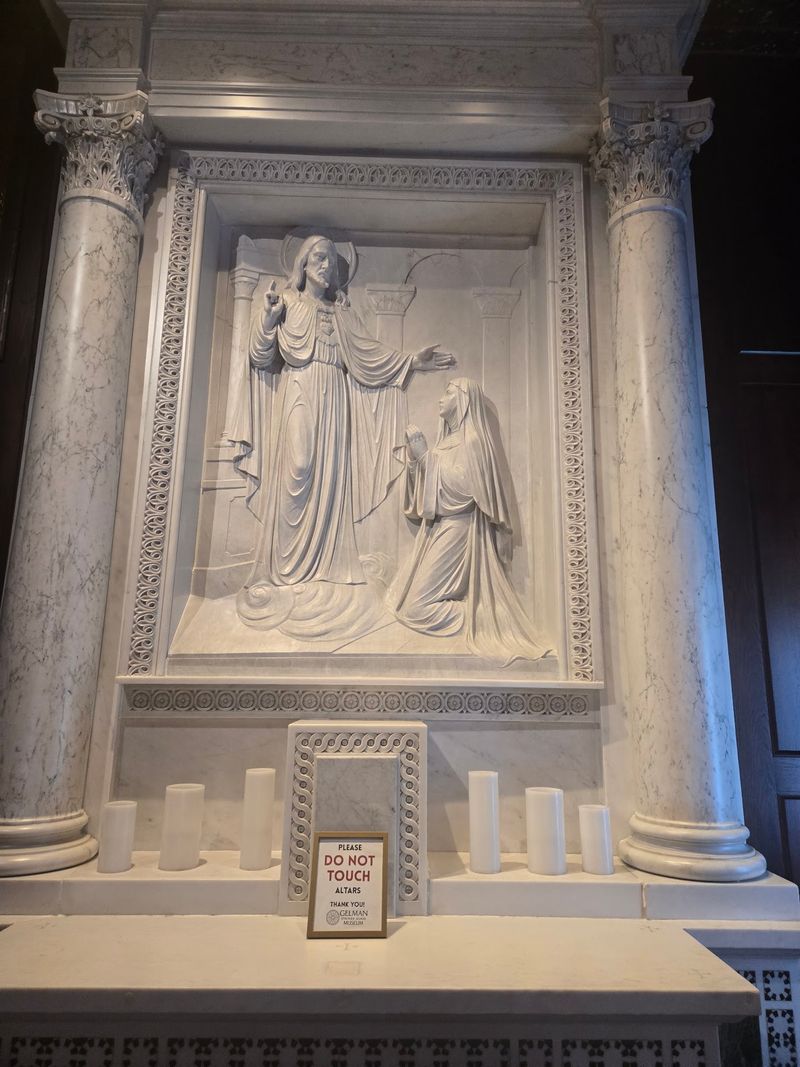
Historic altars stand among the windows. Like much of the glass, they were saved from demolition and given a new home here.
Mosaics add another art form to the mix. They show a different way of working with small pieces of material to create a larger picture.
There is even a pipe organ in the building. Few museums can say that, and it adds to the church-like setting.
Videos inside explain how some of the glass was installed in the building. Seeing the process makes it clear how much effort went into fitting these large, fragile works into place.
Those videos are a hit with curious minds. Older kids who love seeing how things are built may find them as interesting as the art.
Together, these features turn a glass collection into a fuller experience. Still, the mood of the place may be the thing people mention most after they leave.
A Calm Corner of the Valley
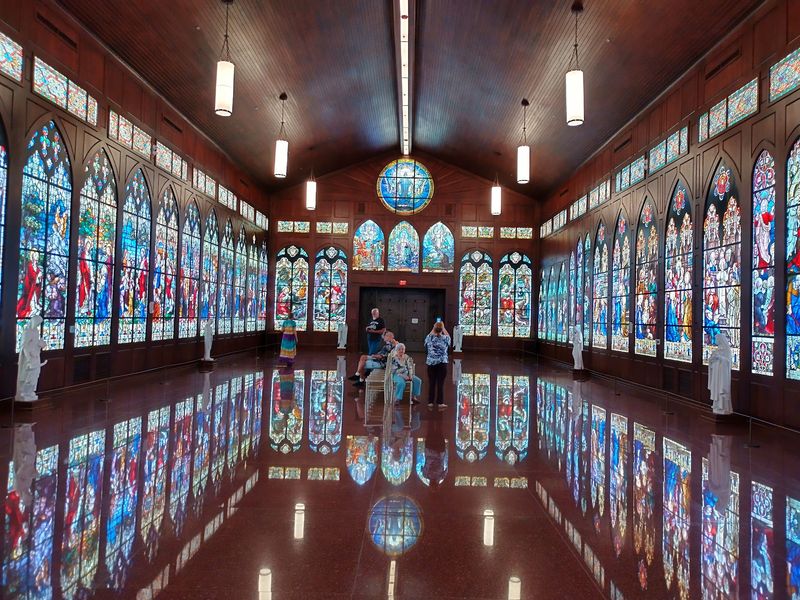
Some places invite chatter. This one invites a long pause.
The atmosphere is often described as peaceful. Gregorian chant music plays in the background, adding to the calm mood.
Weekend visits can be pleasantly uncrowded. With fewer people around, it is easier to sit down and spend time with individual windows.
The space is overtly religious in its themes. Even so, guests from many backgrounds find it worthwhile regardless of their own beliefs.
Faith is part of the story here, since so many windows show biblical scenes. Yet the artwork itself is the draw, and appreciation for craft does not require any particular background.
It also makes a smart escape on a hot Texas afternoon. Spending an hour indoors with art beats wandering a parking lot under the summer sun.
The quiet setting also explains why the building has caught the attention of couples planning big days, which brings up another side of the museum.
Guides Who Know Their Glass
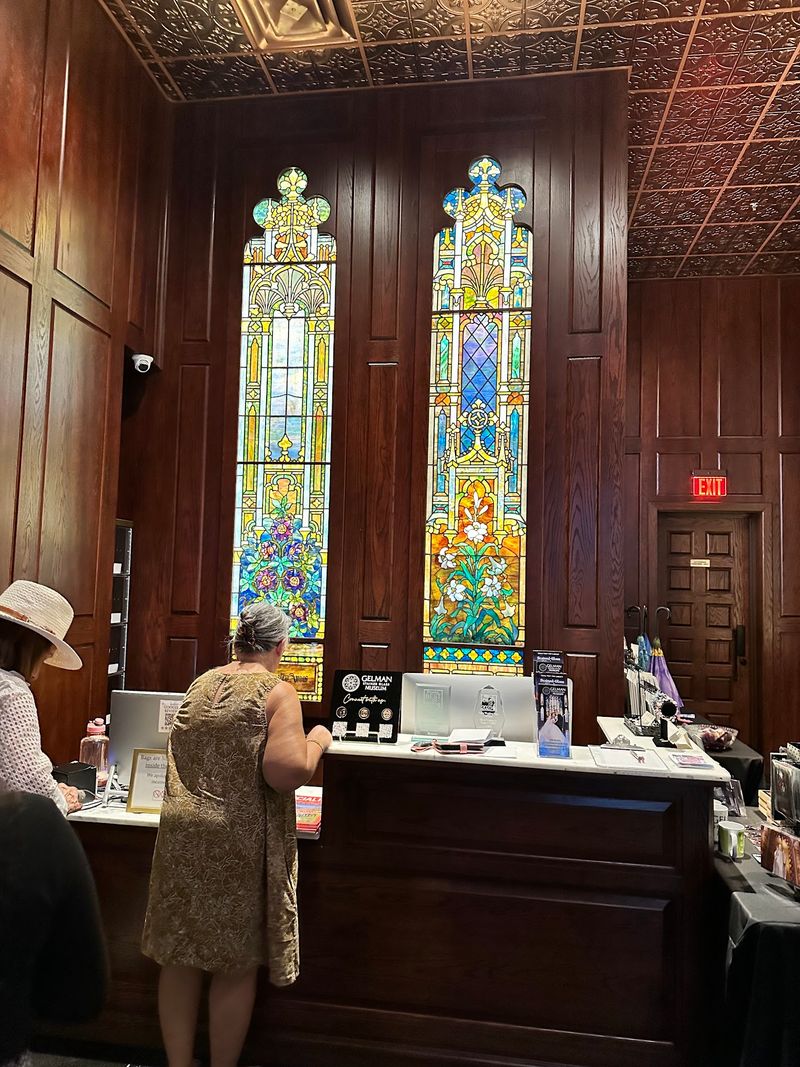
A good guide can turn a pretty window into a page-turner. The staff here has a strong reputation for doing exactly that.
Guided tours are available, and guides are well informed about both the process and the history behind each piece. Large groups, even ones around 40 people, have come away impressed.
Front desk staff typically hand out a printed map with information on each piece. Following it lets guests move at their own pace.
The map includes a QR code. Scanning it opens details about each window, so it pays to keep a phone handy.
Staff members are known for being welcoming and detailed. They also keep events on schedule, which matters when time slots are part of the system.
Self-guided or guided, both approaches work well. Families with restless kids might prefer the map, while history fans may get more out of a full tour.
Speaking of schedules, the museum hosts more than everyday visits. Its role as an event space is worth a closer look.
Weddings and Private Events Under Glass
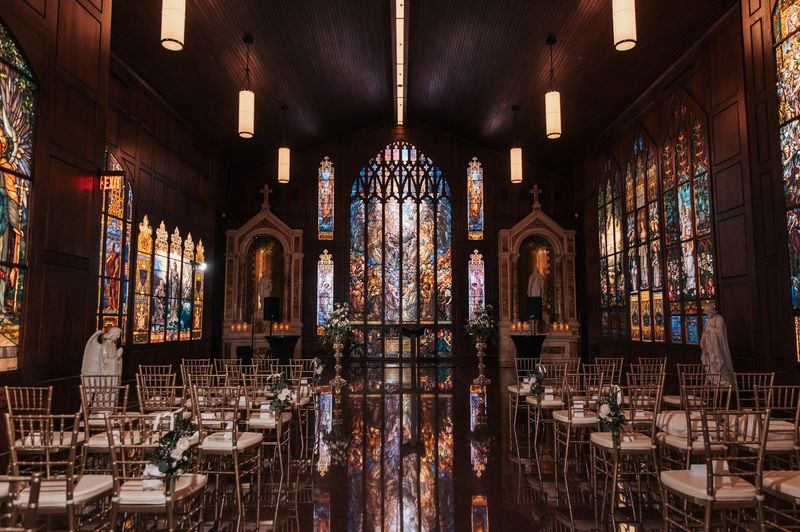
Couples looking for a ceremony spot with serious wow factor have found one in San Juan. The museum is frequently mentioned as a wedding venue.
Private events take place here too. Staff help keep these gatherings running smoothly while sticking to the museum schedule.
The appeal is easy to understand. A cross-shaped hall lined with historic stained glass gives photographers plenty to work with.
Event details such as availability and costs are not listed in the information covered here. Anyone interested should reach out through the museum website at gelmanmuseum.org.
It is a neat example of a museum doing double duty. The same room that teaches art history on a Sunday can host a family celebration on another day.
Locals in the Valley may already know about this side of the building. For out-of-towners, it is one more reason the place deserves more attention than it gets.
Before planning any trip, though, the visiting basics need careful attention, because the hours are anything but typical.
Hours That Reward Planners
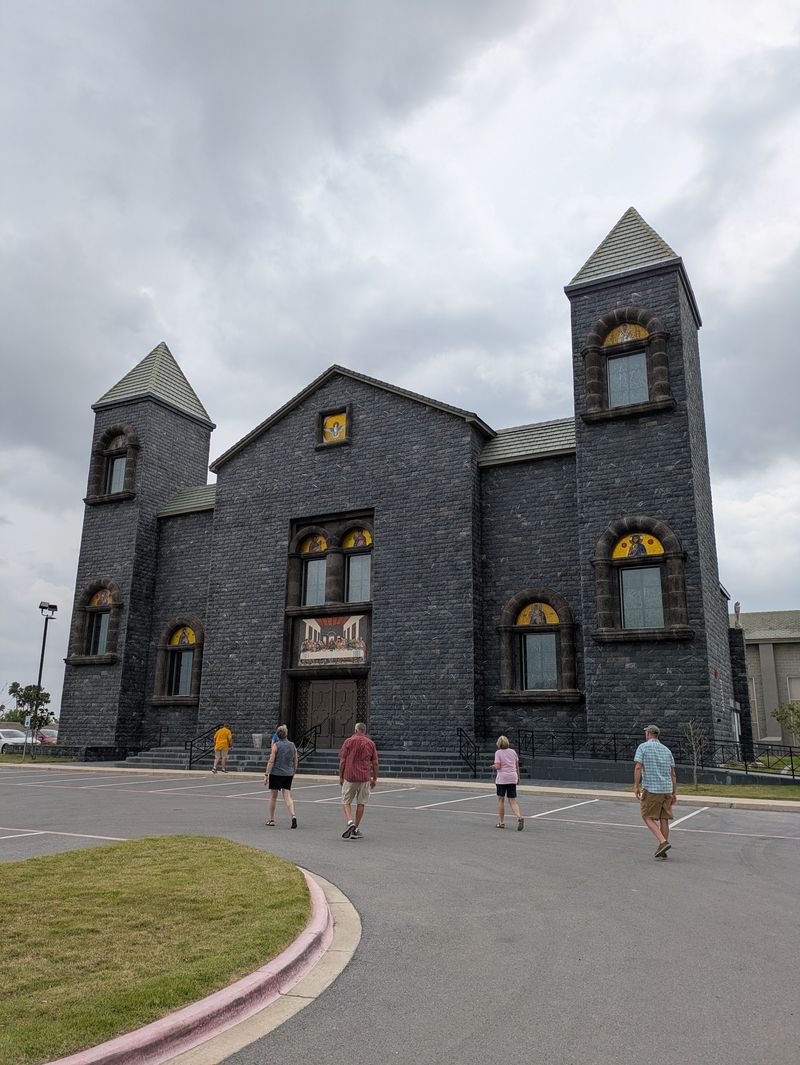
Showing up on a random Tuesday is the fastest way to end up staring at locked doors. The schedule here is short and specific.
The museum opens Wednesday from 4 to 7 pm and Thursday from 4 to 6 pm. Sunday hours run from 10 am to 4 pm.
Monday, Tuesday, Friday and Saturday are closed. That leaves just three days each week to plan around.
Tickets are sold for one-hour time slots. Buying online ahead of time is a common move, especially for afternoon visits.
Sunday is the best bet for long-distance drivers. It offers the widest window and pairs nicely with a stop at the basilica across the street.
Hours can change, so checking the website before leaving home is a smart habit. A quick look at gelmanmuseum.org can save a very long drive.
With timing sorted, the next question for most Texans is simple: what does all this cost?
Ticket Prices and Handy Rules
Here are the numbers, plain and simple. Adult admission is $20, and children under 12 are $10.
Discounts are offered for teachers, first responders and students. There is no senior discount, which is good for older guests to know ahead of time.
Opinions on value vary. Stained glass fans tend to call it well worth the ticket, while casual guests sometimes feel the collection is small for the price.
The honest takeaway is that interest level matters. People who love art, history or church architecture usually leave happy.
One rule catches people off guard. Bags and purses are not allowed inside, so leave them in the car.
A small gift shop sells souvenirs. The selection is limited and can run on the pricier side.
The restrooms earn praise for being especially nice, a small detail that matters after hours on the highway. All that leaves one last question about whether the trip is worth it.
Worth the Drive South
Some road trips end with a shrug. This one tends to end with people telling everyone they know.
The museum holds a 4.7-star average from more than 350 people, a strong sign that most leave impressed. It has even been featured on Texas Country Reporter.
It is not for everyone, and that is fine. Folks who enjoy art, history or quiet spaces will likely get the most from it.
The pairing with the Basilica of Our Lady of San Juan makes a full outing easy. Families can see both in a single afternoon.
There is real Texas pride in this place, too. Rescued windows from across the country, including Tiffany work, found a home in a small Valley city.
Check the hours, leave the purse in the car and budget about an hour. That simple plan sets up a great visit.
In the end, this is a museum built to keep beautiful things from vanishing, and it may just turn a Sunday drive into a story worth retelling for years.


