
Affiliate disclosure: As an Amazon Associate I earn from qualifying purchases. Learn more
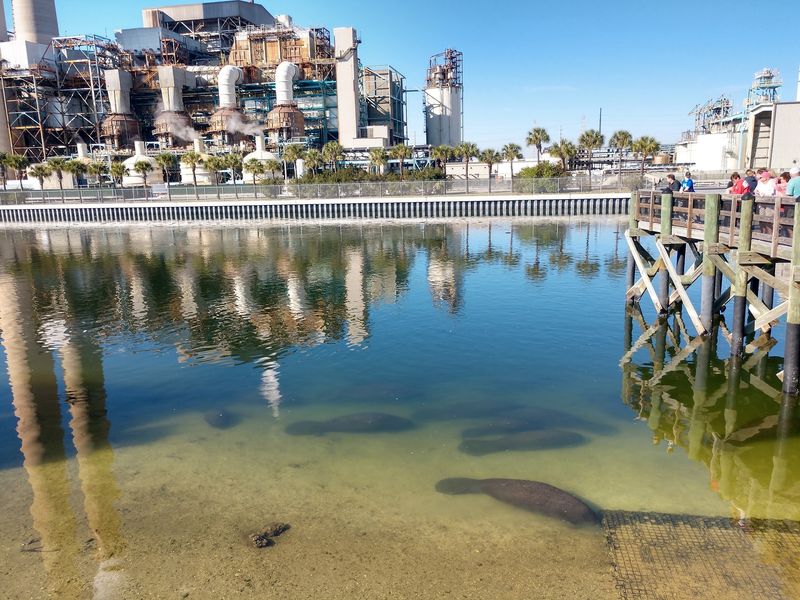
Every winter, a power plant on Tampa Bay ends up hosting some very large, very calm guests. When the bay gets chilly, wild manatees swim into a canal of warm water released by the plant, and on some days hundreds of them pack in together.
The best part for Florida day-trippers is the price, because admission and parking cost nothing at all. There are also stingrays you can touch, a tall lookout tower, mangrove trails, and a sea turtle center on the same grounds.
Keep reading to find out when to go, how to beat the crowds, and why a utility company runs one of the most loved wildlife stops near Tampa. A little planning can turn a quick visit into a whole morning of wildlife watching.
A Wildlife Refuge Beside the Smokestacks
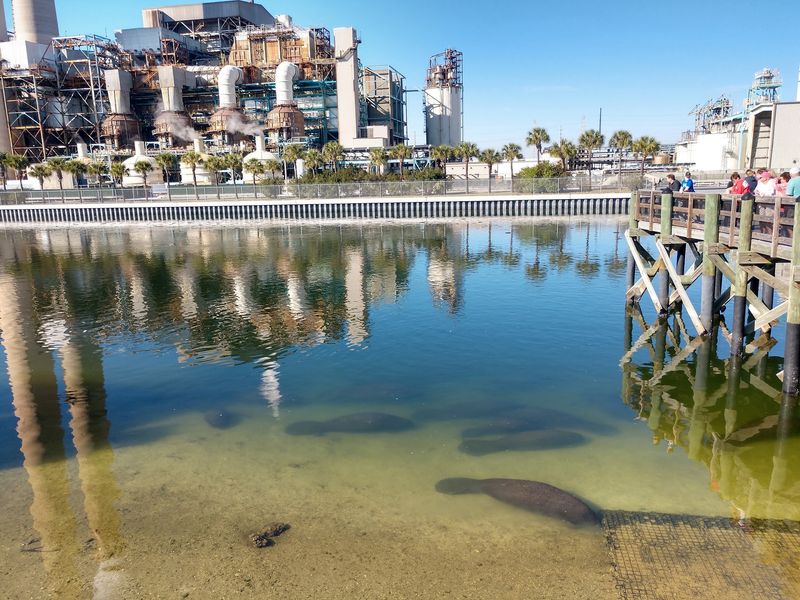
Few nature preserves share a fence line with a power station, but this one wears that fact proudly. The Manatee Viewing Center sits at 6990 Dickman Rd, Apollo Beach, FL 33572, on the eastern shore of Tampa Bay in Florida.
Tampa Electric, often called TECO, operates the site next to its power plant. The property is listed as a protected marine reserve and nature preserve.
Inside the grounds you will find preserved habitat, walking trails, a boardwalk, butterfly gardens, and a 50-foot observation tower. Most people come for one star attraction, though.
That star is the West Indian manatee, which uses the warm discharge canal as a winter hideout. The plant releases warm water, and the animals treat it like a heated pool when the bay turns cool.
Many guests express surprise that an electric company puts so much care into the grounds. The paths are tidy, the signs are clear, and the whole place feels well organized.
Families, solo travelers, and school groups all show up here. The draw is simple: wild animals living their lives in plain view, with no ticket booth in the way.
So how does a canal next to a plant become a manatee magnet? The answer starts with a single number on the thermometer.
The 68-Degree Secret
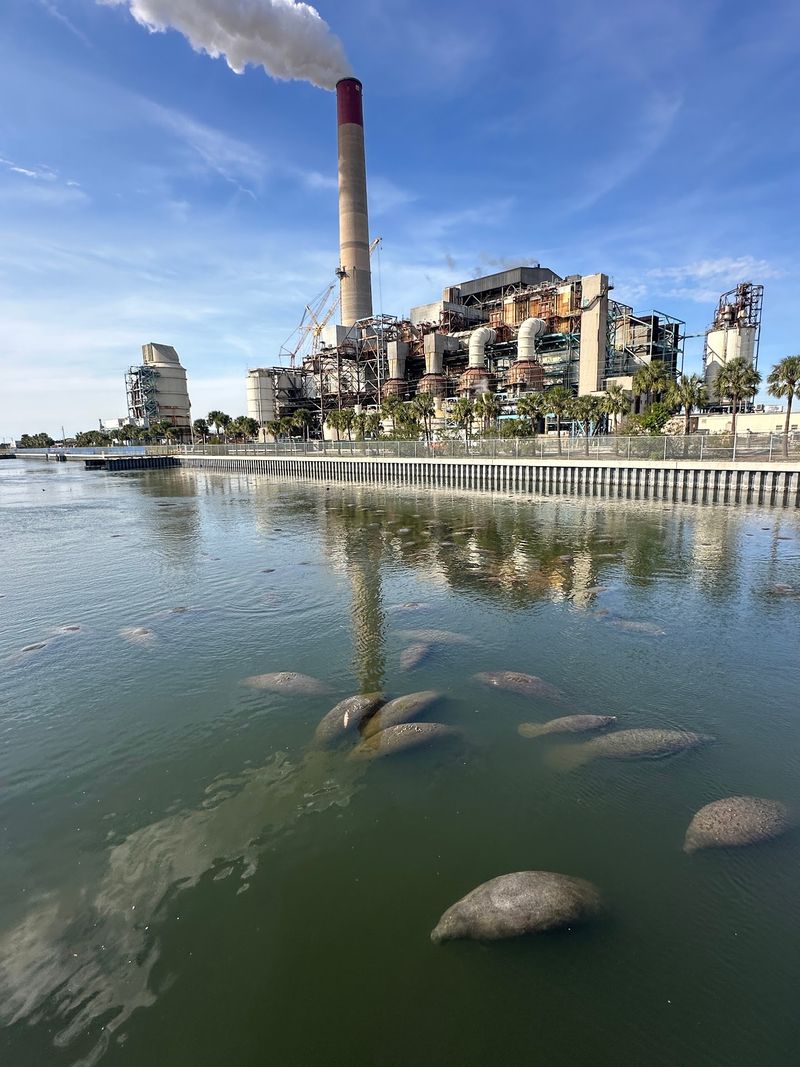
Manatees are big, but they do not handle cold water well. When Tampa Bay drops below about 68 degrees, the wild manatees head into the canal at the center to stay warm.
That warm water comes from the power plant next door. It turns a plain stretch of canal into a seasonal gathering spot.
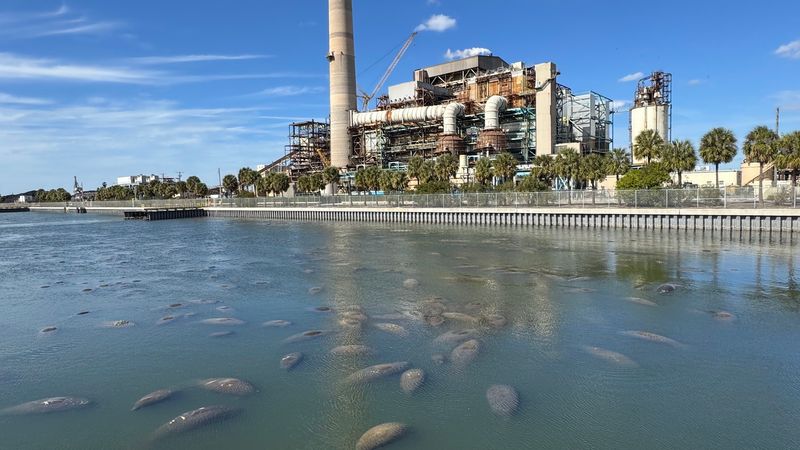
On the right day, the numbers can get startling. Some guests have counted 80 or more manatees floating around the small bay, and staff have reported more than 700 in the area during peak cold spells.
Colder days tend to bring the biggest crowds of manatees. Windy, chilly mornings can make for a better show than sunny warm ones.
The flip side matters too. When the bay warms up, the animals spread out, and some days the canal can be nearly empty.
Several guests have shown up on mild days and seen few or no manatees at all. Staff on site explain that warming bay water sends them back out.
For planning purposes, think of manatees as weather-dependent celebrities. Check the forecast first, and let a cold front be your green light.
Best Months for a Manatee Crowd
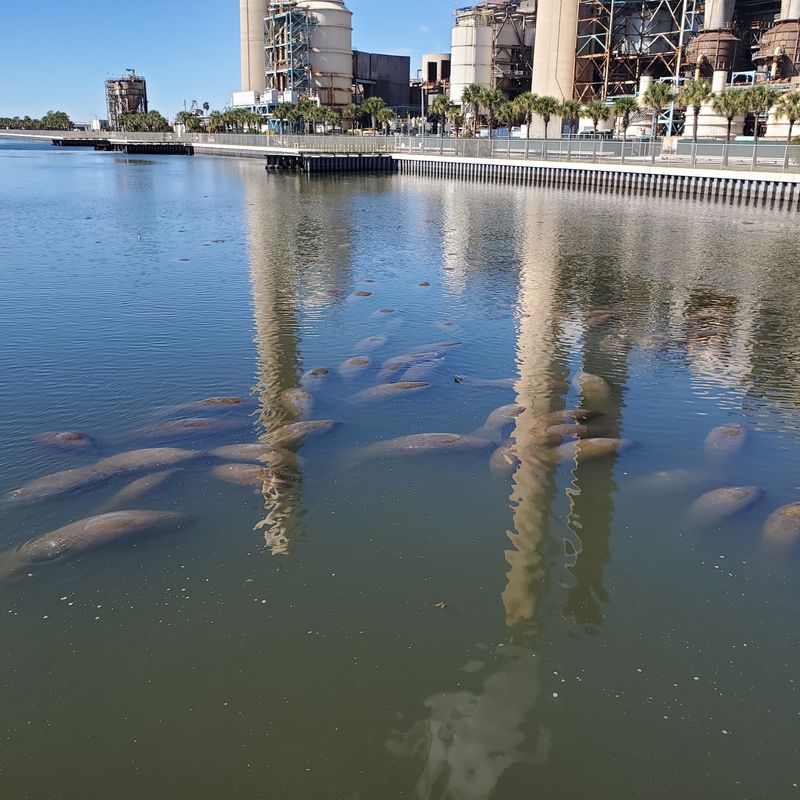
January keeps coming up as the sweet spot. Guests who visit that month often describe canals packed with manatees.
The general season runs through the cooler months, when Tampa Bay temperatures dip. Early spring can still work, but results vary more.
One early March visit, for example, turned up no manatees at the main platform. A couple did show up along the boardwalk trail, though, along with a shark and plenty of fish.
The pattern is easy to follow. Cooler water means more manatees, and warmer water means fewer.
Repeat visits in the same season can feel completely different. One trip might bring a handful of sleepy animals, while the next brings so many you lose count.
Out of season, the center still has value. The stingray tank, butterfly garden, turtle center, and trails remain open, so a warm-weather stop is not wasted.
Patience can pay off even on slow days. A mother and calf were spotted by the farther pier on the right after a bit of waiting.
Timing, it turns out, is half the adventure here. The other half is knowing where to stand.
Piers, Platforms, and the Mangrove Boardwalk
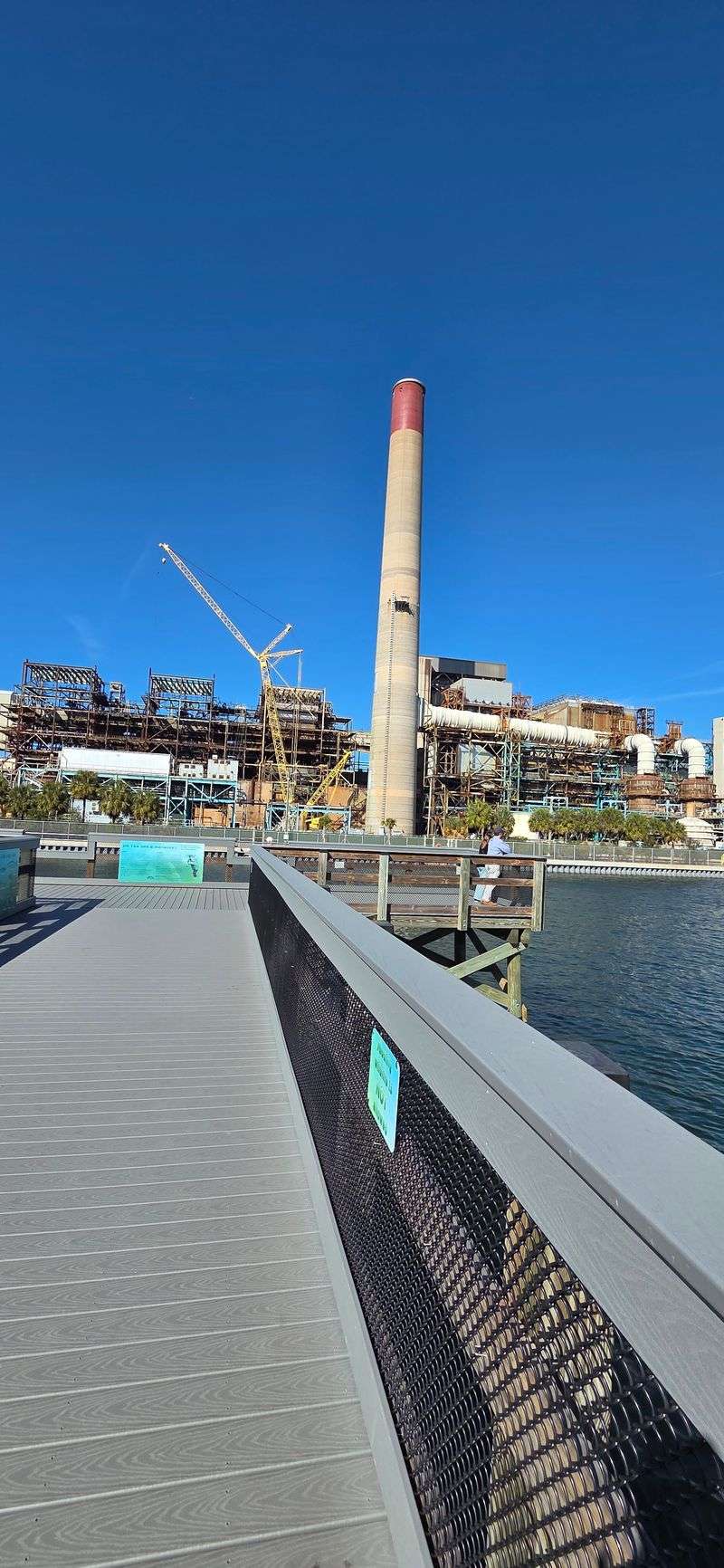
More than one vantage point means more than one chance at a good look. The center has two main viewing areas, plus a pier trail and boardwalk with many spots along the water.
Even when the platforms get busy, guests usually still find a clear view. Spreading out along the piers helps.
The boardwalk gives a different angle on the canal. Some people catch manatees there when the main platform comes up empty.
A shaded mangrove walk adds another layer. Signs explain these unusual plants, and staff along the trail can help you tell black mangroves from red ones.
Keep an eye out for tree crabs while you are out there. Once someone points one out, you may start noticing dozens of them.
Docents and employees stand along the piers during the season. They answer questions about manatees and the habitat, and they seem happy to share facts.
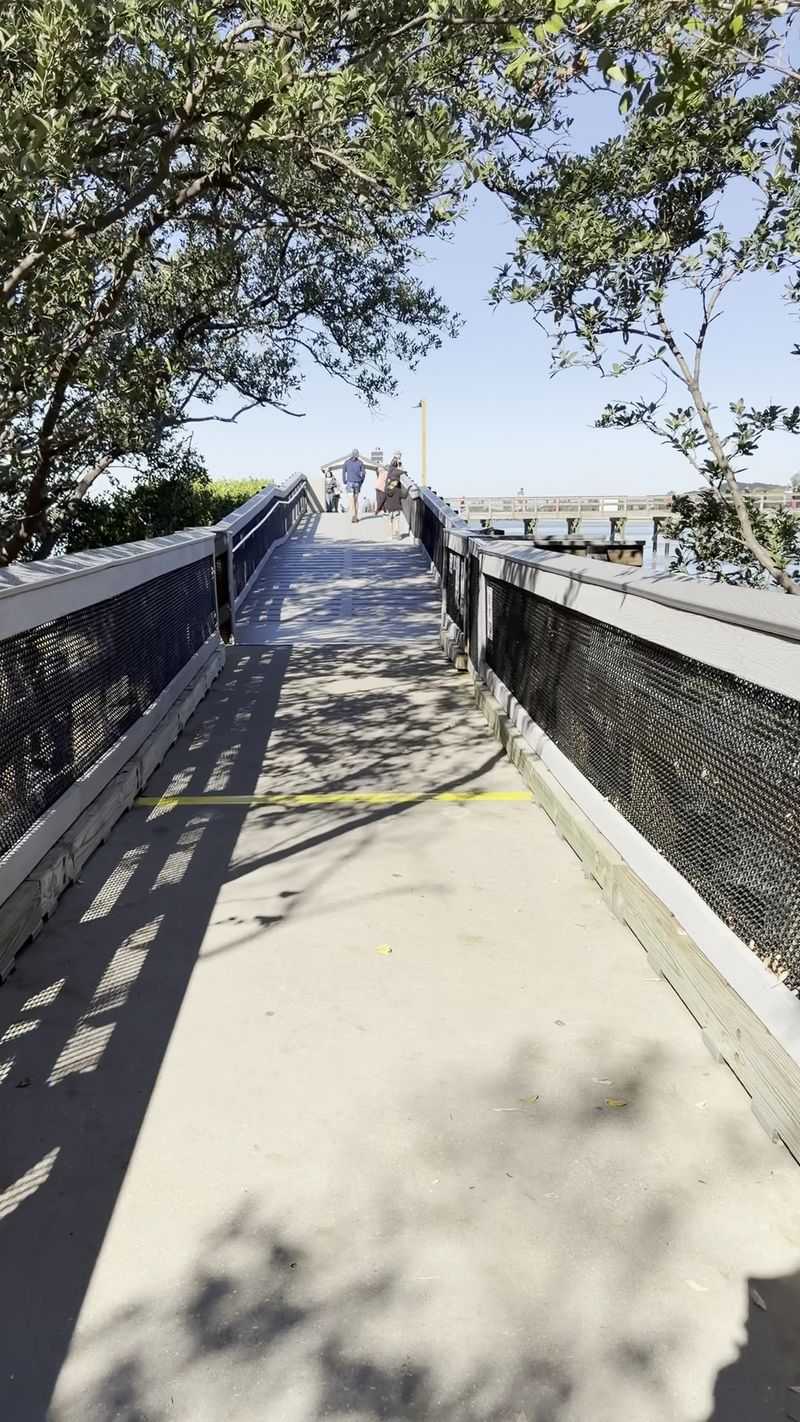
The walking is easy, with cement paths and boardwalk surfaces throughout. Nothing here requires serious hiking skills.
All of those viewpoints lead to another surprise in the water. Manatees are not the only big swimmers in the canal.
Sharks, Tarpon, and Leaping Rays
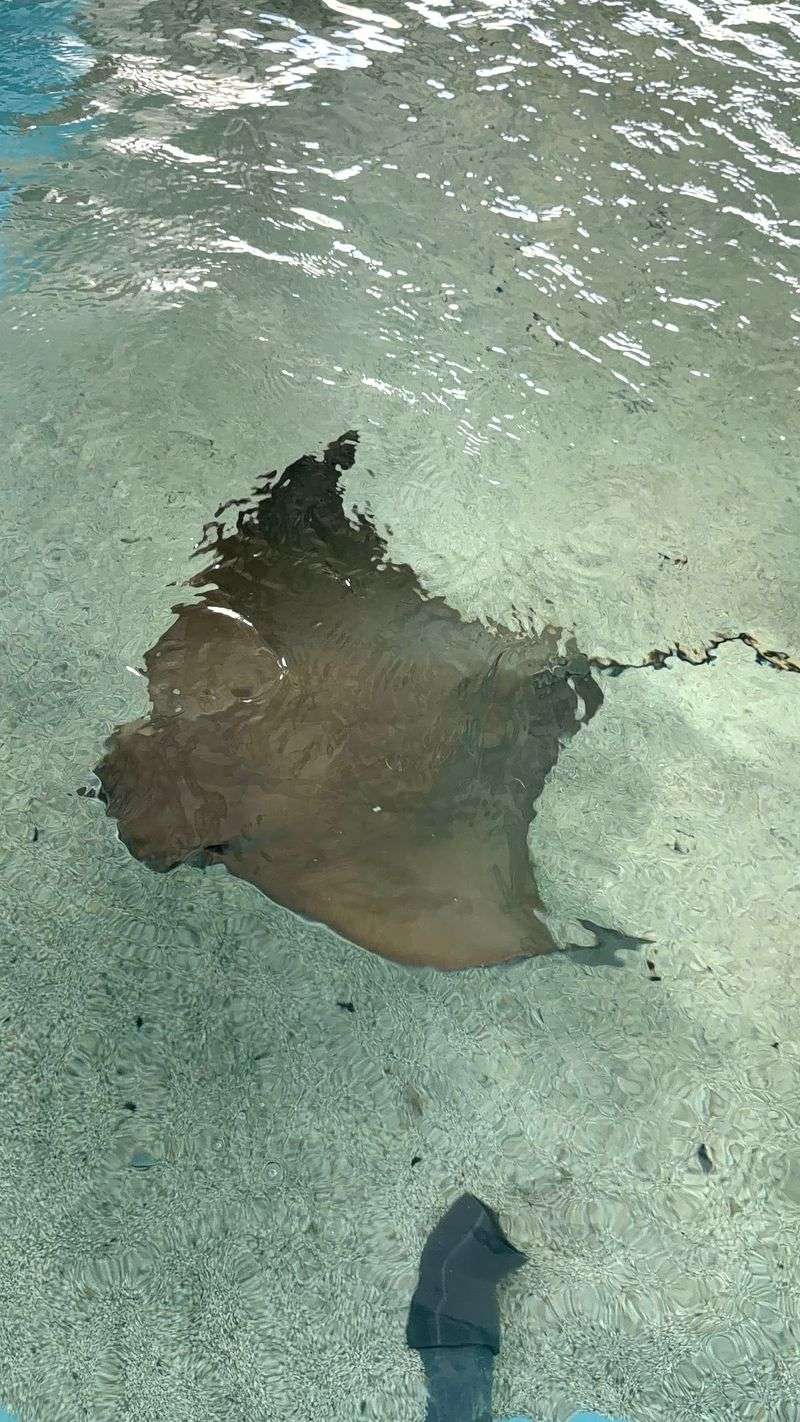
Plenty of people arrive for manatees and leave talking about tarpon. The canal holds a surprising mix of marine life.
Sharks show up regularly in the warm water. So do rays, catfish, crabs, and schools of other fish.
The tarpon are a highlight of their own. Guests often mention how large they are compared with what they expected.
Some species are new to many people, like the ladyfish. Signs around the piers help you figure out what you are looking at.
Rays in the wild sometimes put on a show by leaping out of the water. Fish jump too, which keeps eyes busy between manatee sightings.
Birds round out the cast. Wading and flying birds of many kinds work the shoreline throughout the day.
For slow manatee days, this variety is the safety net. A visit with zero manatees can still deliver sharks, giant fish, and a bird or two posing nearby.
Not every animal encounter here stays at a distance, though. One exhibit lets you reach right in.
Hands in the Stingray Tank
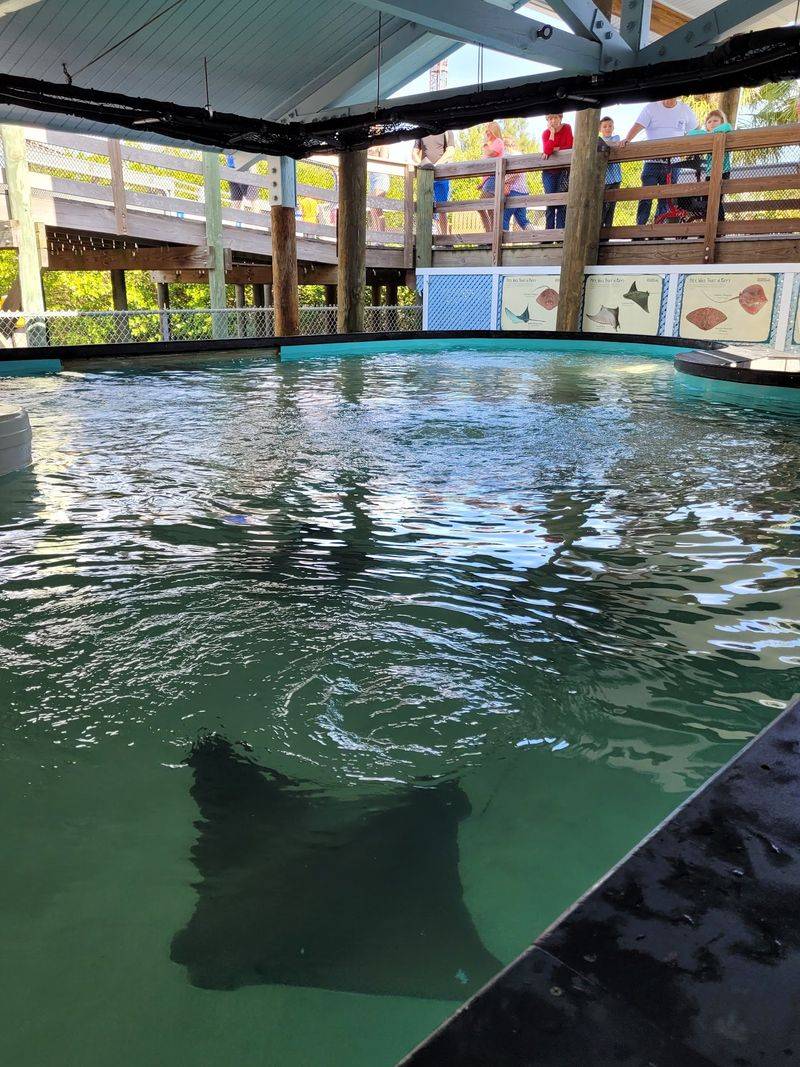
Kids tend to vote this the best part of the trip. The center has a small aquarium area with a touch tank where you can pet live stingrays.
The rays often swim right up to the edge. Guests describe them as active and fun to watch.
Staff look out for the animals too. The tank takes scheduled breaks, giving the rays time away from all the touching and splashing.
It is a smart move to check timing when you arrive. That way you will not show up during a ray rest period.
Adults enjoy it as much as children do. The tank works well as a reliable highlight when the manatee count is low.
Nearby, the exhibit room is very hands-on for all ages. Interactive displays teach about manatee biology, sounds, and habitat.
Some guests learn surprising things inside, such as how high-pitched and loud manatee sounds can be. It is the kind of fact you will repeat at dinner.
After the tank, many people head off toward a quieter part of the property. The tower is calling.
Fifty Feet Above Tampa Bay
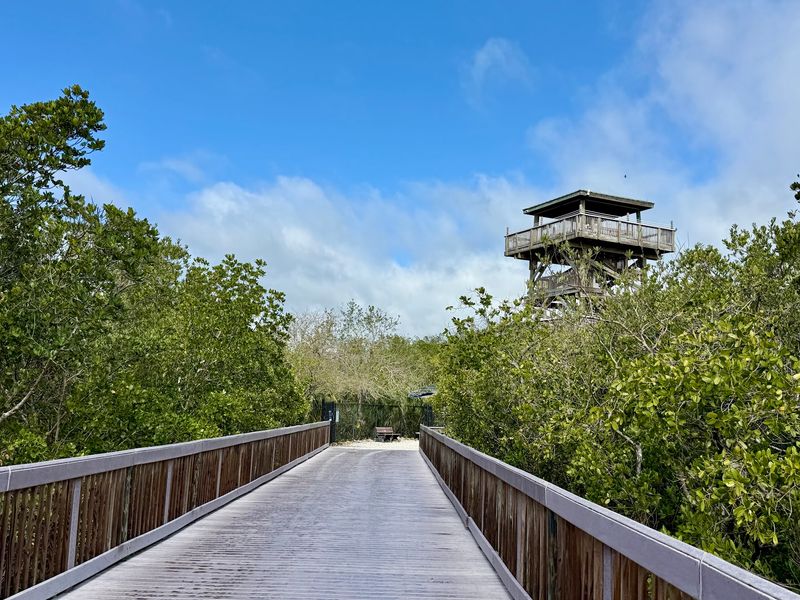
Some views require a short climb. The 50-foot observation tower sits at the end of a nature trail and offers a wide look over the preserve and bay.
Many guests call the tower a must-do. It adds a big-picture view after time spent up close at the piers.
The trail to reach it is easy. People of most fitness levels manage the walk without trouble.
A loop works nicely here. Some guests walk from the parking area out to the tower and then back again.
The trails are well kept and pass through preserved habitat. Birds are common along the way.
Butterfly gardens also sit on the property. They make a calm stop between the busy viewing areas.
One fun extra is a solar energy area, which adds a sustainability lesson to the outing. There is also an Energy Conservation Center on site.
Plan to bring water and comfortable shoes. The tower is a small effort for a rewarding payoff, and the next stop involves a different kind of patient.
The Turtle Center Detour
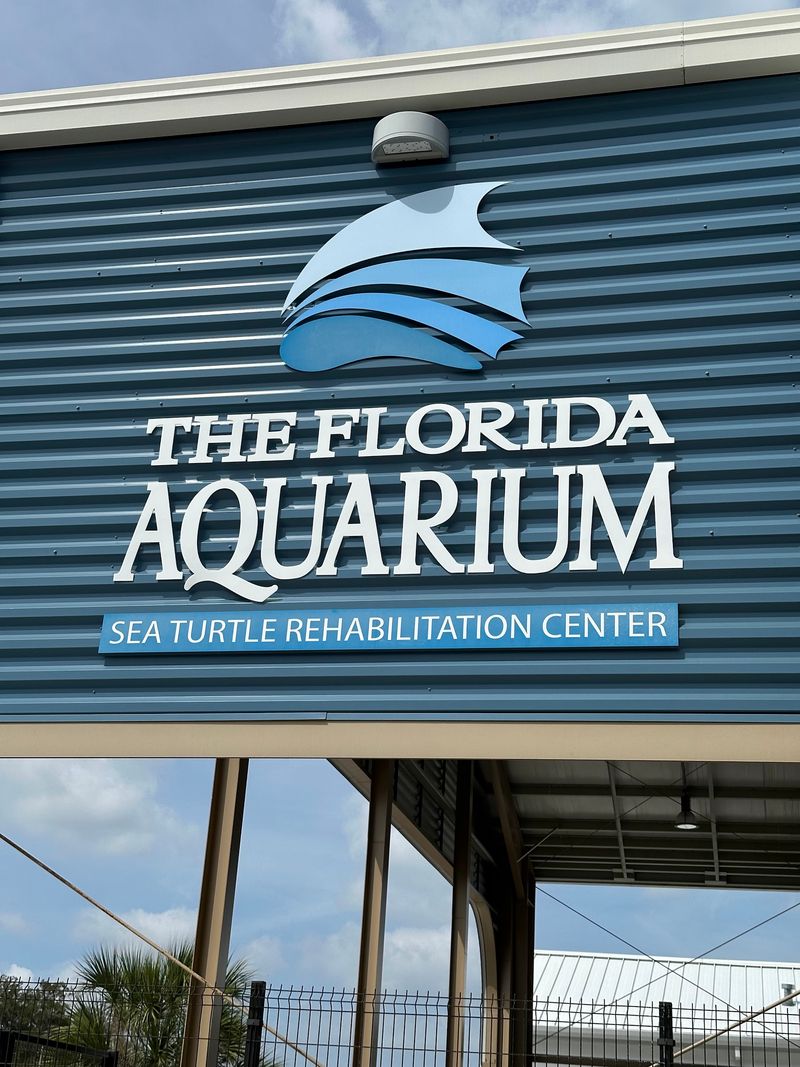
Manatees get top billing, but sea turtles have their own corner. The grounds include a turtle rehabilitation facility.
A trolley can carry guests out to the turtle center. That saves some walking on busy days.
The number of turtles varies. During one visit there was only a single patient, so expectations should stay flexible.
Staff there come across as outgoing and well informed. They take time to explain the work and answer questions.
For families, the stop fits nicely with the stingray tank and butterfly garden. Together they make a full day even outside manatee season.
Guests who visit during warmer weeks often lean on these extras. One person who saw few manatees still spent a happy day with turtles, butterflies, and rays.
The focus across the center goes beyond simple viewing. There is a clear emphasis on conservation, habitat protection, and public awareness.
That mission helps explain the welcoming setup. Speaking of welcome, the practical details here are friendlier than most.
Free Gates, Free Parking, and Open Hours
Here is the line that makes budget travelers smile: admission is free, and parking is free too.
The center is open every day from 10 AM to 5 PM. That schedule holds Sunday through Saturday.
There is parking close to the center, plus an overflow lot. Golf carts and a tram can shuttle you between parking and the viewing areas.
The walk from overflow parking is easy for those who prefer it. Some guests choose to stroll in and enjoy the trail.
Since there is no fee, the facility relies on donations. Dropping in a couple of dollars helps keep it running.
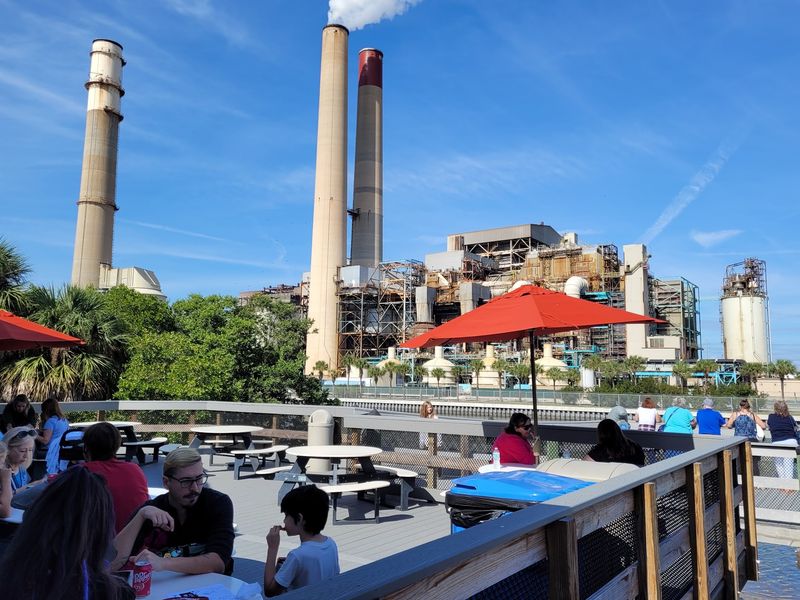
A snack bar, cafe, and covered picnic area are on site. Concession prices are described as budget friendly, and a small vendor truck sometimes sells shaved ice.
The gift shop gets good marks for reasonable prices. Restrooms are kept clean, and signs make navigation simple.
Free is wonderful, but it also brings company. That leads to the most useful tip of all.
Crowd Strategy and Easy Access
Free attractions rarely stay secret. On cold winter days, the parking line can be the longest wait of the visit.
Mornings right at opening get busy, especially with school field trips. Late morning can also be packed.
Crowds can thin quickly, though. One Thursday visit found the place full at 11:30 AM and the lot almost empty by 12:30 PM.
Weekdays are generally calmer than weekends. Arriving early, or waiting out the late-morning rush, are both solid moves.
For time planning, one hour covers the manatee viewing. Families who add trails, the tower, play areas, and exhibits often spend around three hours.
Accessibility is a strong point. Boardwalks, cement paths, and ramps make the grounds manageable for wheelchairs, with the gift shop being the tougher spot to reach.
The atmosphere suits nearly everyone, from young kids to grandparents and solo travelers. The calm manatees seem to slow people down a little too.
With logistics sorted, only one question remains. Is it worth the drive?
Why This Canal Earns a Winter Road Trip
A 4.7-star standing across more than 10,000 opinions says plenty on its own. People clearly leave happy.
The formula is hard to beat for Tampa Bay locals and visitors alike. Wild manatees, sharks, tarpon, and rays share the spotlight, and nobody charges a cent at the gate.
Timing is the main variable. Go on a cold day, ideally in January, and the canal may be crowded with manatees.
Go when the bay is warm, and you can still enjoy the touch tank, the tower, the trails, and the turtle center. The trip rarely feels wasted either way.
Bring patience for parking and a few dollars for the donation box. Ask the docents questions, because they enjoy sharing what they know.
It is a slightly unusual idea, a wildlife preserve powered by a power plant’s leftover warmth. It also happens to work beautifully for the manatees and the people watching them.
When the next cold front rolls across Florida, Apollo Beach might be the warmest invitation in the state.


