
Affiliate disclosure: As an Amazon Associate I earn from qualifying purchases. Learn more
Most Michigan history lessons skip a big chapter, and it is the one that started long before the state had a name. In Mount Pleasant, a tribal museum fills that gap with stories told by the people who lived them.
Kids press buttons to hear Anishinaabe words spoken aloud, and adults often leave surprised by how much they never learned in school. Here is what to know before you go, from the exhibits to the gift shop to the hours that catch people off guard.
A Tribal Museum on East Broadway Road
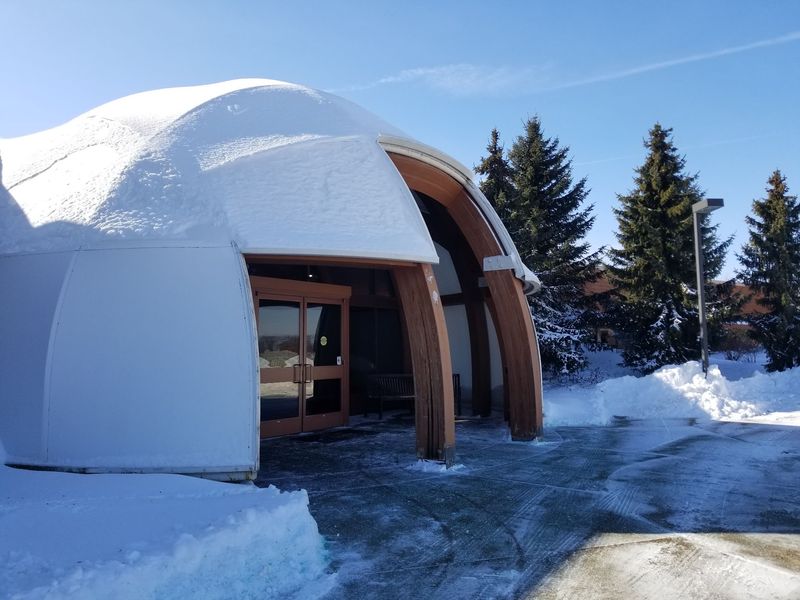
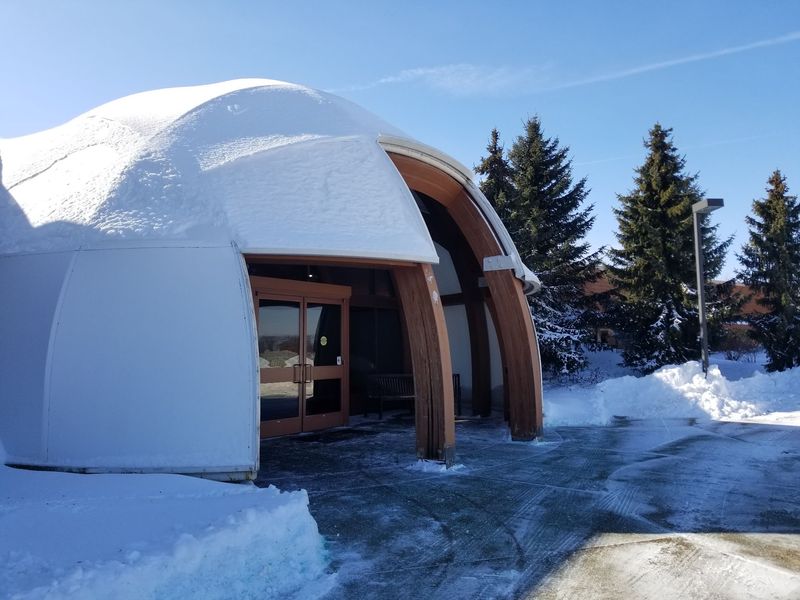
Some of the best Michigan history is not found in a textbook at all. It sits at 6650 E Broadway Rd, Mt Pleasant, MI 48858, in the middle of the Lower Peninsula.
The Ziibiwing Center is a museum run by the Saginaw Chippewa Indian Tribe of Michigan. Its full focus is the history and culture of the Anishinaabe people, the tribe’s own ancestors and relatives.
That ownership matters. The exhibits are not an outsider’s summary of Native life.
Instead, the stories and narratives come in the voices of the people the museum represents. That single choice shapes nearly everything inside.
The museum is part of the tribe’s official presence, and its information lives on the Saginaw Chippewa website at sagchip.org. Mount Pleasant residents may drive past it often without knowing what waits inside.
For a state that loves to celebrate its heritage, this place belongs on the short list. No passport is needed, just a weekday and some curiosity.
History Told From the Inside Out
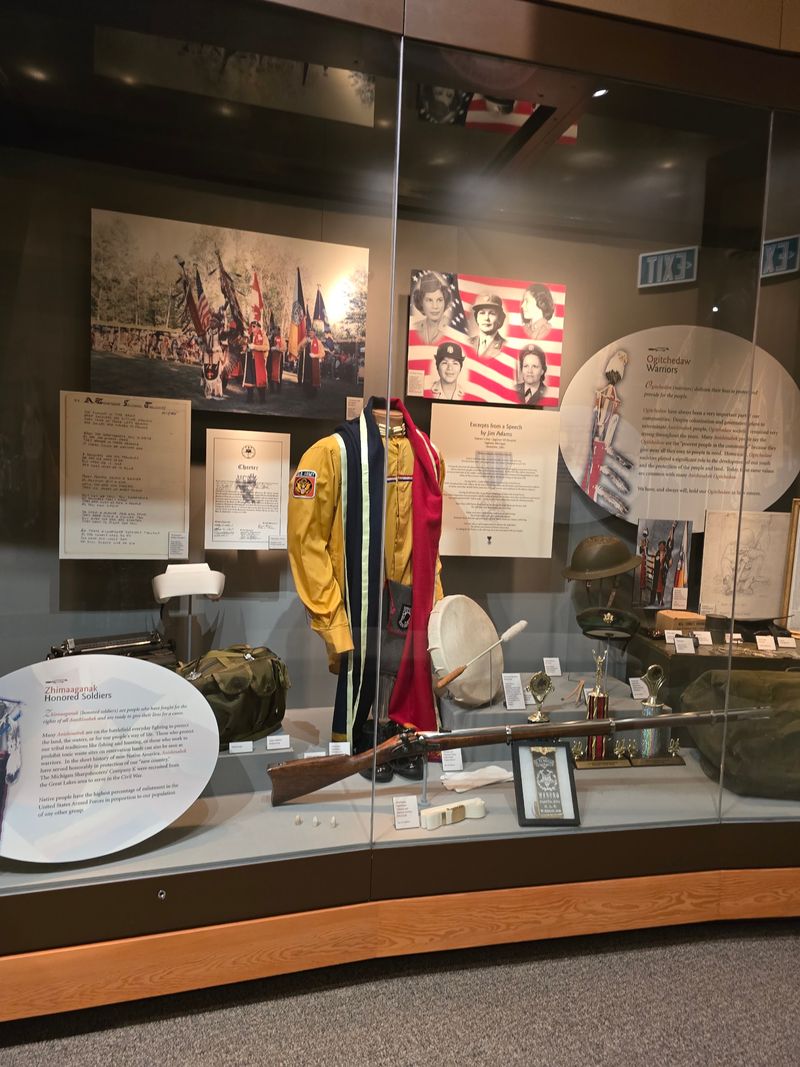
Ask most people when Native Americans became United States citizens, and the answer is usually a guess. The exhibits here give the real date: 1924.
That fact lands hard once the timeline makes clear that Native men had already served in wars, including World War I. Moments like that turn the walk-through into a genuine history lesson.
The permanent exhibit covers the full arc of the Anishinaabek story. It moves from teachings and prophecies that guided the people long ago through European contact and into the present day.
Some displays address broken treaties and the illnesses that arrived with Europeans. Those sections can feel heavy, and the museum does not soften them.
Many guests describe the experience as eye-opening and even emotional in places. The honesty is the point, and it is part of why so many people call it a must for every Michigan resident.
Balance runs through it too. Alongside the hard chapters sit displays about a centered way of life that the community has carried forward.
Language You Can Hear at the Push of a Button
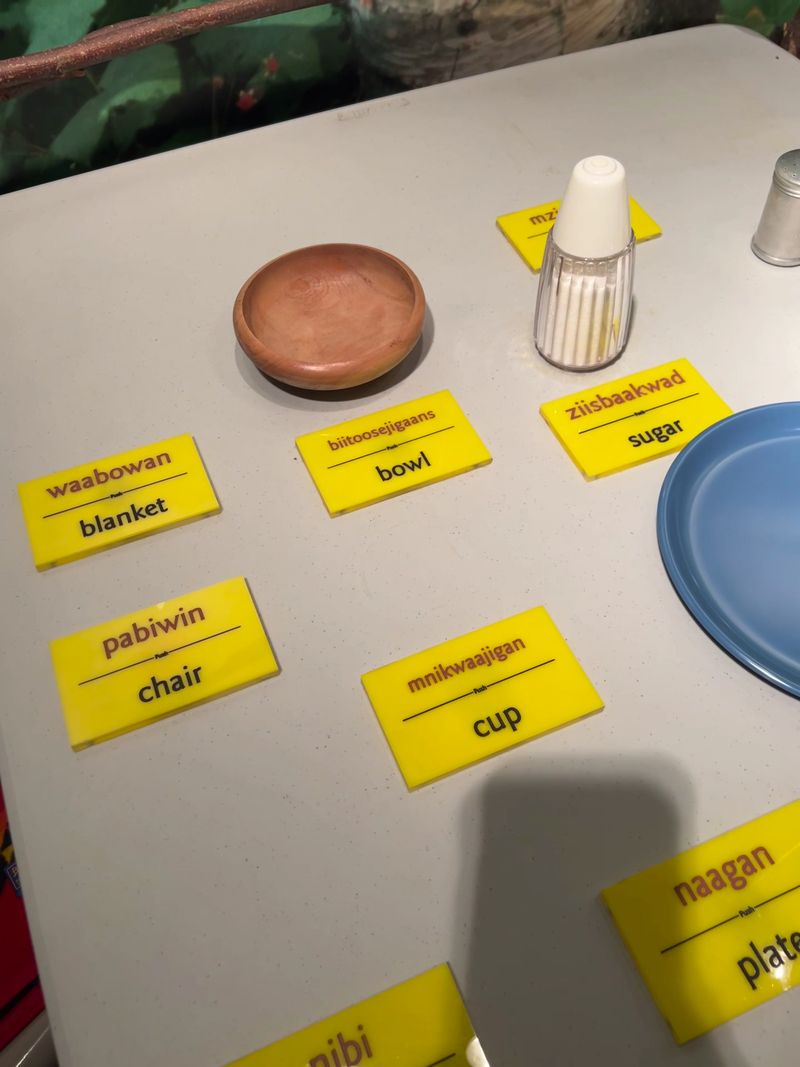
Anishinaabemowin is a living language, and the museum lets it speak for itself. Touch buttons throughout the exhibits play words aloud so guests can learn how to pronounce them.
Children tend to love this part. Parents mention young kids returning to the language stations again and again.
Adults get hooked too. Hearing a word spoken correctly sticks far better than reading it on a panel.
The interactive features go beyond language. Motion-activated displays respond as people move through the rooms, so the exhibits feel less like a hallway of glass cases.
That design helps the center work for a wide range of ages. Families report that teenagers and fifth graders alike stay interested, which is no small feat for any museum.
Small wins like learning a greeting or the name of an animal can turn into a lasting connection. A few words go home with almost everyone.
Relics, Replicas and Two Theaters
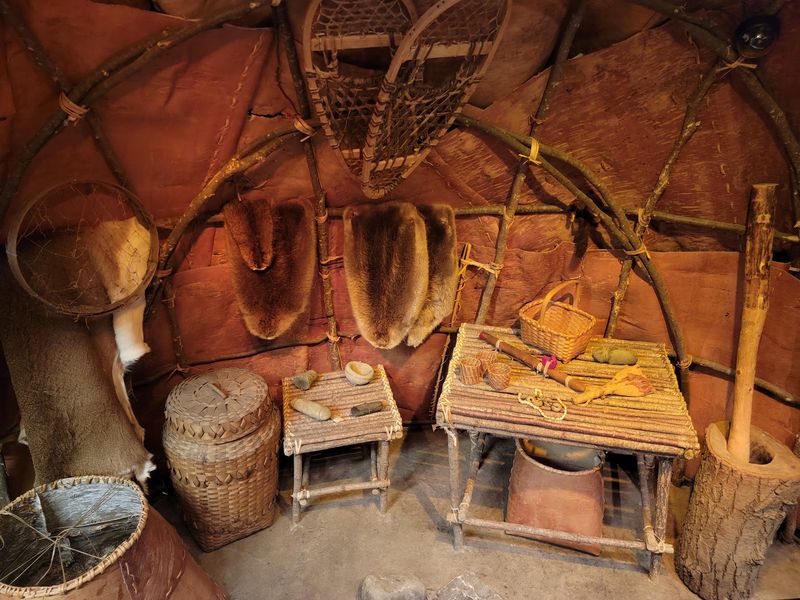
Artifacts are the most talked-about part of the collection. The galleries mix actual relics with replicas of Chippewa objects, paired with historical photographs.
Labels connect each item to the people who made and used it. The result reads like a family album as much as a museum display.
Then come the screens. The center has two movie theaters where video presentations carry the story from early history through current day.
The theater seating is comfortable, which matters when a film rewards patience. These rooms give the stories space to unfold in the tribe’s own voices.
The curation feels deliberate rather than crowded. Art, artifacts and recorded stories share the space without competing for attention.
A rotating exhibit adds another reason to return. What hangs on those walls changes over time, so a second trip can look different from the first.
Guided Tours and Living Programs
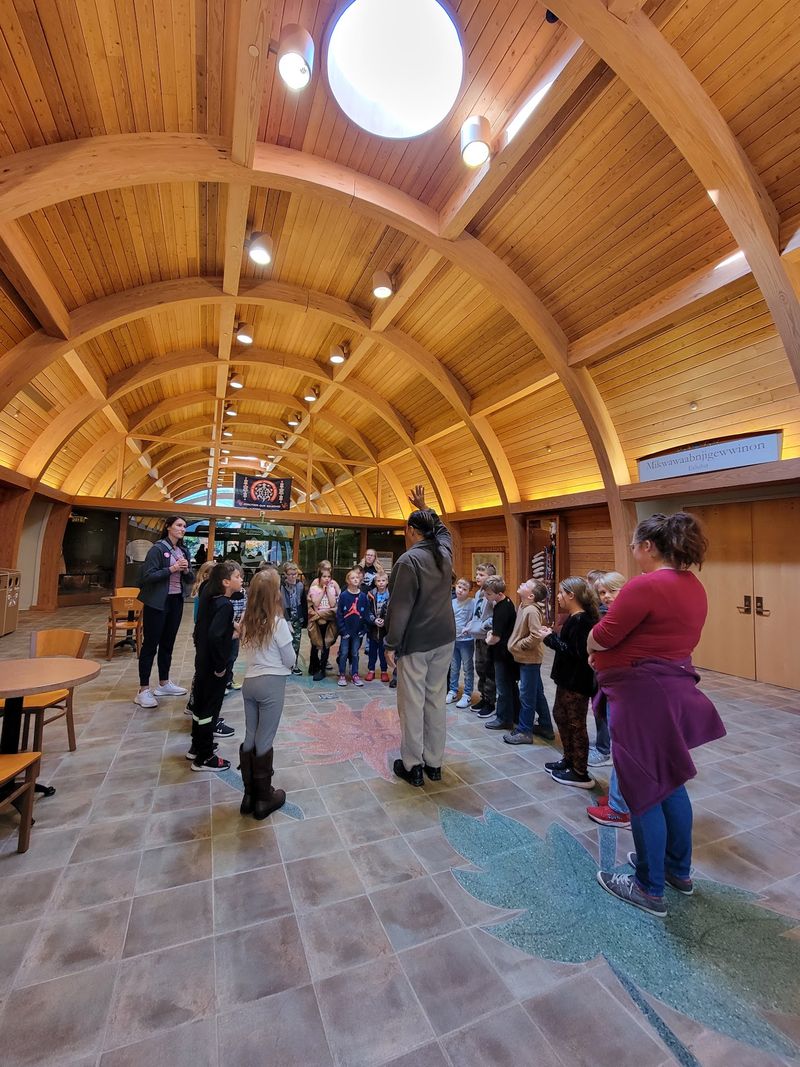
Self-guided is fine, but a tour may change the whole trip. Guests who book one often say they wished they could have stayed longer.
The staff are known for teaching, not just pointing at displays. They share context and answer questions in a way that brings the panels to life.
Plenty of people spend several hours on their own. A guide simply adds depth and the kind of detail no label can hold.
School groups visit regularly, and field trips here tend to send kids home talking. Some classes have attended presentations on the history and meaning of tribal dances.
Special days bring extra programming. Past Earth Day events, for example, included a program and music.
Computers on site have also been available for researching Native ancestry, according to past information. Checking with the center ahead of time is the best way to confirm current tools and events.
The Gift Shop Everyone Brings Up
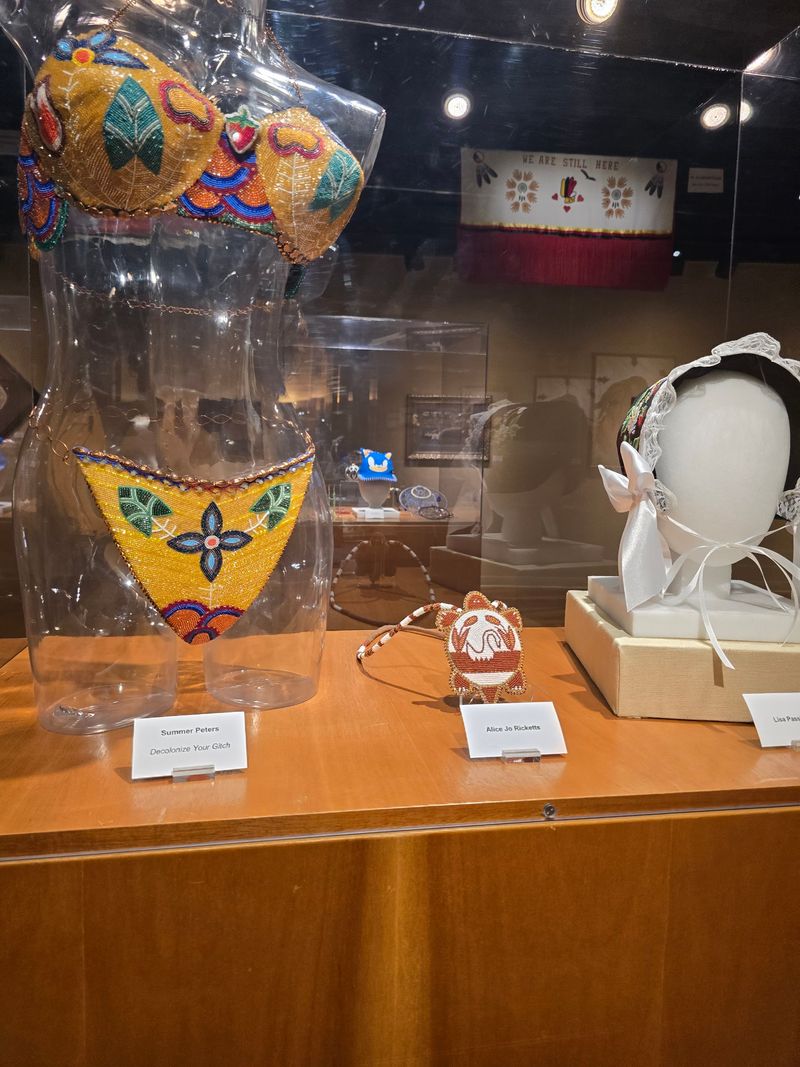
Fair warning for your wallet. The gift shop gets mentioned more than any other feature of the center.
Beaders, take note. The selection of beads and jewelry-making supplies is reason enough for some people to make the drive.
Look past the affordable kid-friendly souvenirs near the front. Behind the counter sit artisan-made jewelry and sweetgrass baskets, many signed by the artists.
Those pieces are the real treasures. Authentic Native-made items and crafts are here for anyone willing to ask.
Buying directly from a tribal shop also keeps the focus on the community telling the story. It is a souvenir with a source you can trust.
Plan a little extra time for browsing. Many people step in for a quick look and leave with a bag.
Who Gets the Most Out of a Visit
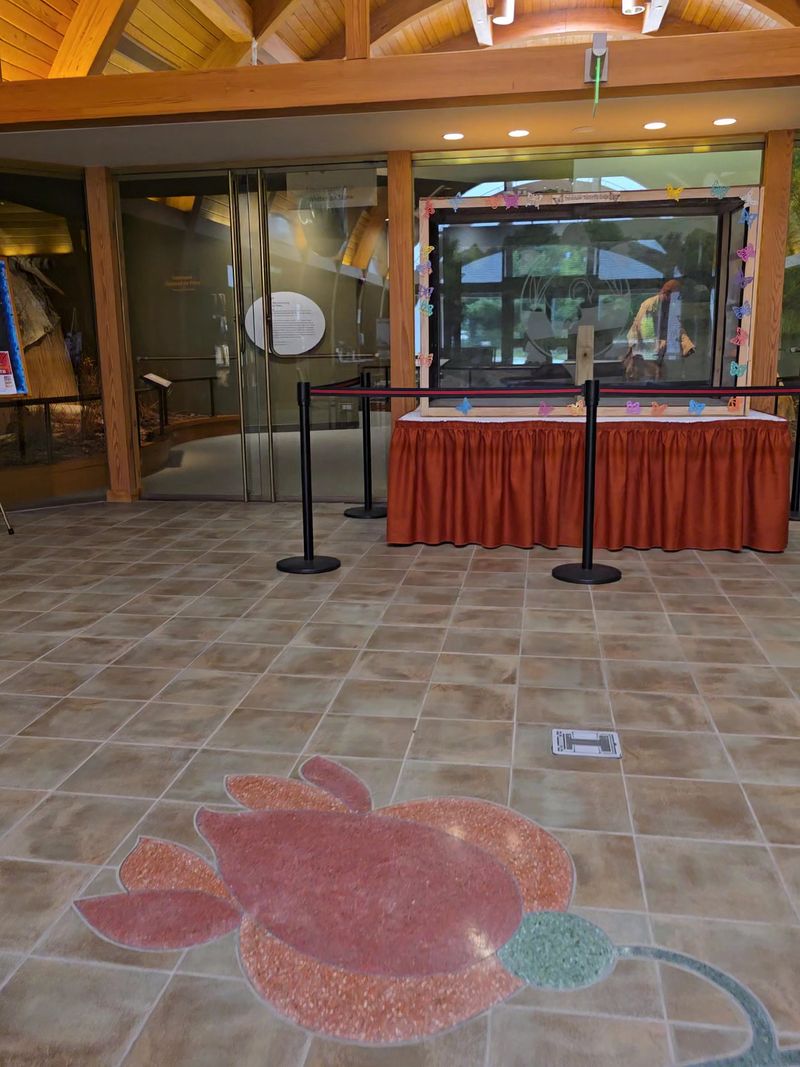
History fans are the obvious match, but the guest list runs much wider. Families, school groups, seniors and lifelong Michiganders all find something here.
The space is calm and spotless, with a quiet atmosphere that encourages slowing down. Clean restrooms and friendly staff round out the experience.
Parents appreciate that exhibits hold attention across ages. Hands-on elements keep younger kids busy while older ones absorb the deeper material.
Mid-Michigan locals get an especially personal payoff. This is the story of the people whose homeland includes the very towns they live in.
Some displays deal with difficult chapters, so a quick conversation with kids beforehand can help. Many adults find those sections the most meaningful part of the day.
Anyone who thinks they already know Michigan history may be the best candidate of all. Surprises are pretty much guaranteed.
Hours, Admission and a Gentle Verdict
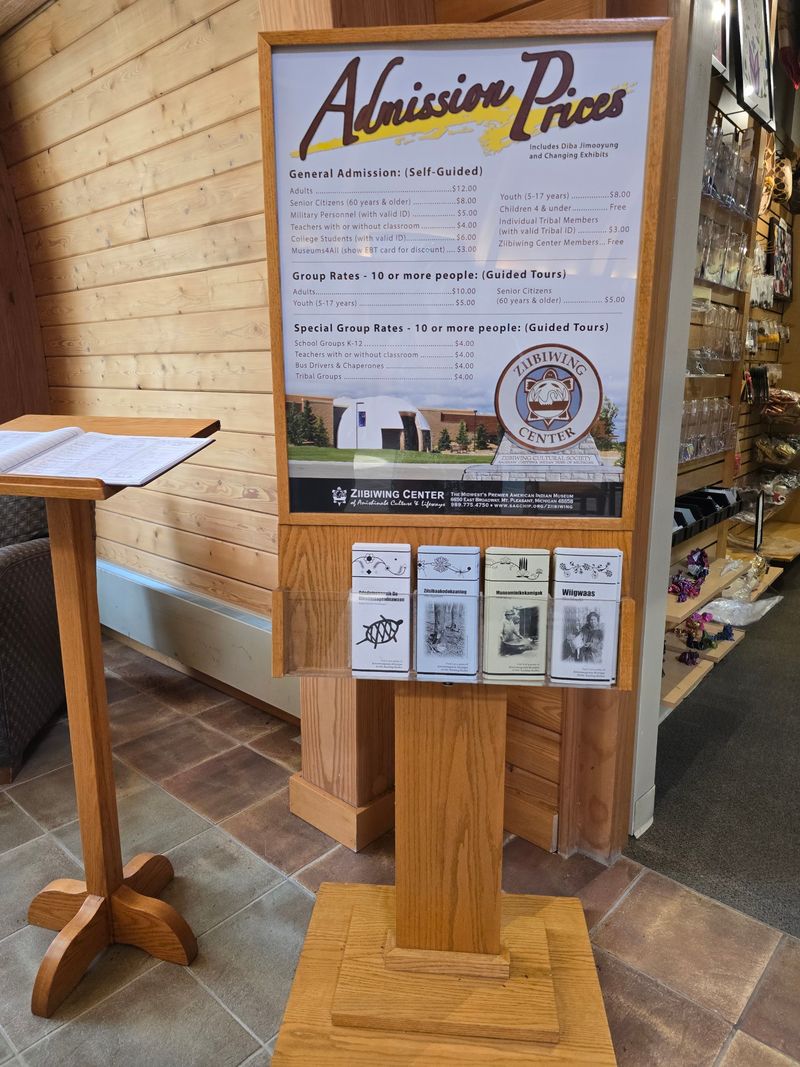
Timing is the one thing that trips people up. The Ziibiwing Center is open Monday through Friday from 9 AM to 4:30 PM and closed on Saturday and Sunday.
Arrive early if possible. Several hours can disappear quickly, and some guests wish they had started sooner.
Admission has historically been modest. Past figures include about $6.50 for general admission and a lower rate for seniors, so confirm current prices on sagchip.org/ziibiwing before heading out.
Booking a tour in advance is worth considering, especially for groups. A weekday field trip or a day off work fits the schedule nicely.
So is it worth the drive to Mount Pleasant? The center holds a 4.8-star standing from more than 400 people, and the reasons are easy to see.
It offers real history, told honestly, by the people who own it. For Michiganders, that is a rare and valuable thing sitting right in our own backyard.


