
Affiliate disclosure: As an Amazon Associate I earn from qualifying purchases. Learn more
Most Gold Rush stories live in textbooks, old photos, and dusty museum cases. In the mountain town of Julian, one of them still has tunnels you can walk through.
A short drive from the main street, a family-owned operation takes small groups into real 1870s mine shafts, then hands them a pan and a trough full of sand with actual gold flakes in it. The tour runs about an hour and costs roughly $20 a person.
Guides here are known for packing that hour with mining history, Julian lore, and a steady stream of jokes. Tall folks will be ducking, dogs are welcome, and nobody leaves without learning how a miner earned a living.
Keep reading to find out what is down there, how to plan a visit, and why this stop often becomes the highlight of a trip to Julian.
A Mine Tucked Above Julian
Julian has long been famous as a mountain getaway in San Diego County, but its roots run deeper than most day-trippers realize.
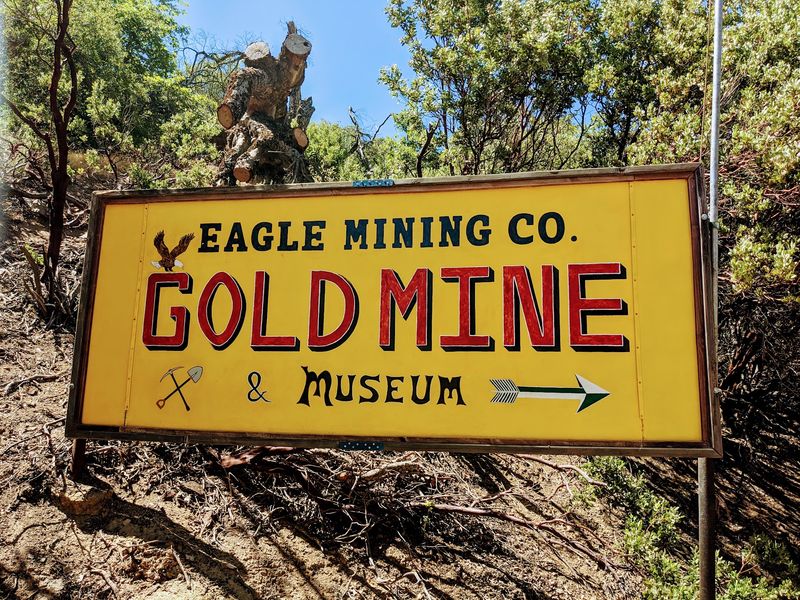
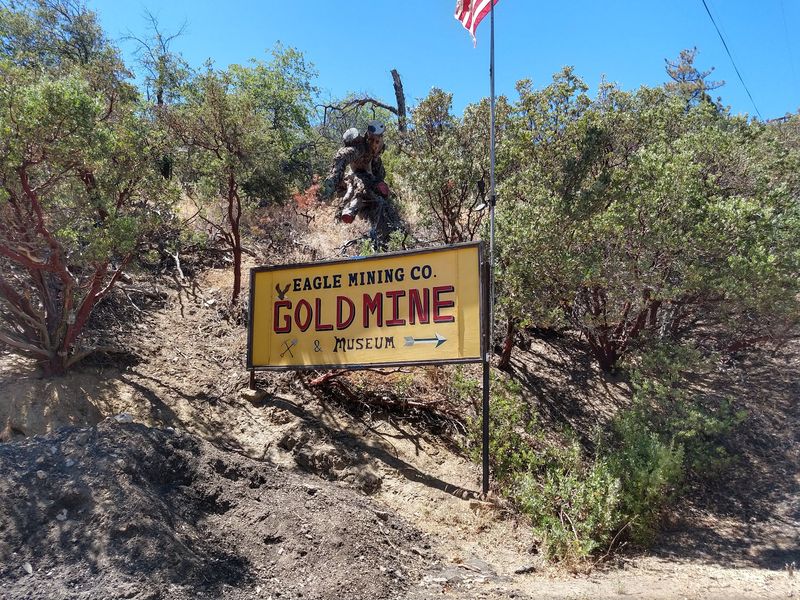
Eagle Mining Co. sits at 2320 C St, Julian, CA 92036, a short drive uphill from the downtown shops. The attraction is a historic gold mine offering guided tours, gold panning, and a shop full of rocks and souvenirs.
Getting there is simple. From Main Street downtown, turn onto C Street and follow the signs up the hill.
Plenty of people find it almost by accident. They come up for lunch, stroll the town, spot a sign about the mine, and decide to take a look.
That spontaneous detour has a way of paying off. For many families, the mine ends up being the part of the Julian trip they talk about on the drive home.
It is close enough to pair with a walk through town, yet it feels like a world apart once the tunnel swallows you up.
Echoes of the 1870s
Gold changed Julian almost overnight in the 1870s, and this mine is one of the places where that story is still physically intact.
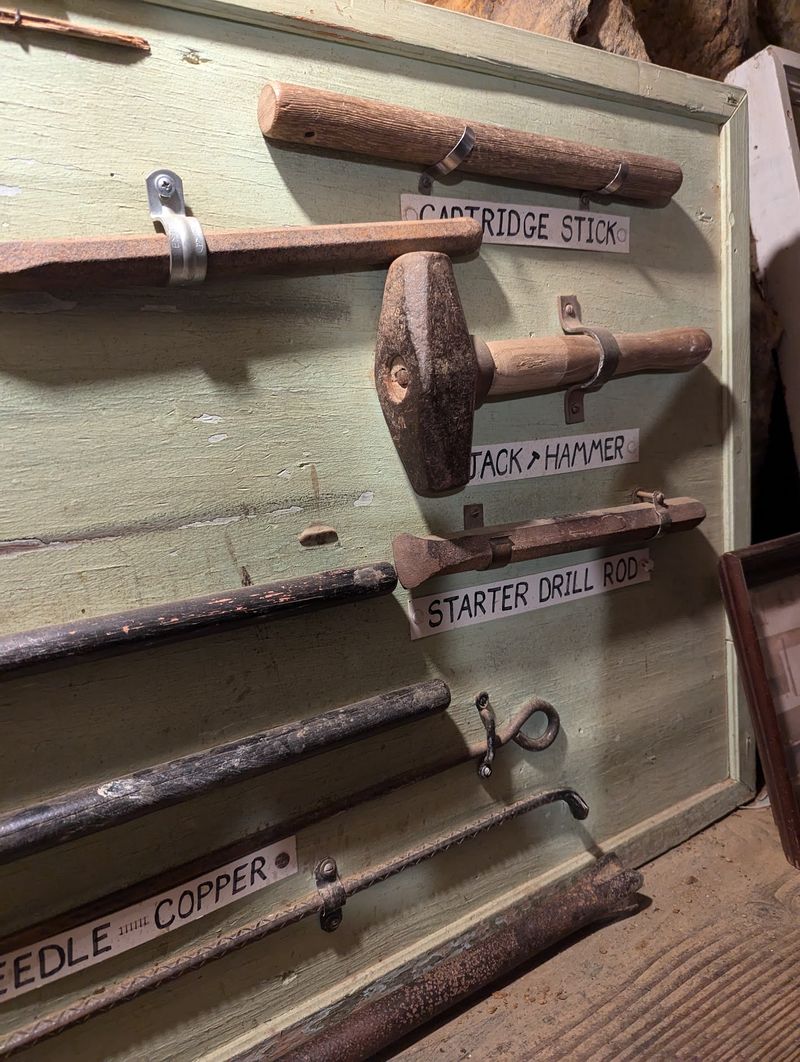
Tours here focus on how mining actually worked during that era. Guides explain the working conditions miners faced, the tools they relied on, and the long hours spent chipping away at rock in hopes of finding a vein.
The history lesson does not stop at the tunnel walls. Guides also weave in the story of Julian itself, showing how the town grew around the hunt for gold.
That combination makes the tour useful for anyone curious about why a small mountain community exists where it does.
History buffs will appreciate the detail. Kids tend to appreciate that the history comes with stories rather than a lecture.
Either way, you leave with a far clearer idea of what the Gold Rush meant for this corner of California.
Into the Eagle and High Peak Tunnels
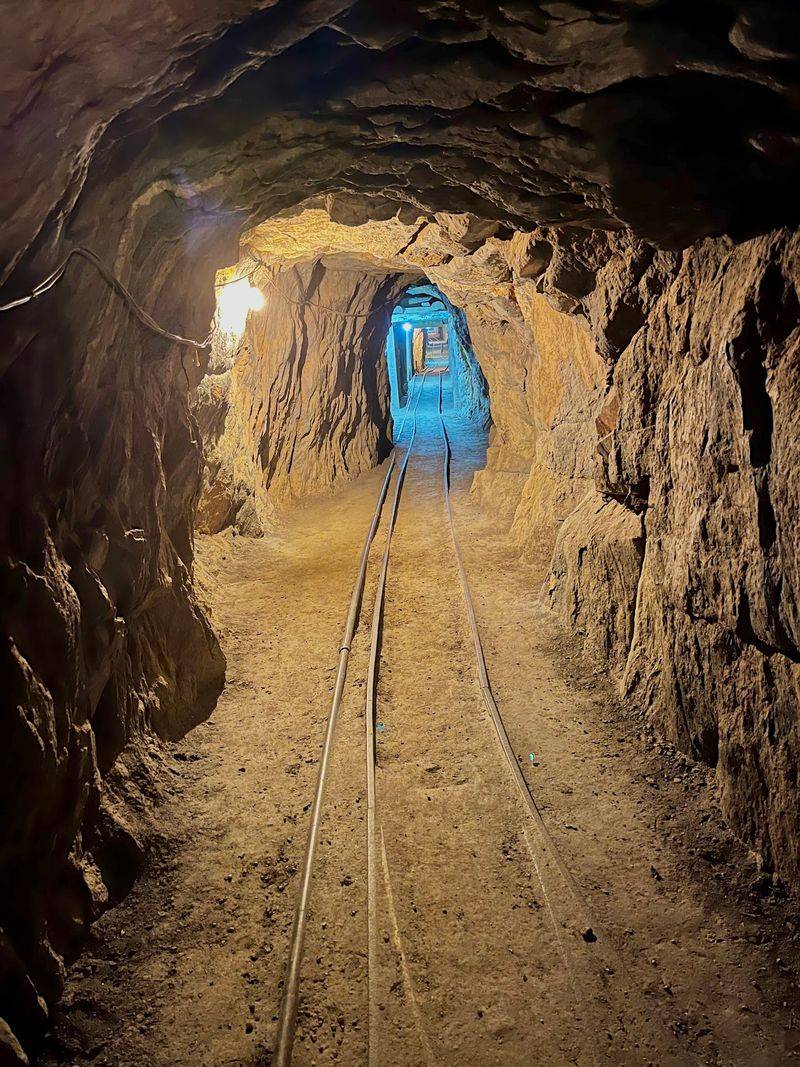
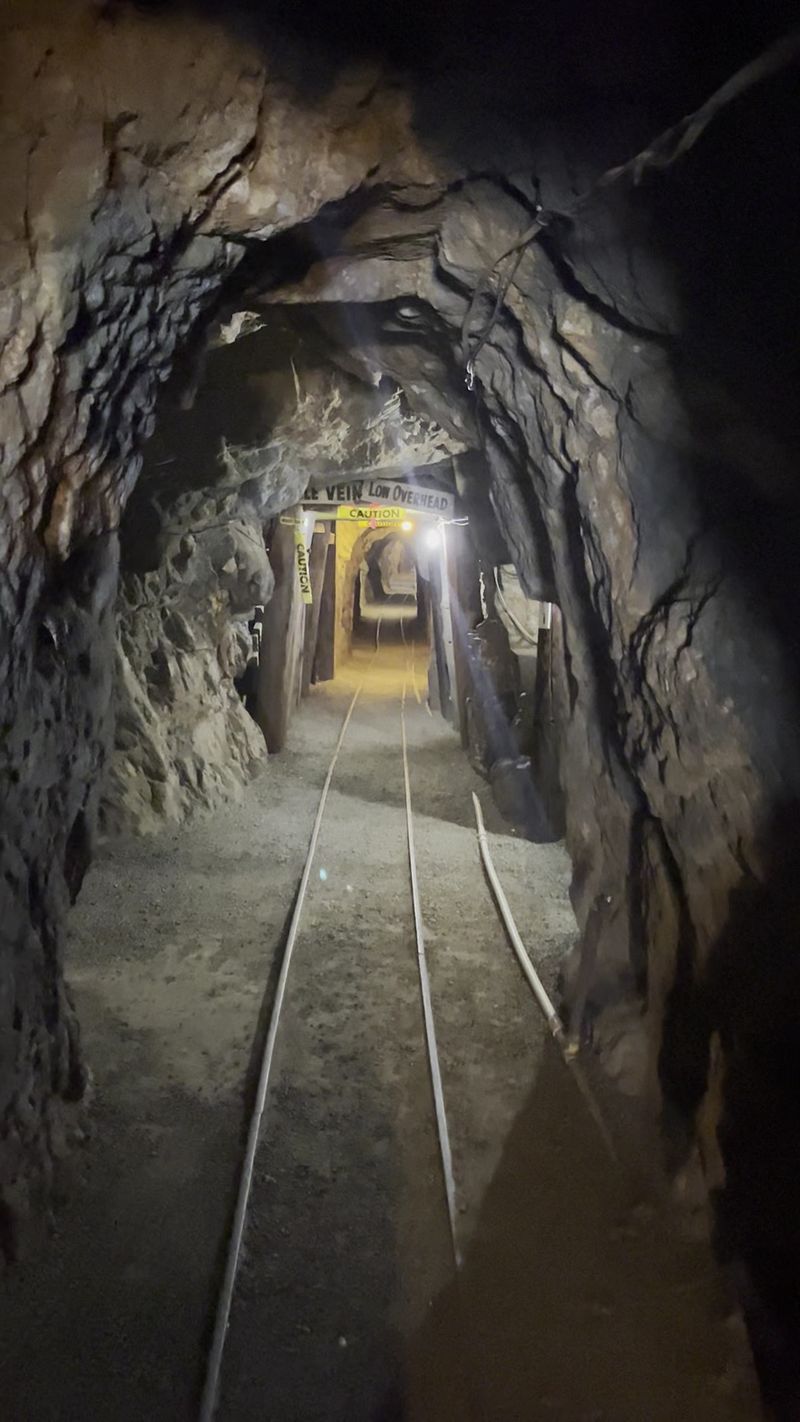
Roughly 1,000 feet of tunnel waits underground, linking the Eagle and High Peak Mines into one connected route.
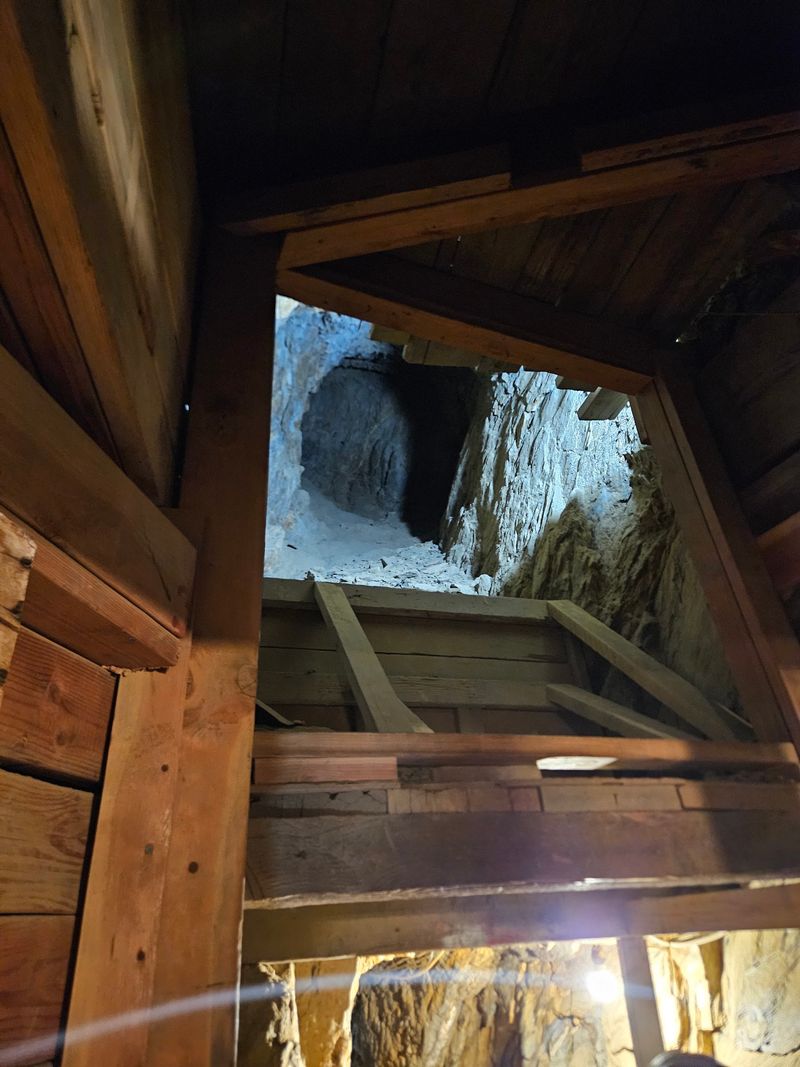
The passages are lit, so you can actually see the rock, timbers, and old equipment along the way. Several side shoots, shafts, and chimneys branch off the main tunnel, and guides point them out as the group moves along.
The setting feels remarkably untouched. It looks as though the last shift simply set down their tools and walked out.
That authenticity is a big part of the appeal. This is not a recreated set or a theme park ride, but a real working mine preserved for curious guests.
Groups tend to be small, often around ten people, so the tunnels rarely feel crowded.
There is space to ask questions, look around, and take in just how much effort went into carving these passages by hand.
Mind Your Head Down There
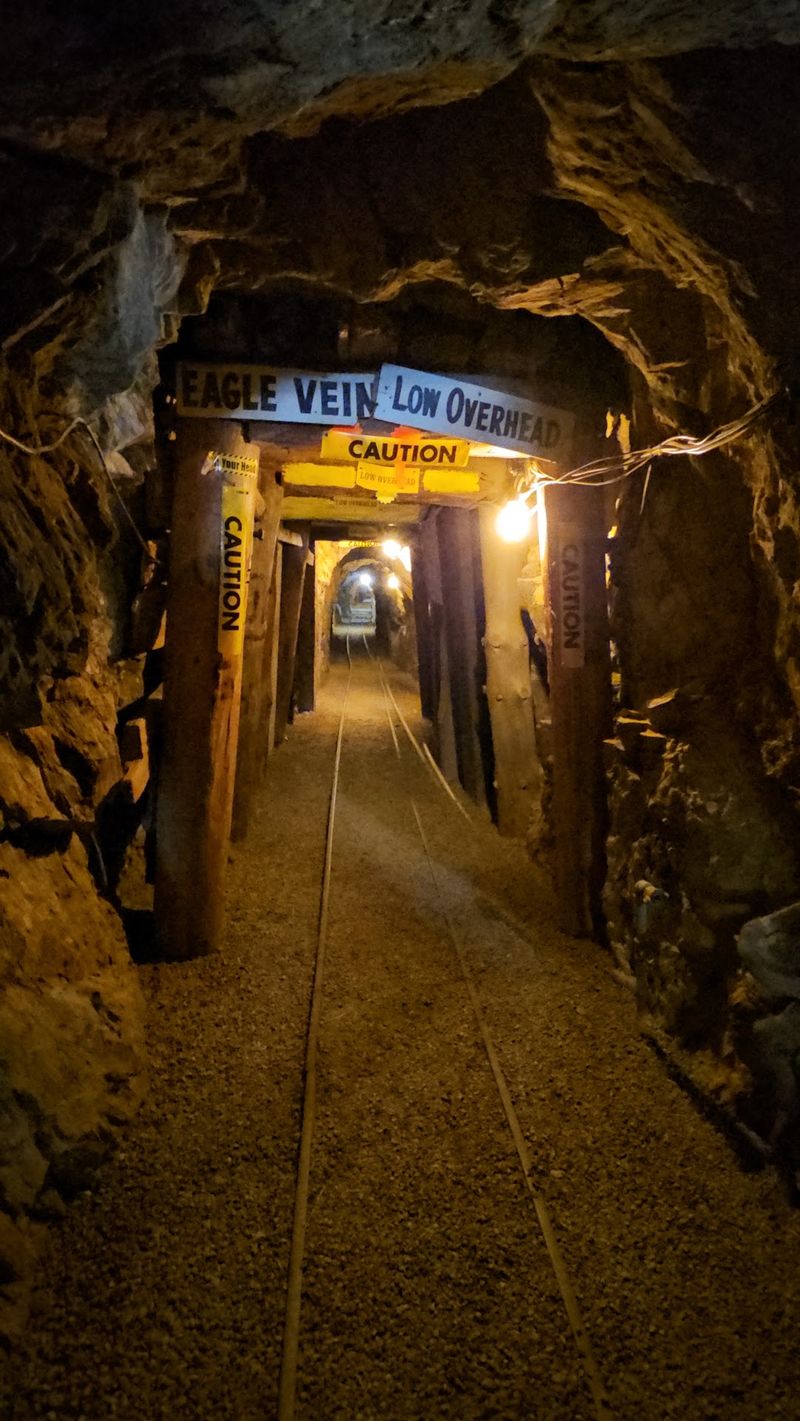
Tall travelers, consider this your friendly warning.
Ceilings in parts of the tunnel are low. Someone who stands six foot four will spend much of the walk in a crouch, with only a few spots high enough to stand upright.
Average-height folks have an easier time, though a bit of ducking is part of the deal.
Temperatures inside stay cool, but not uncomfortably so. Many people find a jacket unnecessary, though a light layer never hurts for those who chill easily.
Comfortable shoes are a smart call too. You are walking on real mine floors, not polished pavement.
None of this scares people away. If anything, the low beams and narrow passages make the experience feel more authentic, and they give you a whole new respect for the miners who spent full days hunched over down here.
Panning for the Real Thing
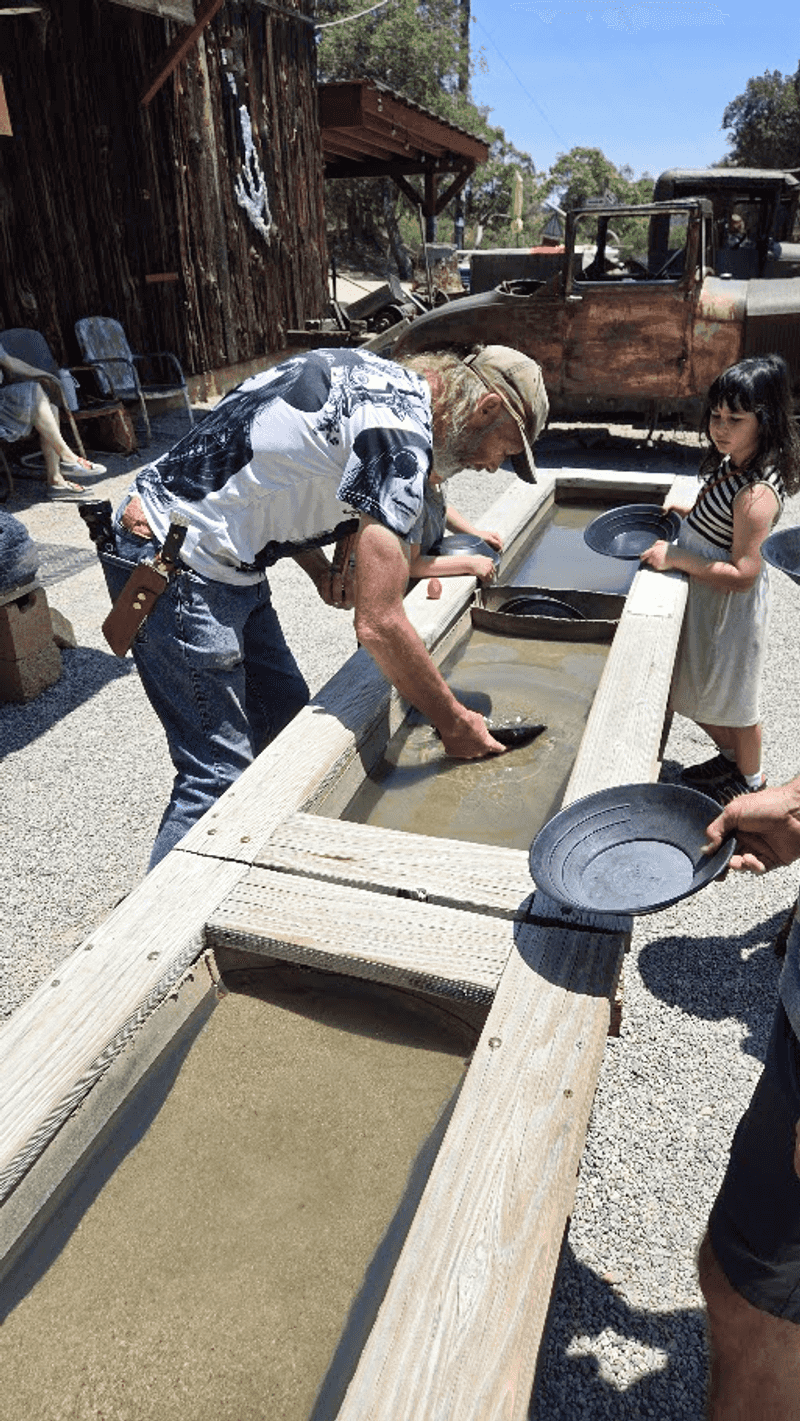
Here is the twist that surprises newcomers: the gold in the panning troughs is real.
Old horse troughs are filled with sand mixed with small chunks of genuine gold. Guides teach the traditional panning technique, then let everyone try their hand.
The troughs are generous. A practiced panner can turn up several small flakes in a single pan.
Before anyone starts planning an early retirement, there is a catch. The panning is for training only, so the gold goes back into the trough when you are done.
Still, it is a thrill to see the flakes settle at the bottom of the pan. Gold panning comes up more than almost anything else when people describe their time here.
Some hobbyists even bring their own pans to practice on real gold, which says a lot about how useful the setup is.
Guides Worth Their Weight in Gold
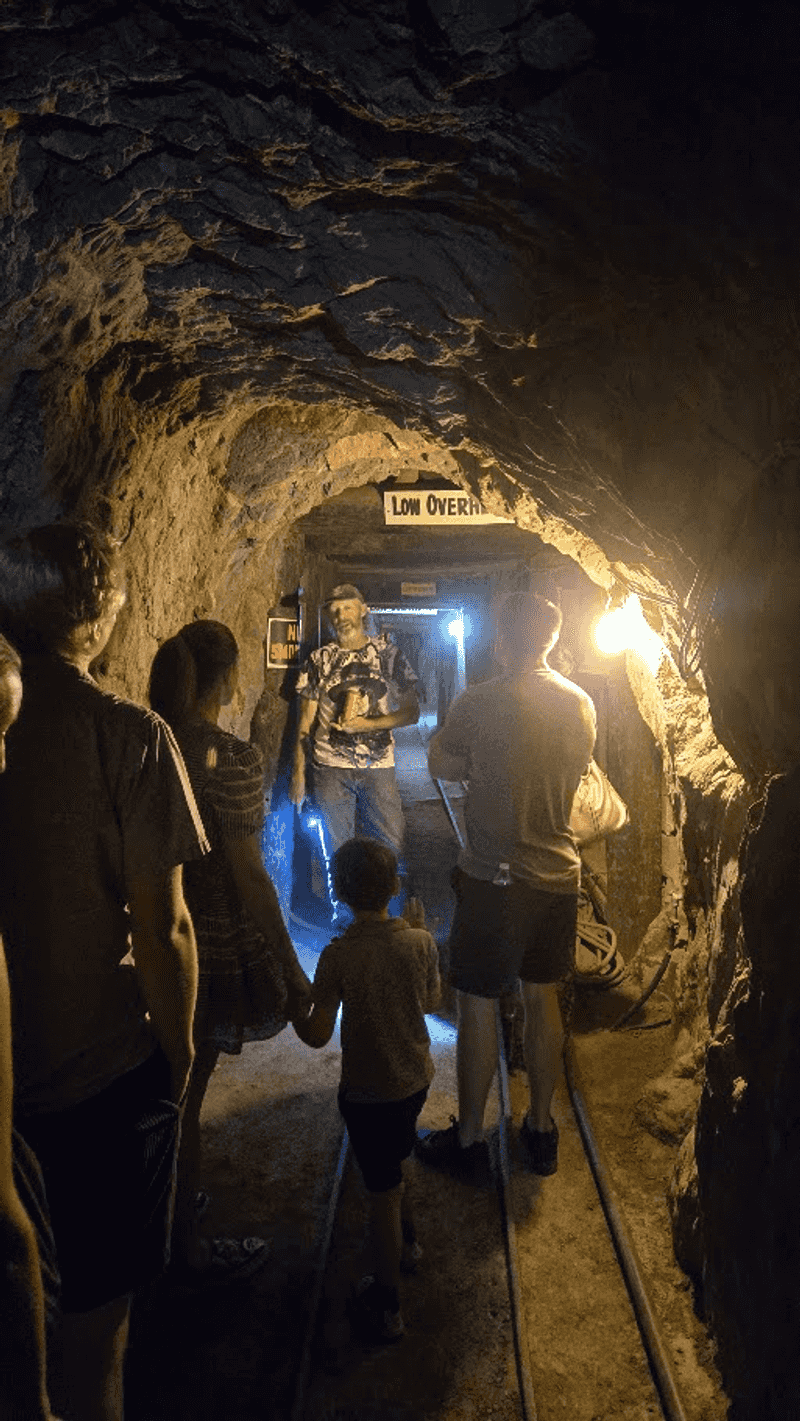
A mine is just a hole in a hill until someone tells its story, and the guides here are very good at telling it.
Knowledgeable guides come up again and again when people talk about this place. Names like Rick and John show up often, praised for humor, clear speaking, and patience with every question.
The tone tends to be relaxed and enthusiastic. Guides share fun facts, colorful stories from the mining era, and plenty of detail about Julian.
Groups never feel rushed. Guides also pay attention to safety, so people feel comfortable even in tight spaces.
One guide earned the description of being a gold mine of information, which is about the best compliment possible in this setting.
A friendly reminder that regulars like to pass along: tipping your guide is a nice way to say thanks for a great hour underground.
An Hour Well Spent
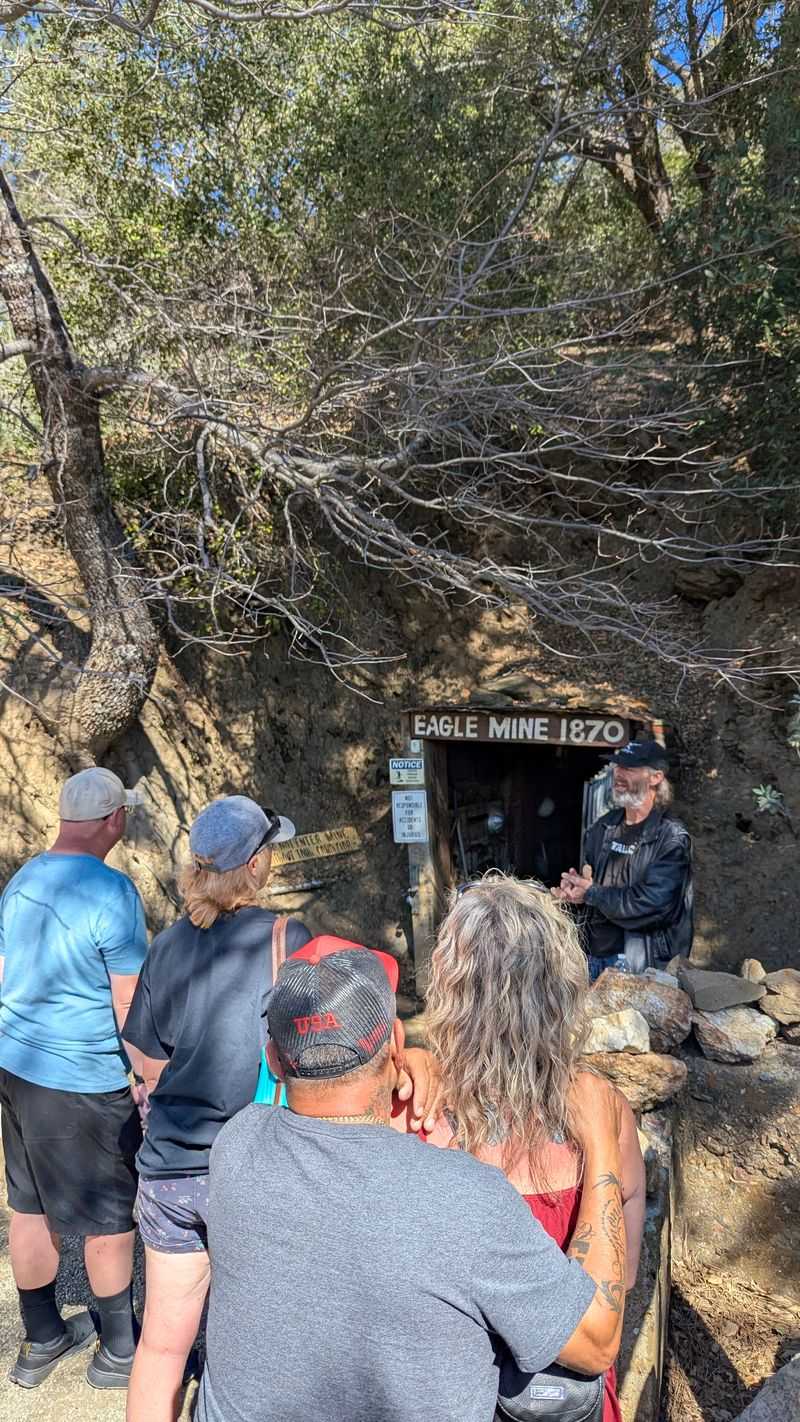
Short on time? Good news, this tour fits neatly into a busy day.
Most tours run close to an hour, including the gold panning portion. Some groups finish in around 35 to 40 minutes, depending on group size and how many questions come up.
Tours often start soon after you arrive. People who show up in the early afternoon have found themselves heading into the tunnels right away.
That flexibility makes the mine easy to pair with lunch downtown or an afternoon of browsing Julian shops.
Even late arrivals have been treated kindly. Staff have let latecomers go in on a self-guided basis and catch up with a group already underway.
Since schedules can shift, arriving with time to spare before closing is still the safest plan.
Paws Welcome, With a Ladder Caveat
Dog owners rarely get to bring their pups underground, which makes this mine a rare find.
The tour is dog friendly, even inside the tunnels. Many guests love being able to share the experience with their four-legged companions.
There is one important detail to know first. Part of the route includes what is essentially a ladder rather than a staircase.
Small dogs can usually be carried without much trouble. Large or older dogs present a bigger challenge, since an 80-pound pup is a lot to haul up a ladder.
Staff are accommodating and will talk through options. Still, owners of bigger dogs should think ahead before committing to the full route.
A little planning keeps the outing fun for everyone, tails included.
Kindness at Your Own Pace
Not everyone takes to tunnels easily, and the staff here seem to understand that well.
Self-guided options have been offered to people who need to move at their own speed. Someone working through claustrophobia was allowed to explore without pressure and still learned the mine history and panned for gold.
Guides have also shown real patience with guests who walk slowly or have mobility issues.
Groups often mix all ages and backgrounds. A single tour might include international travelers, young children, and retirees side by side.
The family-owned operation clearly takes pride in its work. That shows in the friendly, welcoming attitude that comes up so often among guests.
Thoughtful touches like these turn a simple attraction into a place people genuinely want to recommend.
Rocks, Minerals, and Small Treasures
Back above ground, the treasure hunt continues in the shop.
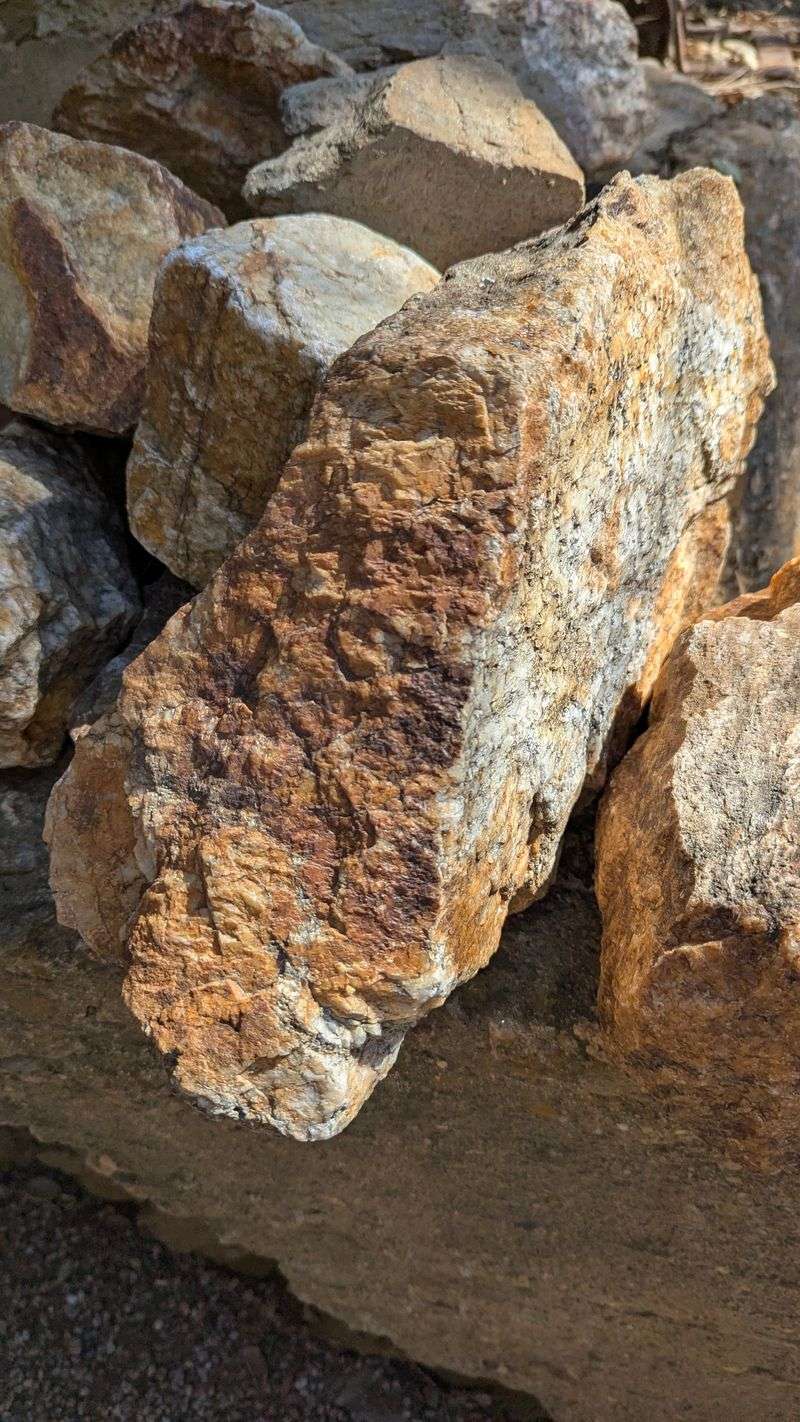
Shelves hold a wide range of rock specimens, rare minerals, and items aimed at children. Snacks are available too, which comes in handy after an hour of crouching through tunnels.
Collectors will find plenty to browse. Young geologists may need a little budget supervision.
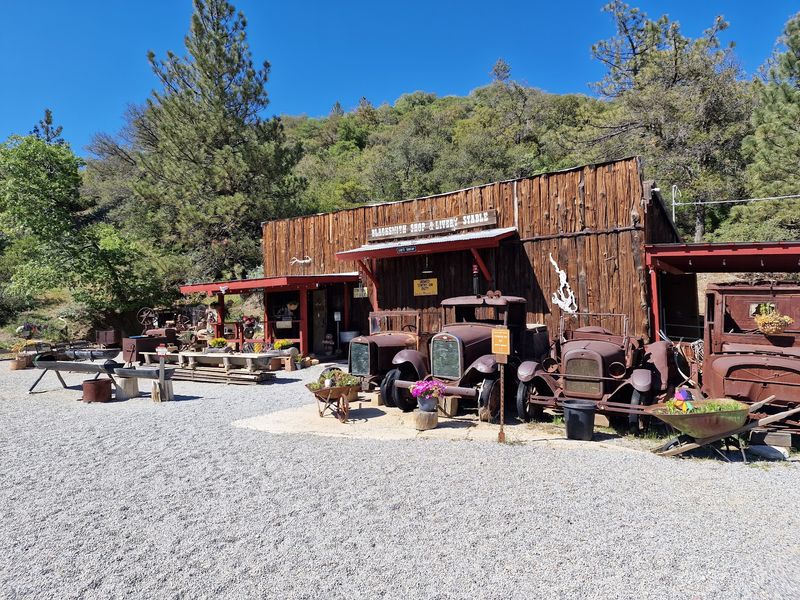
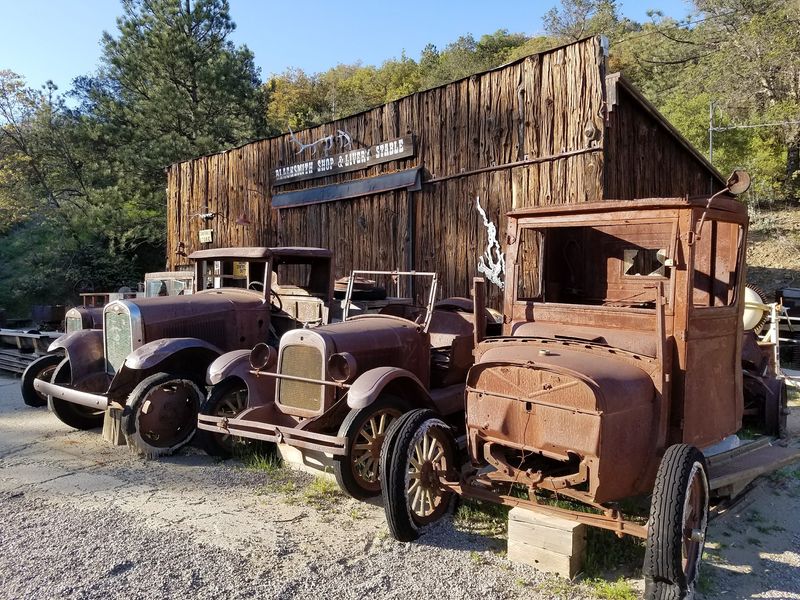
The grounds also include a small museum and a picnic area. Both make it easy to linger after the tour ends.
On weekends, grilled food is sold on site, so a visit can stretch into a relaxed meal outdoors.
A souvenir from here feels more meaningful than a typical keychain. It comes from a place where people really did search the hills for fortune.
Surprises Beneath the Surface
Every tour follows the same tunnels, yet no two seem to unfold quite the same way.
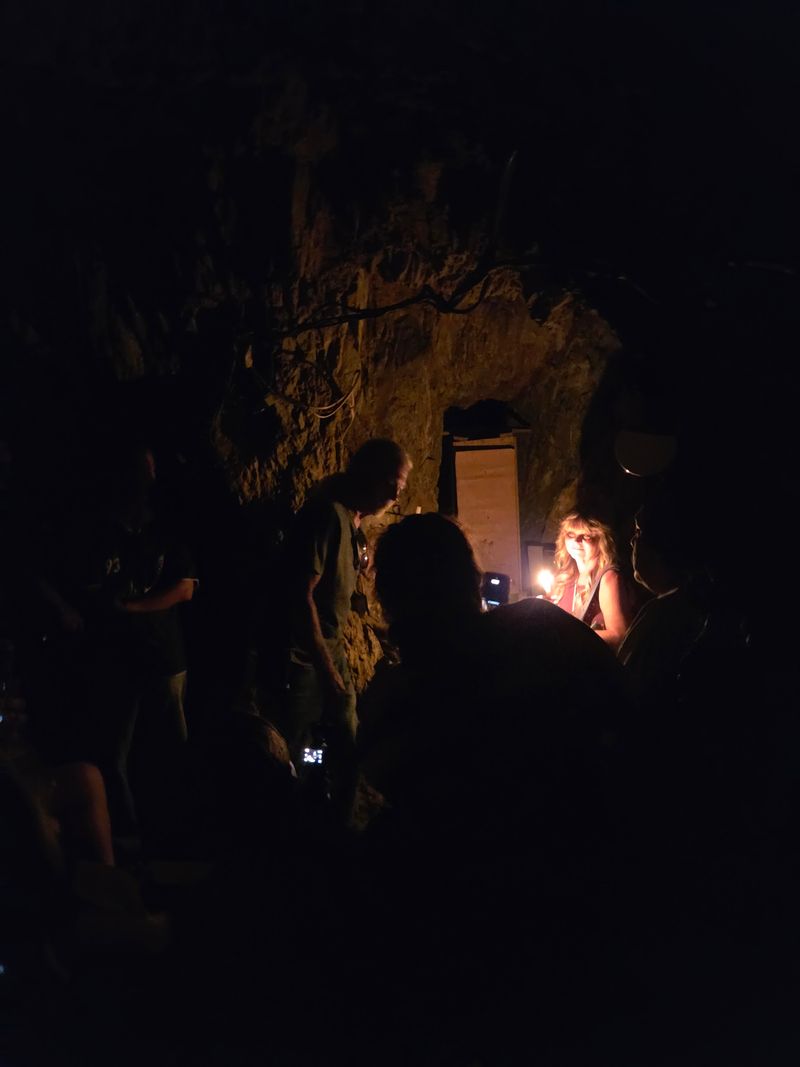
During one windy day, the power went out. Staff handed out flashlights and led the group through the mine in the dark, which turned an ordinary tour into a memorable adventure.
That kind of adaptability fits the spirit of the place. The crew works with conditions rather than canceling at the first hiccup.
Group makeup also changes the feel. Some tours are quiet and studious, while others fill up with curious kids and nonstop questions.
Guides adjust their storytelling to match. A history lover might get extra detail, while a younger crowd gets more fun facts.
It is one reason locals bring out-of-town guests again and again.
Hours, Admission, and Planning Tips
Good news for flexible planners: the mine keeps a consistent schedule.
Eagle Mining Co. is open every day of the week from 10 am to 5 pm. That makes it an easy add-on for weekday trips and weekend escapes alike.
Tours have run about $20 per person. Prices can change, so it is worth checking the official website before heading up the mountain.
Discounts have occasionally been offered to late arrivals, though that should not be counted on.
Arriving earlier in the day gives you the most breathing room. You can tour, pan, browse the shop, and still have time for downtown Julian.
Dress in layers, wear sturdy shoes, and bring a little cash for tipping your guide.
Why the Detour Pays Off
Some attractions try hard to recreate the past. This one simply opens the door and lets you walk in.
With a 4.6-star standing across more than 600 opinions, the mine has earned steady affection. Real tunnels, real gold flakes, and guides who love their subject make that easy to understand.
It works for families, history fans, dog owners, and anyone who wants something memorable that does not drain the wallet.
For roughly the cost of a casual lunch, you get an hour inside a piece of 1870s California.
Julian offers plenty of reasons to visit. The mine gives you a reason to understand the town, not just stroll through it.
Head up C Street, duck your head, and see what the Gold Rush really looked like. The treasure you take home will be the stories.


