
Affiliate disclosure: As an Amazon Associate I earn from qualifying purchases. Learn more
Some Arizona treasure hunts come with a price tag, a permit, and a long line. This one comes with a dirt road, a wide desert sky, and a ground scattered with fire agate.
Fire agate is a type of chalcedony that can show flashes of color, and people hunt for it like tiny buried rainbows. Out in the Gila Valley, there is a stretch of public land where anyone can pick up these stones for free and take them home.
No digging license is needed, and small kids can join in, because many pieces sit right on the surface. Keep reading to learn where this spot is, how to reach it, where the bigger stones hide, and what to pack so a fun day stays a safe one.
A Free Gem Field Outside Safford
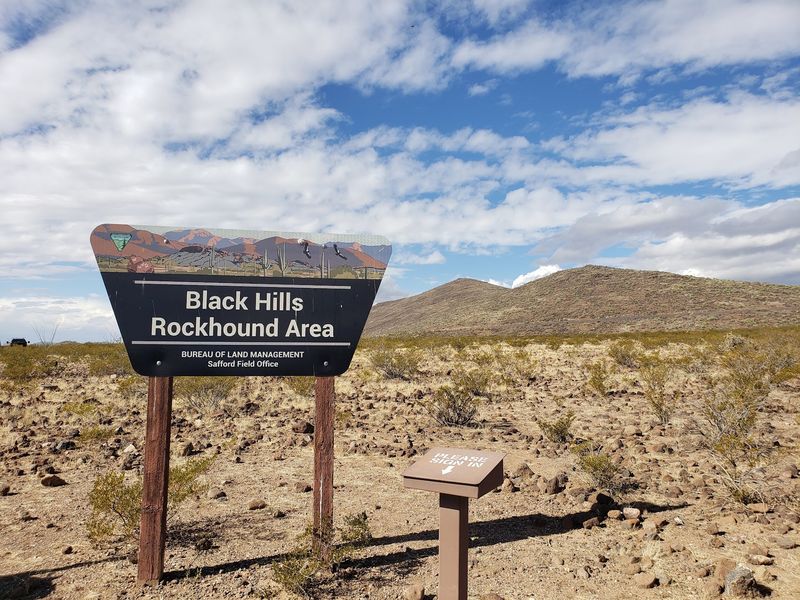
Few places in Arizona hand out souvenirs straight from the ground. The Black Hills Rockhound Area does exactly that.
The site sits in Safford, AZ 85546, in southeastern Arizona, United States. It is managed by the Bureau of Land Management, and it is listed as a hiking area that stays open 24 hours a day, every day of the week.
The main draw is fire agate, a stone that can show red, orange, green, and other flashes of color when it is cleaned and polished. Agates and chalcedony turn up across the slopes, the washes, and even the edges of the road.
Best of all, rock collecting here does not require a permit. You find it, you keep it, within normal BLM rules for personal collecting.
The area has built a strong following among Arizona rockhounds, holding a 4.5 star average from close to 180 opinions. Many people call it worth the trip, and plenty come back more than once.
So what makes a patch of rocky desert this popular? The answer starts with the drive in.
Two Miles of Dirt Off Highway 191
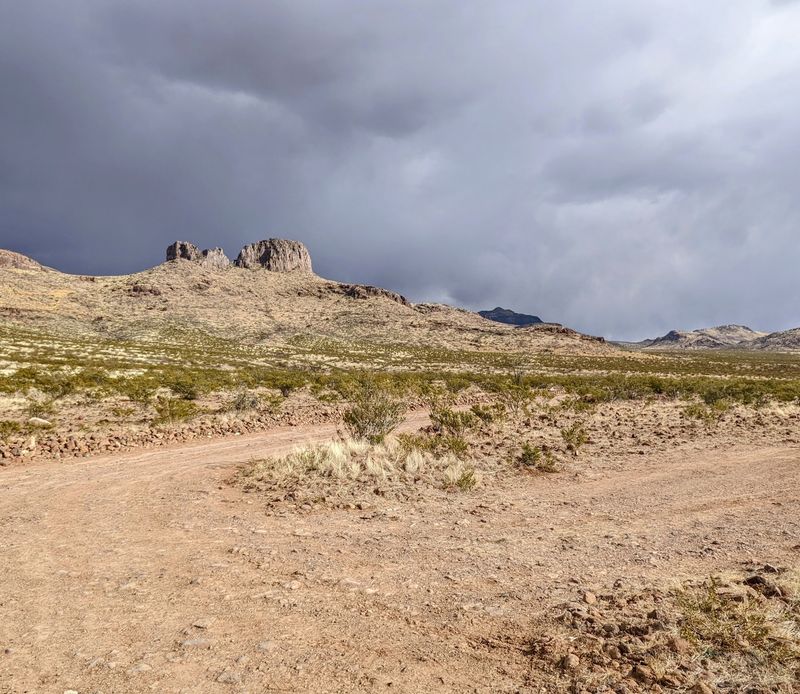
Getting there is half the adventure, and it is a short half. The rockhound area sits about two miles off U.S.
Highway 191, and the highway itself is a pleasant drive.
Here is a tip that comes up again and again. If you are traveling up 191, many people suggest skipping the first entrance and using the second one, roughly a mile farther down the road.
Both entrances are clearly marked.
Once past the gate, the road turns to dirt. It is rough and rutted in places, so slow and steady wins this race.
Plenty of standard cars have made it, including small SUVs, a Chevy Traverse full of passengers, and even an older Honda Civic driven very slowly. The last half mile or so has a rougher stretch that can test lower vehicles.
Pickups and high clearance SUVs handle the full road with fewer worries, and they can reach deeper parts of the trail. Sedans may struggle farther in.
A standard RV is a tougher call on these ruts. Smaller rigs and careful drivers tend to do best, which brings up the question of where to park once you arrive.
Agates Right by the Parking Area
Some treasure hunts require maps and shovels. Here, many people find agates within steps of their car door.
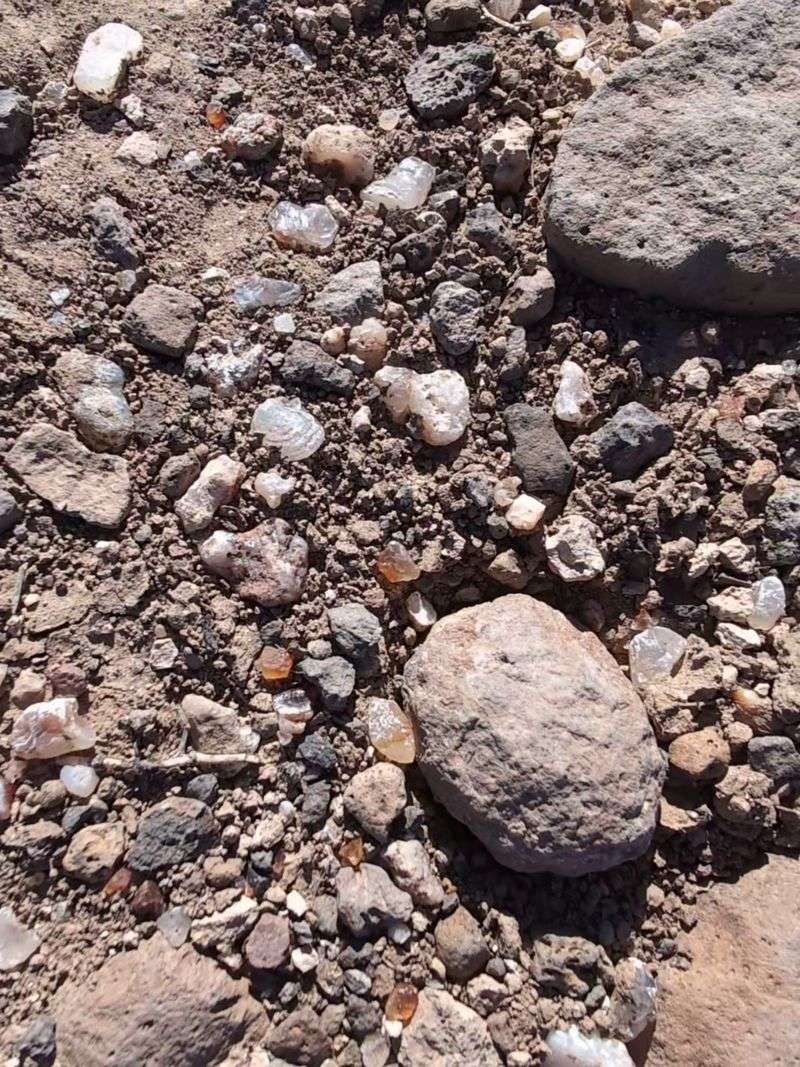
Small fire agate pieces are scattered around the main parking area and along the road. The road edges are especially productive, since the berms left by road blading turn up fresh material.
Most surface finds are small, often pebble sized or about the size of a fingernail. Even so, many of these little pieces carry lovely color.
One family filled a large zip lock bag with small pieces for a rock tumbler. That kind of haul is common for a few relaxed hours.
The ground around the main area is fairly flat, which makes it friendly for small children and for people with limited mobility. Folks with arthritis have described the trail as doable.
A clever trick involves small animal burrows. Critters push stones out as they dig, so the loose dirt near burrows can hold surprises.
Small finds are fun, but bigger stones are out there too. They just ask for a little more effort.
Where the Bigger Stones Hide
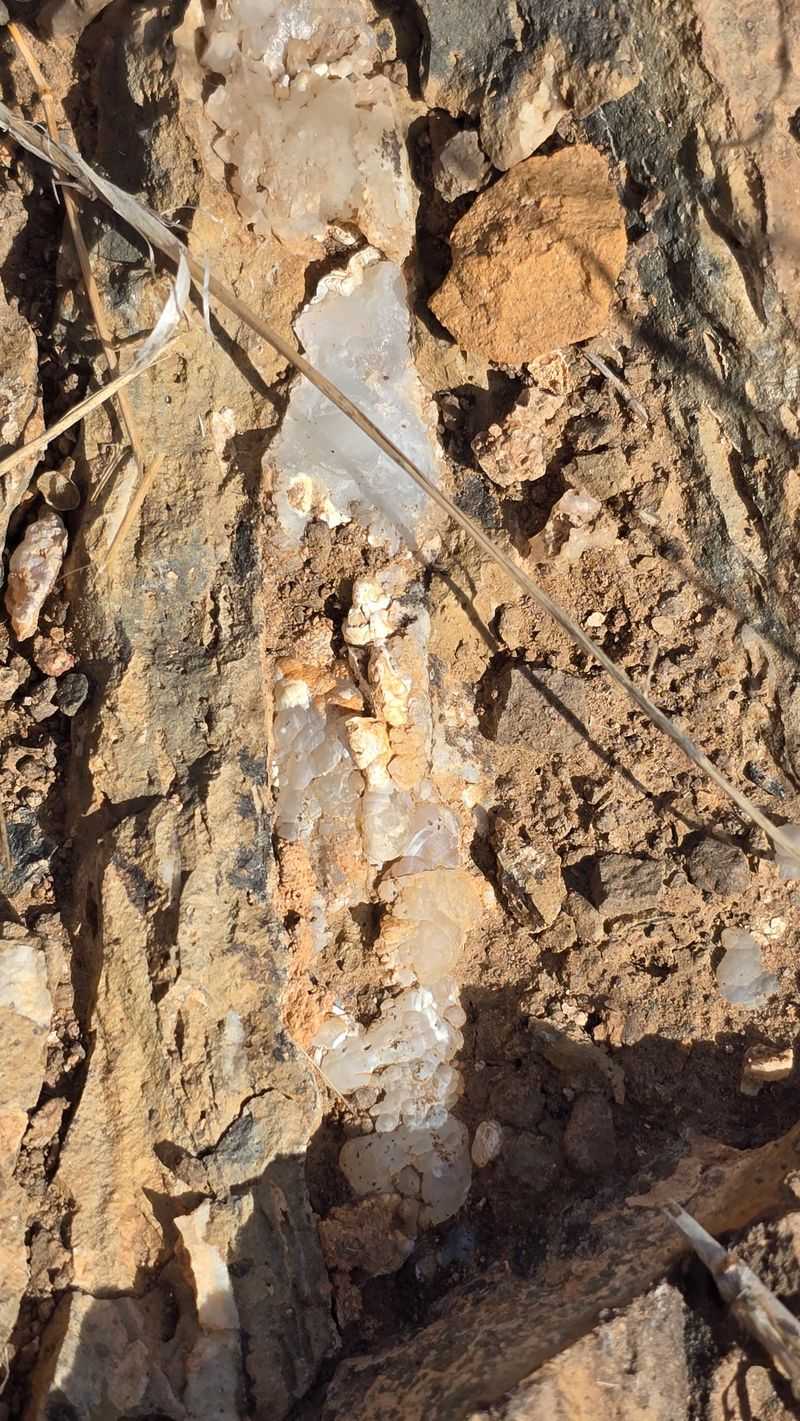
Golf ball sized agates, and even a few as large as a lemon, have come out of these hills. They rarely sit by the parking spots, though.
The near areas get picked over, so finding larger pieces usually means wandering farther. Several hunters point to the closest hill on the east side of the road as a good place to start.
The canyon area deeper along the trail is another favorite, with palm sized finds reported there. A small ravine down the hill, past where the dirt road continues, has spots where agate and quartz are still embedded in rock.
Bringing hand tools helps in that embedded zone. Light digging also pays off, since many bigger pieces lie partly buried.
Heavy rain can uncover new material, so a visit after a storm may improve the odds. Looking under thorny plants is another savvy move, since many people avoid those spots.
Being a bit of a billy goat helps on the slopes. A little extra climbing can turn a bag of pebbles into a real showpiece.
Fire Agate, Chalcedony, and Quartz Explained
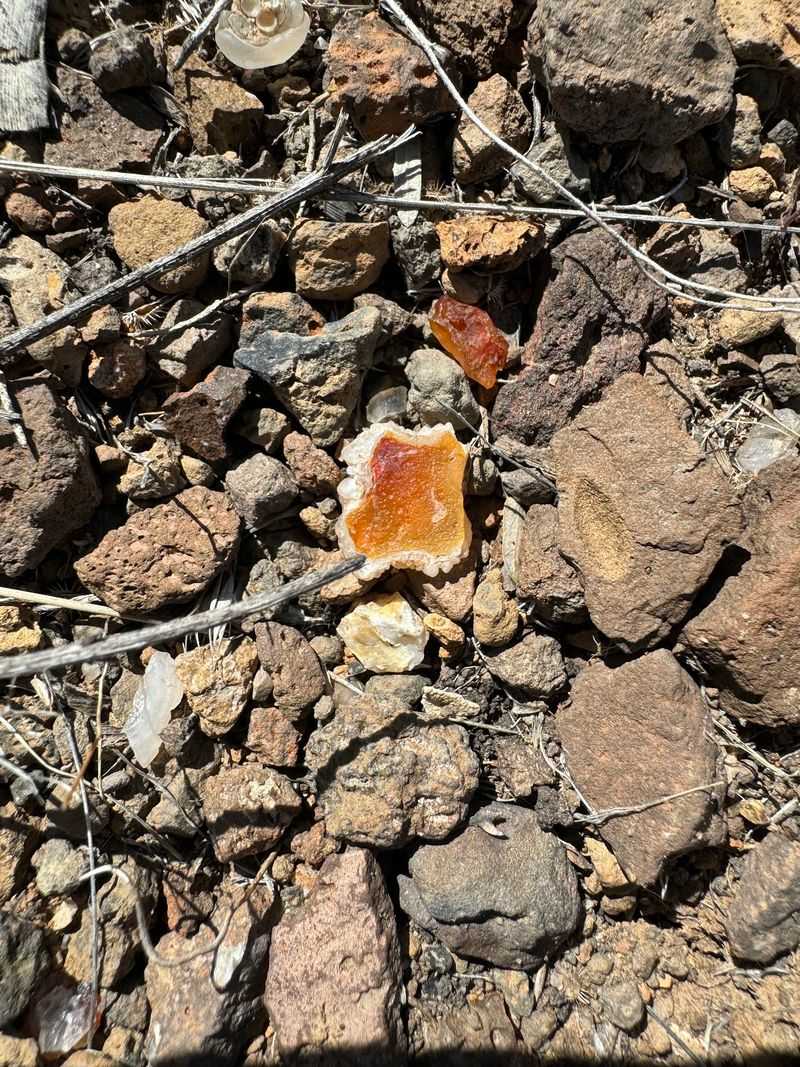
Not every shiny stone is a fire agate, and new hunters often learn that the fun way.
Fire agate is a form of chalcedony. Its colorful flashes come from thin layers inside the stone, and those colors often show best after cleaning or polishing.
At the Black Hills, much of the material is clear or white. Some pieces carry red and orange tones, and those are the ones collectors get excited about.
Quartz is plentiful here too, so mix-ups happen. One newcomer admitted to being unsure whether any finds were agate or just quartz, yet still loved the outing.
Here is a fun bonus. A few pieces collected here glow under a black light, so bringing a UV flashlight can add a second round of discovery back at camp.
Many hunters gather a pile, then get choosy before leaving, since there is so much material to sort through. Keeping only the best pieces leaves more for the next family.
Knowing what to look for is step one. Knowing what else lives out here is step two.
Cactus Country and Quiet Desert Views
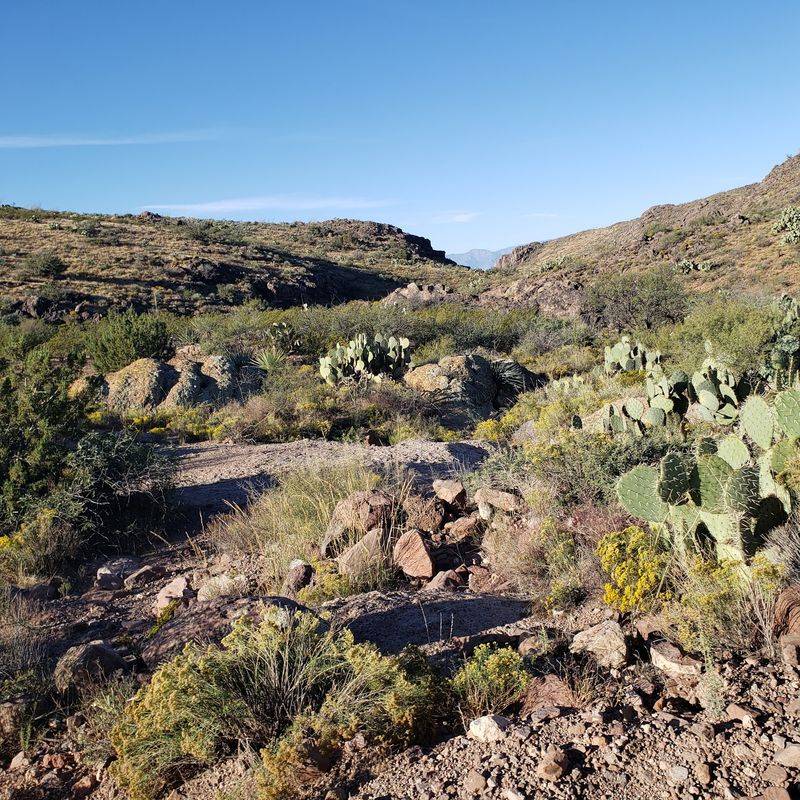
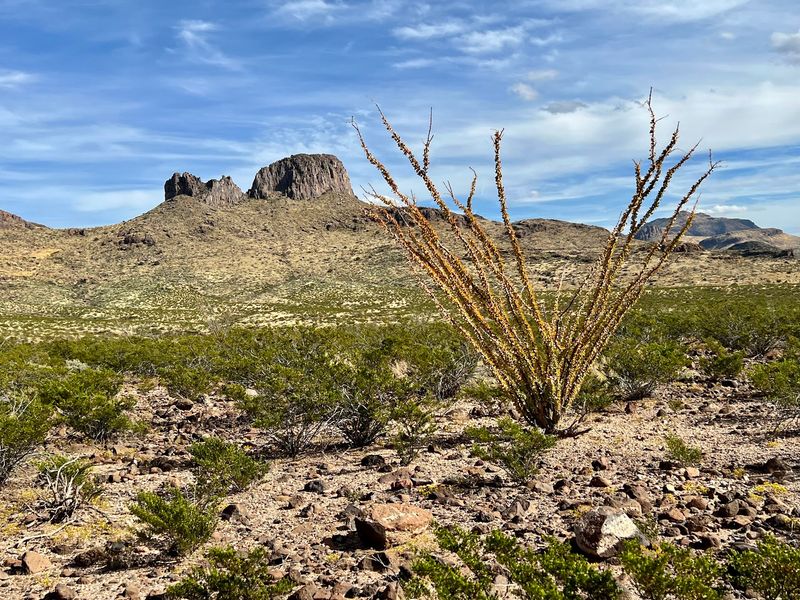
One person with a single cactus at home was stunned to find what seemed like millions of them here. That sums up the scenery pretty well.
The area is rocky desert, packed with cactus and lava stones. The views stretch across the valley, with Mt.
Graham standing out on the horizon.
Crowds are rarely a problem. On a busy day, a few other vehicles may be parked nearby, and many days are even quieter.
Even people with no interest in rocks enjoy the drive. The Black Hills Back Country Byway continues beyond the rockhound area, so the trip can easily stretch into a longer scenic outing.
Wildlife adds to the experience. Tarantulas cross paths with hunters now and then, and they tend to stroll right toward people, which is either charming or alarming depending on who you ask.
Snakes also live here, along with all that spiny plant life. Watching each step is just part of the routine.
The remote feel is a big part of the appeal. It also means planning matters, as the next section explains.
Free Camping Under a 14 Day Limit
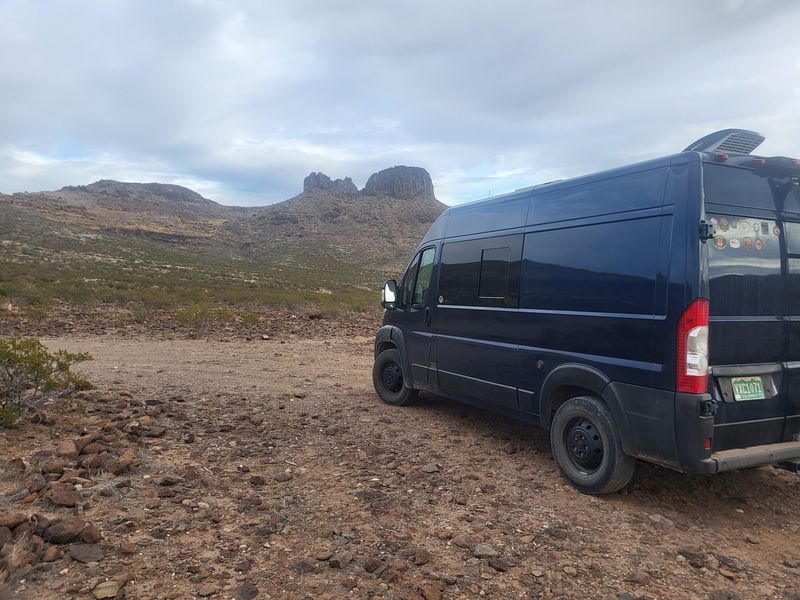
Why rush a free gem hunt when you can sleep next to it? Dispersed camping is allowed here at no cost, with a 14 day stay limit.
A large open area near the end of the road works well for parking and camping. Families have let their dogs run around there while others searched nearby.
Opinions differ a little on tents. Car and tent camping can work, but the ground is covered in lava stones, so clearing a flat spot takes real effort.
Vans, camper shells, converted buses, and smaller RVs tend to have an easier time. Big standard RVs face the rough road, so size matters here.
The setting suits people who enjoy boondocking. A few nights out here can feel like a true break from town life.
Like other dispersed BLM land in Arizona, campers who want to stay longer need to move on after the limit. Packing out everything you bring keeps the area welcoming.
Camping sorted, the last piece is a solid packing list.
Packing Smart and the Final Verdict
A good day here depends less on luck and more on what is in the trunk.
There are no restrooms, and cell service is spotty at best. Bring plenty of water, hats, and some form of shade, since the site is very remote.
Sturdy shoes help with cactus and rocky slopes. A small shovel or rock hammer, a few bags, and maybe a black light round out the kit.
Trash and broken glass show up in spots, so watch your tires. Picking up a little litter on the way out is a kind gesture.
The area stays open 24 hours, and there is no entry fee or collecting permit. Questions can go to the BLM through its official website.
Is it worth the drive? For families, beginners, and anyone who likes free finds, the answer leans yes.
Small colorful pieces are almost guaranteed, and bigger stones reward people willing to roam.
Some seasoned hunters prefer the nearby Round Mountain BLM area for larger finds. Still, the Black Hills offer an easy, quiet start, and a pocketful of Arizona color to take home.