
Affiliate disclosure: As an Amazon Associate I earn from qualifying purchases. Learn more
Some horses have manes so long they seem to belong in a storybook. On a quiet farm in Ocala, Florida, a whole herd of them lives under tall oak trees, along with fluffy donkeys, sturdy mules, and parrots that like to chat.
The farm owners tell a true story about how this rare breed first came to America, and people drive from far away just to hear it. Keep reading to learn what happens on the tour, what to pack in your bag, and why so many guests come back for a second visit.
A Horse Farm on 8th Avenue
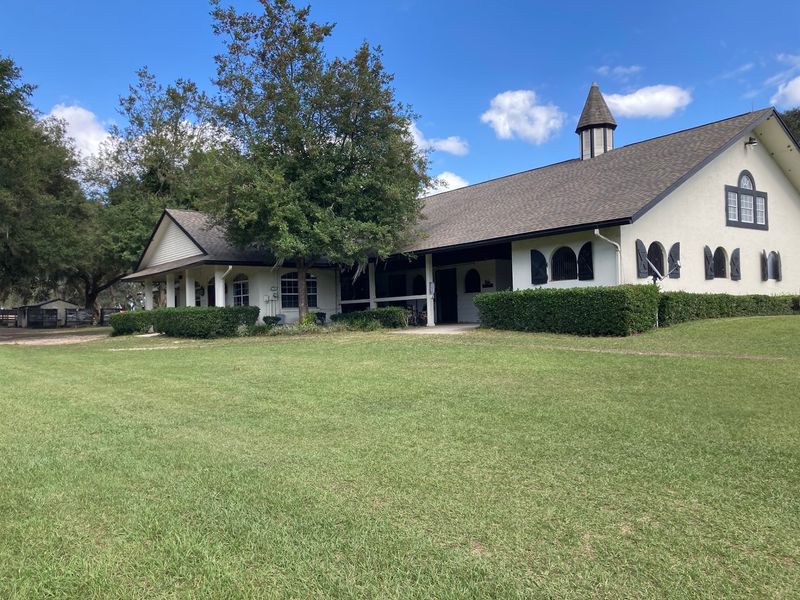
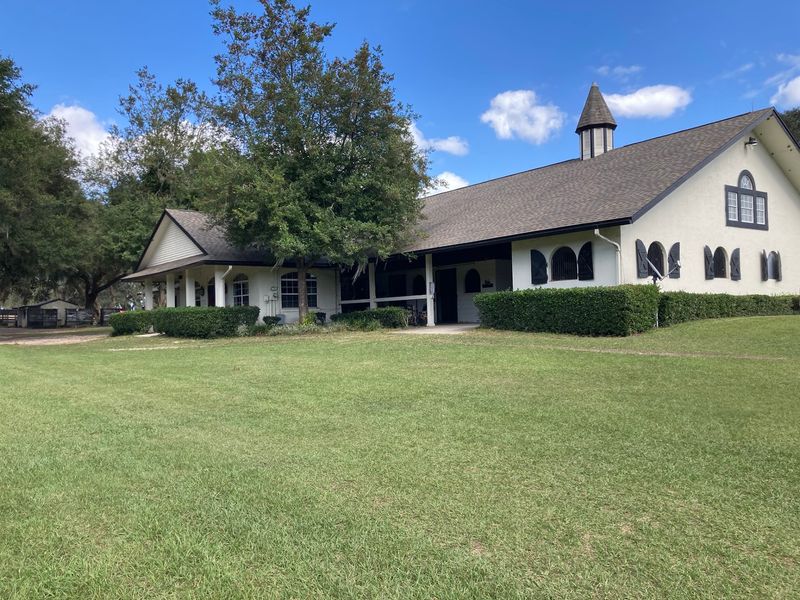
Ocala calls itself horse country, yet one farm here tells a story unlike any other in town. Gypsy Gold Horse Farm sits at 12501 8th Ave, Ocala, FL 34473, in north central Florida.
The farm is listed as a horse breeder, and its stars are Gypsy Vanner horses. These are the horses with long flowing manes and feathered legs that look like they stepped out of a picture book.
Guests come for guided tours that mix history lessons with time among the animals. The property covers about 40 acres, so there is plenty of room for horses, donkeys, mules, and a few surprise residents.
The place is family owned and run by Dennis and Erin Thompson. Erin’s sister Eileen also helps welcome guests, and a team member named Taylor has shared knowledge on tours in the past.
Tours are booked online through the farm website, which makes planning simple. It also has a strong local reputation, with a 4.9 star score across more than 500 public comments.
A small detail sets the tone early. Many people arrive expecting a quick look at pretty horses and leave talking about the story instead, which is exactly where this journey begins next.
The Story That Started in England
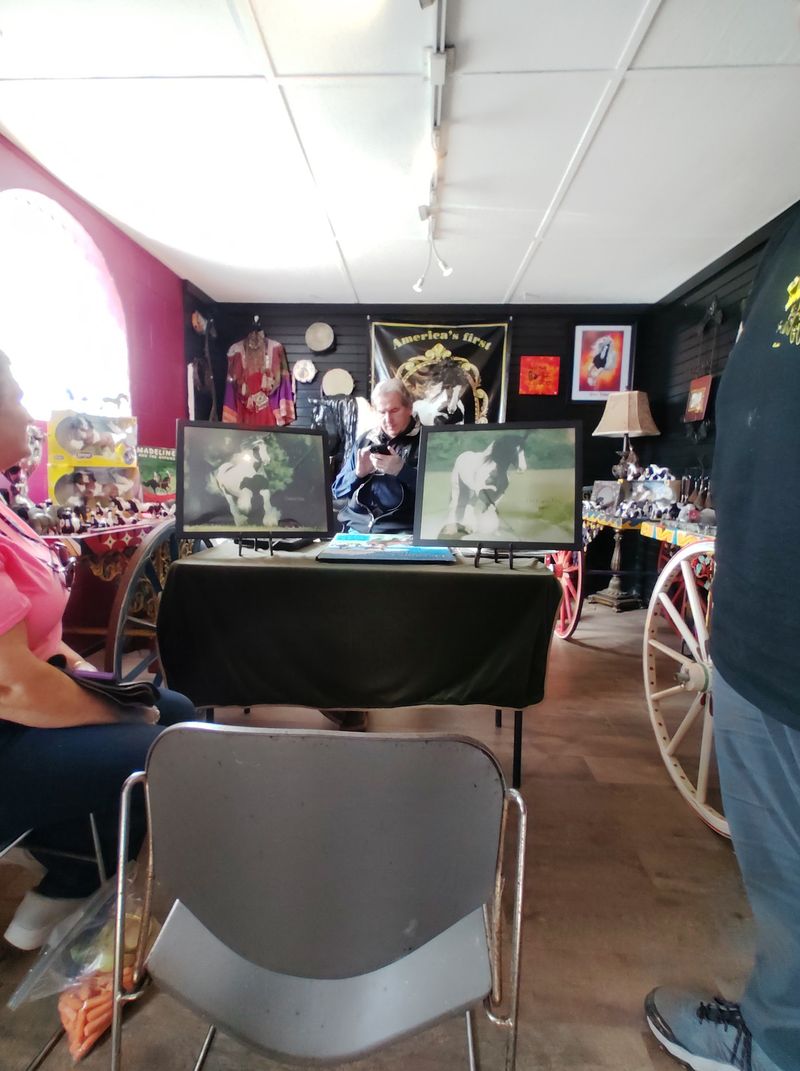
Long before Florida, there was England. That is where Dennis Thompson and his former wife first came to own a Gypsy horse, and that moment changed the course of his life.
The tour opens with this tale. Dennis explains how his love for animals began in his teenage years and how one horse led to a dream of bringing the breed to the United States.
Guests learn how these horses are tied to the traveling Romani people, sometimes called travelers. Their wagons needed strong, steady horses, and the breed grew from that need.
Dennis is known for telling the story with wit and charm. Many people say the history part feels like watching a movie, and some wish it lasted even longer.
The story also covers the people behind the farm, both past and present. It includes real challenges, which makes the success of the farm feel even more earned.
Fun fact: Gypsy Vanners were bred to pull caravans, so their calm and steady attitude was a job requirement. It shows up today in how easy they are to be around, as the next part of the tour proves.
Meet the Feathered-Leg Celebrities
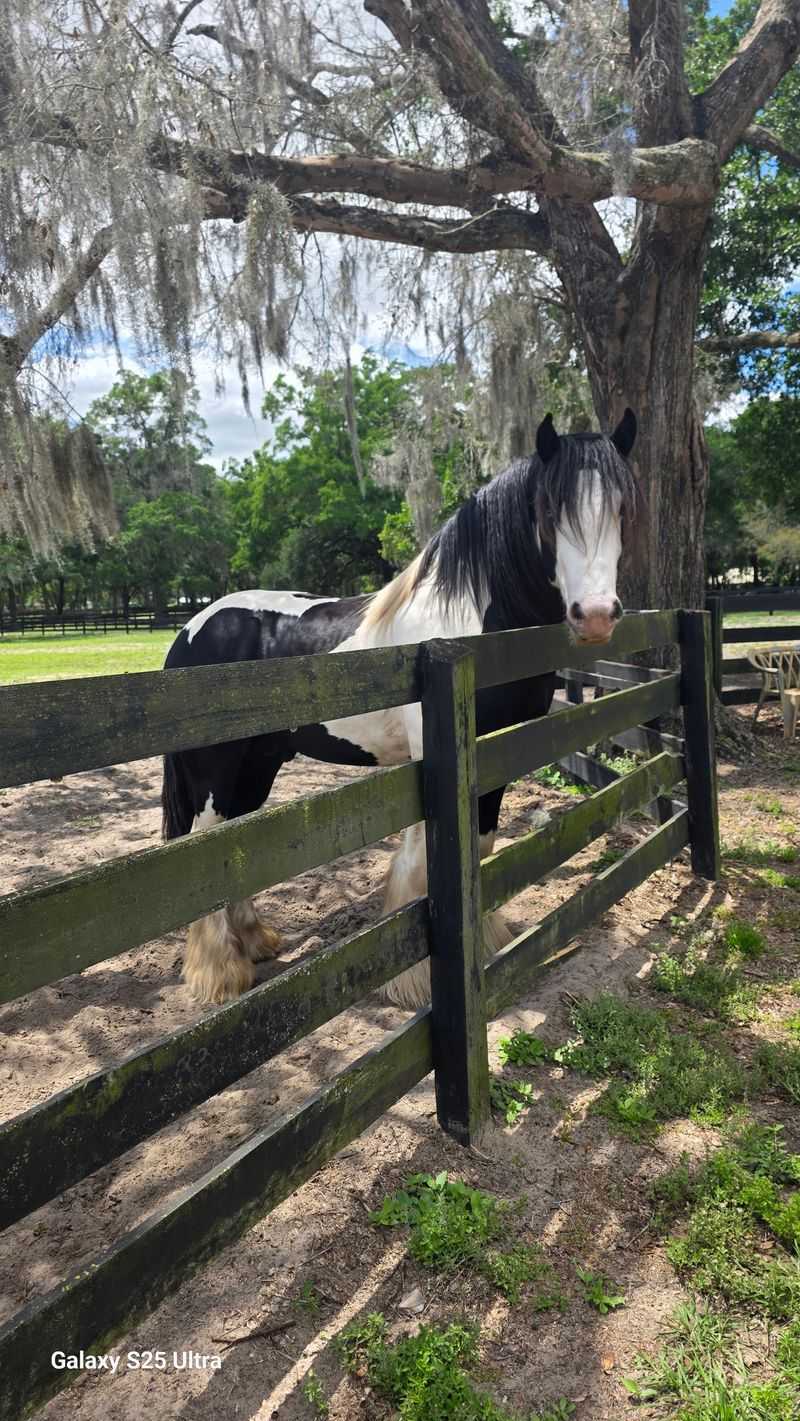
After story time comes the part everyone has been waiting for. The walking tour heads out across the property to meet the Gypsy Vanners face to face.
These horses are known for heavy manes, long tails, and the famous feathering on their lower legs. Many guests call them the most beautiful horses they have ever seen.
Looks are only half of it. The horses are friendly and calm, and they enjoy being petted by guests of all ages.
Each horse has its own background, and the owners share those stories as you walk from one to the next. It turns a simple meet and greet into something more personal.
The animals are clearly well cared for. People often mention how healthy and loved the herd appears.
Photographers have a field day here, even those who rarely pick up a camera. One tip that comes up often is that these horses are not common, so this may be your only chance to see so many in one place.
Of course, horses are not the only ones hoping for attention. A few long-eared friends are usually close behind.
Donkeys, Mules, and a Very Patient Sheep
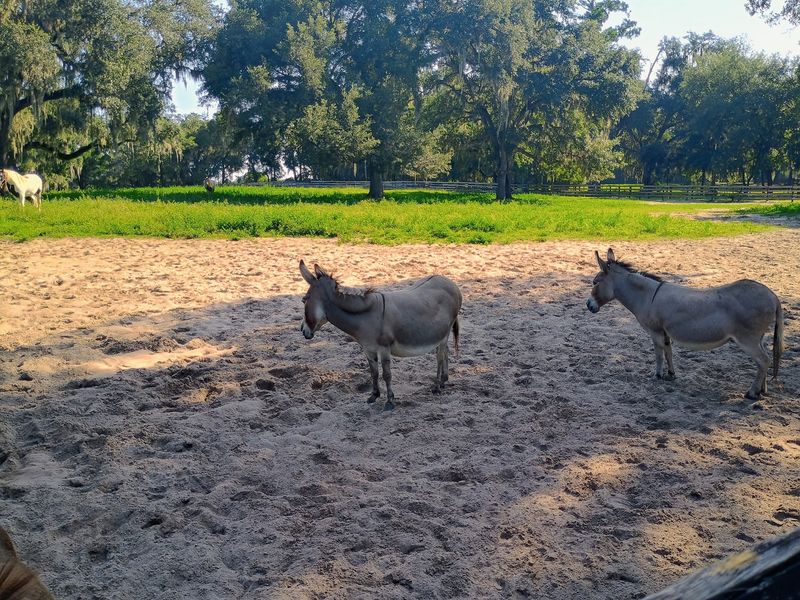
Nobody told the donkeys they were the supporting cast. On many tours, fluffy donkeys tag along the whole way, as curious as the guests.
The farm keeps a mix of long-eared residents. There are mini donkeys, mammoth donkeys, and mules, and each group has its own fan club.
Mules show up often in guest stories, and they enjoy treats just as much as the horses do. They are pettable and part of the full walking tour.
The miniature donkeys are a big draw too. Some guests have even planned return trips because they missed seeing them the first time.
Then there is the sheep. It lives among the horses and keeps them company, which is a sweet detail that kids tend to notice right away.
Having so many kinds of animals makes the visit feel like more than a horse tour. Families with children who are not yet horse lovers usually find a favorite somewhere in this group.
And if the donkeys are the comedians on the ground, the farm has another set of entertainers waiting near the stables.
Talking Parrots Behind the Stables
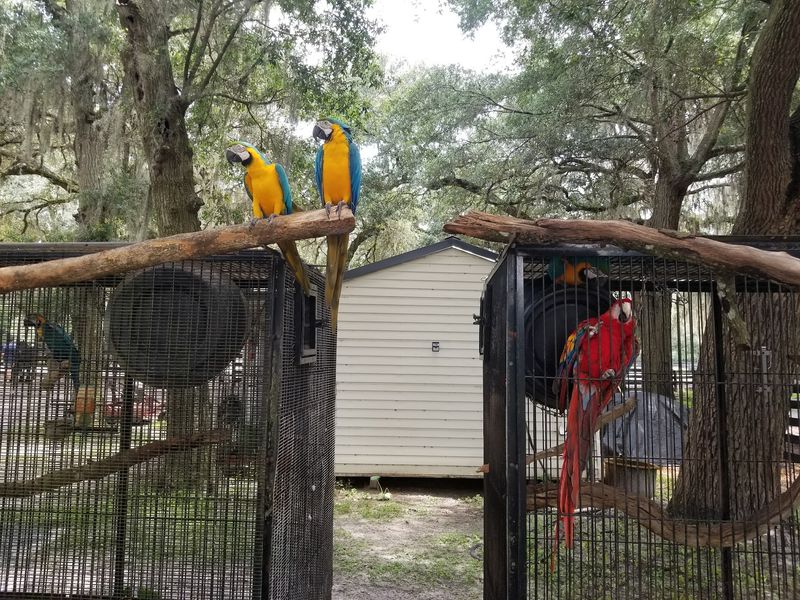
Few horse farms come with a bird show. Out back by the stables, a group of parrots keeps the mood light.
Some of them talk, and guests often bring them up as a highlight they did not expect. Grandparents and kids alike tend to laugh at their antics.
The farm has a variety of parrots, and they are part of the regular tour route. They add a playful break between horse visits.
Wild birds join in too. Hawks, songbirds, and owls are often spotted in the oak canopy above the farm.
That mix of tame and wild birds gives the property a peaceful, natural feel. It also gives younger guests something new to look for while adults chat with the owners.
The parrots are not the main reason people book a tour. Still, many leave counting them as a bonus, right alongside the donkeys.
All this animal company raises one important question. What exactly should you bring for them?
Carrots, Apples, and Snack-Time Etiquette
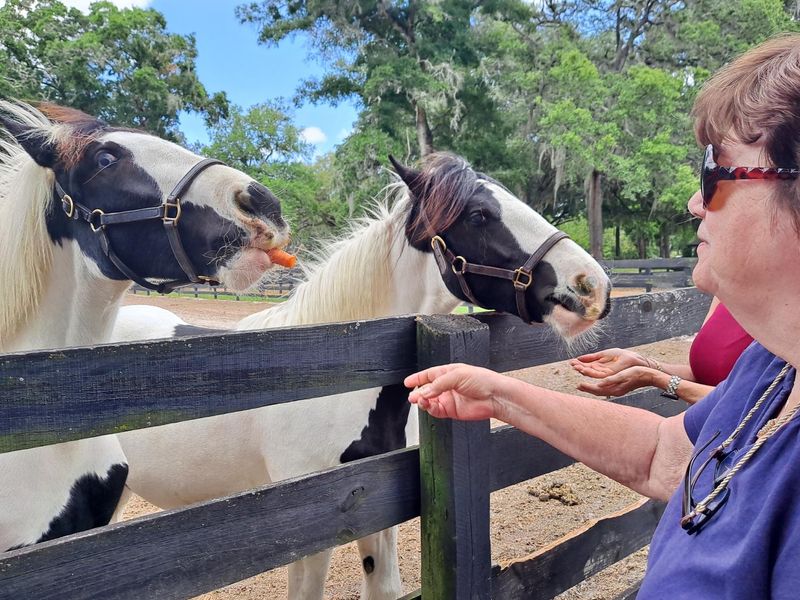
Here is the most repeated tip about this farm: bring carrots. The horses agree, and so do the owners.
Guests are welcome to hand-feed the horses and mules apples and carrots during the walk. It is one of the favorite parts of the visit for all ages.
A helpful trick is to cut things up ahead of time. Carrot pieces and apple slices are easier to share and help the treats go further across the herd.
A full bag of apples and a bag of carrots is a good amount for a group. Some guests prefer organic produce for the animals.
Feeding time also creates great photo chances. Horses lean in close, and the donkeys rarely miss an opportunity.
The farm takes care of the humans too. Water and coffee are offered, and on hot days there are cold snacks and drinks.
That thoughtful touch says a lot about the hosts. It is a small detail, but it makes a Florida summer tour much easier to enjoy.
Oak Shade and Easy Walking
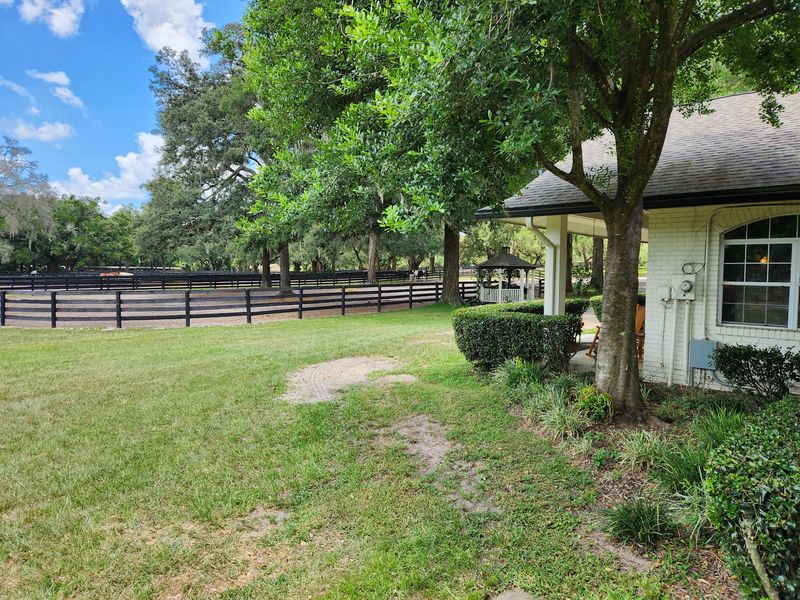
Peaceful is the word that keeps coming up. The grounds sit beneath a canopy of oaks and are kept in excellent condition.
The property is about 40 acres, and the walking tour covers sand and grass. Good walking shoes are a smart choice.
The terrain is gentle, though. Guests using a cane have managed it well, and even someone recovering from knee surgery was able to move around easily.
For anyone who would rather not walk, the farm has a golf cart. It follows along so everyone can still meet the horses and hear the stories.
The tour also passes a burial area where past horses are honored. It is a quiet, respectful stop that shows how much each animal means to the family.
Morning tours get a special mention. The day is cooler, the light is soft for photos, and the coffee is ready.
Overall, the setting matches the story. It feels calm, cared for, and welcoming, which leads nicely to who will enjoy it most.
Who Leaves Smiling
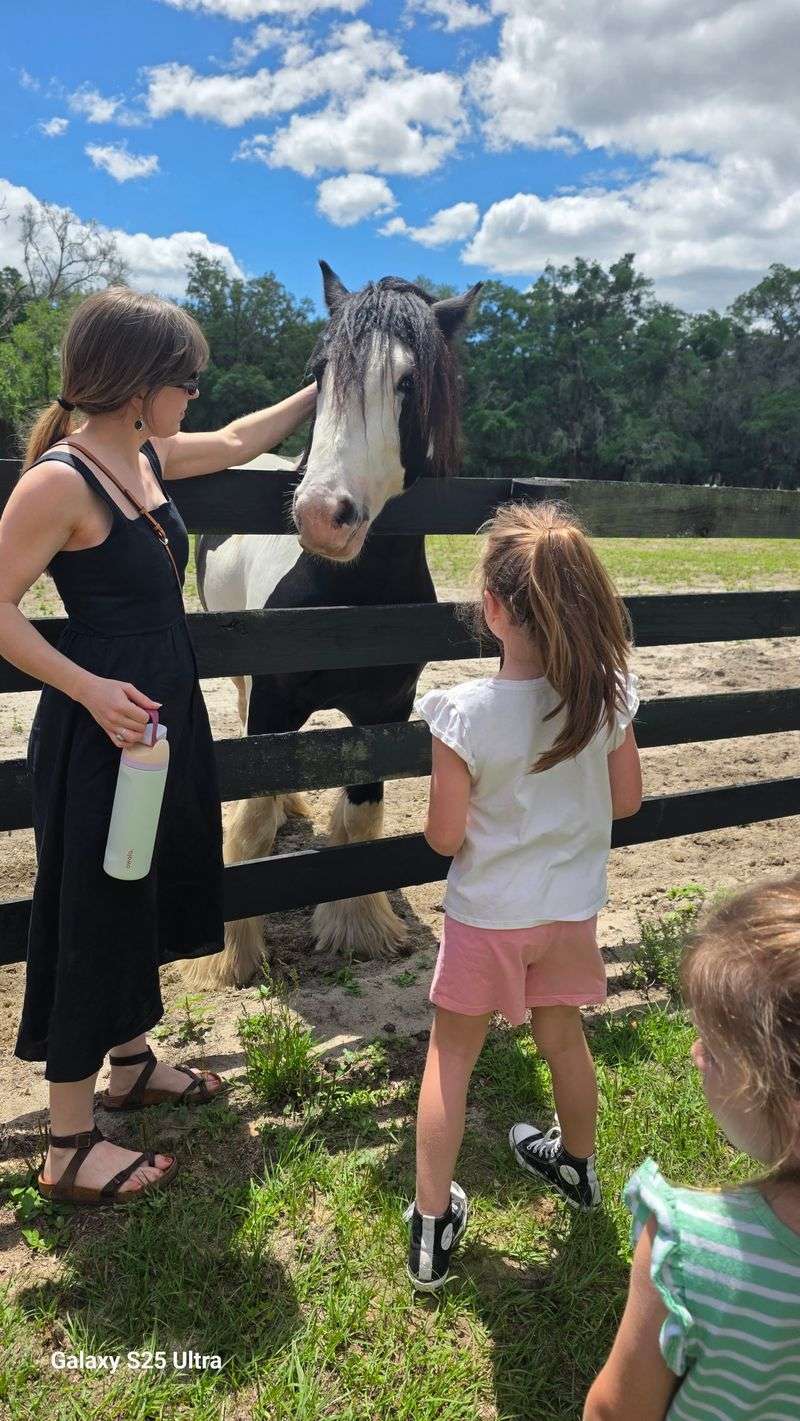
Horse lovers are the obvious fans, but they are far from the only ones. This tour works for kids, parents, grandparents, and couples.
Families often bring several generations together. Grandkids feed the horses while adults listen closely to the history.
People also travel a long way to come here. Guests have visited from Australia, and out-of-state families have returned more than once over a few years.
Locals keep coming back too. Some plan a third visit just to feed the horses again.
Storytelling fans may enjoy it most of all. Many guests say they could listen to Dennis for hours.
There is even a way to stay involved after the tour. The farm offers volunteer opportunities for those who want more time around the animals.
A gift shop sits on site, and it also has an online version through the farm website. Bring some cash if you want a keepsake.
With the right crowd in mind, it is time to cover the practical details that make a visit go smoothly.
Hours, Booking, and a Gentle Verdict
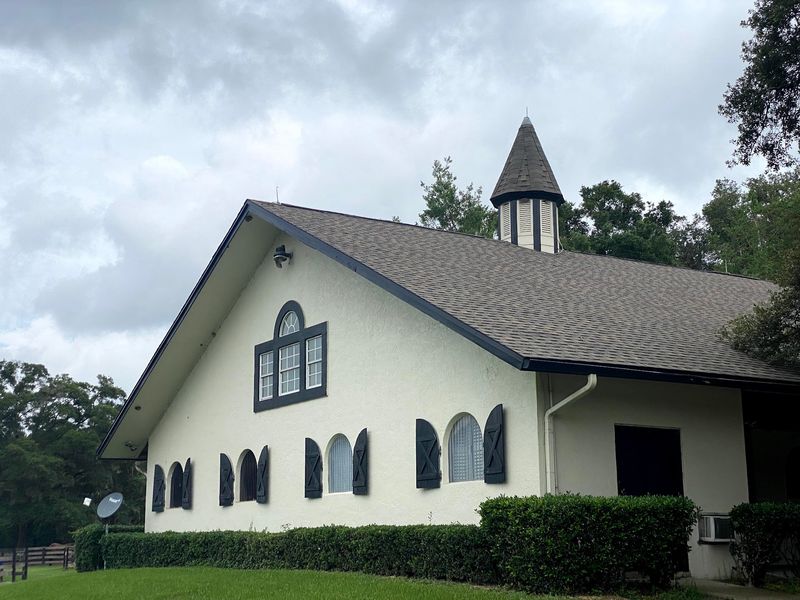
Planning is simple once you know the schedule. The farm is open Monday through Saturday from 9 AM to 5 PM and closed on Sunday.
Tours should be booked online ahead of time through the farm website. Some guests have taken a two-hour tour, so set aside a good part of the morning or afternoon.
Exact tour prices are best checked on the website. Guests do mention that the value is hard to beat for what you get.
A quick packing list helps. Bring cut carrots and apple slices, comfortable walking shoes, a camera, and some cash for the gift shop.
Summer days in Ocala get hot, so a morning slot is a wise pick. Cold drinks and snacks are offered, which helps on warmer days.
So is it worth the trip? For anyone who loves animals, history, or a good story told well, the answer leans strongly toward yes.
The horses are the headline, but the heart of the visit is the family behind them. Most people leave with full camera rolls, empty carrot bags, and plans to return.


