Affiliate disclosure: As an Amazon Associate I earn from qualifying purchases. Learn more
Most Arizona road trips between Phoenix and Sedona blur past one small town without a second glance. That is a mistake, because a real frontier Army post from the 1800s is still standing there, and you can actually go inside the buildings.
Officers’ quarters are furnished as they were in the 1880s, with beds, supplies, and period pieces set up as if the residents just stepped out for roll call. A museum packed with artifacts tells stories of soldiers, scouts, doctors, and families who lived on the edge of the Arizona Territory.
Rangers here know the backstory behind nearly everything on display. Keep reading to learn where this fort hides, what makes it rare, when to go, and how much it costs to walk straight into Arizona’s past.
A Frontier Post Hiding in Plain Sight
Camp Verde does not shout about its biggest secret. The fort sits right in town, a short detour off the route many Arizonans drive every weekend.
Fort Verde State Historic Park is located at 125 E Hollamon St, Camp Verde, AZ 86322, in the Verde Valley of central Arizona. It is a state park, managed by Arizona State Parks, and it covers about 10 acres of preserved ground.
Those acres hold restored 19th century buildings, a museum, and a wide parade field. The park also hosts occasional re-enactments and seasonal events.
Many people discover it by accident while traveling between Sedona and Phoenix. A quick stop often turns into a much longer stay once they realize what is here.
The location makes it an easy add-on to a Verde Valley day trip. Cottonwood, Sedona, and the Phoenix metro are all within reasonable driving range.
Plenty of longtime Arizonans admit they had no idea something this well preserved existed in their own state. That surprise is part of the fun.
So the first lesson is simple. The past is not always tucked away in a remote canyon, and sometimes it is just waiting a few blocks off the main road.
Fifty-Five Acres Then, Eleven Acres Now
Numbers tell an interesting story at this fort. Rangers explain that only about 11 acres of the original 55 acre post are part of the park today.
That means the surviving pieces are a slice of something much larger. Exhibits and information panels help fill in the gaps, so it is possible to understand how the full fort once looked.
The post was active in the late 1800s, a period when the Arizona Territory was still being shaped. Its purpose and significance during that era are explained throughout the grounds.
Here is a detail that catches many history fans off guard. The fort never had a wall or barrier around it.
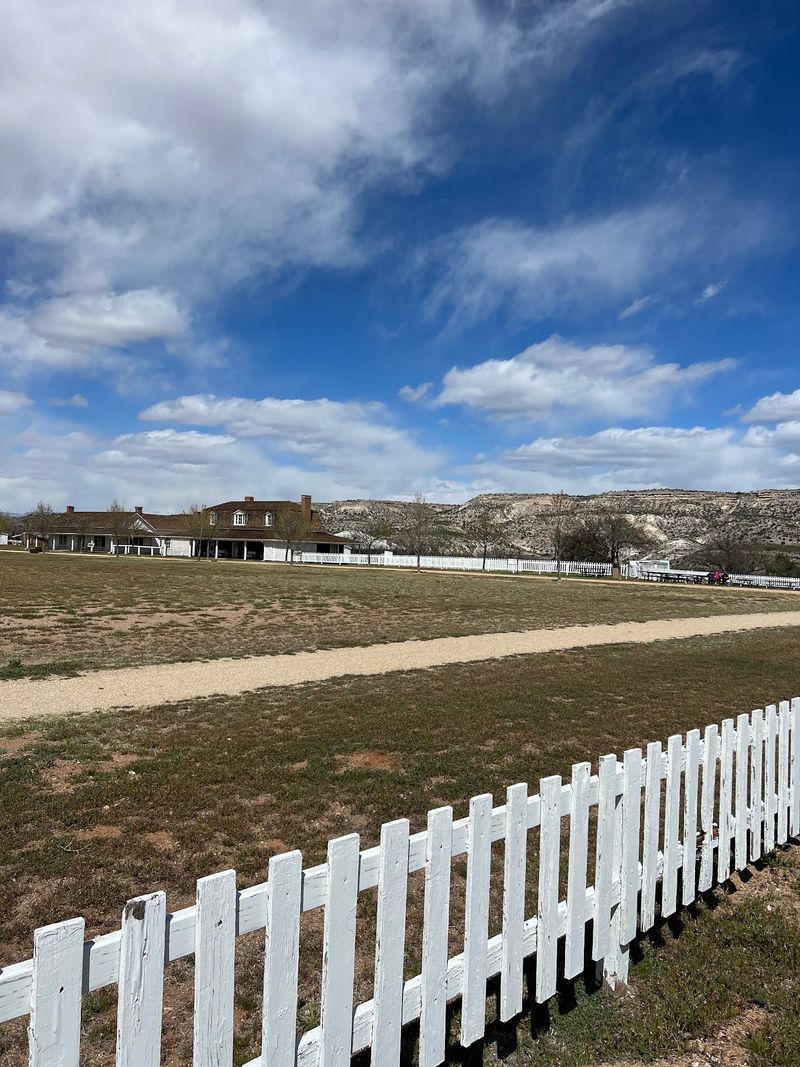
Forget the movie image of tall wooden stockades and lookout towers. Fort Verde was an open military post, with buildings arranged around a parade field.
Four original buildings from the fort still stand, and guests can walk through them. Survival like that is rare for a frontier post in the desert Southwest of the United States.
Small footprint, big story. Those 11 acres carry more history per square foot than many sprawling attractions.
The Administration Building and Its Museum
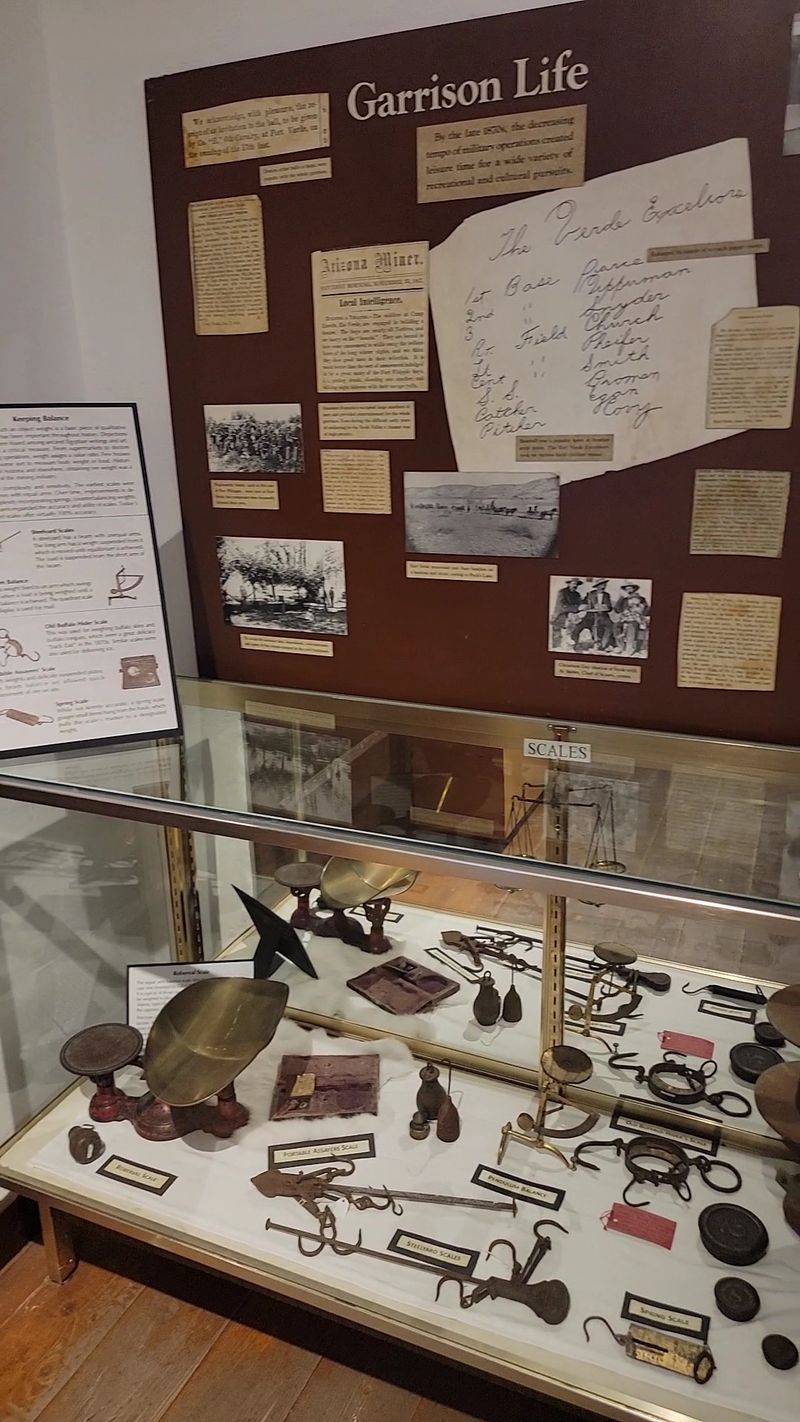
Every tour begins in a building that once ran the whole post. The main Administration building now serves as the park entrance and ticket office.
Inside, a museum fills a series of rooms with artifacts, photos, and facts from the late 1800s. Exhibits cover the Army Signal Corps, the Buffalo Soldiers, and military life across many disciplines.
Medical tools sit near soldiering gear, which shows how varied daily work at the fort could be. A solid collection of period firearms is also on display.
Plan on roughly an hour just for this building if you like reading placards. Some displays feel a little dated, though the information remains strong.
The last room of the main building plays a video on a loop. It focuses on Native peoples in Arizona, their role during the wars of that era, and how many served alongside the Army as scouts.
A practical bonus for summer trips: the museum is air conditioned. That matters in the Verde Valley heat.
Staff at the front desk earn steady praise for being friendly and welcoming. A good first impression sets the tone for everything that follows.
Officers’ Row, Furnished for the 1880s
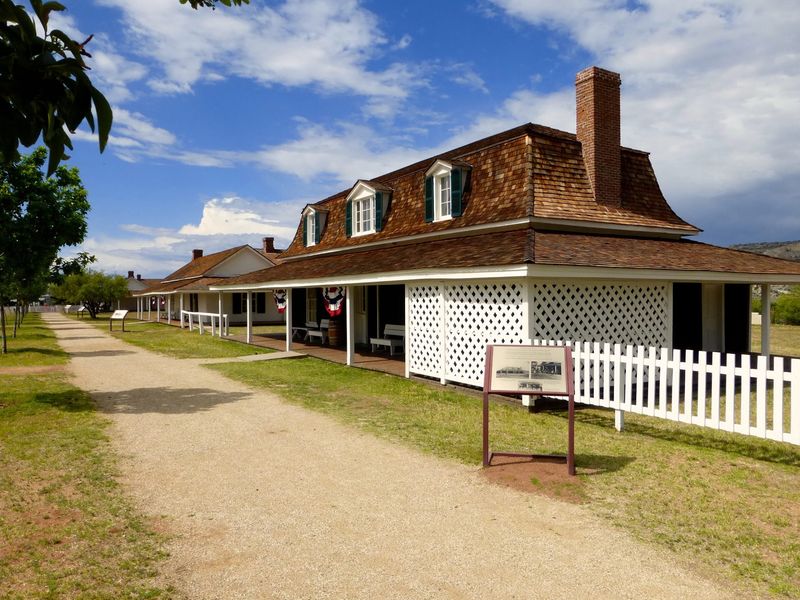
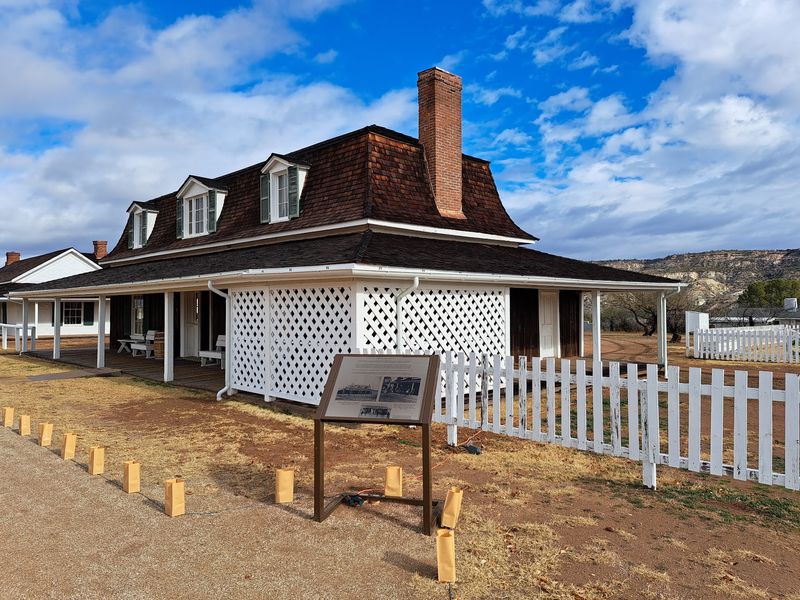
Here is where the title of this article comes to life. The original officers’ quarters are furnished just as they would have been in the 1880s.
Rooms hold beds, supplies, and household pieces that appear to be from the late 1800s. Desks and furnishings make it feel as though the officers could return at any moment to finish their paperwork.
Most historic sites keep you behind a rope or peering through glass. At Fort Verde, you can actually step inside the surviving structures.
That access is what makes the experience stand out. Rooms are set up to show how military members lived alongside their families, not just how they worked.
During the holiday season, the Officers Row houses have been decorated for the occasion. A holiday visit adds a seasonal twist to the furnished rooms.
Take time to read the details in each space. Small objects reveal a lot about routines, comfort, and the limits of frontier living.
The quill on the desk may be quiet, but the stories around it are anything but.
Surgeon’s House and the Parade Field View
Medicine on the frontier was serious business. The fort’s surgeon had his own quarters, and that house remains part of the grounds today.
Benches sit outside, facing the parade field. It is a pleasant spot to pause between buildings and take in the layout of the old post.
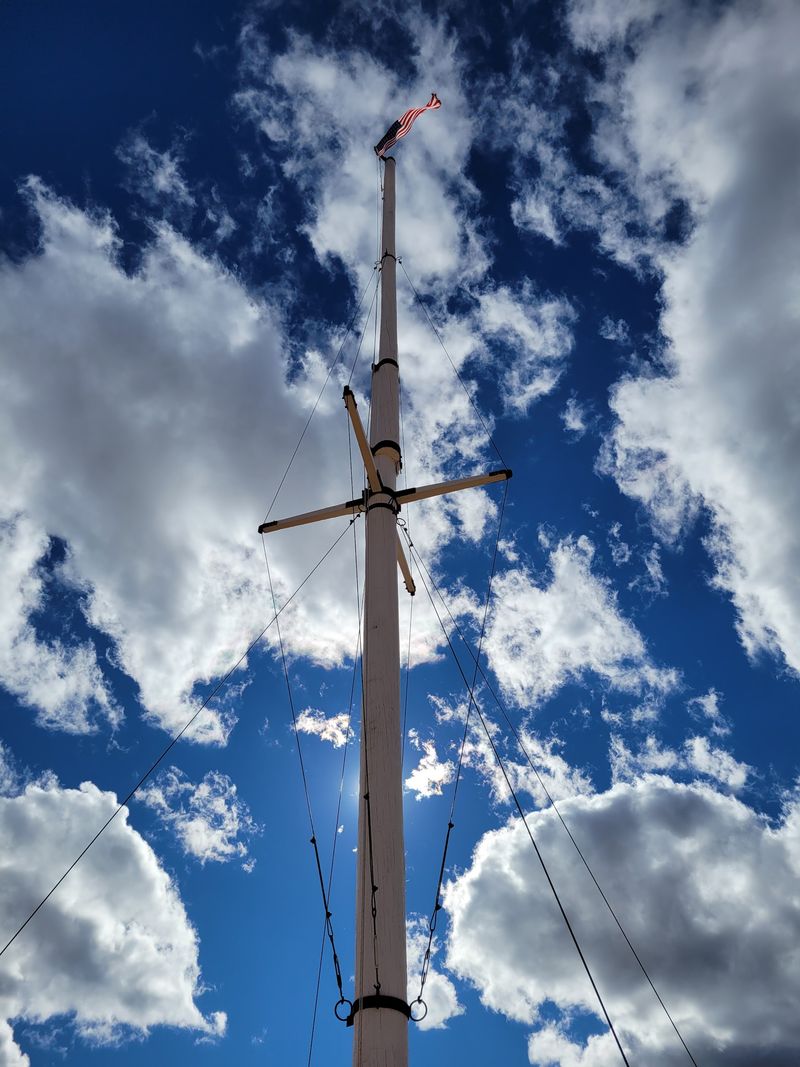
The flagpole on the field is a ship mast flying the national colors. That nautical touch in the middle of central Arizona tends to spark curiosity.
The parade field and several original buildings have been fully restored. Seeing them together helps explain how daily life revolved around this open central space.
Inside the main museum, exhibits on doctoring connect nicely with a visit to the surgeon’s house. Tools and treatments on display show how care worked far from any big city.
A slower pace suits this part of the park. Read, sit, look around, and let the scale of the post sink in.
Sometimes the best history lesson comes from simply staying put for a few minutes on a porch bench.
Buffalo Soldiers, Scouts, and the Signal Corps
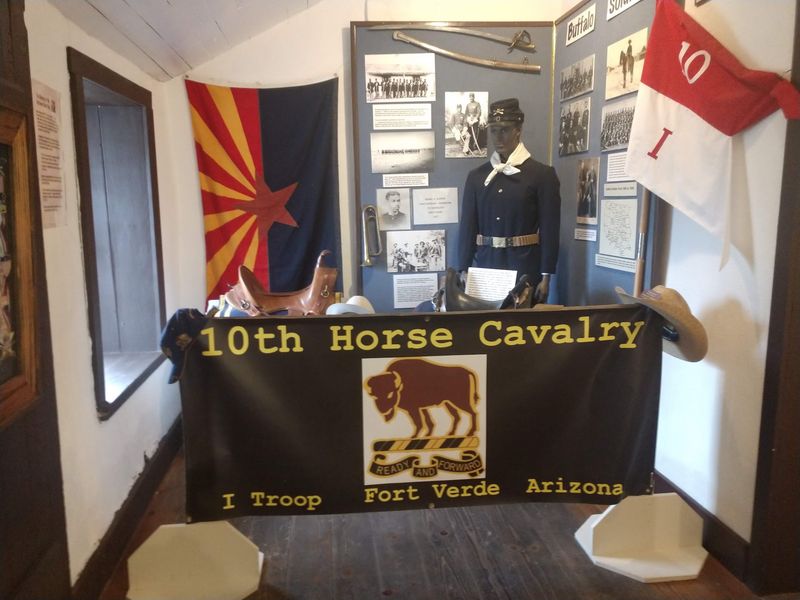
Forts are built from more than adobe and timber. People made Fort Verde what it was, and the exhibits give several groups their due.
The Buffalo Soldiers receive dedicated coverage in the museum. Their service is an important part of the frontier Army story in Arizona.
The Army Signal Corps also gets attention. Communication across the vast territory was a challenge, and exhibits explain the role these soldiers played.
Native scouts and the wider history of the Indian wars are addressed as well, especially through the looping video in the final museum room. It adds perspective that many standard fort tours skip.
Together, these exhibits present what life was like in Arizona early in its history. The picture is broader than a single uniform or battle.
History fans often say the depth here goes well beyond what they expected from a small park. The detail rewards anyone who lingers over the placards.
Come for the buildings, and leave knowing a lot more about the people who once filled them.
Rangers Who Know Every Backstory
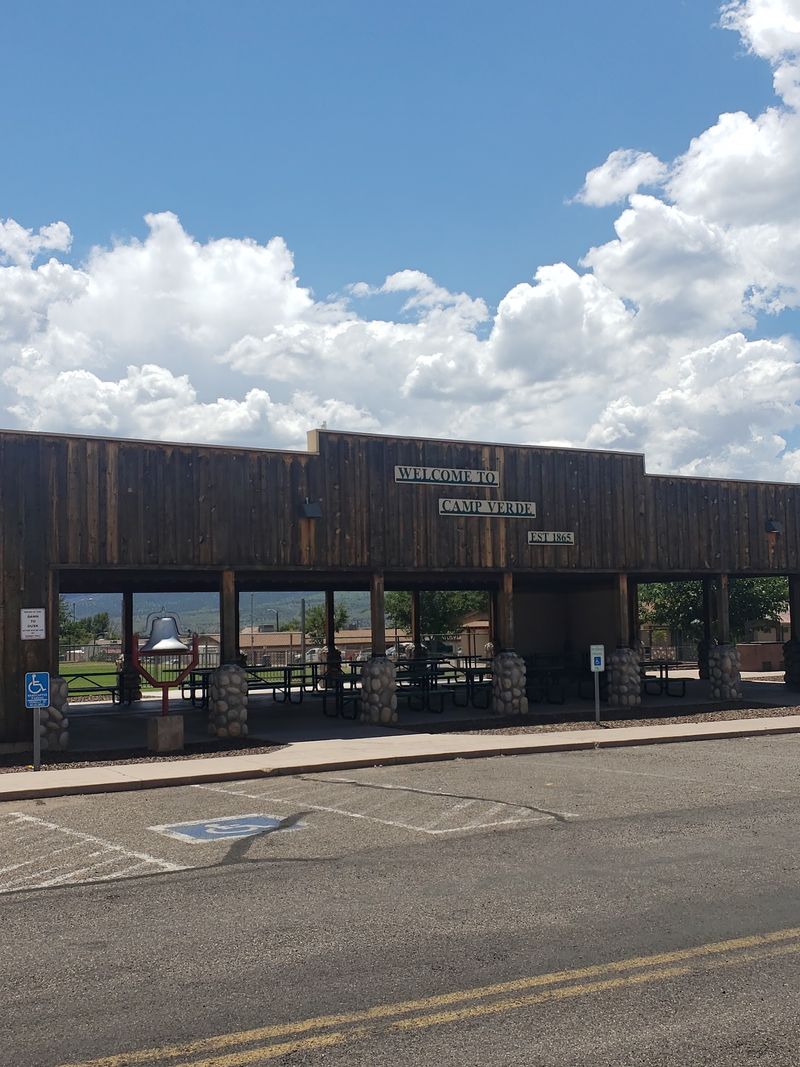
Ask one question here and you might get a twenty minute history lesson, in the best way. The rangers at Fort Verde are known for loving their work.
They are knowledgeable, helpful, and happy to share the backstory behind nearly anything on display. Details like the acreage of the original fort often come straight from a ranger chat.
Families with kids tend to leave with a good impression. Young history buffs have been known to beg for a return trip.
The staff also keep the grounds tidy and well maintained. Rangers can often be seen moving around the property on utility vehicles.
Talking with them adds a layer that signs alone cannot provide. Questions about the Indian wars, daily routines, or specific objects usually get thoughtful answers.
A quick tip: give yourself time for conversation. The museum is good, but the people running it might be the most useful exhibit of all.
Good guides turn a walk through old rooms into a story you remember on the drive home.
QR Codes and Costumed Videos
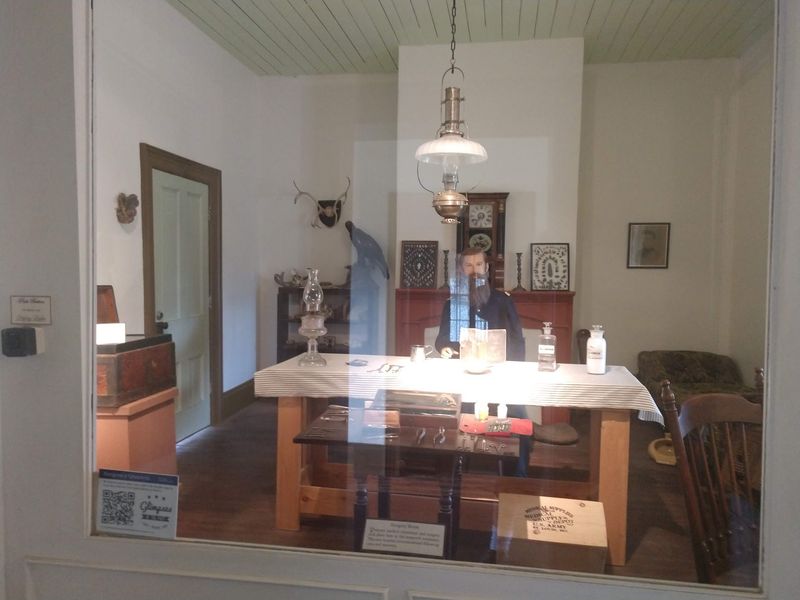
Old buildings, new tricks. Some displays at the park include QR codes that connect to video content.
Scan one with your phone, and it leads to YouTube videos featuring reenactments. People dressed in character portray figures tied to the display in front of you.
It is a clever way to bring static rooms to life. Many people call it one of the coolest features of the whole park.
The approach works especially well for younger guests who might drift past a long placard. A short video can hold their attention much better.
Bring a charged phone with data or connection to get the most out of it. The videos pair nicely with the furnished rooms and museum exhibits.
Combined with the looping film in the main building, these digital extras give the site more depth than its size suggests. Watching the videos and reading the signs is worth the extra minutes.
Who knew a frontier fort would come with its own streaming lineup.
Fort Verde Days and Living History Weekends
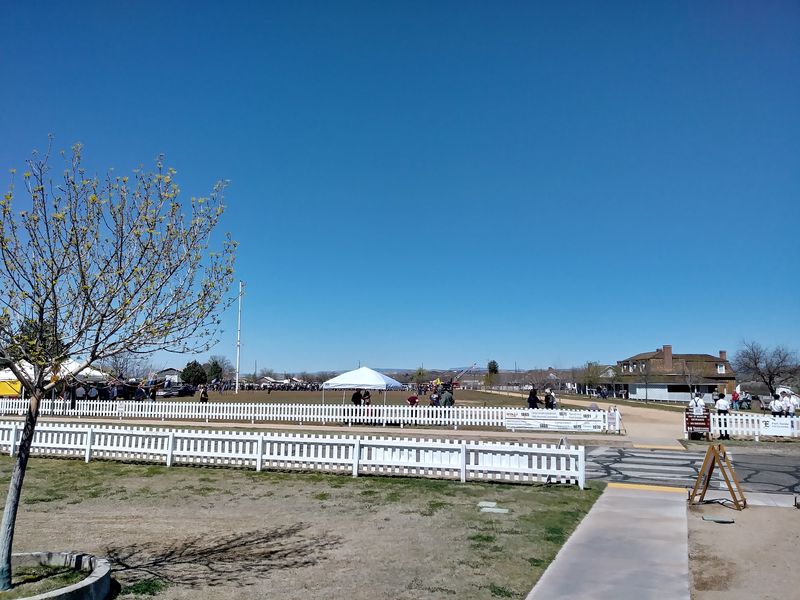
Quiet weekdays are one thing. Event days transform the parade field entirely.
Fort Verde Days has brought people in period costume, a wagon for photos, and even carnival rides. It is a long-running local tradition in Camp Verde.
The History of the Soldier event is a two-day gathering that has featured regalia, encampments, open houses, and artillery demonstrations. One cannon blast is loud enough to make everyone jump.
That same event has included Dutch oven cooking and a Nez Perce traditional dance. It offers a fuller cultural picture of the era.
Festivals with vendor tents and music have also used the grounds, with plenty of room to walk. Ponies and a goat have made appearances too.
Event schedules change, so check the Arizona State Parks website before planning a trip around one. Some areas, like the veranda tables, may close ahead of an event.
Catch the right weekend, and the fort stops feeling like a museum and starts feeling like a working post again.
Who Fits Best, From Seniors to Pups
Small parks have a special advantage. The paid portion of Fort Verde is compact, which makes it manageable for nearly everyone.
Seniors appreciate the short distances and benches. Families find enough variety to keep kids engaged without wearing them out.
History buffs will want more time, while casual explorers can see the highlights in an hour or two. That range suits a road trip stop or a planned outing.
Dogs are welcome on the grounds, though they cannot enter the buildings. A pup can join the stroll around the parade field and the outside of the structures.
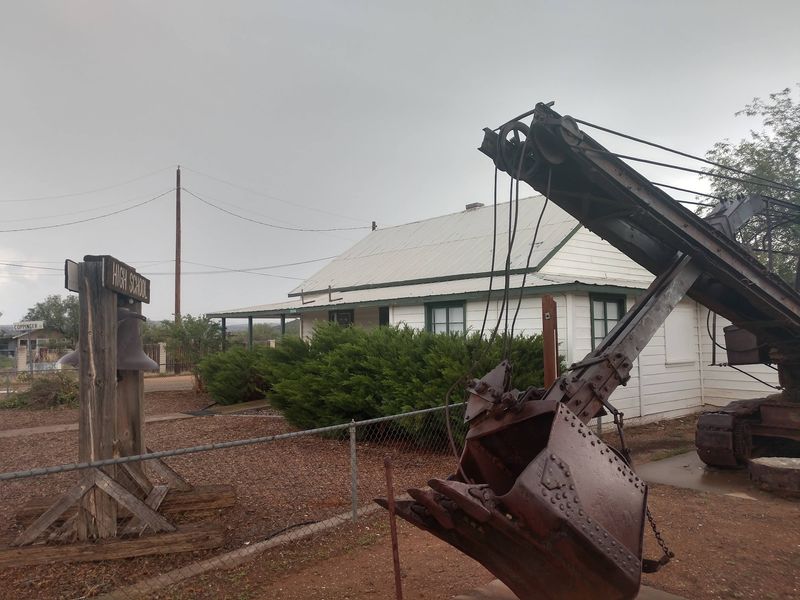
A historic power shovel sits just outside the paid area. It makes a fun bonus stop on the way in or out.
Summer heat is a real factor. The buildings across the street from the museum are not air conditioned, and moths can gather inside some of them in warm months.
Spring, fall, and the holiday season offer more comfortable conditions for exploring every room.
Hours, Fees, and a Fair Verdict
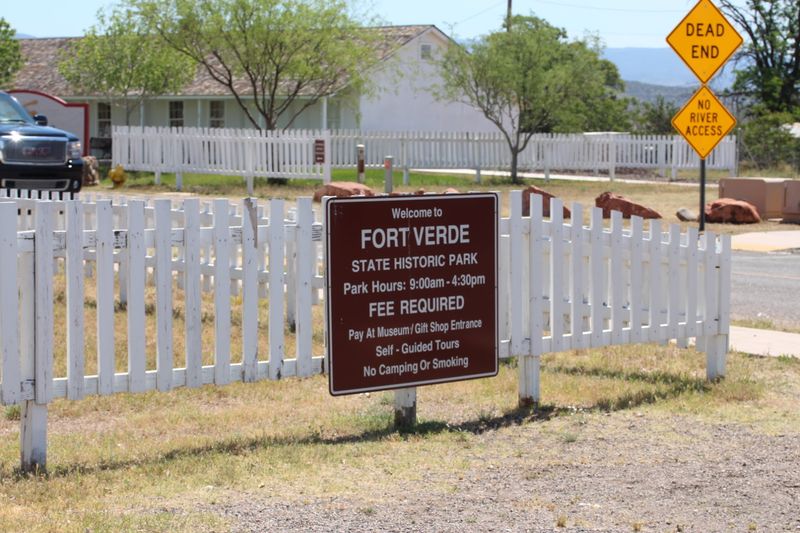
Planning is easy here. The park is open every day of the week from 9 AM to 4:30 PM.
Admission runs $10 per adult and $7 for kids. Arizona State Parks does not receive federal funding for the site, so fees apply even for short stays on the grounds.
Many people describe the cost as very affordable for what is included. Access to original buildings, a full museum, and ranger knowledge adds up to strong value.
Budget around one to two hours to see everything at a steady pace. Arrive early in summer to explore the non-air-conditioned buildings before the afternoon heat.
Event days may change which areas are open. Checking the Arizona State Parks website ahead of time can help avoid surprises.
So is it worth the stop? For anyone curious about Arizona’s territorial days, the answer leans strongly toward yes.
Fort Verde proves that some of the state’s best stories are hiding in small towns, waiting patiently at a desk for someone to walk in and listen.