
Affiliate disclosure: As an Amazon Associate I earn from qualifying purchases. Learn more
Some Detroit walls refuse to stay the same for long. A warehouse that wore one design last season might be showing something completely new on your next trip, and nobody charges a dime to see it.
This corner of the city mixes a market tradition dating back to the 1800s with old brick buildings that keep getting fresh coats of art. Saturdays bring produce stands and food vendors, Sundays bring local jewelers and artists, and the walls tie it all together.
Michiganders do not need a plane ticket to find an open-air art district with real history behind it. We have this one right here, and it rewards anyone willing to come back more than once.
Keep reading to learn where it is, why it keeps changing, and how to plan a visit that fits your weekend.
A Market District With a Detroit Address
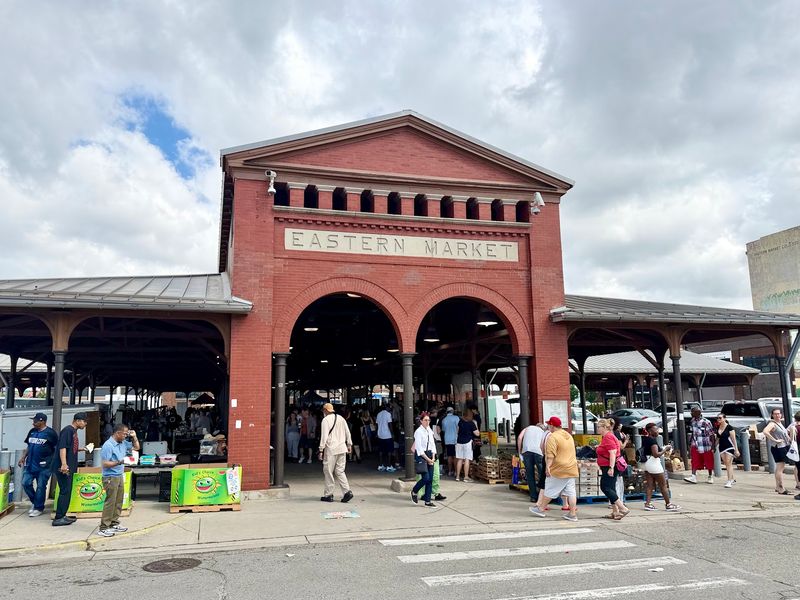
Every great art walk needs a home base, and this one has a name Detroiters know well. Eastern Market sits in Detroit, MI, USA, on the city’s east side just beyond downtown.
The district takes its name from the market that has operated here since the 19th century. That long history gives the neighborhood a backbone that few art districts can match.
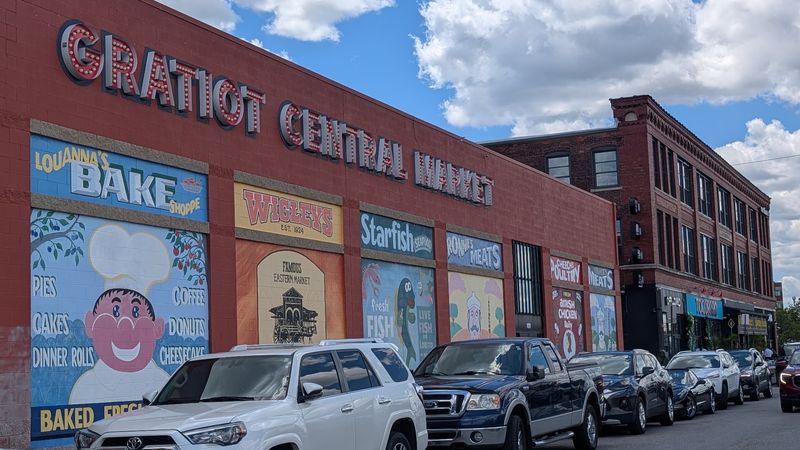
Today the area is more than a place to buy groceries. Old warehouses line the streets, and many of them now serve as giant outdoor canvases.
Those walls are a big part of why the district feels different from one trip to the next. Revitalization keeps moving through the blocks, and murals keep appearing as buildings get new life.
The setup is simple for anyone in Michigan. There is no gate, no ticket booth, and no admission line just to look at the art on the streets.
Market days, cafes, and music venues fill in the rest of the picture. The combination makes the district a rare spot where commerce, history, and street art share the same sidewalks.
Knowing where it is matters, but knowing why it looks so different each visit is the real story.
Roots Reaching Back to the 1800s
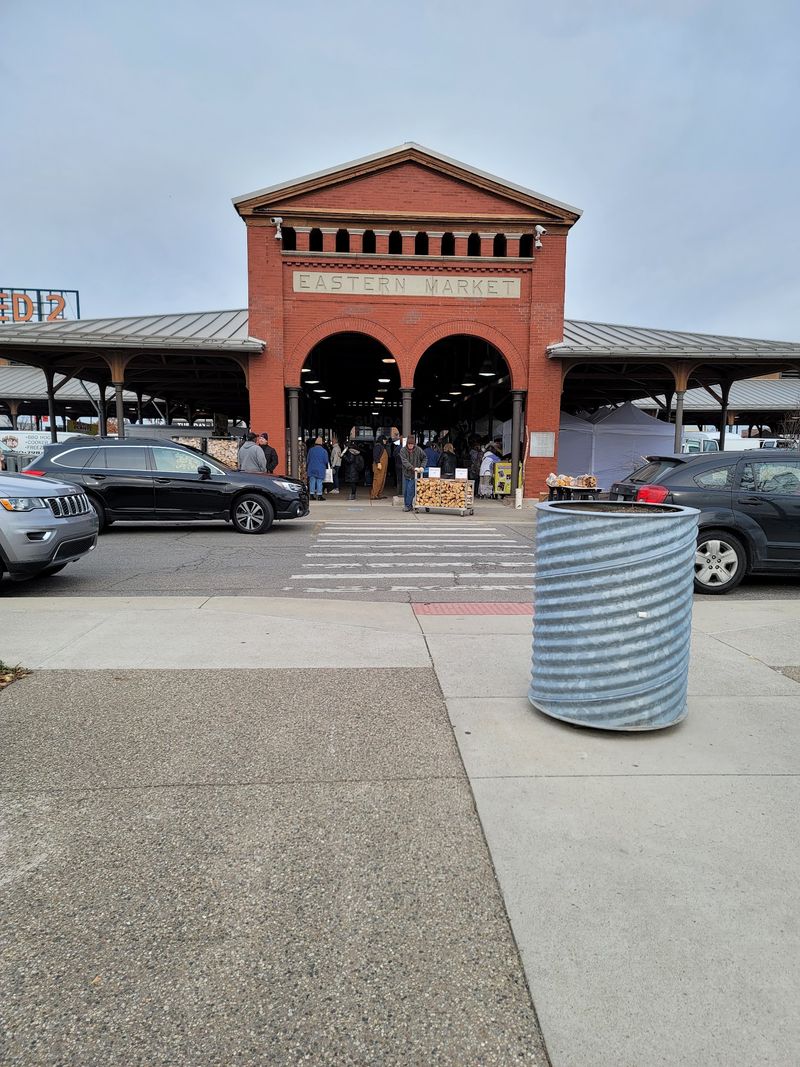
Long before anyone painted a mural here, farmers and vendors were already setting up shop. The market that gives this district its name has been running since the 19th century.
That kind of staying power is a point of pride for Detroit. Plenty of cities talk about heritage, but few can point to a working market with roots stretching back that far.
Generations of Michigan families have come here to shop, browse, and meet neighbors. The tradition has outlasted many changes in the city around it.
The warehouses surrounding the market tell their own part of the story. They were built for the business of moving goods, and many now carry a second identity as art spaces.
History and fresh paint make a good pair here. The old structures give the murals a backdrop with character, while the art gives the aging brick a reason to be noticed again.
Residents who feel overlooked by textbooks often find this blend especially meaningful. It shows a city that keeps its past close while letting new voices speak on the walls.
The past sets the stage, but the paint is where things start moving fast.
Warehouse Walls That Refuse to Sit Still
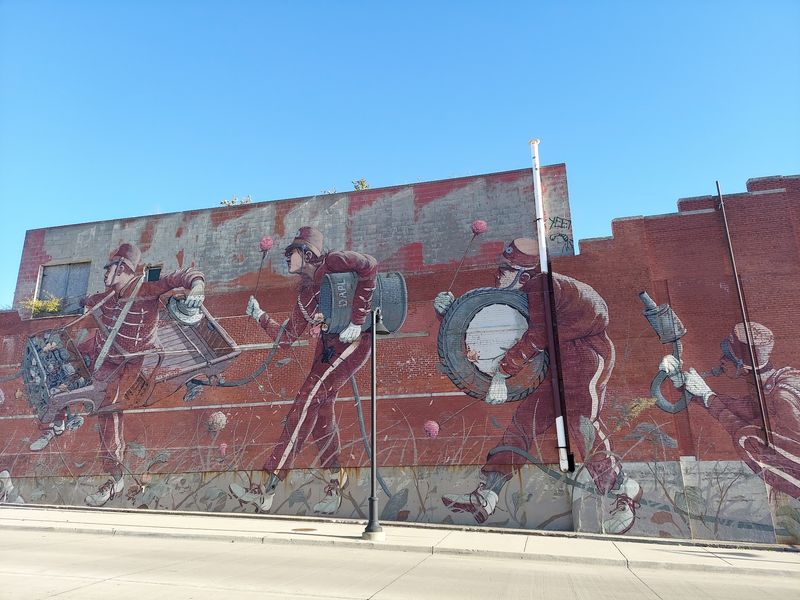
Here is the twist that keeps people returning. The district’s warehouses are being revitalized with murals, and that work is ongoing rather than finished.
Revitalization means change. A plain wall one season can become a bold piece of art the next, and older works may be refreshed or replaced over time.
That steady turnover is exactly why repeat trips pay off. A route you walked last year can turn up something you have never seen before.
The murals cover large surfaces, so they are easy to spot from the street. Some fill entire sides of buildings, turning ordinary blocks into open-air galleries.
There is no single path you must follow. Wandering side streets often leads to pieces tucked around corners or along alleys between warehouses.
Photography fans tend to love the variety. Each wall offers a different style and color palette, which keeps any camera roll from looking repetitive.
Bring a little patience and a willingness to explore. The best finds often sit one block past where most people stop.
Of course, art is only one reason crowds fill these streets on weekends.
Saturday Means Produce and Plenty of Vendors
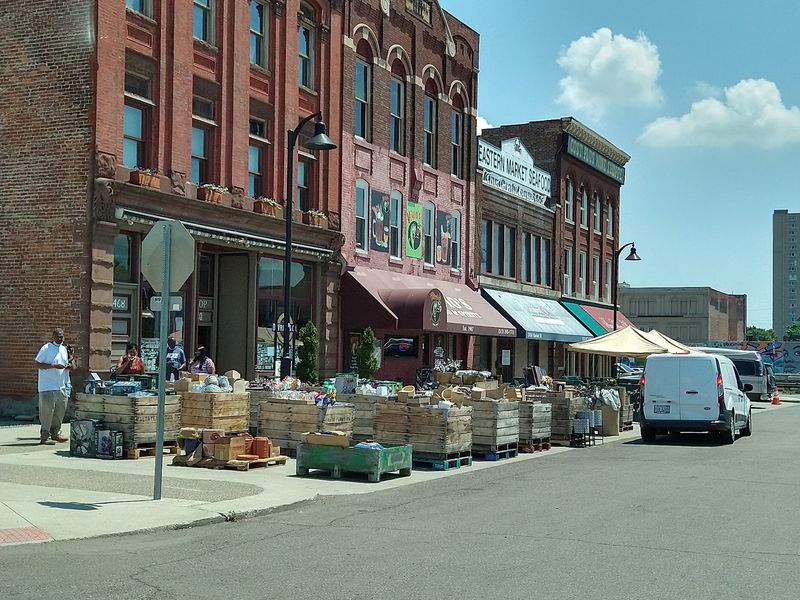
Saturday is the classic day to show up. Vendors fill the market selling everything from tacos to colorful produce.
The mix of sellers gives the morning a lively pace. Shoppers move from stall to stall, and the murals around the market add a colorful frame to the whole scene.
Pairing a shopping trip with an art walk is an easy win. Grab what you came for, then spend the rest of the day strolling the painted blocks.
Families often treat Saturday as a weekend ritual. The market offers something for every age, and the open streets give kids room to explore.
Arriving early can make things easier. Weekends draw crowds, and a head start means more time to browse before it gets busy.
Comfortable shoes are a smart choice. Between the market sheds and the mural streets, the walking adds up quickly.
Saturday shows the market’s practical side, while the next day leans toward handmade treasures.
Sunday Belongs to Jewelers and Artists

Swap the produce bags for a sharper eye on craftsmanship. Sundays see the space packed with local jewelers and artists.
That shift changes the mood of the whole district. The focus moves from groceries to handmade work, and the murals outside feel like a natural extension of the creativity inside.
Shopping local takes on real meaning here. Buying from Michigan makers keeps money in the community and puts a face behind every piece.
Gift hunters find this day especially useful. Handcrafted jewelry and art make thoughtful presents that you will not spot in a big chain store.
Conversations with sellers are part of the appeal. Many artists are happy to talk about how they make their work.
Sunday also offers a nice rhythm for a slower outing. Browse booths, step outside to check the latest walls, and repeat as long as you like.
Shopping builds an appetite, and the district has answers for that too.
Cafes and Coney Island Hot Dog Stops

Detroit has a signature lunch, and this district serves it. Places offering classic Coney Island hot dogs dot the neighborhood.
For locals, a Coney stop is practically a hometown tradition. Finding one right next to a fresh mural feels very Detroit.
Hip cafes round out the options. They make good places to rest your feet between blocks of street art.
Breaks like these help stretch a visit into a full day. Many people plan their walking route around a cafe stop in the middle.
The variety also suits groups with different tastes. Some will want a quick classic, while others prefer a slower sit-down moment.
Window seats at some spots can even offer a view of the painted streets outside. Art and a break can happen at the same time.
Once the day winds down, the district’s music side starts to take over.
Jazz and Motown at Bert’s Warehouse Theatre

Art on the walls is only half of the creative story. Bert’s Warehouse Theatre brings live jazz and Motown music to the district.
The venue has a relaxed feel. It suits anyone who wants an easygoing evening rather than a formal night out.
Motown is a deep source of Detroit pride. Hearing it in a neighborhood built on local history connects the music to the place in a meaningful way.
Jazz fans have reason to plan around a visit too. Live performance adds another layer to a district already full of creative energy.
A day of murals and market shopping can end nicely with a show. The combination turns a simple stroll into a complete outing.
Checking the venue’s schedule ahead of time is a good idea. Programming can change, so it helps to confirm before you go.
Music and murals set the tone, and the overall vibe makes the district easy to recommend.
A Vibe Built for Wanderers

Some places are built for checklists, and some are built for drifting. This district falls firmly in the second group.
The atmosphere blends a working market with an evolving art scene. That mix attracts shoppers, photographers, music lovers, and curious neighbors alike.
Families can make it a budget-friendly day. The murals cost nothing to view, so the art portion of the trip stays free.
Couples looking for a low-key date have plenty to work with. A walk, a cafe stop, and a show can fill an entire afternoon and evening.
Solo explorers fit right in as well. Moving at your own pace makes it easier to spot details on the walls.
Photographers may want to return often. Since the murals keep changing, there is always a new subject waiting.
The district rewards people who like surprises. Leave room in your plans, and the streets usually provide one.
With the vibe covered, a few practical notes can help any trip run smoothly.
Smart Planning for a Smooth Trip
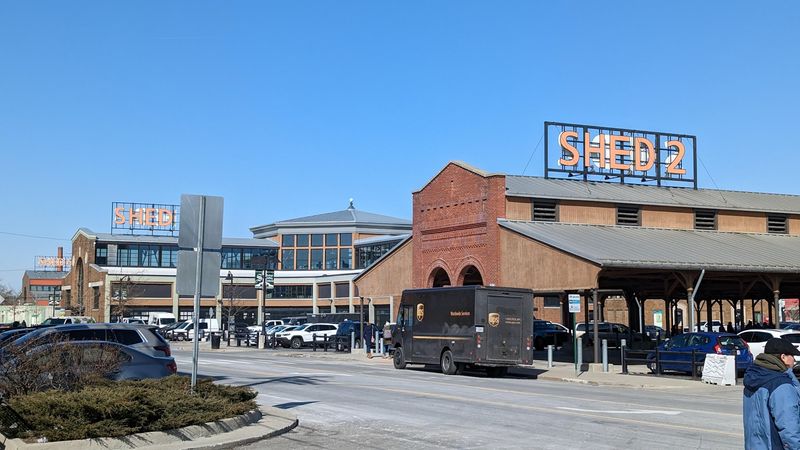
A little planning goes a long way here. The district’s busiest stretches line up with market days, so timing matters.
Saturday brings the produce and food vendors. Sunday shifts toward jewelers and artists, so choose based on what you want to see.
The murals themselves are outdoors and free to view. That makes the art walk one of the most affordable outings in Detroit.
Getting there is simple for anyone familiar with the city. The district sits just east of downtown Detroit, which keeps it within easy reach.
Weekend crowds can be heavy. Arriving earlier in the day often makes parking and browsing less hectic.
Dress for the weather, since much of the experience happens outside. Michigan seasons can shift quickly, so layers help.
Bring a phone or camera with plenty of storage. Between the walls and the market, you will likely want photos of everything.
Confirm venue schedules before heading out, especially for live music. That small step keeps surprises on the walls rather than on the calendar.
Worth Coming Back Again and Again
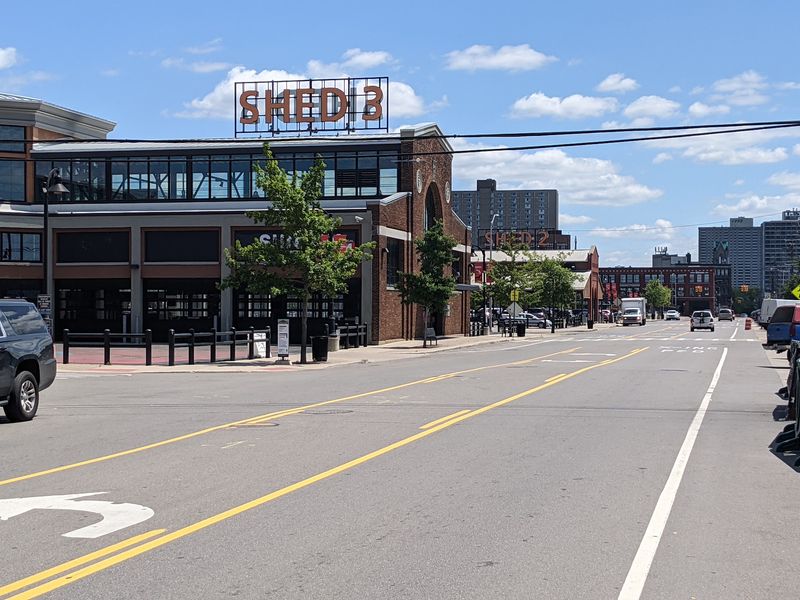
Most attractions look the same every time you visit. That is not how this corner of Detroit works.
The mix of a market with 19th-century roots and warehouses being revitalized with murals keeps the district in motion. Each trip can reveal walls you have never seen.
Add Saturday produce, Sunday artists, Coney stops, cafes, and live jazz and Motown, and the reasons to return keep stacking up.
Michigan residents do not have to travel far for this kind of creative energy. It is right here, open to anyone willing to take a walk.
The price of admission for the street art is nothing at all. That alone makes repeat visits easy to justify.
Treat the first trip as an introduction rather than a final word. The walls will likely have new stories to tell the next time around.
Eastern Market proves that a city’s history and its future can share the same block, and that is something worth coming home to.
Daniel Whitmore is a Michigan-based writer with a passion for exploring the Great Lakes State. From charming small towns and hidden restaurants to scenic lakeshores and local attractions, he shares travel tips, fascinating stories, and must-visit destinations that showcase the best of Michigan.