
Affiliate disclosure: As an Amazon Associate I earn from qualifying purchases. Learn more
Long before I-94 carried Michigan drivers between Jackson and Ann Arbor, electric passenger cars hummed along tracks across the bottom of the state. Then the automobile arrived, and that whole rail network faded so completely that most people today have never heard of it.
In one small Jackson County town, a crew of volunteers has spent years bringing that forgotten line back into view. They restore real railcars, explain how the system worked, and even let you climb aboard for a simulated trip from Jackson to Grass Lake.
Admission costs nothing, and the doors open four days a week. The sections ahead cover the history, the restored cars, the ride that makes kids grip their seats, and the practical details for planning a visit.
This is a piece of Michigan heritage that textbooks tend to skip, and it sits right off the highway.
A Rail Museum on Main Street
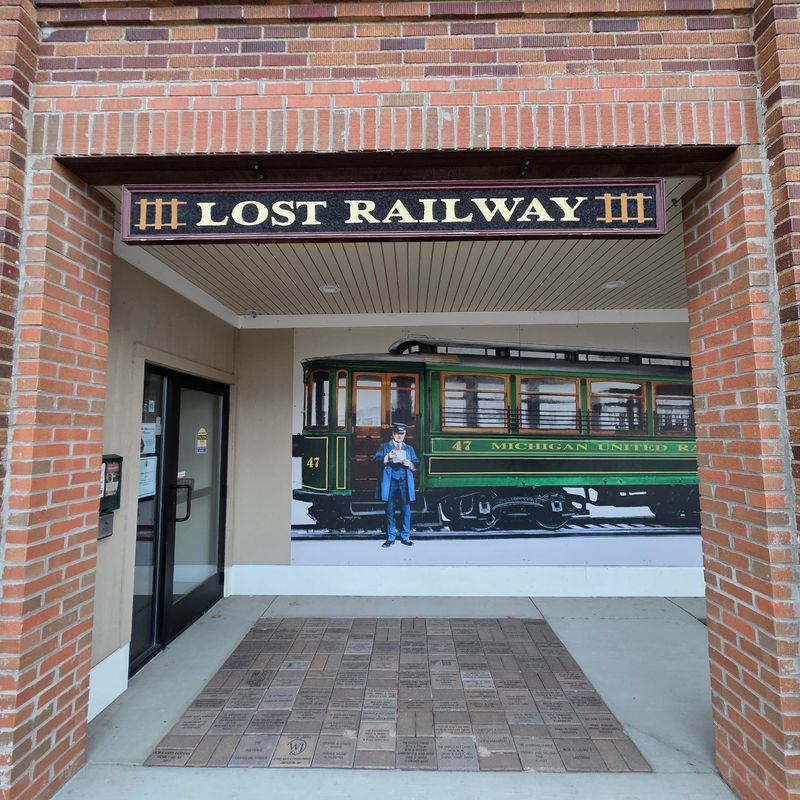
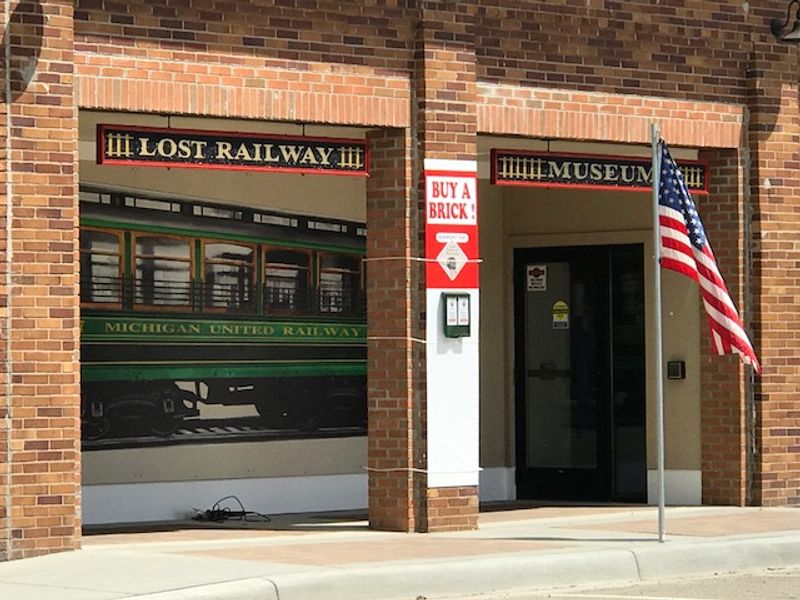
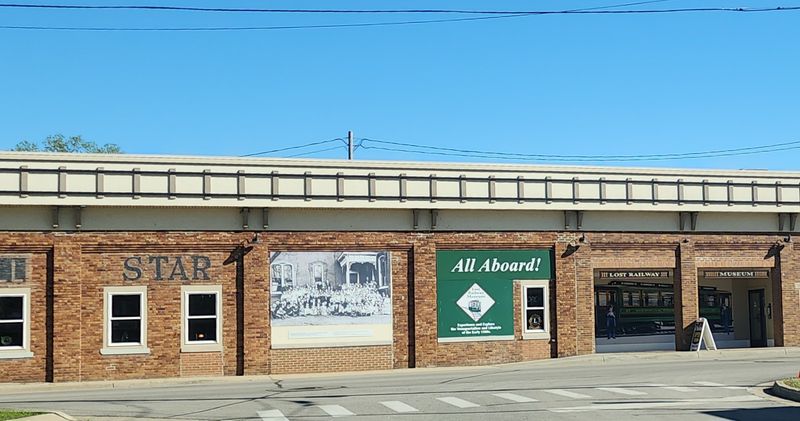
Grass Lake is the kind of Jackson County town many drivers zip past on the interstate without a second thought. That habit means missing the Lost Railway Museum at 142 W Michigan Ave, Grass Lake, MI 49240, in the United States.
Officially, it is a rail museum. In practice, it works as a time capsule for a transportation system that once tied southern Michigan together.
The museum is described as small, and that is honest. It does not try to compete with giant institutions in big cities.
What it offers instead is focus. Every exhibit points back to one story: the electric passenger lines that ran through this region in the early 1900s and then quietly disappeared.
The location also makes it an easy stop for travelers. It sits close enough to I-94 that a brief detour turns a long drive into a history lesson.
Families with young train fans, history buffs and curious road-trippers all end up here for the same reason. Few places in Michigan tell this particular story at all, let alone with real railcars you can step inside.
So what exactly was lost? That answer begins with a rail network most Michiganders have never been taught about.
The Line That Stretched From Lake To Lake
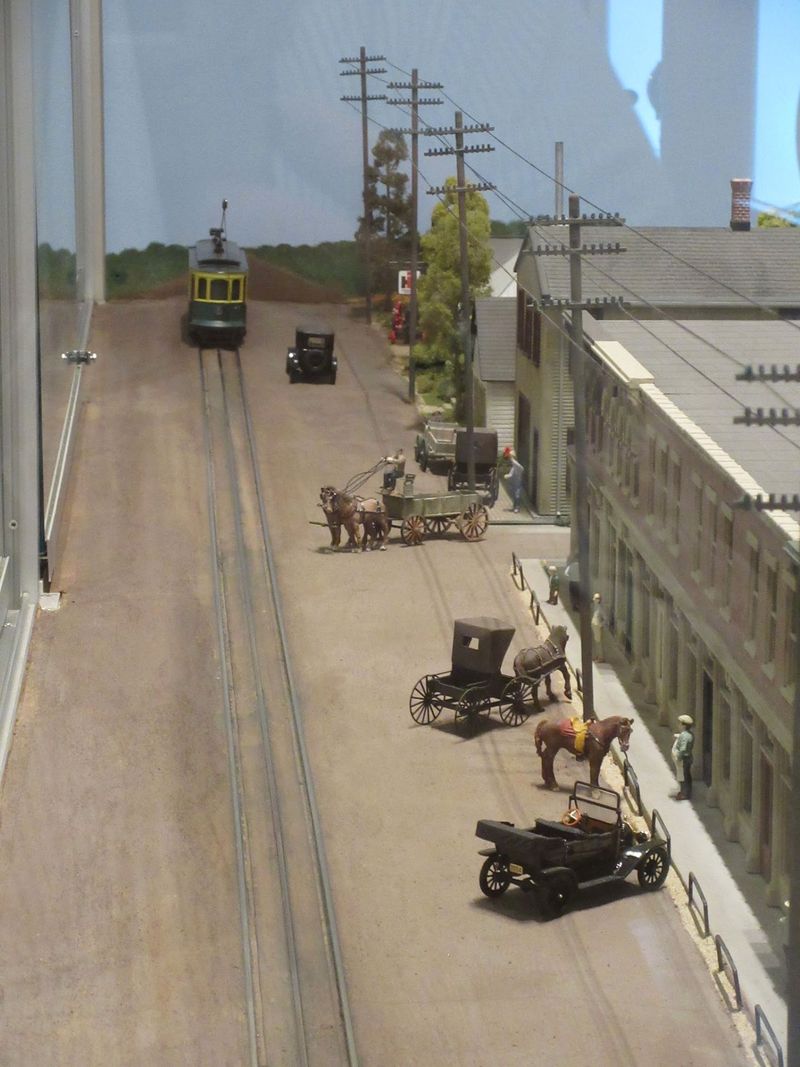
The word lost in the museum’s name is not a gimmick. It refers to the interurban passenger system that once ran across the bottom of southern Michigan, from Lake Erie to Lake Michigan.
Interurbans were electric railways that connected towns and cities. They carried passengers between communities at a time when roads were rough and cars were rare.
For a stretch of years in the early 1900s, these lines were a bold venture. Investors and builders took real risks to string together towns like Jackson and Grass Lake with electric rail service.
Then the automobile changed everything. As cars grew cheaper and more common, the interurbans lost riders, and the network was largely abandoned.
That is why so few people remember it today. The tracks are gone from most places, and the story slipped out of everyday memory.
The museum treats this chapter as a tribute to an era of innovators who ultimately lost out to the car. It shows how rail helped shape modern life even though it did not survive.
Here in Michigan, the very state that put the world on wheels, that twist carries extra weight. The next question is how the museum makes such a vanished system feel real again.
A Short Film Sets the Stage
Most visits start in a simple way. A staff member at the front desk typically offers a short introductory video before guests head into the exhibits.
The film gives a quick background on rail history in this area. For anyone who arrived knowing nothing about interurbans, it fills in the gaps fast.
That small step pays off. Once the context is clear, the train cars, wall displays and artifacts make much more sense.
The video also explains why the region mattered. Jackson and Grass Lake were not random stops but part of a larger network moving people across the state.
Kids may fidget through it, and that is fine. The interactive pieces come right after.
Adults tend to appreciate the setup most. It turns a walk through old railcars into a story with a beginning, a middle and a rather surprising ending.
Think of it as the boarding announcement before the real trip begins.
Restored Railcars You Can Board
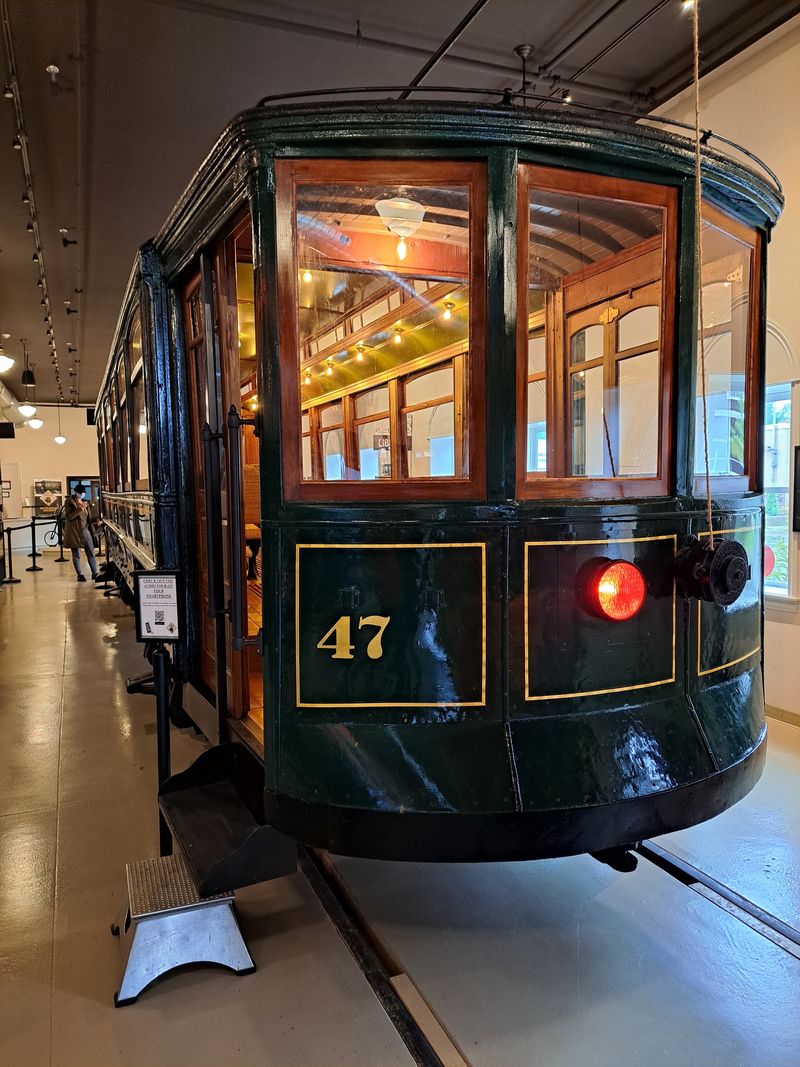
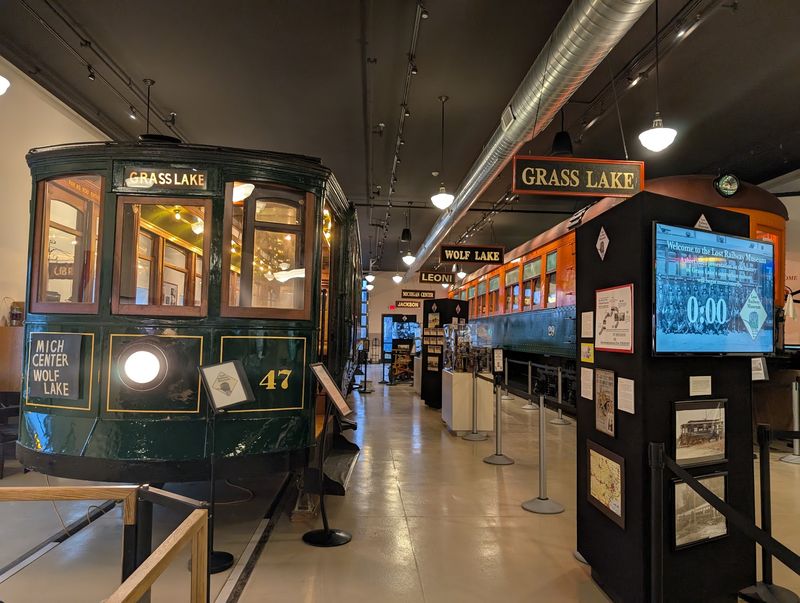
Plenty of museums keep their best pieces behind ropes. Here, guests can actually step aboard restored urban railcars.
The cars are the heart of the collection. Some are expertly finished, while others are still mid-restoration, which gives a rare look at the work in progress.
Returning guests notice the changes. Over a couple of years, real progress shows up in how the old cars look and how much of them has been brought back.
A trolley car is a favorite with younger guests. It is one thing to read about early electric travel and another to sit where riders once sat more than a century ago.
The museum’s volunteers handle much of this restoration. Their effort is visible in the details, and it is easy to see why people praise the team for what it has accomplished.
For a small town museum, having full-sized cars on site changes the experience. These are not models or miniatures but a full-sized portal into how people traveled at the turn of the century.
And one of those cars hides the museum’s most famous surprise.
The Boland Express Ride to Grass Lake
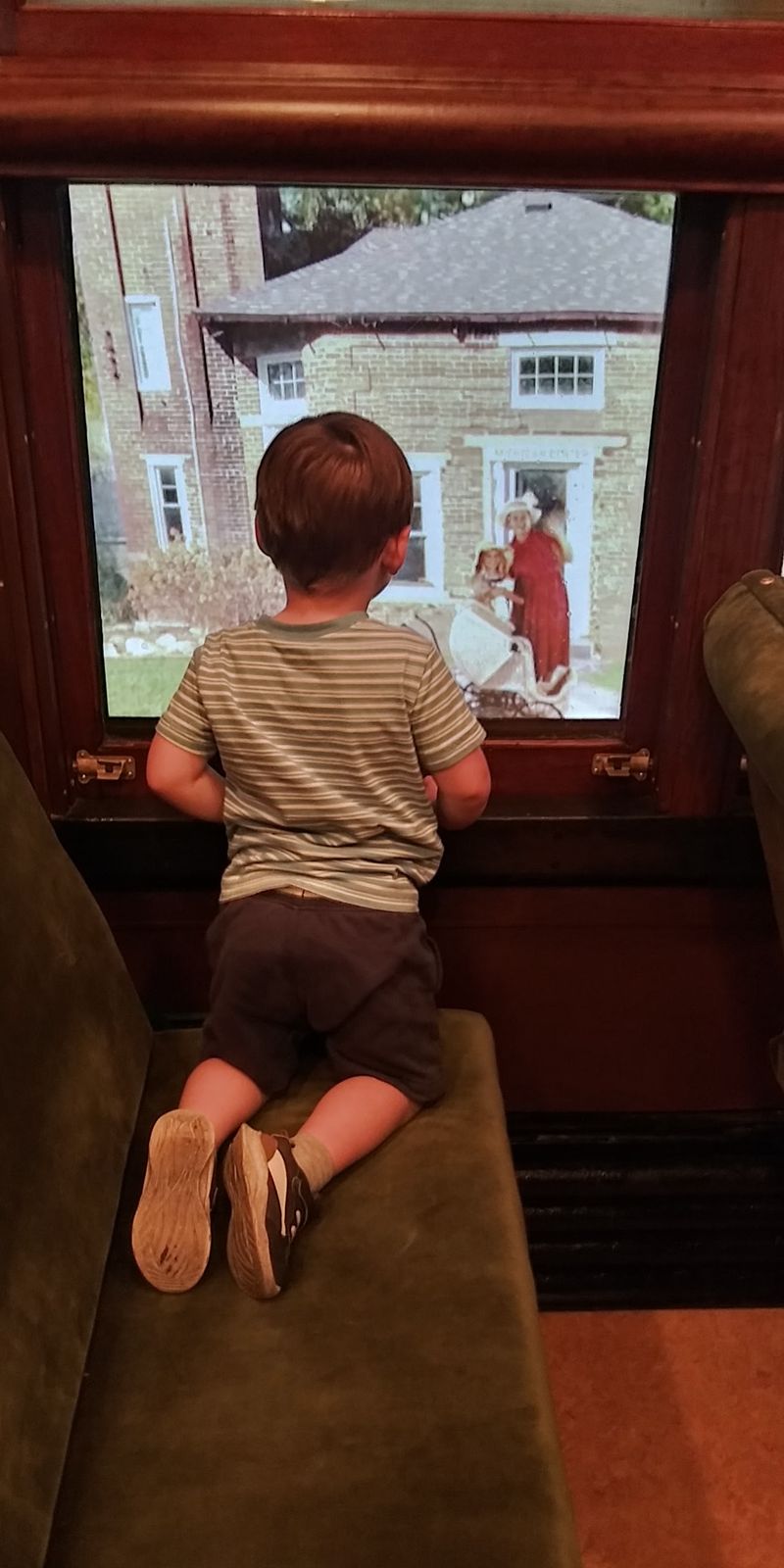
Here is the part people talk about long after they leave. Inside one of the train cars, guests take a simulated ride from Jackson to Grass Lake.
The museum calls its virtual ride the Boland Express. It recreates the trip along the old interurban route, giving a sense of what that journey once offered.
It is surprisingly convincing. The ride includes jolting movement, and young riders sometimes react with wide eyes the moment the car starts to move.
Many guests say the simulated ride alone is worth the trip. It is often called a must, and for some families it is the favorite part of the whole visit.
Grandparents bring grandkids specifically for this experience. Parents of toddlers report that even very young train lovers stay engaged.
The restoration team has also worked to update the Boland Express over time. That means the ride keeps improving rather than sitting still.
For a free museum, it is a remarkably fun ticket to punch. Just do not expect the train to actually leave the building.
Wall Stories and Hands-On Lessons
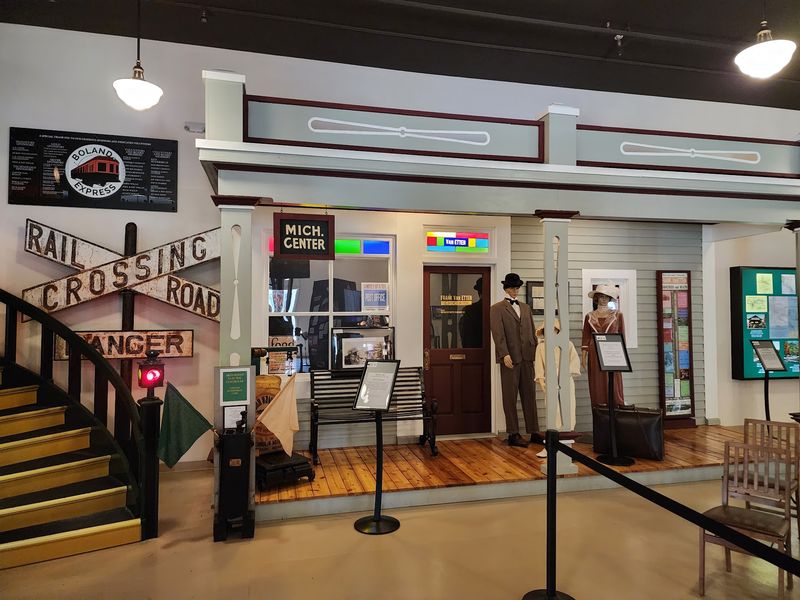
Between the railcars, the walls do plenty of talking. Historical articles line the displays, and many guests find them genuinely interesting.
These pieces cover how transportation changed dramatically in the early 1900s. They show daily life at the turn of the century and how electric rail fit into it.
The museum leans into interaction too. Several lessons are hands-on, which helps the history land with kids and adults alike.
One popular element is a car bell that can be rung. On a typical day, that adds a bit of fun.
On extremely busy days, though, it can ring a lot. During one Jackson County Free Museum Day, the museum welcomed 375 guests, and the bell got quite a workout.
The artifacts are impressive to look at and to interact with. That combination keeps the place from feeling like a dusty archive.
Read a few panels slowly, and the vanished railway starts to feel like something your great-grandparents might have ridden.
Where Rails Met the Model T
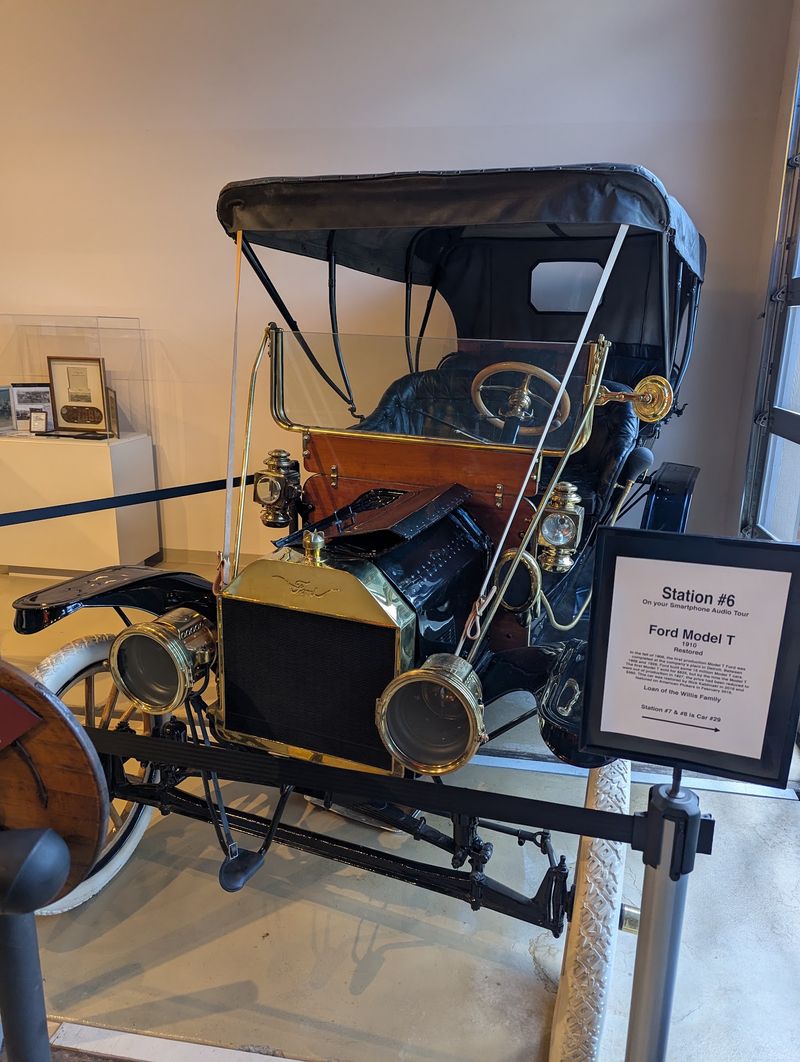
Every rail story in Michigan eventually runs into the car. The museum does not dodge that connection.
Videos showing the making of the Model T Ford are part of the experience. Guests often call them just as engaging as the train exhibits.
That pairing is smart. The same automobile industry that made Michigan famous also helped push the interurbans aside.
The museum covers how the automotive industry affected the local economy. It turns a train museum into a broader lesson about change in southern Michigan.
For guests who enjoy history, DC motors and trains of a sort, this section ties the whole picture together. It shows the push and pull between two kinds of travel.
Michigan readers know the auto story well. Seeing it from the angle of the transportation it replaced adds a fresh layer.
Call it the plot twist of the museum, starring a car that changed far more than the roads.
Volunteers Who Know Every Rivet
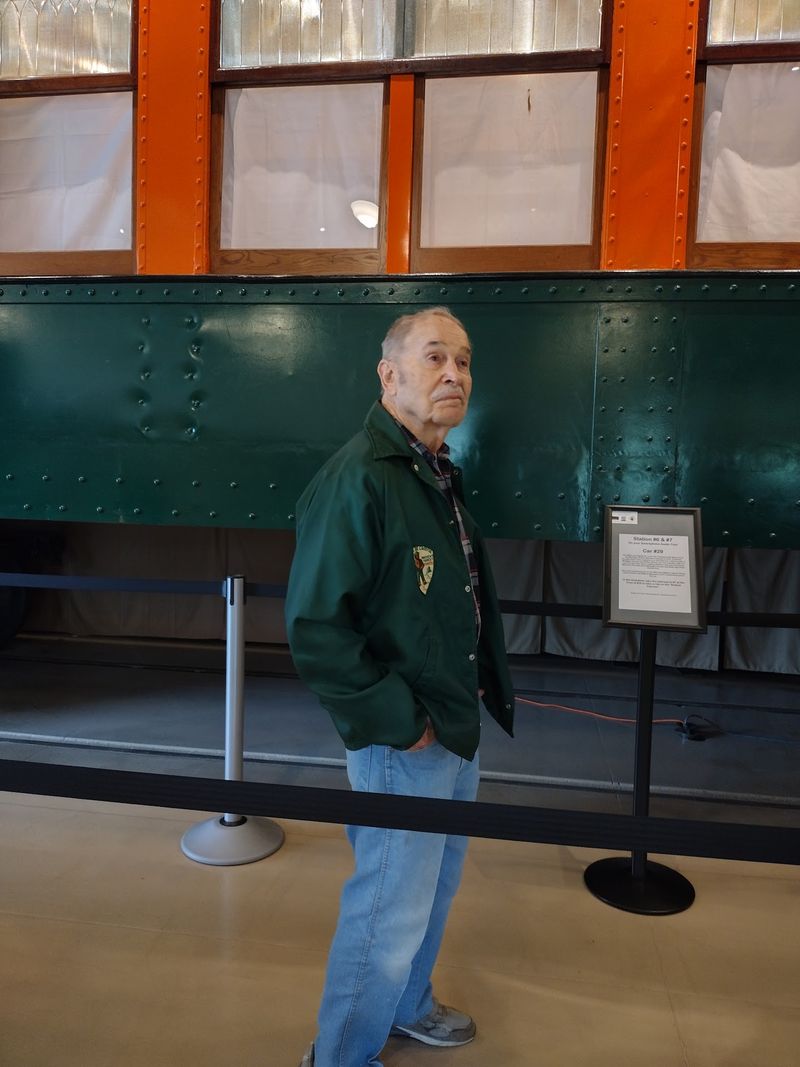
Ask a question here, and odds are good someone will happily answer it. The staff and docents are known for being knowledgeable, friendly and patient.
Children tend to ask a lot. Docents take those questions in stride, even when they keep coming one after another.
Some families report a curator spending a good chunk of time walking them through everything. That kind of personal attention is hard to find at bigger institutions.
The person at the front desk often sets the tone. Guests describe the welcome as warm and the guidance as top-notch.
Much of the museum runs on volunteer power. The Lost Railway team handles exhibits, restoration and daily operations with clear dedication.
Their work keeps adding up. New displays have been unveiled over recent seasons, with announcements often shared on the museum’s Facebook page.
People make the difference in a small museum, and here they help the past feel personal.
A Stop Built for Small Conductors
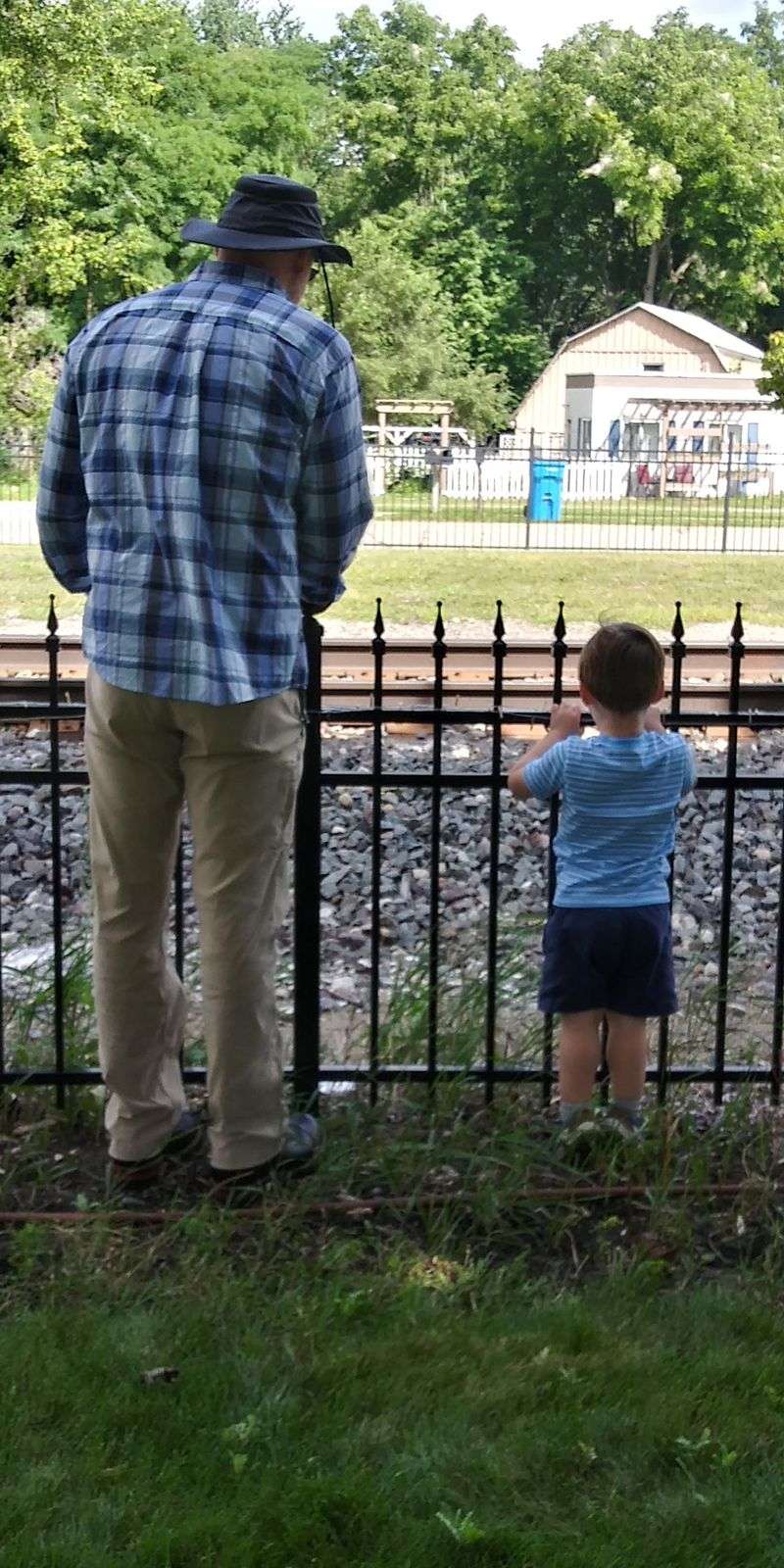
Got a little one who points at every train? This museum may become a regular outing.
Families with toddlers as young as two find it a great morning adventure. The scale is manageable, and the interactive pieces hold short attention spans.
Visits can be quick. Some families with young kids spend about half an hour and still take in plenty.
Others linger. A leisurely hour is common for guests who watch the video, browse the exhibits and take the virtual ride.
Grandparents especially seem to love it. Bringing grandkids to learn about Jackson and Grass Lake history is a popular plan.
Older kids who already love trains tend to enjoy everything in the building. It is described as fun for all ages, and that holds up.
For train-obsessed children, it can feel like the best free field trip in Jackson County.
Free Admission With a Cash Tip Jar
The best price in Michigan travel might be zero dollars. Admission to the Lost Railway Museum is free.
Donations are welcome and help keep the museum running. Many guests feel it deserves a good one, and five to ten dollars per person is a common suggestion.
One practical detail matters. Donations at the museum are cash only, though contributions can also be made online afterward.
So bring a few bills if you want to chip in on site. It helps support the restoration work and keeps the doors open.
A gift shop is also worth a look on the way out. It is a nice way to take home a reminder of the visit while supporting the museum.
Jackson County also holds a Free Museum Day, when crowds can be large. Quieter days are better for unhurried exploring.
Few attractions give this much history for so little, which is exactly why a donation feels like the right move.
Hours, Timing and the Nearby Depot
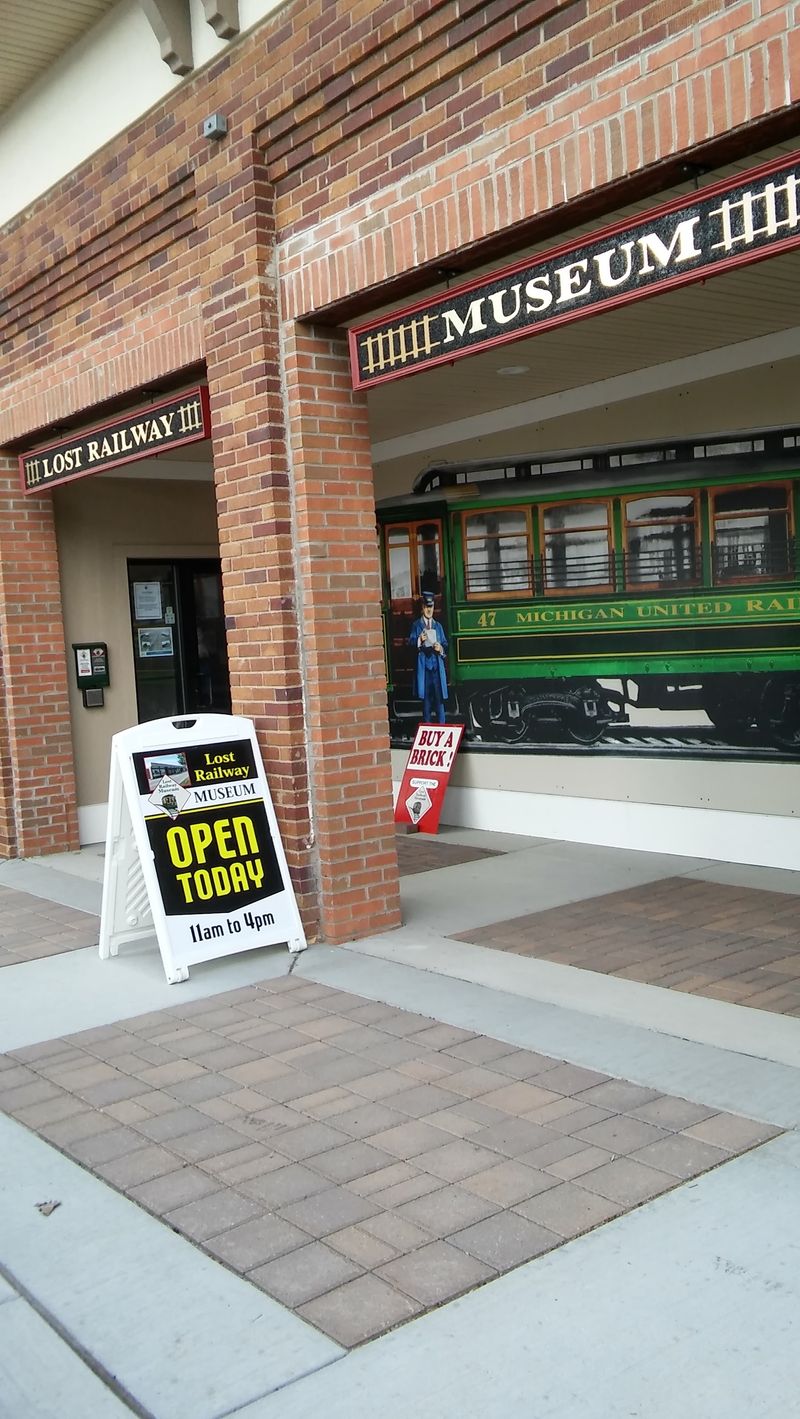
Timing your trip takes a little planning. The museum is open Wednesday through Saturday, from 10 am to 4 pm.
It is closed Sunday, Monday and Tuesday. Weekday visits often feel calmer than busy event days.
Getting there is simple for anyone traveling on I-94. The museum is a brief detour off the highway into downtown Grass Lake.
Plan for roughly thirty minutes to an hour inside. That leaves time for a short extra stop nearby.
A few blocks down, the old Grass Lake train depot is worth the walk. Lucky guests have even watched an Amtrak train pass through heading west.
That pairing is fun. The museum shows the rail line that vanished, while the active tracks show rail travel still rolling through town.
Check the museum’s website or Facebook page before heading out, since new exhibits and events are announced there.
Why This Small Stop Earns a Detour
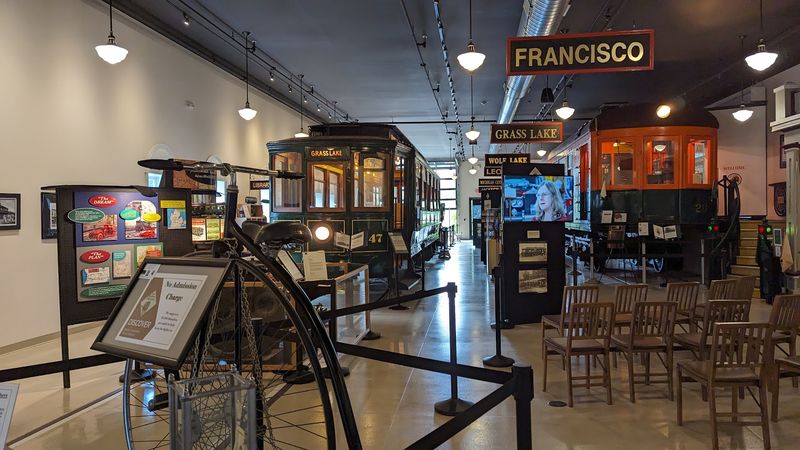
Michigan built the car, and Michigan nearly forgot what the car replaced. This museum makes sure that story survives.
It is not huge, and it does not pretend to be. Instead, it offers real restored railcars, a lively simulated ride and volunteers who clearly care.
The museum holds a 4.8-star standing from 181 Google ratings. That is impressive for any attraction, let alone a free one in a small town.
It highlights an overlooked side of American history and industry. More specifically, it highlights a Michigan chapter that rarely shows up in classrooms.
For train-loving kids, it is an easy win. For history fans, it fills in a missing piece of how the state grew.
Next time I-94 points you toward Jackson, consider the exit for Grass Lake. A century-old ride is waiting, and the fare is whatever you choose to drop in the donation box.