
Affiliate disclosure: As an Amazon Associate I earn from qualifying purchases. Learn more
Some of California’s oldest food traditions come wrapped in rice paper and served at summer street festivals. Long before ramen lines stretched down the block, Japanese American families were building neighborhoods, temples, and family shops across the state.
Many of those places are still here, still making mochi by hand and still dancing in the streets every Obon season. Here are five California spots where you can taste that history and join the celebration yourself.
1. Little Tokyo
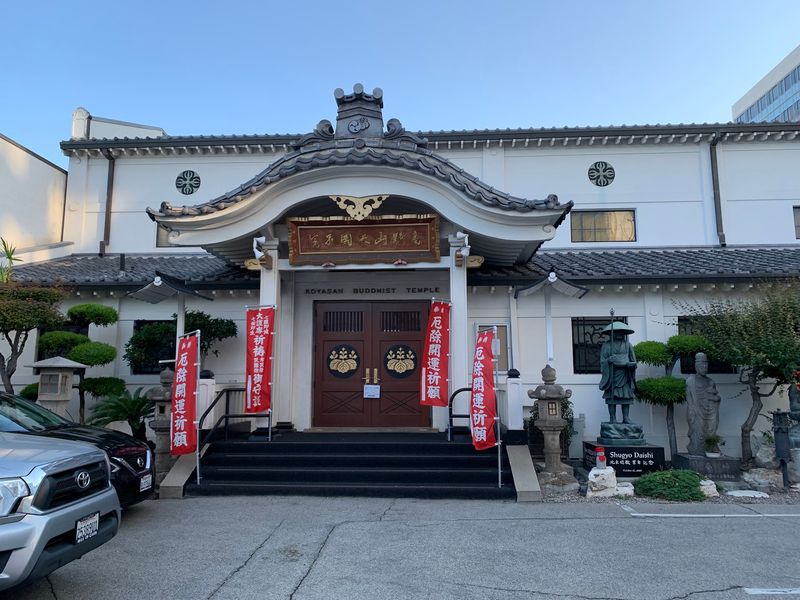
Mochi has been made in this neighborhood since 1903. Fugetsu-do, the family confectionery behind that record, still turns out its sweet rice treats in the same historic district.
Little Tokyo dates back to 1884, and it ranks as one of only three historic Japantowns still preserved in the United States. That alone makes it a fine starting point for any Japanese heritage road trip in California.
Food here covers a lot of ground. Longstanding ramen shops, sushi bars, and Japanese supermarkets sit within easy walking distance, so a single afternoon can include a snack, a bowl of noodles, and a grocery run for pantry staples.
Timing matters if you want the full experience. The Nisei Week Japanese Festival has been celebrated here since 1934, which makes it one of the longest-running community festivals in the state.
Summer also brings the Little Tokyo Obon Festival, with bon odori street dancing and taiko drumming. Anyone can join the dance circle, and newcomers usually pick up the steps by watching the people in front of them.
2. Japantown
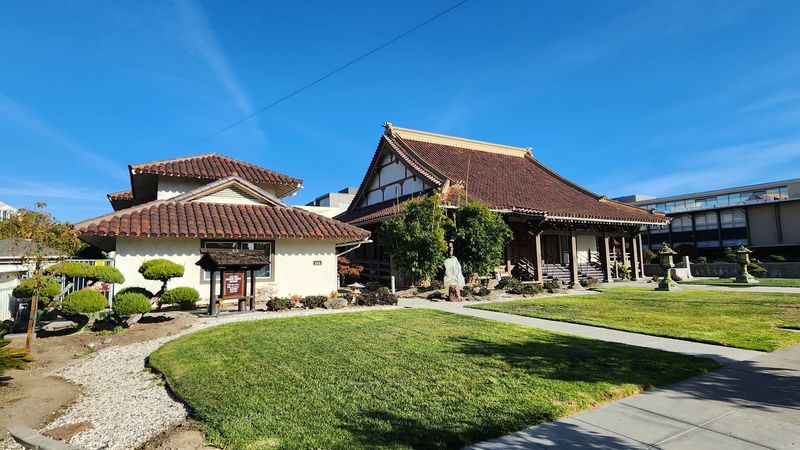
Ask a Bay Area family where they got their first taste of manju, and a lot of them will point to San Jose.
Japantown here dates back to the 1890s. Like Little Tokyo, it is one of just three surviving historic Japanese American Japantowns in the country, and it still has a strong neighborhood character.
The food lineup leans toward generations-old businesses. Shuei-do Manju Shop makes traditional Japanese sweets, Santo Market has served the community for decades, and Minato carries on the family-run Japanese dining tradition.
I like this stop because it feels like a real working neighborhood rather than a tourist strip. People come to shop for dinner, grab sweets for a gathering, and catch up with neighbors.
The festival calendar is a big draw too. The San Jose Obon Festival is a massive annual event, and Nikkei Matsuri and Aki Matsuri bring more street celebrations throughout the year.
If you can only pick one, Obon is the classic choice for dancing and festival food.
3. Sawtelle Japantown
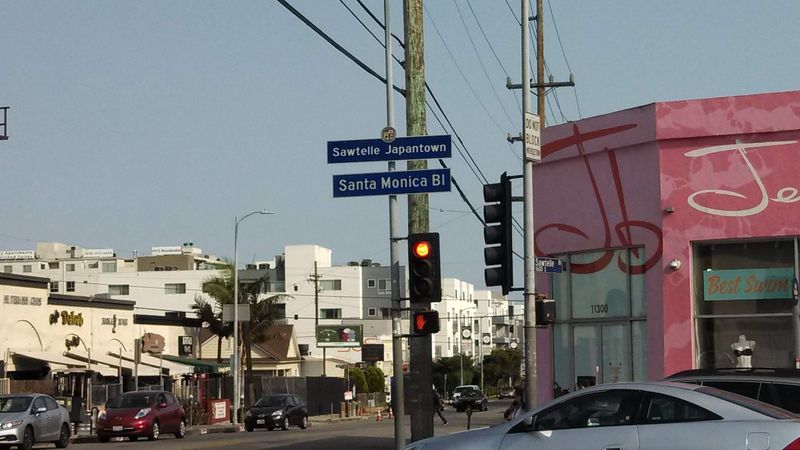
Farmers and nurserymen built this West Los Angeles neighborhood, not restaurateurs. Japanese immigrants settled the area in the 1910s, and plant nurseries were once its signature business.
Today, Sawtelle Boulevard is better known for noodles. The corridor packs in tsukemen and ramen shops, sushi bars, matcha sweet shops, and Japanese grocery markets along a short stretch, which makes it easy to sample several places in one visit.
The City of Los Angeles formally designated Sawtelle as a historic Japantown. That recognition helps keep its roots in the conversation, even as newer spots open up.
For the traditional side, head to the West Los Angeles Buddhist Temple on Corinth Avenue. It anchors the annual Sawtelle Obon Festival, with bon odori dancing, taiko performances, and community food stalls.
Plan on a bit of patience at the busiest noodle counters. It comes with the territory on a street this popular.
4. Gardena
After World War II, Gardena became the main center of Japanese American life in Southern California. Families rebuilt here, and the city still reflects that history today.
The Gardena Valley Japanese Cultural Institute, known locally as GVJCI, anchors much of that community spirit. Its annual Matsuri, also called the Carnival, has long been a family tradition in the South Bay.
Gardena Buddhist Church hosts its own Obon Festival as well. Expect traditional dances, crafts, and Japanese festival foods, which makes it a good pick for multiple generations heading out together.
Food is a year-round reason to visit. The city is known for Japanese bakeries passed down through generations, plus izakayas, noodle houses, and classic grocers like Marukai.
This is the kind of place I would save for an easy weekend loop. Pick up baked goods, grab a noodle lunch, and stock the pantry before heading home.
5. Torrance
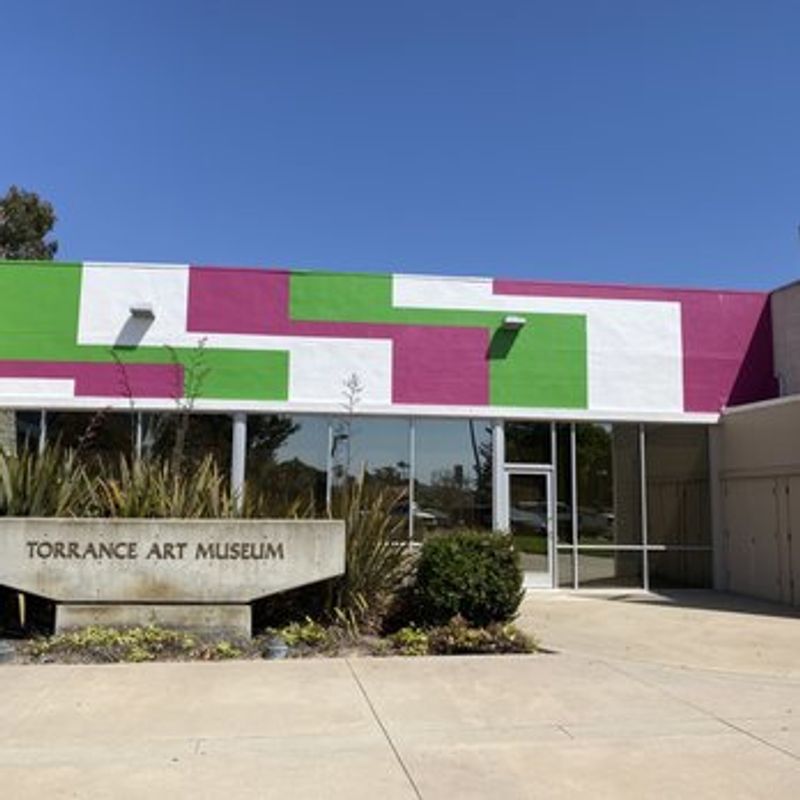
No city on the U.S. mainland has a larger concentration of Japanese and Japanese American residents and businesses than Torrance. That reputation shows up most clearly at the dinner table.
Mitsuwa Marketplace ranks among the best-known Japanese supermarkets in the area. Beyond the grocery aisles, the city has dozens of sushi, yakitori, and ramen restaurants spread across its neighborhoods.
Culture gets a dedicated day too. The Torrance Cultural Arts Center hosts the annual Torrance Bunka-Sai Japanese Cultural Festival, a civic tradition that has run for decades.
Bunka-Sai leans toward the arts. Visitors can see tea ceremonies, taiko drumming, and flower arranging, along with plenty of Japanese cuisine, so it suits folks who enjoy a calmer pace than a crowded street festival.
Since dates and details may change from year to year, check the city website at torranceca.gov before you go.


