
Affiliate disclosure: As an Amazon Associate I earn from qualifying purchases. Learn more
Some souvenirs come off a shelf, while others come out of a 2,000-degree furnace with your fingerprints all over the story. On a quiet stretch of the Central Coast, a tiny town keeps a working hot shop where beginners leave holding a vase they shaped themselves.
Families book lessons here, couples mark anniversaries here, and road trippers on Highway 1 pull over just to watch artists turn molten glass into frogs and holiday spheres. The town is so small that one quick stop can fill a whole afternoon.
Keep reading to learn what a class involves, what fills the gallery shelves, when the doors open, and why so many people call this little studio a highlight of the coast.
A Hot Shop on Old Creamery Road
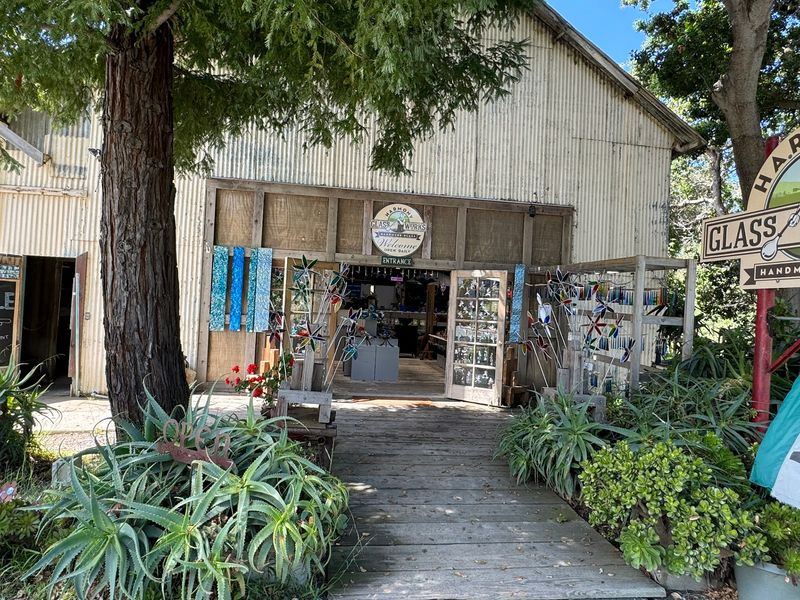
Tiny towns rarely come with a furnace, but this one does. Harmony Glassworks sits at 2180 Old Creamery Rd, Harmony, CA 93435, in the United States, inside one of the smallest communities on the California coast.
The business works as two things at once. It is a fully functional glassblowing studio and a retail gallery packed with handmade glass art.
Harmony itself sits close to Cambria, which makes it an easy add-on for anyone already exploring that part of San Luis Obispo County. Many people find the town by accident while cruising the coast, and the glassworks becomes the reason they stay longer than planned.
The studio holds a 4.8-star average across more than 200 public ratings, a strong sign that the experience lands well with most guests. Classes, live demonstrations, and a crowded gift shop all share the same address.
Plenty of attractions promise a show. Fewer let you step behind the curtain and pick up the tools yourself, and that is where the real story starts.
Harmony, the Town That Fits in a Glance
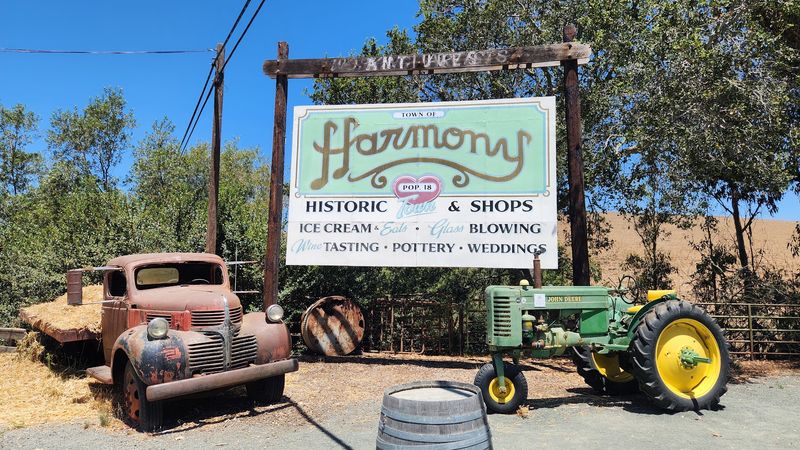
Blink on Highway 1 and the whole town could slip past your window. Harmony is often described as a super mini town, with only a handful of businesses gathered in one small cluster.
That size is part of the charm. The town carries a historic label and a cozy, artsy personality that surprises people who expected nothing more than a road sign.
Beyond the glassworks, the town has an organic coffee spot, a food truck, a local creamery for ice cream, and a pottery stop nearby. Together they make a neat little loop for a stretch break.
The studio team clearly loves its hometown too. They describe Harmony as quirky and full of small surprises, and their pride shows in how they talk about the place.
A town this small could easily feel like a pit stop. Instead, it works more like a pocket-sized art village, and the glass studio sits right at its center.
Front-Row Seats to Molten Glass
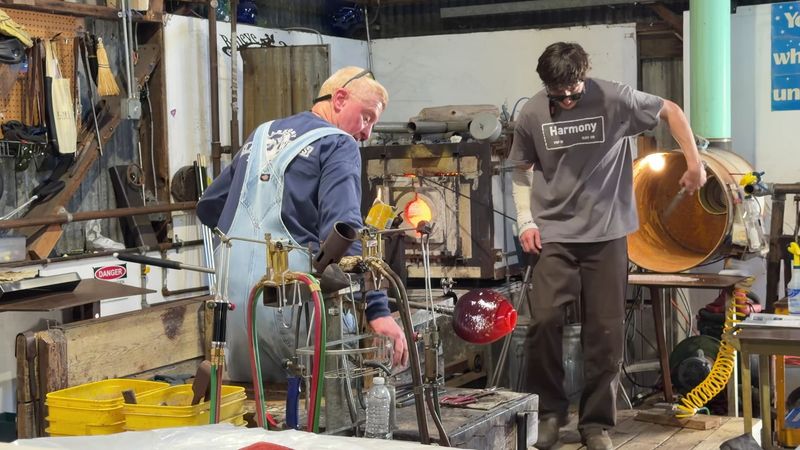
Free entertainment is hard to beat, and here it comes with a furnace. Artists often work in the studio during open hours, so a casual stop can turn into a live glassblowing show.
Guests have watched the team craft a tiny glass frog from a blob of molten material. Others caught an artist making spheres for Christmas trees, one careful step at a time.
The artists move calmly between equipment and tools, and many of them happily explain what they are doing. Questions are welcome, and the answers tend to come with patience and good humor.
Staff members like Devon and Nate Nix get mentioned for chatting about the process with curious onlookers. It feels less like a stage and more like a workshop with open doors.
Watching is fun on its own. Still, many people leave the demonstration area thinking the same thing: how hard could it really be to try?
Your First Gather of Glass
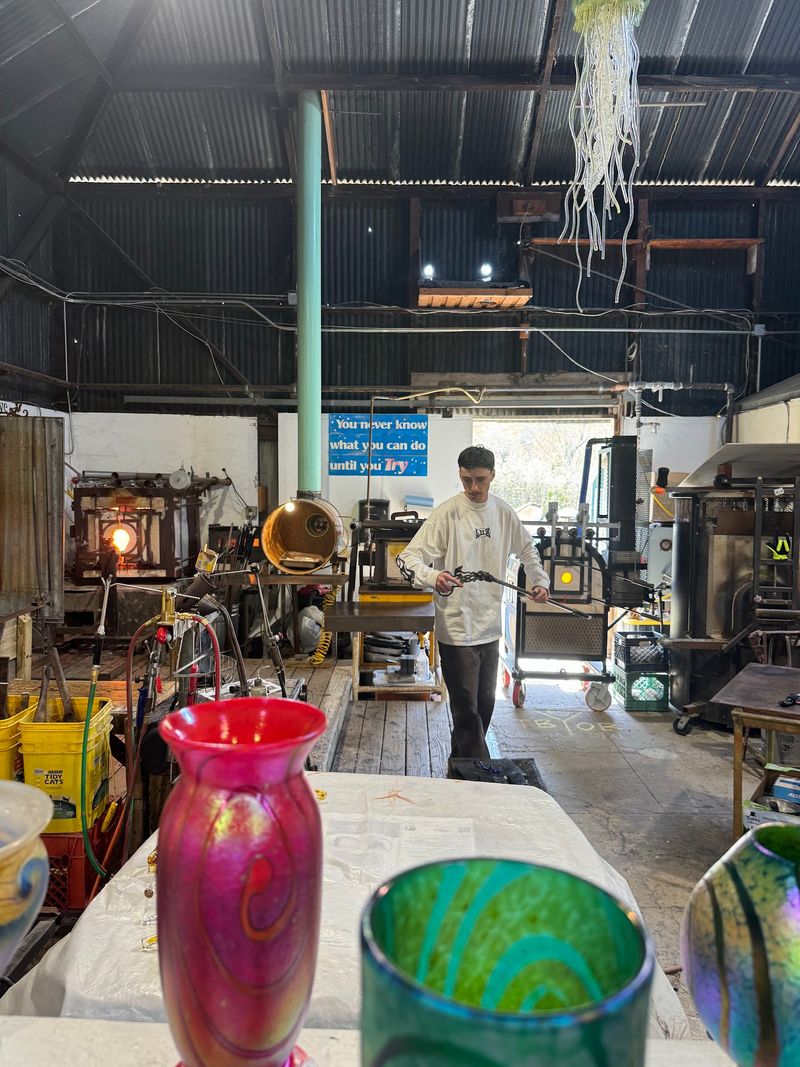
Zero experience is the normal starting point for a class at Harmony Glassworks. Plenty of students walk in without knowing a single term and walk out with a finished piece.
Lessons focus on making a vase or a bowl. Those have been the class options, so it helps to decide which shape appeals to you before you arrive.
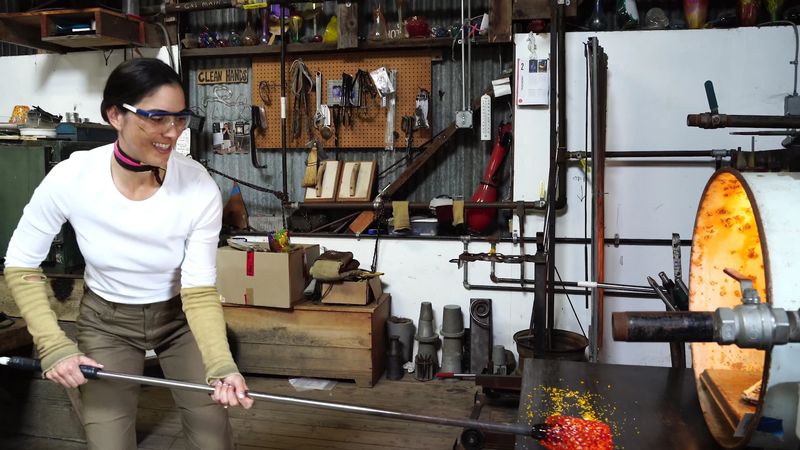
Instructors break the work into manageable steps. Students handle real molten glass at around 2,000 degrees, which sounds daunting, but the teaching keeps everyone involved and safe.
Each lesson starts with safety and an explanation of how the whole process works. Then the hands-on part begins, with guidance at every stage.
Instructors also help with color choices. One student wanted something dark and neutral, and that is exactly what her vase became.
Nothing in the class feels rushed. That steady pace is a big reason first-timers leave proud rather than overwhelmed.
The Instructors Everyone Remembers
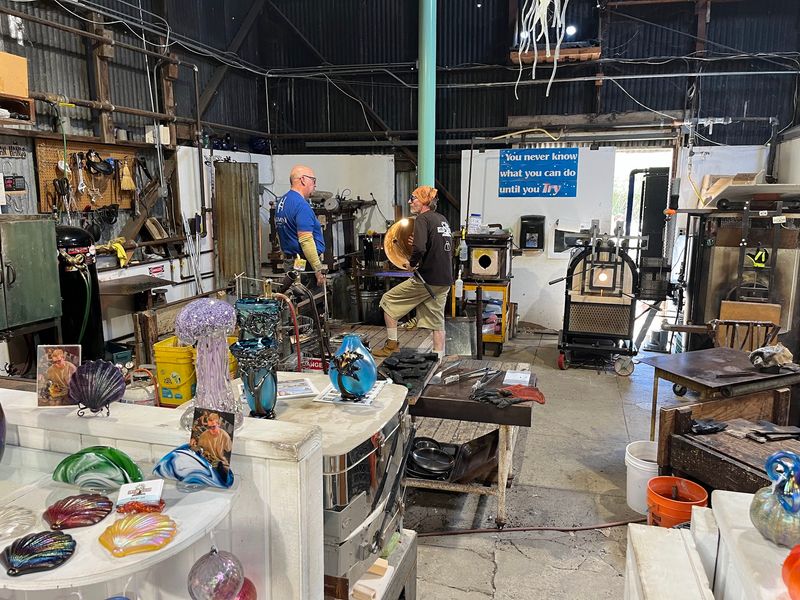
Names come up again and again when people describe their classes, and that says a lot. Nate, sometimes called Nathaniel, is the instructor students mention most often.
He is known for patience, deep knowledge, and a knack for answering a near-constant stream of questions. Students describe him as encouraging, passionate, and funny without losing focus on safety.
Eric earns warm words as well. Couples and families who learned with him call him knowledgeable and a strong teacher, and their pieces turned out well.
Colton is part of the team too, helping make booking and the overall experience smooth. The staff as a whole gets steady praise for being helpful.
Good teaching shows up in the details. Instructors guide students individually, so each person gets real time and attention at the bench.
A furnace provides the heat, but the people make the lesson click.
Glass Lessons as a Family Tradition
Some family outings fade by dinnertime. A glassblowing class tends to stick around much longer, partly because you take the result home.
Parents bring kids, preteens, and teens to the studio, and many describe the day as a core memory. A father and his 12-year-old son both started with no knowledge and left with a vase they still talk about.
One grandmother surprised her daughter and two granddaughters with a private class. The pieces they made are now treated as family heirlooms.
Each family member can do a separate lesson, so everyone gets their own piece. Booking for multiple people is described as easy.
The workspace itself keeps young minds busy. It has been called comfortable, clever, and great for a curious brain.
Kids learn something real here. They also learn that patience and heat can work together, which is a pretty good lesson for any age.
Date Days and Anniversary Vases
Flowers wilt. A vase you blew yourself lasts a lot longer, which explains why couples keep booking classes here.
One guest called her lesson the perfect anniversary gift. She arrived with no background and left with a vase she plans to cherish for years.
Husbands and wives take classes together and describe the experience as a blast. Several say they plan to return and do it again.
Best friends book sessions too. Two friends on a first trip to Cambria planned the class ahead of time and were still talking about it after they left.
The lessons work well for pairs because each person creates something unique. You get a shared memory and two different pieces that reflect each personality.
Gifts are tricky to get right. A class with a keepsake at the end makes the guessing game a whole lot easier.
A Gallery That Tests Your Self-Control
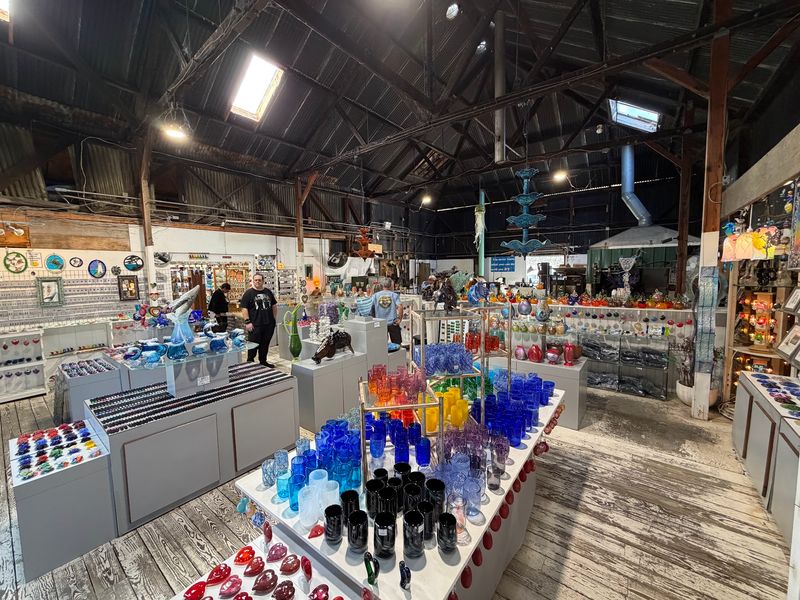
Keep your arms close and your wallet closer. The gallery is packed with handmade glass, and it can be hard to leave empty-handed.
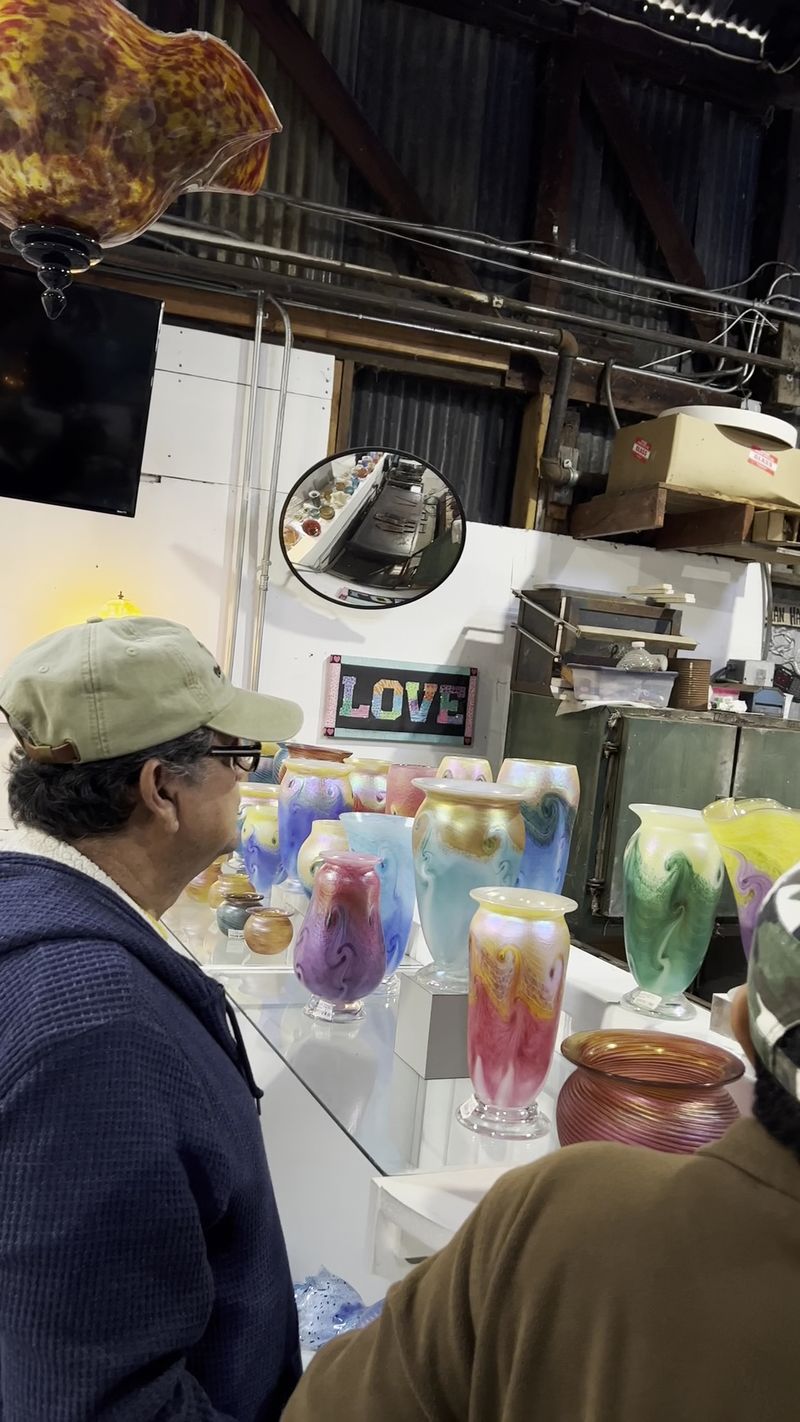
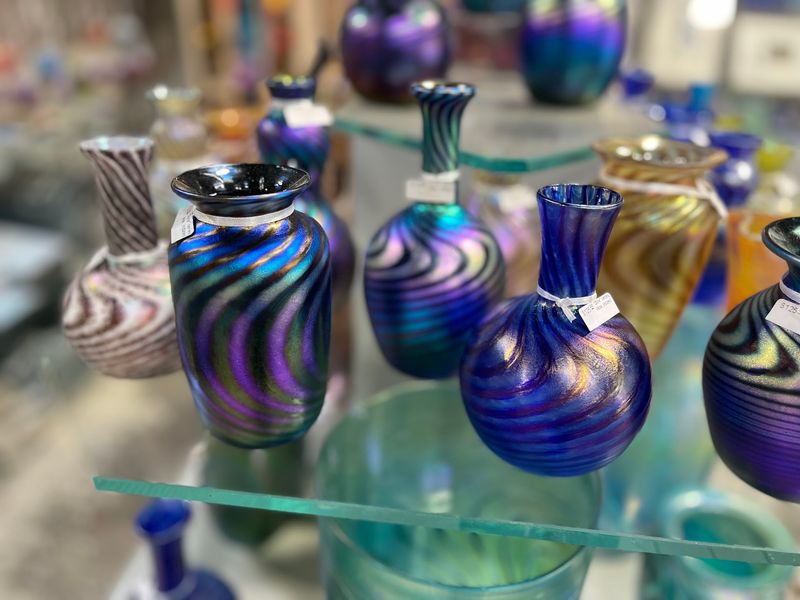
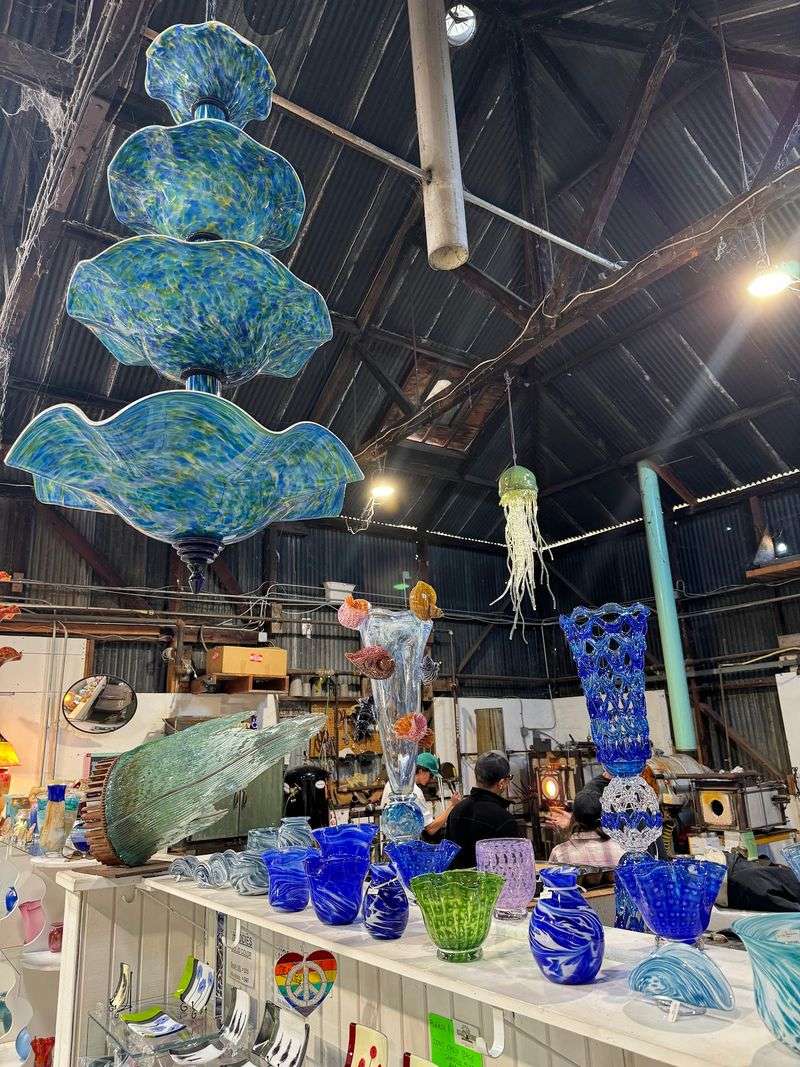
Shelves hold vases, bowls, ornaments, earrings, necklaces, and wind chimes. There are also practical items like glass fingernail files and decorative hanging lights.
Many people compare the space to an art museum. The work is detailed and original, and some guests say they could spend hours just looking.
Pieces are beautifully displayed, and the selection covers both useful and purely decorative items. That mix makes it a strong stop for gift shopping.
Travelers who popped in early in the morning bought souvenirs and wished they had more time to browse. The shop clearly rewards a slow wander.
A short stop can turn into a long one. Consider that a warning and an invitation at the same time.
Sea Glass by the Scoop
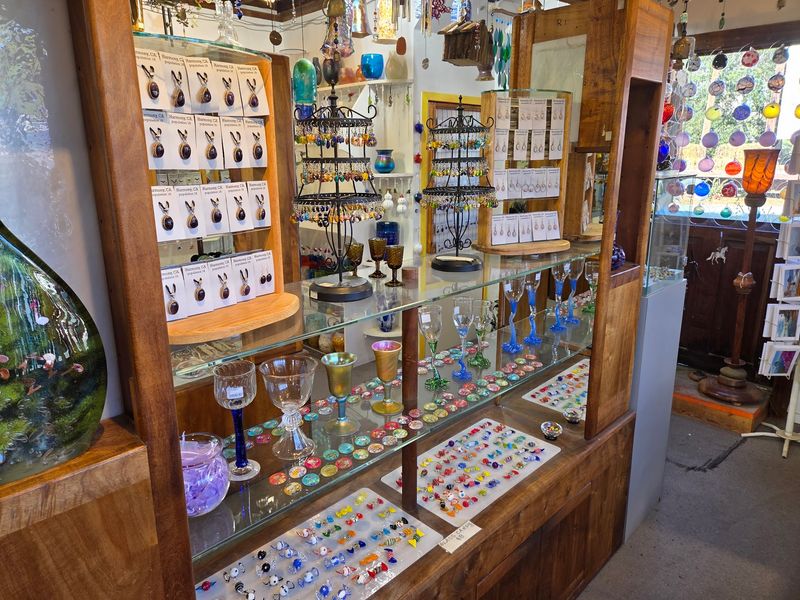
Treasure hunting does not always require a beach. Inside the studio, a bucket of sea glass invites shoppers to dig through and pick their favorites.
For a price, you can fill a container with the pieces you choose. It is a simple activity that gives younger shoppers something hands-on to do.
The sea glass option also works for anyone who wants a budget-friendly keepsake. You control how much you pick, so it fits a wide range of plans.
Crafters may find extra value here. The pieces can become part of home projects, jars, or small displays.
It is a quieter corner of the shop compared to the furnace action. Still, it is one of those small details people remember and mention later.
Not every souvenir needs to come from a kiln. Sometimes a handful of chosen color does the job nicely.
Bargains Outside the Front Door
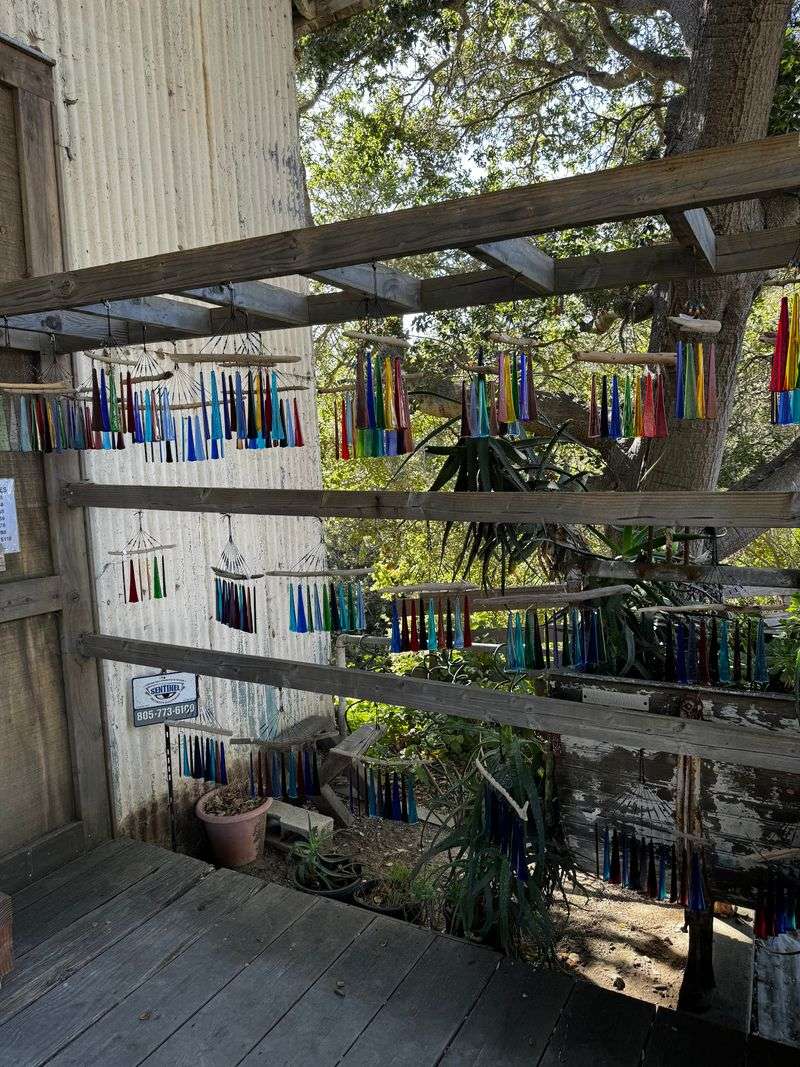
Smart shoppers check outside before heading in. The studio keeps a sale section outdoors, and it has a reputation for good deals.
That matters, because handmade glass is not cheap to produce. Some shoppers feel certain pieces run pricey, and one guest called prices hard to afford.
Others see it differently, calling the designs reasonably priced and well worth the cost given the skill involved. A pair of earrings, for example, was described as well worth the price.
The studio says it tries to offer items in all price ranges. It also notes that glass art comes with significant costs and plenty of difficulty.
The outdoor sale area helps bridge that gap. It gives budget-minded travelers a way to bring home real handmade glass.
A quick look outside might save a few dollars. It might also lead straight to your favorite find of the trip.
Worth the Class Fee
Money talk comes up with any class, so here is the honest version. A lesson is a little pricey, according to some students.
Yet the same students point out that the cost is not much more than buying a finished piece directly. The difference is that you made this one yourself.
Many people describe the class as worth every penny. They leave with a finished vase or bowl plus a memory that lasts.
Exact class prices are not listed here, so check the official website at harmonyglassworks.com for current rates and booking details. Reservations ahead of time are strongly recommended.
Private classes are an option as well. Families and small groups have booked them for special occasions.
Finished pieces need time before they are ready, so plan around that when you book. Your vase is worth the short wait, and the staff will explain the timing during your session.
Hours, Booking, and Road Trip Timing
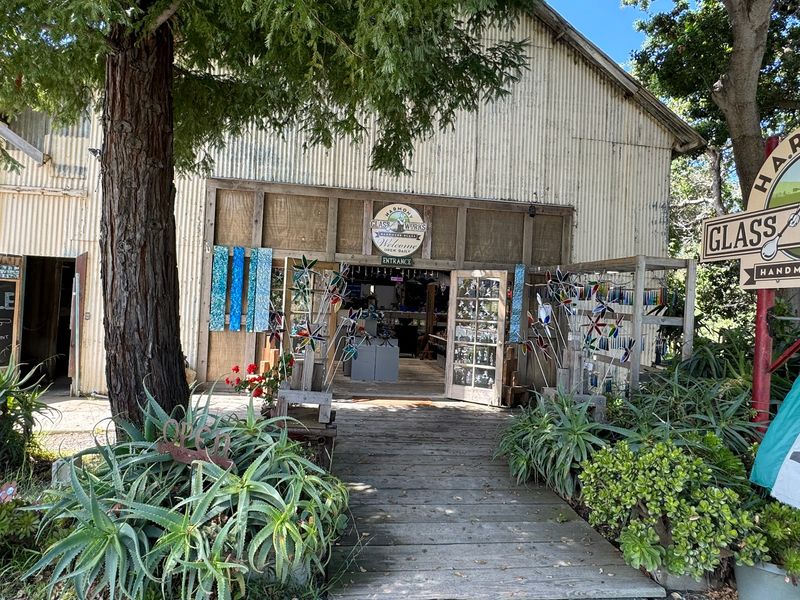
Early birds get the glass. Harmony Glassworks opens at 9 am every day of the week and closes at 5 pm, Sunday through Saturday.
That steady schedule makes it easy to fit into a coastal drive. Even travelers rolling through early in the morning have found the doors already open.
The studio sits right off the Highway 1 route, which makes it a natural break during a long drive. Pair it with Cambria nearby for a fuller day.
Classes need reservations. Book ahead, especially if you want a specific date for a birthday, anniversary, or family trip.
Plan time for the rest of town as well. Coffee, the creamery, the food truck, and the pottery spot all sit close by.
Shopping can take longer than expected, so leave some buffer. A rushed visit is the most common regret people mention.
A Small Studio With a Big Payoff
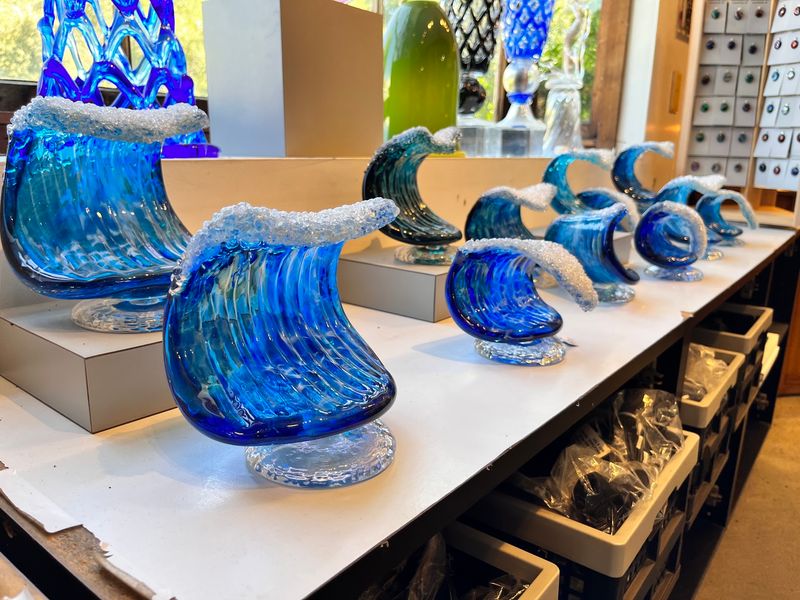
Small places can leave a large mark, and this one proves it daily. Harmony Glassworks mixes old world craft with a friendly, welcoming spirit.
You can watch artists work, browse a gallery that feels like a museum, or take a class and shape your own swirl of color. Each option offers something different.
Families find heirloom moments. Couples find unique gifts, and road trippers find a stop worth bragging about.
The studio has faced challenges like rising theft, and it has said that vigilance should never come at the cost of respect for customers. That openness speaks to a team trying to do right by its guests.
The craft itself feels rare, and many people call it a lost art. Here, it is alive and open to anyone curious enough to try.
Harmony is tiny, but your vase will be proof you were there. Few souvenirs carry that kind of story.


