
Affiliate disclosure: As an Amazon Associate I earn from qualifying purchases. Learn more
Down at the very bottom of Texas, close to the Rio Grande, there is a patch of land where more than 200 kinds of wild butterflies show up on their own. Nobody keeps them in a glass dome.
They come for the native plants, and a lot of rare birds come along for the ride. The spot sits just outside McAllen, and it feels more like a tropical nature reserve than a typical Texas park.
Families, bird lovers, and road-trippers from all over the state make the long drive to walk its trails. In this guide, you will learn where it is, what lives there, when to go, and how to plan a day that makes the trip worth every mile.
A 100-Acre Wild Corner Near the Border
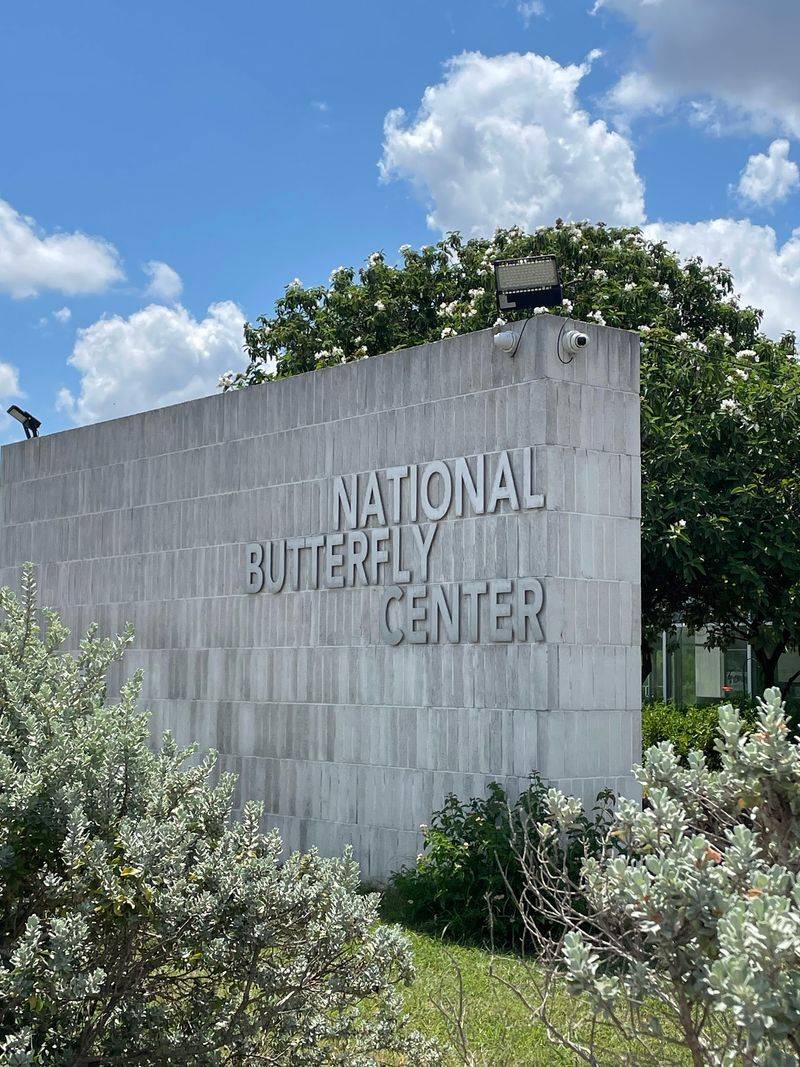
The Rio Grande Valley hides one of the most unusual nature stops in Texas. The National Butterfly Center sits at 3333 Butterfly Pk Dr, Mission, TX 78572, a short drive west of McAllen in the southern tip of the state.
The center covers about 100 acres of habitat. It holds trails, gardens, and a pavilion, all built around one big goal: giving wild butterflies a place to land.
Here is the key detail. More than 200 species of wild butterflies have been recorded on the grounds, which makes it a very different experience from an indoor butterfly house.
The property is officially listed as a park, and it is open every day of the week. That makes it easy to slot into a Valley road trip, even on a Sunday.
From San Antonio, the drive typically runs around four hours. From Houston or Austin, plan on a longer haul, so an overnight stay in the McAllen area may make sense.
For many Texans, the drive is part of the appeal. It is a chance to see wildlife that rarely shows up anywhere else in the country.
Gardens Planted With a Purpose
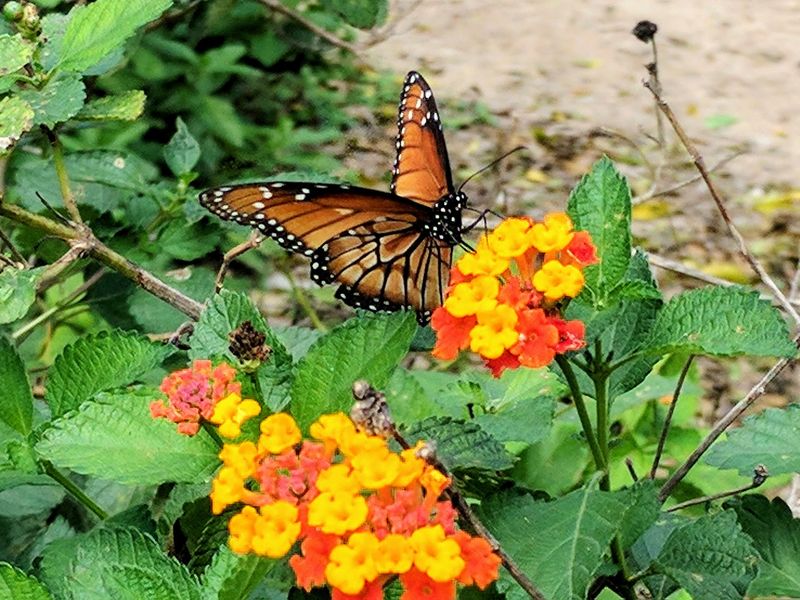
Butterflies are picky eaters, and the gardens here are designed around that fact. The grounds are filled with native plants chosen to attract specific species throughout the year.
Many guests come away with a plant lesson they did not expect. Small signs and careful planting make it easy to notice which butterflies favor which flowers.
The land is planted for butterflies year round. That steady effort is a big reason the center draws so many species to one spot.
Some home gardeners treat the trip like a research mission. They study the attractor plants on the trails, then figure out which ones might grow in their own yards back home.
That kind of planning can pay off. Even folks dealing with tough soil elsewhere in Texas have found native options here worth taking home.
The gardens show that a backyard can do more than look nice. With the right plants, it can become a stopover for wild visitors with wings.
Nearly 300 Bird Species on the Checklist
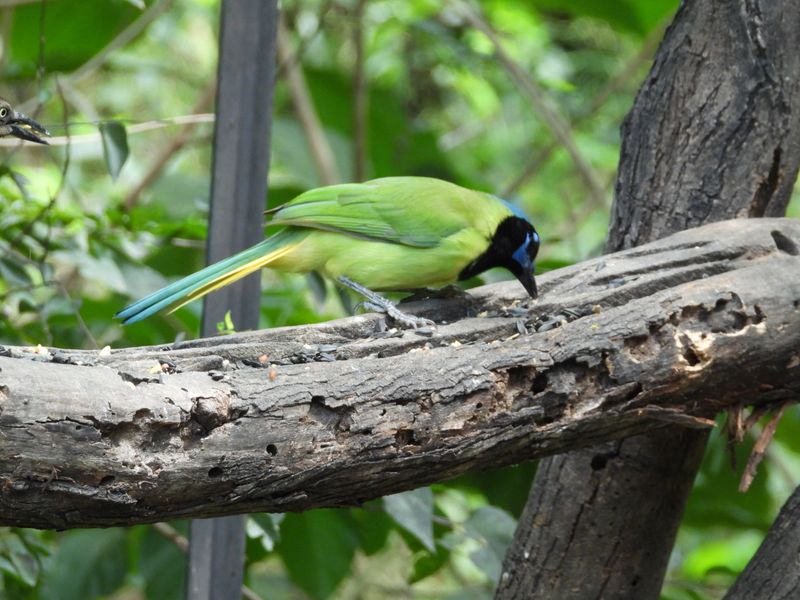
The name says butterflies, but the birds may steal the show. The center has published a bird checklist with nearly 300 species recorded within its boundaries.
Green jays and plain chachalacas are two of the local favorites. Both are special to the Rio Grande Valley and hard to find in most of the United States.
In a single afternoon, sharp-eyed birders have spotted northern cardinals, great kiskadees, kingfishers, hummingbirds, Altamira orioles, and thrashers. Wild turkeys sometimes wander through as well.
Feeders are set up toward the back of the center, which helps pull birds into view. Seed goes out year round.
Neat bird blinds give watchers a place to sit quietly and wait. Even on very cold days with no butterflies around, bird activity can stay surprisingly strong.
Call it a two-for-one deal. Come for the wings with patterns, stay for the wings with feathers.
Spike, the Resident Celebrity
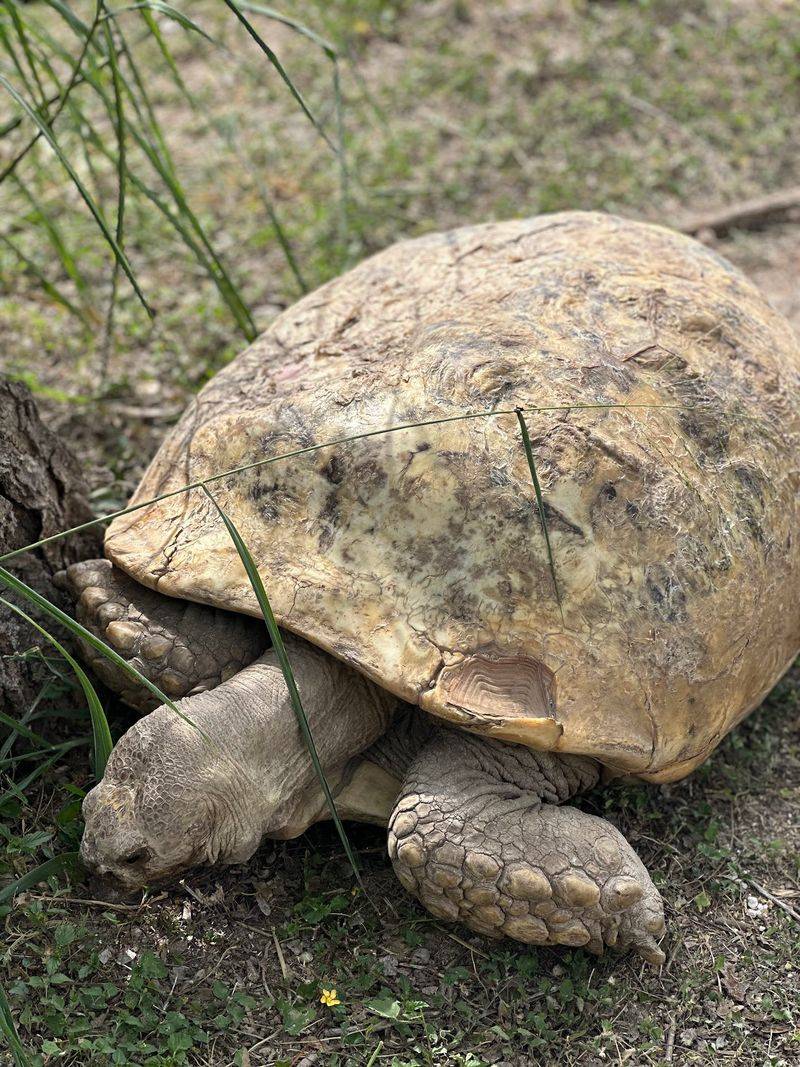
Every great attraction needs a star, and here the star moves slowly. Spike is a large tortoise who lives at the center, and he has quite a fan club.
Kids tend to put him at the top of their must-see list. Plenty of grown-ups do too.
He is not the reason most people make the drive. Still, he often becomes the moment families talk about on the ride home.
Spike also adds a fun twist for younger guests who may lose patience waiting for a butterfly to sit still. A big tortoise is easy to spot and hard to forget.
Opinions on his look vary. He has a rugged, weathered appearance that some guests notice, and those with questions about his care can ask the staff on site.
Either way, a visit is not quite complete without saying hello. Spike does not rush, and neither should you.
Trails That Reach Toward the River
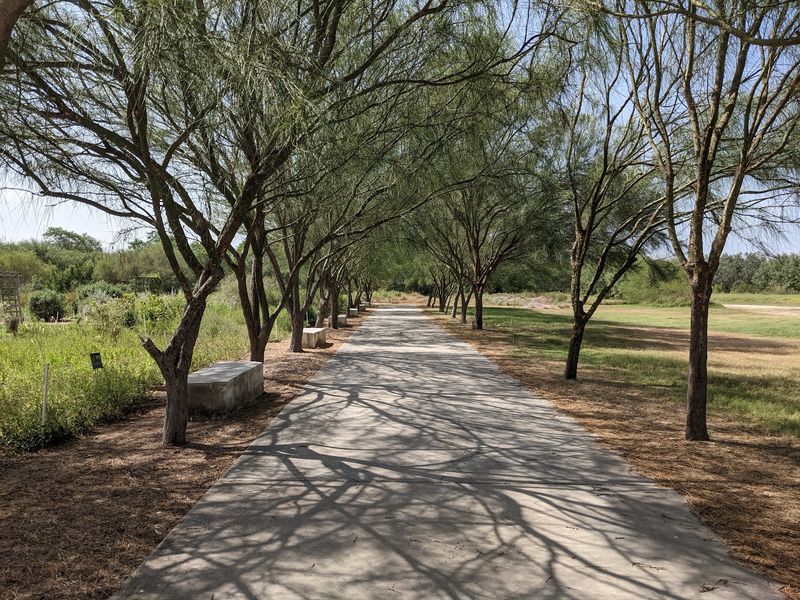
Some people plan an hour and end up staying all day. The trail network stretches from areas close to the visitor center all the way to sections near the border.
The trails are clearly labeled and well maintained. Signs along the way explain the wildlife and plants nearby.
Walking most of the trails can take around three hours. Faster walkers may finish sooner, but stopping for photos tends to stretch the clock.
Some paths are shaded, while others are open to the sun. That mix is worth keeping in mind during warmer months.
The paths also lead to small surprises. Guests have spotted moths, spiders, and even scorpions along with the expected birds and butterflies.
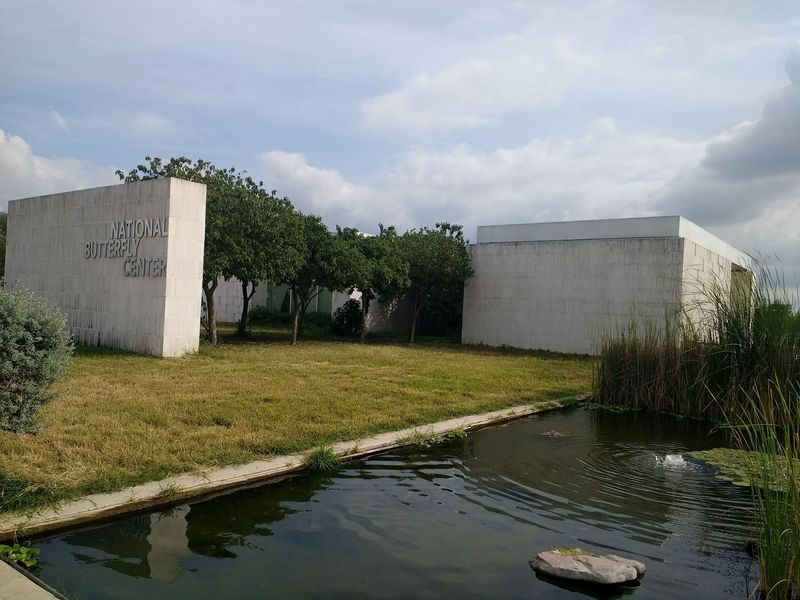
A beautiful pond sits in front of the main building, filled with water lilies. It makes a calm starting point before heading deeper into the property.
Bring comfortable shoes and a little patience. The farther corners often reward those who keep going.
Timing Your Trip for Peak Wings
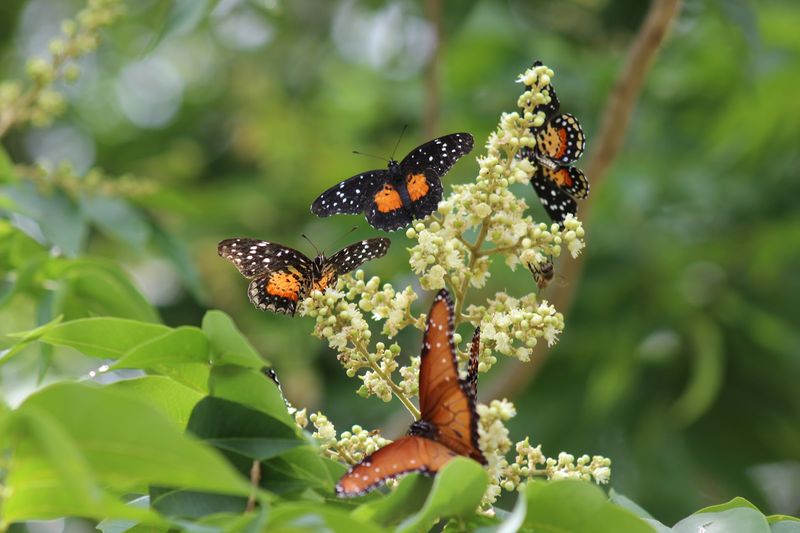
Butterflies keep their own schedule, and it pays to know it. They tend to be most plentiful when temperatures are warm and flowers are in bloom.
Spring and autumn can bring extra species through the area. Migration season often means more birds as well.
Arrive too early in the year, before the blooms, and butterfly numbers may be low. Show up at the tail end of migration season, and you might see fewer than hoped.
Cold days can mean almost no butterflies at all. Birds, however, often stay active, so the trip is rarely a wash.
Early morning is a popular choice. Many guests find it the best time for viewing, and the temperatures are friendlier too.
Summer still has fans. With planting and feeding happening year round, the center can be worth a stop even in the hottest months.
The takeaway is simple. Check the season, set your expectations, and treat any butterfly sighting as a bonus prize.
A Classroom Without Walls
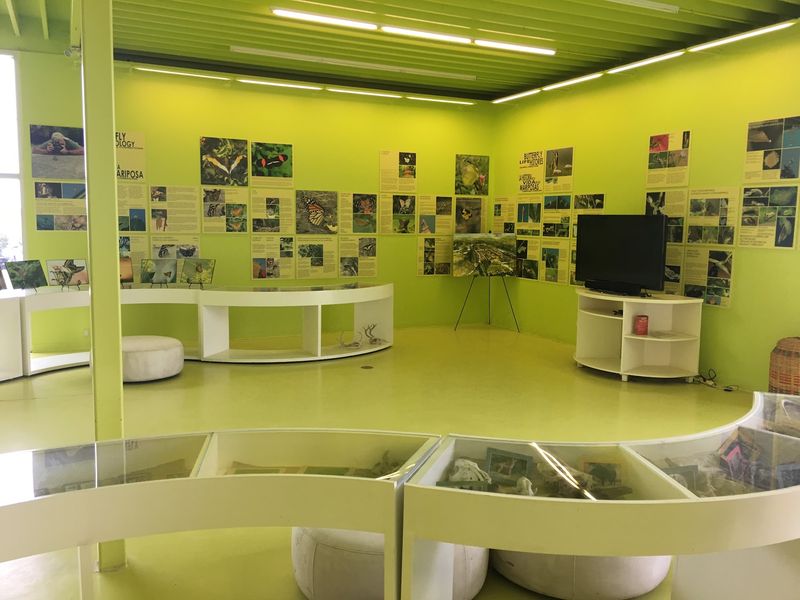
Field trips do not get much better than this. The center has a kid-friendly area where young explorers can learn about local wildlife.
Families often leave with new facts about spiders, birds, and even worms. It is hands-on learning that does not feel like homework.
Teachers have brought students here and found staff willing to spend real time with the group. Some classes have even been shown around the property.
Community events add another layer. These gatherings are designed to be fun and educational, and all ages are welcome.
The center also hosts a butterfly festival, which has become a draw for nature fans. Event dates can change, so checking the official website before planning around one is smart.
For parents, the appeal is easy to see. Kids get to run around outdoors, ask endless questions, and actually get answers.
Plenty of families head home already talking about the next event.
Friendly Guides and a Shop Worth Browsing
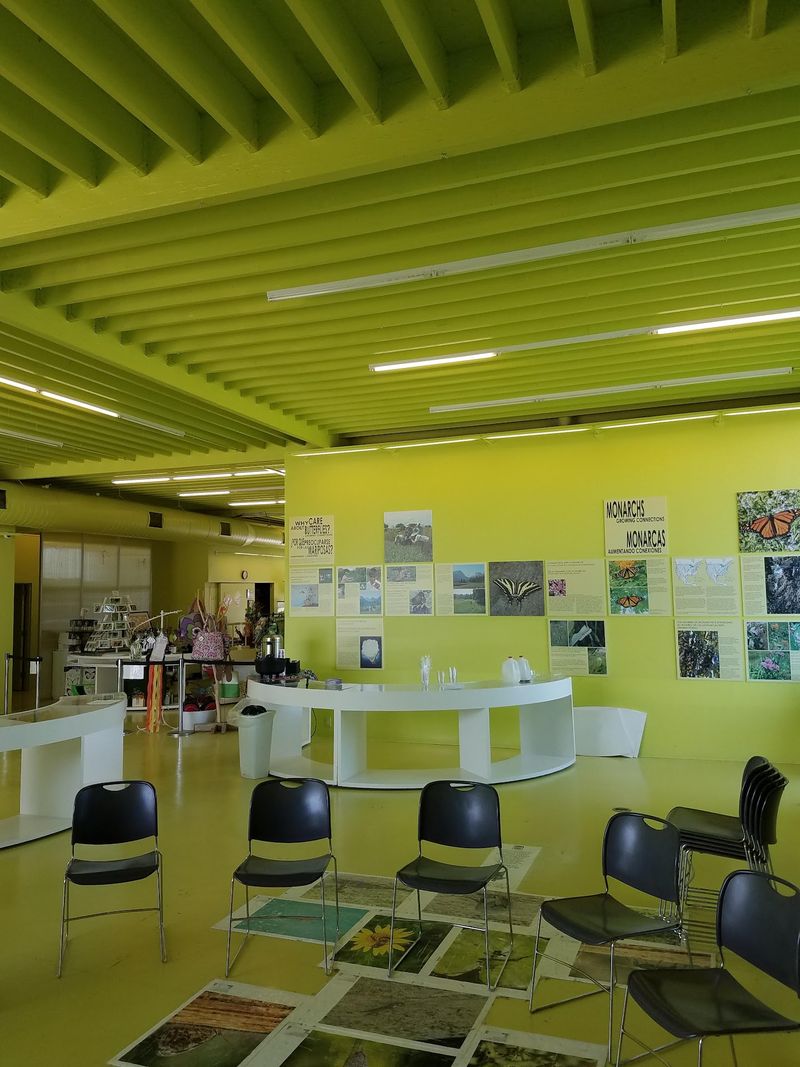
Friendly faces show up again and again in stories about this place. The staff and volunteers are known for being welcoming and knowledgeable.
They hand out maps, answer questions, and help guide guests around the grounds. Some Winter Texans have even been offered a discount.
The visitor center holds a gift shop with a fun mix of items. Shelves carry stuffed animals, cute jewelry, and seeds.
There is also a nursery with many of the same native plants seen on the trails. That makes it easy to bring a piece of the habitat home.
Gardeners love this part. Buying a dozen pots after a walk is not unusual for those hoping to attract butterflies to their own yards.
It is the kind of shopping that keeps on giving. The souvenir might bring wild visitors to your porch next spring.
Hours, Parking, and What to Pack
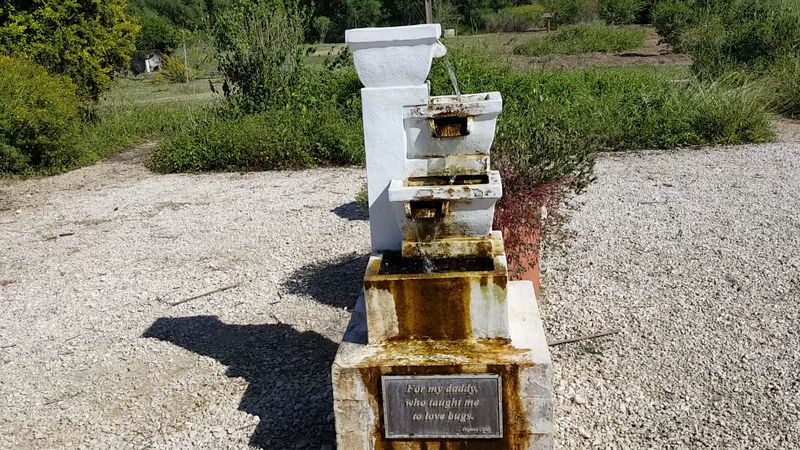
A little prep goes a long way in the Valley. The center is open daily from 8 AM to 5 PM, including weekends.
Arriving late cuts the day short. Showing up 45 minutes before closing leaves far too little time to see much.
Parking is free. Admission prices can change, so check the official website at nationalbutterflycenter.org before you go.
Pets are not allowed on the grounds. Plan ahead if your four-legged friend usually rides along.
Mosquitoes can be intense, especially on muggy days. Insect repellent belongs at the top of the packing list.
Sunscreen is another must, since not every trail is shaded. Water and a hat are smart additions too.
Binoculars and a camera with a good zoom can help with birds and butterflies alike. Set aside a few hours, and the trails will fill them.
Worth the Long Drive South
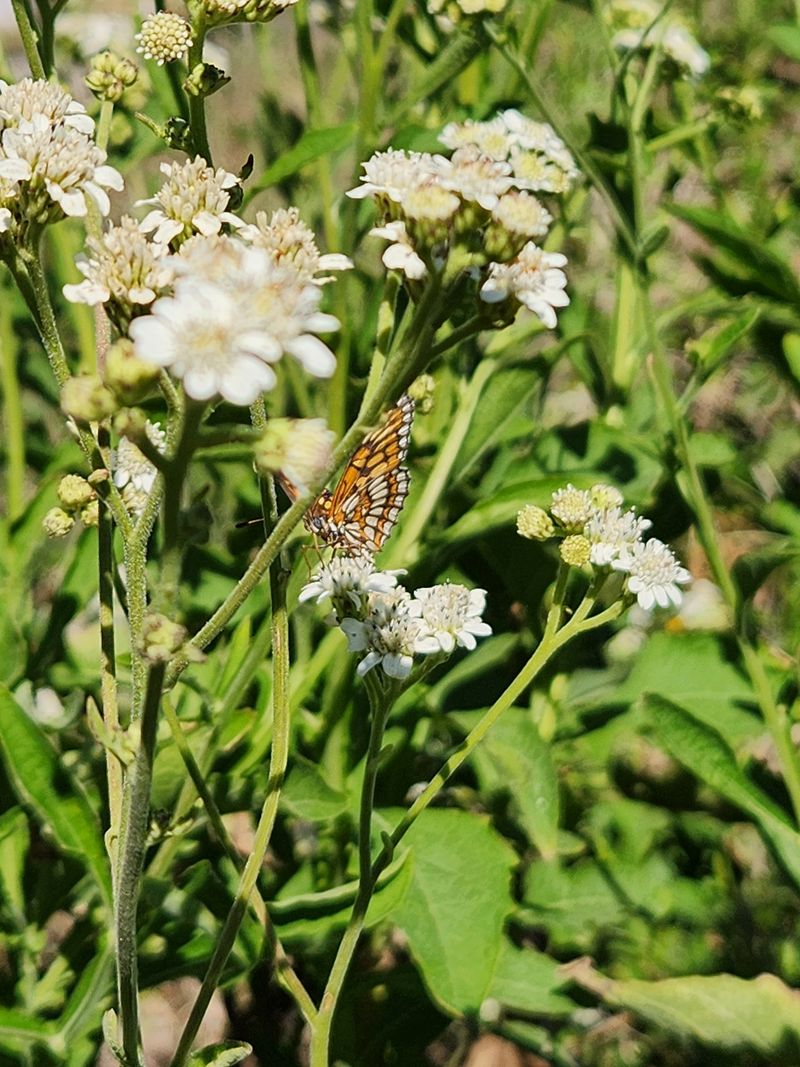
Some places earn a spot on the Texas bucket list quietly. This one does it with wings.
Out of 759 Google ratings, the center holds a strong 4.5 stars. Many guests say they already plan to return and explore the corners they missed.
It pairs well with nearby Bentsen-Rio Grande Valley State Park, which sits right next door. An early start can make it possible to walk both in one day.
The mix is hard to match. Wild butterflies, rare Valley birds, native gardens, a famous tortoise, and staff happy to share what they know.
Butterfly numbers do rise and fall with the seasons. Even on a slow day, the birds and trails usually make up the difference.
For Texans who love finding something special in their own state, this corner of Mission delivers. You may not leave Texas, but it can sure feel like you did.


