
Affiliate disclosure: As an Amazon Associate I earn from qualifying purchases. Learn more
Roughly three stories below the desert floor, a full-size intercontinental ballistic missile still stands inside its concrete tube, exactly where it waited during the tense decades of the Cold War. This is the only place of its kind left in the entire country, and it sits quietly off a two-lane road south of Tucson, hidden in plain sight.
Guided tours take you down real steel stairs into a launch control center where officers once stood ready around the clock. It is part engineering marvel, part time capsule, and entirely unlike any other museum in the state.
What follows is everything worth knowing before you make the drive down and step back into a chapter of history most Arizona locals forget is right in their backyard.
An Underground Relic Off Duval Mine Road
Green Valley, Arizona holds a secret that most passing drivers never notice. The Titan Missile Museum sits at 1580 W Duval Mine Rd, a short hop south of Tucson, and from the surface it looks almost unremarkable.
That plain appearance was entirely the point. During the Cold War, the whole idea was to keep this launch site quiet and unassuming, tucked into the desert where nobody would give it a second glance.
What waits below tells a very different story. This is the sole surviving Titan II missile complex in the United States, preserved so the public can actually walk through it rather than read about it on a plaque.
The site earns a 4.8 star average across more than 4,700 ratings, which is remarkable staying power for a spot built for secrecy. People come from across the country, though it remains a favorite for southern Arizona residents rediscovering their own region.
Parking is generous and easy to access, and a gift shop sits attached to the main building. Consider it the friendly welcome mat before you head underground into something far heavier and older.
How A Weapon Site Became A Museum
Not every relic of tension and standoff gets a second life as an educational stop. This one did, and the story of how it survived is part of what makes the visit meaningful.
When the Titan II program was retired, nearly every complex like it was dismantled. This particular site was spared and turned into a museum, reportedly with certain concessions made to the Soviets so it could be preserved for the public rather than erased.
The result is a facility frozen in the 1960s. The control systems, the corridors, and the missile itself remain in place, giving a genuine sense of the era instead of a reconstructed guess.
Guides walk you through the greater context of the Cold War, explaining how this spot fit into the country’s role as a deterrent against nuclear aggression. It reframes a small footprint into something with an outsized place in world history.
Longtime residents often admit they lived nearby for years before finally coming down. The common takeaway afterward is a simple wish that they had come sooner.
Descending 55 Steps Into The Silo
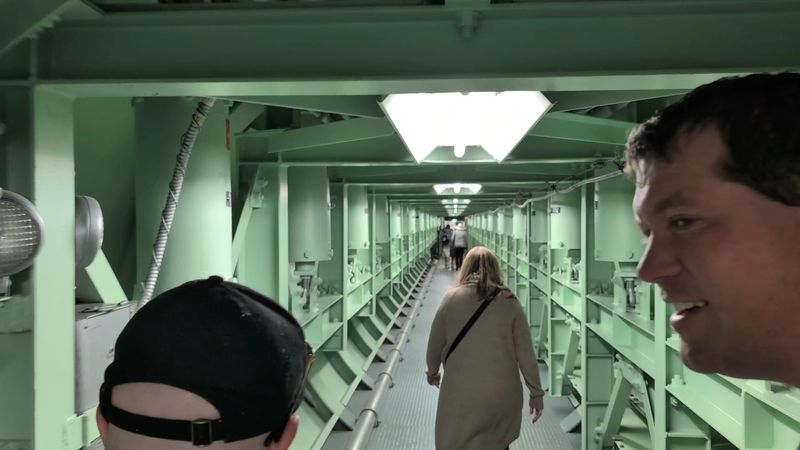
The heart of the experience begins with a climb down. Fifty-five steel steps carry you nearly three stories below the surface into the launch control center, and the descent itself sets the tone.
The warnings posted about the stairs sound more daunting than the reality. There are plenty of handrails, and groups generally move at a patient, comfortable pace, so the trip down is manageable for most people.
Comfortable shoes are a smart call, and bringing water is a reasonable idea, especially in warmer months. Guides mention the steps up front so nobody is caught off guard.
Taller guests should keep an eye out for low beams along the way. Anyone around six feet or more may want to duck slightly through the bunker sections, though it is more of a gentle caution than a genuine hazard.
Reaching the bottom delivers a real payoff. Standing inside a shock-mounted, blast-hardened control complex gives you an appreciation for the engineering that a photo simply cannot capture.
The Control Room Where Officers Kept Watch
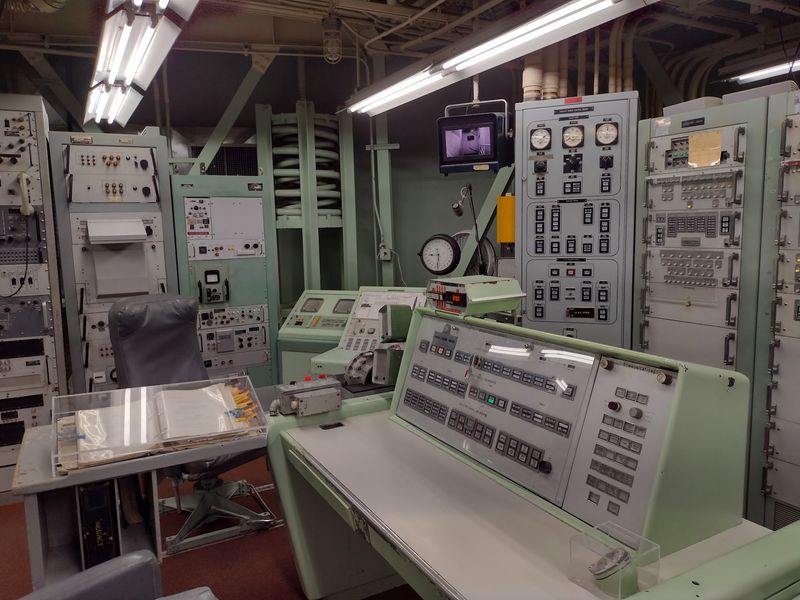
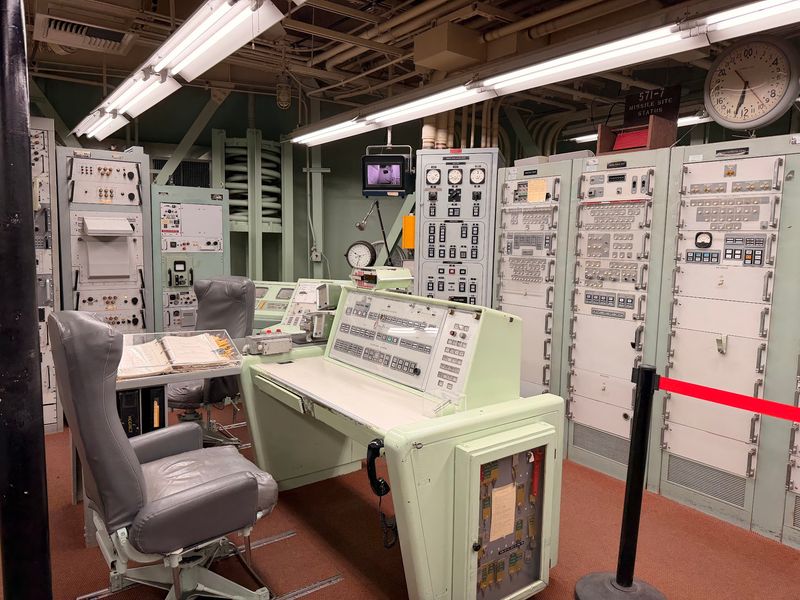
Down at the bottom waits the room that ran the whole operation. The launch control center is where crews stood ready at any hour, and it remains one of the most talked-about parts of the tour.
Guides bring the space to life with a minimal re-enactment of the launch procedure. Alarms sound, status lights flicker on, and consoles come alive in a walk-through that shows exactly how a sequence would have unfolded.
Many guides invite guests to take part, sometimes handing a role to a child in the group. That interactive touch turns a static room into a memory people carry home.
The precision of the equipment is striking. This is early 1960s engineering built to survive shock and keep functioning, and seeing it up close reframes how advanced the era truly was.
One detail worth asking about involves the original writing still visible on some of the boards. As a fun bit of history, the last commander to serve at this post is said to have been the first and only woman to hold that role here.
Standing Beside The Titan II Missile
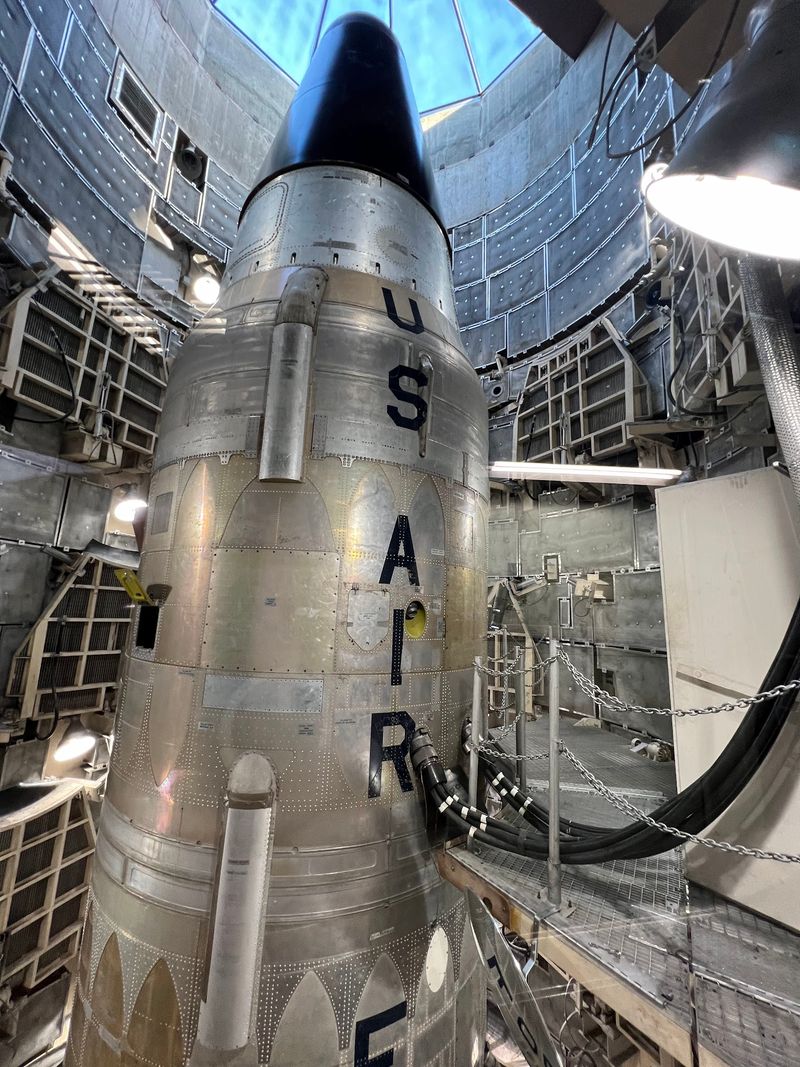
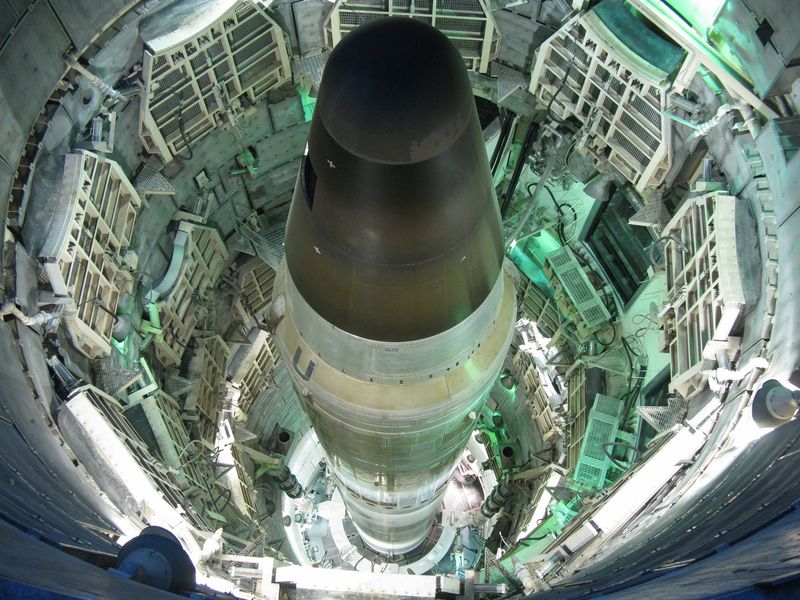
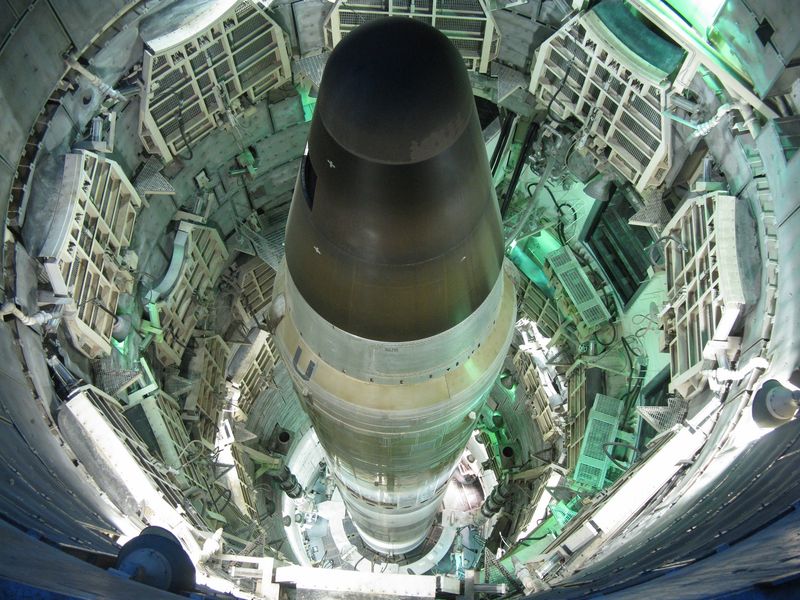
Pictures really do fail this thing. The Titan II intercontinental ballistic missile still stands inside its silo, and its sheer scale is something people repeatedly say photographs never prepared them for.
Reading about the missile for years is one experience. Seeing the actual object up close is another entirely, and even seasoned history buffs describe it as a genuine wow moment.
Part of the impact is emotional. Standing beside it and pondering the reality of the era it represents can be sobering, a quiet reminder of just how high the stakes once ran.
You can view the missile from the underground level during the tour, and there is also a glass viewport above ground. Even peering down through that glass on a self-guided visit tends to leave a strong impression.
The size, the power, and the history all land at once. It is the kind of sight that stays with you long after you have climbed back up the stairs and driven home.
Guides Who Bring The Era To Life
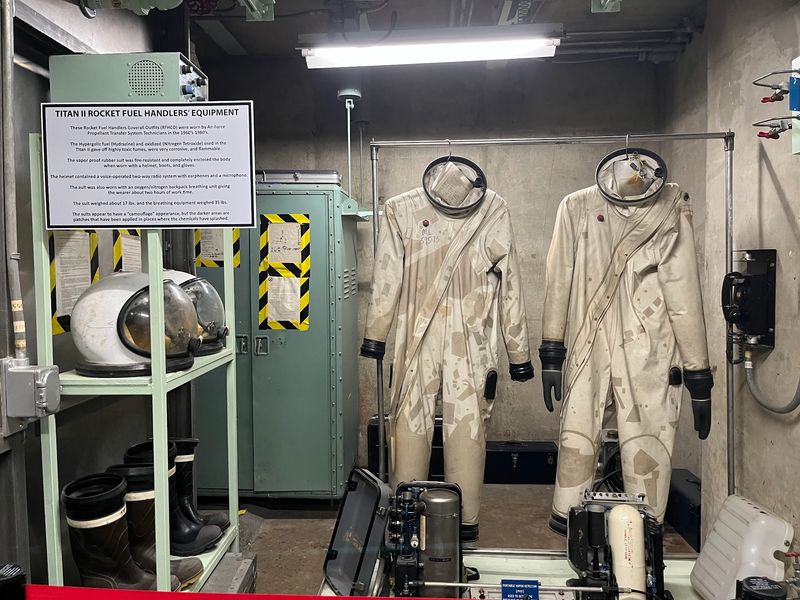
The equipment is impressive, but the people leading you through it are what tie the whole visit together. Guides and docents here consistently earn glowing remarks for their knowledge and warmth.
Many go far beyond a memorized script. They handle every question a group throws at them, share insider details you will not find on any sign, and keep the energy genuine rather than rehearsed.
Some of the docents are said to be former missileers themselves, which adds a personal weight to the stories. Hearing about the mentality of the people who actually worked here gives the site a human dimension.
Names like Celeste, Tim, Bree, and Ernie come up again and again for their pacing, humor, and depth. A good guide, several people note, is what elevates the 45 minute tour from interesting to unforgettable.
The tone stays engaging without ever feeling like a dry lecture. That balance of history, engineering, and storytelling is exactly why the tours click with such a wide range of guests.
A Stop For History Lovers And Families Alike
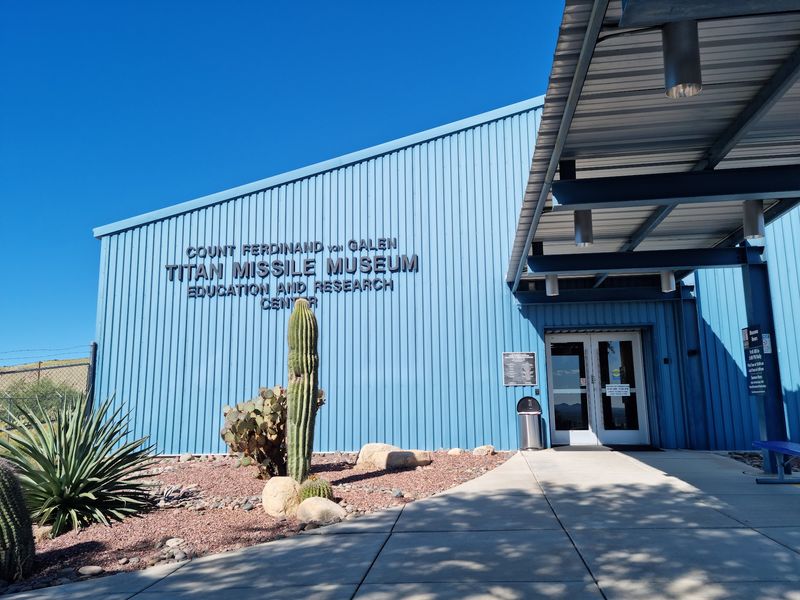
Curiosity is really the only requirement here. The site draws dedicated history enthusiasts, but it also welcomes families and casual visitors looking for something genuinely different to do.
Kids tend to be surprisingly engaged. Grandparents have brought grandchildren as young as eight and eleven along, and the interactive launch demonstration gives younger guests a role that keeps them involved.
For adults, the appeal runs deeper. Standing underground next to a real piece of Cold War hardware puts an entire era into perspective in a way textbooks rarely manage.
The experience is described as educational without feeling overwhelming, and sobering without being heavy-handed. It threads a fine needle that keeps a broad audience interested from start to finish.
Southern Arizona residents in particular treat it as a rite of passage. Whether you are a longtime local finally checking it off your list or a visitor spending a week in Tucson, it lands as a worthwhile and memorable stop.
Hours, Tickets, And Booking Ahead
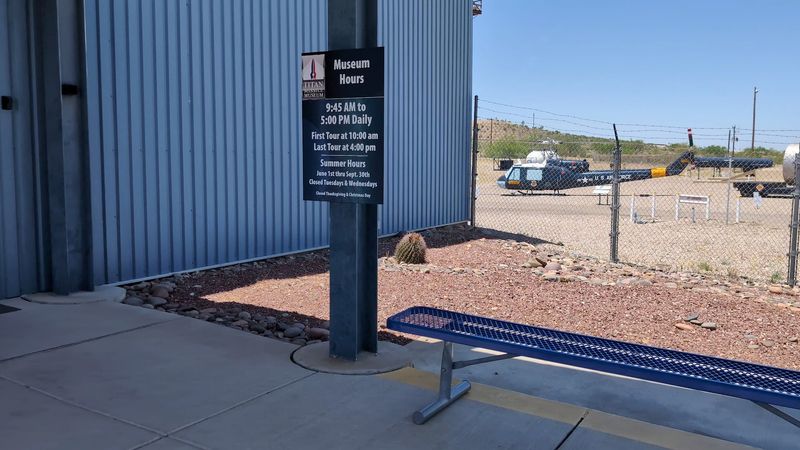
A little planning goes a long way with this one. The museum operates Thursday through Monday, opening at 9:45 AM and closing at 5 PM, and it stays closed on Tuesdays and Wednesdays.
Ticket pricing for the tour runs around 20 dollars per person, with reduced rates noted for veterans at about 17 dollars and for guests over 65 at roughly 16 dollars. Prices can change, so it is wise to confirm before you go.
Booking online in advance is the single most repeated piece of advice. Each tour group has limited space, and same-day spots may sell out, leaving late arrivals with a long wait or no availability at all.
The underground guided tour is the one most people recommend securing early. A self-guided above-ground option exists as well, which can be a good fallback on a very hot day.
You can reach the museum at 520-934-1863 or check details on their official website. Locking in a time slot ahead removes the only real friction from an otherwise smooth visit.
Why This Buried Landmark Deserves The Drive
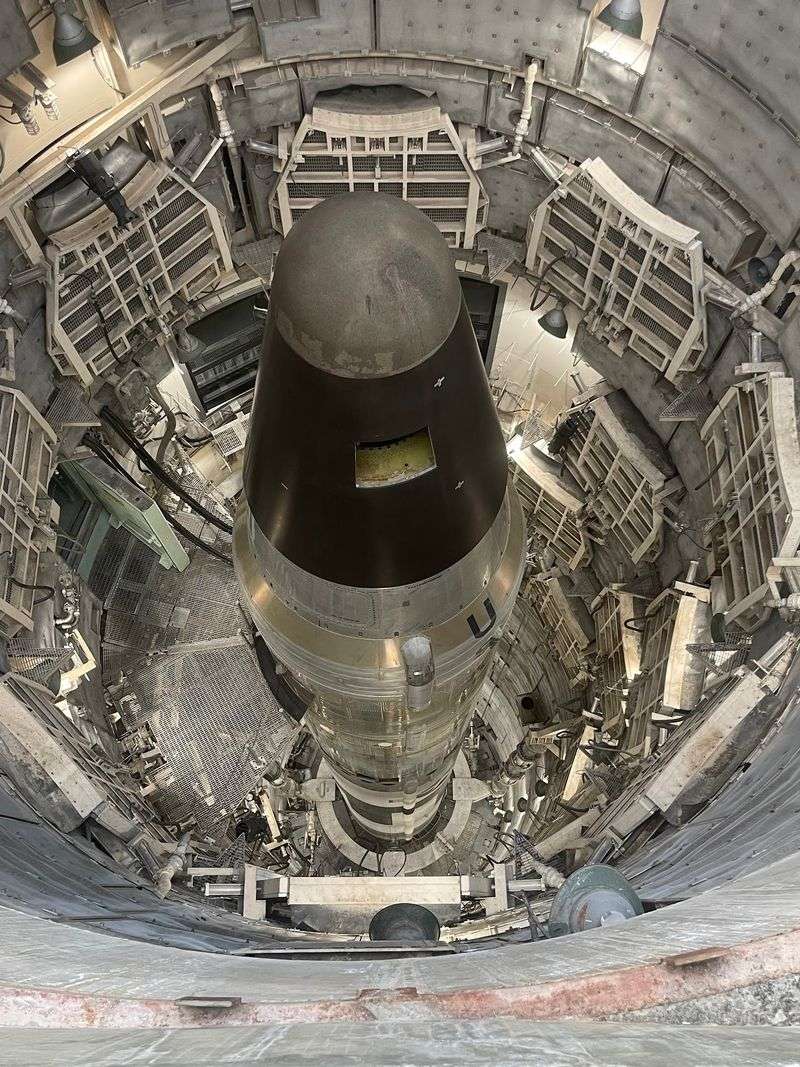
Some places reward you simply for showing up. This underground complex south of Tucson is one of them, offering a one-of-a-kind look at a chapter of history that shaped the entire twentieth century.
The tour is not long or sprawling, and that is part of its charm. It respects your time while still delivering a control room walk-through, a close look at the missile, and stories you cannot get anywhere else.
There are extra layers to discover too. Outside the gates stands a radio tower said to be the only operable one of its kind in the world, kept alive by an enthusiastic group of local amateur operators.
The preservation is genuinely well done, and the passion of the staff carries the whole thing. History, engineering, and human memory come together in a way few museums manage.
If you live in Arizona and have somehow never made the trip to Green Valley, this is your nudge. Book a tour, take the steps down, and see the piece of world history that has been hiding beneath your own desert all along.