
Affiliate disclosure: As an Amazon Associate I earn from qualifying purchases. Learn more
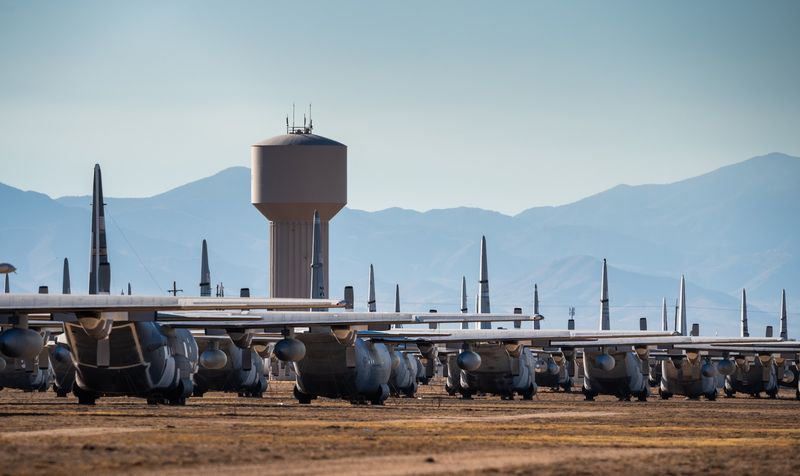
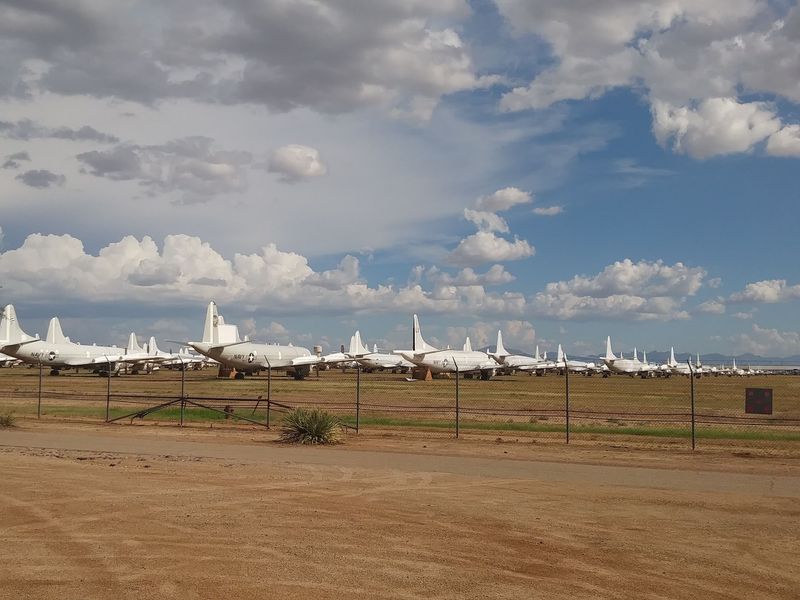
Out in the sun-baked flats east of Tucson sits one of the strangest sights in the entire state, and plenty of longtime Arizonans have driven right past it without a clue. Row after row of retired fighter jets, bombers, and helicopters stretch across the desert, more than 4,000 of them, parked wing to wing and waiting.
Some get stripped for parts, others sit wrapped up for years, and a few even show up in Hollywood blockbusters. Getting inside takes a little planning and a background check booked well in advance, but the payoff is a look at aviation history you simply cannot find anywhere else.
Here is everything worth knowing before you go exploring this desert full of grounded giants.
The Desert Facility Locals Keep Rediscovering

Tucked along S Wilmot Rd in Tucson, Arizona, the 309th Aerospace Maintenance and Regeneration Group operates out of Davis-Monthan Air Force Base. Locals simply call it The Boneyard.
The site sprawls across more than 11 square kilometers of open desert. That kind of space is exactly what you need when you are storing over 4,000 retired U.S. military aircraft in one place.
What makes it work is the Arizona climate itself. The dry desert air helps slow down rust and corrosion, so planes can sit outdoors for years without falling apart.
Some airframes are wrapped up and preserved for the future, while others are gradually taken apart for spare parts. It functions as both a storage yard and a working preservation facility.
Plenty of Tucson residents grew up thinking these giant boneyards existed only somewhere in Nevada or New Mexico. The surprise of learning it was right here in their own backyard is part of the charm.
It is easily one of the top sites in the region, and even a slow drive along the perimeter gives you a sense of the sheer scale involved.
Why They Call It The Boneyard
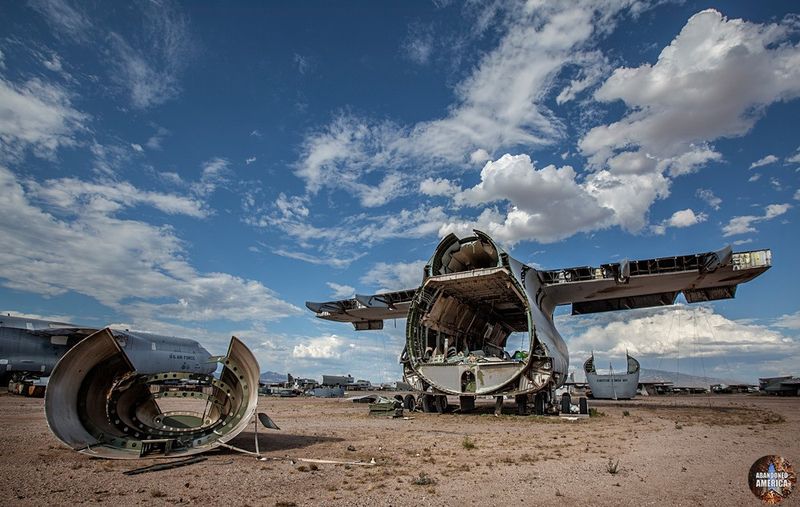
The nickname sticks for a reason. Aircraft come here at the end of their flying careers, and the desert becomes their final parking spot.
Officially it is a maintenance and regeneration group, which is a mouthful. The regeneration part matters because not every plane stays grounded forever.
Some machines are cannibalized so their parts can keep other aircraft flying. Older bombers, for example, have donated components to keep the current fleet operational over the years.
Other airframes are simply mothballed, sealed against the elements, and left waiting to see what the future holds. The mix of preservation and dismantling gives the place a layered story.
You will spot aircraft you recognize instantly and a few real oddities that most people never even knew existed. That variety is part of what draws aviation fans from all over.
It stands as a kind of open-air record of decades of flight, all lined up under the Arizona sun.
A Movie Star Hiding In Plain Sight
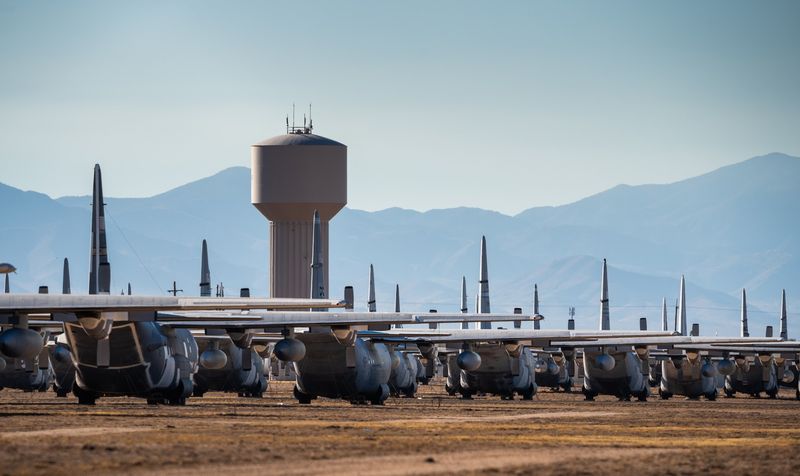
Hollywood figured out the appeal of this place long ago. The vast rows of grounded aircraft have appeared on the big screen, including in the Transformers films.
It is not hard to see why filmmakers come calling. Few locations offer thousands of real military aircraft arranged across an endless desert backdrop.
The scale alone does most of the work. Cameras barely need special effects when the setting already looks otherworldly.
For film buffs, walking or riding past the same scenery they have watched on screen adds a fun layer to the visit. You get history and pop culture in one stop.
The surreal quality that makes it perfect for movies is exactly what makes it memorable in person. Grounded giants stretching to the horizon is a sight that sticks with you.
Even folks who care nothing about aviation tend to find the cinematic feel of the place worth the trip.
Fighters, Bombers, And Helicopters As Far As You Can See
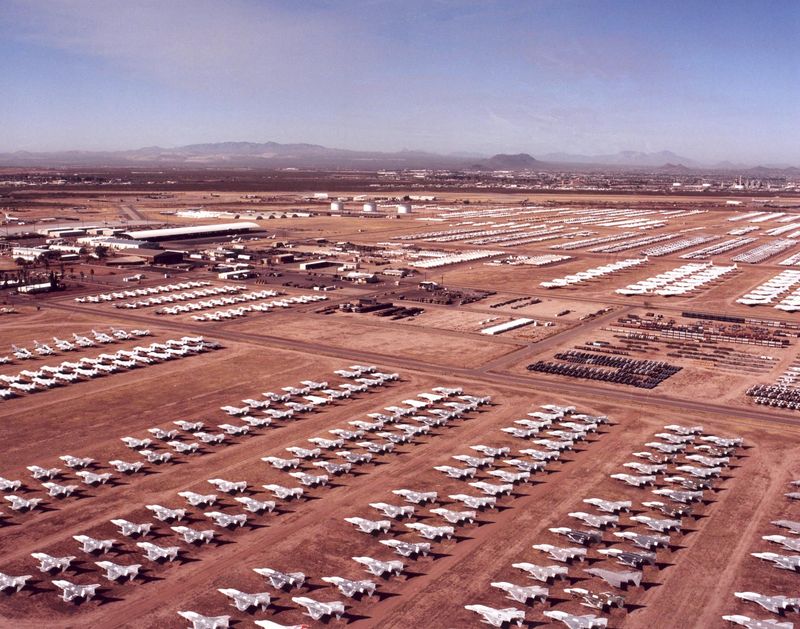
Variety is the real headliner here. Jet fighters, helicopters, and heavy bombers all share the same stretch of desert real estate.
Aircraft sit parked remarkably close together, wing tip near wing tip, which only adds to the impression of endless numbers. With over 4,000 of them, counting quickly becomes pointless.
Aviation enthusiasts light up at the chance to see so many airframes gathered in one location. Many machines represent different eras of flight, so it doubles as a rolling timeline.
Fans of classic warplanes and older bombers often make a beeline for this facility. The mix of famous models and lesser-known types keeps the browsing interesting.
People who once worked around military aircraft describe the experience as genuinely moving. There is something about seeing these machines at rest that stirs up memories.
For anyone with even a passing interest in flight, the sheer density of aircraft is the kind of thing that has to be seen to be believed.
The Only Way Inside Is A Guided Bus Tour
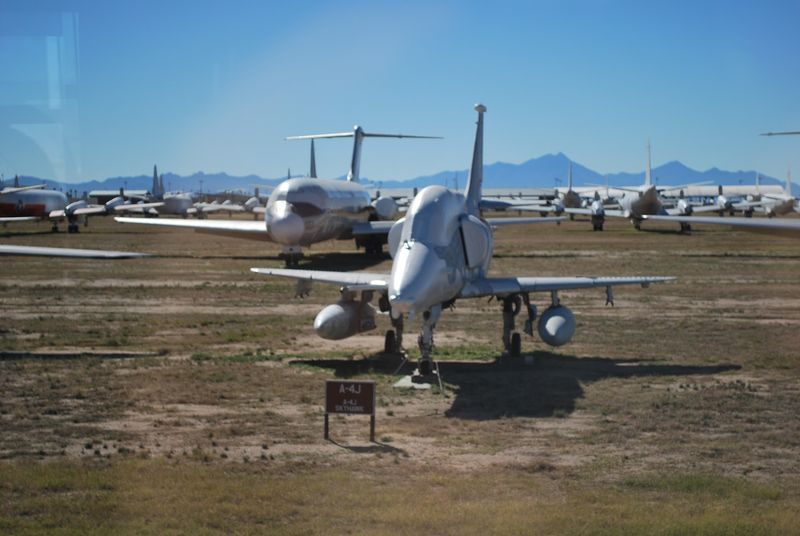
Getting past the fence is not a walk-up affair. Public access runs through guided tours arranged by the nearby Pima Air and Space Museum.
Tours operate on weekdays and skip holidays. Once you are on board, you stay on the bus and are not allowed to hop off and wander.
Even from your seat, the route covers a lot of ground. The tour rolls all over the boneyard, and photography is welcome throughout the ride.
The narrow window and set schedule mean spots go fast. Tours are known to sell out, so arriving at the museum early helps your odds.
Staying on the bus might sound limiting, but the sheer number of aircraft you pass makes up for it. You cover territory you could never explore on foot.
It remains the single best way for the public to get an up-close look at the collection.
Book Early And Pass The Background Check
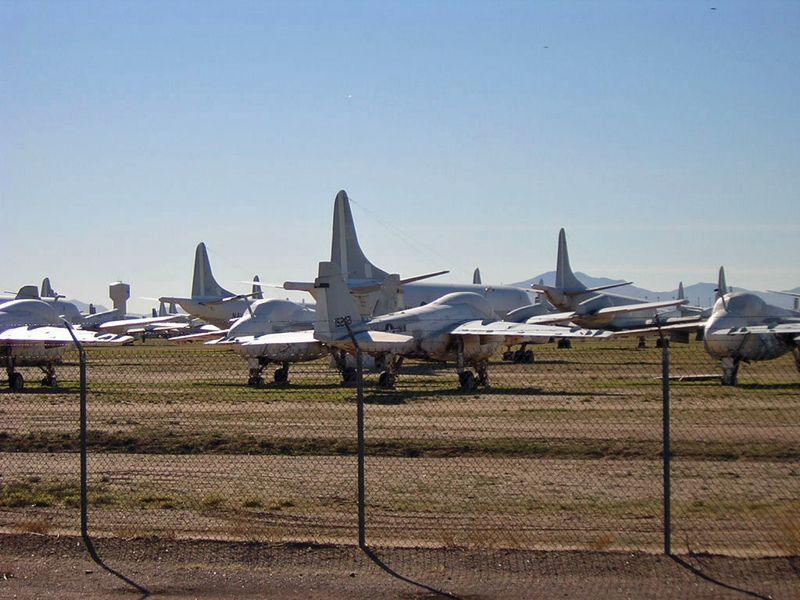
Here is the tip that saves a wasted trip. Because the boneyard sits on an active Air Force base, tours can require reservations booked well ahead of time along with a background check.
Some people learn this the hard way, having planned to book roughly ten days out for the security clearance. Showing up without that arranged can mean missing the full bus experience.
Planning ahead is essential if you are a civilian hoping to get in. A little paperwork upfront keeps your day from unraveling at the gate.
Details on requirements can shift, so checking current information before you go is smart. The official base website is the place to confirm.
Regulars stress that the extra steps are worth the effort. Locking in your spot early is the difference between a great day and a long drive home.
Treat the booking process as part of the adventure, and the rest tends to fall into place.
Even A Drive-By Delivers The Scale
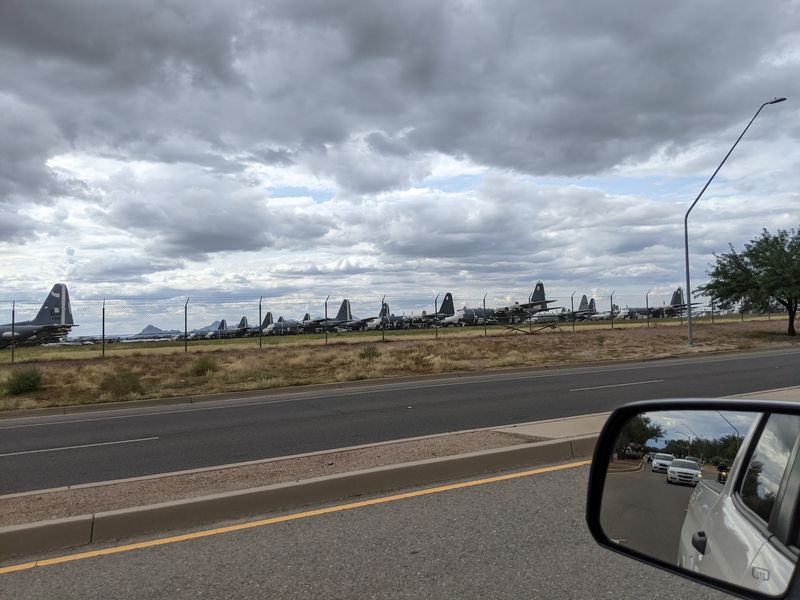
No tour ticket? You still have options.
Even without booking a bus tour, driving by the facility gives you a real appreciation for its size.
The volume of planes visible from the road alone can stop people in their tracks. Sometimes the scale is the whole point.
Longtime aviation admirers recommend at least a slow perimeter drive when time is tight. It costs nothing and still rewards the curious.
The rows stretch out so far that your eyes struggle to take it all in. That endless quality is what makes even a quick pass memorable.
For Tucson residents, it makes an easy spontaneous outing. You can swing by whenever the mood strikes and never quite get used to the sight.
A drive-by may be the light version, but it still captures the surreal spirit of the place.
Guides Who Lived The History
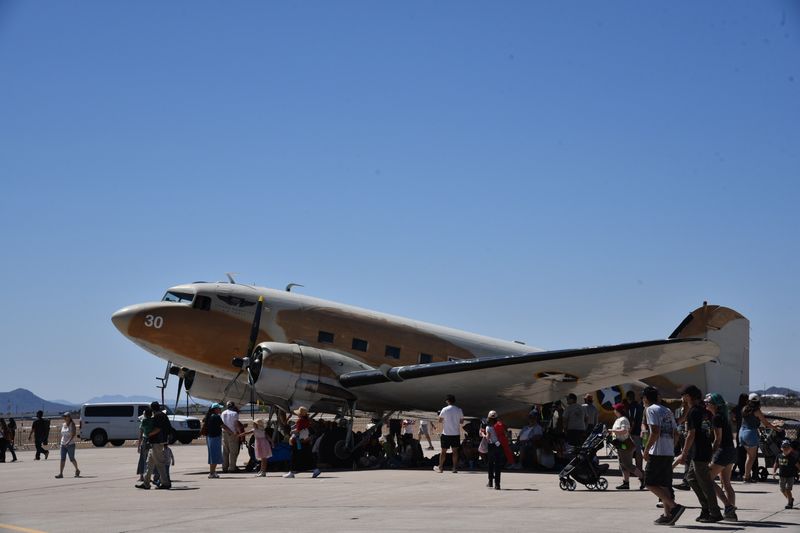
The people leading the tours bring the whole place to life. Many are volunteers and former members of the U.S. military who share the history of the base and its aircraft.
Their firsthand knowledge turns a bus ride into a story. Instead of just rolling past metal, you learn where these machines came from and what they did.
Some guides worked around these very aircraft during their own service. That personal connection adds weight to every explanation.
People often walk away impressed less by the planes than by the narration. The commentary fills in the gaps that plaques never could.
Curious kids and lifelong enthusiasts alike tend to hang on the details. The guides have a knack for keeping the ride engaging.
The result is a tour that feels less like a lecture and more like a conversation with someone who was there.
Airshows That Bring The Crowds
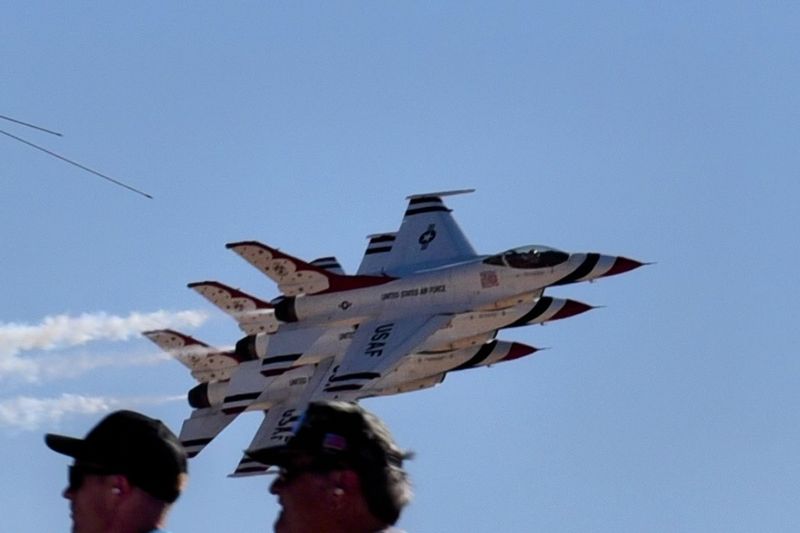
Every so often the base opens up for something louder. Airshows here have featured demonstration teams alongside stunt and military aircraft.
These events pull enormous crowds, with attendance figures reaching into the tens of thousands. That popularity comes with a trade-off.
Getting on base and through security can take a good while on show days. Plan for waits at both the entrance and the checkpoint.
Bringing your own supplies helps. Money for food and water, plus sunscreen, goes a long way under the Tucson sun.
Despite the lines, the shows earn high marks from those who make the trek. Seeing aircraft in action rather than parked is a different thrill entirely.
If your timing lines up with one of these events, it turns a static boneyard visit into a full day of aviation excitement.
A Backyard Wonder Worth The Detour
Few places in Arizona pack this much surprise into a single stop. The Boneyard sits quietly on the edge of Tucson, holding thousands of grounded aircraft that most out-of-state travelers never think to seek out.
It carries a strong 4.5-star reputation across nearly 200 reviews, which tells you the effort to visit pays off. People consistently rank it among the top things to see in the area.
Whether you book the full bus tour, catch an airshow, or simply cruise the perimeter, the scale leaves an impression. There truly is nowhere else quite like it.
For anyone connected to aviation or just fond of big machines with big histories, this desert facility delivers. Even skeptics tend to come away impressed.
Longtime residents get the bonus of visiting whenever the urge hits. A world-class sight sitting right here in Arizona is exactly the kind of backyard treasure worth bragging about.
Plan ahead, bring your curiosity, and let the desert full of retired giants do the rest.