
Affiliate disclosure: As an Amazon Associate I earn from qualifying purchases. Learn more
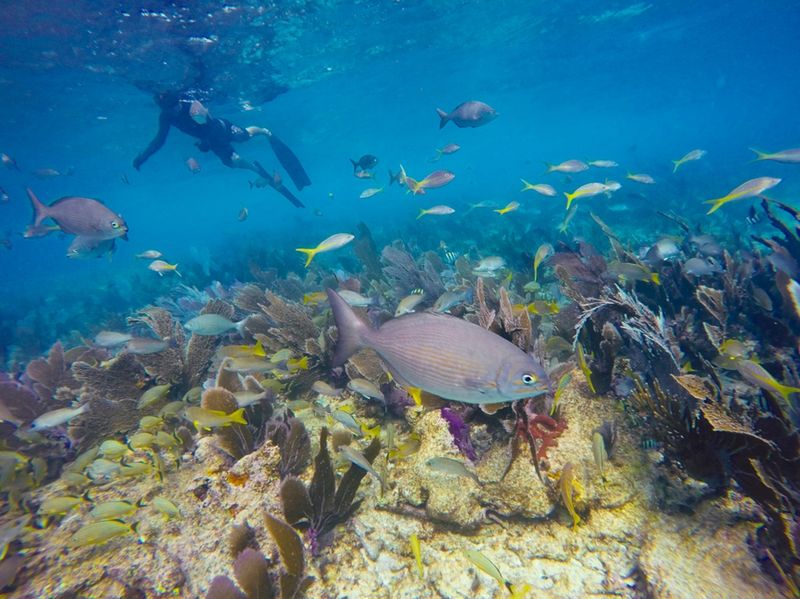
Somewhere beneath the turquoise water off the Florida Keys lies something found nowhere else in the continental United States: a living coral barrier reef. Stretching roughly 350 miles along the state’s southern edge, this reef system is a genuine natural wonder that most Americans have never seen up close.
The good news is that you don’t need a passport or a long-haul flight to reach it. Whether you’re a Florida local or a first-time visitor, snorkeling over this reef is one of the most unforgettable things you can do on a trip to the Keys.
Florida’s reef claim needs a precise qualifier
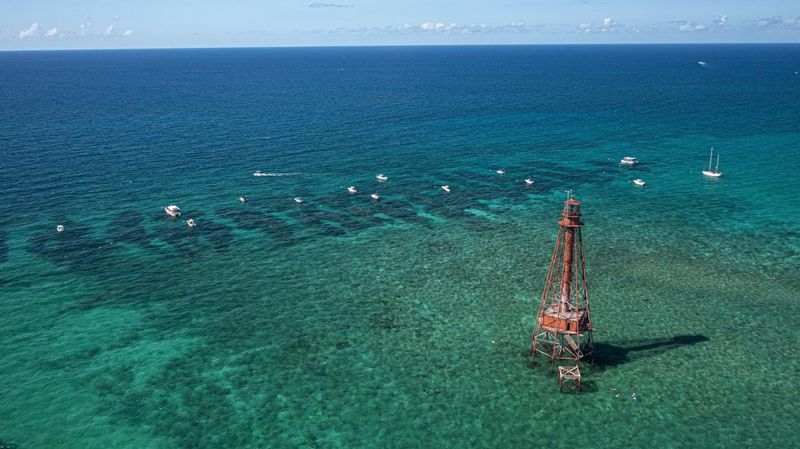
Before you pack your mask and fins, the title of this article deserves a small but important correction. Florida is home to the only living coral barrier reef in the continental United States, not simply “America’s only living coral reef.” U.S. territories and states outside the continental mainland, such as Hawaii and Puerto Rico, have their own coral reef systems.
The distinction matters because it’s what makes the Florida Keys genuinely special within the lower 48 states.
NOAA’s Florida Keys reef overview confirms that Florida is the only continental U.S. state with extensive shallow coral reef formations close to its coast, and that the reef tract stretches approximately 350 miles from the Dry Tortugas in the southwest all the way to the St. Lucie Inlet in Martin County to the north. That’s a remarkable geographic footprint for a single reef system.
About 150 miles of that stretch falls within the Florida Keys National Marine Sanctuary, according to the sanctuary’s own description, where federal protections apply to the surrounding waters. The sanctuary is one of the most ecologically significant marine protected areas in the country.
For visitors, the corrected claim is still thrilling. Snorkeling over the only living coral barrier reef in the continental United States is a genuinely once-in-a-country experience, and the Florida Keys are where you go to do it.
The reef’s 350-mile span means access points vary widely, from the remote Dry Tortugas near Key West to nearshore habitats closer to Key Largo. Each location offers a different version of the same remarkable system, and this article will help you figure out which one fits your trip.
Florida’s Coral Reef is a connected system of different habitats
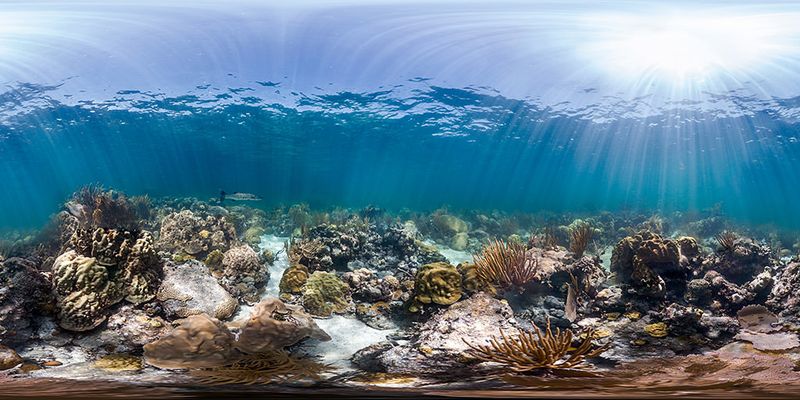
Many people picture a coral reef as a single continuous wall of colorful coral stretching for miles underwater, like a living fence. Florida’s reef system works quite differently.
Florida Fish and Wildlife’s reef monitoring program describes Florida’s Coral Reef as a bank-barrier reef system, meaning it’s made up of a mosaic of distinct reef types rather than one unbroken structure.
That mosaic includes offshore bank reefs, patch reefs scattered across the seafloor, shallow forereefs that face the open ocean, and deeper forereef slopes farther down. Hard-bottom habitat, where corals attach to rocky seafloor rather than building a classic reef structure, fills in many of the spaces between the main reef formations.
Each of these environments hosts its own mix of marine life and looks noticeably different from the others.
The broader sanctuary setting adds even more variety. The Florida Keys National Marine Sanctuary protects 4,539 square miles of surrounding waters and encompasses coral reefs, seagrass beds, mangrove forests, shipwrecks, and more than 6,000 reported marine species.
Seagrass meadows, for example, look nothing like an offshore bank reef, but they serve as nursery habitat for many of the same fish you’ll see while snorkeling.
Understanding this variety helps set realistic expectations. A snorkeling trip to a shallow patch reef near shore will feel completely different from a boat trip to an offshore bank reef.
One is not better than the other, but they are genuinely separate experiences.
Knowing which type of habitat you’re visiting beforehand helps you appreciate what you’re actually seeing rather than feeling disappointed that it doesn’t match a single mental image of “the reef.”
Reaching the principal reef sites usually requires a boat
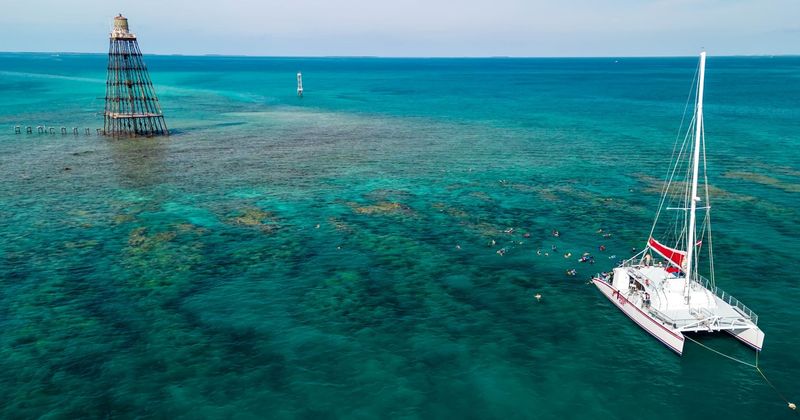
One of the most common misconceptions about snorkeling the Florida Keys is that you can just wade in from any beach and find yourself hovering over a coral reef. For the principal offshore reef sites, that’s not how it works.
Many of the most impressive reef formations sit several miles from shore and require a boat, a charter, or an organized trip to reach. Transportation, scheduling, weather, and typically a paid fare all shape the experience before you ever put your face in the water.
John Pennekamp Coral Reef State Park in Key Largo is the most well-known gateway. The park’s concession runs snorkel-boat trips four times daily, weather permitting, with each trip lasting about 2.5 hours and including roughly 1.5 hours at the reef.
Equipment rentals and glass-bottom boat tours are also available. Before you go, check the park’s current alerts page because conditions and service availability can change, including temporary water-quality advisories or construction-related closures.
Farther south, Bahia Honda State Park runs scheduled boat trips to Looe Key National Marine Sanctuary at 9:30 a.m. and 1:30 p.m., though trips depend on weather. The park also offers some nearshore snorkeling in shallower water for those who prefer to stay close to shore.
Near Marathon, Sombrero Key Reef sits about four miles offshore from Boot Key and is one of NOAA’s designated sanctuary preservation areas, reachable by charter or dive operator. Key West serves as a departure hub for trips heading farther out or toward the Dry Tortugas.
As the National Park Service notes for similar reef settings, shore snorkeling and offshore reef snorkeling are genuinely different activities, and the offshore experience typically requires more planning. Booking in advance, especially in peak season, is strongly recommended.
Nearshore water and offshore reef trips offer different views
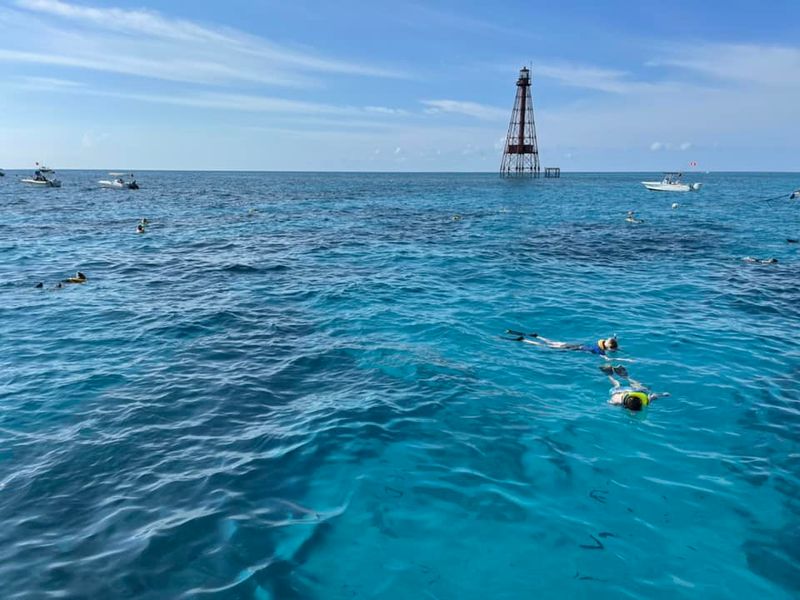
What you actually see underwater depends heavily on where you go and when. Offshore reef sites like Sombrero Key offer some of the most structured coral habitat in the Keys.
NOAA describes Sombrero Key’s sanctuary preservation area as having depths under 30 feet within the designated zone, making it accessible for snorkelers without requiring a deep dive. It’s one of the sanctuary’s most visited snorkeling and diving spots for good reason.
Closer to shore, the experience shifts. Bahia Honda’s nearshore snorkeling areas may reward visitors with soft corals, small coral heads, tropical fish, queen conchs, and spiny lobster in relatively shallow water.
It’s a more accessible starting point for families or less confident swimmers, though the payoff is different from what you’d find at a mature offshore reef. The park also notes that wind can stir up sand and reduce visibility, and that currents near the Bahia Honda Channel can run swift, so conditions vary considerably from one visit to the next.
For those willing to travel farther, Dry Tortugas National Park offers a completely different atmosphere. The National Park Service describes coral habitats at Dry Tortugas where snorkelers can find living coral in as little as three or four feet of water.
The remoteness keeps crowds minimal, but reaching the park requires a ferry, seaplane, private boat, or charter, nearly 70 miles west of Key West.
No matter the site, visibility, water temperature, current strength, and marine life all shift from day to day. A calm morning on a flood tide at Sombrero Key can feel like swimming through an aquarium.
The same site in choppy conditions with surge and reduced visibility tells a completely different story. Checking conditions before you commit is not optional; it’s the difference between a great day and a frustrating one.
Check conditions before you commit to the water
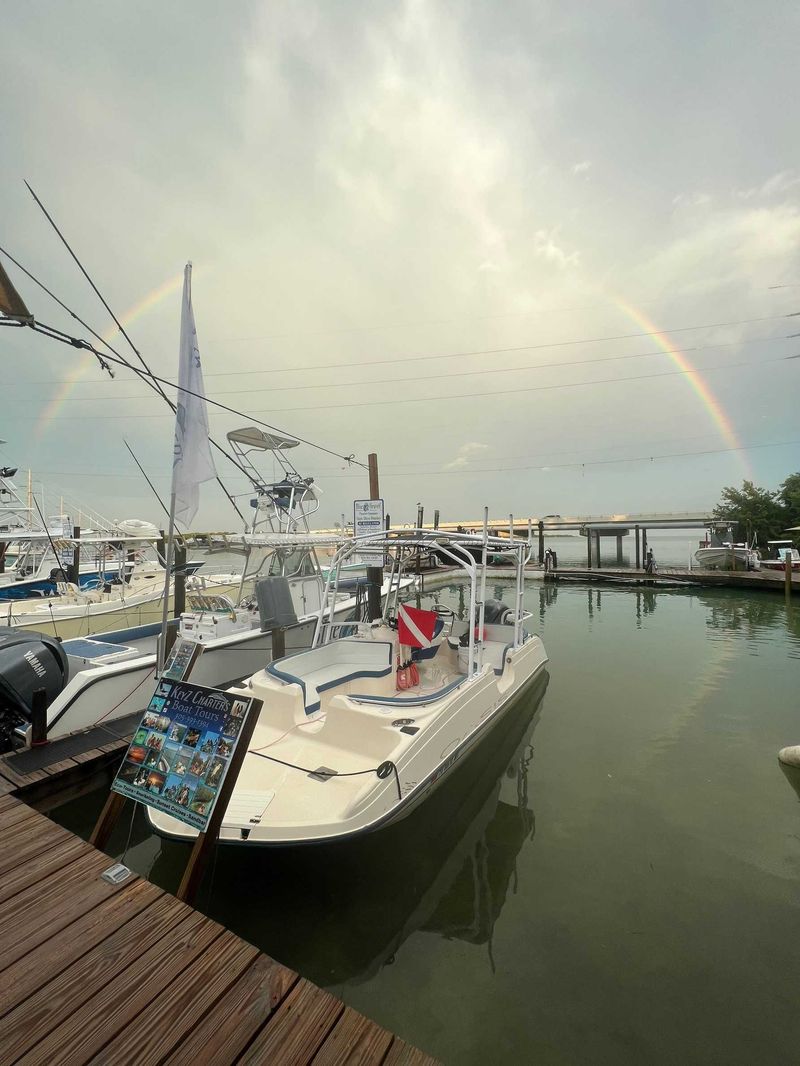
Weather in the Florida Keys can shift faster than most visitors expect. A clear morning can turn into an afternoon of choppy seas and reduced visibility with very little warning.
NOAA’s Florida Keys marine conditions page advises checking weather, tides, and wind before heading out and recommends changing plans when conditions are unfavorable. That advice applies whether you’re boarding a charter or wading in from a state park beach.
Before you leave for the water, run through a short checklist. Confirm that your tour operator or park concession hasn’t cancelled the trip due to weather.
Look up current tidal conditions and any posted water-quality advisories. CDC guidance on safely visiting open water specifically recommends avoiding areas that are closed or under an advisory, and checking local conditions before entering any natural body of water.
Gear and swimming ability matter just as much as the forecast. A properly fitted mask makes an enormous difference in comfort and visibility underwater.
Flotation support, such as a snorkel vest or pool noodle, is worth using if you’re not a confident swimmer. The buddy system is non-negotiable: never snorkel alone, regardless of how calm the water looks.
The National Park Service explicitly advises against solo snorkeling at Dry Tortugas, but the same principle applies at every reef site in the Keys.
Not every site is appropriate for beginners. Florida Fish and Wildlife’s Keys boating and diving guide notes that currents, boat traffic, and depth vary considerably between sites.
Guided trips through established operators offer a structured environment where an experienced guide monitors the group, stays near the vessel, and can assist if someone has trouble. For first-time snorkelers especially, a guided outing is a much safer and more enjoyable option than heading out independently to an unfamiliar offshore site.
Protect the coral while you snorkel
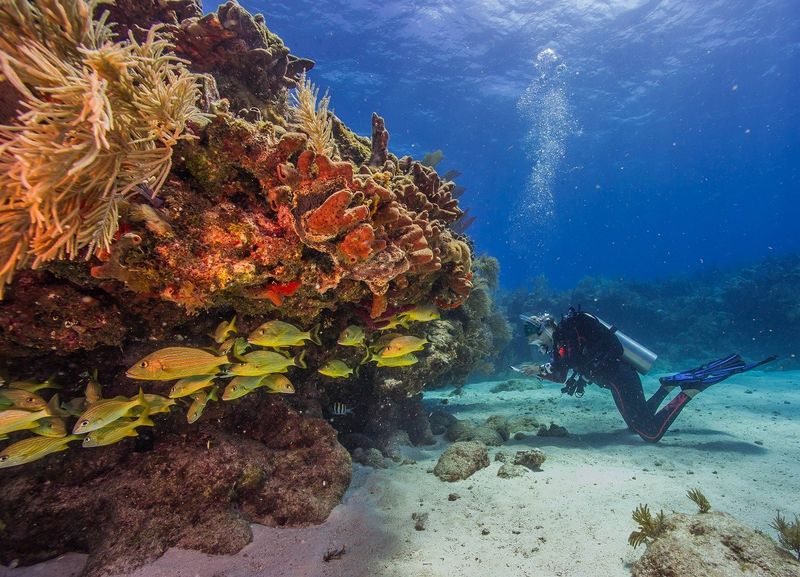
The rules for snorkeling over Florida’s reef system are straightforward, and breaking them can cause lasting harm. Coral looks solid but is made up of living organisms, and a single touch, a careless kick, or the pressure of someone standing on it can kill coral tissue.
As the National Park Service explains, even coral that appears dead or bleached is protected in many sanctuary and park zones. Collecting coral fragments, shells, or any other marine life is prohibited in most areas of the sanctuary.
Sanctuary regulations vary by zone, so what’s allowed at one location may be prohibited at another. Fishing and collecting are banned in sanctuary preservation areas, while snorkeling and non-motorized activities are generally permitted.
Displaying an approved diver-down flag is required when snorkeling in areas with boat traffic, and vessels must avoid operating in ways that strike coral or cause propeller scarring. NOAA maintains more than 600 free reef mooring buoys throughout the sanctuary, available first come, first served, specifically so boaters don’t need to anchor on coral.
Choosing the right operator adds another layer of protection. NOAA’s Blue Star program recognizes operators who brief visitors on equipment use, ecosystem protection, and responsible snorkeling and diving practices.
Booking with a Blue Star-recognized operator means you’ll receive that structured orientation before entering the water.
NOAA also advises sanitizing your gear between reef sites to reduce the risk of carrying stony coral tissue loss disease from one location to another. For sun protection, prioritize rash guards, hats, and physical coverage over sunscreen.
NOAA’s review of ultraviolet filters and coral ecosystems notes that no sunscreen has been proven completely free of impact on coral; if you do use sunscreen, mineral-based formulas with zinc oxide or titanium dioxide are considered lower-risk, but reducing the amount that enters the water through physical coverage is the clearer protective step.
A living reef can also be a severely stressed reef
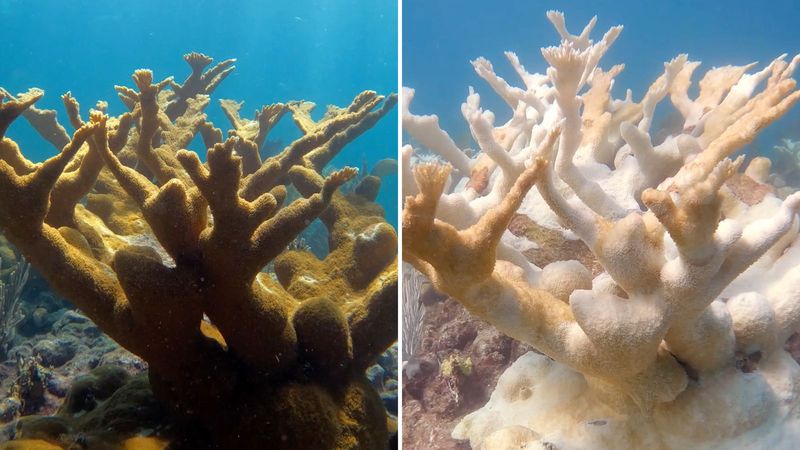
Calling Florida’s reef “living” is accurate, but it tells only part of the story. The reef system is genuinely alive, with fish, invertebrates, and coral organisms present across its length.
At the same time, it has experienced some of the most severe ecological stress of any reef system on the planet over the past several decades.
NOAA’s Restoring Seven Iconic Reefs program documents that healthy coral cover in the Florida Keys has declined by more than 90 percent over the past 40 years, and that live coral cover at targeted restoration sites currently sits around 2 percent, with a long-term goal of reaching 25 percent average cover. Those figures describe specific monitored or restoration sites and shouldn’t be read as a single measurement that applies to every reef or every snorkeling experience, but the overall trend is severe and well-documented.
Two of the most damaging recent events are stony coral tissue loss disease and the 2023 marine heat wave. NOAA’s disease outbreak resources report that the disease has affected nearly half of the stony coral species on Florida’s reef, including major reef-building species.
The exact cause remains under investigation, and severity varies by species, location, and season. The 2023 heat wave caused widespread bleaching and additional coral mortality across the Keys.
Florida’s long-term reef monitoring program continues tracking coral cover, recruitment, and disease across dozens of sites. What visitors see on any given day may include healthy coral heads, partially bleached sections, areas of recent mortality, and patches of active recovery.
NOAA itself notes that older site descriptions may no longer reflect current conditions after recent bleaching events. The reef is vulnerable and undergoing active restoration efforts, and visiting with that understanding makes the experience more meaningful, not less.
Plan for a rare experience, not a guaranteed postcard
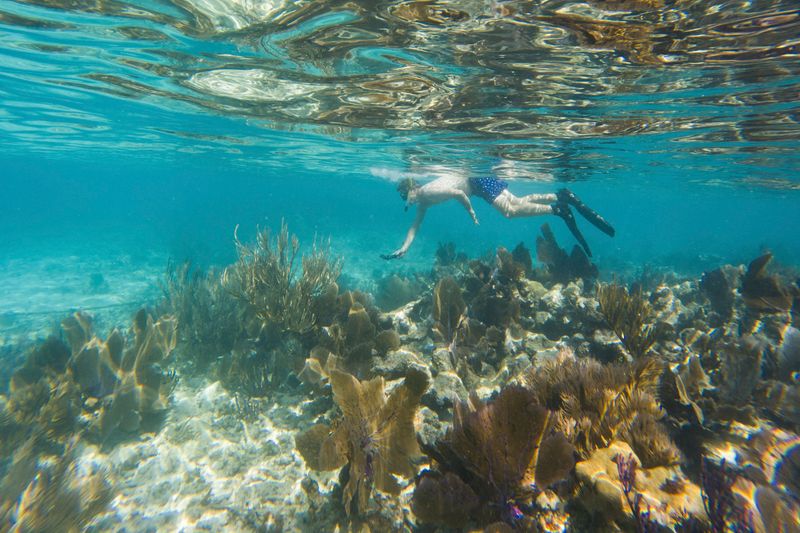
The corrected version of this article’s title holds up: you can snorkel over the only living coral barrier reef in the continental United States right here in the Florida Keys. What that experience looks like depends on where you go, how you get there, and what conditions greet you that day.
Offshore reef trips from Key Largo, Marathon, Bahia Honda, and Key West offer access to the principal reef formations, but they require planning, payment, and favorable weather. Nearshore snorkeling at state parks can show you soft corals, tropical fish, and reef-associated life in shallower, calmer water.
Dry Tortugas offers remote, crowd-free coral habitat for those willing to make the longer journey. None of these experiences guarantees pristine coral or perfect visibility, and NOAA’s reef overview and current marine conditions are the best starting points for understanding what you’re heading into.
Check park alerts, operating schedules, and any water-quality advisories directly with your chosen destination before you leave home. Sanctuary regulations and site-specific rules apply everywhere.
The reef is one of a kind in this country, and that rarity is exactly what makes it worth the planning. Seeing even a fraction of it up close, with fish darting through coral heads and sunlight bending through clear water, is the kind of moment that stays with you long after you’ve dried off.