
Affiliate disclosure: As an Amazon Associate I earn from qualifying purchases. Learn more
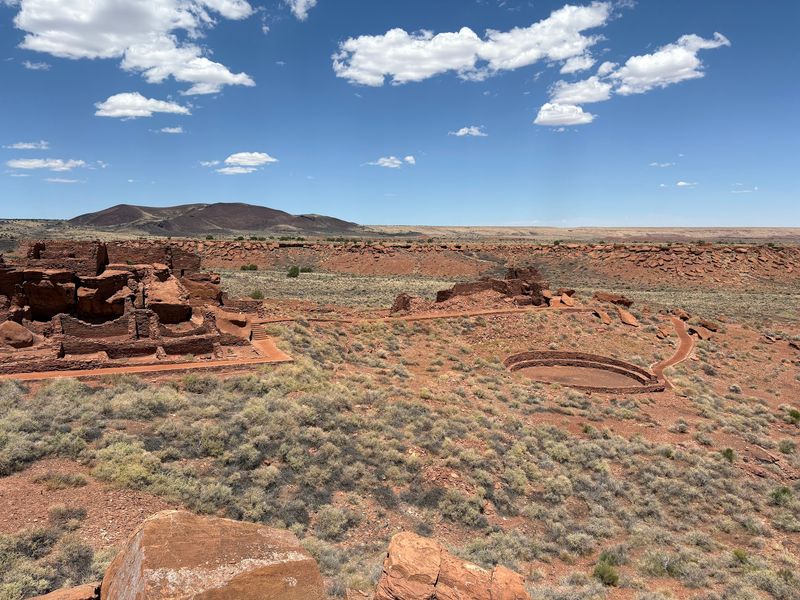
Roughly a thousand years ago, a busy community built tall stone homes on a stretch of high desert in northern Arizona, and the walls still stand today. You can walk right up to them, follow easy trails between five ancient pueblos, and take in views that stretch toward snowy peaks and painted desert.
There is even a natural blowhole where air rushes up from underground, which sounds made up until you feel it for yourself. Longtime Arizona residents often drive past the turnoff without knowing what waits down the road.
This place trades a passport and a long flight for a scenic drive north of Flagstaff. Keep reading to learn where it sits, what makes each ruin special, and how to plan a visit that fits your day.
The Desert Address Where Ancient Walls Still Stand
North of Flagstaff, tucked into the high desert of northern Arizona, Wupatki National Monument protects the standing homes of people who lived here centuries ago. The site sits within Arizona and shares a scenic loop road with nearby Sunset Crater Volcano.
Preserved ruins of prehistoric pueblos anchor the whole place. Self-guided trails let you view five separate pueblo groups spread across the landscape.
The main visitor center rests in the heart of the park, with the largest ruin waiting just past its doors. From there, a well-maintained road connects the other stops.
Reaching it takes a bit of driving, and the visitor center sits at least a half hour from the main highway. That distance keeps crowds thin and the setting quiet.
Rated 4.8 stars across nearly 1,900 write-ups, the monument earns steady praise for how well the walls have held up. Regulars mention how easy the access is once you arrive.
Arizona holds a lot of surprises, and this one lets you walk through history without leaving the state.
A Community That Thrived a Thousand Years Ago
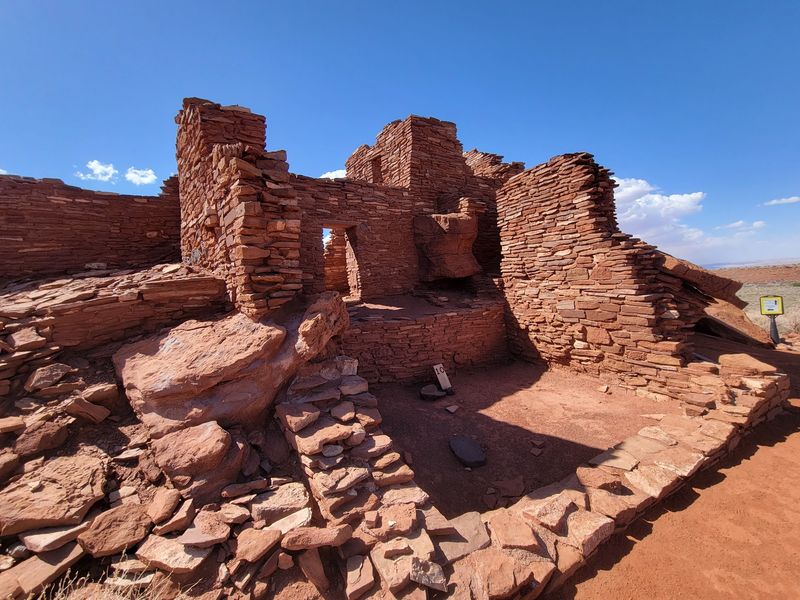
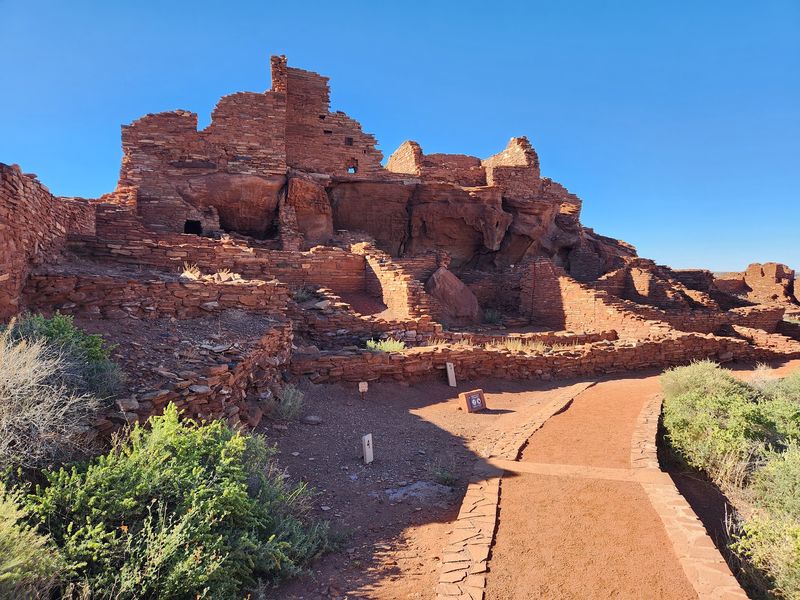
Long before highways cut through the region, the area around the San Francisco Peaks buzzed with life and activity. People built and rebuilt these homes for hundreds of years, shaping stone into rooms, gathering spaces, and lookout points.
Walking among the structures gives you a real sense of the community that once thrived here. Folks who visit often describe the feeling as both humbling and inspiring.
The pueblos carry names like Wupatki, Wukoki, and Citadel, each one telling a slightly different chapter of the same story. Together they show how a group of people made meaning of a demanding environment.
Interpretive signs help fill in the blanks along the way. Many say the exhibits do a strong job covering the Indigenous history of the region, something they found lacking at other stops in northern Arizona.
The ingenuity on display sticks with people. Seeing how families lived off this land makes the ordinary desert feel remarkable.
History here is not behind glass. It stands out in the open, waiting for you to walk up close.
The Largest Pueblo Right Behind the Visitor Center
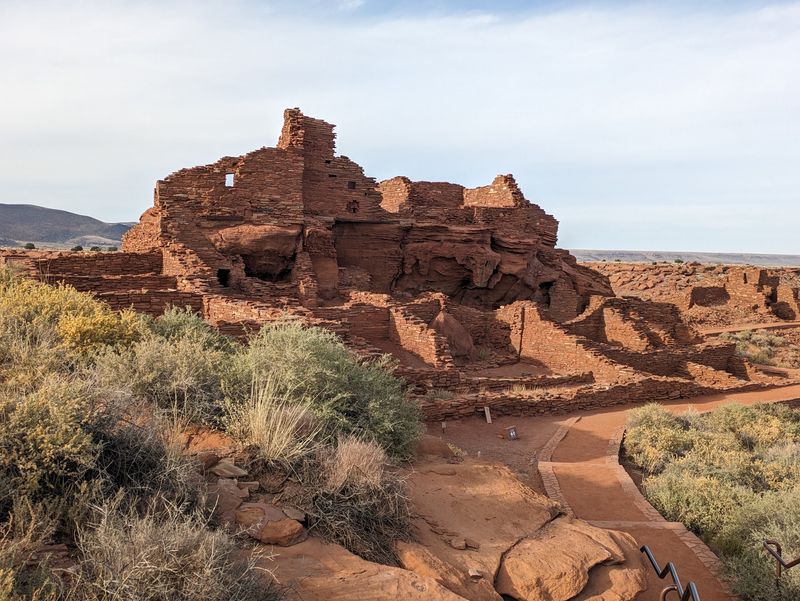
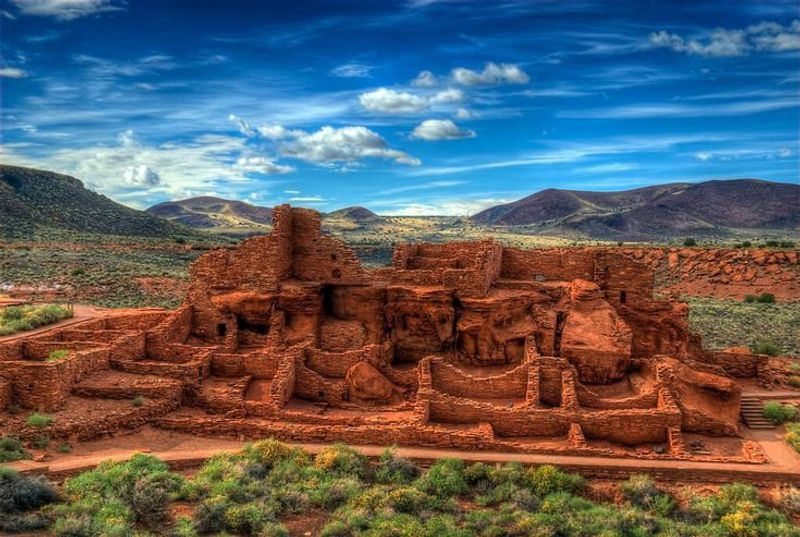
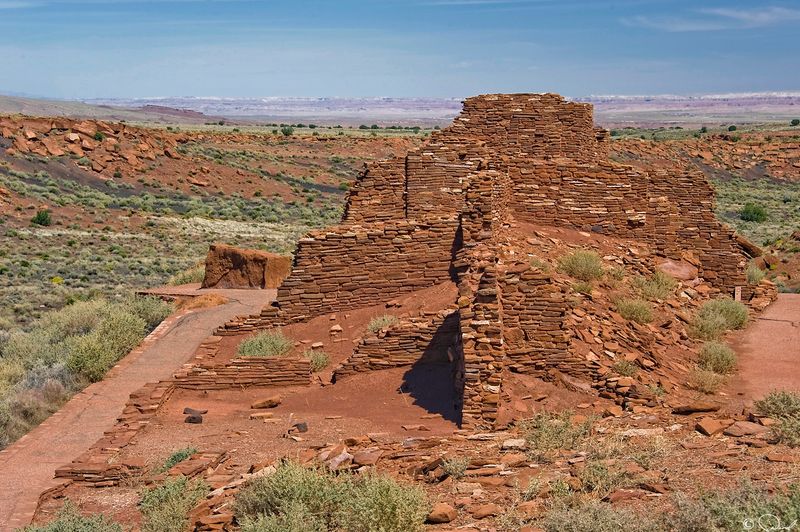
Just past the visitor center doors sits the biggest ruin of them all, and it makes a strong first impression. A short paved trail loops right up to the towering walls of the main Wupatki pueblo.
The scale surprises people. Room after room stacks up, hinting at how many families once shared this single site.
Grabbing the small guide book at the center pays off here. Numbers along the trail match up with pages in the book, and it costs only about three dollars while packing in a lot of information.
The hike stays short and manageable, so grandparents and kids handle it with ease. Bringing water is smart, since the desert sun does not offer much shade.
Photo access could not be simpler. The dwellings sit close to the path, and the layout keeps everything within easy reach.
Some folks walk straight to the ruin without stepping inside first, so a quick check-in at the desk keeps your visit smooth. Either way, this stop sets the tone for the whole loop.
The Blowhole That Steals the Show
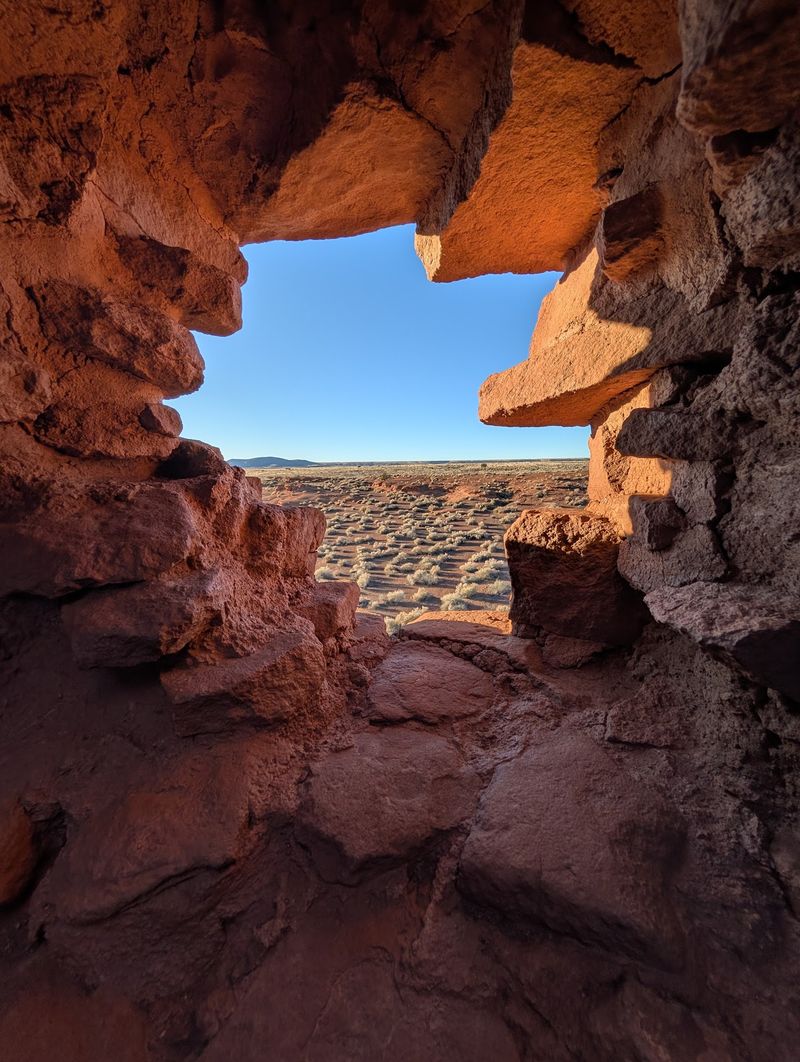
Of all the features here, one small opening in the ground gets people talking more than the walls themselves. The blowhole is a natural vent where air moves in and out from underground passages below.
Folks call it the coolest natural feature they have run into in a while, and they mean that in more ways than one. Air rushing up from below can feel genuinely refreshing on a warm afternoon.
It ranks high on the list of must-see stops within the monument. Many make a point of finding it before they leave.
The science behind it ties into the caverns and cracks hidden beneath the desert floor. Pressure changes push air through the opening, and the effect surprises nearly everyone who leans in for a look.
A short walk from the main pueblo puts you right at the spot. It sits close enough that skipping it would be a shame.
Small, quirky, and completely natural, the blowhole proves Arizona keeps a few tricks up its sleeve.
An Ancient Ball Court and Amphitheater
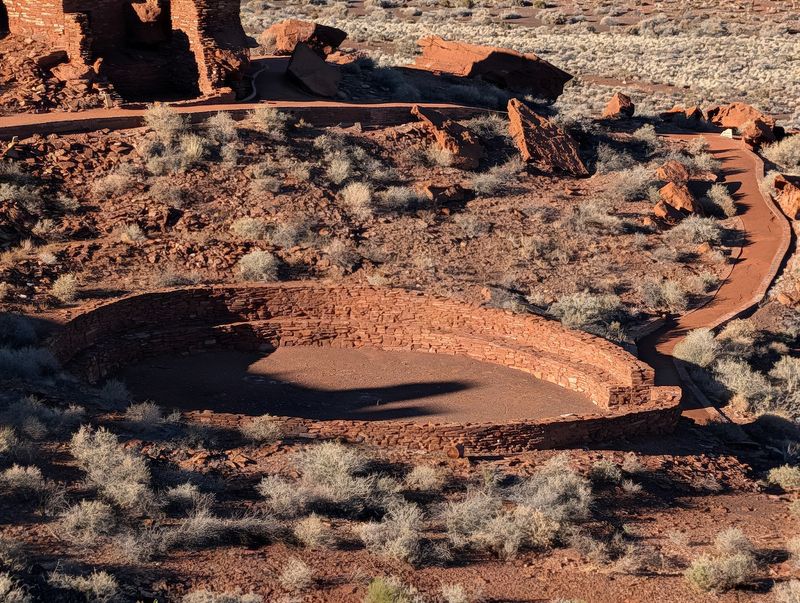
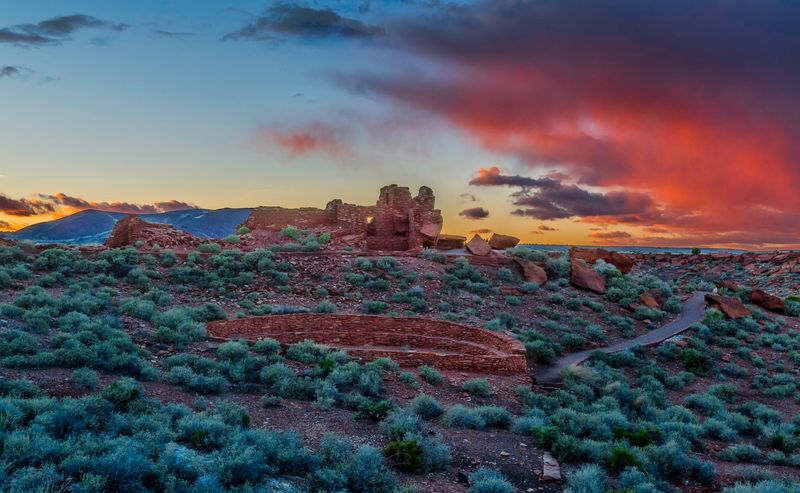
Sports fans might not expect to find playing grounds this old, yet the monument holds a genuine ball court. The circular stone structure once hosted games and gatherings for the community that lived here.
Alongside it sits an amphitheater, and both rank among the most striking parts of a visit. The two spaces hint at a social life that went well beyond daily survival.
People often single out these areas as especially interesting. The ball court is one of the northernmost of its kind, connecting this desert outpost to cultures far to the south.
Standing at the edge of the court, you can picture a crowd gathered for the action. The layout still reads clearly after all this time.
The whole feature adds another layer to what makes Wupatki unusual. It is not just homes and storage rooms, but a place built for coming together.
Details like this reward anyone who takes the time to walk the full loop instead of rushing off.
Four Pueblo Stops Along One Scenic Road
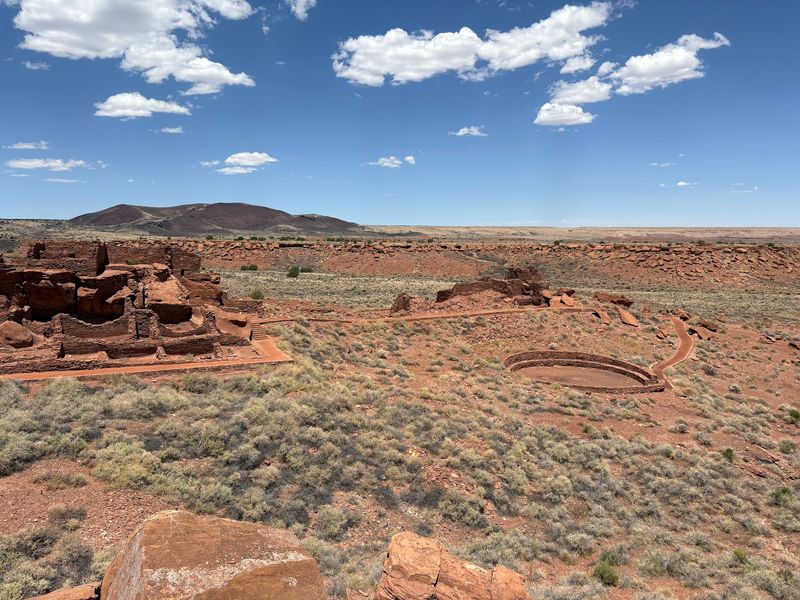
Rather than crowding everything into one spot, the monument spreads its treasures along a single well-kept road. Four main pueblo sites line the drive, with the largest one tucked behind the visitor center.
The freedom of driving from ruin to ruin wins a lot of fans. You pull into each site, park, and stroll a short trail before moving on to the next.
Sites like Wukoki, Citadel, and Box Canyon each offer their own character. Wukoki in particular sits a short drive and a short walk from the visitor center, making it an easy add-on.
Every stop comes with well-maintained trails and helpful information boards. The pace stays relaxed, and you decide how long to linger.
Signs clearly mark which way to go, so getting turned around is hard to do. Numbers and plaques keep the story moving as you walk.
Spreading out the sites turns the visit into a mini road trip, one that packs history and open desert into a single loop.
Views of the San Francisco Peaks and Painted Desert
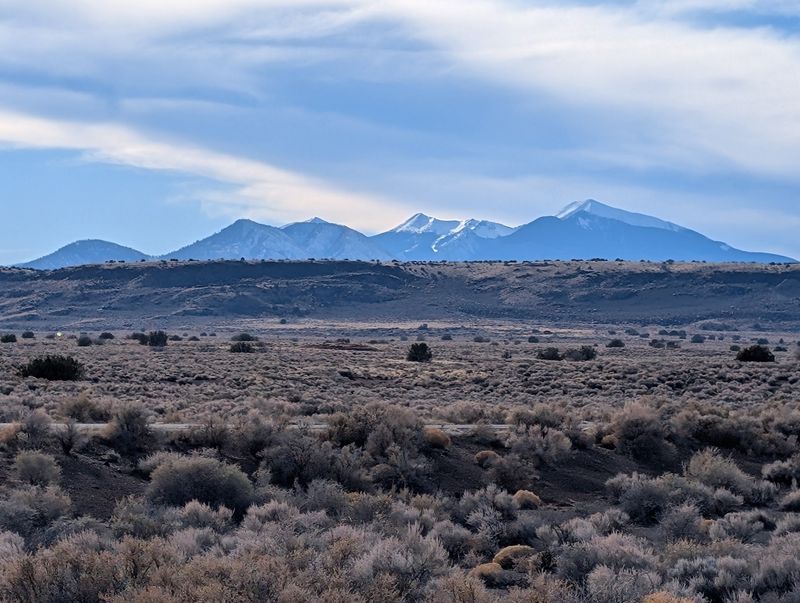
Beyond the walls themselves, the surrounding scenery gives every stop a grand backdrop. The San Francisco Peaks near Flagstaff rise on one side, while the Painted Desert stretches out on the other.
The views run wide and open, and people frequently call them expansive and stunning. Even the drive in delivers scenery worth slowing down for.
One of the surprises is how many different landscapes you pass along the loop. The changing climates from peak to plateau make the route feel varied and alive.
Sunrise and sunset draw those who plan ahead. The standing walls against a colorful sky create a memorable scene, and the light softens the whole desert.
Solitude adds to the effect. With few other people around, the sweeping vistas feel like they belong to you alone.
Natural beauty and ancient history rarely share a single frame this well. Here, the two come together at every overlook.
Red Sandstone With a Watery Backstory
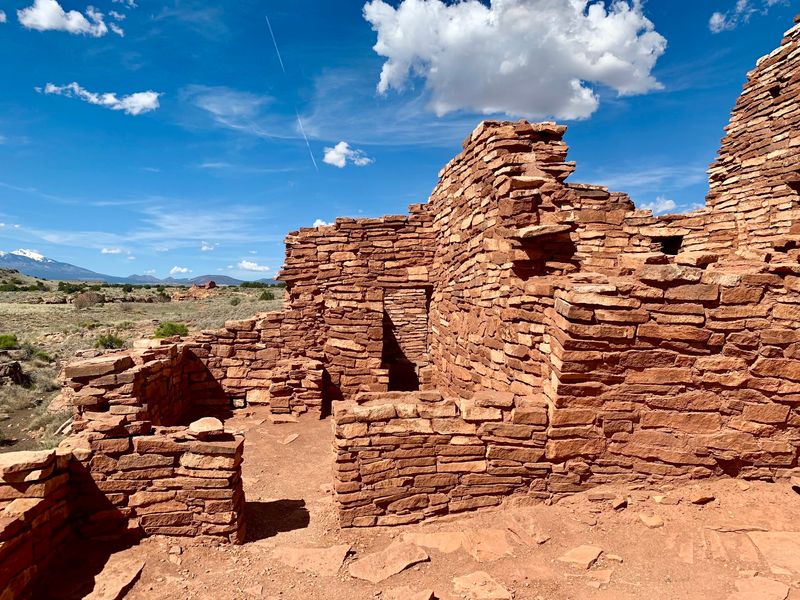
Geology buffs get their own reward here, hidden in the very rock that built these homes. The striking red sandstone traces back to freshwater rivers, tidal flats, and near-shore settings from millions of years ago.
The region feels bone dry today, yet the exposed layers tell a story of a much wetter ancient world. Those bands of stone read like pages in a very old book.
Learning this backstory adds another layer of wonder to the walk. The same material that shaped the pueblos also records deep chapters of natural history.
Builders long ago used this stone to raise their walls, tying human history right into the geologic record. The connection makes each ruin feel even more grounded in place.
Walking through the monument means seeing both stories at once. The land beneath your feet shaped the homes above it.
Few spots let you read the past on two timelines like this, and the red rock quietly ties them together.
Easy Trails Built for Every Age
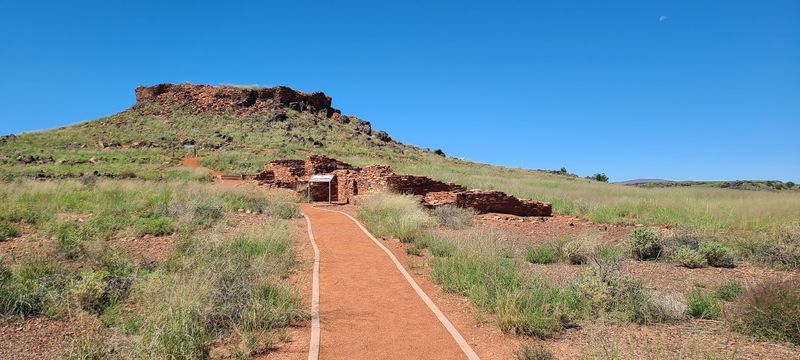
Nobody needs to be a serious hiker to enjoy this place, and that is a big part of the appeal. The trails stay short, flat, and easy to follow, with clear signs pointing the way.
Families of all ages handle the walks with no trouble. Kids and grandparents alike make their way through the sites without a struggle.
Walkways stay well marked and well maintained across every stop. The paths guide you right past the highlights so you never wonder where to go.
Interpretive signs line the routes and keep things informative. The short hikes reward a little effort with a lot of history.
Bringing water still matters, since shade is scarce and the desert can warm up fast. A refill station sits at the visitor center for hotter days.
Accessibility like this makes the monument a genuine crowd-pleaser. You get real ruins and big views without needing hiking boots or a full day of exertion.
Rangers and Volunteers Who Bring It to Life
Good information turns a nice walk into a real learning trip, and the staff here deliver plenty of it. Friendly, knowledgeable people work the sites and answer whatever questions come up.
Educational volunteers often station themselves near the ruins, happy to share details with anyone who wants them. Their explanations add depth to each stop.
The visitor center holds a strong interactive exhibit on the area and the people who lived here. Many single out how well it covers the region compared to other spots in northern Arizona.
At times, staff even plant corn and cotton the way the original residents did. That living touch connects the exhibits to real daily life.
Helpful rangers get mentioned again and again. Their guidance helps first-timers get the most out of a visit.
One thing worth knowing is that the layout can cause confusion at the pass check-in, so a quick stop inside keeps things clear. With that sorted, the staff make the whole experience richer.
Pairing Wupatki With Sunset Crater Volcano
Smart planners rarely visit alone, since a single loop road links Wupatki with Sunset Crater Volcano National Monument. Entering off Highway 89 and circling through both makes for a full, varied day.
The drive between them runs about 30 miles on a well-maintained road. Trails wind around the volcano, and the scenery shifts as you go.
Many enter through the northern entrance off 89, tour Wupatki, then loop south toward Sunset Crater on the way out. The route strings together volcanic features and ancient homes in one trip.
Some folks even build a three-part outing by adding Walnut Canyon to the mix. All three together make people glad to call Arizona home.
Travelers passing between the Grand Canyon and Flagstaff often stumble onto the loop and end up thrilled they did. It fits neatly into a longer northern Arizona swing.
Two monuments, one road, and a whole lot to see. Pairing them up turns a good stop into a standout day.
Hours, Passes, and Planning Tips
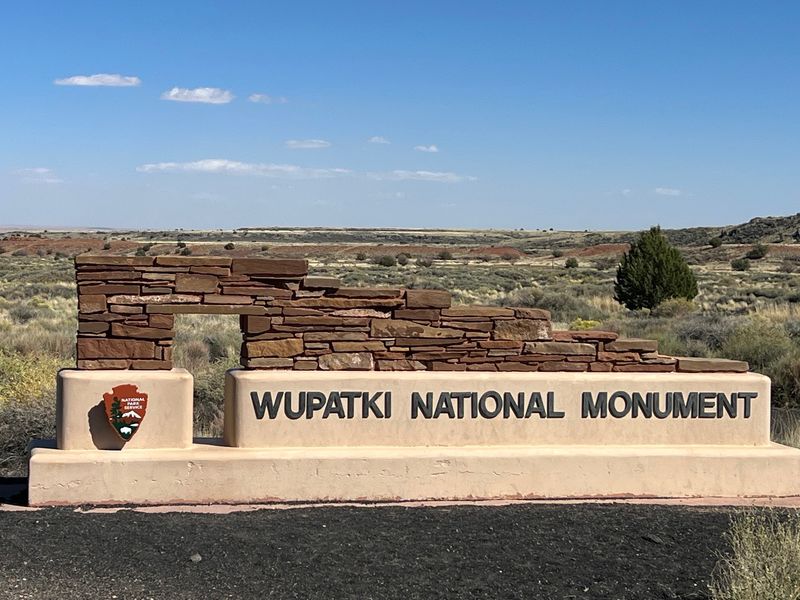
A little planning goes a long way out here, starting with your entry pass. Entrance is free with the America the Beautiful Pass, and passes can be scanned or purchased at the visitor center.
The center offers clean restrooms and a small gift shop. Picnic tables and trash cans sit outside near the parking lot, and pit toilets are available at each site.
Downloading the free NPS App and its offline map before you arrive is a smart move. It maps out trails and viewpoints even without cell service, which helps you stay oriented.
Timing matters near the end of the day. Some enter before sunset and exit in the dark, so keep an eye on the clock as you go.
A water fill-up station waits at the visitor center for hot days, though it has been known to be out of order, so pack extra. The center itself is sometimes closed, so plan for that too.
The nearby Sunset Crater location can handle stamp collecting if you are chasing those. For questions, the monument line is +1 928-679-2365 and the site is nps.gov/wupa.
Why This Belongs on Your Arizona List
Some people arrive expecting a quick add-on and leave calling it a new favorite. More than one has ranked Wupatki among their top monuments after nearly having the place to themselves.
The mix works. History, culture, and open desert scenery come together in a way that leaves a lasting impression.
You skip the airport, skip the passport, and still walk through towering ancient homes on a cliffside plateau. The whole thing sits within a scenic drive of Flagstaff.
Well-preserved walls, an ancient ball court, a natural blowhole, and sweeping views make a strong case for the trip. The easy trails mean nearly anyone can take it all in.
Keeping the site pristine matters, so treading lightly helps future generations enjoy it too. That care is part of what keeps the monument special.
Arizona has quietly held onto a place this remarkable all along. Point the car north, follow the loop road, and see for yourself why locals feel their state is secretly world-class.


