
Affiliate disclosure: As an Amazon Associate I earn from qualifying purchases. Learn more
Most museums ask you not to touch the exhibits, and they certainly never start them up. Out in Chino, there is a place where a Korean War era MiG-15 can roll out, fire up, and take off while the crowd watches from the ground.
The hangars hold World War II fighters, rare one-of-a-kind aircraft, and even the P-51 Mustang flown by Tom Cruise in Top Gun Maverick. Many of these planes are kept in flying condition by staff and volunteers who treat aviation history like a living thing.
Admission costs about the same as a movie and a snack, and families, veterans, and longtime aviation fans keep coming back. Keep reading to find out what makes this spot so special, which days to plan around, and how to get the most out of a visit without feeling rushed.
A Flying Museum on Cal Aero Drive
Tucked beside the Chino Airport in the Inland Empire, Planes of Fame Air Museum sits at 14998 Cal Aero Dr, Chino, CA 91710, in Southern California. From the outside, it can look modest.
That first impression does not last long. Behind the doors are multiple hangars filled with mostly military aircraft, along with aviation memorabilia and a youth education center.
The museum describes its mission simply as aviation exhibits that educate and inspire. That goal shows up everywhere, from detailed placards to staff members ready to explain how a particular fighter earned its place in history.
Many people call it an amazing little museum that is really not small at all. The property is fairly large and spread out, so the scale tends to surprise first-timers.
What truly separates it from a typical collection is that a large number of these aircraft still fly. Staff and volunteers keep them airworthy, which turns a museum trip into something closer to a working airfield visit.
Visitors enter and exit through the gift shop, and restrooms are located near that same entrance. It is a simple, organized start to a day that can stretch much longer than planned.
Warbirds From the Greatest Generation
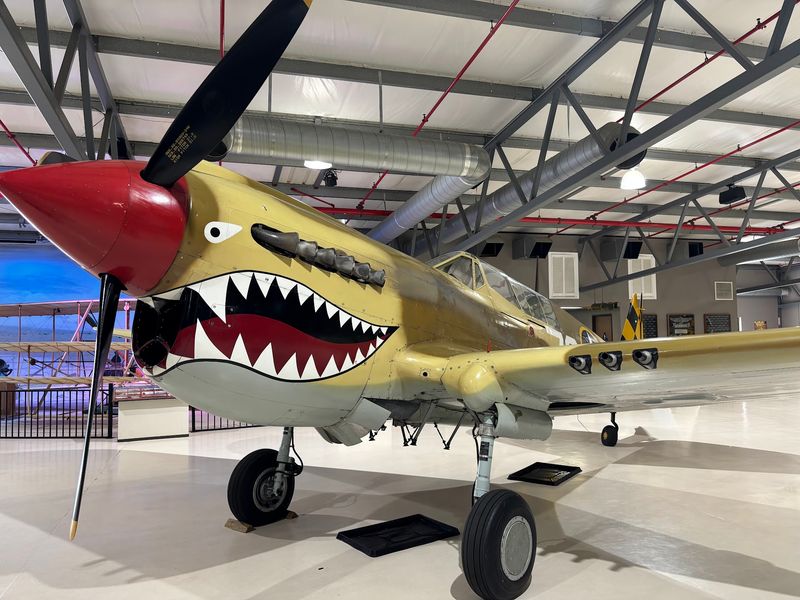
World War II is the beating core of this collection. Most of the aircraft on display come from that era, which makes the museum a natural stop for anyone who grew up hearing stories from parents or grandparents who served.
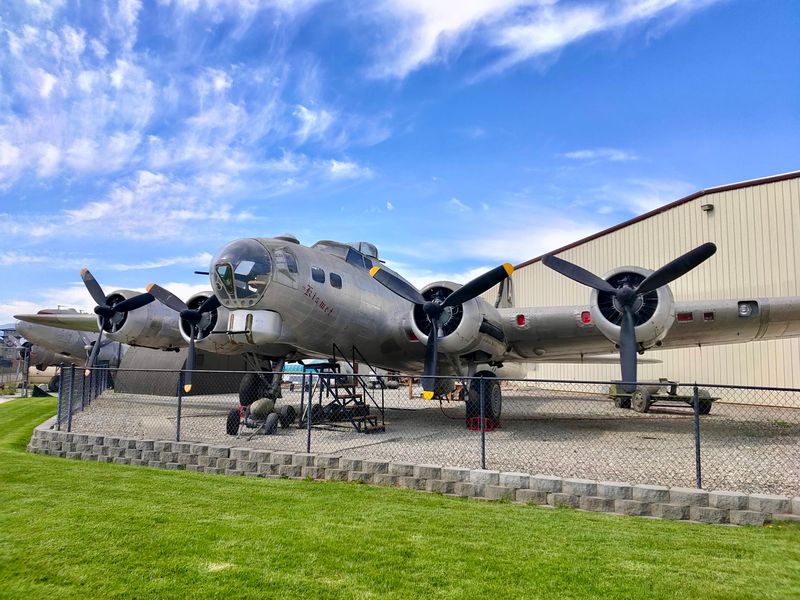
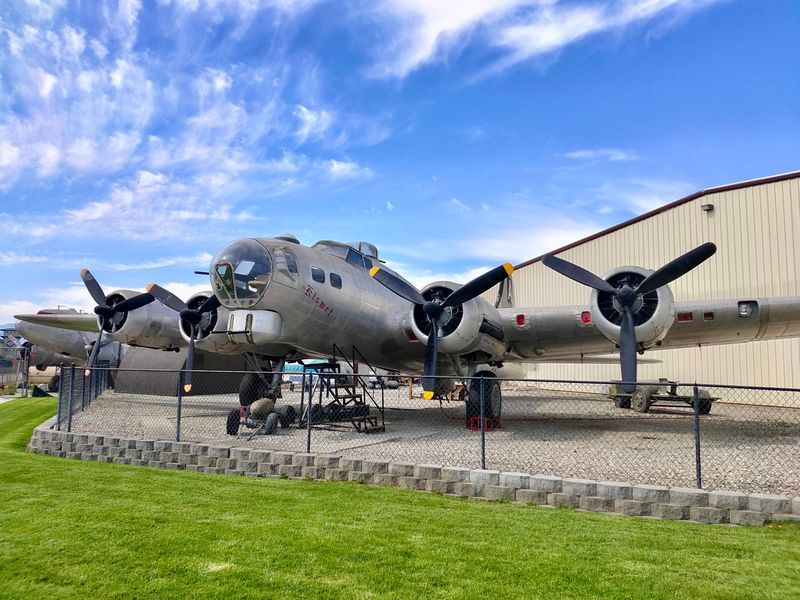
The lineup includes American, German, Japanese, Russian, Polish, and other aircraft. A Japanese Zero and a Boeing B-17 Flying Fortress are among the planes people mention most often.
The collection does not stop at 1945. Planes from World War I, the Korean War, and later decades also appear, along with air race aircraft that add a bit of speed-loving flair to the military focus.
For families, this mix opens up conversation. A grandparent can point to a familiar silhouette while a grandchild reads the placard and asks how it flew.
Several aircraft here are described as last-one-in-the-world examples. Seeing a plane that has no surviving sibling anywhere else gives the visit real weight.
Many guests leave with the same thought in mind: keep this history of the greatest generation alive. In this hangar, that wish is being handled one rivet at a time.
Rare Birds and Oddball Experiments
Once you get past the famous fighters, things get delightfully weird. The museum keeps a set of little gliders and experimental aircraft that tend to thrill serious aviation nerds.
Names like the Miles and Atwood Special show up here. These are not the planes found on every poster, which is exactly the point.
One standout area features late-war German experimental aircraft and rocket-powered concepts. They represent ideas that pushed the limits of what engineers thought was possible at the time.
A full-scale replica of the Wright Brothers aircraft offers a look back at where powered flight began. Standing near it after viewing jet-age machines makes the leap in technology feel very real.
Sectionalized aircraft engines are also on display, cut open so you can see the inner workings. Mechanically minded guests often linger at these longer than at the planes themselves.
There is even a tank in the mix, a fun surprise for anyone who assumed this was strictly an aircraft affair. Curiosity pays off here, so peek around every corner before moving on.
Hollywood’s Favorite Mustang
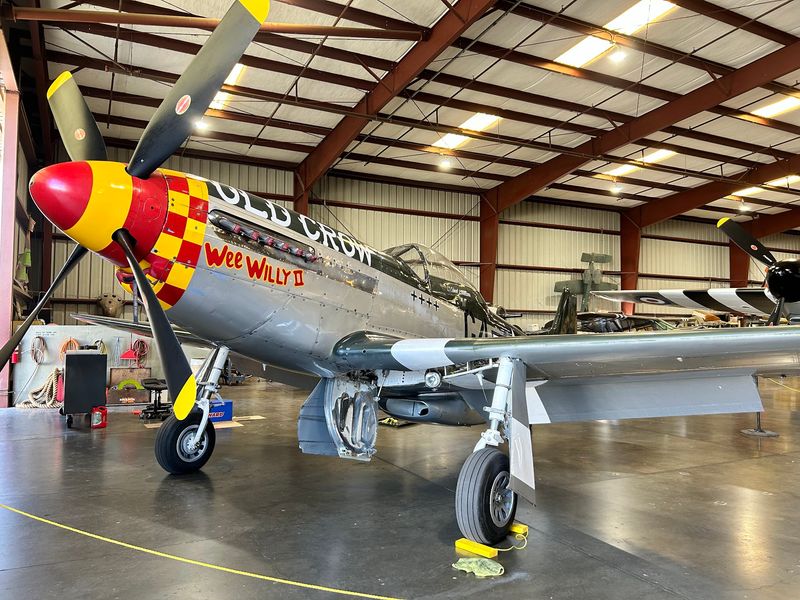
Movie fans have a secret reason to make the drive. The P-51 Mustang flown by Tom Cruise in Top Gun Maverick can be seen at this museum.
For many guests, that plane serves as the gateway. They come for the Hollywood connection and stay for the history behind it.
The P-51 is one of the most recognized American fighters of World War II. Seeing a working example up close helps explain why it still captures so much attention decades later.
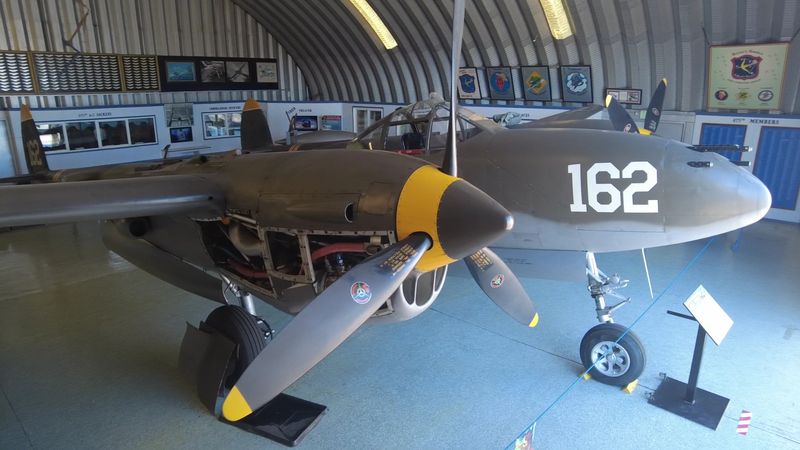
The museum also has a dedicated P-38 Hangar. Keep expectations clear, though, since that space has mainly featured photos and displays about the aircraft rather than an actual P-38 on the floor.
Those exhibits still tell a strong story about a distinctive twin-boom fighter. Readers who enjoy the background details behind famous planes will find plenty to absorb there.
Between the movie star Mustang and the deep dives into legendary designs, this part of the visit tends to spark the most photos. Bring a charged phone, because the camera roll fills up fast.
Restoration Happening in Real Time
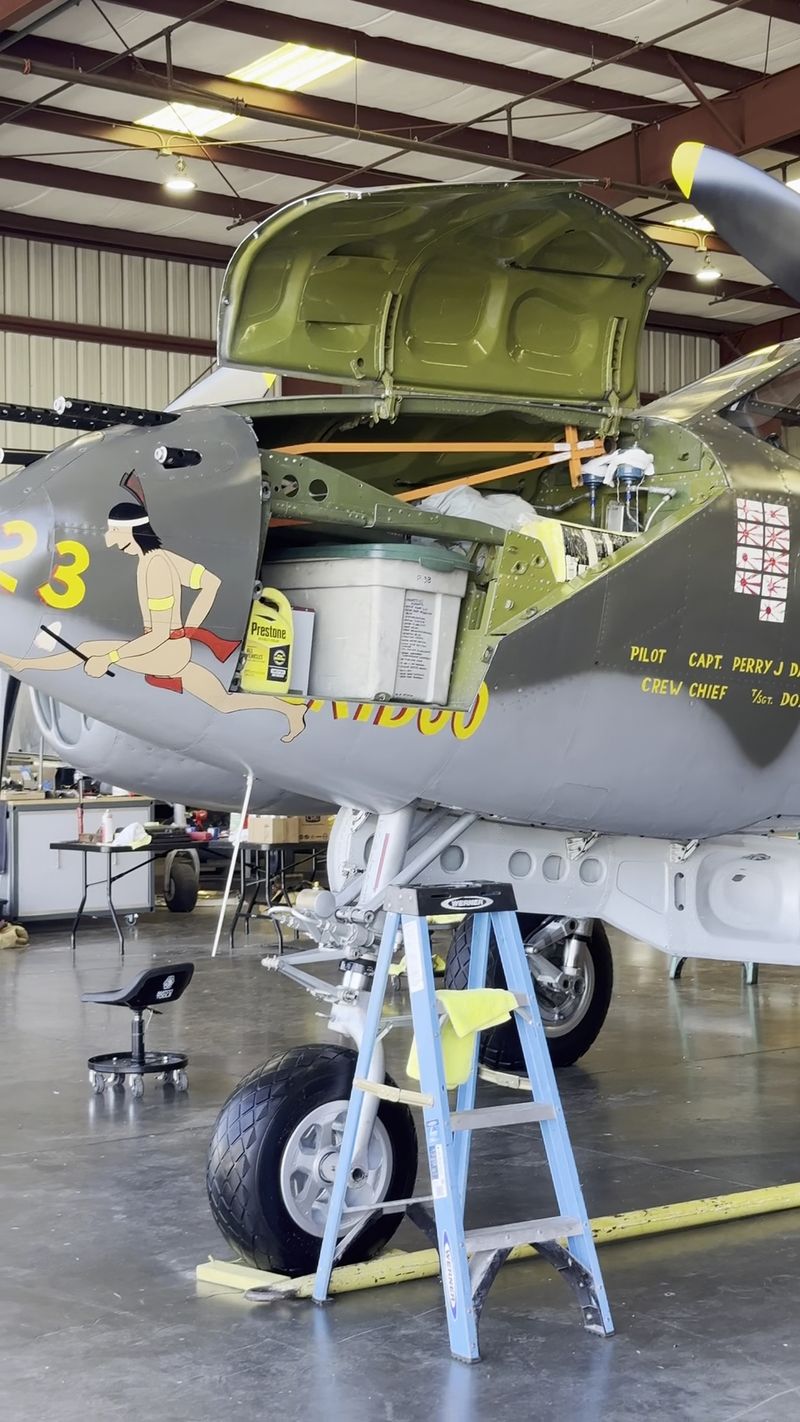
Some museums freeze history behind glass. Here, history gets wrenched, polished, and tuned.
Guests can often watch volunteers and staff working on vintage aircraft, restoring them and keeping them airworthy. It turns a static display into a behind-the-scenes look at preservation.
Many visitors find it remarkable that the team can restore planes all the way back into flying condition. That work takes skill, patience, and a deep respect for the machines.
Indoor exhibits are kept well maintained, freshly painted, and dusted off. Many aircraft are considered nicer than examples found in far bigger national institutions.
Honesty matters, though. Some planes stored outdoors and in certain hangars do not look as polished, and some hangars feel crowded with aircraft parked close together.
A few spaces also sit fairly empty, likely part of ongoing changes. Most guests say that does not take away from the experience, and the visible restoration work helps explain why the collection keeps evolving.
Docents Who Know Every Rivet
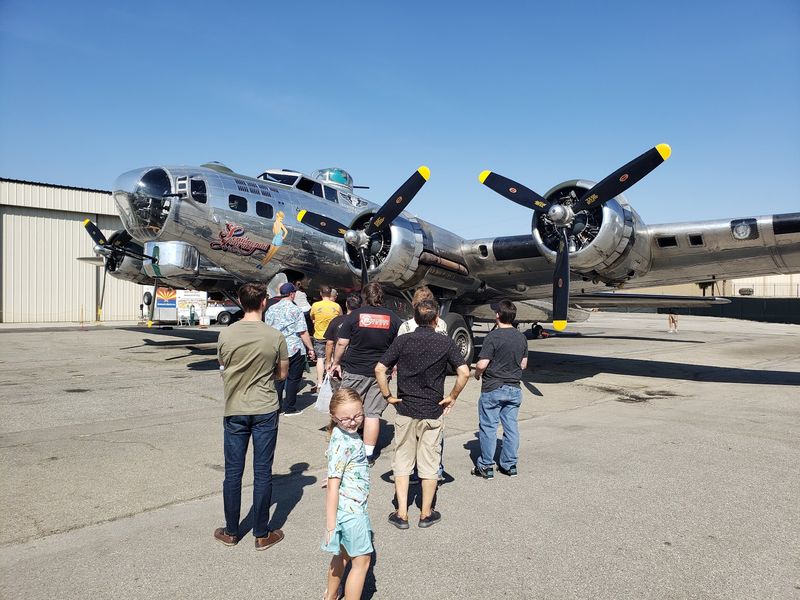
Ask one question, and you may get a full history lesson. The docents and staff are consistently described as friendly, welcoming, and deeply knowledgeable.
Many of them volunteer their time. Their enthusiasm is a big part of why people end up staying hours longer than planned.
The tour is self-guided by default, and the layout is clean and organized enough to follow on your own. Still, a guided tour is worth taking for richer context behind each aircraft.
Conversations with staff can go beyond the placards. Some guests have even been shown areas still under development, a small bonus that makes the visit feel personal.
Hangar Talk days add another layer, with presentations held right inside the hangars. These sessions are interesting and educational, especially for anyone who enjoys stories from aviation history.
Groups are welcome too. School groups of around 30 students have had great tours with knowledgeable guides, so teachers planning a field trip should keep this museum on the list.
First Saturdays and Engine Startups
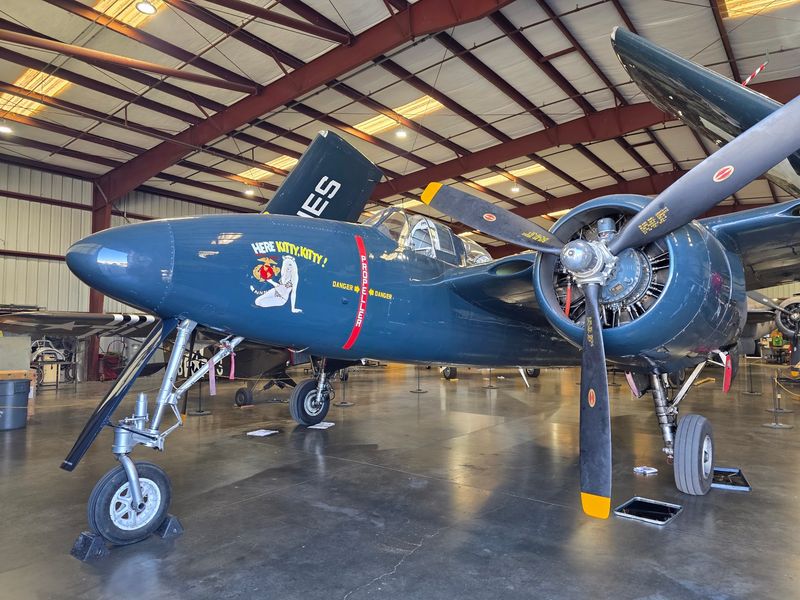
Timing a trip right can mean the difference between seeing a plane and seeing it fly. The museum holds a special program on the first Saturday of every month.
On those days, a featured aircraft is rolled out of the hangar, started up, showcased, and flown for about 20 minutes. It works as a mini airshow built around one historic plane.
A flight schedule is posted, so trips can be planned around specific aircraft. Guests have watched a MiG-15 start up and take off, which is not something most museums can promise.
That is what gives this place its reputation as a true flying museum. Most people never get to see these aircraft leave the ground.
Check the schedule on the museum website before heading out, since featured planes and dates can change. Arriving with time to spare helps secure a good viewing spot.
Those 20 minutes in the air tend to stay with people for years. For many guests, it becomes the moment they tell friends about first.
Wings, Wheels and Tracks Weekend
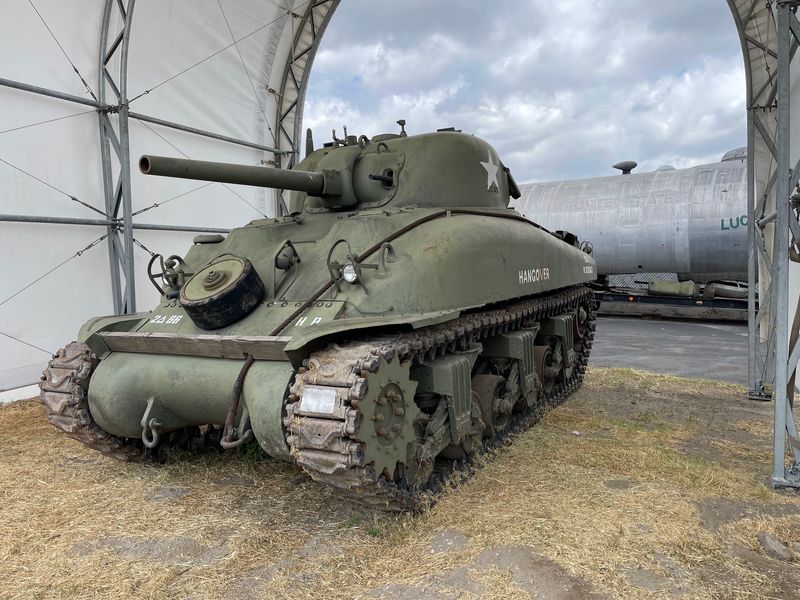
Once a year, the museum gets even louder. The annual Wings, Wheels and Tracks event is often called the best time to visit.
It runs across a weekend, so there is a second day to catch it if Saturday fills up. The event brings reenactors representing many different armies.
Tanks, trucks, jeeps, and military artifacts from various wars join the aircraft. It becomes a full military history day rather than an aviation-only outing.
Presentations in the hangar add educational depth. Food trucks are usually on site during the event, which helps since regular days typically have no food service.
Other special days pop up too. Hangar Talk sessions happen periodically, and the museum has offered free admission on Father’s Day, a welcome gift in a state where outings keep getting pricier.
Some days even feature AMC muscle cars on display. Keep an eye on the event calendar, because the right weekend can turn a good visit into a great one.
Hours, Tickets and a Few Smart Tips
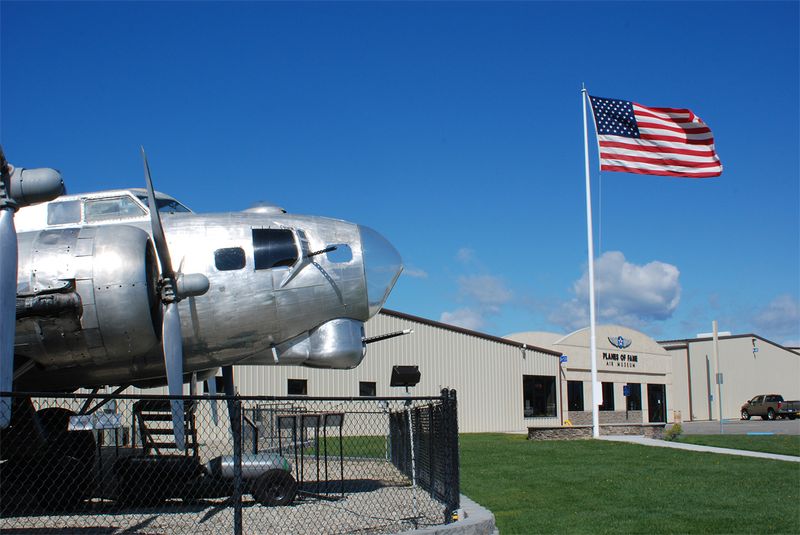
Plan around a short week. The museum is open Wednesday through Sunday from 10 am to 4 pm, and it is closed Monday and Tuesday.
Admission runs about $20 for adults and $10 for children, with kids 4 and under free. Discounts are available for veterans and seniors, and prices may change, so check planesoffame.org before going.
Time needed varies widely. A fast walkthrough takes around 90 minutes, while two to three hours allows a relaxed pace, and dedicated placard readers can easily fill most of a day.
Hangars can get warm with limited ventilation. Bring plenty of water, since there may not be places to buy it inside.
Friday mornings tend to be uncrowded. During the school year, calling ahead to ask about school tours can help avoid busy periods.
The gift shop is well stocked with memorabilia, shirts, magnets, and a few toys. It is good merchandise rather than filler, though a few fans wish for more bomber jackets.
Worth the Trip to Chino
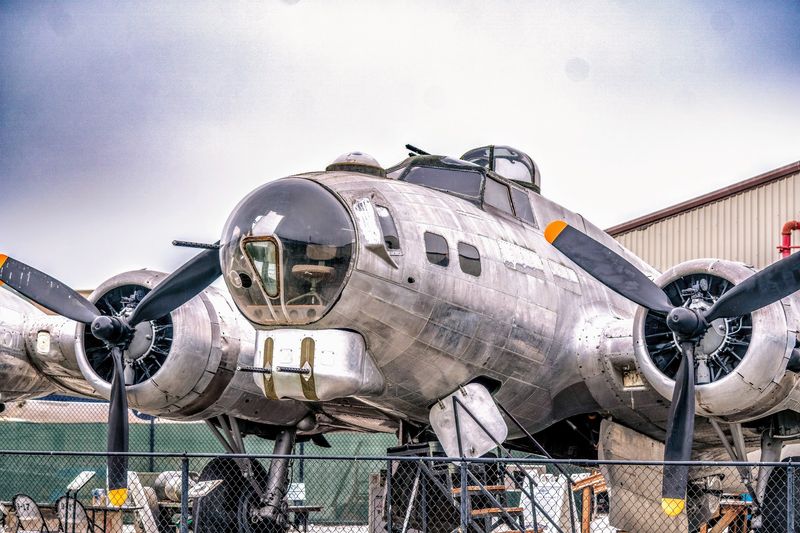
Some places simply hold onto the past better than others. In a region that keeps changing, this airfield museum keeps a crucial chapter of American history running, literally.
It suits a wide range of people. Kids enjoy the sheer number of airplanes, history fans appreciate the rare examples, and pilots enjoy seeing machines kept in true flying shape.
It has even hosted weddings, which says something about how special the setting feels to locals. The overall sentiment is overwhelmingly positive, with high marks across well over a thousand impressions.
It is not perfect. Some hangars feel packed, a few spots sit empty, and outdoor aircraft show their age, so seasoned enthusiasts who know other regional museums may want to set expectations.
Still, for about $20, the chance to watch a historic warplane take off is hard to match anywhere in California. Few outings offer that kind of value.
Go on a first Saturday, chat with a docent, and leave room in the schedule. The planes are ready to fly, and the stories are ready to land.


