
Affiliate disclosure: As an Amazon Associate I earn from qualifying purchases. Learn more
West Palm Beach pulled off something genuinely fun this past June: a full-scale festival dedicated entirely to mangoes, held indoors at the Palm Beach County Convention Center. The Florida Mango Festival brought together local growers, tropical-fruit nurseries, specialty-food makers, and mango educators all under one roof.
If you missed it, you are not alone – the 2026 edition has already passed, but understanding how it worked is the best way to plan for the next one.
West Palm Beach hosted a mango festival—but the 2026 event has passed
Saturday, June 27, 2026, was the date for the Florida Mango Festival, held at the Palm Beach County Convention Center at 650 Okeechobee Blvd. in West Palm Beach. The official event page confirmed general admission hours from 10:30 a.m. to 5 p.m., with last entry at 4 p.m.
The event was organized by the Florida Mango Association and focused on Florida mango growers, fruit-tree nurseries, tropical produce vendors, educational programming, and mango culture broadly.
As of August 5, 2026, the festival has already occurred and online registration is closed. This article works as a retrospective on what the 2026 edition offered and as a planning guide for anyone hoping to attend a future edition once organizers announce new dates.
One clarification worth making early: the Florida Mango Festival in West Palm Beach is a completely separate event from Fairchild Tropical Botanic Garden’s Mango Festival in Coral Gables. Fairchild’s 2026 festival took place June 13-14 at its Coral Gables garden location and had its own distinct admission pricing and programming.
The two events share a subject but not an organizer, a venue, or a schedule. Readers researching either event should confirm which one they mean before booking travel.
The West Palm Beach version leaned into Florida’s agricultural identity, bringing growers, educators, and specialty vendors together in a convention-center setting rather than a garden environment. That distinction shapes everything from the vendor mix to the atmosphere, and it helps explain why the event attracted both serious home gardeners and curious first-timers looking for something beyond the usual summer outing.
Late June coincides with Florida’s mango season
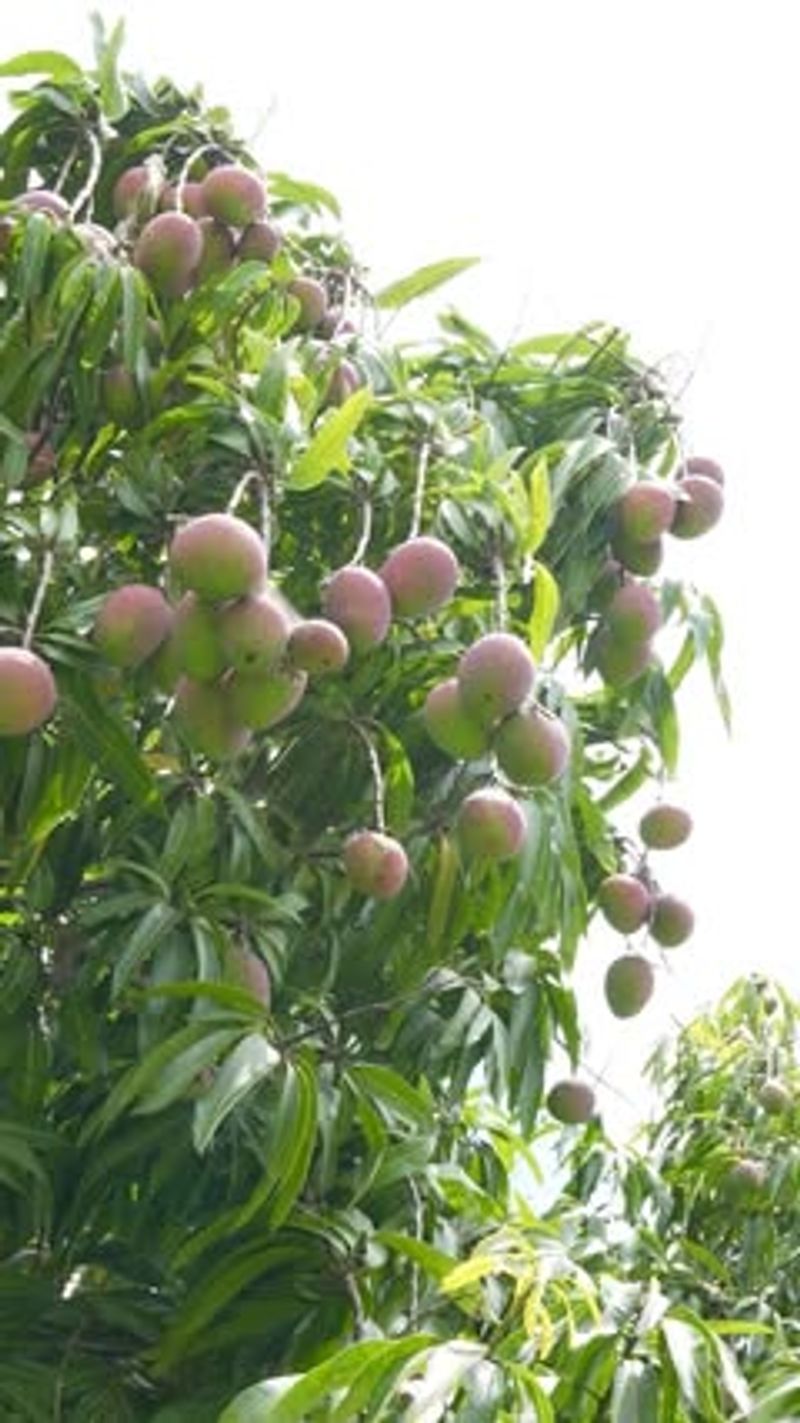
Scheduling a mango festival in late June was not arbitrary. UF/IFAS guidance on Florida mangoes confirms that most Florida mango varieties mature somewhere between May and September, with the heaviest production concentrated in June and July.
Holding the festival on June 27 put it squarely inside the window when locally grown fruit would be at or near peak availability.
That timing matters because the event was built around Florida-grown mangoes specifically, not imported or out-of-season fruit. Growers attending the festival could bring freshly harvested fruit from their own orchards rather than sourcing from distant suppliers.
For visitors, that meant a genuine chance to taste and compare fruit that had been grown nearby, often by small operations that do not appear in grocery stores.
Florida’s mango-growing region is concentrated in Miami-Dade, Broward, and Palm Beach counties, where the subtropical climate supports the long, warm growing season the trees require. The late-June festival date also gave home gardeners a practical reason to attend: if you were thinking about planting a mango tree, mid-summer is a reasonable time to learn from growers who had just watched their trees produce fruit and could speak from direct experience about which cultivars perform well in South Florida conditions.
None of this guarantees that a future edition will fall on the same date or feature the same cultivars. Organizers have stated that event details may change, and the mango season itself can shift slightly depending on weather.
Future attendees should confirm the date and programming before planning a trip, but late June or early July remains a logical window for any mango-centered Florida event tied to local harvest timing.
The event combined mango tasting with agricultural education
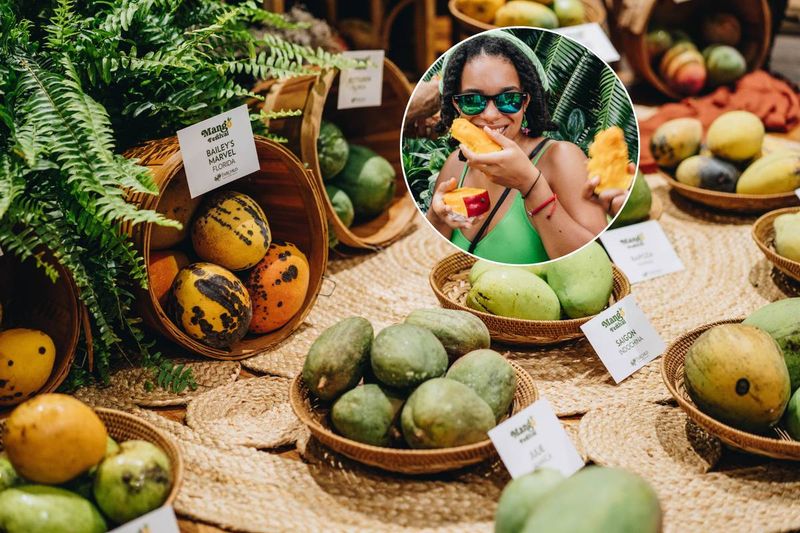
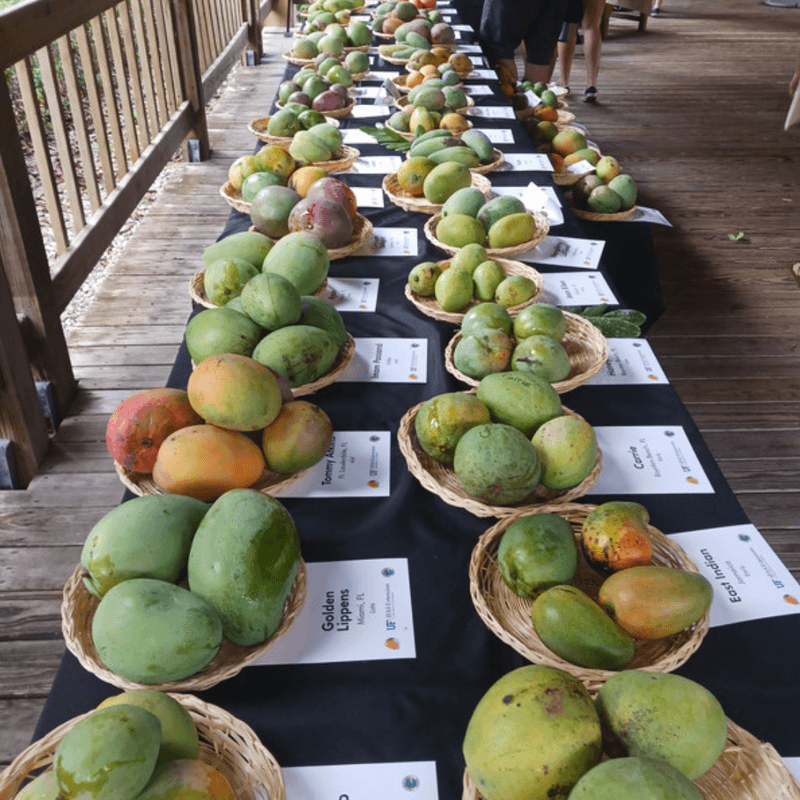
Beyond buying fruit, the Florida Mango Festival offered a lineup of activities that leaned toward learning as much as eating. The official event details page listed a master display of Florida mango cultivars as one of the featured attractions – a curated collection of labeled fruit that let visitors see and compare different varieties side by side.
That kind of display is genuinely useful for home gardeners trying to figure out which cultivar might suit their yard or taste preferences.
An “ID Your Mango” booth gave attendees a place to bring fruit they had grown or purchased and get help identifying the cultivar. That is a surprisingly practical feature for anyone who has inherited a mango tree or bought fruit at a roadside stand without knowing exactly what they were getting.
A scion exchange added another layer for serious growers, offering the chance to trade grafting material for propagating specific varieties.
Educational lectures rounded out the programming, giving growers and educators a chance to speak directly with attendees about Florida mango cultivation. The official materials confirm the cultivar display and educational programming, but they do not establish a specific count of varieties on display or any national or global superlative about the event’s scale.
Promotional language from organizers described the varieties as rare and exceptional, but those terms reflect marketing rather than independently verified facts.
For visitors who had never attended an agricultural festival, the educational layer made the event more than a shopping trip. Grafted mango trees were available for purchase, which meant someone could leave with not just fruit but a tree to plant at home.
Agricultural tools and supplies were also part of the vendor mix, pointing toward an audience that included active home growers alongside curious food enthusiasts.
The vendor lineup reached from backyard orchards to specialty foods
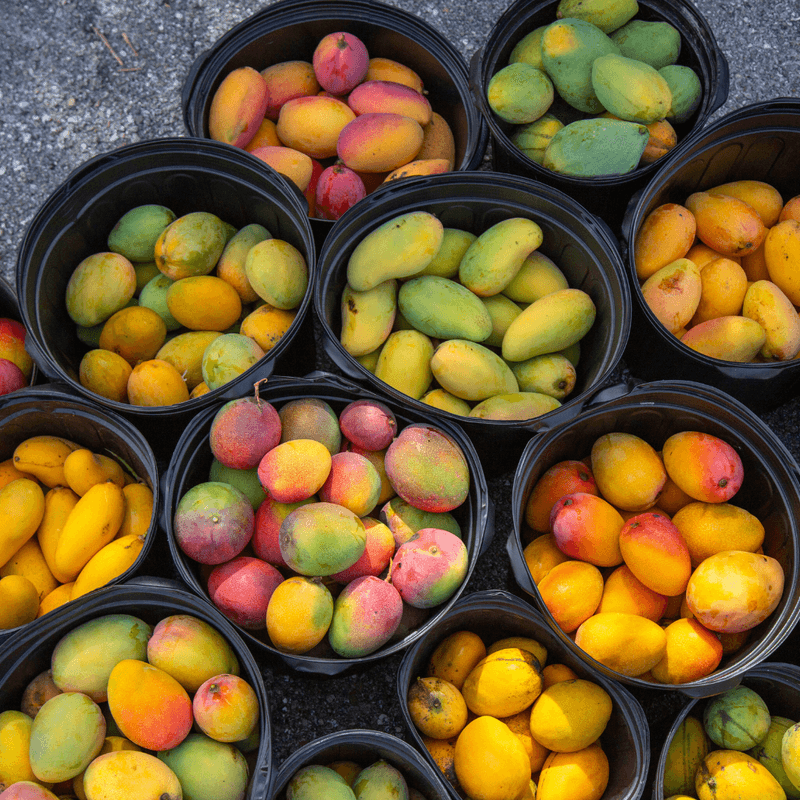
The official 2026 vendor list showed how broadly the festival defined the mango world. Mango growers and tropical-fruit farms anchored the floor, offering locally grown fruit directly to the public.
Fruit-tree nurseries set up alongside them, making it possible to buy a grafted mango tree to take home – something you are unlikely to find at a typical farmers market or garden center.
The specialty-food side of the lineup added a different kind of appeal. Jam makers and hot-sauce producers brought mango-based products that extended the fruit’s flavor into formats you could stock in a pantry.
Gardening educators and agricultural supply vendors gave the event a practical dimension for attendees who wanted to grow rather than just consume. The mix meant that a single visit could serve a backyard orchardist, a home cook, a curious food tourist, and a first-time mango buyer all at once.
Food vendors offered prepared items for attendees who wanted to eat while browsing, which matters for a six-hour event at a convention center. Specialty-food businesses rounding out the list gave the floor a market-style feel that went beyond a straightforward farm sale.
That said, the vendor list for 2026 is not a guarantee of what will appear at a future edition. Vendors sign up season by season, and the organizer’s own materials note that event details can change.
The categories above reflect what was confirmed for 2026; future editions may include different farms, different products, and different specialty businesses. Anyone planning a trip specifically to find a particular vendor or product should verify the vendor list once it is published for that year’s event.
The 2026 ticket price was moderate, not almost free
Adult general admission to the 2026 Florida Mango Festival cost $29 plus a $2.04 processing fee, bringing the total to $31.04. Children ages 7 through 12 paid $14.50 plus a $1.53 fee, for a total of $16.03.
Children ages 0 through 6 entered free. The official ticket page listed these tiers clearly, and they make the “barely costs anything” characterization in the original article title difficult to justify for an adult paying just over thirty dollars.
A separate early-entry ticket offered 9 a.m. access, ahead of the general 10:30 a.m. opening, along with a T-shirt and tote bag. That ticket cost $65 plus a $3.30 fee, totaling $68.30, and was marked sold out on the official ticket page.
It was a distinct product, not a standard admission upgrade, and its sell-out status suggests demand for the early slot was real.
Perhaps the most important ticket detail for anyone planning around mango tasting: general admission did not automatically include unlimited samples. The official 2026 FAQ stated that the festival was moving to separate tasting tickets, meaning attendees who wanted structured tastings needed to purchase those in addition to entry.
Individual vendors could also set their own sampling practices, so some booths may have offered free tastes while others did not. Arriving with the assumption that a general admission ticket covered unlimited mango tasting would have been a mistake.
For context, thirty-one dollars for a specialty agricultural festival is not an unusual price point, but it is also not close to free. A family of two adults and two school-age children would have spent roughly $94 on admission alone before accounting for tasting tickets, purchases from vendors, food, or transportation.
Accurate budgeting requires treating this as a paid specialty event rather than a community fair with nominal admission.
The convention center offered several ways to reach the festival
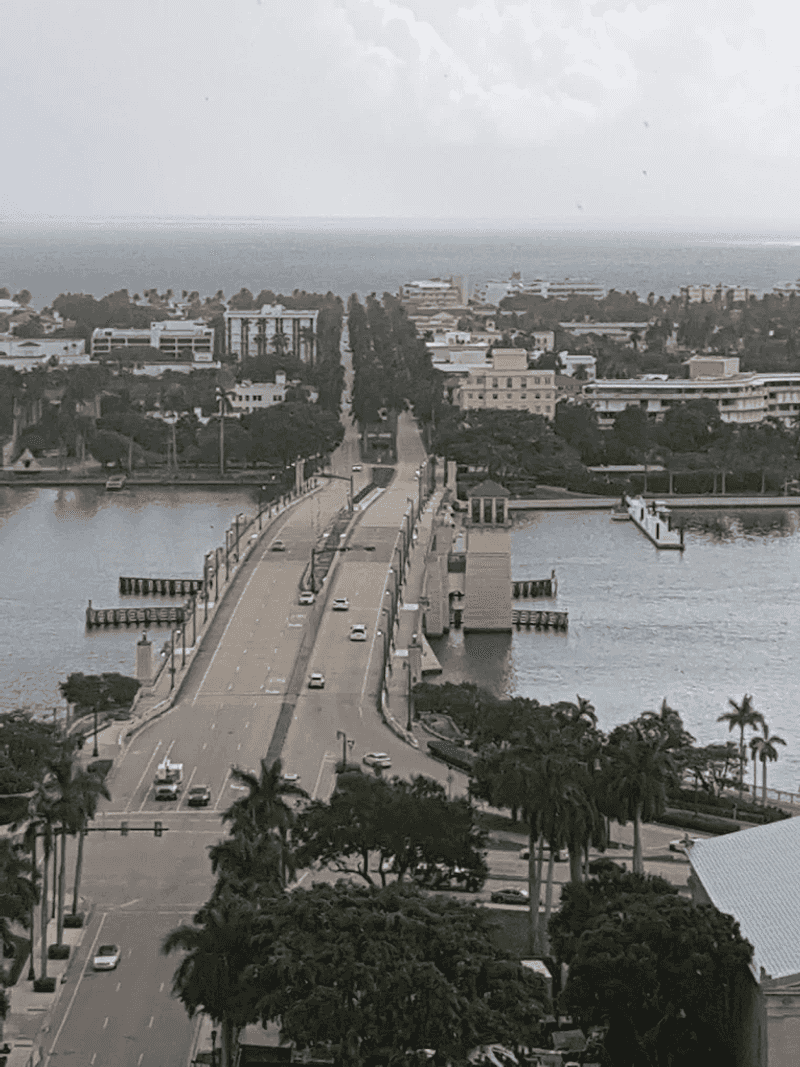
The Palm Beach County Convention Center sits at 650 Okeechobee Blvd. in West Palm Beach, a location with several transit options that made the festival reachable without a car. The official event page confirmed that the venue was within walking distance of Brightline and Tri-Rail stations as well as Palm Tran stops, which gave attendees coming from Miami, Fort Lauderdale, or elsewhere along the corridor a practical alternative to driving.
For those who drove, garage parking connected to the convention center was included with a ticket purchase – but with a significant caveat. The organizer’s FAQ explicitly stated that parking spaces were limited and not guaranteed.
Arriving late on a busy Saturday could mean finding the garage full, in which case nearby public parking was available at an additional cost. Treating the included parking as a reliable perk would have been risky for anyone arriving close to the general 10:30 a.m. opening.
General admission hours ran from 10:30 a.m. to 5 p.m., with last entry accepted at 4 p.m. That cutoff is worth remembering for anyone who planned to arrive in the afternoon after other errands – arriving after 4 p.m. meant no entry regardless of having a ticket.
Future editions may change the venue, parking arrangements, or transit access. The Brightline proximity is a structural feature of the neighborhood rather than something the organizer controls, so that advantage will likely remain.
Parking availability, however, depends on the event’s size and timing. Checking the official site for updated access details before traveling is the safest approach, and building in extra time for parking or a transit connection is a reasonable buffer for any convention-center event in downtown West Palm Beach.
Plan for outdoor heat even when the event is indoors
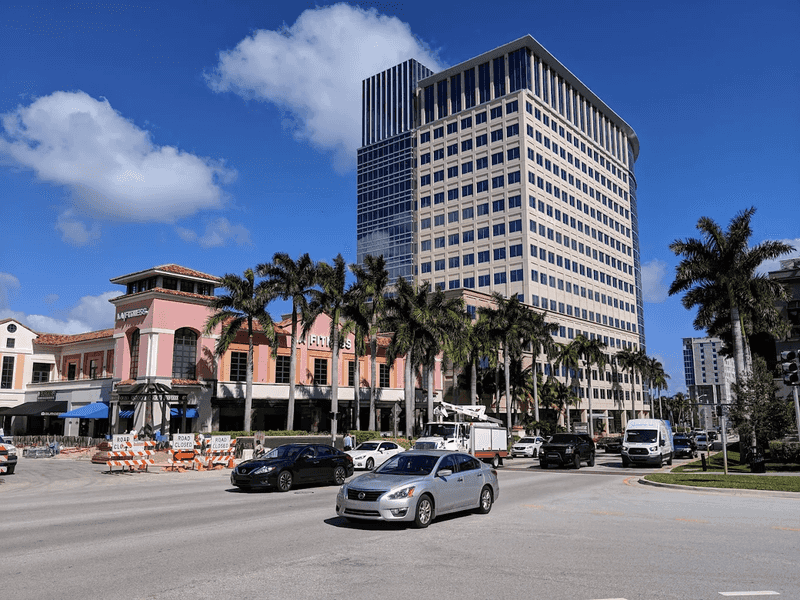
An air-conditioned convention center sounds like a complete solution to South Florida’s summer heat, but the path from your car or transit stop to the front door is not air-conditioned. Walking across a parking lot, waiting in a ticket line, or stepping outside between the garage and the entrance can expose visitors to temperatures and humidity levels that build up quickly in late June.
CDC guidance on extreme heat recommends carrying water, seeking shade when possible, taking rest breaks, and wearing lightweight, light-colored clothing.
The warning signs of heat-related illness – dizziness, nausea, weakness, headache, and heavy sweating – can develop faster than most people expect when the combination of direct sun, high humidity, and physical activity stack up. Carrying a full water bottle from the start of the day, rather than waiting until you feel thirsty, is one of the simplest precautions.
Wearing breathable fabric and closed-toe shoes with socks protects against both heat and the kind of minor foot fatigue that comes with a long day on convention-center floors.
These are general precautions, not a suggestion that heat-related problems occurred at the 2026 festival. The point is that the indoor setting only helps once you are inside.
Anyone traveling with young children, older adults, or people with heat sensitivity should account for the outdoor portions of the trip, including the walk from a transit station or the time spent locating parking.
Arriving earlier in the day, closer to the 10:30 a.m. opening, tends to mean cooler outdoor temperatures and shorter lines than arriving in the early afternoon when the sun is at its strongest. That timing also helps with parking availability, which the organizer noted was limited.
Handle mangoes safely and take skin reactions seriously
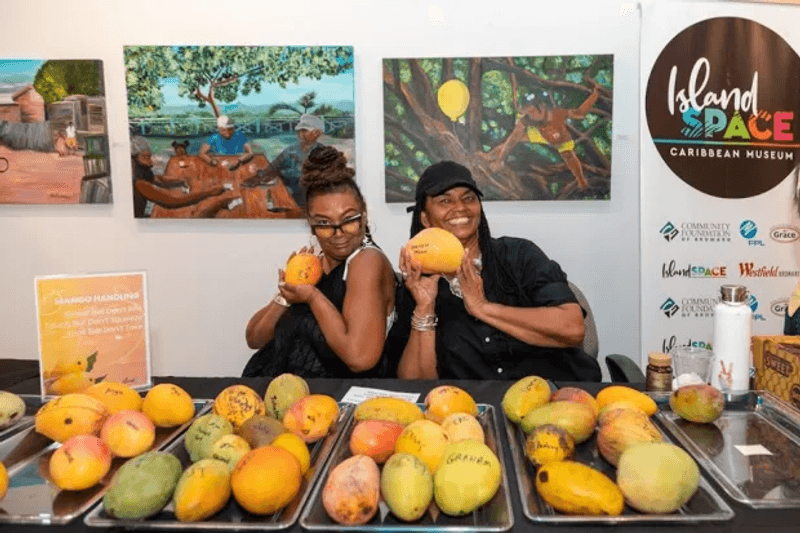
Bringing mangoes home from a festival is satisfying, but a few handling steps make the experience safer. USDA guidance on washing fresh produce recommends rinsing fruit under cold running water before eating or cutting it, without using soap, detergent, or bleach.
Cut away any bruised or damaged areas, and refrigerate cut fruit promptly rather than leaving it at room temperature.
The skin of a mango deserves specific attention beyond food safety. DermNet’s overview of mango reactions describes contact dermatitis associated with mango skin, sap, leaves, and stems in susceptible people.
Some people with prior sensitivity to poison ivy or poison oak may be more vulnerable because the plants share certain chemical compounds, but cross-reactivity is not universal – not everyone with a poison-ivy history will react to mangoes, and not everyone who reacts to mango skin has a known plant allergy.
The practical implication is straightforward: if you have had a significant reaction to poison ivy, poison oak, or poison sumac in the past, use caution when handling whole mangoes, especially the skin and stem end. Wearing gloves while peeling, or peeling over a sink and washing hands thoroughly afterward, reduces exposure.
Eating the flesh of a peeled mango is generally considered lower risk than direct contact with the skin, but anyone with known or suspected allergies should seek guidance from a medical professional before casual tasting or handling at a festival.
The official 2026 ticket waiver noted possible exposure to food allergens and foodborne illness as general risks at the event. That language does not mean problems occurred, but it is a reasonable reminder that attending any food-focused event with known allergies warrants some advance planning.
Bringing any medications you normally carry for allergic reactions is a sensible precaution for a day spent around unfamiliar fruit varieties.
Use the 2026 festival as a guide for the next edition
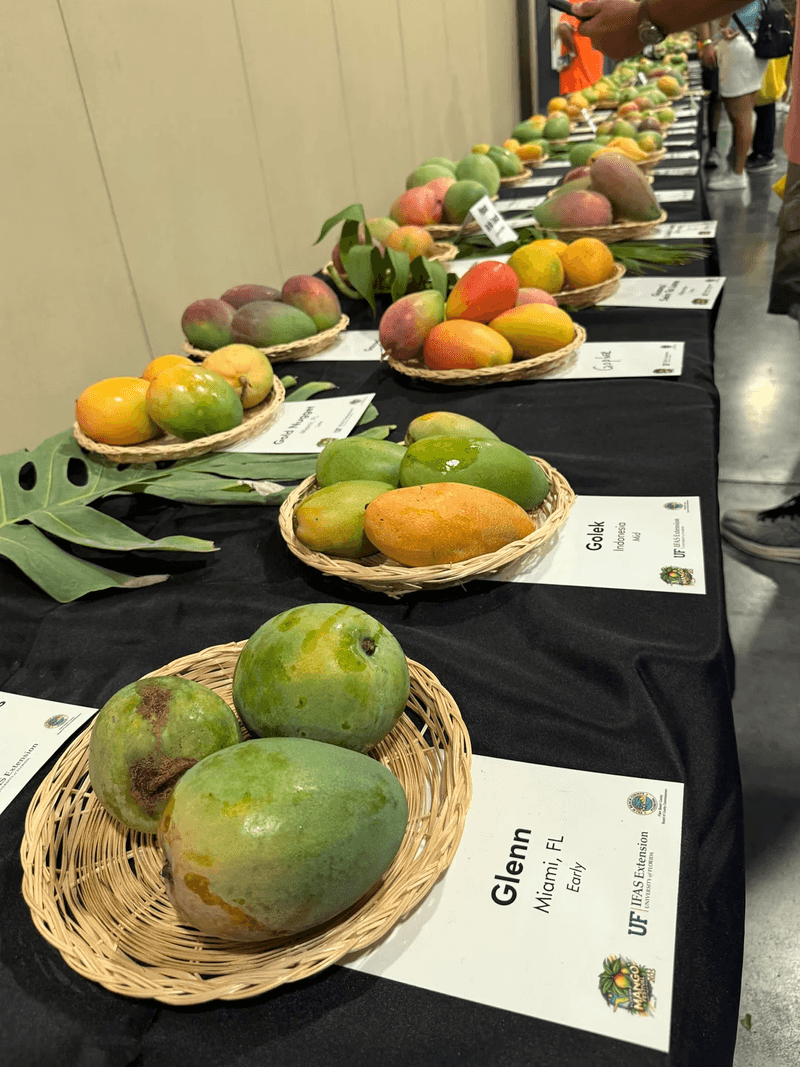
The Florida Mango Festival offered something genuinely uncommon: a concentrated look at Florida’s mango-growing culture, pulling together growers, nurseries, educators, specialty-food makers, and cultivar displays in one building for a single Saturday. For anyone interested in tropical agriculture, backyard orchards, or simply eating well-grown local fruit, that combination is hard to find at a standard farmers market or food fair.
The 2026 edition has passed. The official event page and the ticket registration page both confirm the event is over and online registration is closed.
Adult admission was a paid specialty-event ticket at $31.04 after fees, mango tasting required separate tickets beyond general entry, and parking was included with a ticket only while limited spaces lasted – not simply free for all attendees.
When a future edition is announced, verify the date, ticket tiers, tasting policies, parking arrangements, vendor list, and programming before making travel plans. The organizer notes that event details may change, and the 2026 experience is a template rather than a guarantee.
An event that manages to make mango cultivation feel exciting and worth a Saturday trip is worth keeping on your radar.