
Affiliate disclosure: As an Amazon Associate I earn from qualifying purchases. Learn more
When you’re facing harsh weather on the mountain or trail, your jacket becomes your first line of defense. We put eight popular Arc’teryx and Patagonia jackets through real-world testing to see which models truly deliver on their promises. From alpine climbs to rainy hikes, here’s what we discovered about how each jacket performs when conditions get tough.
1. Arc’teryx Alpha Jacket
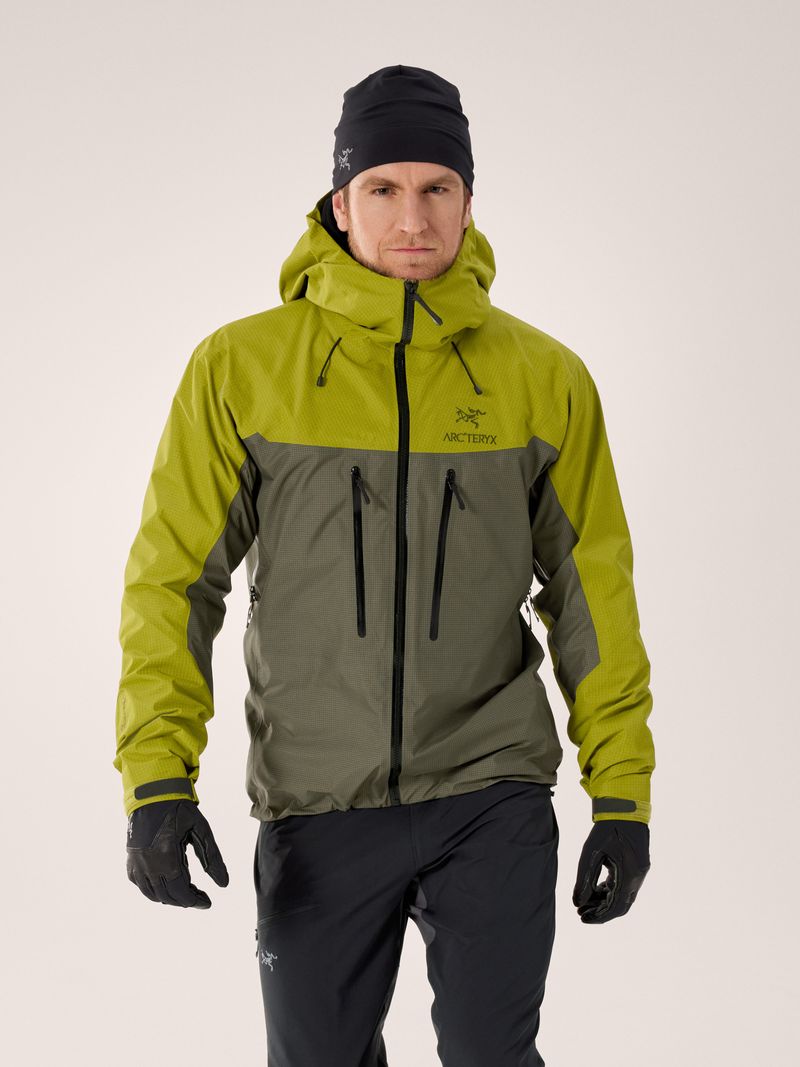
Speed matters when you’re racing up technical routes, and this jacket was engineered with that exact mission in mind. The Alpha combines GORE-TEX PRO ePE fabric with a tough 50D Hadron face material that resists abrasion from rock and ice.
During our alpine testing, the harness-compatible design proved invaluable. Climbing gear sat comfortably over the jacket without bunching or restricting movement, while the streamlined cut eliminated excess fabric that could snag on rough terrain or create wind resistance during fast ascents in exposed conditions.
2. Arc’teryx Beta AR Jacket
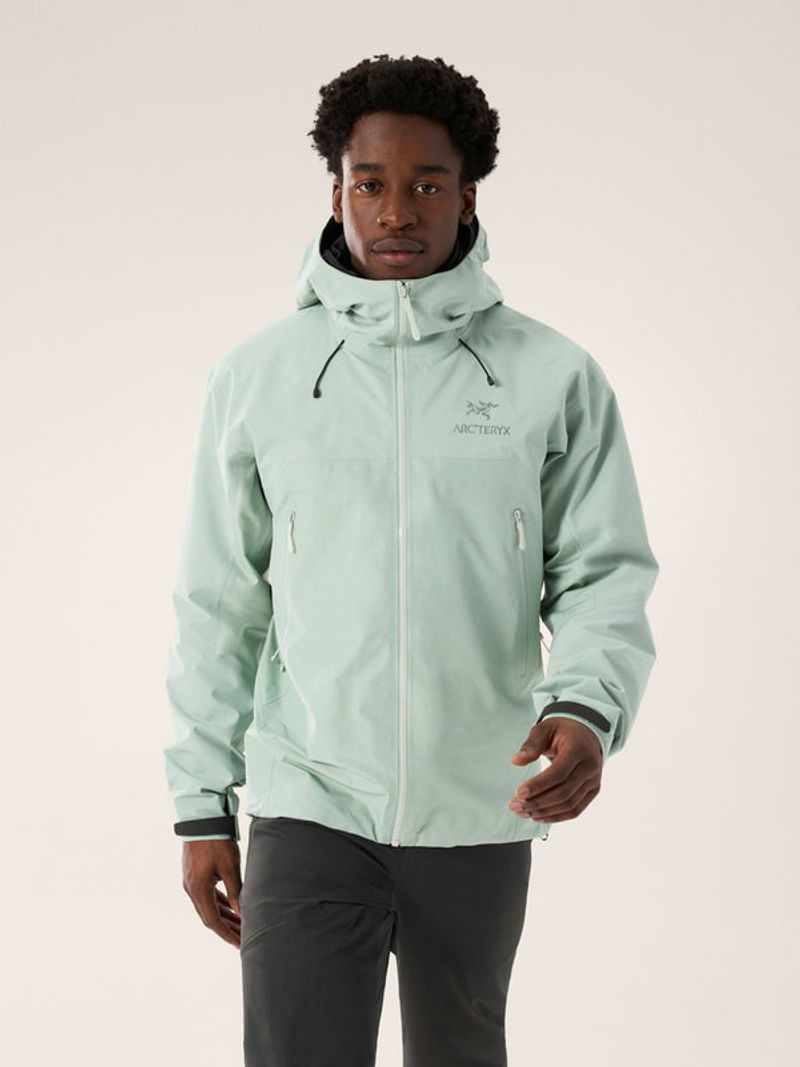
Mountain conditions throw everything at you, from sideways rain to biting wind, and this all-rounder handled it all without breaking a sweat. The Beta AR uses the same GORE-TEX PRO ePE technology found in premium mountaineering shells, giving you serious weather protection that veteran reviewers have praised season after season.
What impressed us most was the durability-focused construction. After multiple trips through rough terrain and heavy storms, the jacket showed minimal wear. The reinforced areas held up against pack straps and scrambling, making it clear why this model earns consistent top marks.
3. Patagonia Triolet Alpine Jacket
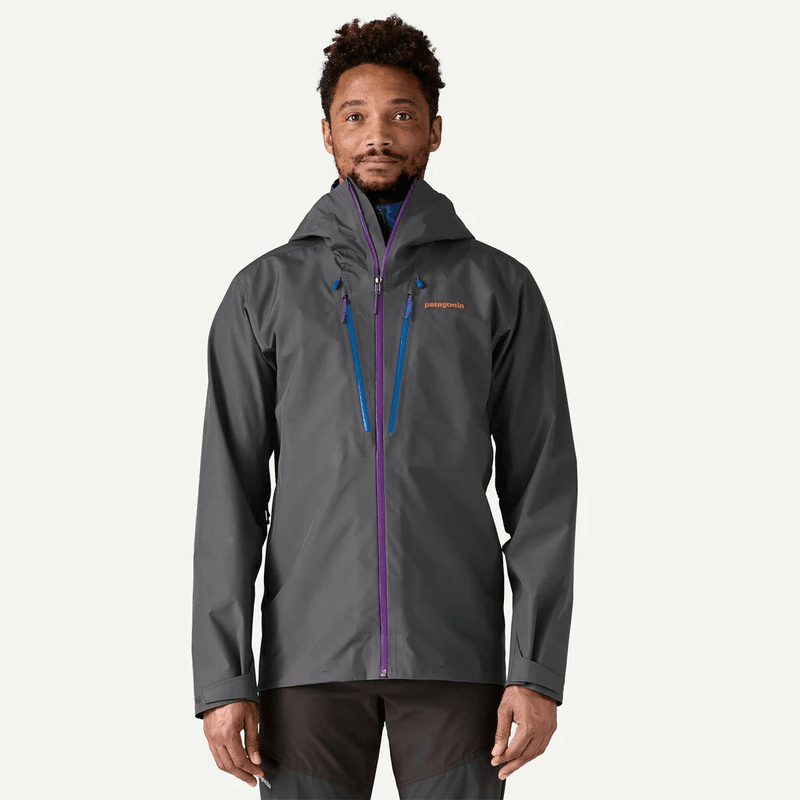
Some jackets are built like workhorses, and the Triolet fits that description perfectly. Patagonia designed this alpine climbing shell with a 3-layer waterproof and breathable system that keeps moisture out while letting sweat escape during hard efforts.
We found the protection level impressive, especially considering the price sits below many high-end competitors. OutdoorGearLab testers noted the same balance of toughness and value. During our week-long mountain trip, the Triolet shrugged off rain, wind, and contact with sharp granite without showing signs of failure or compromise in performance.
4. Patagonia Torrentshell 3L
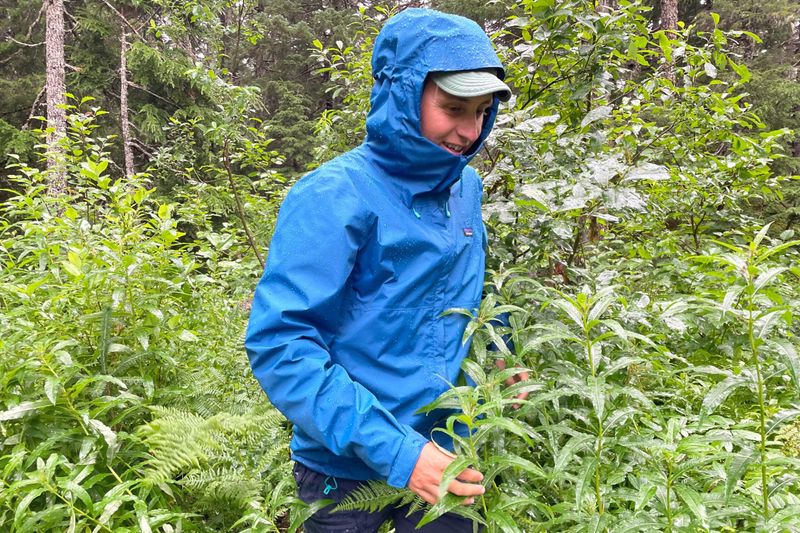
Rain happens, and when it does, you want a shell that actually works. The Torrentshell has earned its reputation as a reliable do-it-all rain jacket through years of real-world use by hikers, travelers, and outdoor enthusiasts who need dependable protection without overthinking gear choices.
Patagonia’s H2No Performance Standard 3-layer build kept us dry through sustained downpours on multiple trips. The pit zips became essential for temperature regulation during uphill sections. Both Switchback Travel and CleverHiker describe it as a trustworthy barrier against tough rain, and our experience confirms that assessment completely.
5. Patagonia Granite Crest
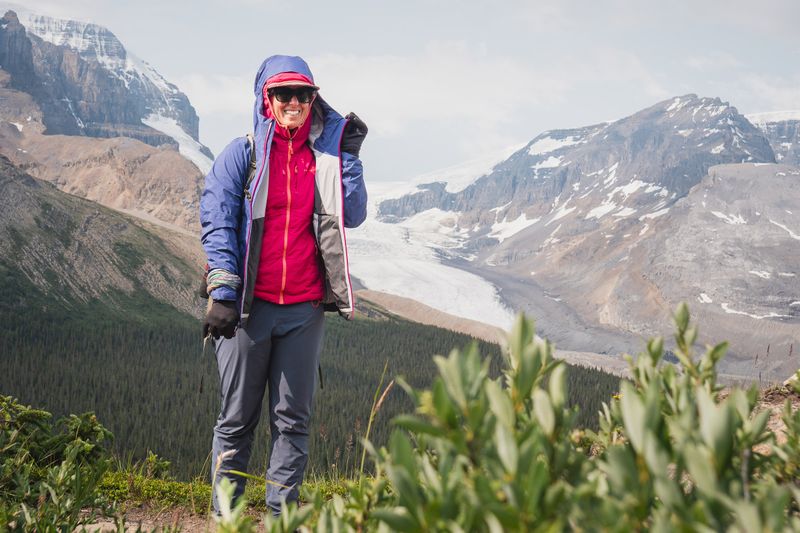
Long trail days demand a jacket that moves with you, and the Granite Crest delivers exactly that kind of performance. Built from NetPlus 100% postconsumer recycled nylon ripstop sourced from reclaimed fishing nets, this shell proves that environmental responsibility and technical performance can coexist beautifully.
The 3-layer H2No construction provided solid weather protection during our testing. Pit zips allowed quick ventilation adjustments when the trail got steep or the sun broke through clouds. The ripstop fabric resisted snags from trail vegetation, and the overall design felt purpose-built for covering serious mileage in changeable mountain weather.
6. Patagonia Nano-Air Hoody
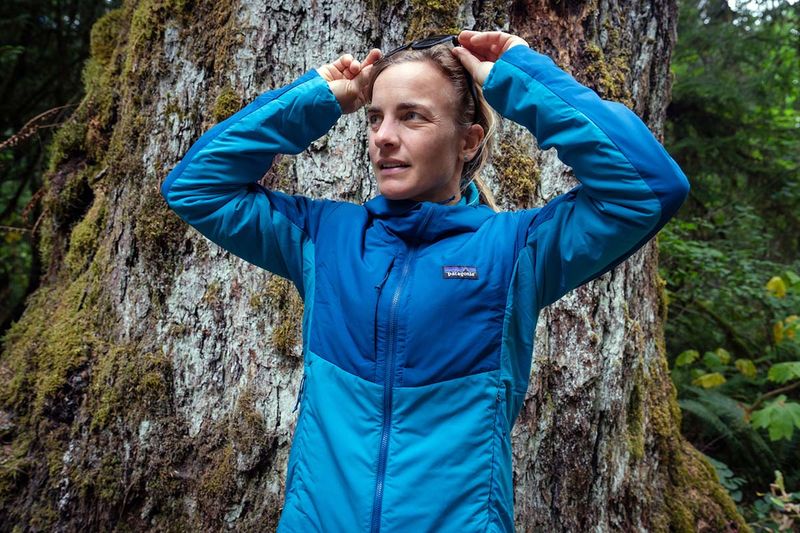
Active insulation changed the game for cold-weather movement, and the Nano-Air sits at the top of that category. Patagonia specifically engineered this hoody to dump excess heat when you’re working hard, solving the age-old problem of overheating in traditional puffy jackets during aerobic activities.
OutdoorGearLab and Backpacker both call it a top-tier active-insulation staple, and we understand why after testing it on ski tours and winter trail runs. The breathability impressed us most. We stayed warm during breaks but never felt clammy during climbs, and the stretchy fabric moved naturally with every motion without restricting range.
7. Arc’teryx Atom Hoody
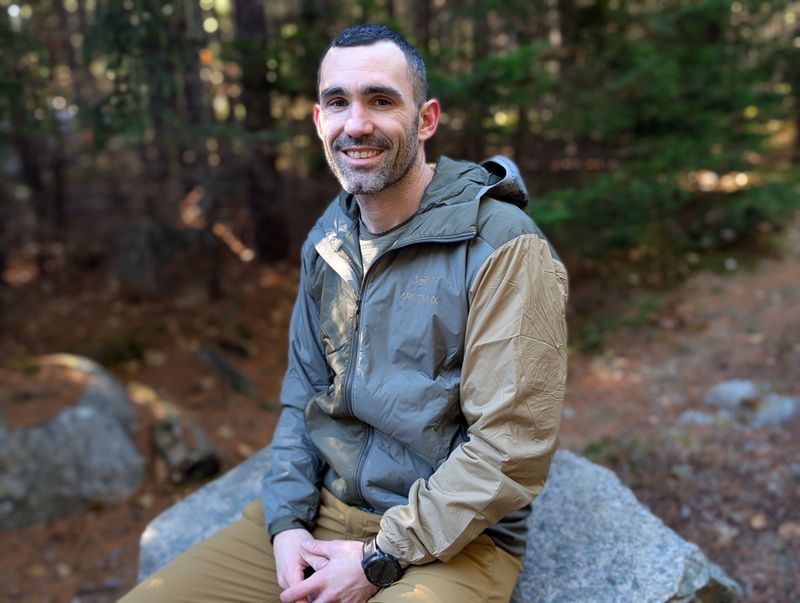
Versatility wins when you need one jacket to handle multiple scenarios, and the Atom delivers that flexibility in a thoughtfully designed package. Arc’teryx fills this hoody with Coreloft synthetic insulation and adds stretch fleece side panels that dramatically improve breathability during active pursuits.
OutdoorGearLab highlights these features for good reason. We wore the Atom as a standalone jacket in cool conditions and as a midlayer under shells in storms. The side panels prevented overheating during steep approaches, while the insulated core and hood kept us warm at belays and rest stops. It’s become the successor to the beloved Atom LT name.
8. Arc’teryx Cerium Hoody
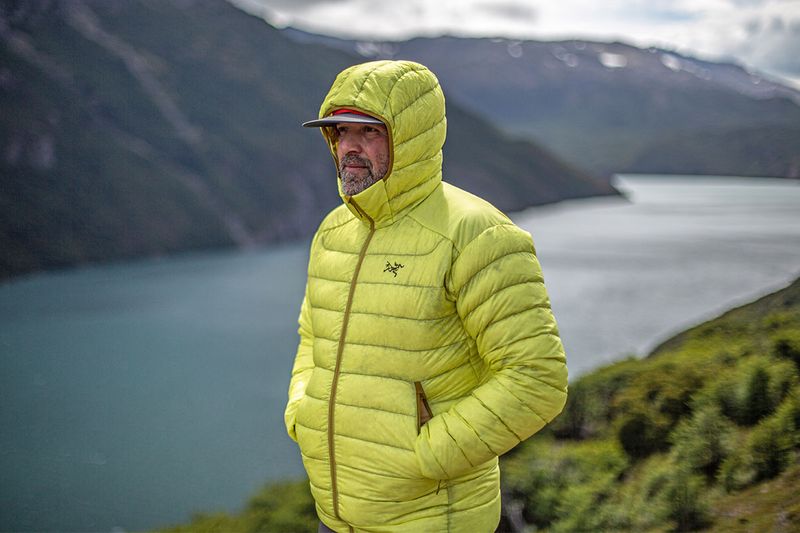
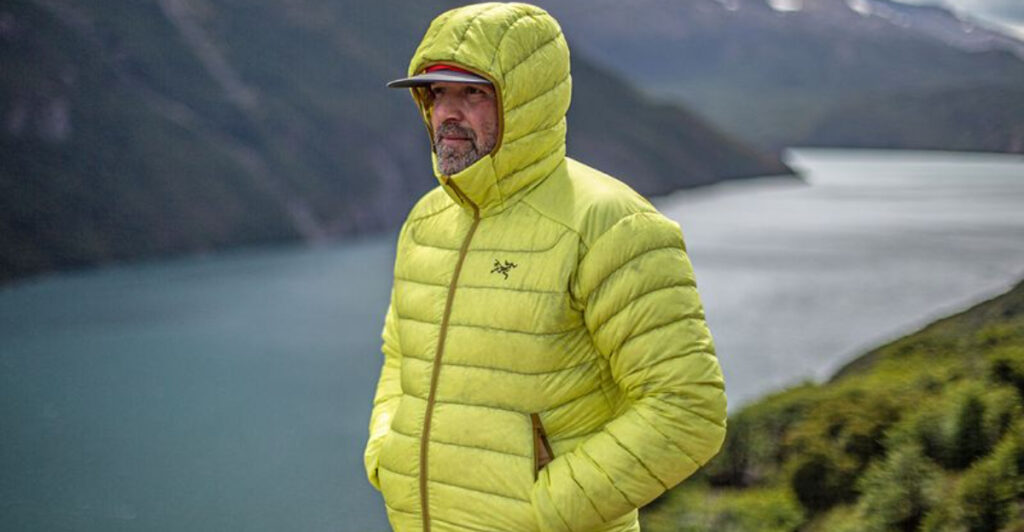
When weight matters and temperatures drop, down insulation becomes the obvious choice for backcountry trips. Arc’teryx designed the Cerium as packable warmth for remote adventures, and reviewers consistently score it highly for delivering impressive heat retention without adding bulk to your pack.
Our cold-weather testing confirmed the warmth-to-weight ratio lives up to expectations. The jacket compressed small enough for easy packing but lofted quickly when deployed. Performance shines brightest in dry cold conditions. Switchback Travel notes durability considerations compared to Patagonia’s Down Sweater line, an observation worth considering when choosing between premium down jackets for specific uses.