
Affiliate disclosure: As an Amazon Associate I earn from qualifying purchases. Learn more
We lined up Sony and Canon bodies, shot day and night, and pushed codecs until the cards begged for mercy. If you are planning shorts, streaming, or cinematic YouTube, these tests will save you time and money. You will see where autofocus actually sticks, where color grades faster, and which bodies survive long takes without overheating. Let us help you pick the right camera so your stories look pro and your workflow stays simple.
Sony Alpha 7 IV

The Sony A7 IV keeps landing in the bag because it balances image quality and reliability. 4K up to 60p with 10-bit 4:2:2 gives you grading headroom without murdering storage, and S-Cinetone makes quick turnarounds look polished. Autofocus feels sticky on eyes, even in chaotic street scenes, and the flip screen plus solid battery life make solo shoots painless.
You will appreciate the responsive menus and dependable stabilization for handheld B-roll. Rolling shutter is present in full-frame 4K 30p, but switching to the 7K oversampled mode tightens detail and minimizes artifacts. For weddings, docs, or brand shoots, color is easy to match with other Sonys and skin tones look natural with minimal tweaks.
Where it wins over Canon at this price is codec flexibility, lens ecosystem depth, and streaming-friendly options. It is not the fastest for high frame rate 4K, but the footage holds up when pushed in post. If you want one camera that does nearly everything for a solo creator, this is the safe, smart pick.
Canon EOS R6 Mark III
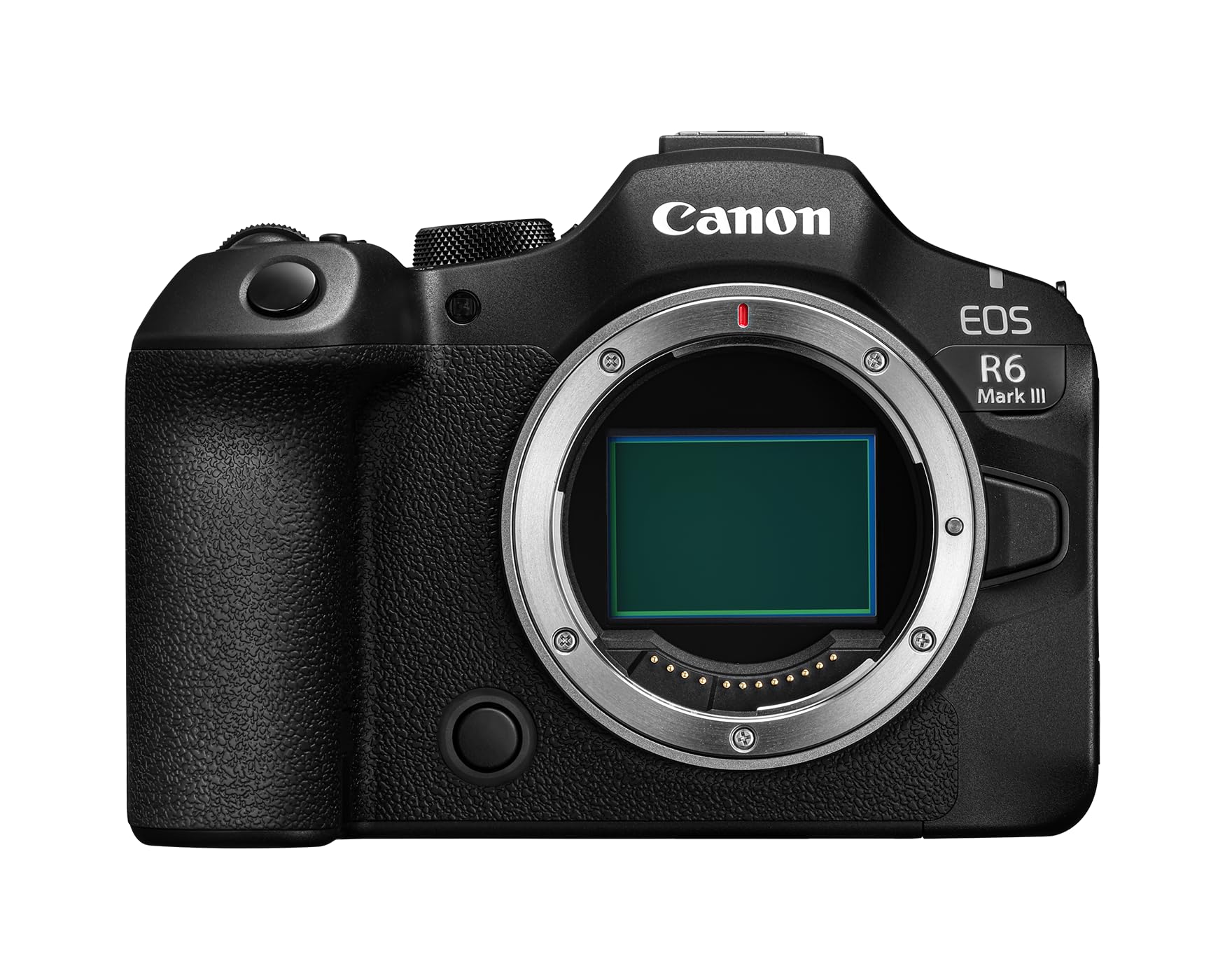
The R6 Mark III feels purpose built for hybrid creators who want Canon color and confident subject tracking. 4K 60p oversampled footage looks crisp, and Canon Log 2 grades beautifully with rich skin and highlight rolloff that flatters faces. In-body stabilization is excellent for gimbal-free walk-and-talks, and the 40 fps stills burst is a bonus for thumbnails.
You will love how Dual Pixel AF II locks onto people, pets, and vehicles, even in dim interiors. The body balances well with compact RF zooms, stays cool through extended interviews, and the interface is beginner friendly without slowing pros. For multicam podcast setups, dual card slots and clean HDMI keep workflows simple and secure.
Compared to Sony in this range, Canon edges ahead for straight-out-of-camera color and easy skintone. The tradeoff is slightly fewer third-party lenses and pricier media if you lean on higher bitrates. If you want cinematic results with minimal post fuss, this body punches above its price and treats your audience to gorgeous color.
Sony Alpha FX3

When the day screams run-and-gun cinema, the FX3 answers without drama. The compact body with built-in mounting points means fewer cages, faster setups, and cleaner rigs. S-Cinetone and 10-bit 4:2:2 deliver a filmic base right out of camera, while 4K 120p slow motion stays detailed and clean for product b-roll and action.
You will notice the active cooling fan preventing thermal throttling on long interviews or event coverage. XLR audio on the handle removes need for external recorders, and the low-light performance lets you ride available light without fear. Menus mirror Alpha cameras, so switching between A7 series and FX3 feels seamless across teams.
Compared to Canon cinema bodies, FX3 stays lighter and more compact while matching dynamic range expectations. The tradeoff is no internal ND and a screen that feels basic next to brighter competitors. If your channel blends travel docs, branded films, and handheld storytelling, FX3 keeps the look consistent and the rig lean.
Canon EOS C50
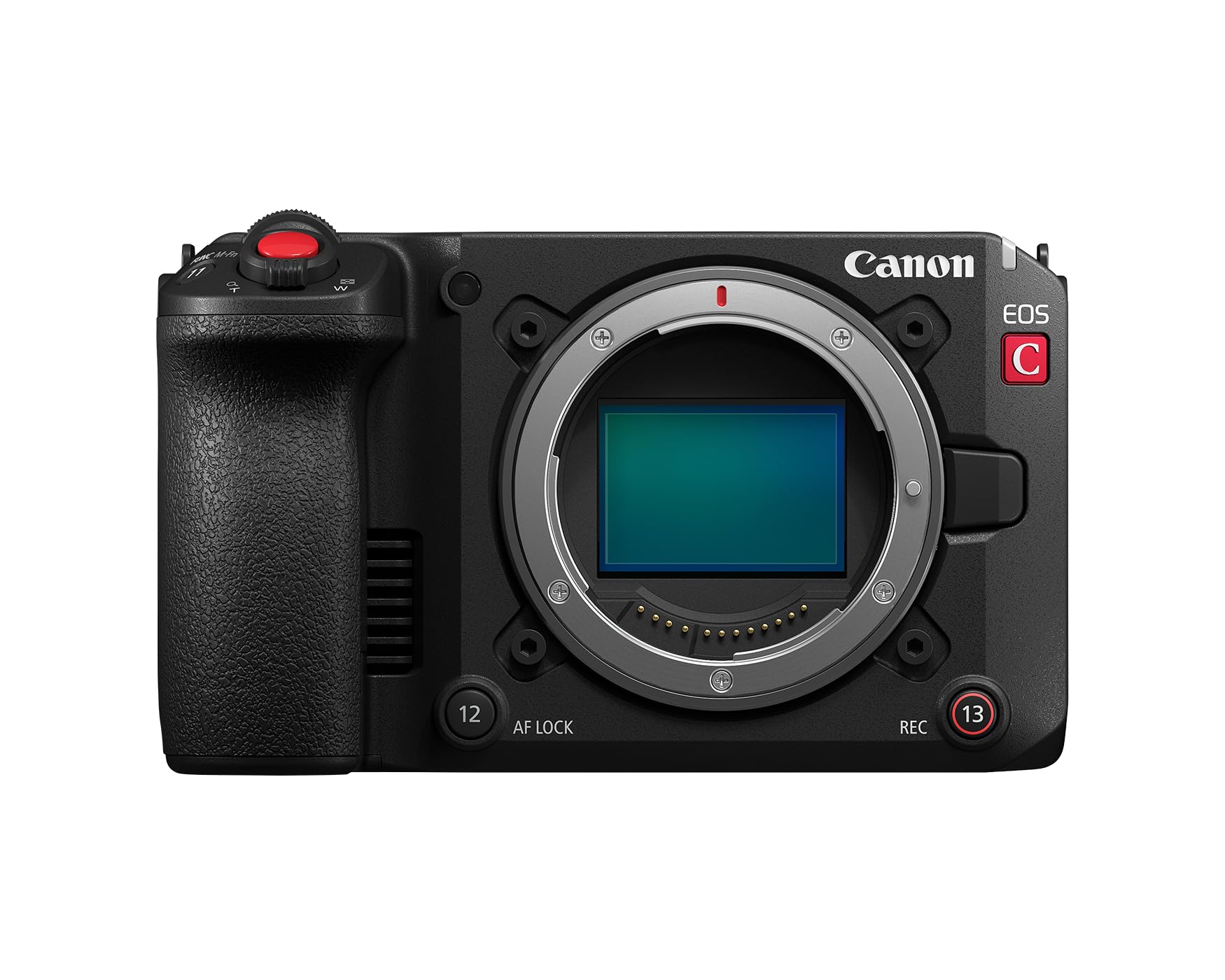
The EOS C50 brings serious cinema features to a body you can carry all day. Internal 7K RAW Light up to 60p and 4K 120p give you headroom for reframing and buttery slow motion. Dual Pixel AF II is sticky yet natural, and the detachable top handle adds pro audio without bulky recorders or adapters that slow you down.
You will appreciate the open gate options for social reframes, plus Frame.io Camera-to-Cloud that offloads files mid shoot. Color science is classic Canon with flexible Log curves, and dynamic range holds highlights gracefully. With RF glass, the combo feels modern, sharp, and compact, ideal for docs, commercials, and narrative shorts.
Versus Sony, C50 wins on internal RAW and production friendliness out of the box. The tradeoff is price and weight once rigged, but the workflow time savings often pay back quickly. If your channel is leveling up to agency clients or festivals, this camera future proofs your look and your delivery options.
Sony ZV-E10 II

The ZV-E10 II is a beginner friendly gateway that still satisfies picky editors. 4K up to 60p, improved color profiles, and reliable Real-time Eye AF make vlogs look sharp with minimal effort. The rotating UI and flip screen help you frame vertical clips quickly, and the bundled 16-50mm power zoom is handy for desk setups.
You will like the lightweight body, decent digital stabilization, and microphone options that keep audio clean without a mixer. Battery life is acceptable, and USB streaming turns this into a crisp webcam for lives. In post, 10 presets via Creative Look reduce grading time when you just need consistent, watchable color.
Against Canon R50 V, Sony wins on lens variety and higher frame rate options, while Canon counters with a slick interface. The tradeoff is rolling shutter at wide angles and less punchy low light than full frame. If you are launching a channel or scaling shorts production, this camera nails value, speed, and creator friendly features.
Canon EOS R50 V
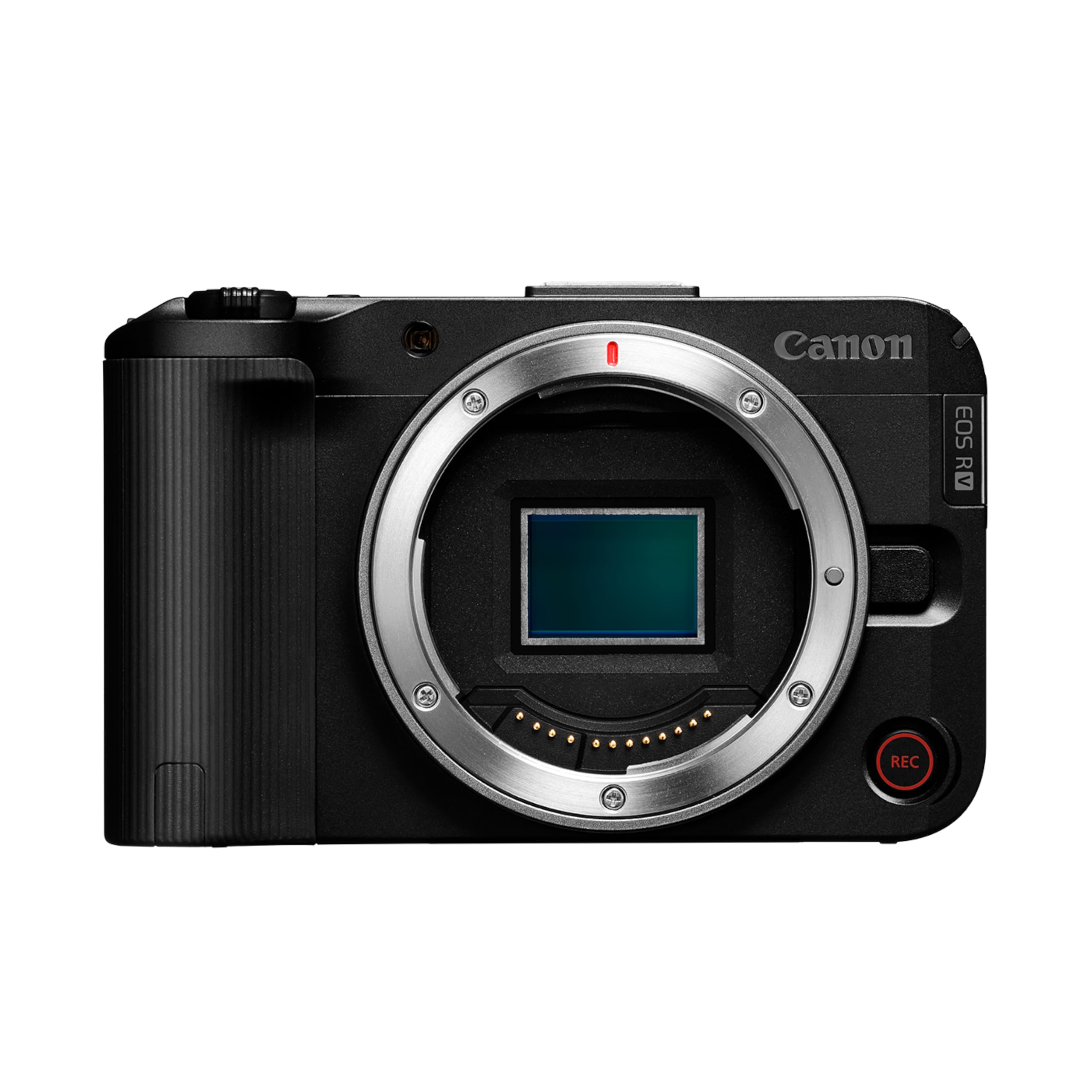
The Canon R50 V feels tailored for creators who want clean 4K and fuss free autofocus without heavy rigs. The redesigned UI, front record button, and vertical tripod mount make shooting shorts and Reels straightforward. Dual Pixel AF II tracking is confidence inspiring, and 4K oversampling keeps detail crisp for product closeups and studio lighting.
You will enjoy easy color that looks good straight out of camera, which reduces grading time on fast turnarounds. The body is light, the flip screen responsive, and slow and fast modes unlock simple timelapses or quick slow motion inserts. Streaming and content handoff are painless, making it a reliable daily driver for compact spaces.
Versus Sony ZV-E10 II, Canon is easier to learn with pleasing skin tones at default settings. The tradeoff is fewer lens bargains and limited high bitrate options for heavy grading. If you want a plug-and-play camera that gets you publishing more often, R50 V is a cheerful, practical pick.