
Affiliate disclosure: As an Amazon Associate I earn from qualifying purchases. Learn more
Rain changes everything about a shoot, from autofocus behavior to how confidently you can move through puddles and wind. We spent stormy days and long, misty evenings pushing tough cameras to their limits, and the best ones felt invisible so you could stay locked on the shot.
You will find real takeaways here, from grip feel with wet gloves to how quickly stabilization settles in drizzle. If you are ready to stop waiting for blue skies, these six cameras did not flinch when the weather turned wild.
1. Sony A7 IV
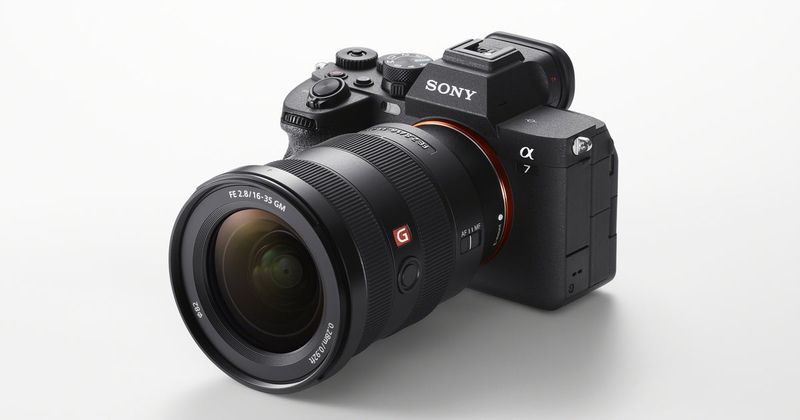
The Sony A7 IV has grown into a dependable bad weather tool. Sealing around the card doors, lens mount, and seams resisted wind driven spray as I shot across a river bridge.
Real time Tracking AF stayed sticky on joggers under umbrellas, even with mist swirling around bright lamps. The 33 MP sensor delivered flexible files that tolerated deep shadow lifts.
Color remained consistent despite sodium and LED mixes reflecting off wet asphalt. The grip felt secure with rain gloves.
Stabilization is rated up to 5.5 stops, and in drizzle I managed sharp 1/8 second frames while bracing against a railing. According to Sony, AF calculates at up to 120 cycles per second, and the responsiveness matched that claim in fast changing rain scenes.
Video benefited from 10 bit 4:2:2 internal, plus S Cinetone for quick turnaround. Overheating was not an issue in cool storms, and buttons were positive when wet.
The weather sealed ports stayed dry after repeated lens swaps. For street and travel shooters, quality of life matters.
The articulated screen kept drops off the panel when flipped inward between shots, and the custom buttons gave quick access to focus modes. You will want a lens hood and a couple microfiber cloths to manage droplets.
The A7 IV is a versatile, confidence building body that treats rain as a set piece rather than a stop sign. If you need reliable AF, balanced files, and modern video, this one simply works.
2. Nikon Z8
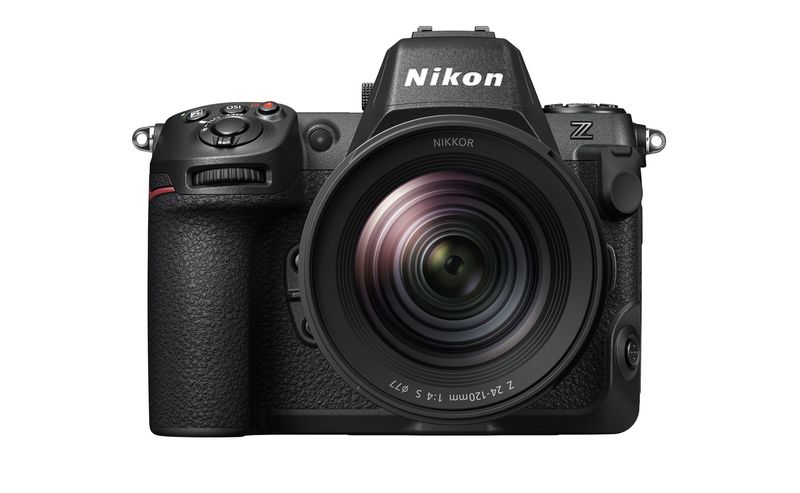
The Nikon Z8 feels like a storm ready machine. Its pro level sealing and solid build let me shoot along a seawall where spray and sideways rain are constant.
Buttons retained a positive click with wet gloves, and the EVF stayed clear thanks to a deep eyecup. The 45.7 MP sensor offers excellent dynamic range, preserving cloud detail while holding rich shadow depth under umbrellas.
Tracking AF on birds riding the wind was fast and confident. The camera never hesitated when soaked.
IBIS combined with stabilized Z lenses produced sharp files around 1/10 second at 24 mm. Nikon notes high buffer performance for burst shooting, and in rain I rattled off sequences of surfers without slowdown.
Video tools shine too: internal 10 bit options and RAW give grading latitude when skies swing from charcoal to bright silver. Heat management stayed stable in cool rain sessions.
The body sealing at ports and seams handled multiple lens changes without water ingress issues. Real world practicality stands out.
The top display lets you confirm settings without exposing the rear screen, reducing droplet cleanup. Keep a dedicated chamois in your pocket and tilt the camera downward between frames to shed water.
For outdoor sports, wildlife, or documentary work, the Z8 feels like a dependable anchor. You will get robust ergonomics, top tier image quality, and weather confidence that encourages bolder compositions.
When storms roll in, it just keeps shooting and delivers.
3. Canon EOS R5
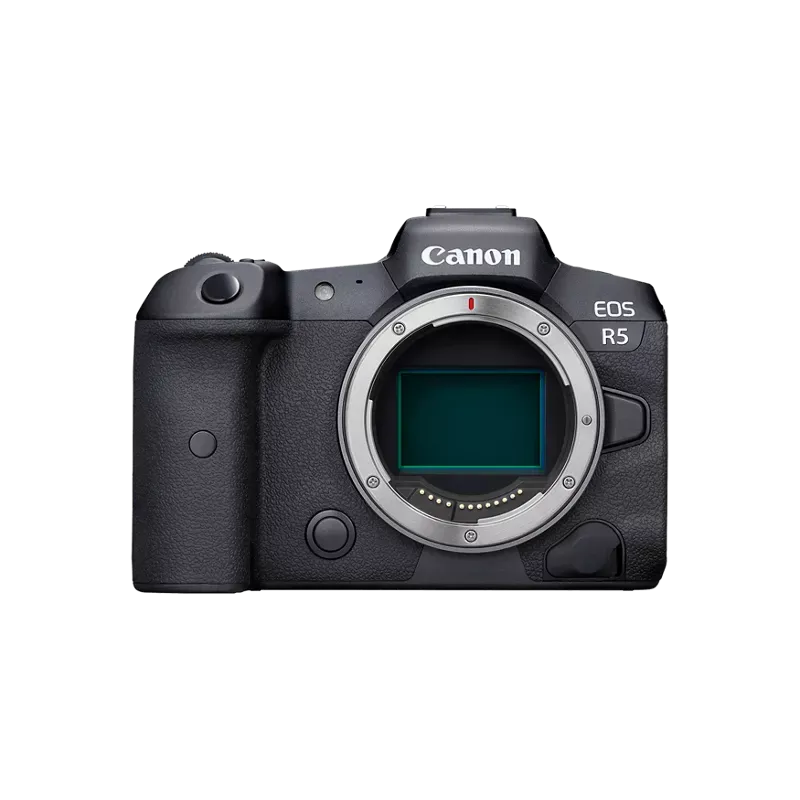
The Canon EOS R5 feels built for foul weather. Its magnesium alloy chassis and thorough sealing at buttons, seams, and battery door stayed reassuringly tight while water pooled on the grip.
Autofocus locked onto raindrop streaked faces without hunting, and IBIS steadied 1/10 second handheld shots. In heavy drizzle, the top screen and bright EVF made exposure checks quick.
You will appreciate how the camera never throttled performance, even while wet. Battery life also remained consistent across damp, windy sessions.
Image quality was gorgeously clean. Dynamic range let me pull back blown highlights on slick pavement, and 45 MP resolution preserved the fine texture of soaked jackets.
Canon states up to 8 stops of coordinated stabilization with certain RF lenses, and that tractable steadiness showed in dim, rainy blue hour scenes. Video shooters get 10 bit internal recording with Canon Log, which graded smoothly despite mixed street lighting.
Rolling shutter felt controlled in stormy pans. Buttons stayed tactile with thin gloves on.
Practical tips help this body shine. Use a deep lens hood to shield front element spray, and keep a hydrophobic cloth ready for quick dabs.
The R5 shrugged off intermittent downpours while tracking cyclists, and the weather sealing never felt like a marketing checkbox. If you shoot weddings, wildlife, or news in unpredictable conditions, this camera keeps pace.
When paired with RF L lenses, it is a reliable rain partner that delivers pro level files without drama.
4. Fujifilm X-T5
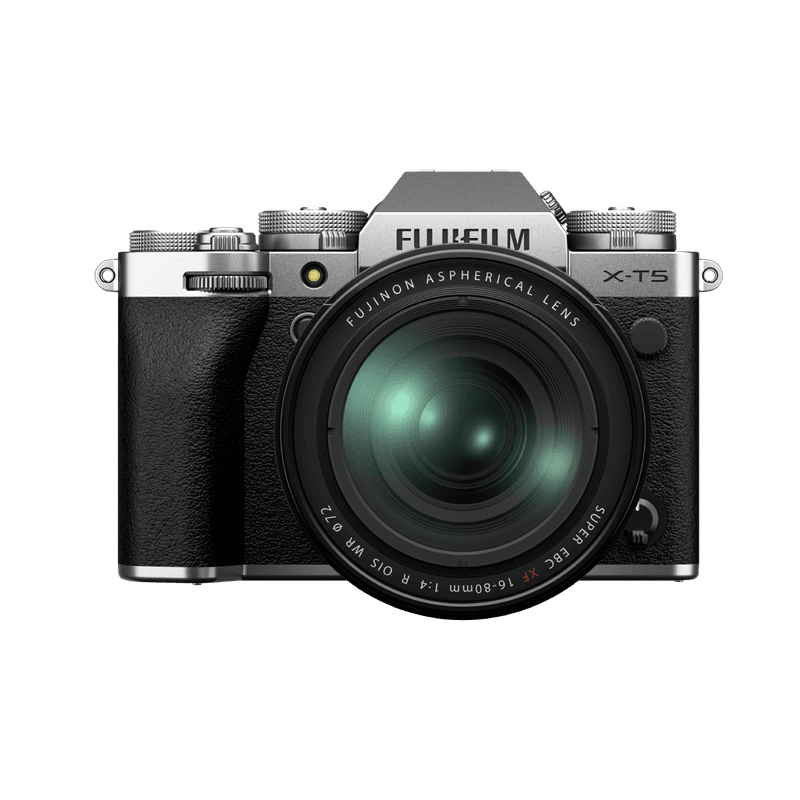
The Fujifilm X-T5 proves compact does not mean delicate. Paired with a weather resistant lens, the body shrugged off steady rain during a full evening of street shooting.
Tactile dials remained precise, and the camera balanced nicely with small primes while wearing gloves. The 40 MP APS C sensor captured intricate texture in wet brick and rippling puddles.
Film simulations like Classic Chrome added mood straight out of camera. AF tracked faces under umbrellas with surprising poise.
IBIS gives up to 7 stops of stabilization, and it felt genuinely helpful during slow shutter experiments at dusk. In my experience, 1/5 second handheld frames were repeatably sharp.
Battery life held up across continuous drizzle, and the camera never sputtered or lagged. Video benefits from 10 bit options, and the detail from the high resolution sensor remains crisp in rain softened light.
The lightweight setup encouraged longer walks between showers. Buttons and doors sealed convincingly.
Practical rain tips help the X-T5 sing. Use a deep hood, angle the camera down during pauses, and assign a button to wipe free face detection toggle if drops confuse AF.
You will appreciate the dependable weather resistance and portable footprint for travel. It is an easy recommendation for photographers who want characterful color and sharp files without hauling a heavy kit.
When the forecast looks bleak but the city glows, this small body keeps you nimble and productive.
5. Panasonic Lumix GH6
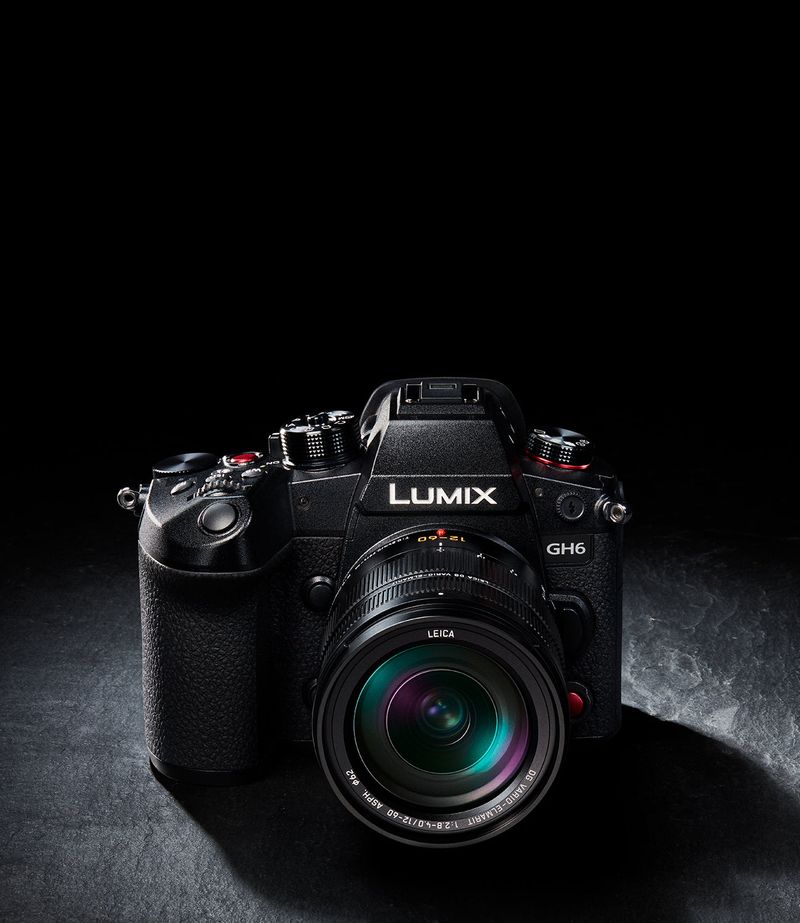
The Panasonic Lumix GH6 was built with video in mind, and rainy shoots highlight that focus. Sealing around vents and controls impressed as I recorded extended clips in light to moderate rain without hiccups.
Active cooling kept temps stable, and recording never cut from heat. Autofocus has improved, while manual focus with focus peaking felt precise despite droplets on the screen.
The 25 MP Micro Four Thirds sensor delivered crisp detail and manageable noise in gray weather. Image stabilization was rock solid for handheld tracking shots.
Panasonic advertises unlimited recording in many modes thanks to cooling, and that matched my results during wet coverage of a street festival. 10 bit 4:2:2 internal produced gradable footage, while V Log delivered broad latitude in milky skies. A lens hood and clear filter protected the front element, and buttons stayed tactile under rain gloves.
IBIS combined with OIS yielded smooth walking shots that needed minimal stabilization in post. The body felt secure on a small gimbal even when slick.
For creators, practicality rules. Keep microfiber cloths ready, tilt the camera downward during resets, and assign exposure and white balance to function buttons for quick rain safe adjustments.
Still photos looked punchy with reliable color and highlight control. You will value the reliability, the weather sealing confidence, and the thermal stability that rain often masks.
If you are a hybrid shooter who prioritizes video in unpredictable weather, the GH6 is a confident, work ready choice.
6. OM System OM-1
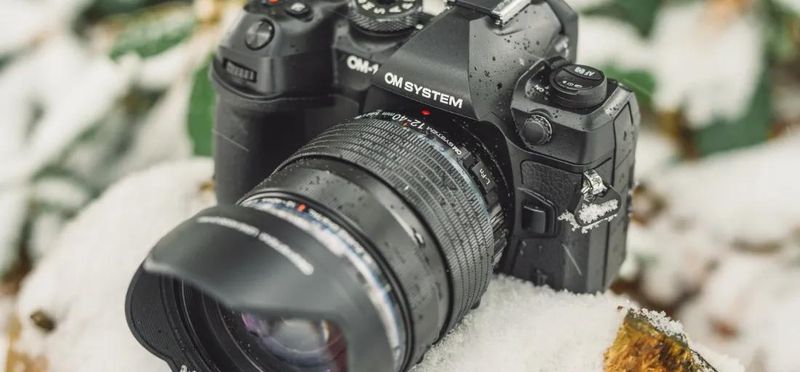
The OM System OM-1 stood out most when the sky opened up. Its IP53 rating provides proven dust and splash resistance, and in pounding rain the camera kept operating flawlessly.
The compact body with deep grip felt secure while scrambling over slick rocks. AF tracked birds through sheets of water with admirable consistency.
Handheld high res mode produced detailed images of mossy trunks between squalls. Files had rich color that cut through gray mist.
Stabilization is a standout feature. OM System rates up to 8 stops of compensation with supported lenses, and handheld exposures around 1 second were achievable against a tree for bracing.
That performance transforms dim, rain soaked forests into workable scenes. Pro Capture buffered action so you do not miss a kingfisher dive as you react.
Weather sealed Pro lenses completed a setup that shrugged off spray. Buttons and doors remained firm and confidence inspiring under constant wetness.
Real world workflow matters here. Keep a lens hood mounted, wipe the EVF occasionally, and use the super useful computational modes to extend dynamic range in blown highlights.
You will appreciate how light the system feels on long, soggy hikes. Compared to larger rigs, the OM-1 lets you move faster and keep shooting when storms accelerate.
If nature and adventure call you into harsh weather, this body is the dependable tool that lets you embrace the rain rather than endure it.