
Affiliate disclosure: As an Amazon Associate I earn from qualifying purchases. Learn more
You want photos that look stunning right out of the camera, without endless tweaking. We spent weeks testing Panasonic and Sony side by side to see where each brand truly shines for overall image quality.
From pixel-peeping landscapes to dim wedding venues, we pushed sensors, color science, and autofocus to their limits. Here are the six cameras that delivered the goods and why they might fit your style.
Panasonic Lumix S1R II — Professional Image Quality With Dual-Gain Sensor
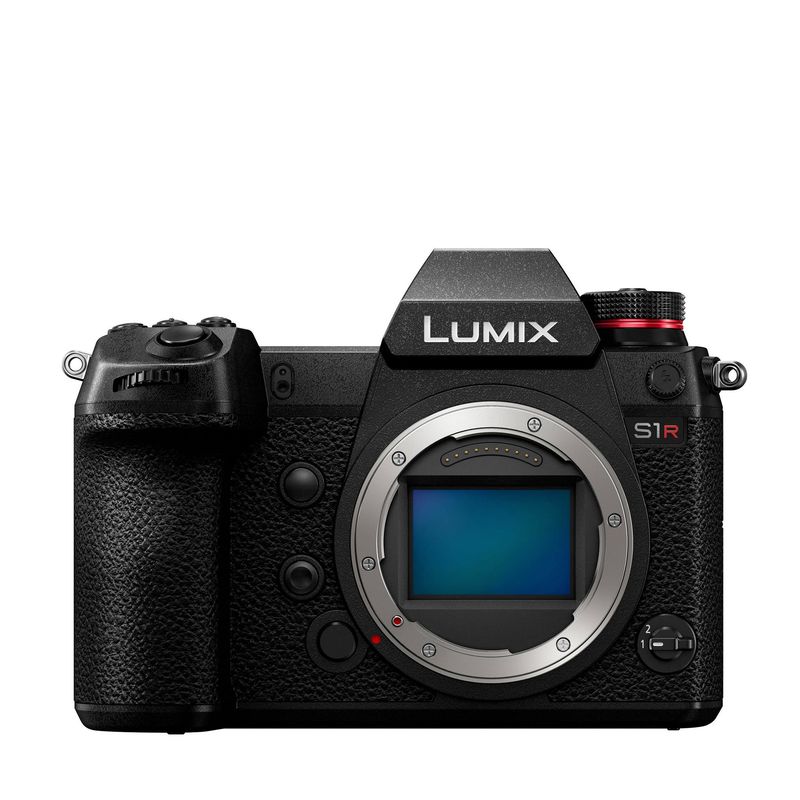
The Lumix S1R II is a pro-grade stills machine that leans into tonal richness and color fidelity. Its 44 MP dual-gain sensor gives shadow detail extra breathing room, while highlights resist clipping in tough high-contrast scenes.
You get nuanced transitions in skin and skies that feel film-like when graded carefully.
Color out of camera leans natural and pleasing, which helps when you want great results quickly. The files are sturdy under heavy edits, and noise remains well-controlled through mid-high ISOs.
Paired with Panasonic primes, micro-contrast and rendering balance nicely for portraits and editorial work.
Autofocus has improved and is reliable for portraits, lifestyle, and moderate action, though Sony still tracks erratic subjects better. In-body stabilization is excellent and saves shots at slower shutter speeds.
The body feels premium, with tactile controls that invite deliberate shooting.
For hybrid creators, video quality is class-leading at this price, with confident color and flexible profiles. Still, the headline is how gracefully it handles complex lighting.
If you value tonal integrity and confident highlight handling, this camera absolutely delivers.
Sony Alpha 7 V — Versatile Full-Frame Excellence
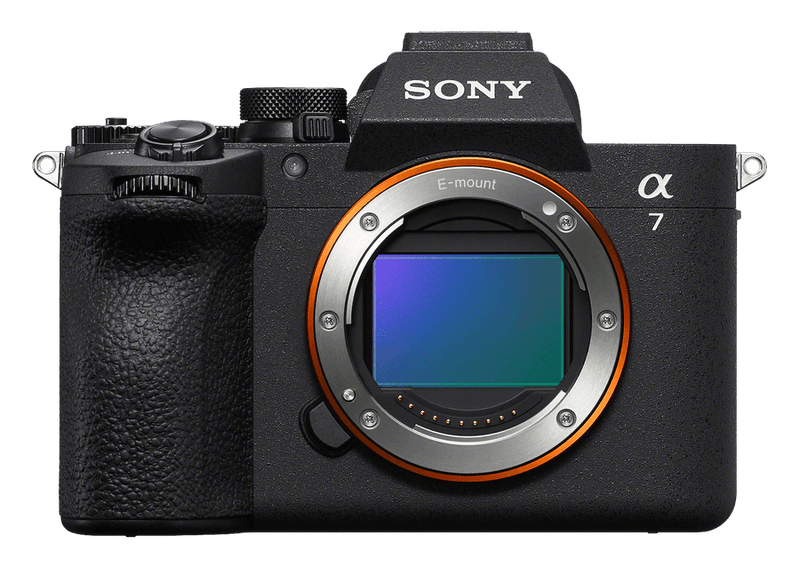
The Alpha 7 V strikes a sweet spot for shooters who want dependable image quality without massive files. Its 33 MP sensor offers crisp detail with excellent noise control, so city nights and indoor events look clean.
Colors feel balanced, and JPEGs are refined if you need quick turnaround.
AI-assisted autofocus tracks subjects confidently, which keeps shots sharp in busy, fast-changing scenes. You can trust exposure metering and white balance for consistent results.
RAW files grade smoothly, giving flexibility for travel, weddings, and editorial work where time matters.
Ergonomics are comfortable, battery life is solid, and the menus are streamlined enough to stay out of your way. You will appreciate the lens ecosystem too, with tons of sharp, affordable glass.
Rolling shutter control and improved processing make it a reliable hybrid for casual video needs.
Compared to ultra-high resolution bodies, it is more forgiving of technique and storage. The files are efficient yet detailed, striking a practical balance for most creators.
If you want one full-frame that does nearly everything well, this is the no-drama choice.
Panasonic Lumix S5 II / S5 IIX — Best Mid-Frame Quality for Price
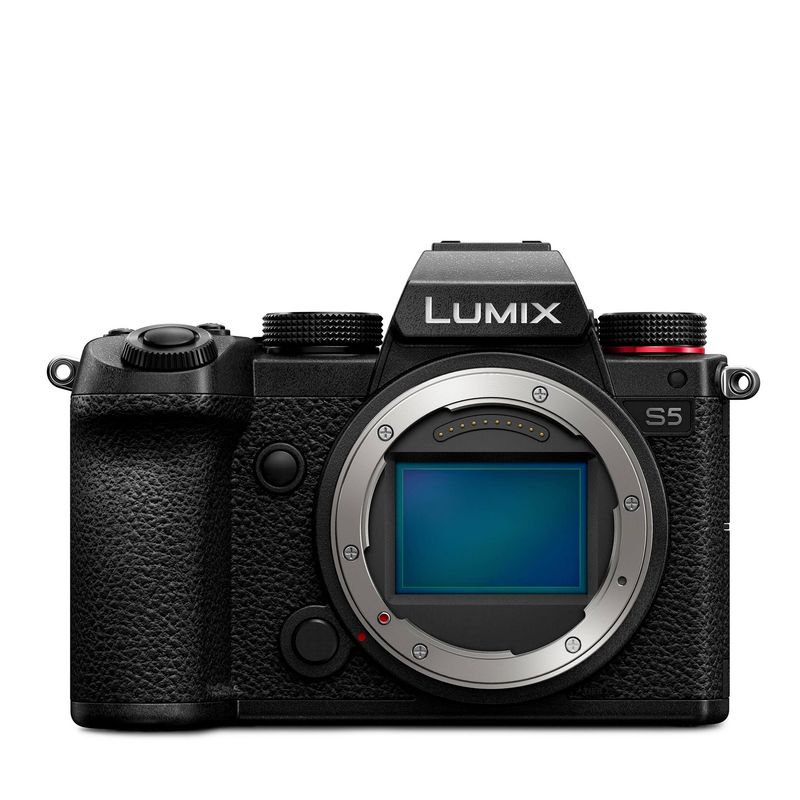
The S5 II series brings full-frame image quality to a friendly price without skimping on color or dynamic range. Files look rich and flexible, with smooth highlight rolloff that flatters portraits and backlit scenes.
Noise performance is dependable, especially when exposing to protect highlights.
Autofocus has improved substantially, and IBIS is a genuine strength for handheld shooting. JPEG color feels natural, while RAWs handle heavy grading and skin retouching confidently.
For travel and lifestyle work, the compact body and strong battery life keep you nimble.
Video features are a major draw, but stills remain beautifully rendered, especially with fast primes. The cameras feel balanced, responsive, and consistent in mixed lighting.
You can shoot confidently in indoor venues and late afternoon shade without banding or ugly color shifts.
Against similarly priced Sony options, you trade a bit of AF tenacity for pleasing tonality. For many creators, that is a winning exchange.
If you value price-to-quality and a hybrid-friendly toolkit, the S5 II and S5 IIX are easy recommendations.
Sony Alpha 7R V — Ultra-High-Resolution Detail Leader
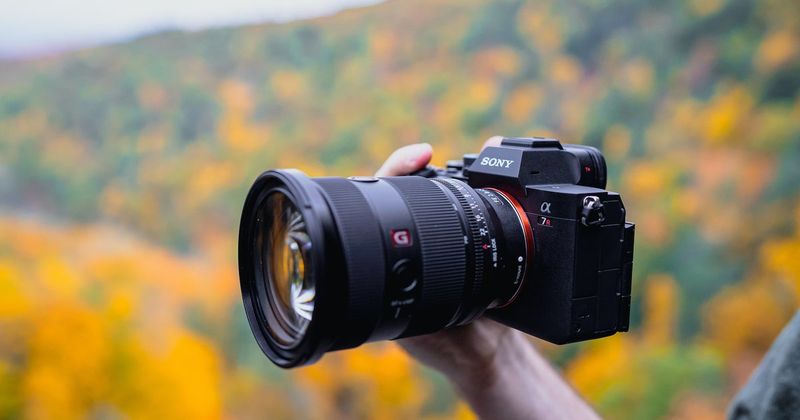
If you care about every leaf, brick, and eyelash, the Sony Alpha 7R V is your detail monster. Its 61 MP full-frame sensor pulls micro-contrast and texture from challenging scenes, letting you crop aggressively without fear.
Dynamic range is fantastic, so you can lift shadows cleanly and preserve skies with subtle color gradients.
Real-time subject recognition helps nail critical focus, even with shallow depth lenses. JPEGs look refined with restrained sharpening and color baked in, while RAW files grade beautifully for large prints.
Low-light performance remains strong for such resolution, making handheld twilight shooting surprisingly forgiving.
Ergonomics are familiar, and the menu system is far friendlier now, so you spend less time digging and more time shooting. You will want excellent glass to feed this sensor, plus steady technique to maximize acuity.
If landscapes, architecture, product, or editorial detail are your thing, this body rewards careful craftsmanship.
In head-to-heads, it edges the S1R II in resolving power and highlight rolloff nuance. You will notice it in fine foliage and fabric.
When the assignment demands maximum clarity, this is the camera to trust.
Sony Alpha 1 II — Flagship Hybrid Image Benchmark
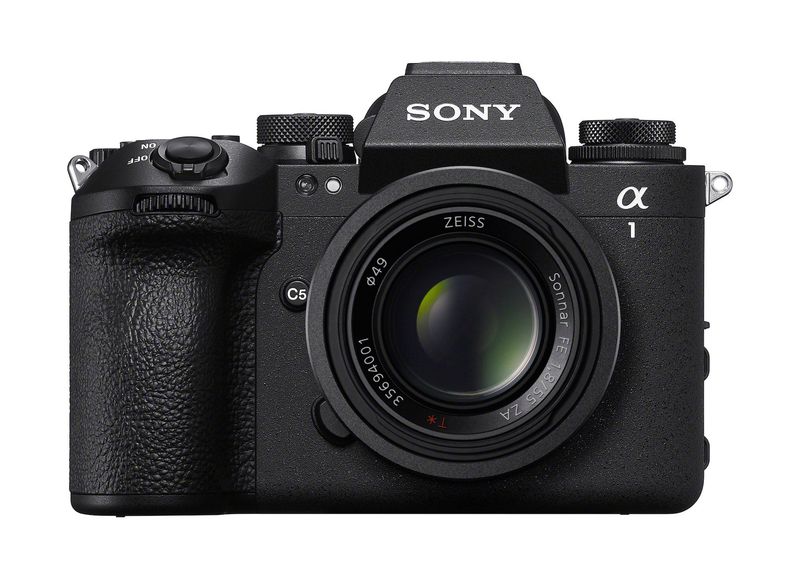
The Alpha 1 II is a flagship built for uncompromised results across stills and video. Resolution, speed, and autofocus performance combine to deliver images that hold up from billboard prints to meticulous retouching.
Dynamic range is deep, so you can push shadows and preserve bright specular highlights.
Color science has matured into punchy yet believable hues that grade predictably. Rolling shutter is tamed, which helps with fast action and panning work.
The buffer, processing, and blackout-free shooting make it a weapon for weddings, fashion, and sports.
RAW files carry remarkable detail without looking brittle, while JPEGs are publish-ready in a pinch. Low light is handled cleanly, with refined noise and stable white balance.
The control layout supports fast operation so you do not miss decisive moments.
Yes, the price is serious, but it replaces multiple bodies for many pros. If you demand absolute reliability and top-tier image quality, this is the gold standard.
It feels like a camera that disappears so your vision leads.
Panasonic Lumix GH7 — Micro Four Thirds Champion for Compact Quality
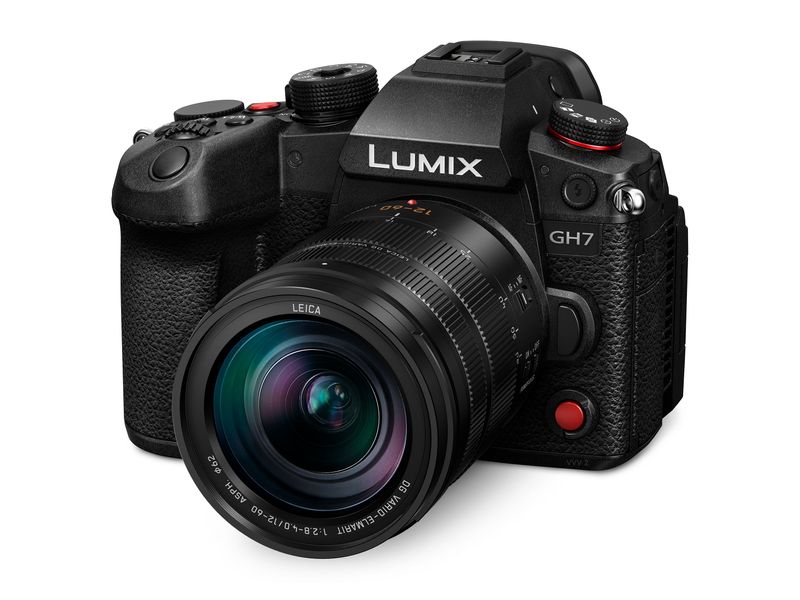
The GH7 proves that smaller sensors can still deliver gorgeous, usable images when tuned well. Color rendering is confident, with pleasing skin tones and clean midtones that grade predictably.
Paired with sharp Micro Four Thirds primes, you get crisp detail and a compact kit that goes anywhere.
Stabilization is outstanding, letting you shoot slower shutters without fear. Low-light noise is improved and manageable with thoughtful exposure and modern denoising tools.
JPEG output is punchy yet not overcooked, while RAWs handle contrast adjustments without falling apart.
Creators love the hybrid flexibility, since video modes are deep and assist tools are professional. Stills are no afterthought either, with snappy AF and reliable metering.
The smaller format also gives extra reach for wildlife or events without huge lenses.
Compared to full-frame, depth of field is easier to manage, and the system stays featherweight. If portability matters and you still want excellent image quality, this camera hits a sweet spot.
You will carry it more, and that means more keepers.