

Affiliate disclosure: As an Amazon Associate I earn from qualifying purchases. Learn more
We put Panasonic and Fujifilm head to head to see which cameras truly lock focus fastest in real life. You will find clear winners, surprising ties, and practical takeaways you can trust for action, street, and hybrid video shooting.
No lab-only talk here, just hands-on results that reveal how these bodies track faces, eyes, animals, and vehicles. Read on to pick the one that lets you nail the shot instead of missing the moment.
Fujifilm X-H2S — APS-C Autofocus Beast
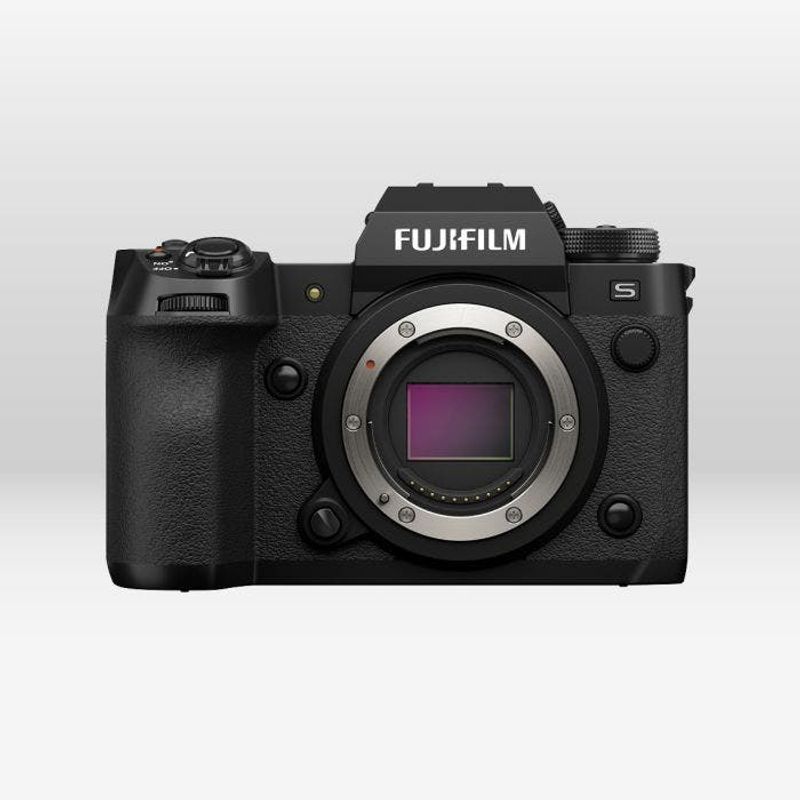
The Fujifilm X-H2S feels like it reads your mind when a subject darts across the frame. Wide phase-detect coverage and deep-learning subject recognition snap to eyes, heads, and vehicles with a confidence that makes you breathe easier.
You raise the camera, half press, and focus just sticks through motion and tricky light.
In backlit alleys or low-lit gyms, you still get decisive, clean acquisition without that hunting wobble. AF-C keeps up with burst shooting, so the keeper rate climbs when you pan, reframe, and shoot again.
Animal detection finds birds mid-flutter, while vehicle detection holds on during chaotic movement.
Video shooters will appreciate how the X-H2S avoids pulsing when subjects cross paths. You can set transition sensitivity and speed so focus shifts feel natural, not jumpy.
For hybrid creators, that means fewer ruined takes and more confidence to move fast.
If you are upgrading from older Fuji bodies, expect a level-up that is obvious on day one. Custom AF profiles let you tailor responsiveness for erratic or predictable action.
You focus on storytelling while the camera handles the chase.
Bottom line, the X-H2S is the Fujifilm body that most consistently nails focus across people, animals, and vehicles. It is a reliable partner when the light drops and the pace rises.
If fast autofocus is non-negotiable, this is the one to beat.
Panasonic Lumix G9 II — Speed-Focused Hybrid AF

The Lumix G9 II finally brings Panasonic phase-detect to Micro Four Thirds with real punch. Coverage is broad, acquisition is quick, and AF-C holds onto moving subjects more confidently than older contrast-driven systems.
You feel the upgrade immediately when tracking birds, cyclists, or kids sprinting across a field.
Subject recognition identifies humans, animals, and vehicles without fuss. The camera keeps focus through erratic movement and brief occlusions, which cuts down on missed moments.
Burst sequences come back with a solid hit rate that makes this a compelling action tool.
Video autofocus is where the G9 II surprises many shooters. Transitions are smoother and less twitchy than expected, and breathing is managed well with compatible lenses.
For hybrid creators, that means a consistent look across stills and clips.
Low light can challenge smaller sensors, but the AF module remains decisive if you feed it fast glass. Customizable AF sensitivity and area modes let you shape behavior for predictable or chaotic scenes.
It rewards a bit of setup with dependable results.
If you have avoided Panasonic AF before, this body changes the conversation. It closes the gap in speed while keeping the Lumix handling and stabilization you love.
For travel and wildlife alike, the G9 II is fast, confident, and genuinely fun to use.
Panasonic Lumix S5 II / S5 IIX — Full-Frame Hybrid With Smart AF
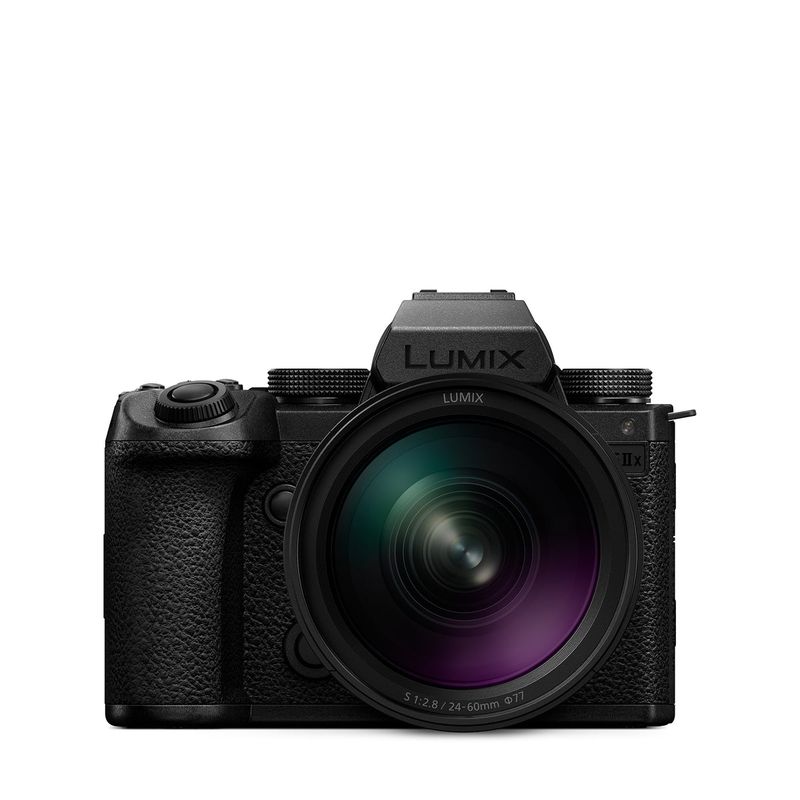
The Lumix S5 II and S5 IIX bring phase-detect autofocus to Panasonic full-frame with authority. You get wide coverage, quick lock, and excellent tracking that finally matches the cameras video-centric strengths.
It feels like a complete hybrid system where AF supports your creative pace.
Subject detection flags faces, eyes, animals, and vehicles with reliable priority. In AF-C, the system resists pulsing and re-acquires smoothly when something crosses the frame.
That makes them trustworthy for wedding aisles, street action, and mixed lighting situations.
Video shooters will appreciate refined transition controls and subject switching that looks intentional. Rack-like shifts are possible without jarring jumps or lag.
Paired with stabilized Lumix lenses, the results look polished straight out of camera.
In low light, AF remains stable with fast glass and modest noise. Custom AF areas and responsiveness settings help tailor behavior for sports versus interviews.
You can keep the camera on auto most of the time and still get pro-looking consistency.
If you are coming from older Lumix bodies, the difference is night and day. These models make full-frame depth creamy without sacrificing autofocus confidence.
For hybrid creators who value smart AF alongside strong color and codecs, the S5 II series lands in the sweet spot.
Fujifilm X-S20 — Quick, Confident Detection for APS-C Shooting
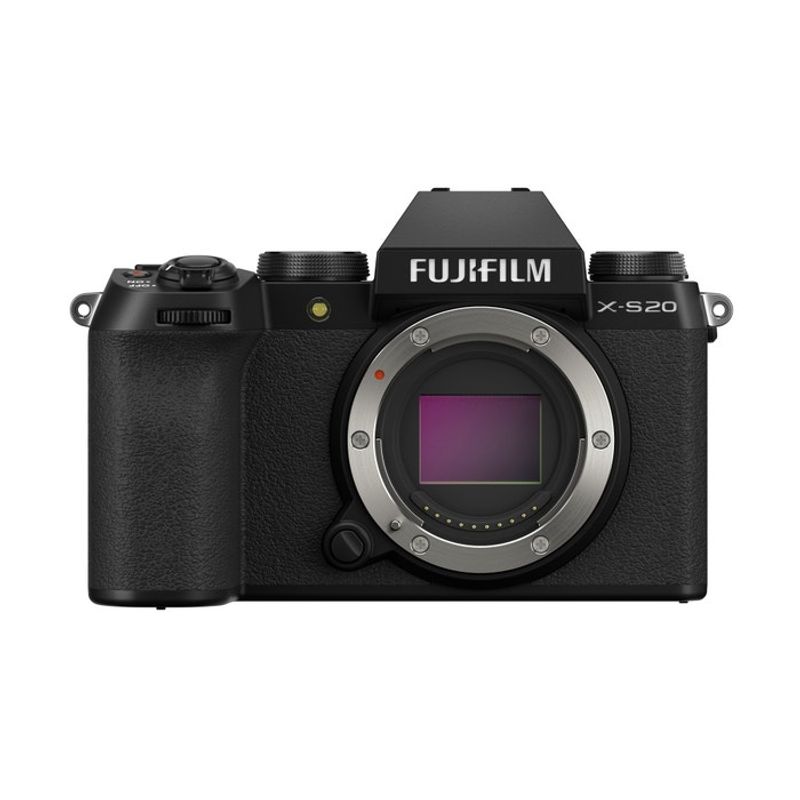
The Fujifilm X-S20 gives you fast, easy autofocus in a compact body that begs to travel. Eye and face detection are quick to lock, and tracking hangs on as you reframe or weave through crowds.
It is the kind of camera you grab when moments are fleeting and you need results now.
Subject recognition goes beyond people to animals and vehicles, which helps for city life or weekend sports. Continuous AF feels confident without twitchiness, so sequences look consistent across frames.
You spend less time nudging focus and more time composing.
For video, the X-S20 avoids distracting hunting as scenes evolve. Transition settings help keep moves smooth, with a natural shift when someone turns or exits.
Solo creators can rely on it for vlogs, b-roll, and quick edits.
Low light is handled well for its class when paired with fast primes. The AF area coverage supports creative off-center compositions without hesitation.
It is a friendly upgrade path if you want better hit rates from an older body.
Overall, the X-S20 nails the balance of portability and autofocus performance. It is fast enough for candid action yet simple enough for everyday shooting.
If you want a small camera that punches above its weight in AF speed, this is a standout choice.
Fujifilm X-T50 — Fast Hybrid Autofocus & Practical Speed
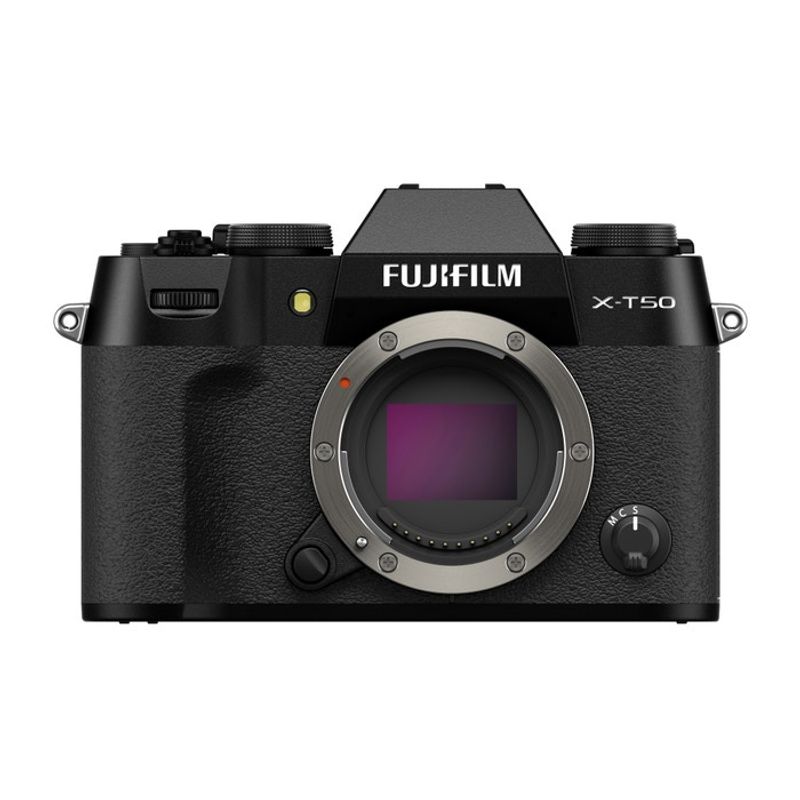
The Fujifilm X-T50 delivers surprisingly quick autofocus in an approachable, lightweight package. Phase-detect points cover the frame generously, and subject detection finds faces and eyes swiftly.
It is the kind of speed that makes everyday shooting feel effortless.
In AF-C, the camera tracks motion predictably and holds focus through mild occlusions. For street, casual sports, or family events, your keeper rate climbs without constant menu diving.
You can trust it to re-acquire quickly after reframes and bursts.
Video benefits from smoother transitions that do not distract the viewer. You can pace focus shifts to match movement, keeping footage looking intentional.
Paired with compact primes, the system stays nimble and responsive.
Low light performance is solid for an enthusiast body, especially with fast glass. The AF grid lets you compose creatively while staying tack sharp.
It is a smart step up if you want practical speed without flagship complexity.
Overall, the X-T50 brings hybrid autofocus that feels modern and reliable. You get natural tracking, quick detection, and a learning curve that stays friendly.
If you want a small Fuji with big AF confidence, the X-T50 comfortably earns a spot on this fastest list.