
Affiliate disclosure: As an Amazon Associate I earn from qualifying purchases. Learn more
Chasing sunrise glow over ridgelines quickly reveals which cameras can handle harsh contrast, bitter wind, and rapid setup. We spent weeks swapping Nikon and Fujifilm bodies on real trails, from misty forests to icy summits, to see what truly works when the light hits. The winners balanced dynamic range, reliability, and usability in the field, not just specs on paper. Here are the six that consistently helped you nail the shot when moments were fleeting.
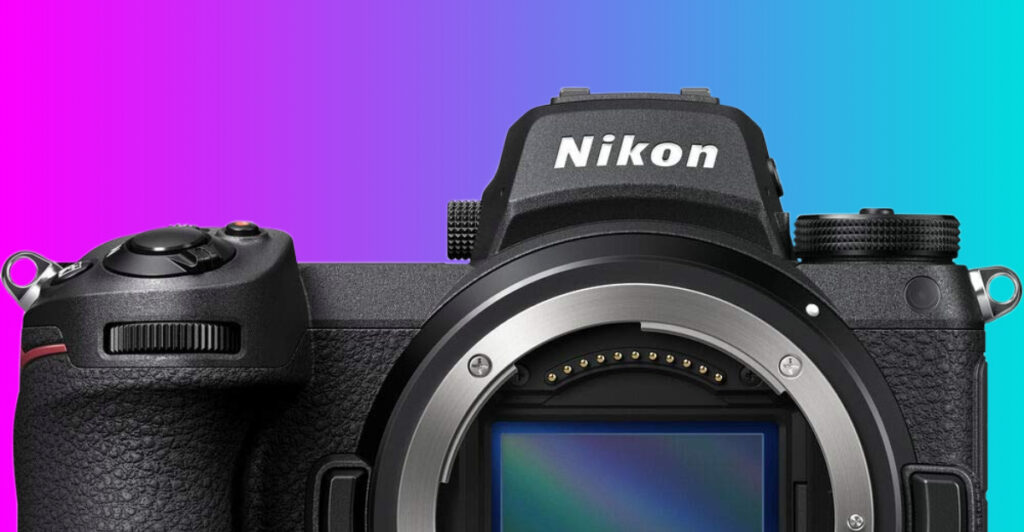
Nikon Z 7II

The Z 7II shines when you need deep dynamic range and fine textures in rocks, snow, and distant forests. Files recover shadows gracefully, so you can expose for highlights and still pull detail from valley floors. Weather sealing and dependable battery life make long blue hour sessions far less stressful.
AF locks confidently on distant peaks and treelines, while the high resolution sensor rewards careful tripod work. You will appreciate the clean base ISO and neutral color rendering that takes grading well. The body layout encourages quick exposure adjustments with gloves in cold mornings.
For hiking, the weight is reasonable, and the two card slots offer peace of mind on remote trips. IBIS helps with hand held panoramas in wind, buying a couple stops of stability. If your priority is maximum detail without a punishing workflow, this Nikon feels like the safe, capable choice.
Nikon Z 8

When conditions change in seconds, the Z 8 keeps up with blistering responsiveness and reliable AF. You can bracket, stitch, and shoot HDR sequences rapidly without missing shifting light. The stacked sensor delivers clean files and minimal rolling issues for timelapses of waves or clouds.
Its ergonomics are excellent for gloves, and the robust build inspires confidence in rain or blowing sand. The viewfinder is bright and blackout free, making horizon alignment simple in low light. Color latitude is strong, and highlight retention is superb at sunrise when contrast spikes.
Video flexibility is a standout if you mix clips with stills for travel reels. Despite its power, the body remains surprisingly compact in your pack. If you value speed and reliability alongside high resolution, the Z 8 is a field workhorse that will help you seize short lived landscape magic.
Nikon Z5 II
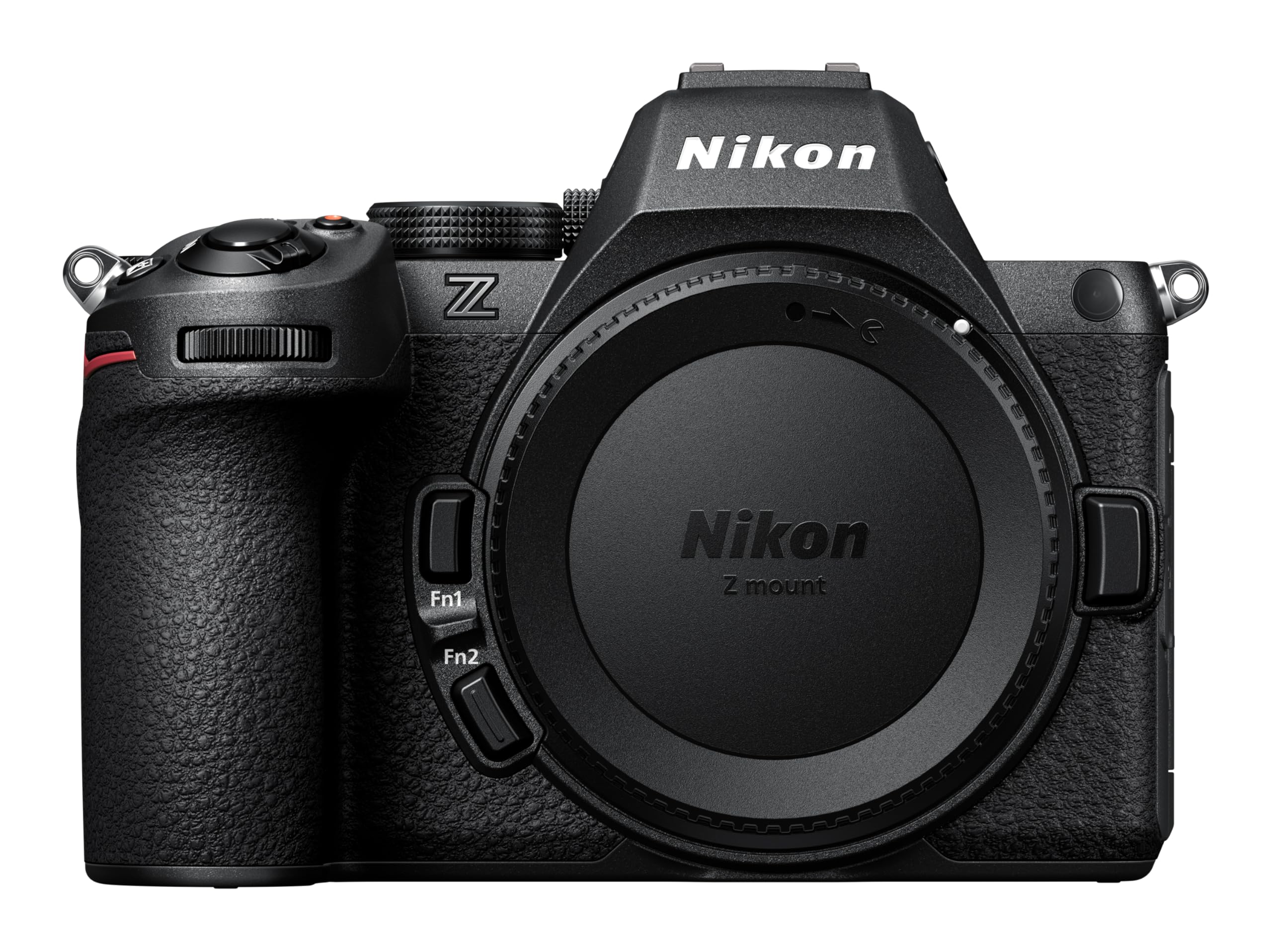
The Z5 II punches above its weight for hikers who want full frame quality without excess bulk or cost. Files are clean, with pleasing tonality and enough resolution for sizable prints. IBIS steadies twilight handheld shots when you leave the tripod behind for faster movement.
Autofocus is more than capable for static landscapes and occasional wildlife in the scene. The bright EVF helps evaluate shadow detail and prevent clipping before you press the shutter. Dual SD slots and strong battery life make multiday trips smoother and safer for your images.
While not the most advanced spec monster, its consistent results are what matter in the field. You will find controls intuitive, and the camera responds quickly to exposure changes as clouds race by. For travelers and backpackers building a reliable landscape kit, the Z5 II is a smart, confidence boosting entry.
Fujifilm GFX100RF
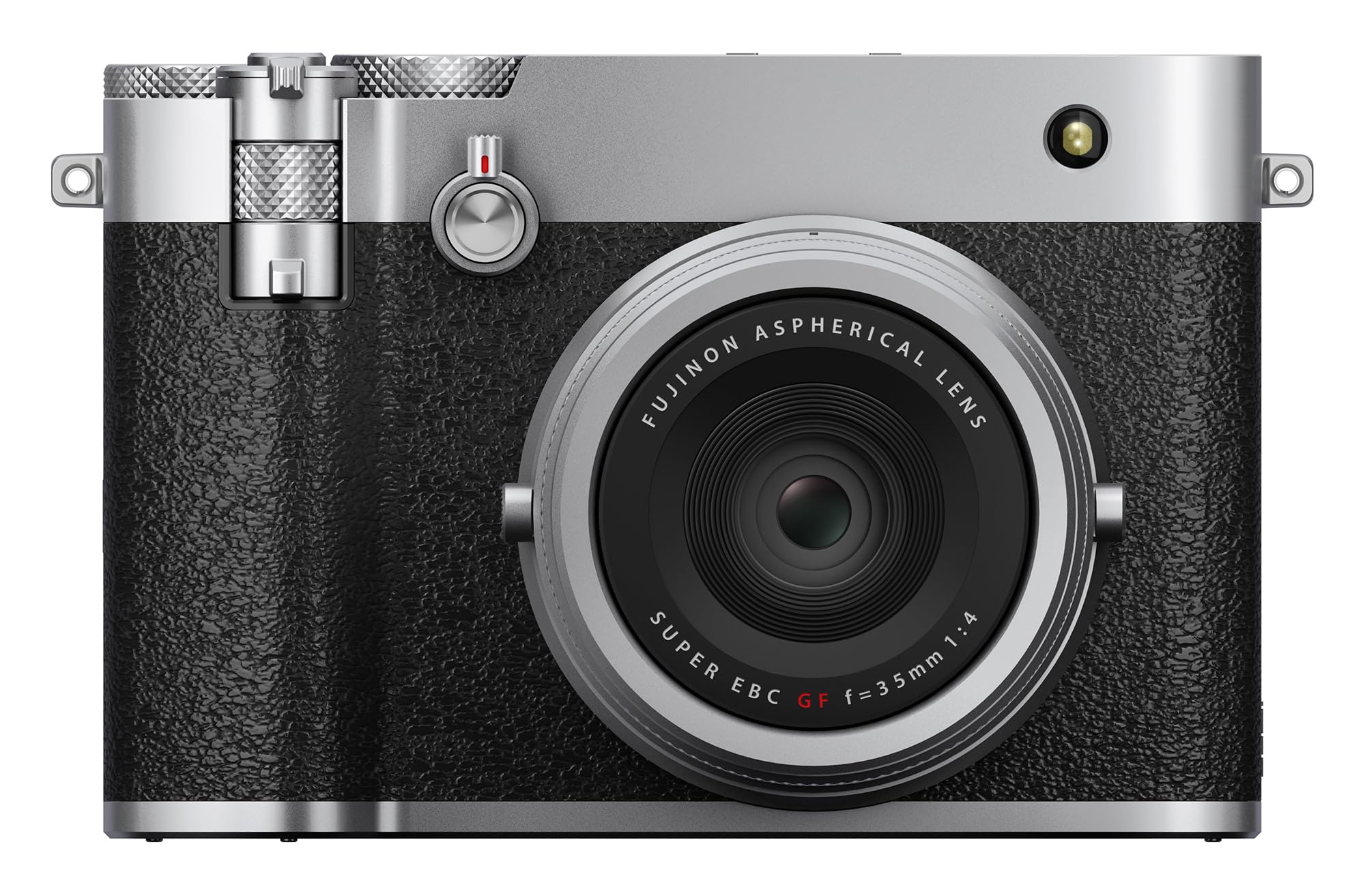
The GFX100RF is about texture and depth, rendering landscapes with a medium format look that feels three dimensional. You can crop heavily without fear, making compositions flexible when footing is limited. Dynamic range is excellent, letting you tame brutal highlights on snowfields or sea foam.
The fixed lens simplifies decisions, which helps you slow down and compose with intention. Film Simulations add character, though RAW files retain wide latitude for grading. Despite the sensor size, the body remains surprisingly portable, encouraging everyday carry on city to summit days.
IBIS and the leaf shutter open creative options for long exposures with filters. If you print big or love subtle tonal transitions in clouds and foliage, this camera delivers stunning results. It asks you to work deliberately, but rewards patience with files that sing when the light and composition align.
Fujifilm X-E5
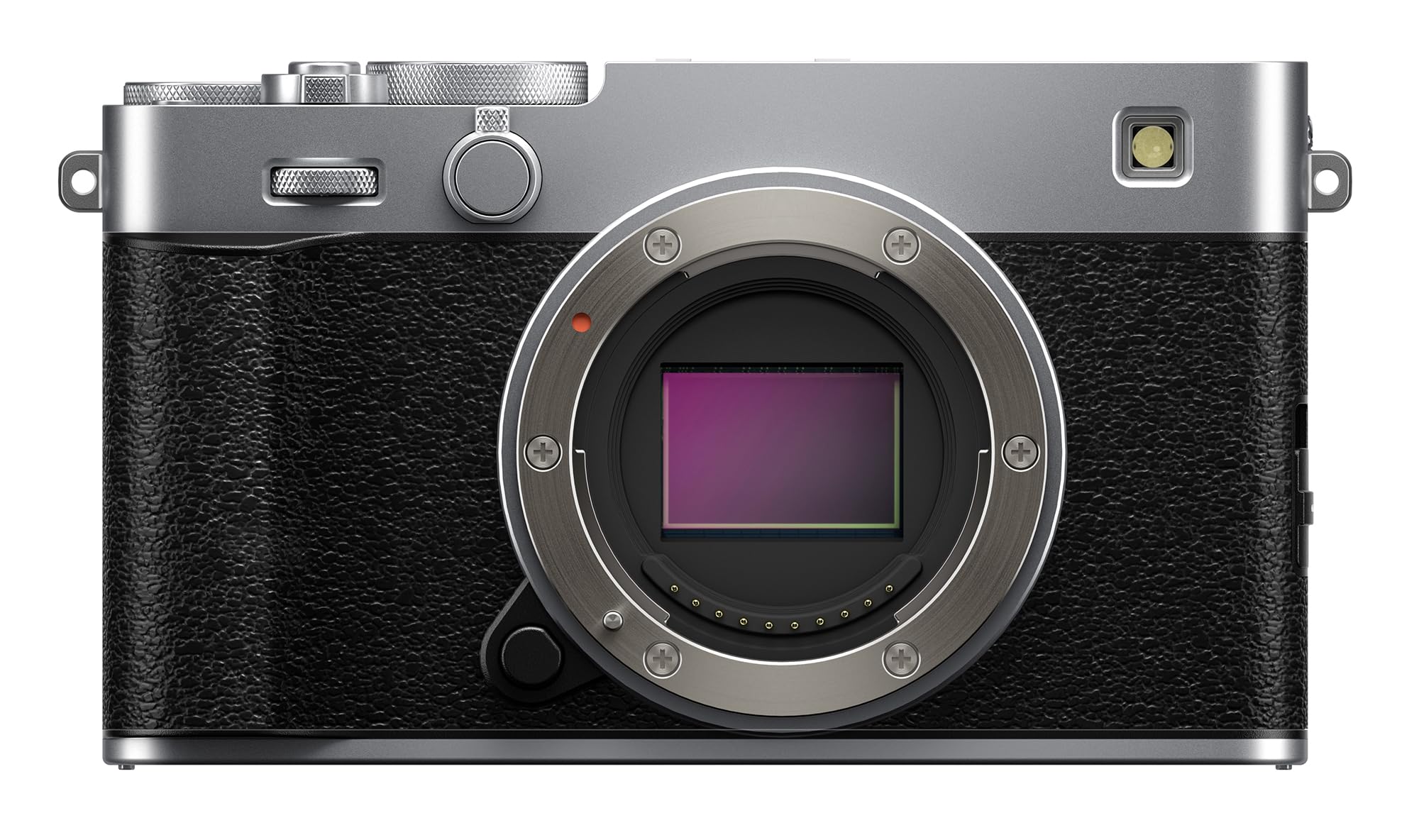
The X-E5 makes landscape days feel light and spontaneous while delivering crisp 40MP detail. Paired with compact primes, you can cover sunrise to blue hour without weighing down your pack. IBIS is shockingly capable for a small body, helping with handheld bracketing and quick panoramas.
Color is a Fujifilm strength, and Film Simulations give you beautiful starting points straight out of camera. When you want maximum latitude, RAW files hold up well to heavy shadow recovery. The rangefinder style encourages slower, more thoughtful framing that often improves composition.
Weather resistance depends on the lens, but the body handles cold mornings without complaint. The control layout is simple and tactile, which you will appreciate with gloves. If you want a compact, creative tool that still prints large, the X-E5 is a delightful companion for everyday landscape adventures.
Fujifilm GFX100S II

The GFX100S II blends massive resolution with a body that is practical for hiking and travel. Files are rich, clean, and highly gradable, revealing nuanced detail in lichen, bark, and distant cliffs. IBIS is superb, supporting slower shutters for ethereal water and cloud motion without a heavy tripod.
AF is improved and reliable for landscape work, and the EVF makes critical focus checks painless. With 4K video options, you can capture motion studies that match your stills aesthetic. The system rewards careful technique, but modern ergonomics keep it friendly for long field days.
Weight is reasonable for medium format, making summit pushes more realistic. If you want gallery level prints and the luxury of cropping for cleaner compositions, this body delivers. It turns fleeting light into detailed, flexible files that stand up to serious editing and large scale presentation.