

Affiliate disclosure: As an Amazon Associate I earn from qualifying purchases. Learn more
If you have ever opened a RAW file and wished the sky was not blown out while the shadows still held texture, this is for you. We pit Nikon against Fujifilm across full-frame, APS-C, and medium format to see which bodies really stretch tonal latitude in 2026. You will see which cameras dig detail from the deepest shadows and hold highlights without harsh clipping.
Let’s find the ones that keep your edits clean and your vision intact.
Nikon Z9 — Full-Frame Powerhouse for Dynamic Range
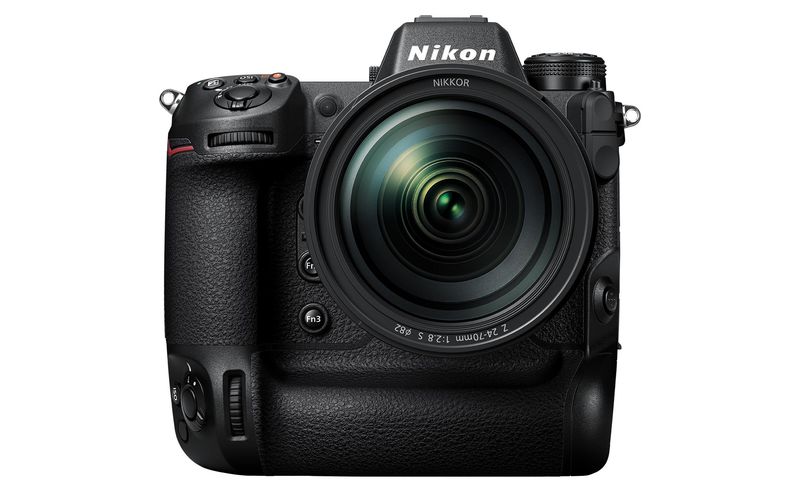
The Nikon Z9 delivers full-frame dynamic range that feels built for impossible light. You can meter for highlights in a sunrise ridge and still lift tree line shadows without posterization or color shifts. Files stay clean at base ISO, and that wide latitude gives breathing room when you miss exposure by a stop or two in the field.
In practice, highlight roll-off stays graceful, so specular edges on chrome, water, or glass avoid jagged clipping. Shadow recovery remains surprisingly natural, with textures in bark, fabric, and hair remaining intact after heavy pushes. Color fidelity holds steady, so skin tones do not turn waxy when you tame a backlit portrait.
Speed meets range here, meaning stacked sensor readout does not sacrifice tonal depth. You get robust RAW flexibility for landscapes, architecture, and mixed-light events, plus noise performance that invites gentle exposure latitude. If you want a body that keeps detail through brutal contrast, this is a dependable anchor camera.
Nikon Z7 II — Balanced Full-Frame Detail & Range
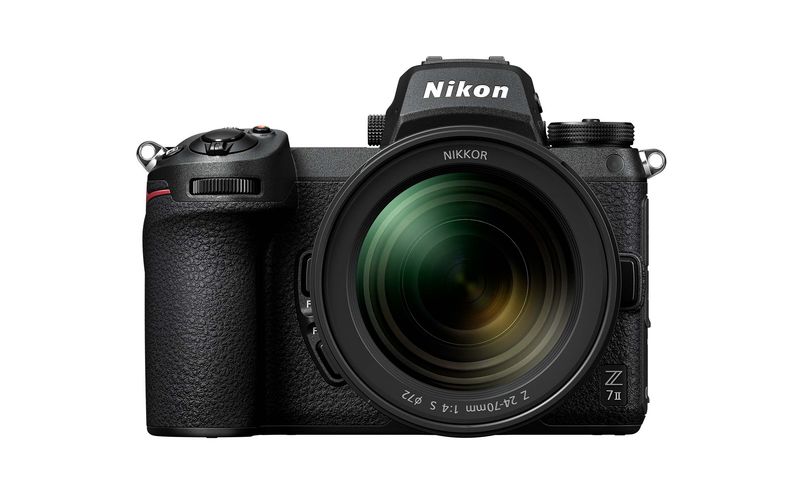
The Nikon Z7 II is a sweet spot for full-frame shooters who want maximum detail plus latitude. You can underexpose for highlights on a bright coastline and raise shadows later without banding creeping into gradients. Files at ISO 64 are especially pliable, letting you push two to three stops while keeping noise subtle and color believable.
In city architecture at noon, the camera retains sky texture while preserving brick and metal grain. Indoor portraits against windows benefit from smooth highlight transitions that keep skin luminous rather than chalky. You get consistent, repeatable results that make editing predictable and fast.
Compared to similar-resolution competitors, the Z7 II often edges ahead in real scenes with complex contrast. The Expeed processing and sensor synergy keeps micro-contrast crisp after aggressive tonal corrections. If you love landscape prints and fine art work where gradations matter, this camera brings a calm, controlled dynamic range you can trust.
Fujifilm GFX100S II — Medium Format Perspective

The Fujifilm GFX100S II brings the big-sensor calm that makes editing feel luxurious. Expose for the brightest clouds and still extract forest floor detail without weird color blotches. Medium format headroom gives you supple midtones that grade beautifully, so subtle fog layers, skin transitions, and fabric sheen hold together under heavy pushes.
In studio, rim lights stay creamy while black backdrops maintain rich separation. Outdoors, high-contrast noon scenes become manageable, with highlights refusing to clip aggressively and shadows lifting cleanly. Color science plays nicely with deep range, so you can sculpt tonality without losing the filmic vibe.
Despite its power, the body remains travel friendly, making medium format feasible for real-world shoots. You will appreciate how gradients in skies and water avoid stepping even after deep edits. If tonal latitude is your top priority, this camera’s dynamic range feels like a safety net that encourages creative exposure choices.
Fujifilm X-T5 — APS-C That Punches Above Its Weight
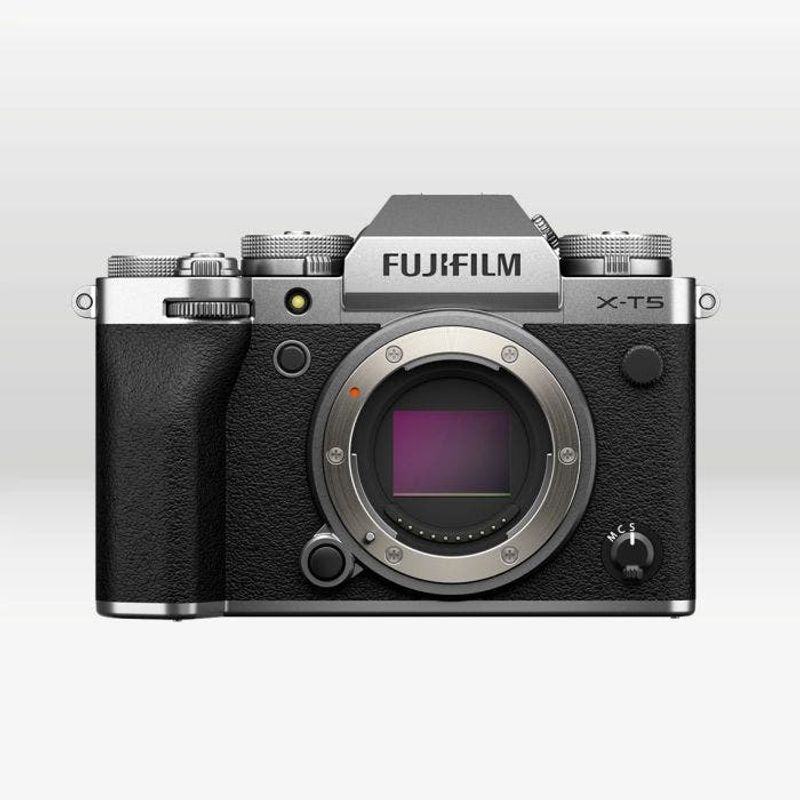
The Fujifilm X-T5 proves APS-C can absolutely deliver compelling dynamic range. You can meter conservatively for highlights and still open deep shadows in alleyways or forests without turning tones muddy. Fine detail remains convincing, and grain structure feels natural when you nudge exposure a couple of stops in RAW.
Color science helps a ton here, giving highlight roll-off that looks smooth rather than brittle. Street scenes with bright signage and shaded faces stay balanced after thoughtful curve work. For travel, it is a relief to know mixed midday light will not punish you with clipped whites and crushed blacks.
While it will not match medium format headroom, the X-T5 punches up with smart noise behavior and resilient midtones. Landscapes, cityscapes, and casual portraits all grade consistently, saving time in post. If you want portable gear that still leaves room to rescue tricky frames, this camera makes APS-C feel bigger than it is.
Nikon Z8 — Pro-Level Dynamic Range & Versatility
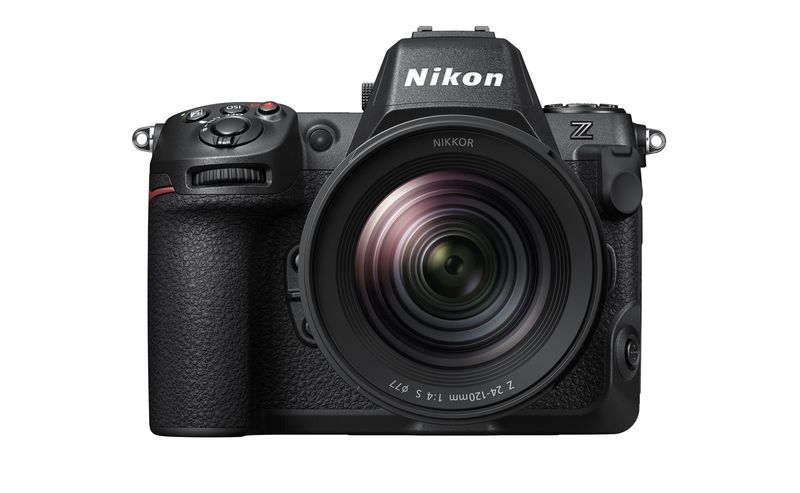
The Nikon Z8 brings near-flagship dynamic range in a body that is easier to carry and afford. You can lean into highlight protection at golden hour and resurrect foreground textures without ugly magenta blotching. The tonal latitude keeps gradients intact, so skies render with depth while skin remains dimensional and believable.
In event work, mixed tungsten and daylight become less scary because files tolerate strong global adjustments. Shadow noise stays well-behaved, letting you push exposure while preserving color accuracy. That flexibility speeds your workflow, since fewer frames require delicate local masks to prevent clipping.
Because the Z8 shares core tech with Nikon’s top tier, it handles hard light with composure. Architecture, landscapes, and hybrid shoots all benefit from consistent RAW pliability. If you want pro-grade dynamic range without the heft and cost of a flagship, this is a balanced, confident choice.
Fujifilm GFX 100RF — Compact Medium Format with Deep Range
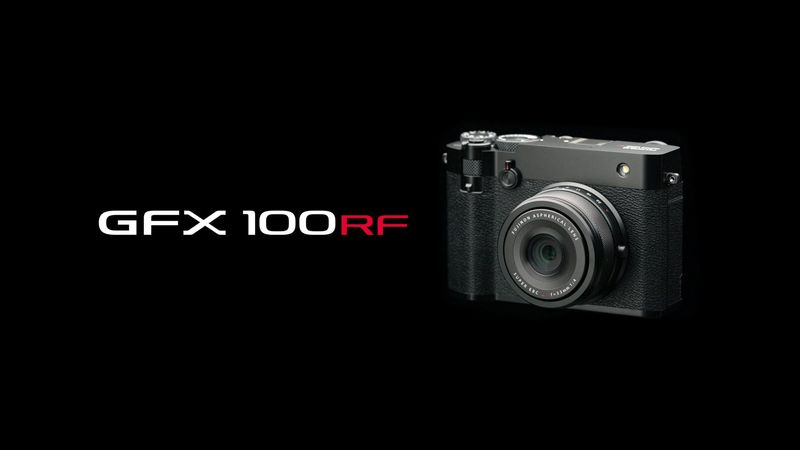
The Fujifilm GFX 100RF aims to condense medium format range into a travel-friendly tool. You can tame neon highlights at blue hour and still tease brick texture from near-black walls. The sensor’s headroom encourages conservative exposures, knowing shadows will open gracefully without coarse noise or color smearing.
In architecture and landscape work, midtones stay creamy and controlled, which makes complex scenes grade smoothly. Reflective surfaces hold specular detail instead of harsh clipping, protecting mood and texture. This latitude also plays well with restrained film-style color grades that demand intact highlight nuance.
The compact form factor invites you to bring medium format where you usually would not. You will feel confident bracketing less, since single frames stretch surprisingly far in post. For photographers chasing flagship-level image quality with fewer compromises, the 100RF offers deep dynamic range with practical portability.