
Affiliate disclosure: As an Amazon Associate I earn from qualifying purchases. Learn more
If you have ever wondered which brand nails JPEGs right out of camera, this hands on comparison might surprise you. We shot identical scenes with Fujifilm and Nikon bodies, then judged straight files on tone, color, and feel.
Some cameras delivered instant magic, while others gave a flexible, clean base that begged for light tweaks. By the end, you will know which JPEGs you will trust when there is no time to edit.
Fujifilm X-100VI — Film-Like JPEG Character That Feels Instant
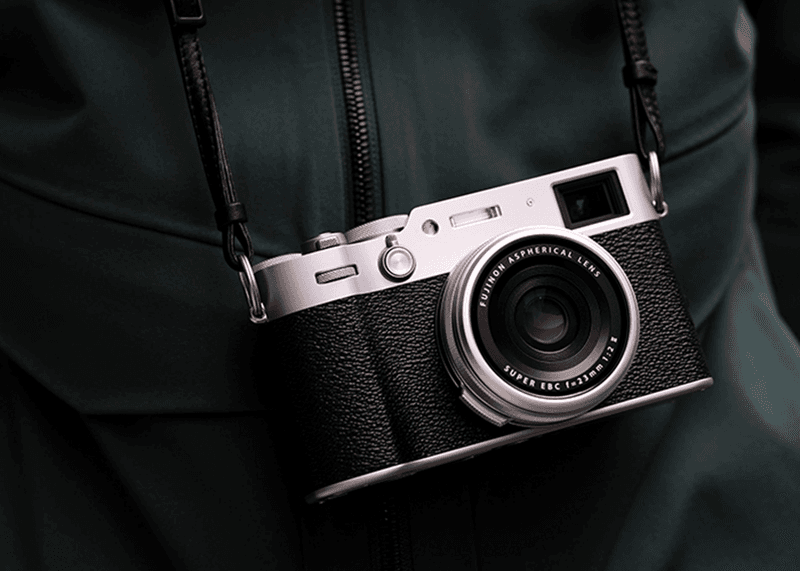
You want a camera that makes satisfying photos the moment you press the shutter. The Fujifilm X-100VI delivers that thrill with film simulations that feel honest and lived in, especially Classic Chrome and Nostalgic Neg.
Colors lean tasteful instead of loud, with gentle contrast and highlight rolloff that flatters skin and street light equally.
Set the JPEG parameters once and you can forget the computer for days. Shadows anchor the frame without crushing, skies hold subtle gradients, and foliage looks nuanced rather than plastic.
Even small exposure misses are softened by Fuji’s tone curve, so you keep the mood you saw, not a clinical rendering of it.
For travel and everyday storytelling, those straight files carry personality that saves time and builds consistency. You can tweak white balance or clarity in camera, but often you simply will not need to.
The lens draws smoothly, the sensor is detailed, and the processor respects color relationships that feel film inspired yet modern.
Street scenes glow, interiors feel intimate, and sunsets carry believable warmth without orange overload. Blacks sit deep, not empty, and grain like noise texture at higher ISOs reads organic rather than distracting.
If you value photographs that look finished by default, this camera feels like a creative partner waiting in your pocket.
Fujifilm X-E5 — APS-C Quality with Film Simulation Boost
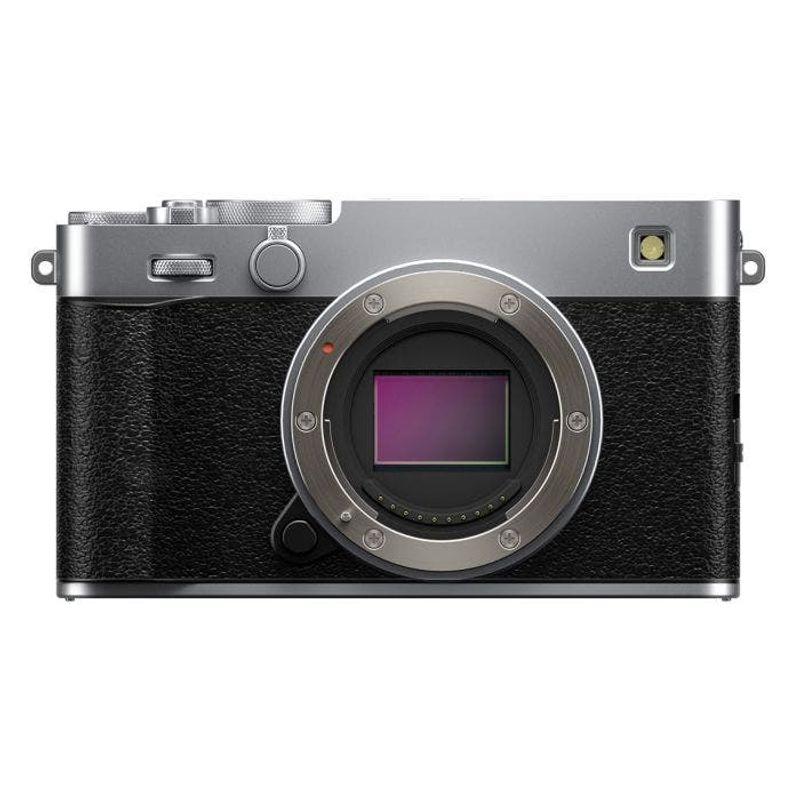
The X-E5 leans on Fujifilm’s APS-C sensor and refined processing to serve JPEGs with texture, depth, and believable color. You get film simulations that steer mood right in camera, from classic restraint to punchy nostalgia.
It is easy to dial a signature look with highlight and shadow tone tweaks, color chrome effect, and clarity settings.
What stands out is tonal nuance in faces and foliage. Skin avoids waxiness, while microcontrast brings detail without harsh bite.
Blues and greens look layered, not cartoonish, so landscapes feel dimensional and portraits stay flattering under mixed light.
With the compact body, it is a street friendly tool that encourages experimentation. You can build custom recipes, then swap them for different light in seconds.
The JPEGs hold subtle gradations that survive minor exposure misses, giving confidence on fast walks and candid sessions.
Even compared with neutral profiles from other brands, these files often feel closer to finished. Color transitions are smooth, highlight rolloff is kind, and shadows keep shape.
If you want a light kit that still delivers grown up files, the X-E5 makes a persuasive case and frees you from constant RAW sessions.
Fujifilm X-S20 — Hybrid Flexibility With Great Straight Files
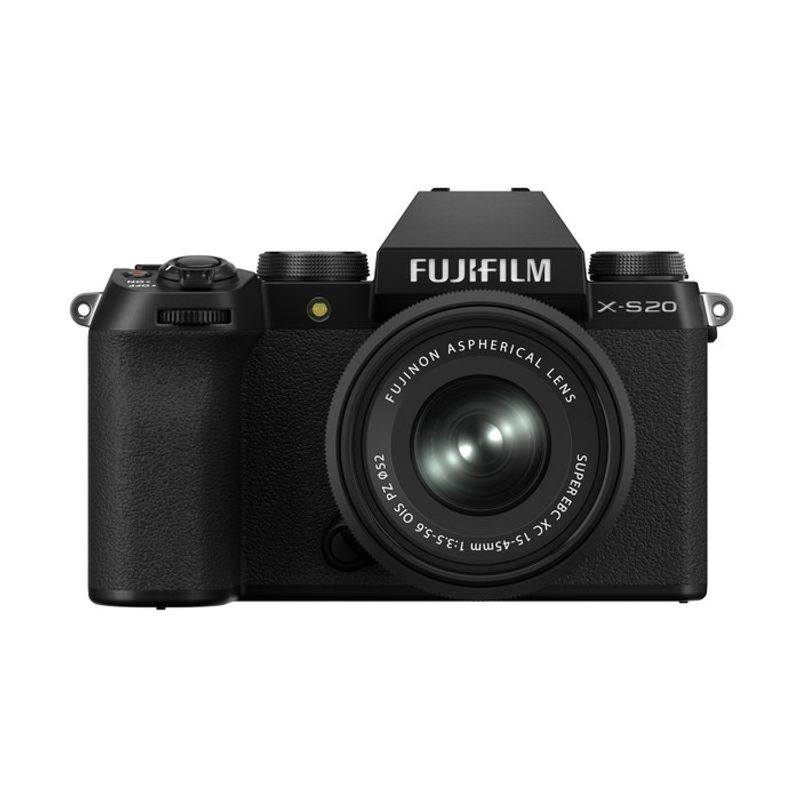
The X-S20 walks a smart line between clarity and character. Its JPEG engine pairs modern detail with Fuji’s familiar simulations, so you can push toward cinematic or keep things crisp.
Eterna calms contrast for gentle highlights, while Classic Chrome adds depth without gaudy saturation.
In mixed lighting, color balance stays believable and skin tones resist magenta shifts. Detail retention is strong, yet grain pattern at higher ISO feels organic, not crunchy.
The camera’s custom settings let you build profiles for day, night, or interiors and swap them on the fly.
For creators who shoot both video and stills, consistency matters. The film simulations echo across modes, so your JPEGs and footage share a visual language.
That means fewer hours fixing mismatched looks later, and more time making new frames.
What surprised me most is how often the straight files were keepers. Even backlit scenes held onto highlight texture with a pleasant rolloff.
If you like a touch of style right out of camera but still want modern sharpness and flexibility, the X-S20 feels like the calm middle ground that just works.
Nikon Z6 III — Clean, Neutral, and Flexible JPEG Base
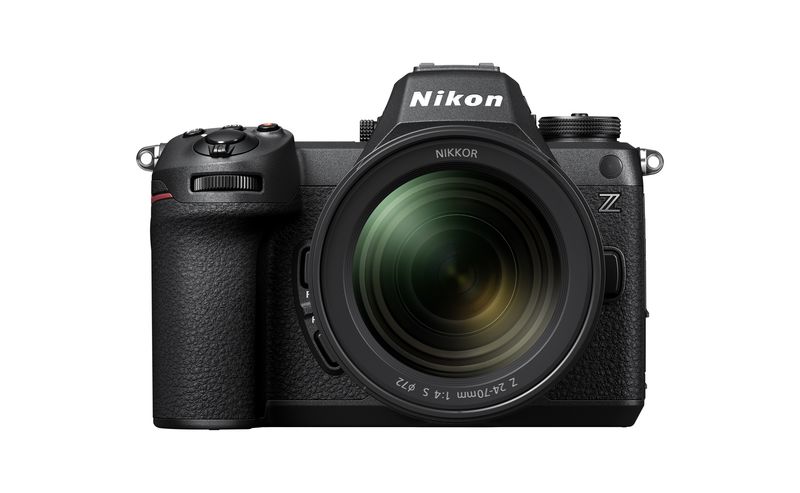
The Z6 III approaches JPEGs with a studio like mindset. Picture Control profiles default to clean, neutral rendering, excellent for accuracy first workflows.
Skin tones read lifelike, greens stay honest, and blues avoid the heavy handed saturation some cameras push.
What you get is a trustworthy base that welcomes small edits or none at all. Highlight handling is confident, preserves sky gradients, and keeps white clothing from blowing out.
Shadows are deep yet open enough to hold detail that grades smoothly if you choose.
Portraits benefit from restrained contrast that flatters without hiding texture. Landscape shooters will appreciate faithful color relationships that reflect the scene rather than a fixed signature.
It is not trying to be film like, and that is the point.
When time is short, these JPEGs publish well as is, especially with a quick in camera white balance nudge. If you like custom looks, Nikon’s Picture Control Utility lets you craft repeatable styles and load them in.
For photographers who value predictability and color accuracy over baked in mood, the Z6 III is a calm, professional sounding board.
Nikon Z50 II — Everyday JPEGs With Style Control
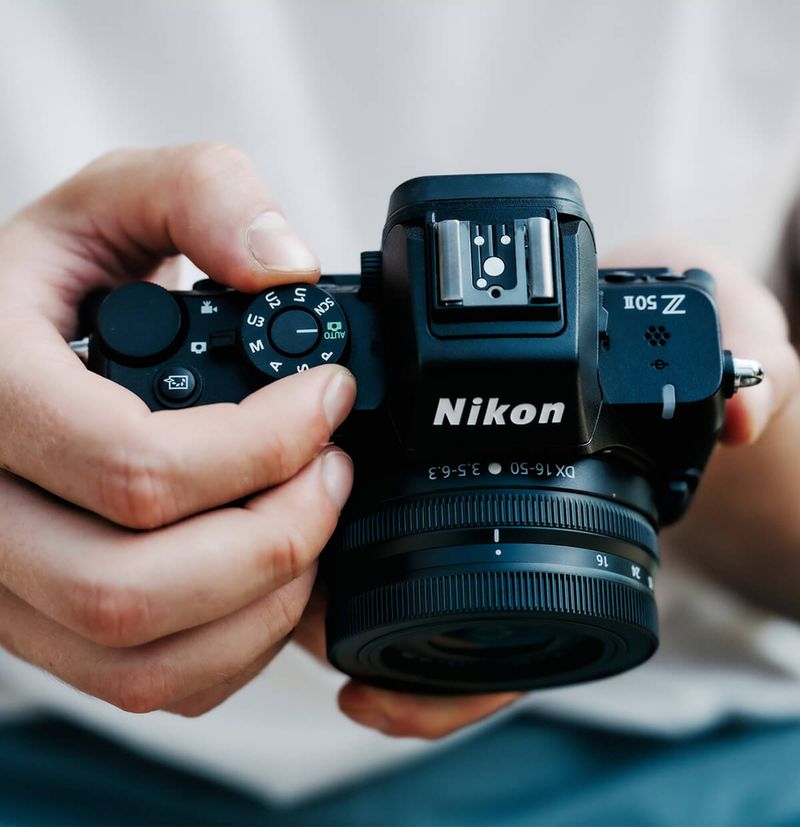
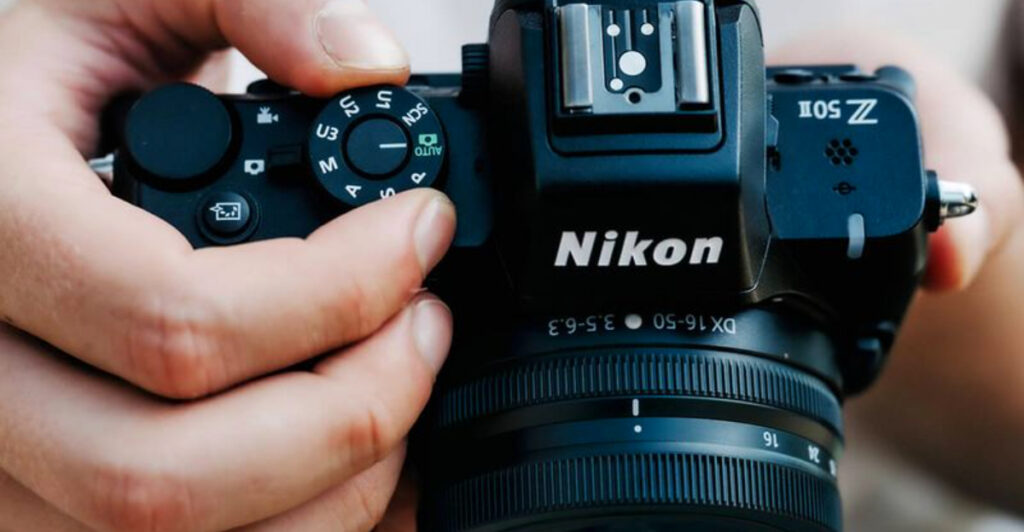
The Z50 II keeps Nikon’s dependable JPEG neutrality but adds fun style tools. A dedicated Picture Control button and expanded presets make it easy to explore looks without menus slowing you down.
You can start from Standard, then nudge contrast, saturation, and tone to taste.
Colors are balanced and consistent across scenes, making family photos and casual street work easy to trust. With the new presets, you can chase richer tones that hint at film while retaining Nikon’s accuracy.
Faces look natural, skies keep gradient detail, and foliage avoids harsh edge oversharpening.
The pleasant surprise is how quickly you can shape a repeatable look. Save a custom profile and recall it for weekends, travel, or low light evenings.
The JPEGs respond predictably, so small in camera tweaks go a long way without breaking skin tones.
If you prefer a straight base, leave it neutral and publish as is. Want more mood?
Push the presets toward warmer shadows and tamed highlights for a subtle, cinematic vibe. Either way, you get reliable files that do not demand editing, plus room to experiment when inspiration strikes.
Fujifilm GFX100S II — Medium Format JPEG Depth & Detail

The GFX100S II proves that medium format magic shows up in JPEGs too. Tonal transitions are buttery, dynamic range is generous, and detail feels effortless rather than etched.
Film simulations gain extra grace here, with Nostalgic Neg and Classic Chrome singing on skin, fabric, and foliage.
Highlights breathe, not clip, and shadows hold quiet texture you can feel. Color depth is impressive without shouting, so portraits look dimensional and landscapes feel grand.
Even at higher ISO, noise reads refined, more like a gentle grain veil than digital grit.
For editorial and print work, straight files often look publishable with minimal adjustments. The camera’s rendering respects subtle color relationships that keep complex scenes believable.
It turns quick location shoots into confident deliveries when time is tight.
What surprised me most was how often the JPEG looked like a graded file. The larger sensor gives simulations room to stretch, so you get depth and presence in a single click.
If you want photographs that carry authority straight out of camera, this is the calm powerhouse that walks onto set already dressed.