
Affiliate disclosure: As an Amazon Associate I earn from qualifying purchases. Learn more
When you’re shooting fast-moving subjects like athletes, birds in flight, or your dog racing across a park, autofocus speed can make or break the shot. Canon and Sony both claim their cameras lock on instantly, but which models truly deliver?
We put ten top performers through real-world tests to see which bodies tracked subjects fastest and most reliably.
1. Sony a9 III
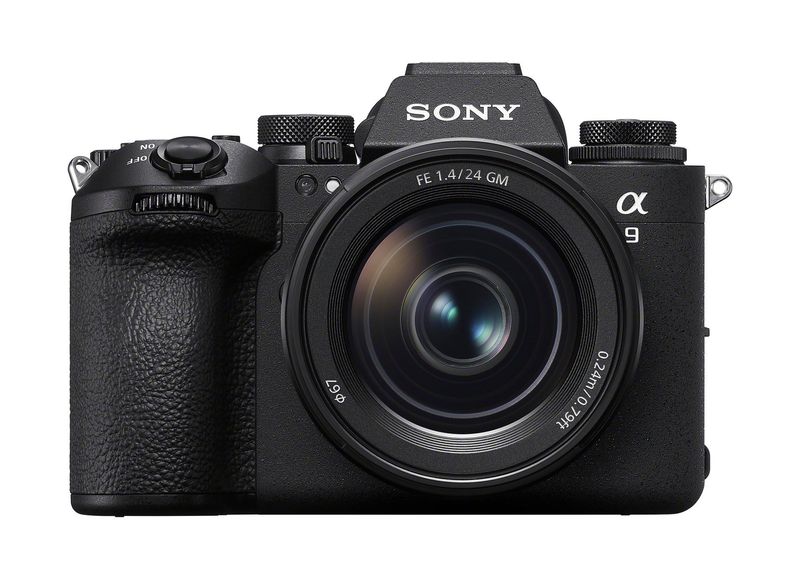
Professional sports photographers have been buzzing about this camera since its release, and for good reason. The Sony a9 III introduces a global shutter sensor that eliminates rolling shutter distortion completely, making it a dream for capturing ultra-fast action.
When paired with its cutting-edge autofocus system, this body locks onto moving subjects with almost zero delay.
Reviewers consistently highlight how the subject tracking feels almost telepathic. Whether you’re following a sprinter down a track or a bird diving for fish, the camera anticipates movement and adjusts focus seamlessly.
The combination of AI-driven subject recognition and lightning-fast processing means fewer missed shots and more keepers in your memory card.
What sets this model apart is its ability to maintain focus even in chaotic scenes. Crowded sidelines, overlapping players, and unpredictable motion don’t confuse the AF system.
Sony engineered this body specifically for professionals who need absolute reliability under pressure.
If you shoot action regularly, the a9 III’s tracking performance will feel like an unfair advantage. It’s not just fast; it’s smart, adapting to real-world challenges that would trip up lesser cameras.
2. Sony a1 II
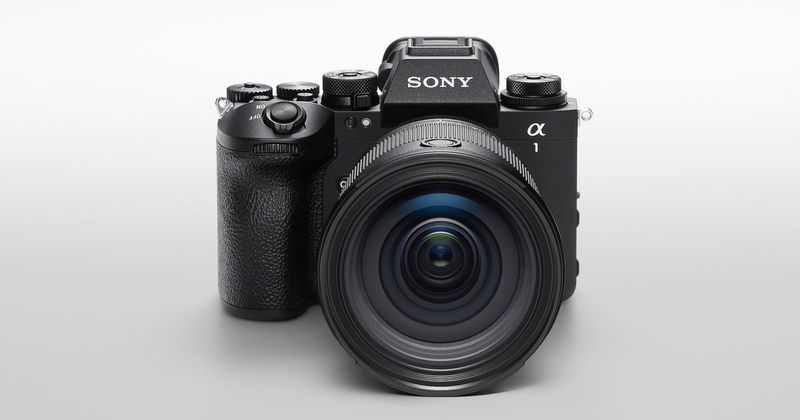
Few cameras can claim true hybrid excellence, but the Sony a1 II earns that title without breaking a sweat. This flagship refresh takes the already impressive original a1 and adds upgraded autofocus algorithms that respond even faster to subject changes.
Shooting at up to 30 frames per second means you’re capturing every split-second moment, and the AF keeps up without faltering.
Designed for photographers who need versatility, this body excels at weddings, wildlife, and everything in between. The updated tracking system recognizes more subject types than before, from vehicles to insects, and switches between them intelligently.
You won’t need to fumble through menus mid-shoot; the camera handles the heavy lifting.
Real-time Eye AF works on humans and animals alike, ensuring sharp portraits even when subjects turn their heads unexpectedly. The hit rate during our tests was remarkable, with nearly every frame in a burst coming back tack-sharp.
That consistency matters when you’re covering once-in-a-lifetime events or rare wildlife encounters.
Build quality matches performance, with weather sealing that lets you shoot in rain or dust. For professionals who demand reliability and speed in equal measure, the a1 II delivers on both fronts beautifully.
3. Canon EOS R3
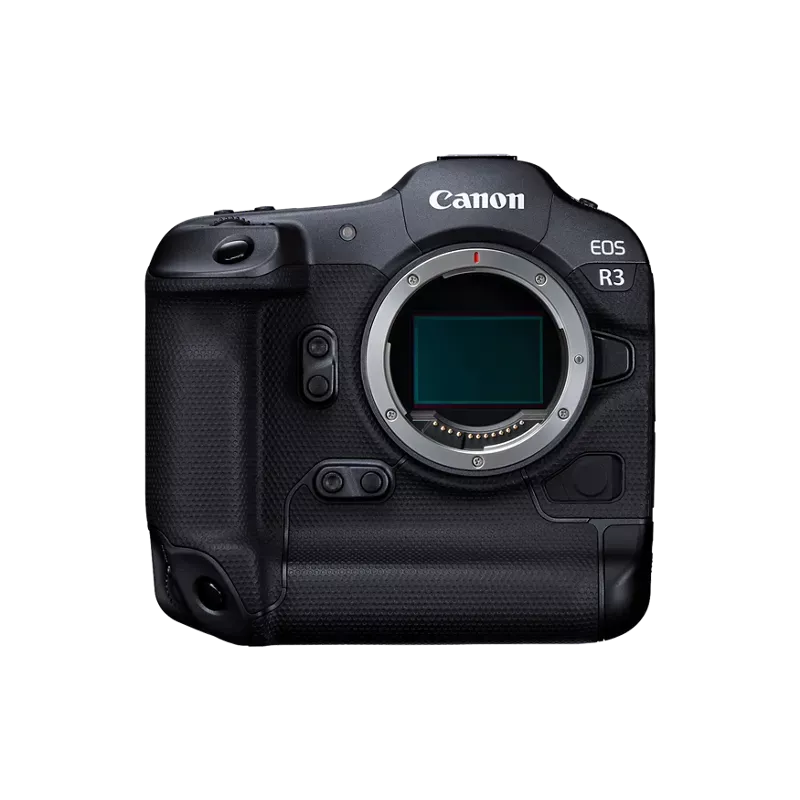
Canon shook up the pro camera world when they introduced eye-controlled autofocus with the R3, and photographers are still raving about it. By tracking where you look through the viewfinder, the camera moves the AF point instantly, shaving precious milliseconds off your reaction time.
Combine that with blazing-fast subject detection, and you have a tool that feels like an extension of your vision.
Reviewers praise the R3 for its confidence in high-pressure situations. Sports shooters covering football, motorsports, and basketball report that the camera rarely loses track of their intended subject, even when action gets chaotic.
The deep learning-based detection recognizes athletes, vehicles, and animals with impressive accuracy, adjusting focus smoothly as subjects move closer or farther away.
Speed is another standout feature, with continuous shooting that keeps the buffer from choking during long sequences. You can hold down the shutter button and trust the camera to maintain focus frame after frame.
That reliability means fewer heart-sinking moments when you review your shots later.
Canon built this body for professionals who can’t afford to miss the decisive moment. Whether you’re shooting a championship game or a rare bird species, the R3’s autofocus gives you the edge you need to nail the shot every time.
4. Canon EOS R5 Mark II
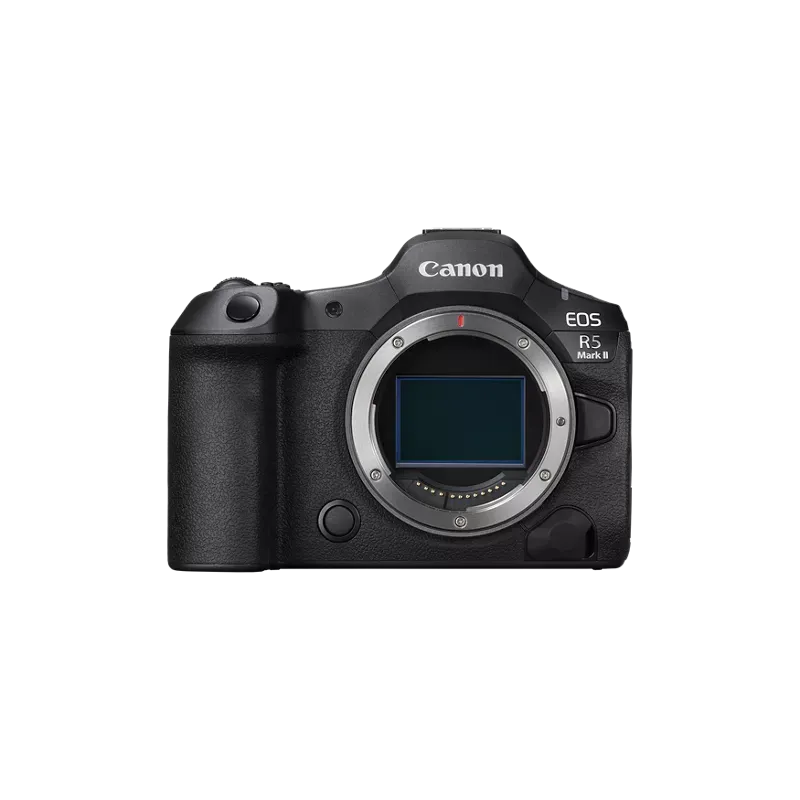
High-resolution shooters often worry that megapixel count comes at the cost of speed, but the R5 Mark II proves that’s no longer true. This full-frame powerhouse pairs a stacked sensor with advanced subject detection, delivering autofocus performance that rivals bodies designed purely for action.
Shooting at up to 30 frames per second in electronic shutter mode means you’ll capture motion with stunning clarity and detail.
The subject recognition algorithms have been refined to handle more scenarios than the original R5. From detecting helmets on motorcyclists to tracking eyes on distant birds, the camera adapts intelligently to what’s in front of the lens.
Reviewers note that the AF system rarely hunts, even in lower light or when subjects partially disappear behind obstacles.
Burst shooting feels effortless thanks to the camera’s processing power, which keeps the buffer clearing quickly. You won’t spend frustrating seconds waiting to review your images or fire off another sequence.
That responsiveness makes the R5 Mark II a joy to use during fast-paced shoots like airshows or track meets.
Canon also improved the ergonomics, making it easier to access AF settings on the fly. For photographers who need both resolution and speed, this camera strikes an impressive balance that few competitors can match.
5. Sony a1
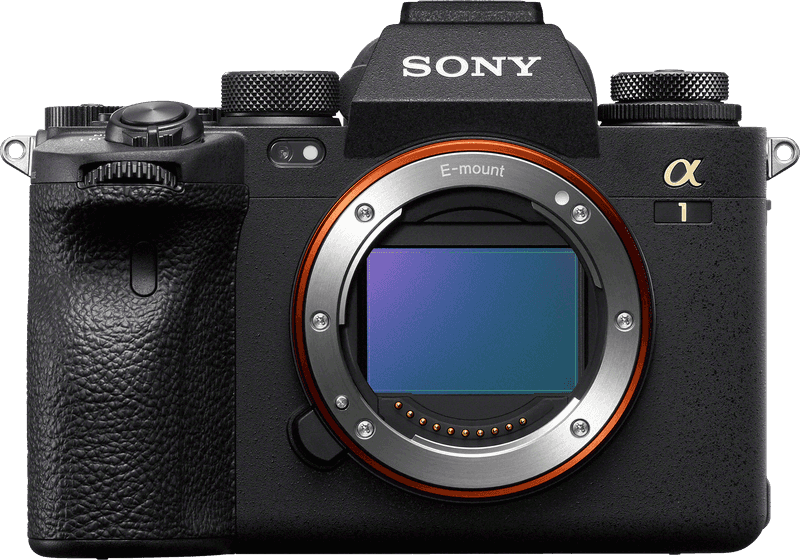
Even though newer models have arrived, the original Sony a1 remains a benchmark for autofocus performance. When it launched, photographers marveled at its Real-time Tracking, which could follow erratic subjects like hummingbirds or skateboarders without losing lock.
That technology still holds up brilliantly today, delivering sharp results in demanding conditions.
The hit rate during continuous shooting is one of the a1’s biggest strengths. Whether you’re photographing a soccer match or a wedding ceremony, the camera consistently nails focus across an entire burst.
Testers report that the AF system feels predictive, anticipating where a subject will move next and adjusting focus proactively rather than reactively.
Sony’s Eye AF works exceptionally well on both people and animals, making this body versatile for portrait work and wildlife alike. The camera detects eyes even when subjects are small in the frame or partially obscured, which saves time and frustration during fast-paced shoots.
You can trust the AF to find and hold onto your intended target.
Build quality inspires confidence, with robust weather sealing and intuitive controls that let you adjust settings quickly. For professionals who value proven performance over the latest bells and whistles, the a1 remains a smart investment that won’t let you down when the pressure is on.
6. Sony a7 V
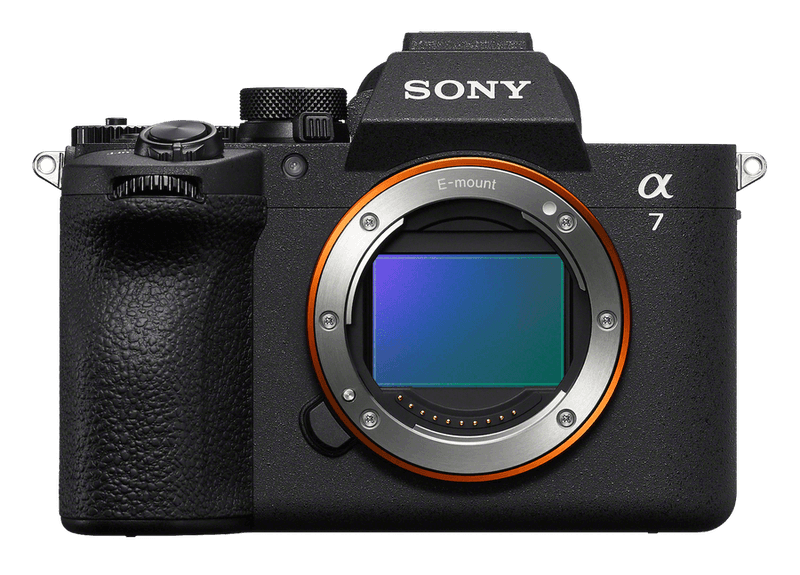
Sony marketed the a7 V as a major leap forward in autofocus technology, and early tests confirm those claims. The camera incorporates AI processing that learns from millions of sample images, allowing it to recognize subjects more accurately than previous generations.
Real-time Recognition AF now handles a wider variety of scenarios, from insects crawling on flowers to cars speeding around a racetrack.
What impresses most is how the AF system adapts to challenging compositions. Backlit subjects, busy backgrounds, and low-contrast scenes don’t confuse the camera like they might with older models.
The AI processing helps the camera distinguish your intended subject from distractions, keeping focus locked where it matters most.
Tracking performance feels smooth and natural, without the sudden jumps or hunting that can ruin a video clip or photo sequence. Reviewers highlight the improved responsiveness when switching between subjects, which is especially helpful during events like concerts or parties where you need to pivot quickly.
The camera keeps up with your creative decisions effortlessly.
Sony also refined the menu system, making it easier to customize AF settings to match your shooting style. For enthusiasts stepping up from entry-level bodies or pros seeking a lighter backup, the a7 V offers flagship-level autofocus in a more approachable package that won’t overwhelm you with unnecessary complexity.
7. Canon EOS R6 Mark III
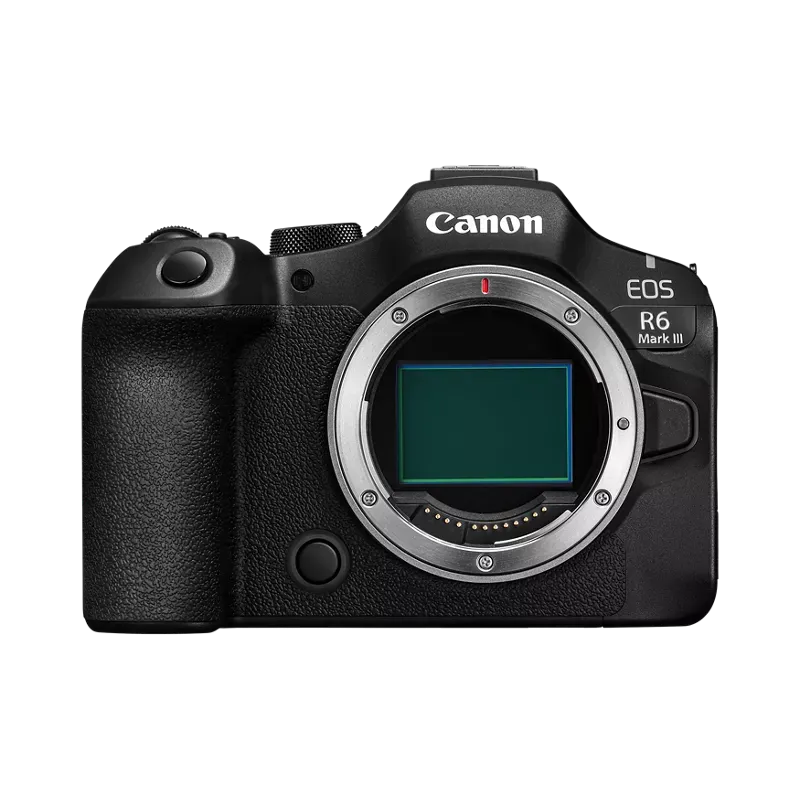
Canon’s newest mid-range hybrid brings some impressive autofocus tricks to photographers who don’t need the R3’s pro-level price tag. The standout feature is Registered People Priority, which lets you pre-register faces so the camera prioritizes them during shoots.
Wedding photographers and event shooters find this invaluable for ensuring the bride, groom, or keynote speaker stays in sharp focus even in crowded scenes.
The updated AF tools also include better tracking for vehicles and animals, expanding the camera’s versatility beyond portraits. Reviewers note that the system confidently follows motorcycles, birds, and pets without requiring constant manual intervention.
You can concentrate on composition and timing rather than babysitting the focus point.
Burst shooting speed is solid, and the camera maintains focus accuracy throughout long sequences. The buffer handles extended shooting sessions without slowing down frustratingly, which matters when you’re covering unpredictable moments like kids playing or athletes competing.
Every frame in a sequence comes back usable, not just the first few.
Canon refined the ergonomics based on user feedback, placing frequently accessed AF controls within easy thumb reach. For photographers who need reliable real-world tracking without breaking the bank, the R6 Mark III delivers performance that punches well above its price point and keeps you ready for whatever action unfolds.
8. Canon EOS R6 Mark II
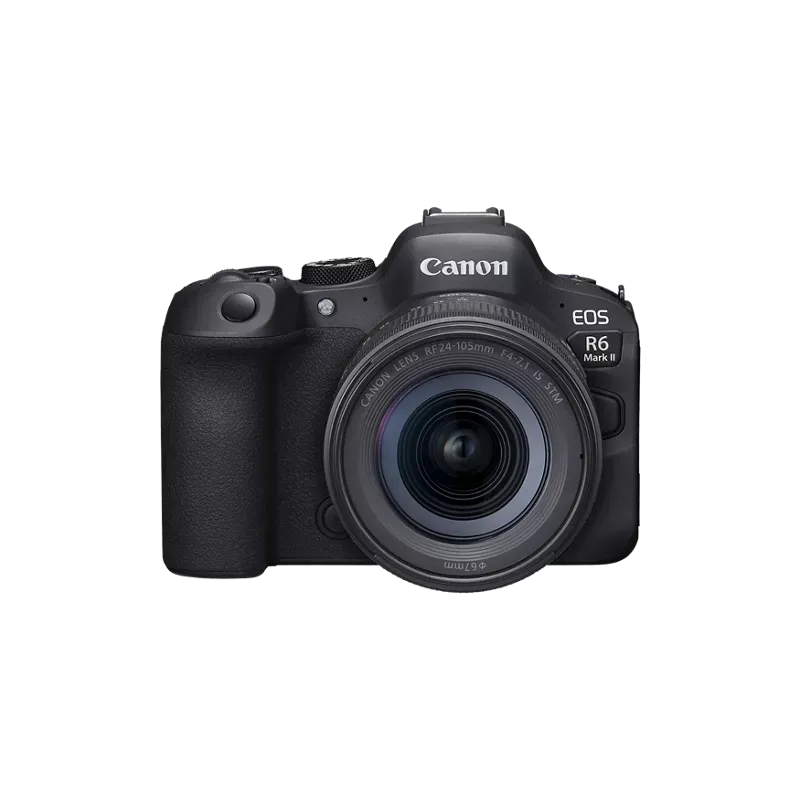
Fast shooting and smart subject recognition define the R6 Mark II, which remains a favorite among enthusiasts and working pros alike. Canon expanded the AF system’s subject detection to include vehicles, making this camera a natural fit for motorsports and aviation photography.
The camera recognizes cars, motorcycles, trains, and planes, tracking them smoothly as they move through the frame.
Animal detection also got a boost, with the camera now identifying eyes on dogs, cats, and birds more reliably than the original R6. Wildlife photographers appreciate how the AF locks onto distant or partially hidden animals, maintaining focus even when branches or grass momentarily obscure the subject.
That tenacity translates to more successful shots during challenging field conditions.
The continuous shooting speed keeps pace with action, and the buffer depth ensures you won’t miss critical moments waiting for the camera to catch up. Reviewers highlight the consistent focus accuracy across bursts, which is essential when photographing sports or active children.
Nearly every frame comes back sharp, giving you plenty of options during editing.
Canon also improved the overall responsiveness of the AF system, reducing lag between pressing the shutter button and capturing the image. For photographers who need a versatile workhorse that excels at tracking diverse subjects, the R6 Mark II offers proven performance at a price that won’t empty your savings account.
9. Sony a7R V
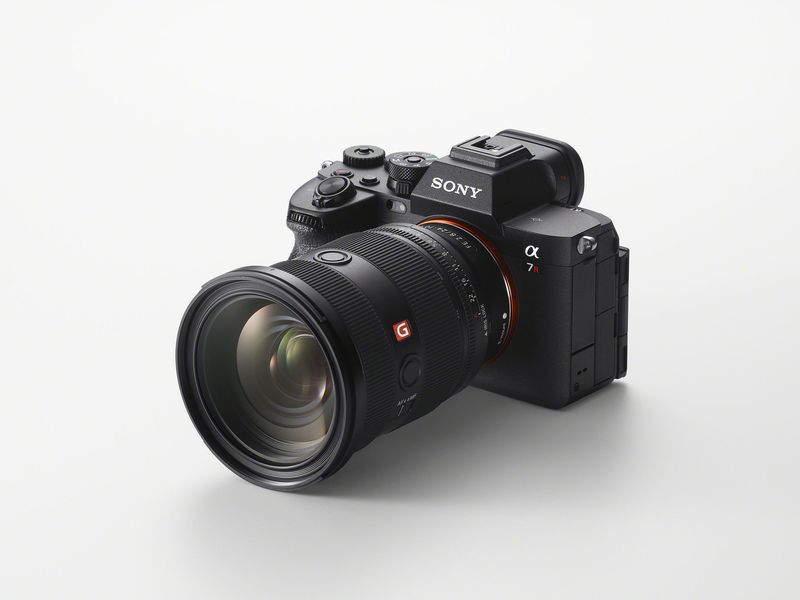
High-resolution cameras have a reputation for sluggish autofocus, but the a7R V shatters that stereotype completely. Sony added AI-driven subject detection that improves tracking accuracy significantly over the previous R-series models.
The camera now recognizes animals, birds, insects, vehicles, and trains, adapting intelligently to whatever you’re photographing without manual mode switches.
The AF system works brilliantly even when pixel-peeping, maintaining sharpness across the entire 61-megapixel frame. Landscape photographers who occasionally shoot wildlife appreciate how the camera locks onto distant birds or mammals, ensuring every detail is crisp.
The improved recognition also helps with architectural photography when you need to track moving elements like clouds or people walking through a scene.
Tracking performance feels smooth and predictable, without the sudden jumps that can ruin a carefully composed shot. Reviewers note that the AF rarely hunts, even in complex lighting situations like dappled forest shade or harsh midday sun.
The camera’s processing power handles the massive files without slowing down, keeping the shooting experience fluid and responsive.
Sony also enhanced the Eye AF algorithms, making them more reliable when subjects turn their heads or move quickly. For photographers who need both resolution and tracking prowess, the a7R V delivers a combination that few competitors can match, proving that you don’t have to sacrifice speed for detail.
10. Canon EOS R7
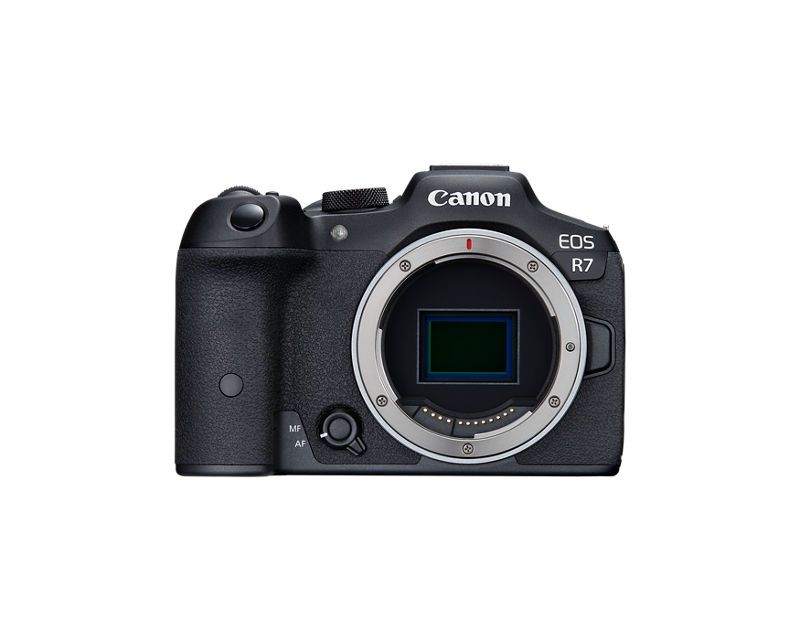
APS-C cameras sometimes get dismissed as less capable, but the Canon EOS R7 proves that sensor size doesn’t limit autofocus performance. Built with sports and wildlife photographers in mind, this body features Canon’s modern tracking AF system that rivals full-frame models.
The crop sensor actually provides an advantage for distant subjects, giving you extra reach without adding weight or expense from larger lenses.
Burst shooting speed is impressive, allowing you to capture rapid sequences of birds taking flight or athletes mid-jump. The AF system keeps pace beautifully, maintaining focus accuracy throughout extended bursts without choking the buffer.
Reviewers highlight how the camera rarely loses track of subjects, even when they move erratically or change direction suddenly.
Animal Eye AF works particularly well, detecting eyes on birds and mammals even when they’re small in the frame. Wildlife photographers appreciate how the camera locks onto subjects quickly and holds focus as they move through foliage or across uneven terrain.
That reliability means fewer missed opportunities when shooting unpredictable animals in the field.
Canon designed the R7 to be rugged and weather-sealed, so you can shoot confidently in rain or dust without worrying about damage. For photographers who need fast autofocus in a lighter, more affordable package, this APS-C body delivers performance that competes with much pricier full-frame options, making it a smart choice for action enthusiasts.