
Affiliate disclosure: As an Amazon Associate I earn from qualifying purchases. Learn more
Choosing your first camera should feel exciting, not confusing. We tested popular Canon and Sony bodies side by side to see which ones actually make learning effortless.
From friendly menus to autofocus that nails the shot, these picks keep you focused on creativity instead of dials. If you want great photos fast with room to grow, start here.
Canon EOS R50 — Best All-Around Beginner Mirrorless
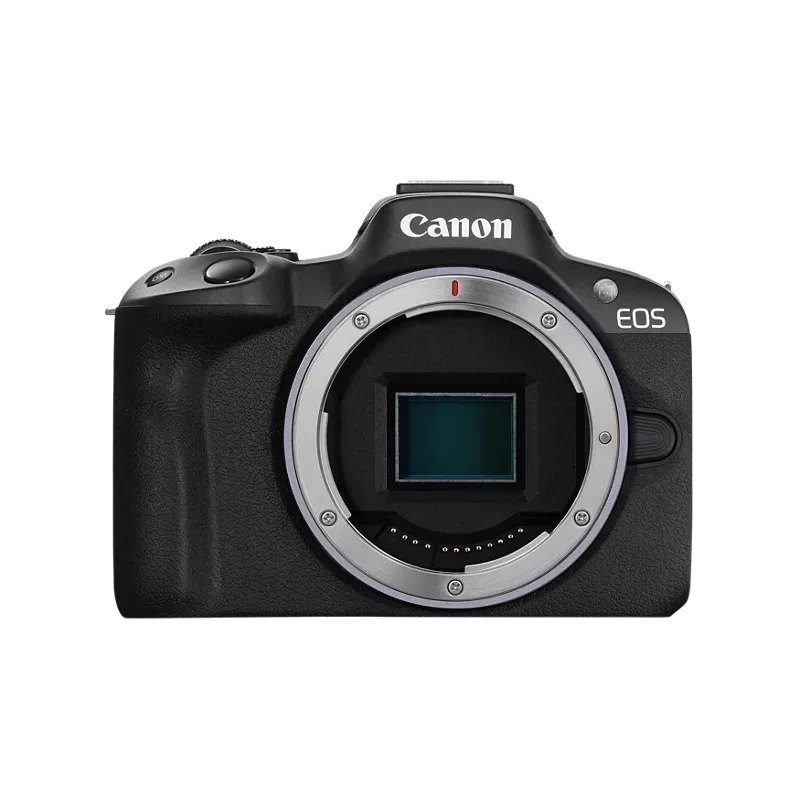
The Canon EOS R50 feels instantly approachable, with menus that read like coaching rather than jargon. You get a 24.2 MP APS-C sensor that produces crisp images and detailed 4K video, plus Dual Pixel autofocus that sticks to faces and subjects confidently.
The grip is comfy, buttons are sensible, and the touchscreen keeps you moving without digging through deep settings.
Guided modes explain what each choice will do, so you learn by doing instead of guessing. Bluetooth and Wi-Fi make sharing to your phone painless, which keeps momentum high when you are excited about a shot.
The kit lenses are light and affordable, and the camera balances well for travel, family events, or casual street sessions.
As skills grow, you can explore customizable controls, advanced AF options, and Canon’s expanding RF-S lens lineup. Beginners appreciate that it rarely misfocuses, and the colors look natural straight out of camera.
In short, the R50 is easy on day one and still rewarding on day one hundred. That mix of confidence, clarity, and capability is why it keeps topping beginner lists and remains a standout pick.
Canon EOS R100 — Easiest Entry Point & Budget-Friendly
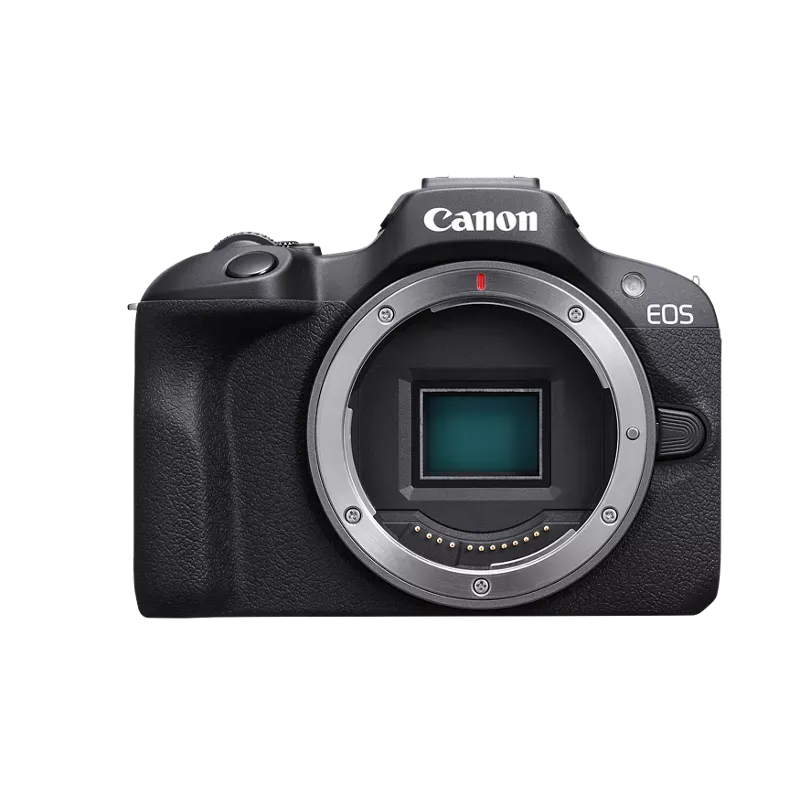
The Canon EOS R100 is built for straight-out-of-the-box success. Its 24.1 MP APS-C sensor delivers dependable detail, and Dual Pixel autofocus keeps focus where you want it without fuss.
Automatic and scene modes simplify choices, so you can point, shoot, and actually enjoy the moment rather than wrestling with settings.
The RF-S 18-45mm kit lens covers everyday needs, from wide cityscapes to friendly portraits. The camera is lightweight, so it never feels like a chore to bring along.
Bluetooth and Wi-Fi transfers make posting quick wins easy, which is motivating when you are learning and want instant feedback from friends or clients.
As confidence grows, Creative Assist nudges you to try background blur or color tweaks while still explaining what is happening. Battery life is solid for day trips, and the grip feels secure for smaller hands.
You will not get every premium feature, but that is the point. The R100 ditches distractions and keeps the path clear, making it one of the most reassuring and budget-friendly beginner options available today.
Sony ZV-E10 II — Best Sony for Easy Learning & Video
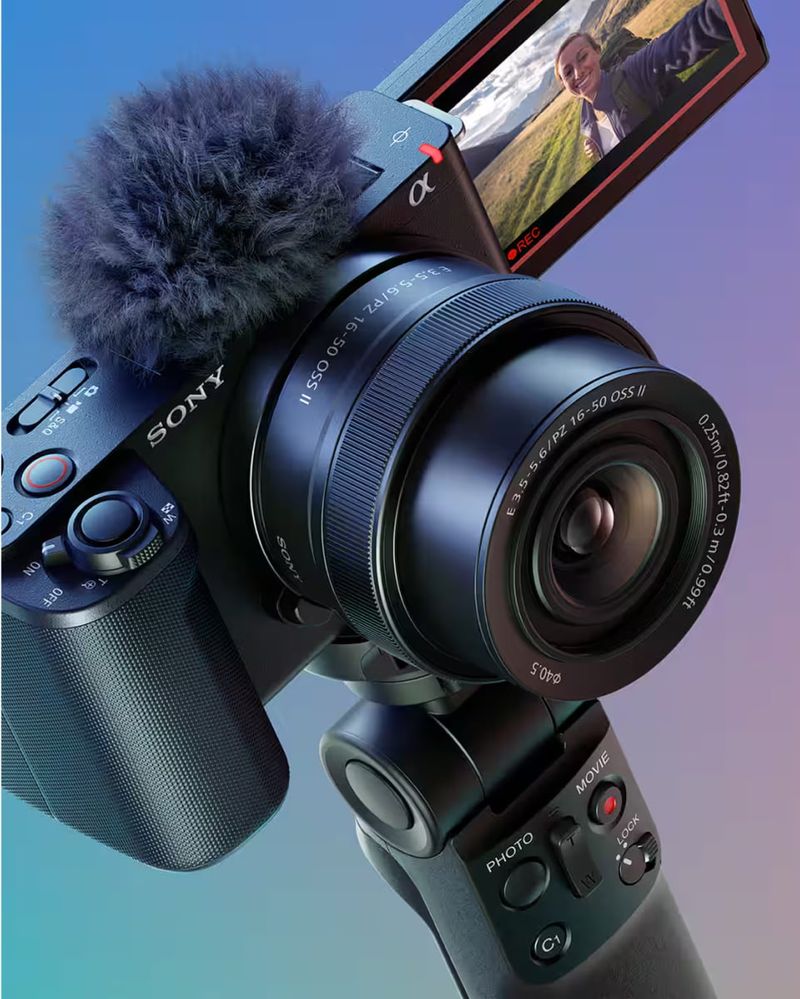
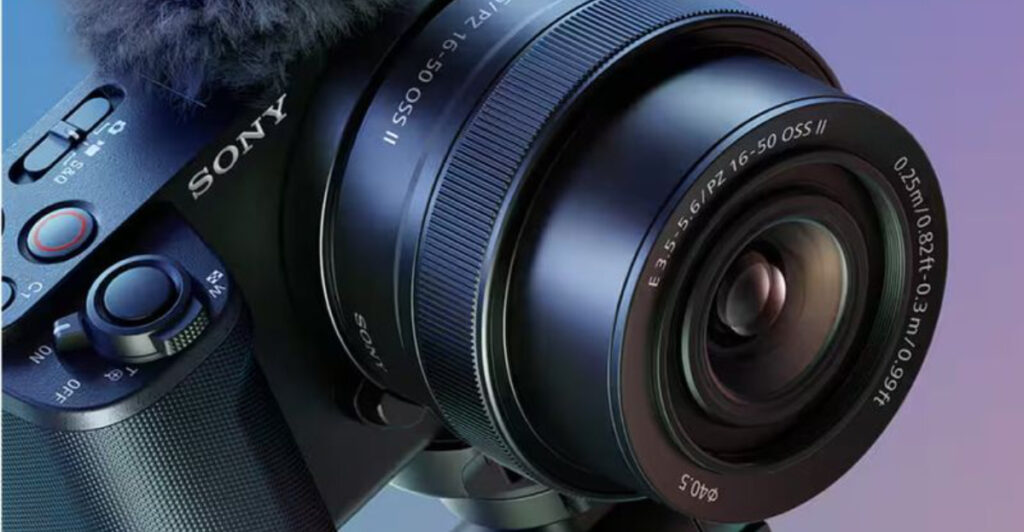
The Sony ZV-E10 II makes starting video and photo creation feel natural. Its APS-C sensor and improved autofocus find faces quickly, while the fully articulating screen lets you frame yourself without guesswork.
Touch menus are friendlier than older Sony bodies, and dedicated creator features keep the process smooth.
Product showcase mode shifts focus to items you hold up, and background defocus gives quick bokeh without digging into aperture math. The camera stabilizes handheld clips reasonably well, and the built-in mic with wind screen helps you sound clean on the go.
Auto modes are smart, so you can shoot confidently even when the light changes.
When ready, you can dive deeper into picture profiles, tracking options, and custom buttons. Connectivity is fast for phone transfers, which is great for posting right after filming.
It is a forgiving tool that rewards curiosity and makes learning fun. If video matters and you want Sony’s AF magic with a beginner-friendly layout, this is the easiest on-ramp in the lineup.
Sony ZV-E10 — Easy Mirrorless Classic for Content Creators
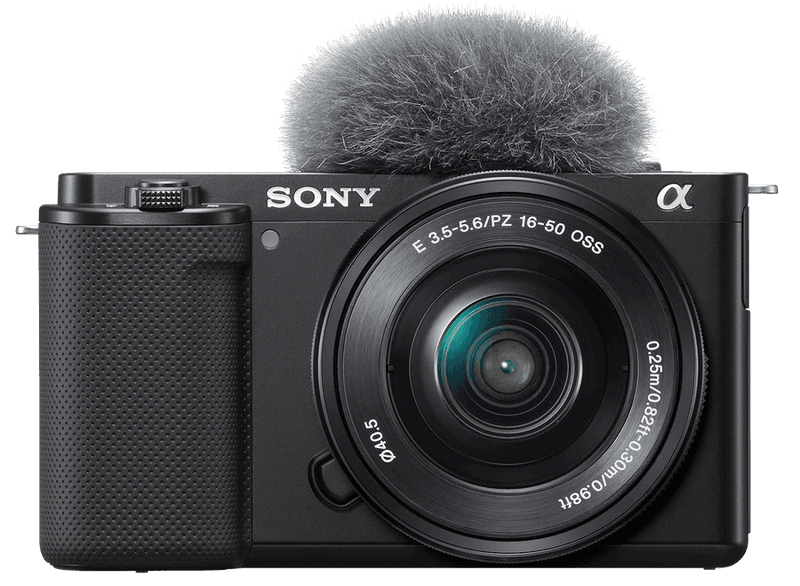
The original Sony ZV-E10 still earns trust because it makes content creation simple. An APS-C sensor brings pleasing detail, and Sony’s autofocus locks onto eyes and faces with minimal input.
The fully articulating screen and tactile buttons help you move quickly, whether you are filming a talking head or grabbing casual photos.
Creator-focused modes like product showcase and face priority reduce menu dives. Background defocus gives instant separation, perfect for quick social clips.
The menu is simpler than Sony’s enthusiast cameras, and the camera pairs easily with a phone for fast posting. Battery life holds up for short shoots, and the body stays lightweight for travel.
As you learn, you can add a better mic, try different lenses, and experiment with color profiles. It is not the newest, but it remains a dependable classic that beginners find unintimidating.
You get a friendly starting point without sacrificing capability. If you want a proven, budget-conscious entry to Sony’s ecosystem, the ZV-E10 still delivers an easy path.
Canon EOS R10 — Intuitive Step-Up for Learning Photographers
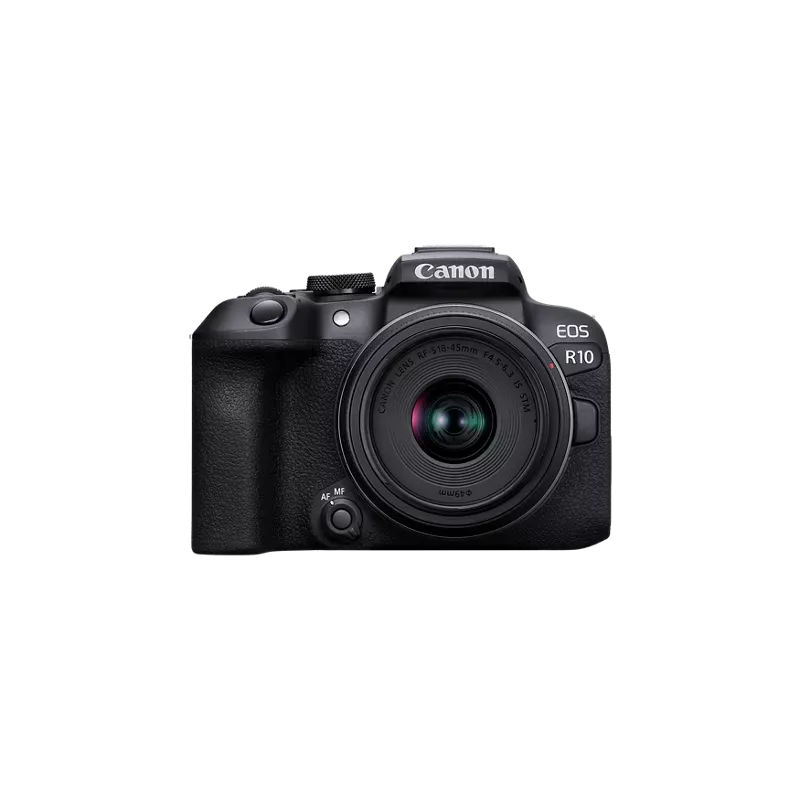
The Canon EOS R10 bridges beginner ease with room to grow. Its APS-C sensor and Dual Pixel AF deliver sharp results, and the burst speeds make it fun to capture action without missing moments.
The articulated touchscreen and clear menus encourage experimentation while keeping navigation friendly.
Auto modes are reliable, but the camera invites you to try manual tweaks with helpful explanations. 4K video looks clean, and subject tracking stays sticky for pets, kids, and street scenes. Ergonomics are thoughtful, with a grip that inspires confidence and dials placed where fingers naturally rest.
As skills progress, custom functions and advanced AF areas wait to be explored. The RF lens ecosystem provides affordable options alongside future upgrades, so you do not outgrow the system quickly.
It is a smart step-up that still feels inviting on day one. Beginners who want a forgiving camera that also rewards curiosity will find the R10 a satisfying long-term pick.
Canon EOS Rebel SL3 / EOS 250D — Simple DSLR Entry Path
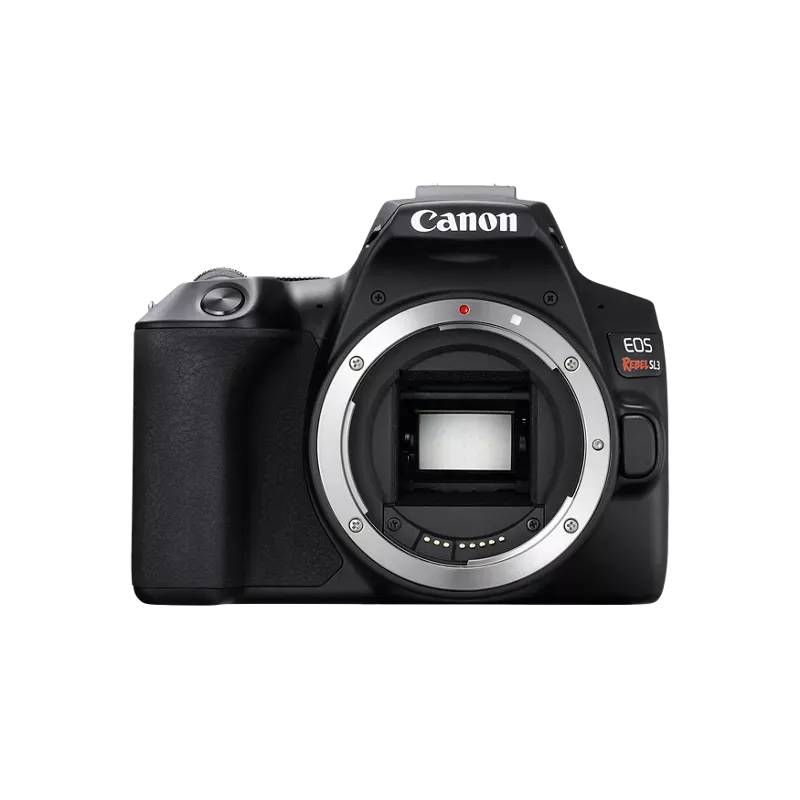
The Canon EOS Rebel SL3, also called EOS 250D, offers a friendly DSLR route with an optical viewfinder and familiar controls. Guided User Interface and Creative Assist explain exposure and composition with on-screen tips that make theory click.
The body is compact for a DSLR, so it feels approachable instead of bulky.
Autofocus is confident for daily moments, and the touchscreen interface keeps navigation quick. Battery life is strong, letting you practice for hours without worry.
The 18-55mm kit lens handles everyday scenes well, and colors look pleasing straight out of camera for minimal editing.
If you prefer a clear optical view rather than a screen, this camera keeps distractions down and stability up. While mirrorless dominates today, the SL3’s straightforward learning tools still shine for first-timers.
You can grow into manual modes at your pace and add lenses gradually. It is a comfortable, structured way to learn fundamentals while producing reliable results you will be proud to share.