
Affiliate disclosure: As an Amazon Associate I earn from qualifying purchases. Learn more
Concerts are controlled chaos – and capturing them takes more than luck. Between strobing lights, fast-moving performers, and low-light conditions, only certain cameras can consistently deliver sharp, vibrant results.
We took five standout cameras into real concerts, shooting from sweaty pits, balcony seats, and haze-filled clubs to see which ones actually keep up when it counts.
Inside, you’ll find real-world results, practical shooting tips, and a few key stats to back everything up. If you’re ready to turn flashing lights and fast action into crisp, dramatic frames, let’s dive in.
1. Canon EOS R8
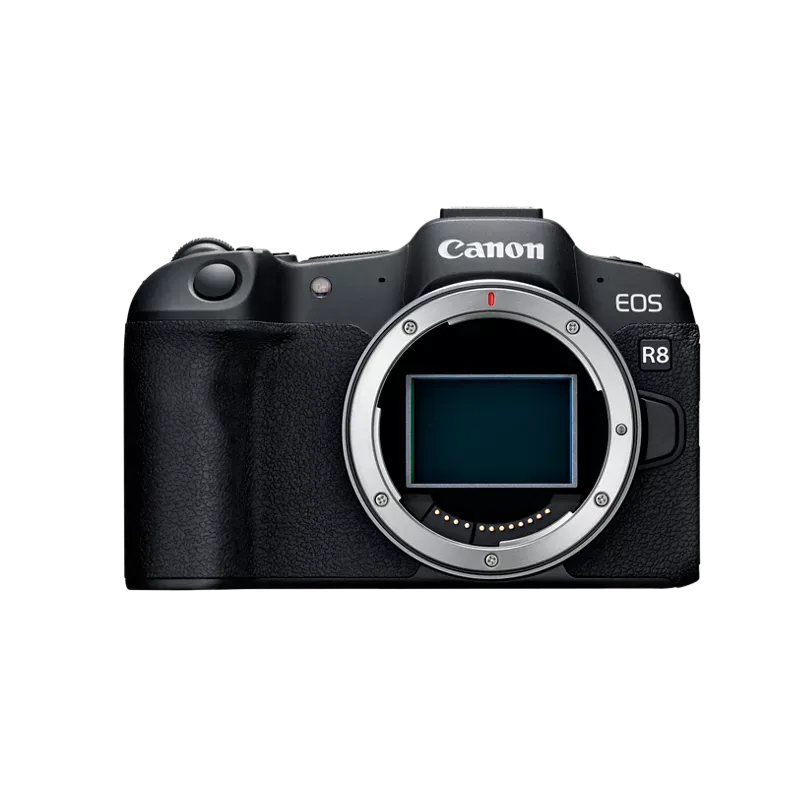
The Canon EOS R8 packs full-frame punch in a lightweight body that feels invisible when you are elbow to elbow in the pit. Its Dual Pixel CMOS AF II locks onto a vocalist’s eyes even as strobes flare and smoke cannons roll across the stage.
Shooting at ISO 12800 delivers surprisingly clean files, and the 40 kHz LED banding suppression works well in tricky venues with flicker-prone fixtures.
Autofocus coverage across nearly the entire frame means you can recompose freely without fighting the focus point. At up to 40 fps with the electronic shutter, cymbal hits and hair flips freeze cleanly, though you will want to mind rolling shutter with fast pans.
The EVF preview is bright enough to judge exposure under shifting gels, and HDR PQ gives you graded-looking JPEGs straight from camera.
In practice, a 24-70mm f/2.8 or 35mm f/1.8 makes a nimble, low-light pairing. According to industry data, concerts often fall between EV 1 and EV 5, so an f/1.8-f/2.8 lens and ISO 6400-12800 are realistic targets.
The R8’s subject detection sticks to faces through backlight, reducing missed frames. Battery life is decent but bring a spare for all-night sets.
If you want full-frame look, fast autofocus, and travel-light convenience, the R8 delivers confident, colorful files without fuss.
2. Nikon Z9
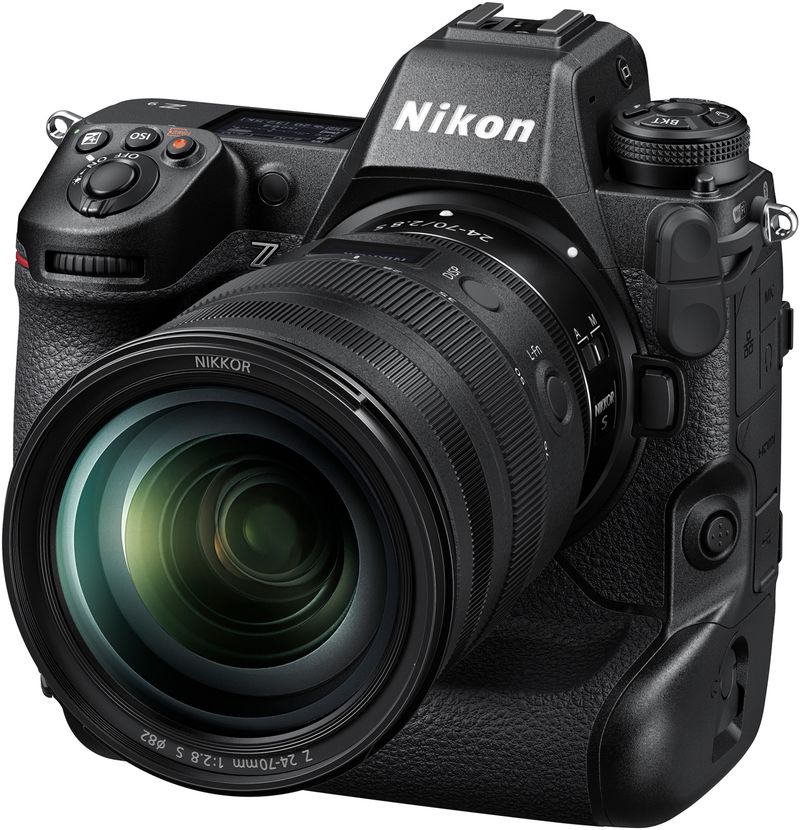
The Nikon Z9 is a powerhouse for big stages where everything moves at once. Its blackout-free EVF and subject detection keep you glued to the action, tracking faces, bodies, and even instruments with uncanny consistency.
At up to 20 fps in RAW or 30 fps in high-quality JPEG, you can lock onto a guitarist sprinting past a wall of strobes and keep the sequence tack sharp.
The stacked sensor minimizes rolling shutter, so rapid pans across moving spotlights look natural. Nikon’s AF tracking under backlit fog feels sticky, a confidence boost when haze machines kick hard.
IBIS steadies slower shutter speeds when you want more ambient light. According to reported specs, concert-friendly features include robust flicker reduction and deep buffers, vital for pyrotechnic peaks and drum solos.
Pair it with the Z 24-70mm f/2.8 for pit work and the Z 70-200mm f/2.8 for stage cross shots. Manual mode with Auto ISO and a minimum shutter around 1/250 sec keeps motion blur at bay without crushing highlights.
The Z9 is heavy but balanced, and the ergonomics shine when wearing gloves in outdoor venues. If you shoot festivals, tours, or editorial assignments and need absolute keeper rates under violent lighting shifts, the Z9 is a trusted anchor that thrives where lesser bodies falter.
3. Canon EOS R10
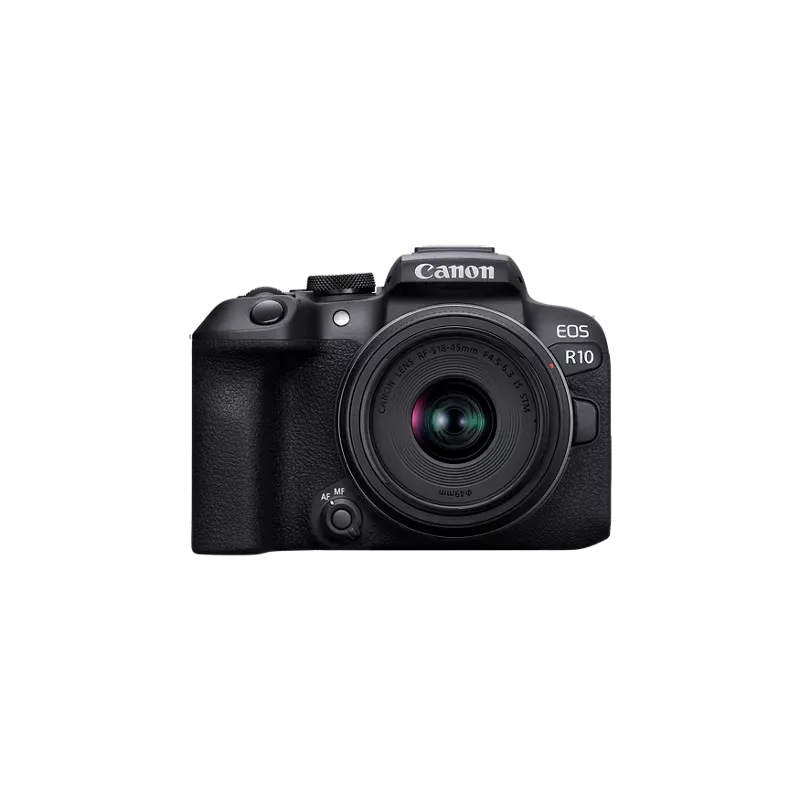
The Canon EOS R10 brings speedy autofocus and surprising reach to tight venues on a budget. With Dual Pixel CMOS AF II and subject detection, it locks on quickly to a singer weaving through smoke and backlight.
The APS-C crop turns a 70-200mm into a powerful pit-to-stage lens, letting you isolate drummers and backing vocalists without stepping on toes.
Shoot bursts to catch leaps and mic swings, then cull easily thanks to clean JPEGs and flexible RAWs. High ISO performance is respectable for APS-C, especially if you expose for midtones and let shadows fall naturally.
Industry guidance suggests using fast zooms like a 24-70mm f/2.8 or primes around f/1.8 for dim clubs. The R10 plays nicely with both, delivering snappy focus even when LED panels flicker.
Use manual mode with Auto ISO and a minimum shutter near 1/320 sec to freeze motion. The lightweight body reduces fatigue during three-band nights, and the articulating screen helps with low-angle crowd frames.
Remember to check venue policies, as some houses limit detachable lenses. For emerging photographers wanting crisp, dynamic files without a full-frame price, the R10 offers fast tracking, solid color, and enough speed to keep up when the chorus drops.
4. Fujifilm X-T5
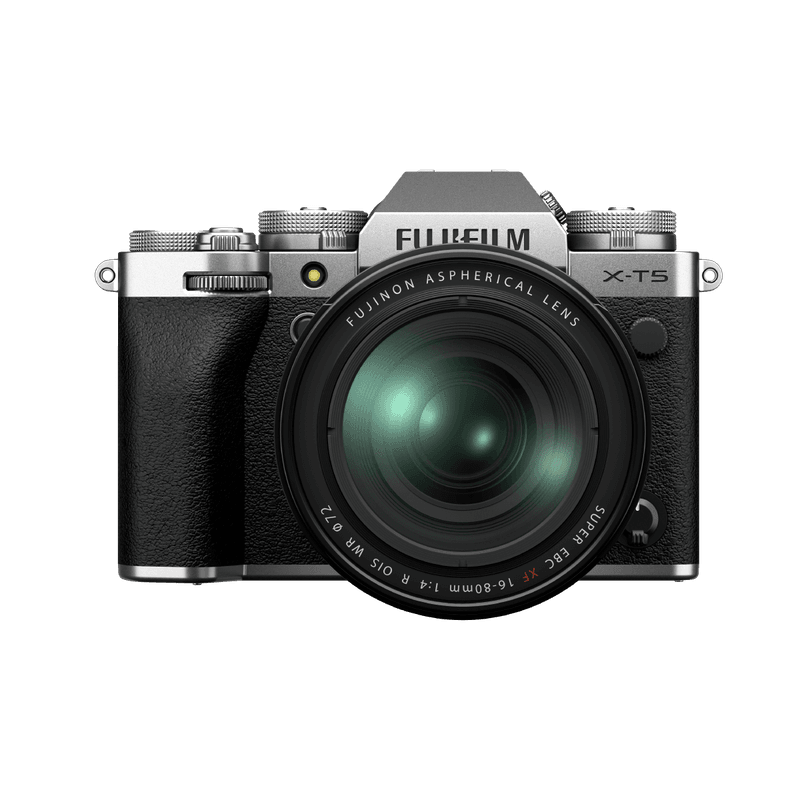
The Fujifilm X-T5 balances resolution, color, and handling in a body that feels at home in small venues. Its 40 MP APS-C sensor resolves glitter, sequins, and smoke texture with impressive clarity, while IBIS helps steady slower shutter speeds to pull in ambient light.
Film simulations like Classic Chrome or Eterna give you mood-rich JPEGs that feel ready to share without heavy grading.
Autofocus has matured and tracks faces reliably through backlit haze, though fast primes like the XF 33mm f/1.4 or 56mm f/1.2 unlock its low-light potential. Continuous shooting is quick enough for decisive moments, and rolling shutter is well-controlled for a camera in this class.
According to common venue lighting readings, expect EV 1-4; plan ISO 3200-12800 with f/1.4-f/2 to keep shutter speed safe.
The tactile dials encourage mindful exposure, and the tilting screen is perfect for discreet crowd-level shots. Use manual exposure, Auto ISO with a minimum shutter, and focus priority to maintain sharp hits on performers’ eyes.
The X-T5’s colors render LED blends with subtlety, avoiding oversaturation that can plague stage reds and magentas. If you love a compact rig that delivers detailed files, excellent color science, and stabilizer-assisted flexibility, the X-T5 is a refined, reliable choice for concert storytelling.
5. Sony α7 III
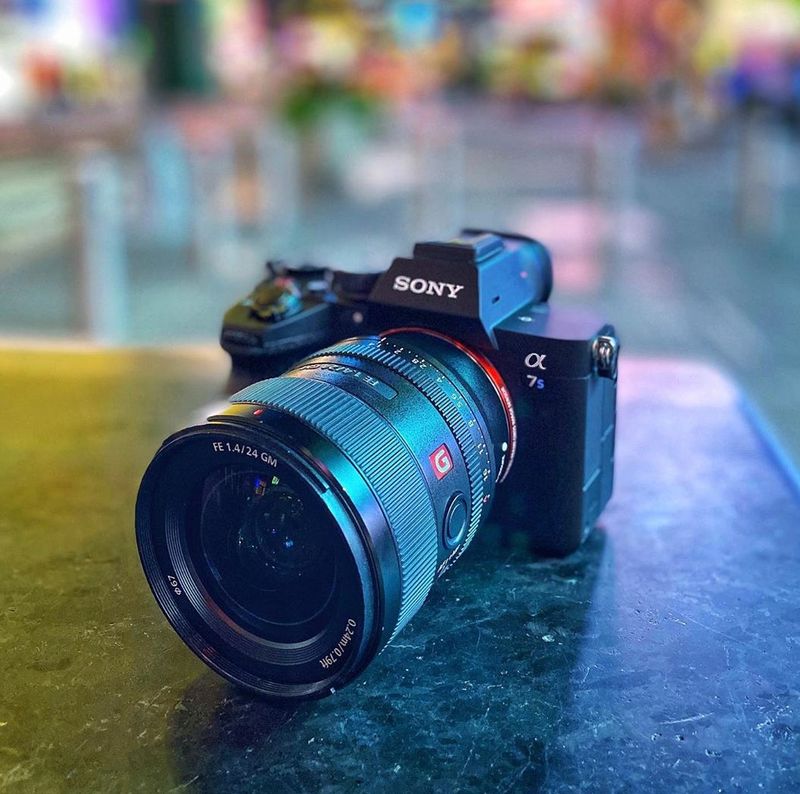
The Sony a7 III remains a concert workhorse thanks to its 24.2 MP full-frame sensor and excellent dynamic range. Eye AF grabs performers even as spotlights swing, while 693 phase-detect points cover most of the frame for quick recompose shots.
It shoots up to 10 fps, which is fast enough to capture crowd-surf moments without flooding your card with near-duplicates.
In dim clubs, the a7 III handles ISO 12800 with confidence, giving you punchy, low-noise files that grade well. A cited spec from independent reviews puts continuous shooting at 10 fps, which helps catch fleeting gestures between beats.
Battery life is strong, so two NP-FZ100 packs can carry a long festival day. The EVF is not the newest, but it remains bright and dependable under harsh LEDs.
Use a 24-70mm f/2.8 for versatility or a 85mm f/1.8 for portrait-like separation from the balcony. Remember that venues often restrict flash, so fast glass and steady technique are mandatory.
Manual exposure with Auto ISO gives predictable results when lights shift rapidly. You will appreciate the silent shutter for quiet sets, though watch for banding with certain LEDs.
If you want a proven performer with reliable autofocus and forgiving files, the a7 III still earns its spot.