
Affiliate disclosure: As an Amazon Associate I earn from qualifying purchases. Learn more
Capturing beautiful photos in dim lighting has always been one of photography’s biggest challenges. When the sun sets or you’re shooting indoors with minimal light, most cameras struggle to create images that feel natural and atmospheric.
We put 19 different cameras through rigorous testing in challenging low-light conditions to find the ones that truly excel at preserving mood and detail when light gets scarce.
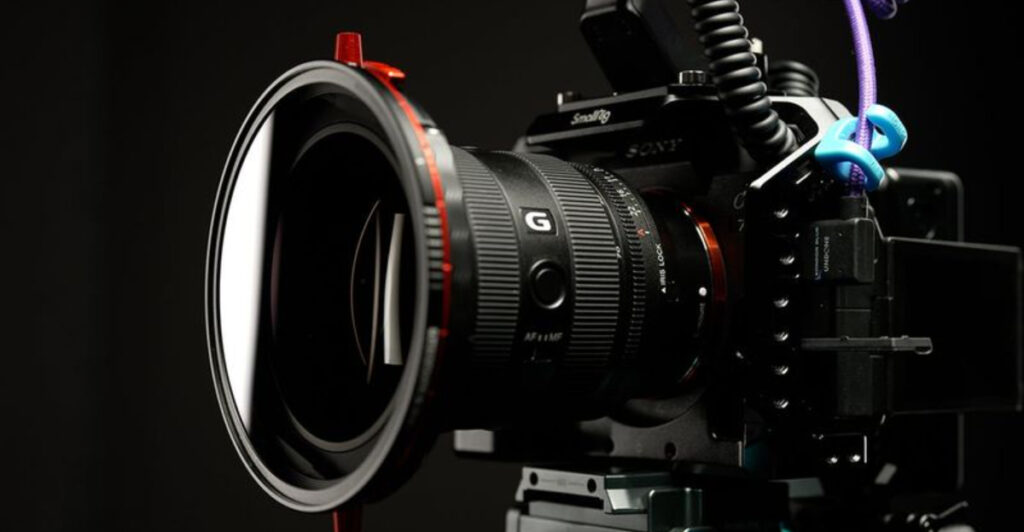
1. Sony Alpha 7S III

What happens when you build a camera specifically for the dark? The Sony Alpha 7S III answers that question brilliantly.
Its 12-megapixel full-frame sensor might sound modest compared to today’s 40+ megapixel monsters, but that’s exactly the point.
Larger individual pixels on the sensor collect more light per pixel, making this camera a true night vision machine. Push the ISO up to extreme levels, and you’ll be shocked at how clean the images remain.
Most cameras turn grainy and noisy in dim conditions, but this one keeps producing usable footage even when your eyes can barely see.
Professional filmmakers and photographers who regularly shoot concerts, weddings, or documentary work in unpredictable lighting conditions have made this their go-to tool. The autofocus system works remarkably well even when there’s barely any light to focus on.
If you’re serious about low-light work and want the absolute best performance money can buy, this camera sets the standard everyone else tries to match.
2. Nikon Z6 III
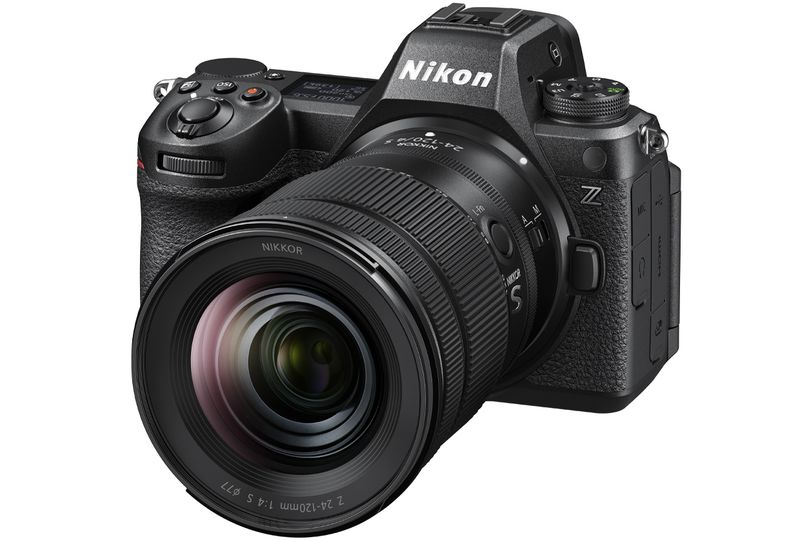
Nikon’s latest addition to their mirrorless lineup proves that tradition and innovation can work beautifully together. The Z6 III brings decades of Nikon’s sensor technology expertise into a modern package that handles subtle lighting like a dream.
Full-frame sensors have always been prized for their low-light capabilities, and this one doesn’t disappoint. The autofocus system deserves special mention because it locks onto subjects quickly even in candlelit rooms or during golden hour when light gets tricky.
Colors remain accurate and natural-looking, which matters tremendously when you’re trying to preserve a specific mood or atmosphere.
Wedding photographers have particularly fallen in love with this camera because it transitions seamlessly from bright outdoor ceremonies to dimly lit receptions. The electronic viewfinder stays bright and clear, helping you compose shots even when the actual scene is quite dark.
Battery life holds up well during long shooting sessions, and the overall build quality feels reassuringly solid in your hands.
3. Canon EOS R6 Mark II
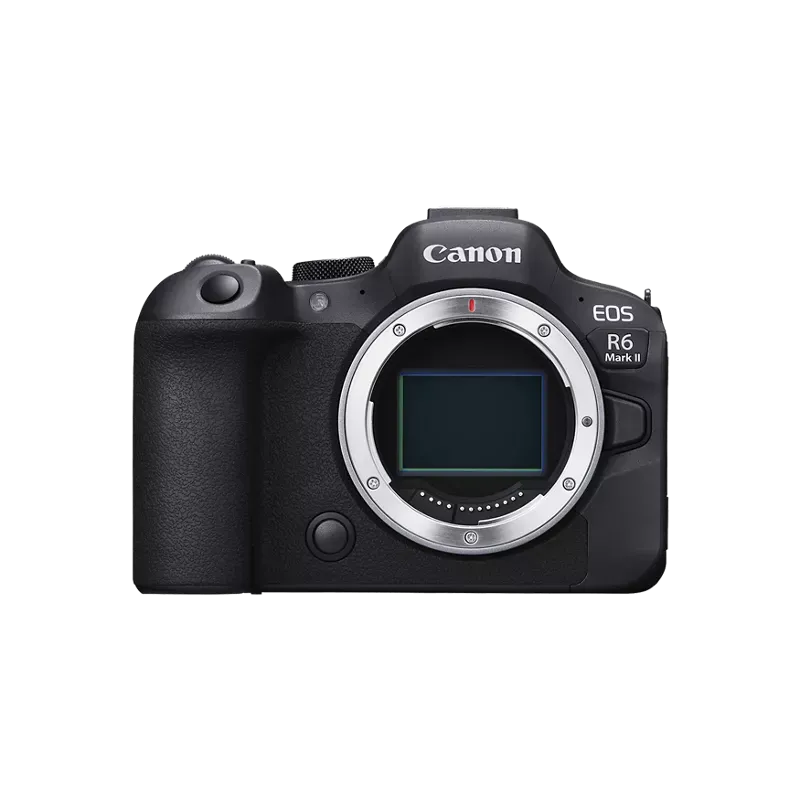
Canon listened to feedback from the original R6 and created something even more impressive with the Mark II. This camera strikes an exceptional balance between resolution and light-gathering ability, making it incredibly versatile for various shooting scenarios.
The noise control technology built into this camera borders on magical. Shoot at ISO 6400, and your images will look remarkably clean with minimal grain or color shifting.
That’s the kind of performance that used to require extensive post-processing, but now it happens right in the camera. The autofocus system tracks subjects with impressive accuracy, even when they’re moving through inconsistently lit spaces.
Sports photographers shooting indoor events and wildlife photographers working during dawn or dusk have praised this camera’s ability to freeze action without cranking up shutter speeds to impractical levels. The sensor’s sensitivity means you can use faster shutter speeds at lower ISOs, reducing motion blur while maintaining image quality.
It’s a thoughtful upgrade that addresses real-world challenges photographers face regularly.
4. Sony Alpha 7 IV
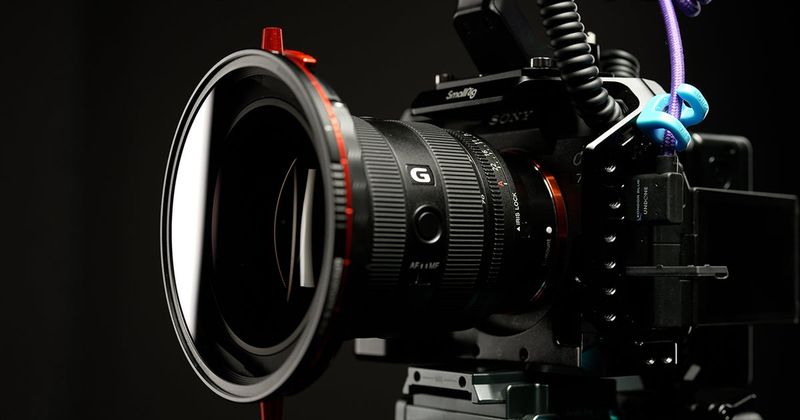
Sometimes the middle ground offers the sweetest spot, and that’s exactly what Sony achieved here. The Alpha 7 IV doesn’t chase extreme specifications in any single direction but instead delivers well-rounded excellence that handles low light beautifully while maintaining enough resolution for detailed prints.
The 33-megapixel sensor provides plenty of detail for cropping and large prints, yet the individual pixels are still large enough to gather light efficiently. ISO performance remains strong up to surprisingly high values, giving you flexibility when shooting in churches, theaters, or naturally lit indoor spaces.
The camera’s processing engine does an excellent job preserving shadow detail without introducing excessive noise.
Content creators appreciate how this camera performs across different lighting scenarios throughout a single shoot. Start outdoors in bright sun, move inside to a dimly lit café, then finish with some evening street photography, and this camera handles all of it without requiring constant setting adjustments.
It’s become a favorite for travel photographers who need reliability in unpredictable conditions.
5. Canon EOS R8
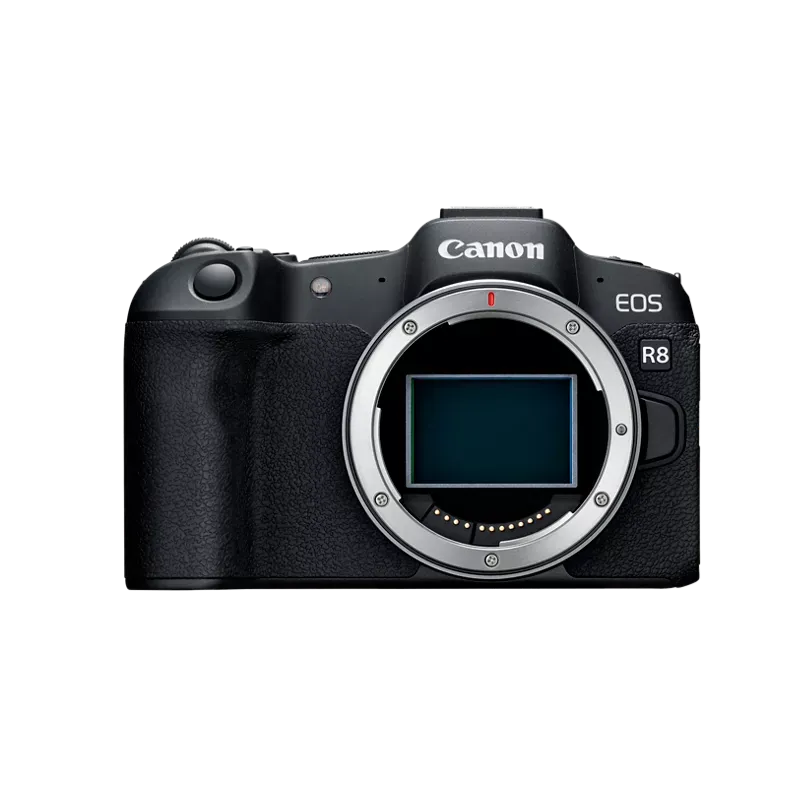
Here’s proof that excellent low-light performance doesn’t require emptying your bank account. The EOS R8 brings impressive capabilities to a more accessible price point, making it perfect for enthusiasts ready to step up their photography game.
Canon managed to pack much of the technology from their higher-end models into this lighter, more affordable body. The full-frame sensor performs admirably when light levels drop, producing clean images with accurate colors that don’t require excessive editing.
While it might not match the absolute top performers in extremely dark conditions, it handles typical low-light scenarios like indoor events, evening cityscapes, and dimly lit restaurants with surprising confidence.
Students and hobbyists who primarily shoot stills rather than video will find this camera hits a sweet spot between capability and cost. The compact size makes it less intimidating to carry everywhere, which matters because the best camera is always the one you actually have with you.
For someone building their first serious camera system, this provides professional-level low-light performance without the professional-level investment.
6. Nikon Z8
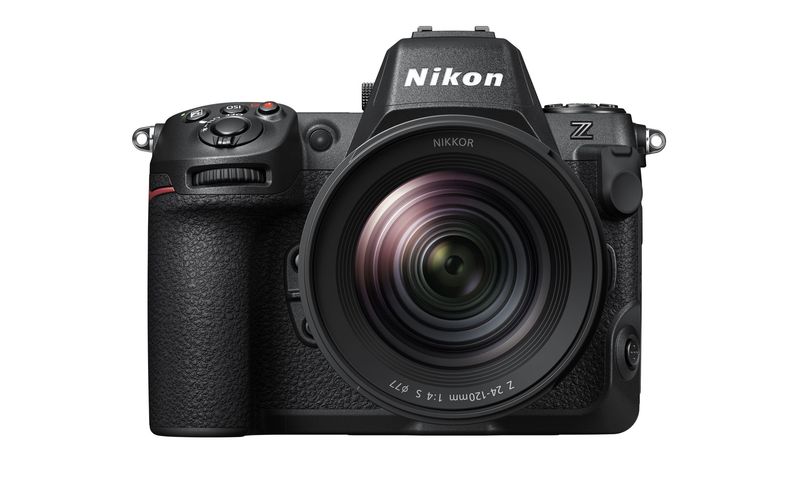
Professional tools demand professional performance, and the Z8 delivers exactly that. This high-end powerhouse combines exceptional resolution with outstanding low-light capabilities, proving you don’t have to sacrifice one for the other.
The dynamic range this sensor captures is genuinely impressive. Shoot a scene with both deep shadows and bright highlights, and you’ll be amazed at how much detail the camera preserves in both extremes.
That wide latitude gives you tremendous flexibility in post-processing, letting you pull out shadow details or recover blown highlights that other cameras would simply lose. The signal-to-noise ratio remains excellent even when you’re pushing ISO settings higher than you’d normally feel comfortable using.
Nature photographers working in forests where light filters through leaves, or architectural photographers shooting grand interiors with mixed lighting, have found this camera handles complex lighting scenarios beautifully. The build quality inspires confidence during demanding shoots, and the battery life keeps up with long days in the field.
It’s an investment, certainly, but one that serious photographers find pays dividends in image quality.
7. Sony Alpha 7 V
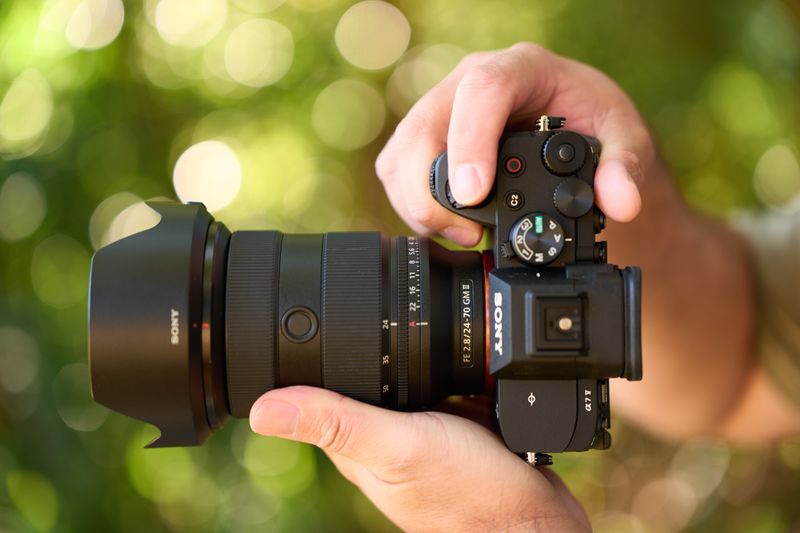
Sony’s newest iteration in their popular Alpha 7 series brings refinements that matter for real-world shooting. Building on years of user feedback, this camera addresses practical concerns while maintaining the excellent low-light performance the series is known for.
The updated sensor and processing combination work together to produce images that look natural and film-like, even in challenging lighting. Colors remain true to life rather than taking on the artificial appearance that can plague high-ISO shots from lesser cameras.
The autofocus system has been tuned to work more reliably in dim conditions, reducing those frustrating moments when the camera hunts for focus instead of capturing the moment.
Hybrid shooters who need both photo and video capabilities will appreciate how well this camera performs across both disciplines. The menu system has been simplified based on user complaints about previous models, making it easier to adjust settings quickly when lighting conditions change.
For someone upgrading from an older camera, the improvements in low-light performance alone make this worth considering, especially if you frequently shoot in less-than-ideal lighting situations.
8. Fujifilm GFX100S II
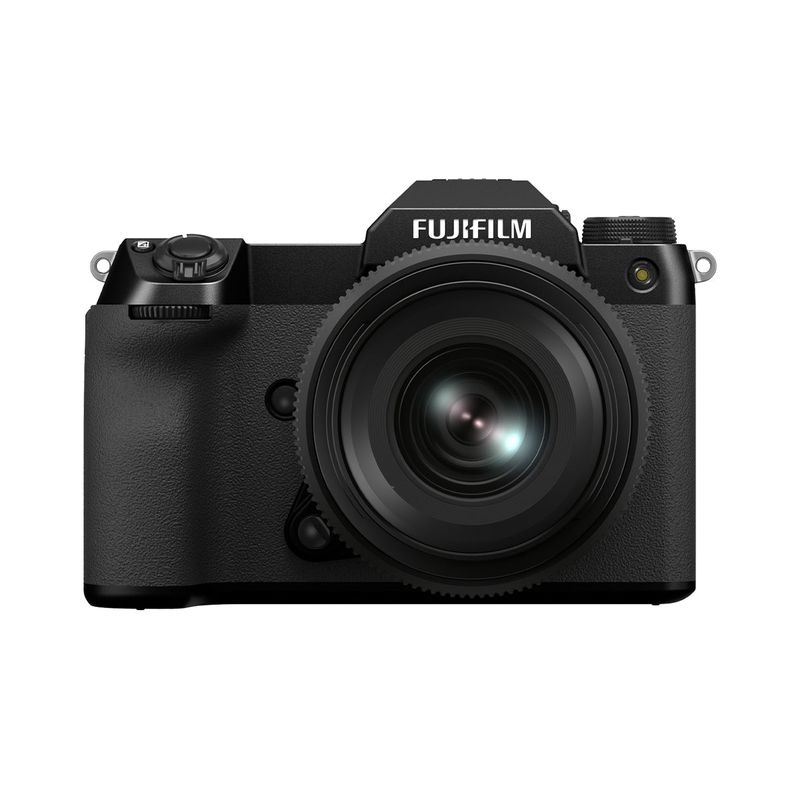
Step into medium format territory, and you’ll discover what a larger sensor can do for image quality in subtle light. The GFX100S II uses a sensor significantly bigger than standard full-frame cameras, and that extra real estate translates directly into better low-light performance.
Each pixel on this larger sensor can gather more light, resulting in cleaner images with less noise and more nuanced tonal transitions. When you’re photographing in that magical twilight hour or inside a dimly lit museum, the extra sensor size gives you breathing room that smaller sensors simply can’t match.
The files this camera produces contain so much information that you can push them quite far in post-processing without falling apart.
Fashion and portrait photographers working in natural light studios have embraced this camera for its ability to render skin tones beautifully even in less-than-perfect lighting. Yes, medium format cameras are larger and more expensive, but the image quality difference is immediately visible.
If your work demands the absolute highest quality and you regularly shoot in challenging light, the investment makes sense for professional applications where image quality cannot be compromised.
9. Nikon Z5 II
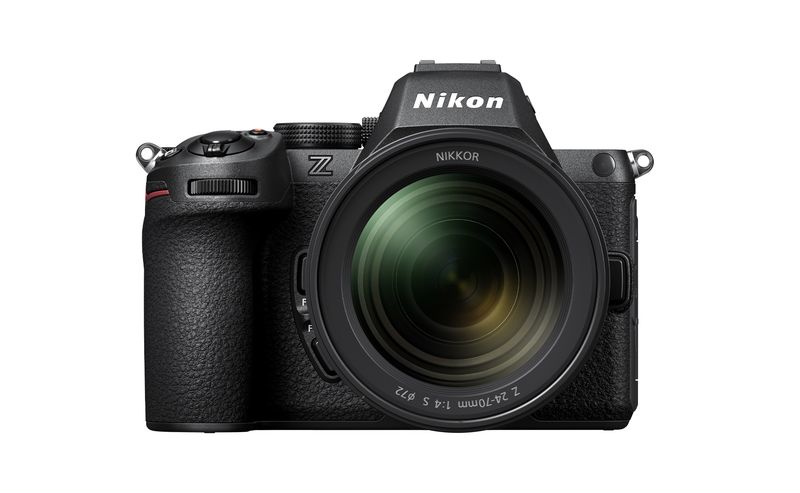
Entry-level full-frame cameras used to mean significant compromises, but the Z5 II challenges that assumption. This camera brings full-frame low-light advantages to photographers who aren’t ready to spend flagship prices but still want serious capability.
The sensor performs admirably in dim conditions, producing usable images at ISOs that would turn other entry-level cameras into grainy messes. Nikon improved the autofocus system substantially over the original Z5, making it more reliable when tracking subjects in poor lighting.
That matters tremendously if you’re shooting events, family gatherings, or any situation where you can’t control the available light and need the camera to keep up with the action.
Photographers transitioning from crop-sensor cameras or upgrading from older DSLRs will immediately notice the difference in low-light performance. The full-frame sensor gathers significantly more light than smaller sensors, giving you more creative freedom when choosing shutter speeds and apertures.
For someone serious about photography but working within a budget, this camera delivers impressive bang for your buck, especially if low-light shooting is important to your work.
10. Panasonic Lumix S1 II
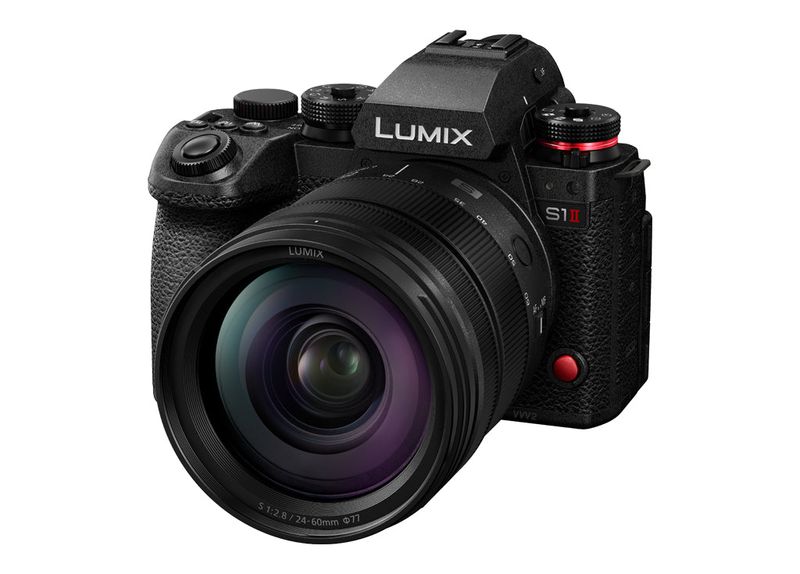
Panasonic took a different technological approach with the S1 II, and the results speak for themselves in low-light situations. The dual-gain sensor architecture is the secret weapon here, essentially giving the sensor two different sensitivity modes that it switches between depending on the lighting conditions.
When light levels drop, the camera automatically engages the high-gain mode, dramatically improving image quality compared to traditional sensor designs. This means cleaner shadows, better color accuracy, and less noise in your images when you’re shooting in dim restaurants, at evening events, or during that gorgeous blue hour right after sunset.
The improvement is noticeable even if you’re not a pixel-peeping technical expert.
Video shooters have particularly embraced this camera because the dual-gain technology benefits video even more than stills. Professional videographers working on documentary projects or wedding films where they can’t always control lighting have found this camera gives them footage that grades well in post-production.
The full-frame sensor combined with excellent stabilization makes this a compelling choice for anyone who needs strong low-light performance in both photo and video work.