
Affiliate disclosure: As an Amazon Associate I earn from qualifying purchases. Learn more
The best travel cameras don’t get in the way – they disappear until you need them. These eight models proved just that, slipping into bags, waking up instantly, and locking focus before the moment even registered.
After weeks hopping between airports, winding streets, and blustery viewpoints, a clear pattern emerged: the right camera stays out of your way, yet quietly delivers every shot with precision. Travel feels smoother, not fussier, when your gear works behind the scenes – and these cameras do exactly that.
1. Sony RX100 VII
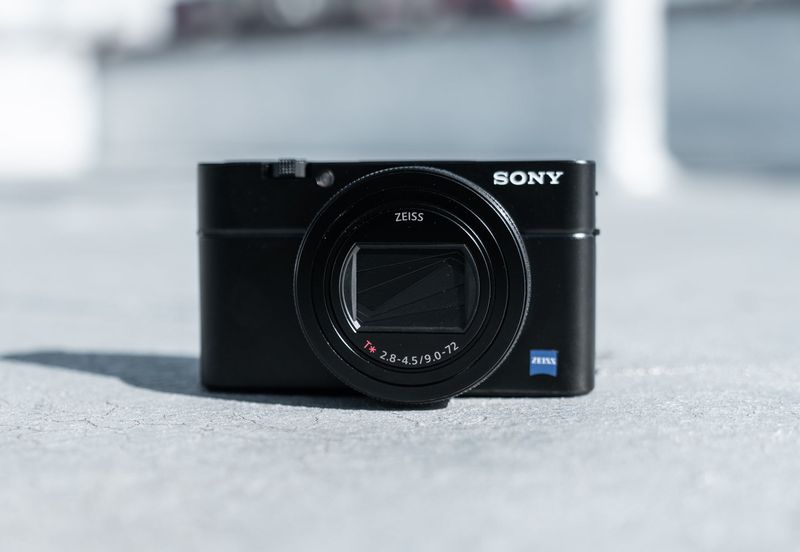
The shutter click is crisp, almost polite, and the zoom glides with zero drama. In a jacket pocket, the RX100 VII feels like a deck of cards that also freezes time.
Pull, power, frame, and the autofocus locks before your partner finishes a sentence.
A quirky fact: it begs to be used one-handed. The little pop-up viewfinder saves squinting in noon glare, and the grip ridge is just enough for security.
Menu anxiety never arrives because the important bits sit on top, ready.
On crowded trains, it dodges elbows and still finds faces. The lens covers street to portrait without forcing lens swaps or bag digging.
Colors land clean, and the files handle a push when clouds roll in.
Practical tip learned mid-market dash: assign focus area to the custom button to recover from surprise backlight. Battery life is fine with a pocket bank, and charging on the go is painless.
It is the camera that makes late snacks and quick sunsets equally easy.
2. Fujifilm X100VI
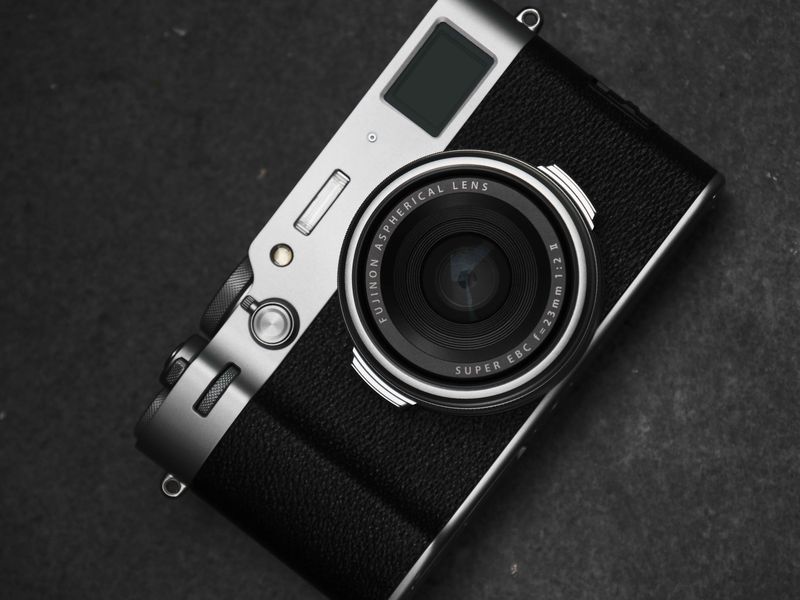
Salt air on your hands, click of aperture, and that leaf shutter hush that barely disturbs birds. The hybrid finder flips between optical and electronic, and suddenly framing feels playful again.
Colors come out of the camera looking like you meant it.
Here is the unexpected part: the fixed lens never feels limiting on the road. It encourages stepping closer, waiting a beat, and noticing better light.
The camera just sits ready, steady, and stubbornly simple.
Design charisma helps, but the real magic is focus that understands faces and keeps them sharp through movement. JPEGs are so good that editing becomes optional on flights.
Battery swaps are quick, pockets stay light.
Traveler observation: this camera gets smiles from strangers instead of suspicion. It looks friendly, works fast, and avoids menus that slow you down.
If you want gear that pushes you to see, not tinker, this one stays with you.
3. Canon EOS R8
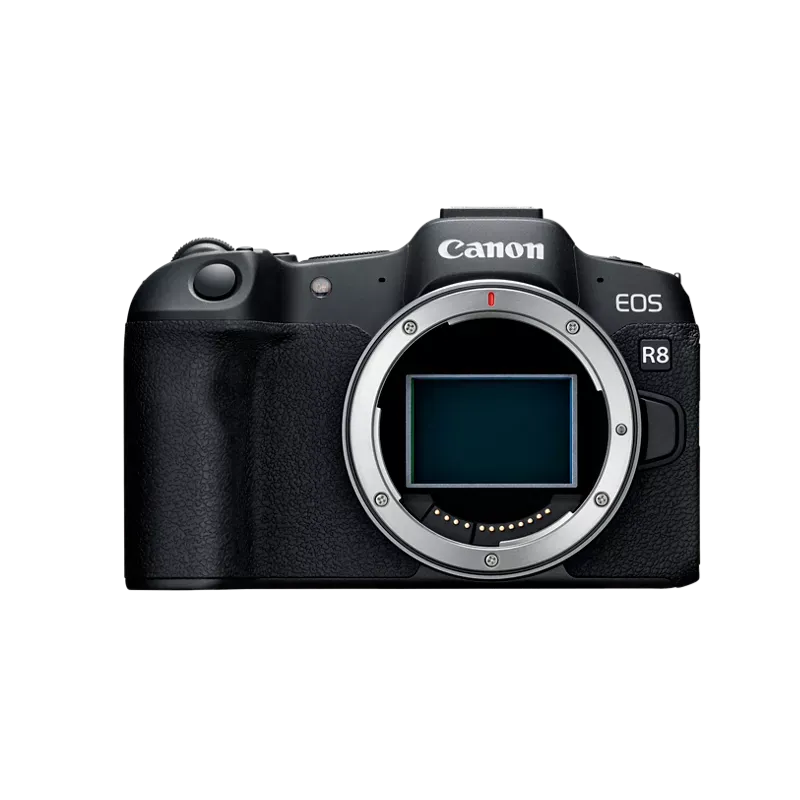
Brand detail worth noting: Canon’s AF boxes jump to eyes like they signed a pact. The R8 fires up quick, finds subject, and holds it while you recompose.
It feels like a bigger camera until you lift your shoulder and realize it vanished.
Files are generous, with highlight headroom that forgives impatient metering. The grip fits small hands without cramping, even after a restless day.
Buttons land under fingertips, which matters when wind and sand make thinking slower.
Practical tip found after a rainy overlook: set a custom mode for bad weather ISO and shutter, then forget it until clouds turn mean. The camera returns reliable shots when you would rather hide.
Weather sealing is modest, but the body shrugs off mist and backpack scuffs.
Autofocus behaves in chaotic crosswalks, locking to people, then bikes, then back again. Video is straightforward, with clean output and no drama menus.
It is the full-frame that gives you big results without big baggage.
4. Nikon Z50 II
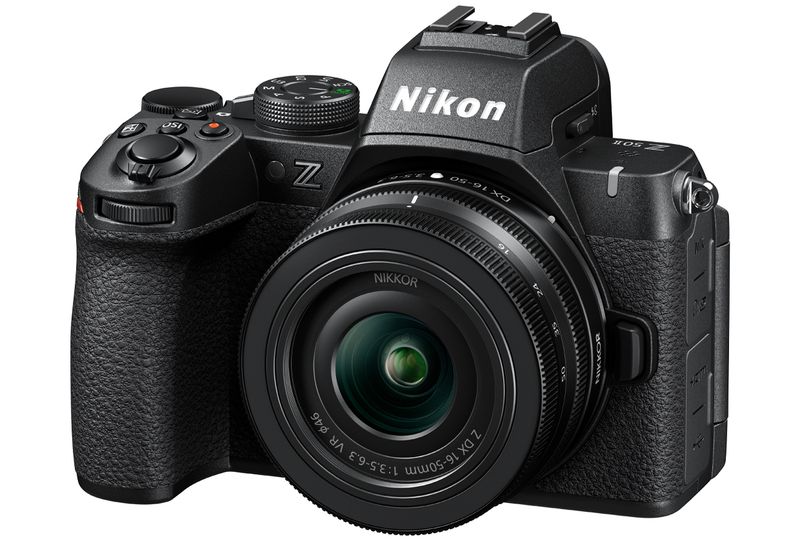
A traveler’s observation: this thing disappears on a strap until needed. The Z50 II wakes fast, grabs focus, and lets you forget about it again.
With the small zoom, it feels like carrying a sandwich, not a system.
Menus rarely intrude because the touch interface handles quick changes with a tap. The EVF is clear enough to judge exposure without second guessing.
JPEG profiles are gentle and easy to trust in mixed light.
Practical tip discovered after sprinting for a ferry: map ISO to the front dial and exposure comp to the rear. That combo controls chaos when scenes shift every few steps.
The grip is better than its size promises, steady in cold fingers.
Battery life holds through a long day with casual bursts. Subject tracking is confident for people and pets, good enough for street.
It is the camera you take when you want to shoot more than think.
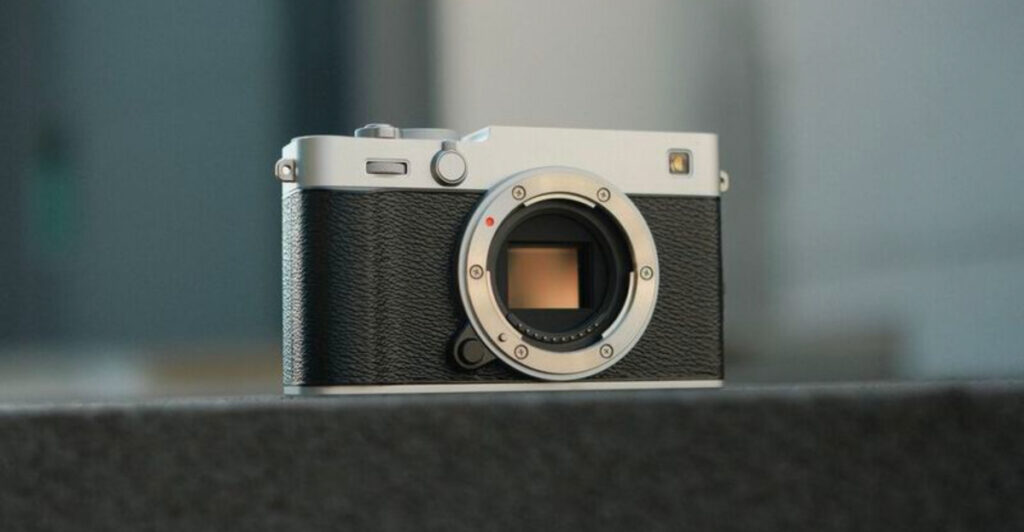
5. Fujifilm X-E5
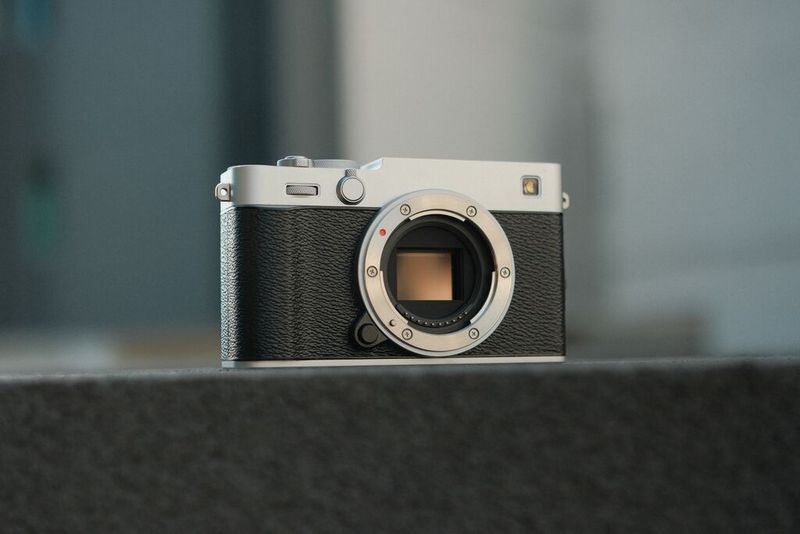
Practical tip first: set Classic Chrome for midday and stop fiddling. The X-E5’s dials make exposure changes feel like flipping a coin, quick and sure.
It invites shooting with intention, not scrolling.
Quirky truth: despite its small size, it feels serious in the hand. The screen tilts without drama and vanishes when you want to look discreet.
Autofocus is calmer now, confident in faces and static scenes.
Files land with satisfying bite, and noise stays polite at travel ISOs. Pair a small prime and the kit turns featherlight.
The body slides into a sling bag with room for a snack and a paperback.
Anecdote: I shot a street musician between traffic bursts, expecting chaos. The camera held exposure, focus snapped, and the JPEG went straight to a message thread before the encore.
That is the kind of easy that earns a spot in the bag.
6. Sony A7C II
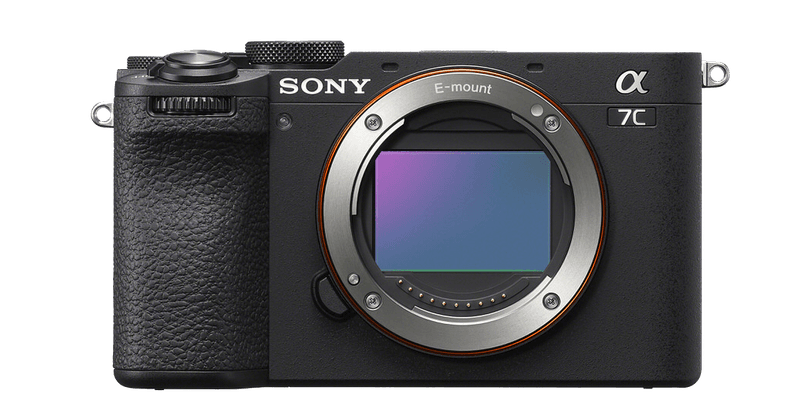
Movement feels balanced when this hangs on a shoulder all day. The A7C II keeps full-frame quality without the top-heavy swagger.
Stabilization smooths footsteps, so handheld shots stay calm in dusk light.
Design detail: the flip screen helps with tight angles in alleys and food stalls. Menus are saner now, and custom buttons finally make sense.
The shutter is quiet enough for temples and museums that frown at noise.
Files come thick with detail, but they do not demand edits to look good. Autofocus tracks eyes through umbrellas and scooter mirrors.
It is the camera that lets you move like a traveler, not a pack mule.
Practical tip learned after a street parade: set subject recognition to human only to stop the system chasing banners. Battery life handles a long loop if you top up at lunch.
When you want one body to do everything, this one gets close.
7. Leica Q3
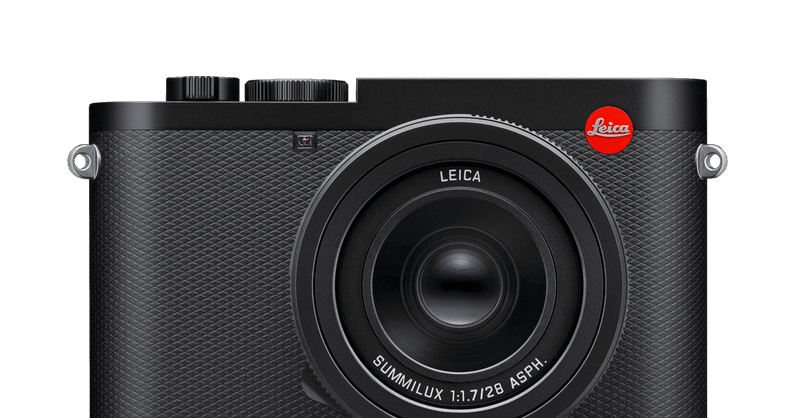
The sound is a soft snip, and the focus jump is instant. The Q3 handles like a polished stone, smooth and sure, ready for quick framing.
It invites walking farther because the wide view tells more of the story.
Design minimalism removes friction. One lens, one idea, fewer decisions.
The sensor pulls detail from shadows that looked gone five minutes ago.
Traveler observation: people relax around it. The camera looks refined, not aggressive, and the controls keep your eyes on the street.
Stabilization helps in dim restaurants and late alleys without raising ISO into grain soup.
Practical tip: set a zone focus preset and shoot without waiting for confirmation. Files grade beautifully, yet the straight-out look often wins.
It is expensive, yes, but it behaves like a companion that never fumbles the pass.