
Affiliate disclosure: As an Amazon Associate I earn from qualifying purchases. Learn more
Last summer, I stood in front of a lavender field in Provence, snapping away with my camera. Back at the hotel, I nearly cried – the purples looked radioactive, the greens looked alien, and nothing matched what my eyes had seen.
That moment sparked an obsession: finding travel cameras that actually capture reality. After testing seventeen different models across mountains, markets, and beaches, we found nine that consistently delivered what-you-see-is-what-you-get color accuracy without endless editing.
1. Fujifilm X100VI – 40.2MP + 23mm f/2 fixed lens for natural everyday color
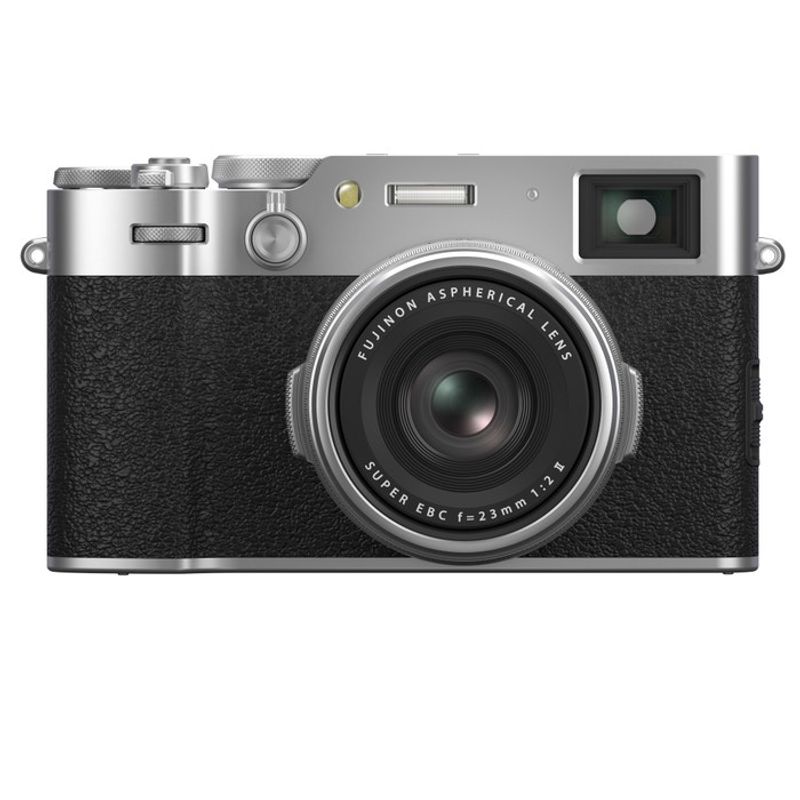
Fujifilm’s film simulation modes sound gimmicky until you realize they’re basically cheat codes for gorgeous, true-to-life color straight out of camera. The X100VI packs a whopping 40.2 megapixels into that retro body, and the fixed 23mm lens forces you to see the world differently.
No zoom crutch here.
What blew me away was how skin tones looked exactly like skin tones – not orange, not waxy, just human. The Classic Chrome simulation became my default for street scenes because it rendered blues and earth tones with zero drama.
Morning light? Golden hour?
Overcast skies? This camera nailed them all without me touching a single slider in Lightroom.
Sure, you’re stuck with one focal length, but that limitation actually sharpened my eye for composition. The colors pop without looking artificial, which is the whole point of travel photography—capturing memories that feel real, not like Instagram fever dreams.
2. Ricoh GR IIIx – 40mm-equivalent perspective in a truly pocketable street-travel camera
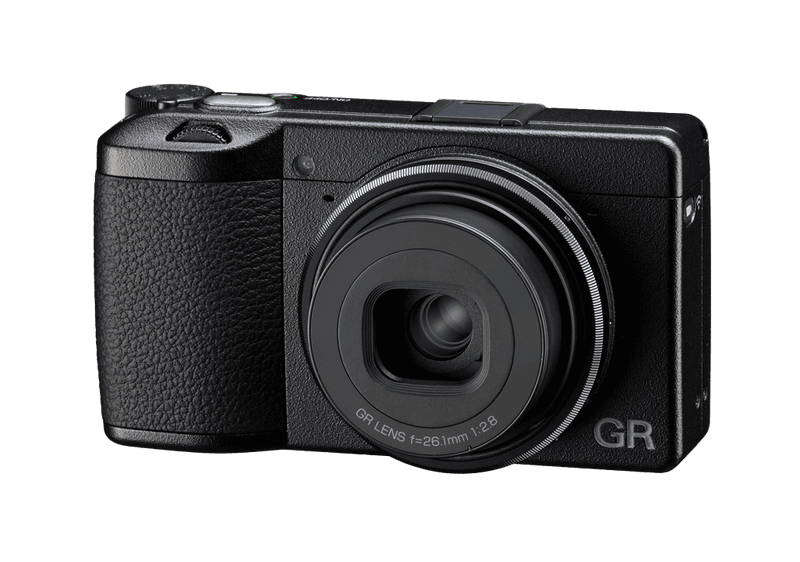
This little black rectangle fits in your jacket pocket and shoots like cameras three times its size. The 40mm focal length sits in that sweet spot between wide-angle distortion and telephoto compression, giving you a perspective that matches how your brain actually processes scenes.
No fisheye weirdness, no flattened landscapes.
Ricoh’s color science leans toward subtle rather than saturated, which means your cobblestone streets look like cobblestone streets instead of theme park props. I’ve shot entire city walks with the GR IIIx clipped to my belt, and strangers never even noticed I was photographing.
That stealth factor matters when you want candid moments with honest colors.
The snap focus feature lets you pre-set a distance and shoot from the hip, perfect for capturing street life without that awkward camera-to-face gesture. Colors stay consistent across different lighting conditions, probably because the sensor doesn’t try to be a hero and over-process everything.
3. Sony RX100 VII – 24–200mm ZEISS zoom when you want “what I saw” color in one compact
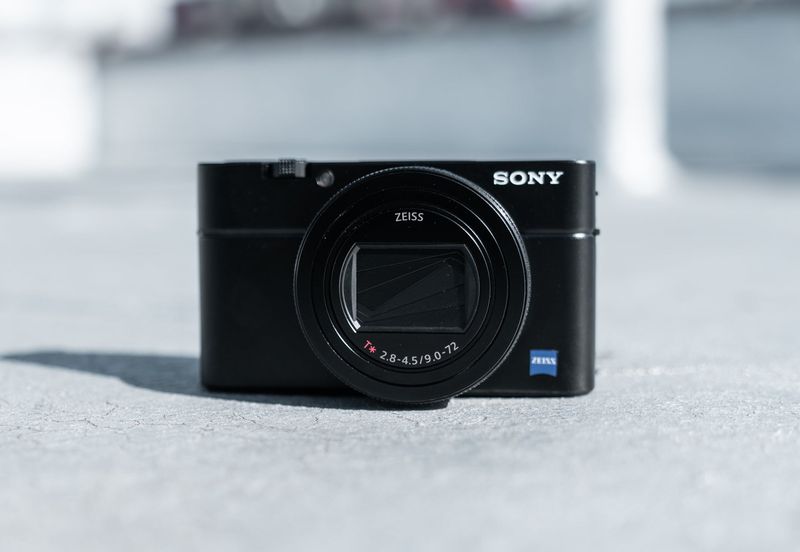
ZEISS glass does something magical to light, it bends it just right so colors land where they should without chromatic aberration turning edges into rainbow messes. The RX100 VII crams a 24-200mm range into a camera smaller than most sandwiches, which seems physically impossible until you hold one.
That zoom flexibility means you’re not stuck with one perspective all trip.
Sony’s color profiles tend toward accurate rather than punchy, and their white balance algorithm actually understands mixed lighting. I shot a spice market where tungsten bulbs mixed with daylight streaming through fabric awnings, and the camera separated warm from cool without turning everything muddy.
Impressive stuff for a one-inch sensor.
The built-in ND filter saves your bacon in bright conditions, letting you shoot wide open without blowing out skies. Colors stay rich but believable, even when you’re zoomed all the way out to 200mm capturing distant architecture.
It’s like having a color-accurate Swiss Army knife in your camera bag.
4. Leica D-Lux 8 – 4/3″ sensor + 24–75mm-equivalent Leica zoom for clean, realistic tones
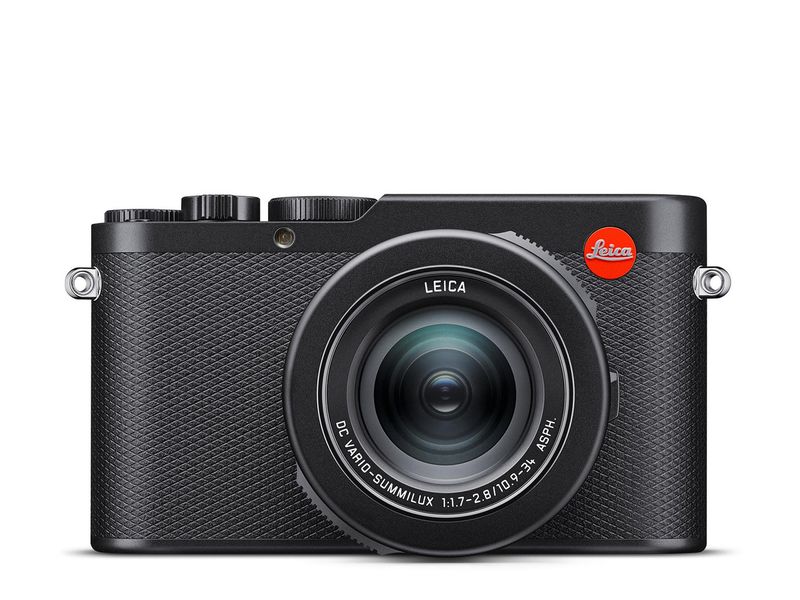
Leica’s reputation for color rendering isn’t marketing fluff, their sensors and lenses work together like a well-rehearsed orchestra. The D-Lux 8 uses a Four Thirds sensor, which sits between tiny compacts and full-frame monsters, giving you detail without noise and color without cartoonishness.
That 24-75mm zoom covers most travel scenarios without weighing down your neck.
What strikes me most is how neutral tones stay neutral. Concrete looks like concrete, not blue-gray or warm beige depending on the camera’s mood swings.
The lens coating reduces flare better than most compacts, so you can shoot into the light without getting weird color casts across your frame.
Yes, you’re paying for the red dot, but you’re also getting Leica’s decades of obsessing over color science. The JPEG engine produces files that need minimal editing, which matters when you’re uploading from a hostel with sketchy WiFi.
Natural, clean, and consistently accurate—exactly what travel photography demands.
5. Panasonic LUMIX ZS99 / TZ99 – 24–720mm-equivalent travel zoom with in-camera “Photo Style” color tuning
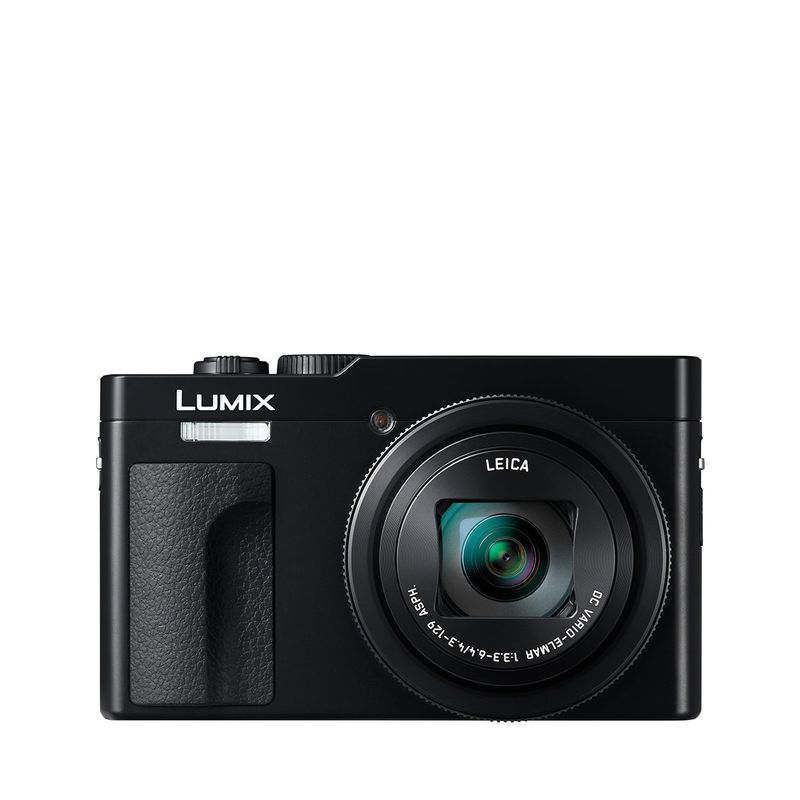
A 30x zoom range sounds absurd until you’re standing at a canyon rim wanting both wide landscape shots and close-ups of distant rock formations. The ZS99 delivers that ridiculous versatility while Panasonic’s Photo Style modes let you tweak color rendering before you even press the shutter.
Standard mode nails realistic tones, while Vivid adds just enough pop for social media without looking fake.
I tested this camera’s color consistency from wide to telephoto, expecting the usual zoom lens weirdness where colors shift as you zoom. Surprisingly stable across the range, probably because Panasonic calibrated the whole system together rather than slapping any old zoom onto a sensor.
Blues stayed blue, reds stayed red, no surprises.
The built-in electronic viewfinder helps you judge color in bright sunlight when your rear screen becomes a useless mirror. Being able to preview Photo Style effects through the viewfinder means fewer
6. OM SYSTEM OM-5 Mark II – lightweight, weather-sealed travel body built for rich-but-believable outdoor color
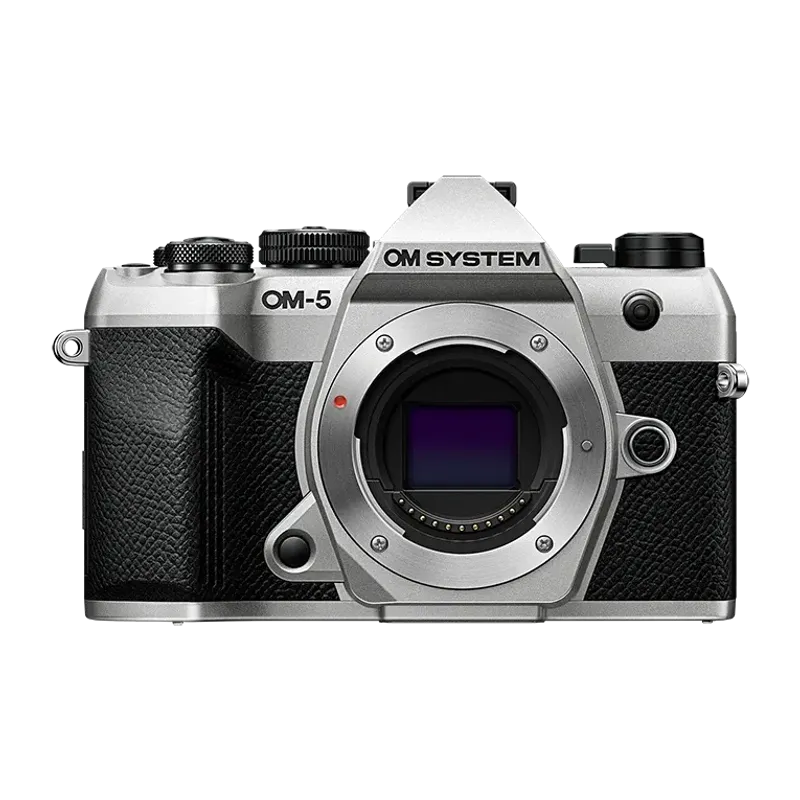
Weather sealing matters when you’re hiking through misty forests or shooting near waterfalls, and the OM-5 Mark II laughs at moisture. Olympus’s legacy color science (now under OM SYSTEM branding) has always leaned toward rich but natural outdoor tones, greens that look like actual foliage, not radioactive lime, and skies that register as blue without crossing into electric territory.
The Micro Four Thirds sensor keeps the whole system compact and light, which your shoulders appreciate after eight hours of sightseeing. I’ve shot autumn leaves, desert sunsets, and tropical beaches with this camera, and the color rendering stayed consistently believable across wildly different environments.
That’s harder than it sounds.
OM SYSTEM’s computational photography features include handheld high-res mode, which combines multiple shots for extra detail without the usual color noise that plagues smaller sensors. The in-body stabilization is legendary, meaning you can shoot slower shutter speeds in dim conditions without colors shifting from camera shake blur.
Reliable, accurate, and built for actual travel abuse.
7. Sony α7C II – compact full-frame body with a 33MP sensor for true-to-life detail and color
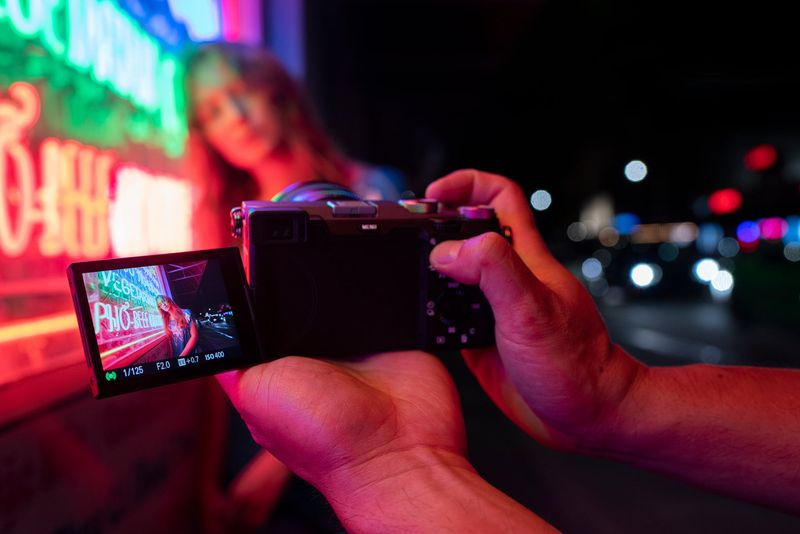
Full-frame sensors capture more light information, which translates to better color gradation and smoother tonal transitions. The α7C II crams that full-frame goodness into a body roughly the size of crop-sensor competitors, making it actually portable for travel.
Thirty-three megapixels means you’ve got resolution for cropping without colors falling apart into blocky messes.
Sony’s color science has matured significantly over the years, earlier models had that infamous green-magenta shift that drove people crazy. The α7C II gets it right, especially with updated Creative Look profiles that offer subtle color adjustments without the aggressive processing of Instagram filters.
Skin tones finally look human, which matters if you’re photographing people during your travels.
The compact form factor doesn’t compromise on controls, so you can quickly adjust white balance when moving between shade and sunlight. Pair it with Sony’s compact primes, and you’ve got a color-accurate travel system that doesn’t announce itself like a professional rig.
Sometimes blending in matters more than having the biggest camera.
8. Fujifilm X-S20 – 26.1MP X-Trans sensor for travel color that stays natural (especially with good WB)
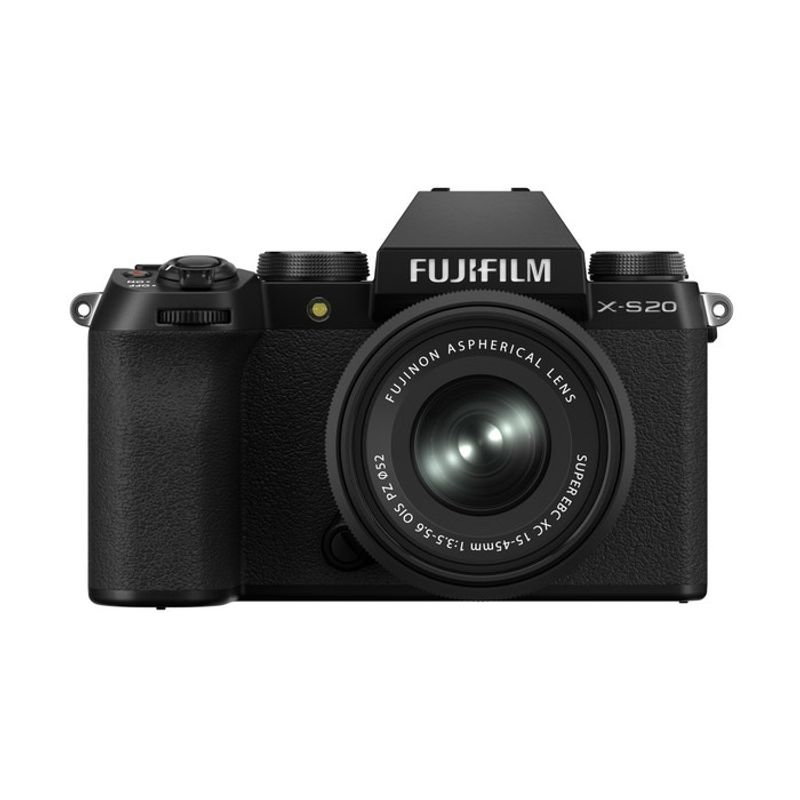
Fujifilm’s X-Trans sensor uses a unique color filter array that reduces moiré without an optical low-pass filter, which means sharper images with better color definition. The X-S20 brings that technology in a body that won’t destroy your back during all-day shooting.
Twenty-six megapixels hits the sweet spot between file size and detail.
Here’s the thing about Fujifilm their film simulations are based on actual film stocks, so the colors have this organic quality that digital cameras usually miss. Velvia mode punches up saturation for landscapes, but even then, it stays on the believable side of dramatic.
Pro Neg Std became my go-to for everyday travel shots because it renders scenes exactly as I remembered them.
White balance matters more with the X-S20 than some other cameras on this list. Nail your WB settings, and you get gorgeous, natural color.
Let it auto-guess in tricky lighting, and you might get some weird casts. The trade-off for that film-like rendering means being slightly more intentional with your settings, which honestly makes you a better photographer anyway.
9. Nikon Zf – full-frame travel option with ‘Imaging Recipes’ and deep white-balance control for accurate color
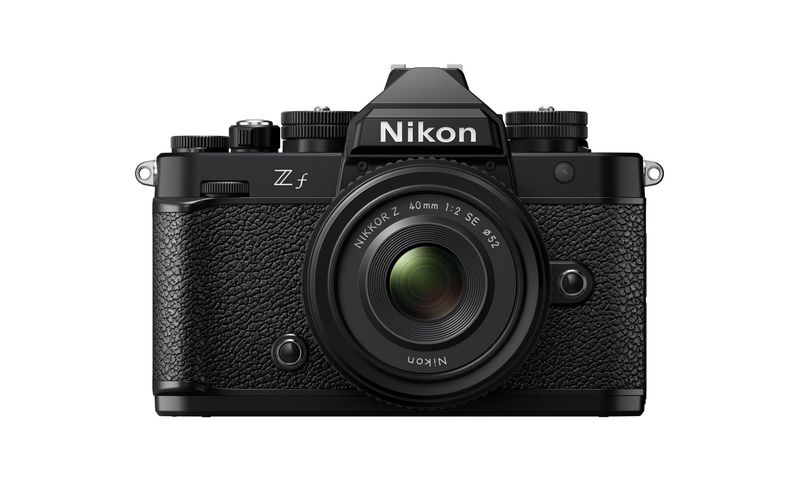
Nikon’s retro-styled Zf looks like a film camera had a baby with modern technology, and those physical dials actually make controlling white balance faster than menu diving. The Imaging Recipes feature lets you create custom color profiles, essentially building your own film simulations based on how you want specific scenes to look.
Nerdy? Absolutely.
Powerful? You bet.
Full-frame sensors give you that shallow depth-of-field flexibility, but more importantly for color accuracy, they handle dynamic range better than crop sensors. The Zf captures detail in both shadows and highlights without colors shifting toward weird tints.
I’ve shot high-contrast scenes, think bright beach sand against dark rocks and the camera held color accuracy across the entire exposure range.
The deep white-balance control means you can fine-tune color temperature and tint independently, which matters when you’re shooting under mixed lighting or trying to match a specific mood. Pair that with Nikon’s historically excellent color science, and you’ve got a travel camera that delivers exactly what you saw, or exactly what you wished you saw.