Affiliate disclosure: As an Amazon Associate I earn from qualifying purchases. Learn more
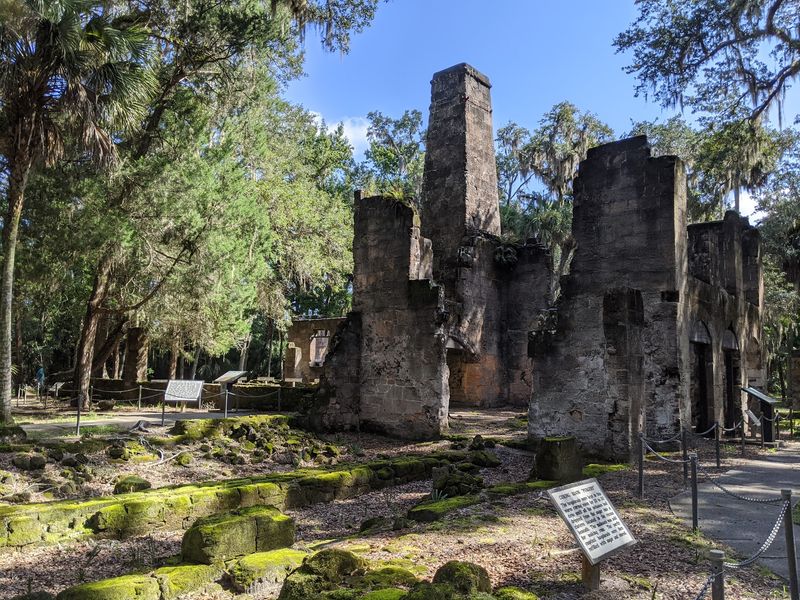
Tucked at the end of a long, narrow dirt road in Flagler County sits a slice of Florida that most people zip right past on their way to the beach. Towering coquina walls still stand where a sugar mill once ground cane in the early 1800s, before the whole operation was burned during the Second Seminole War in 1836.
For just four dollars dropped into an honor box, you get shady oak trails, a quiet creek for paddling, and a story that is both fascinating and sobering. Few crowds, plenty of history, and nature that feels a world away from the coast.
Keep reading to find out exactly where it is, what you will see, and how to make the most of a low-cost afternoon steeped in old Florida.
Down a Dirt Lane in Flagler County
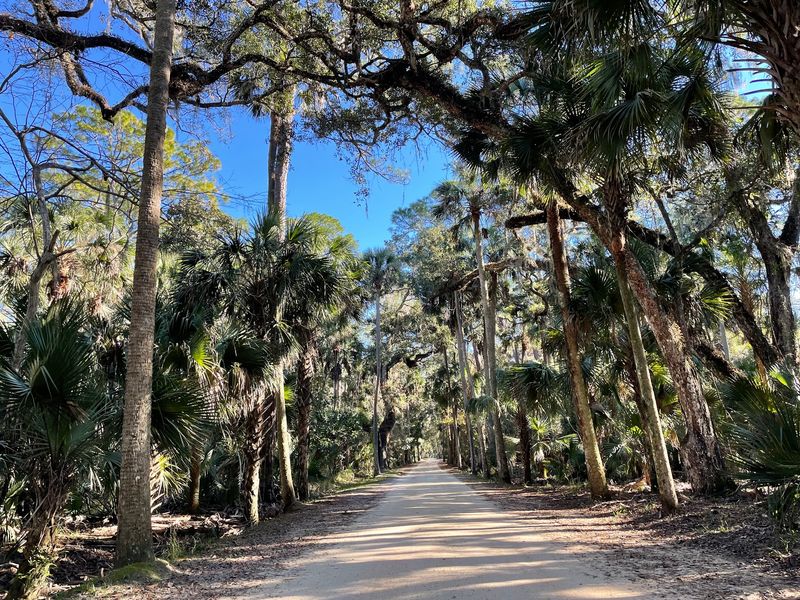
The address to plug into your maps is 3501 Old Kings Rd, Flagler Beach, FL 32136, and getting there is half the experience. The final stretch runs down a long, narrow dirt road that feels like driving straight into old Florida.
That laneway is actually the original plantation road, so you are entering the same way people did nearly two centuries ago. It sets a slow, quiet mood before you even park.
The park sits in Flagler County, close enough to Ormond Beach, Flagler Beach, and the scenic route known as The Loop that you can fold it into a day of coastal wandering. Yet once you are inside, it feels miles away from anything busy.
The setting is a coastal hammock, thick with big trees and shade. Regulars describe it as a place that feels hidden and calm, exactly what you want when the rest of the region gets crowded.
The Coquina Sugar Mill That Still Stands
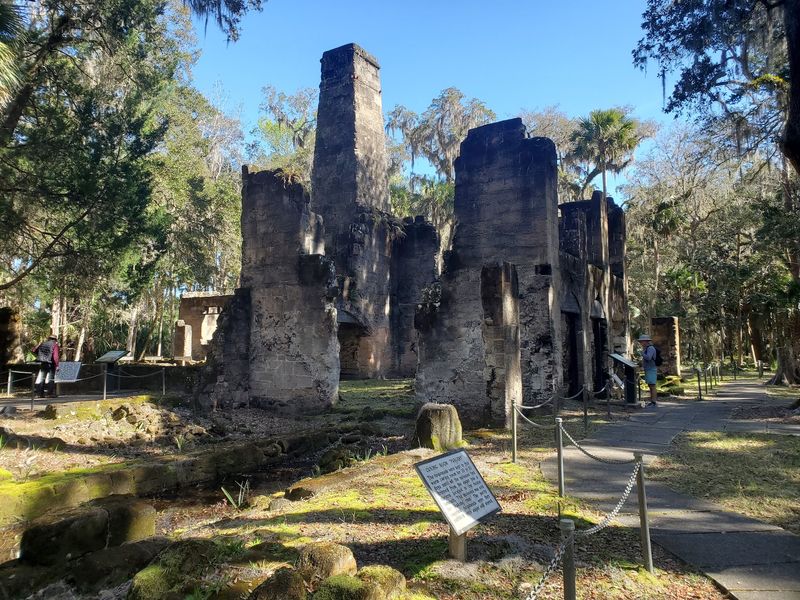
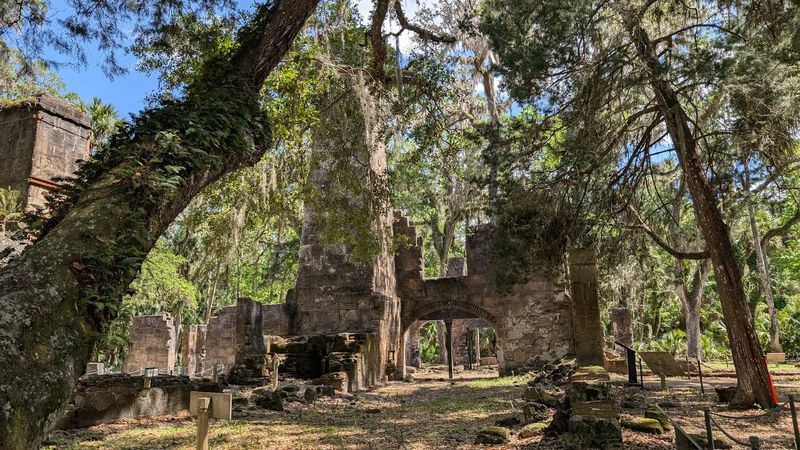
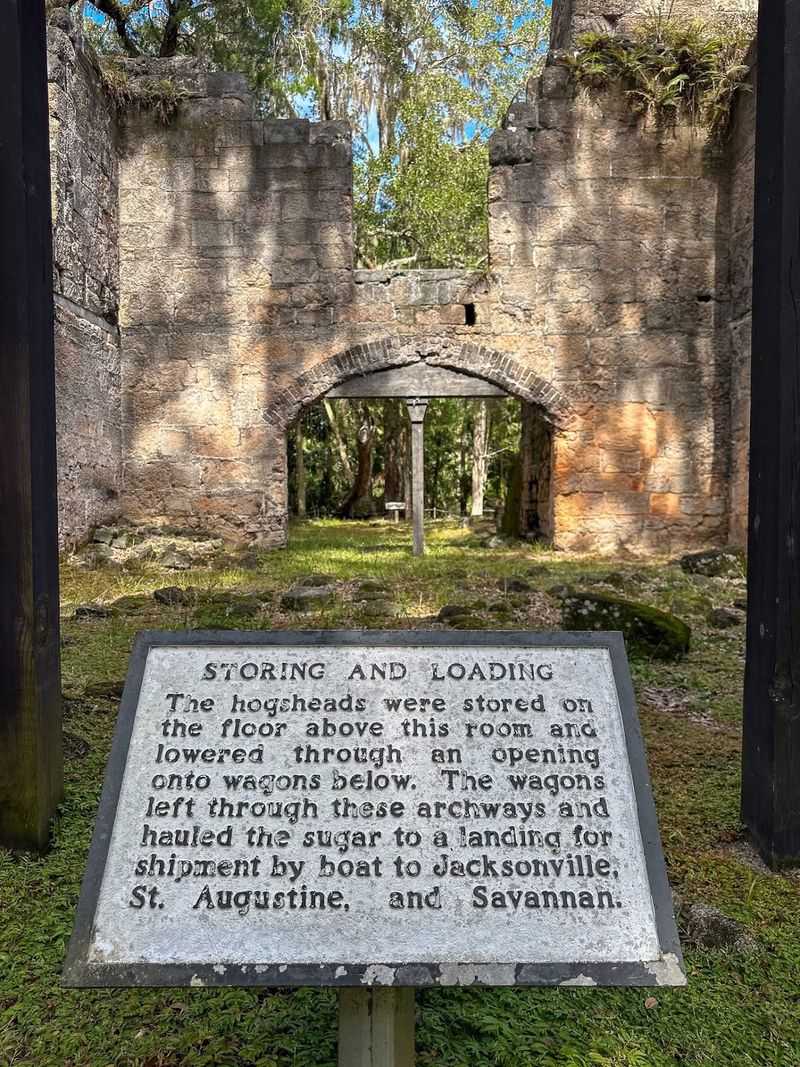
The centerpiece is the towering coquina walls of the old sugar mill, and they are genuinely something to stand beneath and think about. These are the best-preserved pieces of the entire site.
While the plantation house itself is gone, with only the outline of its foundation left in the ground, the mill tells the fuller story. You can trace how the building would have looked and operated before it was burned down in 1836.
Coquina, the local shell stone, holds up remarkably well, which is why these walls survived when so much else did not. The state park keeps the site in excellent condition, so you get a clear sense of scale.
People often mention how the ruins spark real reflection. Standing there, it is easy to picture the labor and the history that unfolded on this ground, and that quiet weight is part of what makes the visit stick with you.
A Plantation Story Worth Slowing Down For
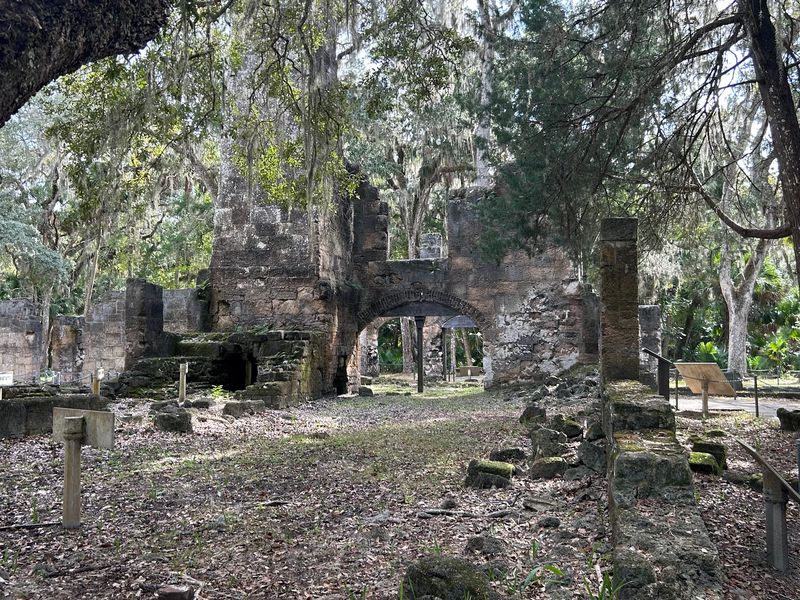
Bulow Plantation was once the largest in East Florida, where the Bulow family grew sugar cane, cotton, rice, and indigo. Its rise was tied entirely to enslaved labor, a fact the park does not shy away from.
The whole operation came to a violent end during the Second Seminole War in 1836, when the plantation was destroyed. What remains is a self-guided lesson in the volatile history of Florida’s antebellum sugar economy.
Guests often say the history here is fascinating but not always pleasant, and that honesty is exactly the point. Many come away with new questions and a genuine urge to research more.
The story weaves together entrepreneurs, government forces, and the Seminole Tribe, giving you a layered picture rather than a simple one. It is the kind of place that makes you appreciate the hard, human effort behind these ruins.
Tabby Slave Cabins Tucked in the Back
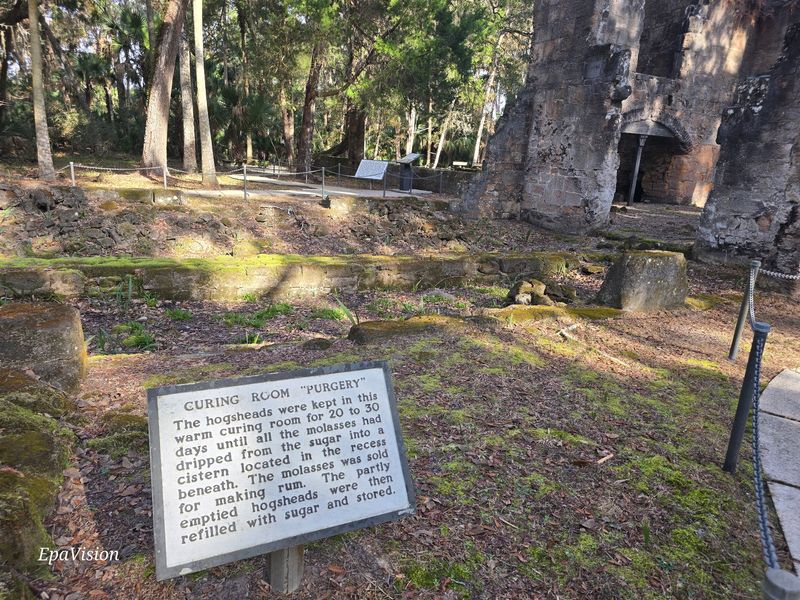
Easy to walk past but important to seek out are the remains of the former slave cabins, built from tabby, a rough concrete made with shells. They sit tucked away toward the back of the site.
There is a small trail from the picnic area that leads to them, and folks who make the effort say it is worth the short detour. The location, quiet and set apart, adds to the somber feeling.
These foundations ground the plantation’s story in the people who actually did the grueling work. Signs nearby explain the difficult process of making sugar cane in the hot Florida climate.
It is not a flashy part of the park, and that is precisely why it matters. Taking a few minutes here turns a pretty walk into a fuller understanding of what happened on this land.
Trails Through the Oak Hammock
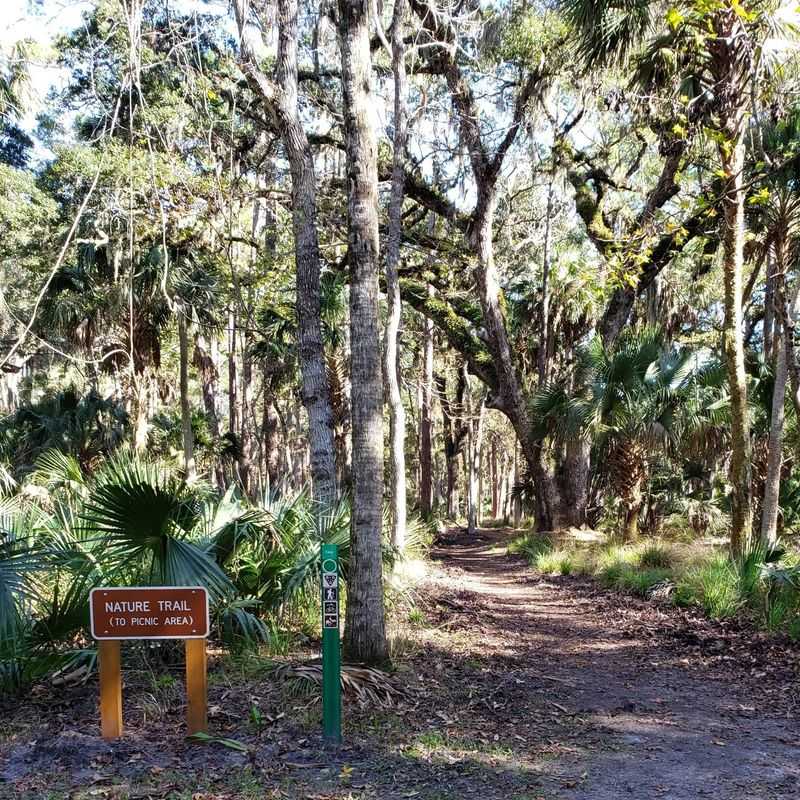
Hikers rate the trails as one of the biggest draws, and there is real variety to choose from. A short nature trail of about 0.3 miles connects the parking area to the ruins for anyone short on time.
For a bigger outing, there is a longer trail that stretches several miles through the woods, with sections running roughly six to seven miles round trip. It threads through oak hammocks, hardwood swamps, and saltmarsh creeks.
Some parts can close temporarily due to storm damage, so it is smart to check conditions before committing to the long haul. Florida heat and humidity also have a way of shortening ambitious plans.
One highlight along the way is a small footbridge over Cedar Creek, where the view earns its own pause. Between the big live oaks and the shade, the walking here is a genuine pleasure.
Paddling Bulow Creek
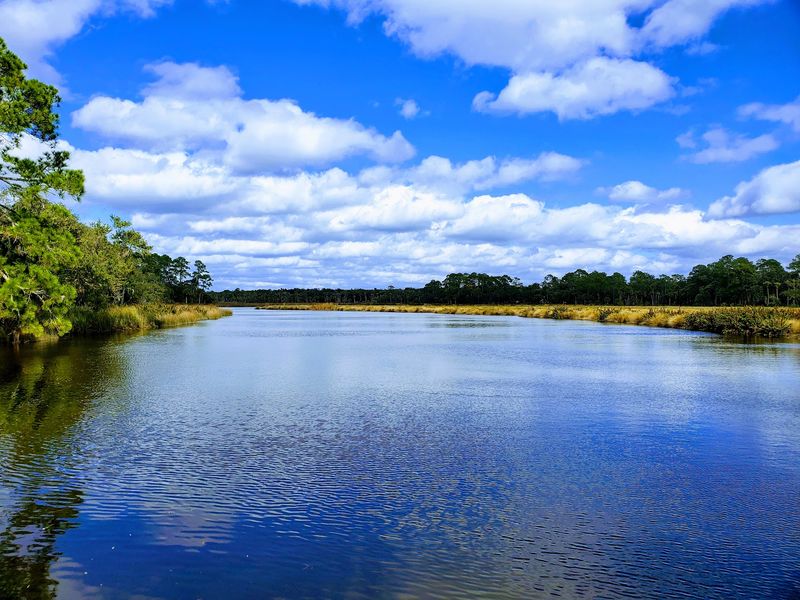
Water lovers get their own reason to visit thanks to the canoe trail on Bulow Creek. The park includes a roomy kayak launch and a boat ramp that make getting on the water simple.
The waterfront area comes with seating, so you can relax before or after a paddle. Kayaking gets mentioned often as a favorite thing to do here, and there is a serene quality to the creek.
The boat ramp is easily accessible and offers some parking for a truck and trailer, which is handy if you are bringing your own vessel. People also fish from a small dock along the water.
Whether you paddle a canoe or a kayak, the creek gives you a different angle on the coastal hammock. Gliding past the greenery is a calm counterpoint to walking the historic ruins.
Plaques, Artifacts, and Exhibits
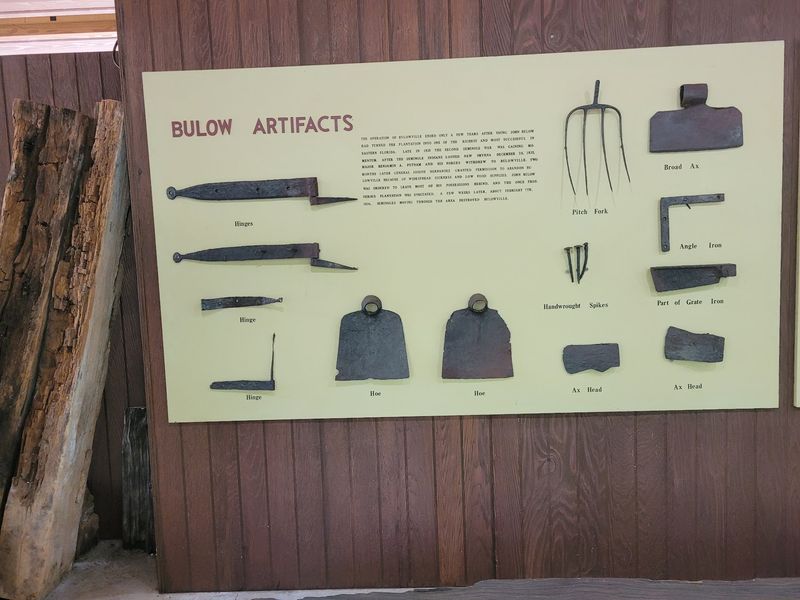
History buffs will appreciate how much care went into displaying the artifacts and information here. Plaques scattered through the site explain the sugar-making process and the plantation’s rise and fall.
There is an area featuring old tools and household items, kept behind glass and very well maintained. It rounds out the ruins with tangible objects from daily life on the property.
The signs walk you through how difficult sugar production must have been in the Florida heat, adding real depth to what you are looking at. An interpretive display near the ruins ties it all together.
A few parts of the older displays could use updating, but the overall presentation earns steady praise. For anyone curious about how these places actually worked, the educational touches make the visit far richer.
Ranger Tours That Break It All Down
If your timing lines up, a ranger tour-talk is the move. These guided sessions dig into the layered history and are described as super educational.
The ranger walks you through the tangled relationships between the plantation owners, the government, and the Seminole Tribe. It turns a self-guided stroll into a much fuller story.
Because the park is only open five days a week, catching a scheduled talk takes a little planning. Checking the park’s information ahead of time helps you land on a day when a program is offered.
People who join these talks come away with a clearer picture of why the ruins matter. For a place with this much complicated history, having a knowledgeable guide fill in the gaps is well worth it.
Drive Right Up to the Ruins
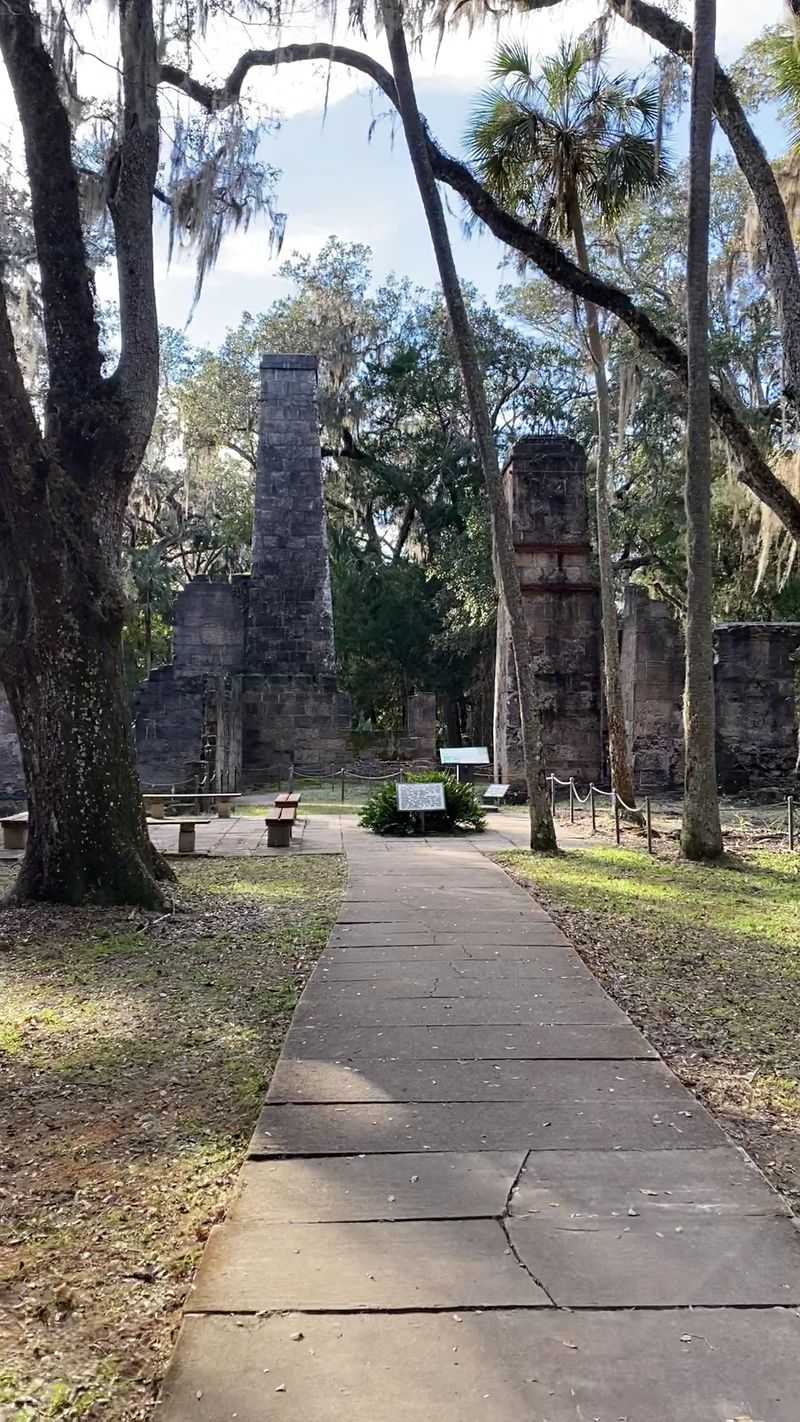
Not everyone wants a long hike, and this park quietly accommodates that. You can drive to a parking lot and walk just 0.3 miles along a pretty trail to reach the ruins.
Prefer even less walking? There is parking right near the ruins so you can simply stroll around them.
That flexibility makes the site friendly to a wide range of energy levels.
The ruins themselves can be driven to as well, which is a nice touch for anyone who has trouble covering distance. It means the history stays accessible no matter how you like to explore.
Parking near the mill is limited, so arriving earlier helps on busier days. Either way, you can tailor the visit to fit exactly how much you feel like moving that afternoon.
A Quiet Escape for History and Nature Fans
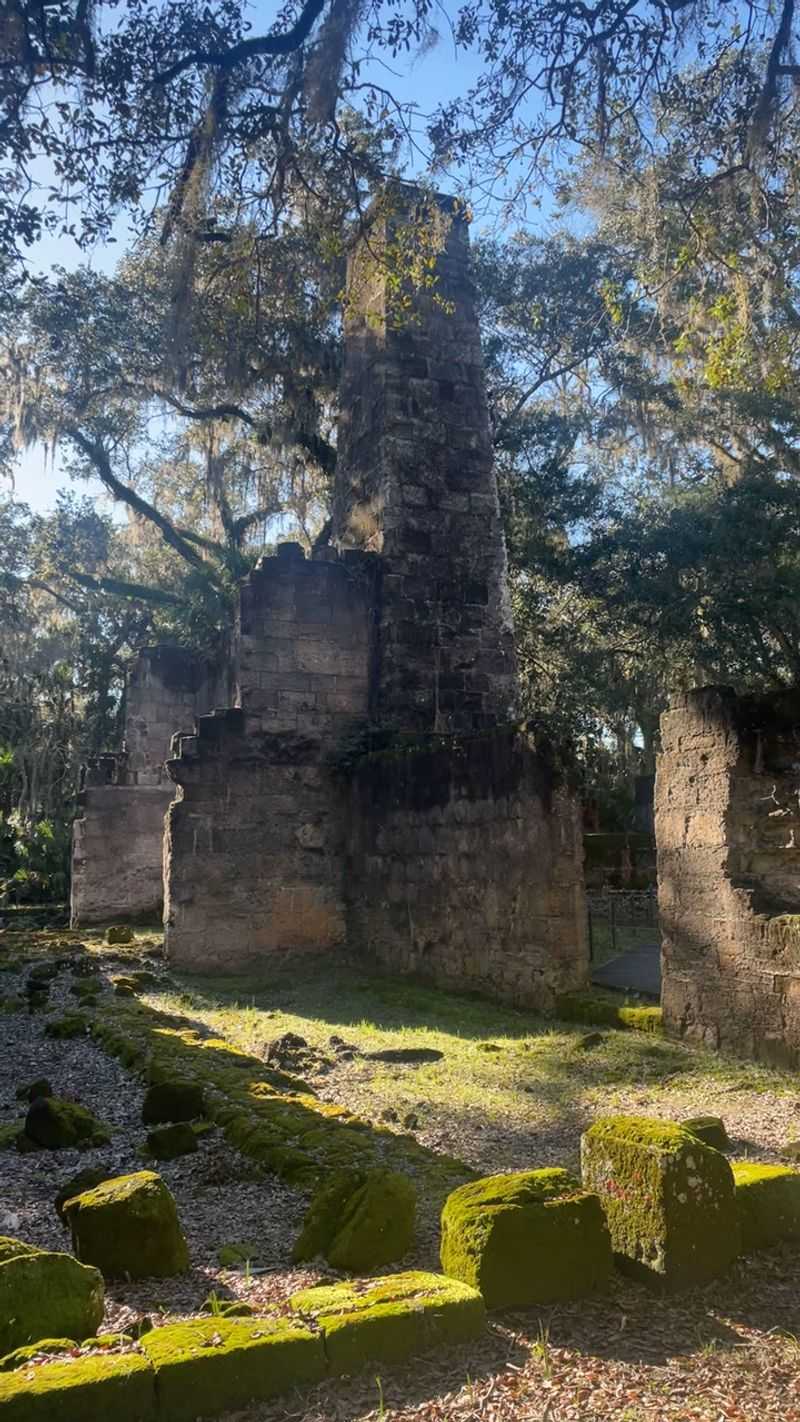
The crowd here skews toward people who love both nature and history, and the park serves both beautifully. It is often called a must-visit for that exact combination in Flagler County.
The mood leans quiet and reflective. The site carries a wistful feeling, as if the ruins were always meant to be reclaimed by the saw palmetto and Florida jungle around them.
It is deliberately not a big tourist area, which regulars count as a major plus. That means you can wander without jostling through crowds, even on a nice day.
Families do well here too, with kid-friendly loop trails and educational stops that keep younger explorers engaged. Whether you want a thoughtful walk or a relaxing outing, the park meets you where you are.
Bring a Dog and a Picnic
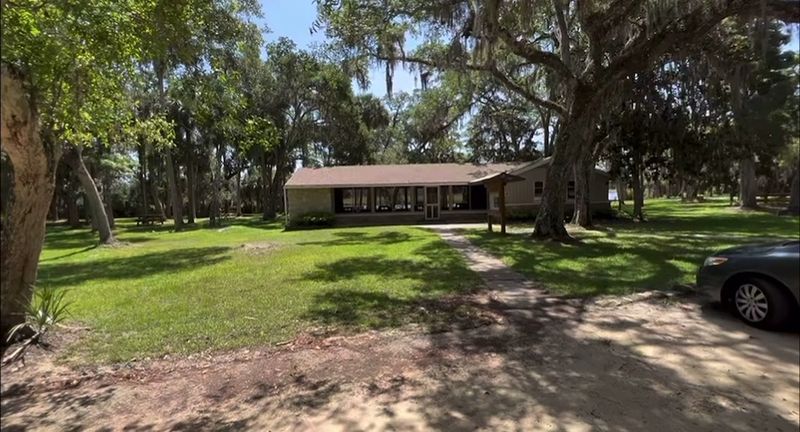
Four-legged companions are welcome, which makes this a great spot for anyone who hates leaving the pup at home. The park is dog friendly, so you can share the trails together.
Shady picnic areas dot the grounds, with tables, benches, and at least one gorgeous old live oak to sit under. It is an easy place to pack a lunch and stretch out an afternoon.
Clean restrooms are available at the parking areas, a small but appreciated detail on a day out. Between the shade and the facilities, comfort is not an afterthought here.
A chilly day with a breeze, especially after the holidays, gets called a perfect time to come. Add a picnic and a happy dog, and you have a low-key outing that is hard to beat.
Four Dollars and an Honor Box
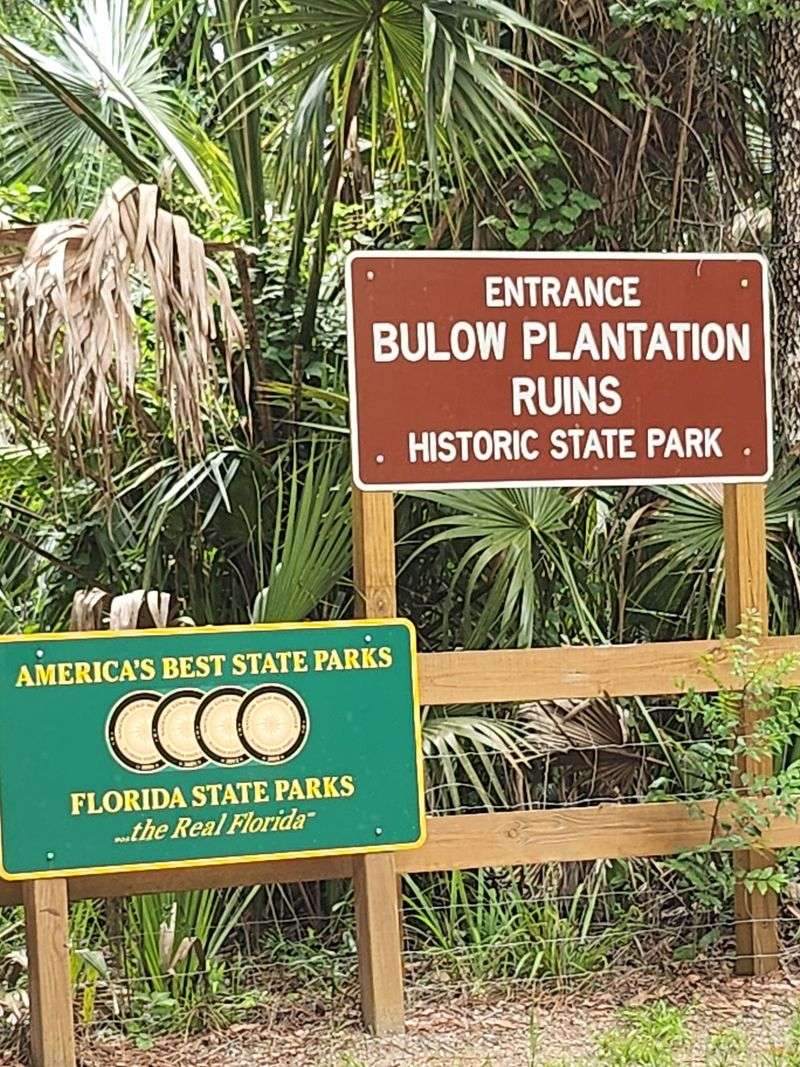
The price of admission is refreshingly gentle on the wallet. Entry runs just four dollars, collected through an honor box where you drop cash into an envelope and grab a parking tag.
Credit cards are not accepted at the box, so bring exact change to keep things simple. Some guests have spotted a QR code option for paying by card, but cash is the safe bet.
For that small fee, you get trails, the ruins, the creek, and the exhibits, which most agree is easily worth it. Few outings deliver this much for so little.
The honor system fits the quiet, old-Florida character of the place. It is the kind of low-cost, low-fuss stop that rewards anyone willing to plan ahead with a couple of bucks.
Hours and When to Go
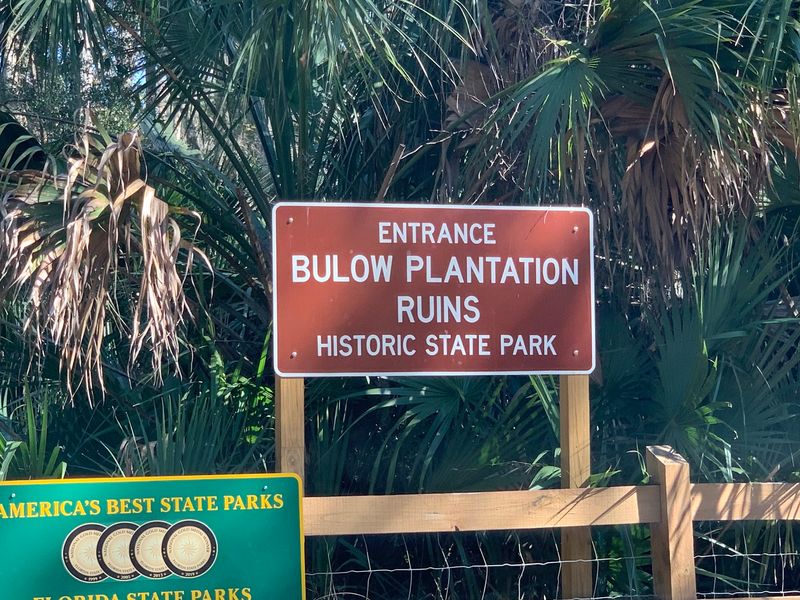
Timing matters here because the park keeps a limited schedule. It is open Thursday through Monday from 9 a.m. to 5 p.m., and closed on Tuesdays and Wednesdays.
Plan around those closed days so you do not make the long dirt-road drive for nothing. Arriving earlier in the day also gives you more daylight for the longer trails.
Cooler months earn special mention, with a crisp day after Thanksgiving described as a great time to visit. Florida heat and humidity can cut a hike short, so the off-season pays off.
Even after hours, there is a trail you can still walk for a bit before the gate. Still, catching the park during open times unlocks the ruins, exhibits, and the full experience.
Why This Hideaway Is Worth the Detour
Holding a 4.6-star rating across more than 440 reviews, this park has clearly earned its quiet reputation. People consistently call it fascinating, beautiful, and well maintained.
What makes it stand out is the mix: real history you can walk through, trails and a creek for outdoor time, and a price that barely dents your day. Many wish they had found it sooner.
The long dirt road, the towering mill walls, the tucked-away cabins, and the shaded oaks all add up to something memorable and a little haunting. It rewards curiosity and slows you down.
Next time you are near Flagler Beach and looking for something meaningful, quiet, and cheap, point the car down Old Kings Road. This is old Florida still standing, and it is well worth the visit.