
Affiliate disclosure: As an Amazon Associate I earn from qualifying purchases. Learn more
Most museums ask you to stand back and admire from a polite distance. On the southeast side of Tucson, one newer spot skips that rule and lets you get close enough to read the rivets on a Soviet tank.
It sits in the same corner of town that already draws aviation fans from across Arizona, yet plenty of locals have never heard of it. Keep reading for the tanks, the trucks, the five dollar ride, and the smart ticket trick that saves money at the door.
A Hangar Full of Armor Next to Pima Air and Space
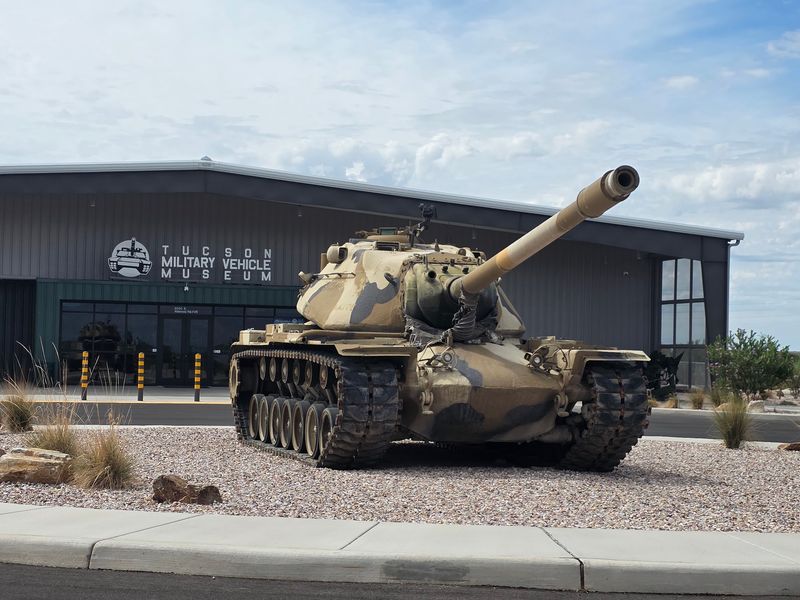
Tucson already has a reputation for aircraft, so a building packed with tanks next door feels like a plot twist. The Tucson Military Vehicle Museum sits at 6000 E Valencia Rd #26, Tucson, AZ 85756, right beside the Pima Air and Space Museum.
Finding it is simple. Take the same turn you would use for the air museum, since the two neighbors share the same approach.
The museum is classified as an Army museum, and the focus is clear from the moment you arrive. Tanks, artillery, transport trucks, jeeps, and armored troop carriers fill one large enclosed building.
A few more vehicles sit outside the hangar. That outdoor area also hints at expansion plans, so the collection is expected to keep growing.
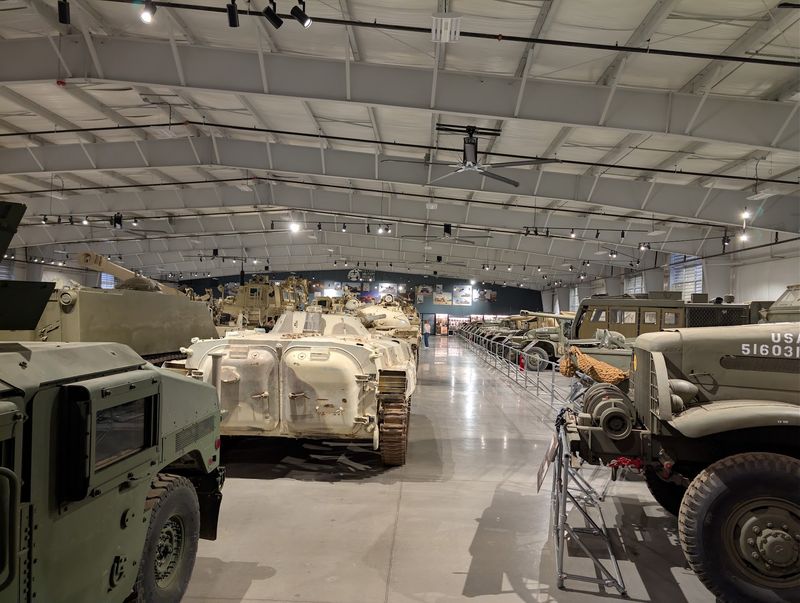
It is a newer addition to Tucson, and the building still looks the part. The space is known for being clean, tidy, and well lit, which makes the heavy machinery easy to study.
The museum also connects with the Pima County group of attractions, which includes its famous aviation neighbor. That link matters for planning, and it comes up again later when tickets enter the conversation.
For Arizona residents who thought they had already seen everything on Valencia Road, this one is a fresh reason to head back.
Why No Ropes Hold You Back
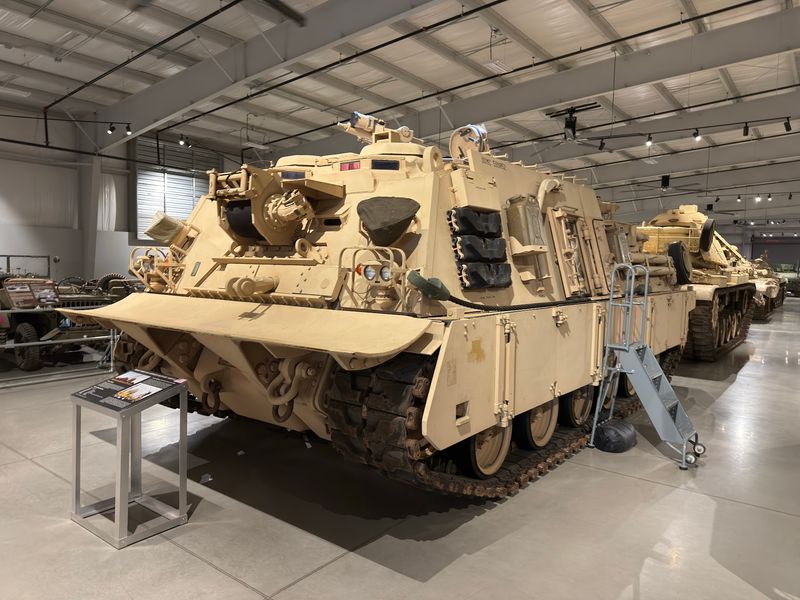
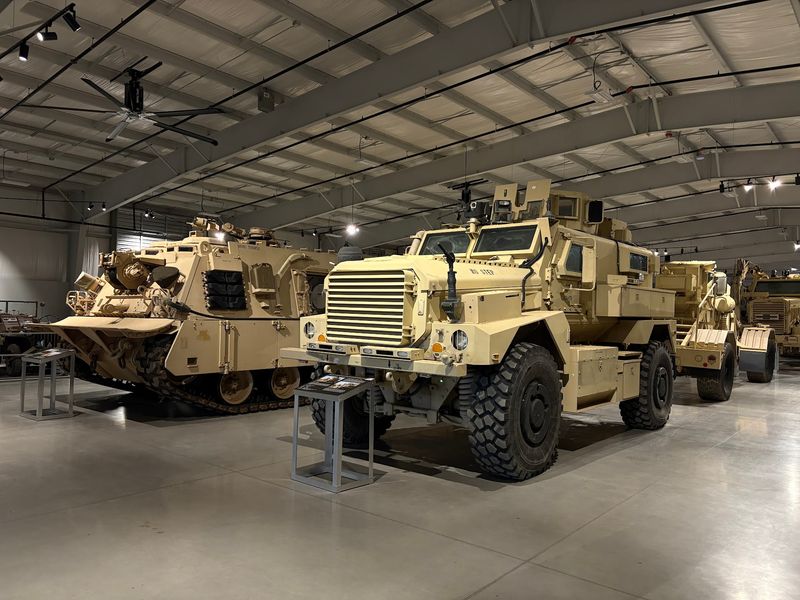
Here is the headline feature in plain terms. The vehicles in the center area are not roped off.
That means you can examine them in extremely close quarters, far closer than at many larger military or aviation museums. Details like hatches, tracks, and armor plating are right there in front of you.
The arrangement changes the whole visit. Instead of squinting at a tank from ten feet away, you can walk around it and study how it was built.
Some exhibits go a step further and let guests go inside the tanks. That interactive angle is a big part of why the museum stands out from its predecessor.
The vehicles are packed in fairly tightly. Even so, the layout makes it easy to get around and see everything without missing a corner.
Close access also helps with scale. A tank looks impressive in a photo, yet standing next to one shows how much engineering went into every piece.
Of course, freedom comes with good manners. Treat the machines with respect, follow staff guidance, and leave the history in good shape for the next group.
Once the ropes are gone, the real question becomes which vehicle to approach first.
Soviet Steel and American Muscle
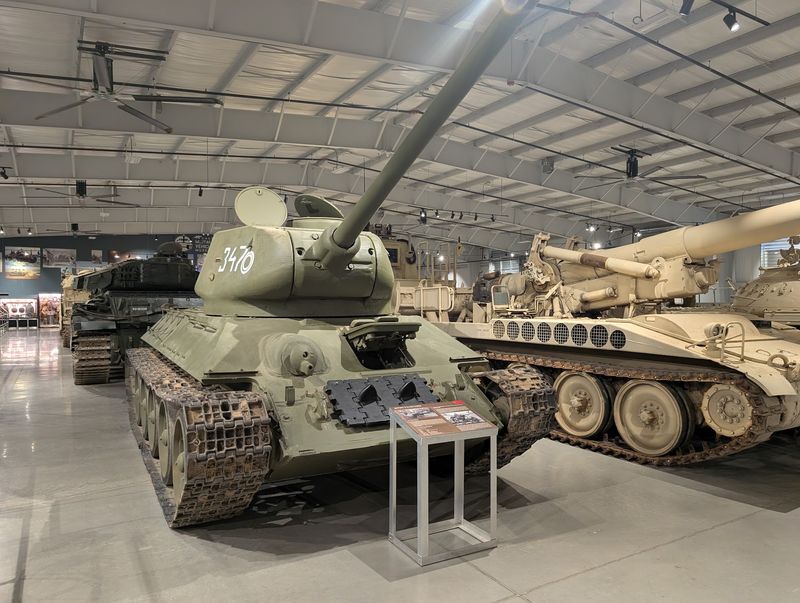
Few places in Arizona let you compare Cold War rivals side by side. This collection puts Russian and American tanks in the same room.
On the American side, the lineup includes the M60. On the Soviet side, you will find a T-34 and a BMP, which makes for an interesting comparison of what each side could do.
The Soviet era tanks are often called the highlight of the experience. Nearly every vehicle is substantially different from the next, so the walk never turns repetitive.
Variety reaches beyond tanks too. Transport trucks, jeeps, armored troop carriers, and artillery fill out the floor, along with some missile pieces.
The collection also includes some unique foreign equipment. A few vehicles here are ones that even seasoned military museum fans say they have not seen anywhere else.
This is not the largest military vehicle museum in the country, and it does not pretend to be. It wins on rarity and access instead of sheer size.
Tank lovers often arrive with a checklist. Plenty of them leave with a few new names added to it.
Uniforms, Plaques, and a Deep World War II Story
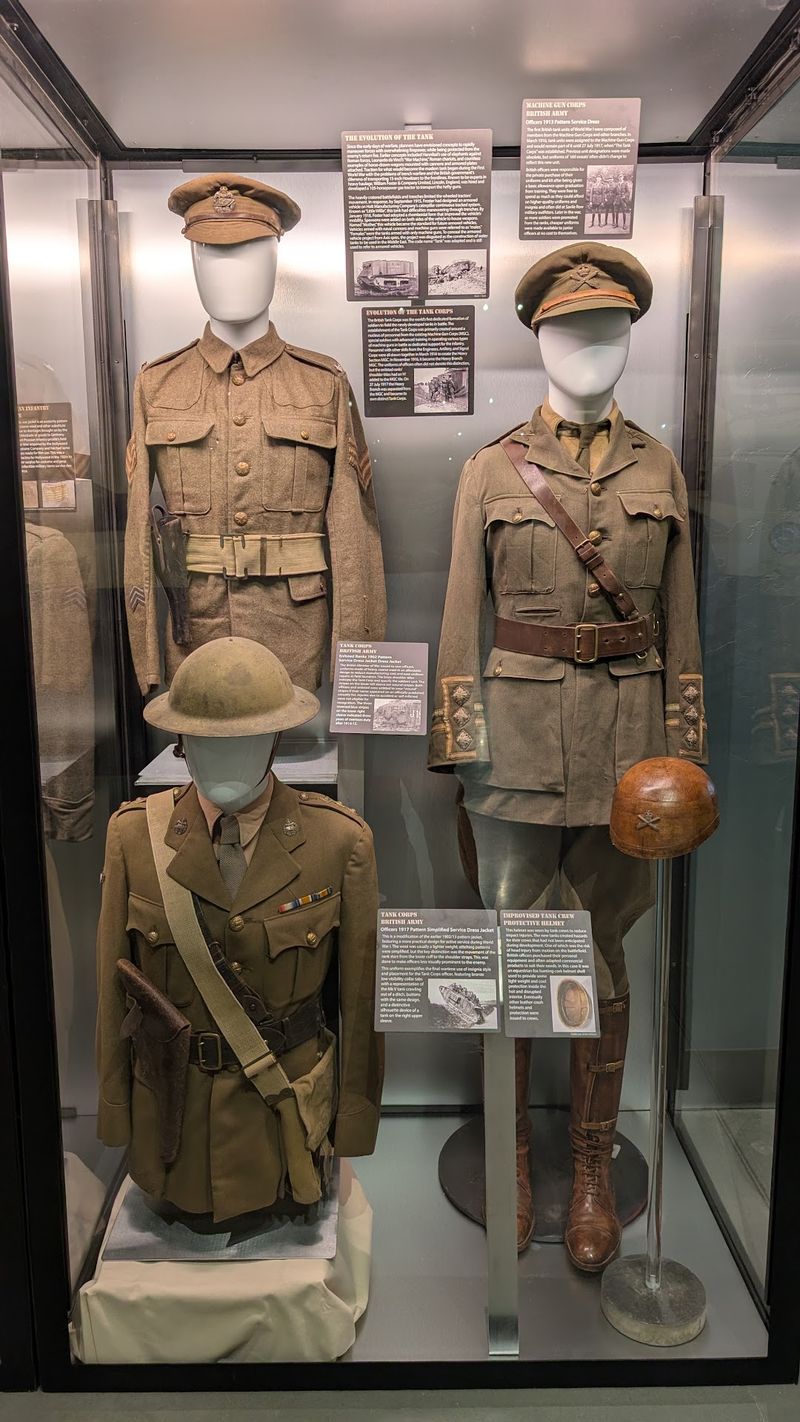
Big vehicles grab attention first, but the smaller displays carry a lot of the story. Most of the collection centers on two eras: World War II and the Global War on Terror.
A handful of support vehicles from the Cold War fill the gap between them. That spread gives the room a timeline feel.
The collector behind the museum came from the World War II German born generation. It shows in a very filled out display of German World War II militaria.
Uniforms, some small arms, and other memorabilia round out the exhibits. Historical information from World War II adds context to what you see on the floor.
Each vehicle comes with a descriptive plaque covering its history. The signs are extensive, explaining what the vehicle did and when it was used.
There are also D-Day related displays with interactive materials. Those pieces are considered more accessible than some exhibits at the neighboring air museum.
A fair warning for newcomers: the experience grows richer if you take time with the signs. Folks who already know the stories find it amazing, while casual browsers may want to read more to get the full payoff.
History buffs, consider this your homework assignment with a fun bonus.
The Five Dollar Deuce and a Half Ride
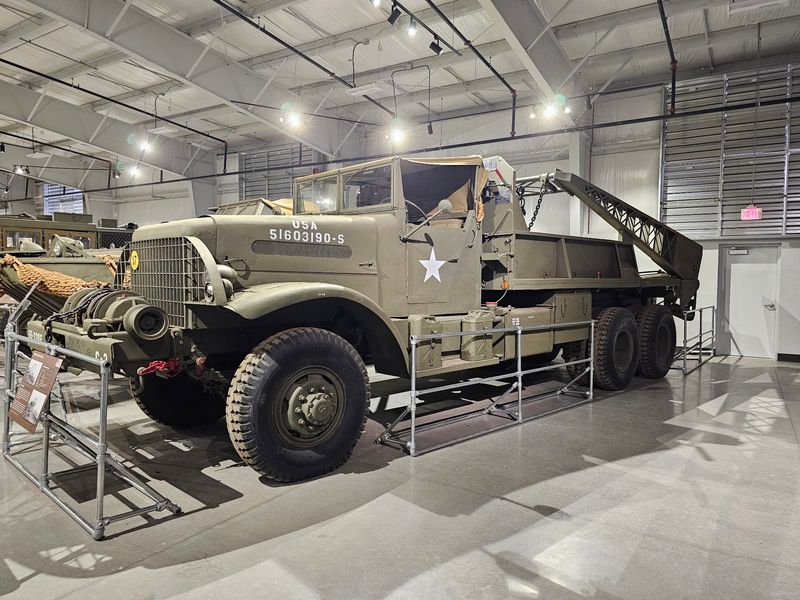
Reading about Army trucks is one thing. Riding in one through the Tucson desert is another.
The museum offers rides on a Deuce and a half, the classic military cargo truck. Adding the ride costs only $5 per person on top of admission.
Groups have booked it for birthdays, which says a lot about its party appeal. Friends pile in together, and the ride becomes the story everyone tells afterward.
It is a smart pairing with the hangar visit. After studying vehicles on the floor, you get to experience what moving in one actually feels like.
Booking ahead is a sensible move, especially for a group. Check the museum website at tucsonmilitaryvehicle.org for current ride details before you go.
The museum has also hosted demonstrations, and some guests plan return trips specifically around them. Keeping an eye on the schedule can turn a regular visit into a special one.
In a state full of jeep tours and scenic drives, very few options come with genuine military credentials. For five dollars, this one is hard to beat, and it may be the cheapest ticket to bragging rights in southern Arizona.
Volunteers With Stories to Share
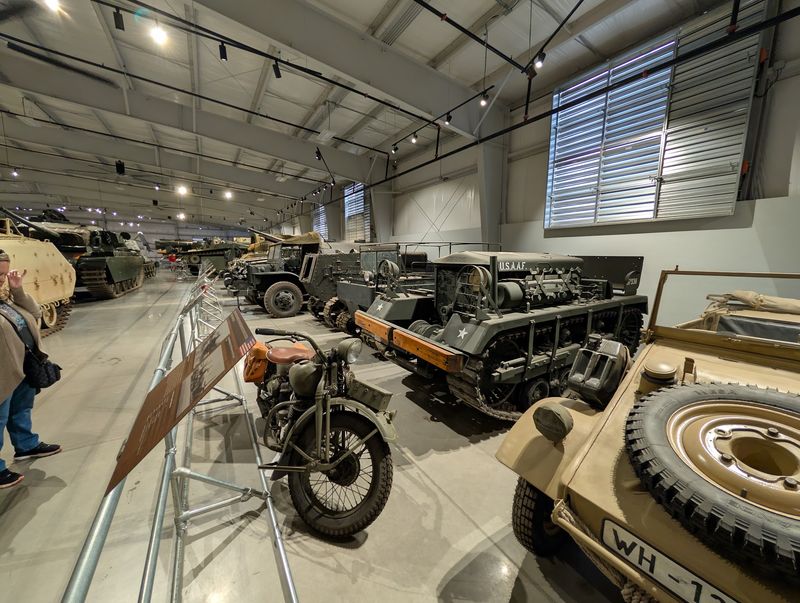
Machines tell part of the tale, and people tell the rest. The volunteers here are known for being knowledgeable and clearly passionate about preserving these vehicles.
They share stories about where the machines came from and how they were used. That personal touch makes the place feel very different from a large, busy attraction.
Everyone on site tends to be positive and informative. Questions are welcome, and the answers often go well beyond what the plaques cover.
Sometimes the experts are people who actually rode in these tanks. Groups of former soldiers occasionally show up and present their experiences to museum goers.
Those talks are informative and give the museum real charm. Hearing firsthand accounts next to the very type of vehicle being described is a rare opportunity.
The restoration work also earns praise. The vehicles are well maintained, so they look like tanks in their prime rather than worn out leftovers.
Supporting a group doing this kind of preservation is part of the appeal. Your admission helps keep that history in working order for future Arizonans.
Who Will Love It, and Who Should Plan Ahead
Gearheads and history fans are the obvious audience. Still, the crowd here is broader than you might expect.
Young kids often love seeing the big vehicles, and little boys in particular tend to light up around the tanks. Families also appreciate the playground on site.
That said, honest expectations help. Some children find it less interactive than the air museum next door, so mixing both stops can balance the day.
The museum is largely one big room, so a visit usually takes a couple of hours. It is rarely overcrowded, which lets you take your time without feeling rushed.
Bring a jacket, even in summer. The air conditioning is generous, which can be a welcome surprise on a scorching Tucson afternoon.
Packing a lunch works well here. There are indoor and outdoor dining areas with tables and chairs.
One practical note for anyone with mobility needs: the front and side entrances do not have automatic doors. Plan for a little help if needed.
The gift shop is a surprise favorite, with plenty of interesting items and toy tanks that send small fans home happy.
Hours, Combo Tickets, and a Smart Day Plan
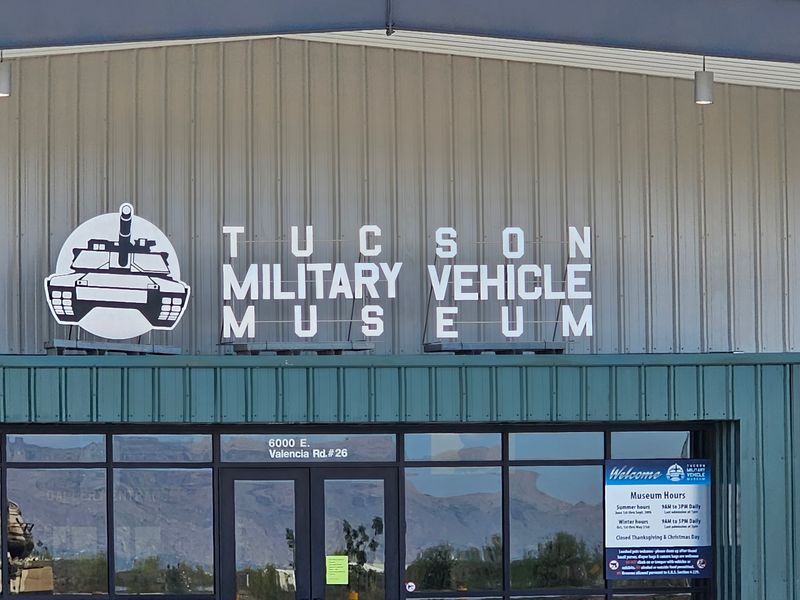
Good news for flexible schedules: the museum keeps the same hours every day. Doors are open Monday through Sunday from 9 AM to 5 PM.
Admission can feel a bit pricey for one hangar on its own. The fix is simple, and it is the tip most worth remembering.
Buy the combo ticket with the nearby Pima Air and Space Museum. It saves a few dollars per person and turns two stops into one easy outing.
Already holding a Pima Air and Space ticket? It is also valid here, as long as you do not arrive too late in the day.
Starting early makes sense for that reason. Hit one museum in the morning, grab your packed lunch at the tables, and finish at the other before closing.
Aviation and military fans can stretch the theme even further with the Titan Missile Museum. Tucson has become quite spoiled with these attractions.
For current prices and the Deuce and a half ride, check the official website before heading out.
Small, new, and still growing, this hangar proves Arizona does not need velvet ropes to make history memorable. It just needs a few good tanks and the freedom to walk right up to them.


