
Affiliate disclosure: As an Amazon Associate I earn from qualifying purchases. Learn more
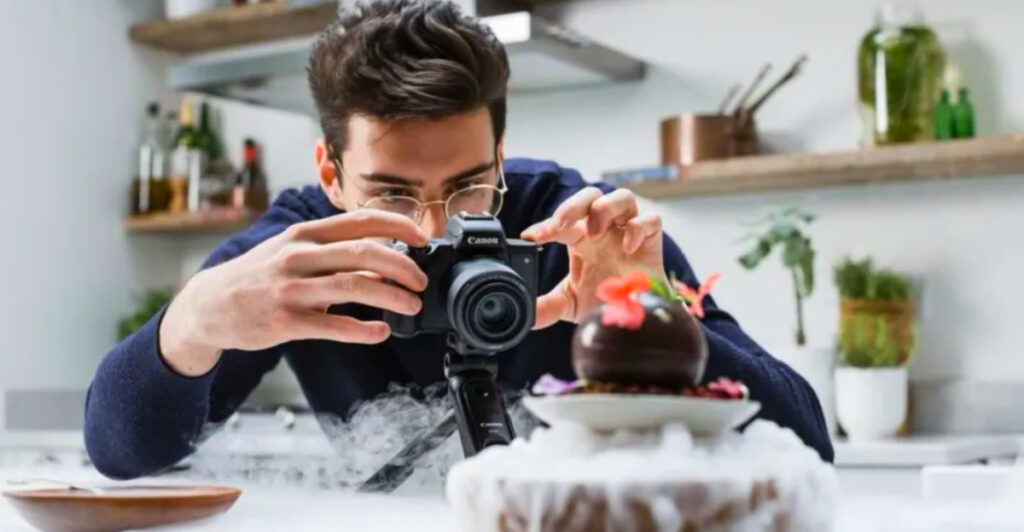
Ready to make your food photos look like they belong on a Michelin-star menu? With the right camera, colors pop, textures sparkle, and steam seems almost touchable. You will learn which bodies and lenses make dishes look decadent, plus practical tips that instantly elevate your shots. Let us dive into gear that helps you create restaurant-worthy images, even at home.
1. Sony Alpha a7 IV
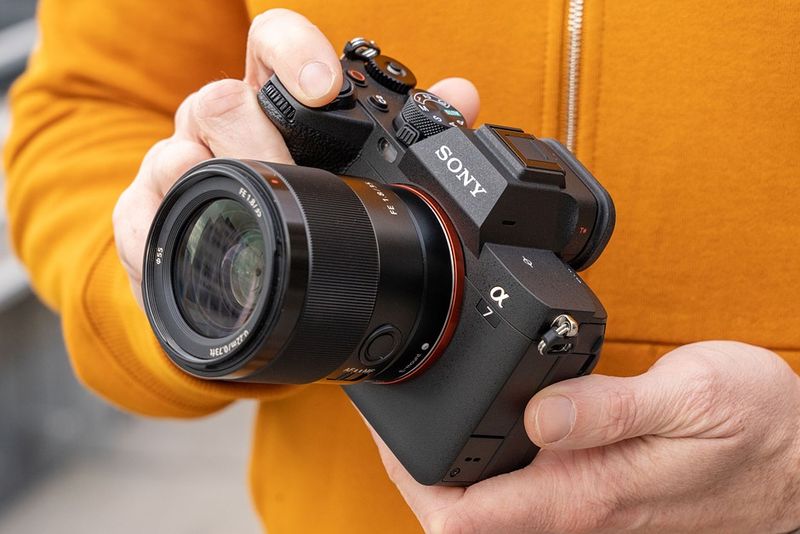
Sony’s a7 IV balances resolution and speed, letting you capture crisp crumb structures and glossy reductions. Real-time Eye AF for humans is handy during behind-the-scenes, while subject tracking keeps herbs and toppings locked. The 33 MP sensor delivers flexible cropping for social and print without sacrificing detail.
Use the 90mm macro for intimate textures and a 50mm for table spreads. Lower contrast profiles preserve highlight rolloff on reflective glazes. In post, nudge white balance slightly warm, add micro-contrast, and tame highlights to avoid plastic-looking shine. Your dishes will feel rich, dimensional, and irresistible.
2. Nikon Z7 II
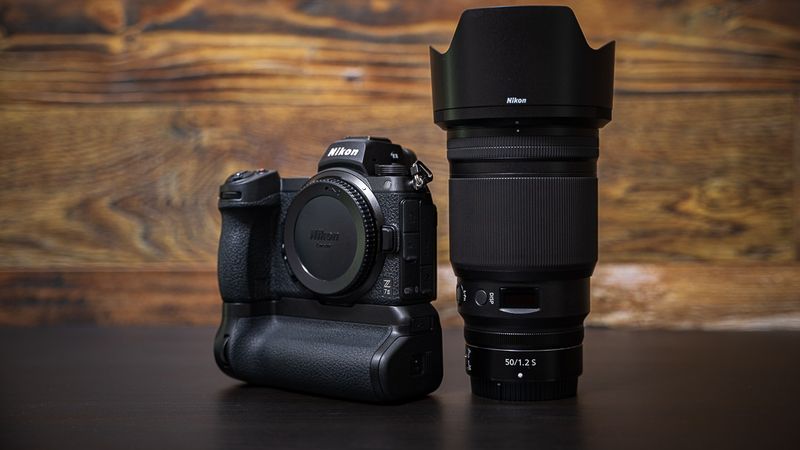
The Nikon Z7 II brings 45.7 MP resolution that reveals flakes of salt and the tiniest bubbles in caramel. It is perfect for print-ready cookbooks and clients demanding razor detail. The dynamic range helps preserve subtle gradients in whipped cream and shadowed herbs without crushing blacks.
Use a 105mm macro for flattering perspective and working distance around reflectors. Expose to protect highlights on glossy oils. In post, recover shadows gently, lift midtones, and increase color separation with HSL. The result is sophisticated contrast and nuance that screams high-end cuisine without looking over-processed.
3. Fujifilm X-T5
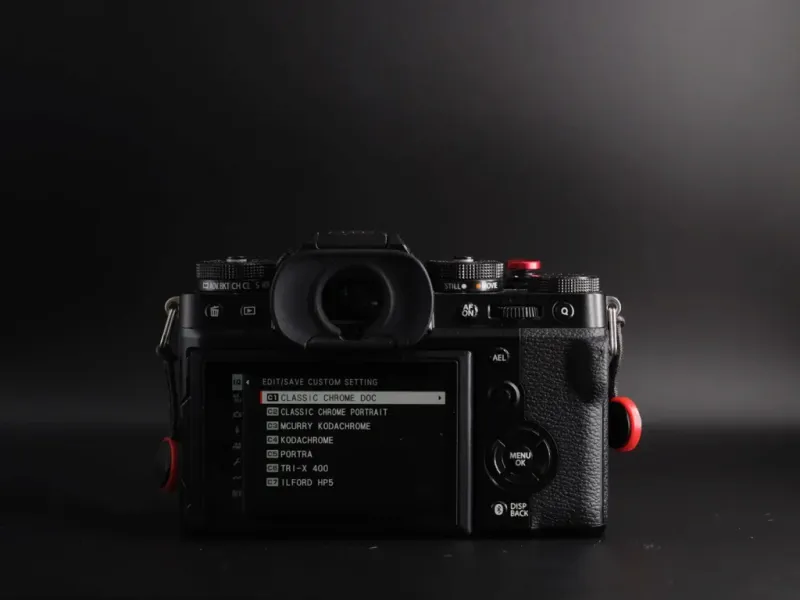
The X-T5’s 40 MP APS-C sensor and Fujifilm film simulations give food a vibrant, editorial pop. Classic Chrome and Pro Neg Std keep colors tasteful, avoiding oversaturation on greens and reds. The tactile dials make experimenting with shutter and ISO feel intuitive when the light shifts.
Pair it with the 80mm macro for tight textures, or the 56mm for portraits and tablescapes. Shoot RAW plus JPEG to compare simulations against a neutral file. In Lightroom, enhance micro-contrast, reduce orange saturation slightly, and add subtle grain for a magazine-worthy finish that feels organic, not plastic.
4. Leica Q2
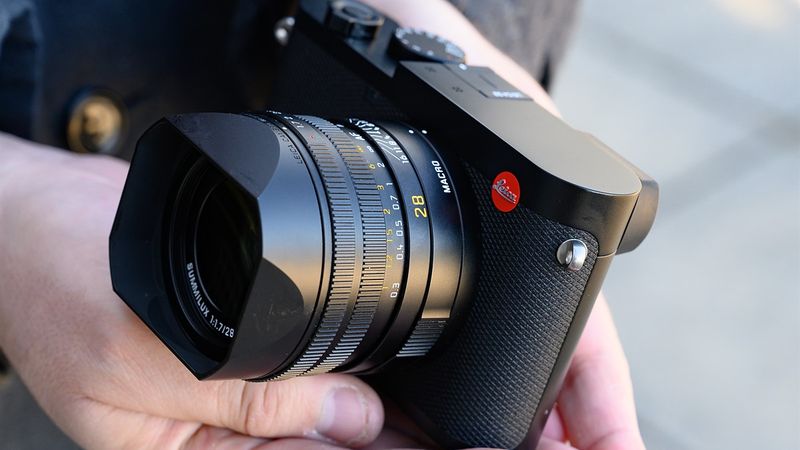
The Leica Q2 offers a 47.3 MP sensor with a superb 28mm lens that makes scenes feel airy and refined. Its micro-contrast and color science flatter pastries, salads, and minimalist plates. The fixed focal length pushes stronger composition and cleaner backgrounds with deliberate framing.
Use the macro mode for precise garnish details and shoot at f/2 to balance sharpness with bokeh. Keep lighting simple with window light and a white bounce. In post, lean into gentle curves and selective color to maintain nuance. Expect images that look expensive, editorial, and delightfully tactile.
5. Canon EOS R5
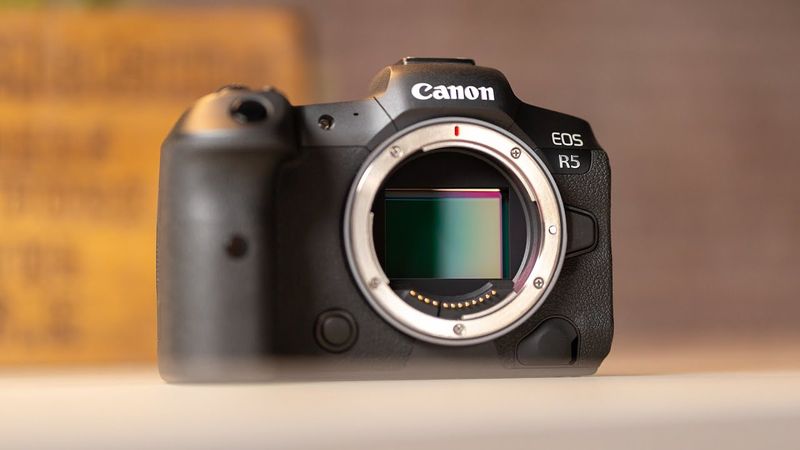
The EOS R5’s 45 MP sensor captures exquisite textures, from crackling roast skin to translucent citrus segments. It is a powerhouse for campaigns and cookbook spreads that demand immaculate detail. Dual Pixel AF is sticky and smooth, making it easy to focus through steam and shiny sauces.
Use the RF 100mm Macro for flattering compression and minimal distortion. Keep shutter speed steady with a tripod to stack slices of focus if needed. Process RAWs with restrained clarity and color calibration. Skin-tone friendly color handling keeps food hues believable, especially challenging reds, greens, and golden browns.
6. Sony Alpha a7C II
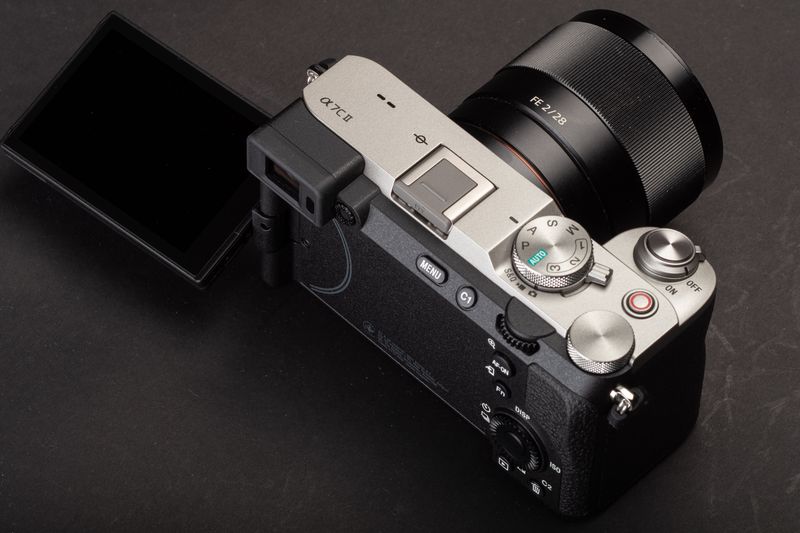
The a7C II brings full-frame quality in a compact body, perfect for small kitchens and cafe shoots. Its improved autofocus and color deliver consistent results even when light is limited. You can run a lean setup: a 50mm prime, a small reflector, and a soft cloth diffuser.
Compose tight to avoid clutter and use negative space for breathing room. Keep ISO reasonable and shoot RAW for flexible edits. In post, lift shadows a touch, cool highlights, and control orange luminance to keep skin-like tones in food realistic. Your plates will look polished without heavy gear.
7. Nikon Z6 III
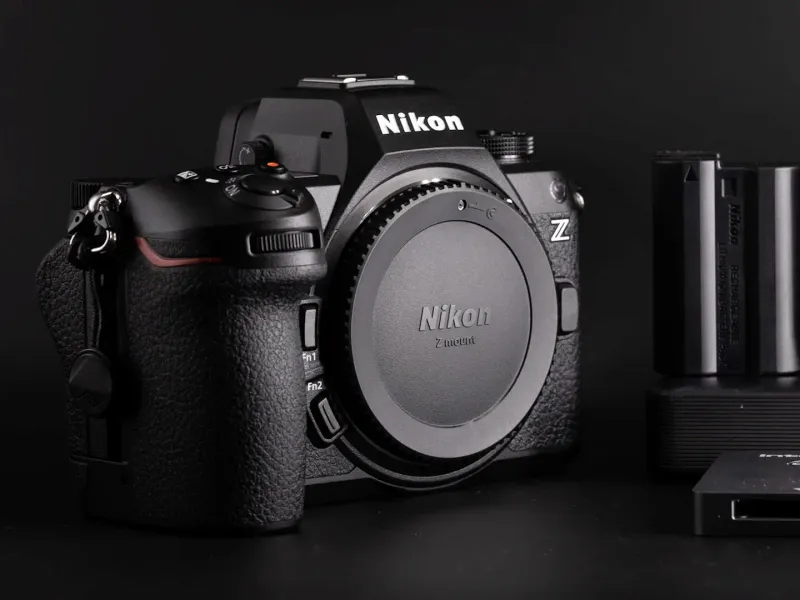
The Nikon Z6 III is a versatile hybrid that excels at both stills and video. For food, its responsive AF and pleasing color make sauces look glossy and greens fresh. The sensor’s balance of resolution and noise performance supports low-light dining rooms without ruining texture.
Work with a 105mm macro for tight texture and a 50mm for context. Keep lighting soft with diffusion and a negative fill for shape. In post, prioritize color consistency across a series, then add selective sharpening to edges of garnish. The look is refined, modern, and believable.
8. Canon EOS R6 Mark II
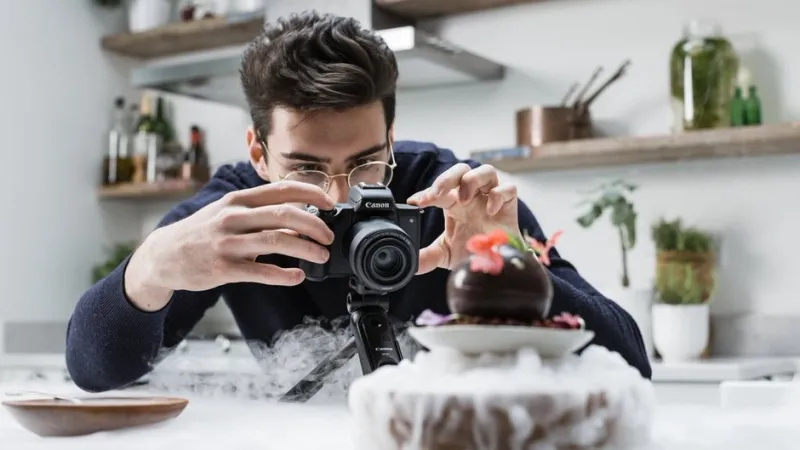
The Canon EOS R6 Mark II shines when you need creamy bokeh and accurate color for glossy sauces and jewel-like garnishes. Its autofocus sticks to tiny details, like sesame seeds and sugar crystals, so your textures stay tack sharp. Pair it with a 100mm macro and you will capture appetizing depth without harsh distortion.
Keep ISO low and work near a window for soft light that flatters delicate pastries. The articulating screen helps nail overheads without straining. Shoot RAW, then polish in Lightroom with subtle contrast, gentle clarity, and restrained saturation to keep tones natural yet delicious.
9. Fujifilm GFX 100S
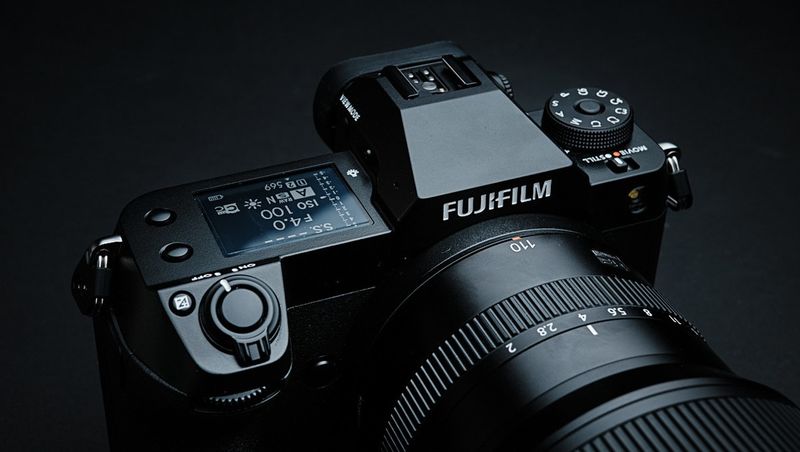
Medium format magic makes the GFX 100S a texture monster for bread crusts, chocolate shards, and flaky pastries. The files are huge, forgiving, and graded like butter. Colors stay nuanced, especially in difficult browns, which means your sauces look luxurious rather than muddy.
Use the 120mm macro for micro-detail and sculpt with flags to shape highlights. Keep ISO low and shutter on a sturdy tripod. In post, gentle clarity and subtle dehaze add dimension without crunch. Deliverables withstand heavy cropping for print or billboard without losing that sumptuous, high-end finish clients love.
10. Panasonic Lumix S5 II
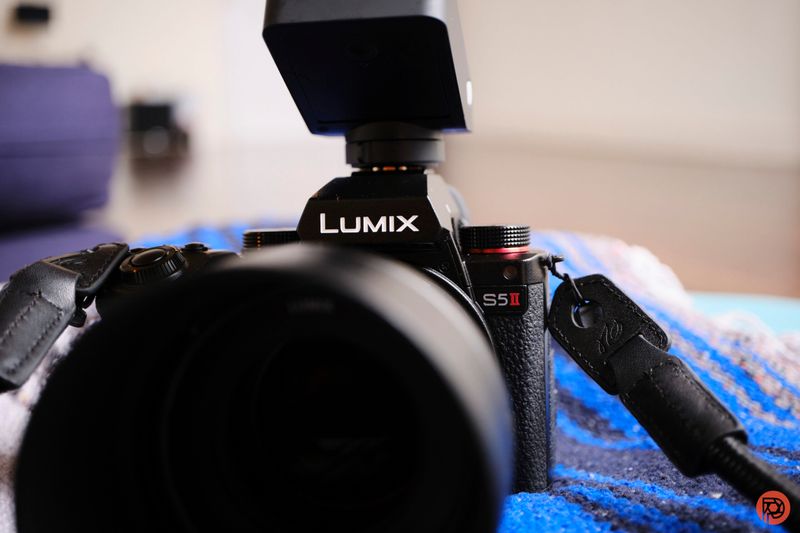
The Lumix S5 II offers reliable color and strong video features for social reels of sizzling pans and plating. For stills, the sensor renders greens and reds without clipping, keeping salad shots appetizing. Its stabilization helps handheld overheads when tripods are awkward in tight kitchens.
Pair with an 85mm or 100mm macro to control perspective. Use a soft LED through diffusion for a consistent look. In post, refine hues with HSL, lower magenta in reds, and add a gentle S-curve. Expect balanced contrast that highlights textures without crushing delicate highlights on glossy dressings.
11. OM System OM-1 Mark II
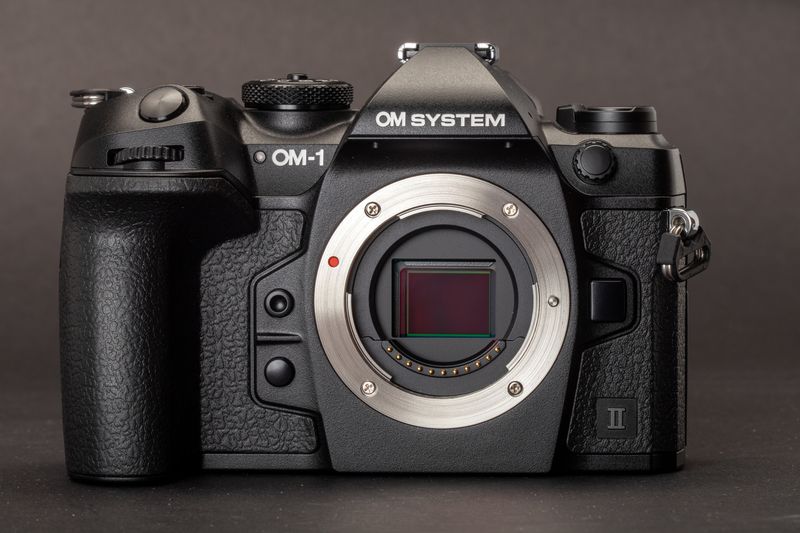
This Micro Four Thirds body is a focus-stacking champ, great for keeping tarts and layered cakes sharp front to back. Its smaller sensor gives extra reach with macros while keeping the kit lightweight. The color engine handles yellows and reds cleanly for bakery work.
Use the 60mm macro, stack a short burst, and stabilize on a tripod. Diffuse hard light with tracing paper and add negative fill to carve shape. In post, blend stacks, reduce saturation slightly, and sharpen selectively. Your baked goods will look crisp, dimensional, and delightfully inviting on any platform.
12. Canon EOS R10
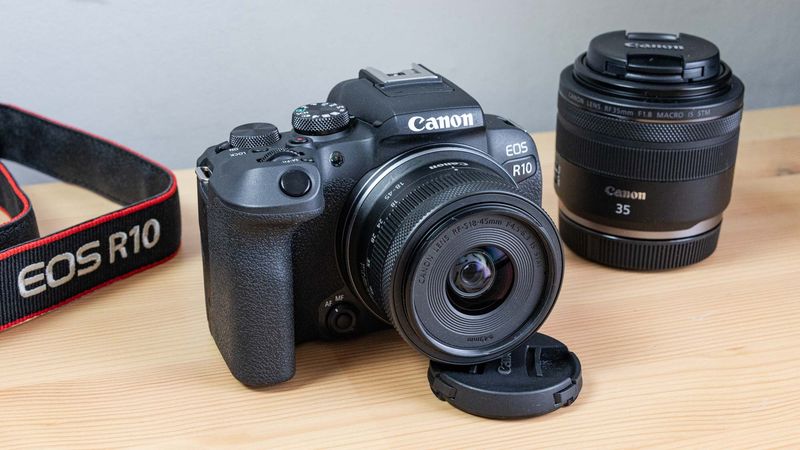
On a budget, the EOS R10 punches above its weight for food content and small brand shoots. Its autofocus is quick, and colors are pleasant for produce and baked goods. With a macro or close-focusing prime, you can capture mouthwatering textures without heavy investment.
Work near a window, keep ISO down, and use a cheap reflector to lift shadows. Compose with clean lines and negative space. In editing, adjust white balance for warmth, add gentle contrast, and control saturation. You will get crisp, fresh images that feel professional and ready for social or menus.
13. Sony ZV-E10
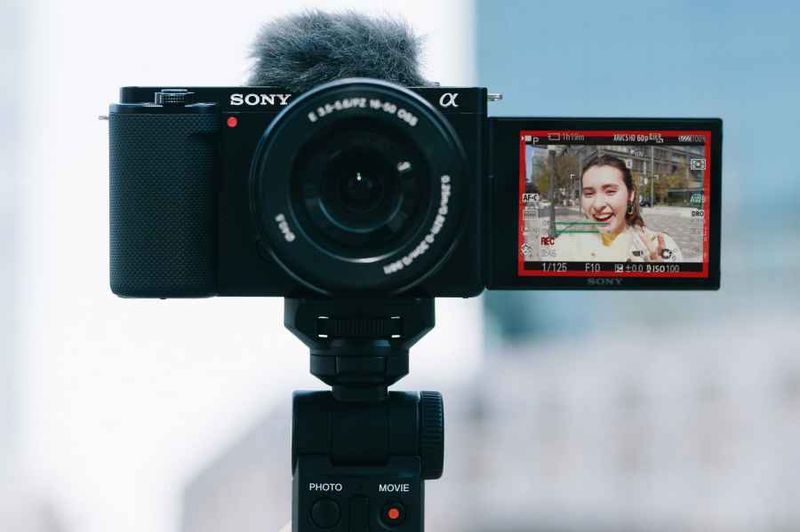
The ZV-E10 is a creator favorite when you need both tasty stills and engaging cooking videos. With a 30mm macro, you can document textures while keeping the rig light. Color is consistent and easy to grade, which helps maintain a cohesive feed.
Use a softbox for overheads and a bounce card for fill. Keep shutter steady for crisp stills between video takes. In post, sync a LUT across clips and photos, then fine-tune hues in HSL. The result is a polished, unified aesthetic that makes every dish look intentional and craveable.
14. Nikon Zf
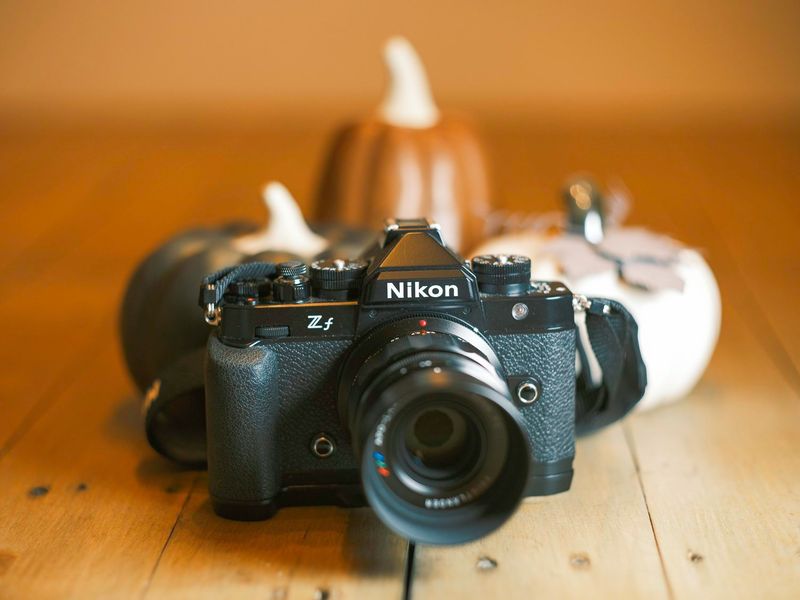
The Nikon Zf blends classic styling with modern performance, making bistro scenes feel romantic and refined. Its color and low-light capability keep candlelit dinners inviting rather than muddy. Skin-tone handling translates beautifully to golden pastry and creamy sauces.
Use an 85mm for flattering compression and shallow depth. Balance mixed light by setting custom white balance and flagging amber spill. In editing, add a touch of grain, lift blacks slightly, and protect highlights. Your images will look timeless, with a cinematic mood that flatters elevated dishes and intimate restaurant stories.
15. Fujifilm X100VI
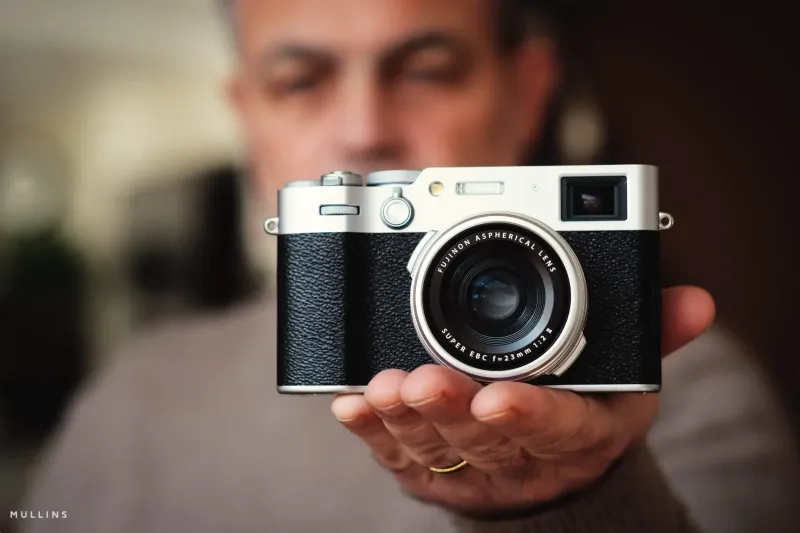
The X100VI is a compact storyteller that excels at cafe and market food. Its fixed 23mm lens encourages thoughtful composition and context. Film simulations deliver tasteful color straight out of camera, great for quick posting without heavy edits.
Shoot near windows for soft light and use small reflectors to add sparkle. Keep apertures around f/2.8 to balance sharpness and background blur. In post, fine-tune shadows, pull back orange saturation, and add modest clarity. You will get charming, authentic images that feel personal and premium at once.
16. Leica SL2-S
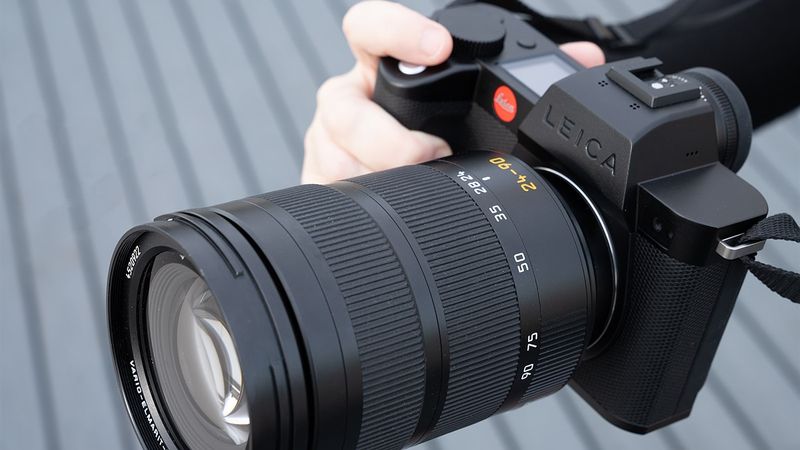
The SL2-S delivers elegant color and silky tonality that flatter fine dining. Its files grade beautifully, keeping sauces glossy without harsh halos. Paired with a 75mm or 100mm, perspective stays flattering and backgrounds remain clean.
Meter for highlights to protect specular reflections. Use large diffusion and negative fill to sculpt elegant shape. In post, target hue shifts surgically and sharpen edges sparingly. The final images feel luxurious and restrained, perfect for Michelin-level presentations and high-end branding where every detail matters.