
Affiliate disclosure: As an Amazon Associate I earn from qualifying purchases. Learn more
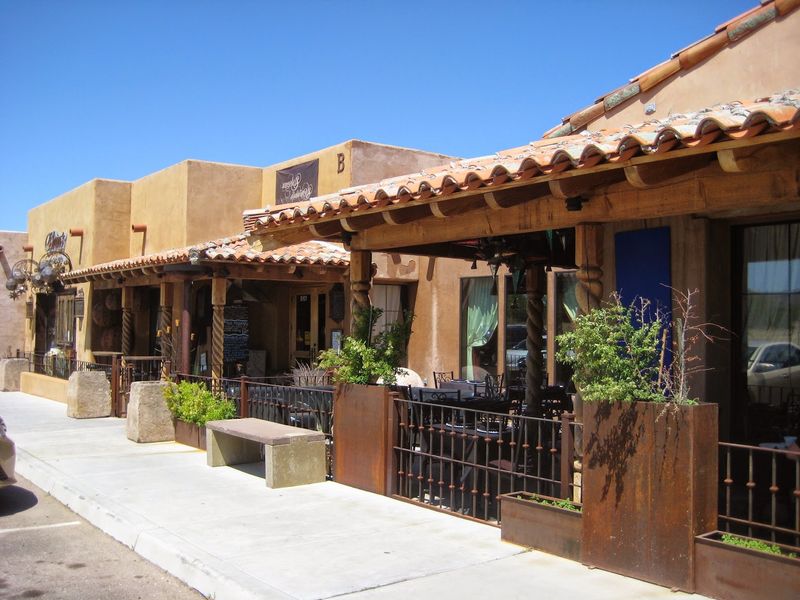
Some Arizona towns are known for a big canyon, a famous mine, or a giant festival. One small spot south of Tucson is known for something odder: a short stroll can carry you past more studios and art shops than many large cities pack into whole districts.
The town has only about 1,191 residents as of the 2010 census, yet it has built a reputation as a place where painters, potters, and makers set up shop side by side. It also carries one of the oldest stories in the state, with roots that go back long before Arizona had a name on a map.
Keep reading to learn where this little village sits, what its name really means, why artists keep landing here, and how to plan a day trip that feels like a secret your out-of-state friends have not found yet.
A Small Dot In Santa Cruz County
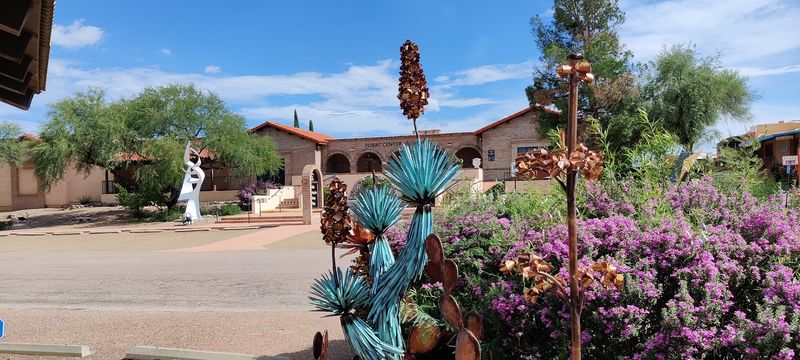
Plenty of Arizona road trips blow right past it, and that is a shame. Tubac is a census-designated place in Santa Cruz County, Arizona, USA, tucked into the southern part of the state.
Census-designated means it is not an incorporated city with its own mayor. It is a recognized community counted by the federal government, and at the 2010 census it held 1,191 people.
That number matters for one reason. A town this small is not supposed to carry a big reputation, yet Tubac has become a name that art lovers across Arizona know well.
The village sits in Santa Cruz County, the same county that reaches down to the Mexican border. For Phoenix and Tucson residents, it lands in that sweet zone of being far enough to feel like an escape but close enough for a single day.
Nothing here tries to compete with a metro skyline. The appeal is the opposite, a compact place where the main event is walking from one door to the next.
Keep that small population figure in your head as you read on, because the gap between its size and its creative output is the whole story.
The Name Hiding A Thousand-Year Clue
Here is a fun bit of trivia to toss out at your next family dinner. The word Tubac is an English borrowing from a Hispanicized form of the O’odham name Cuwak.
Translated into English, Cuwak means place of dark water.
That one name carries three layers of history. The O’odham people named the place first, Spanish speakers reshaped the word, and English speakers later adopted that version.
Few town names in Arizona pack so much backstory into five letters. It is a reminder that the land here had meaning to people long before anyone hung a gallery sign.
The phrase place of dark water also hints at why people settled here at all. In a desert state, water shaped where communities took root, and this name points straight to that.
Knowing the origin changes how a visit feels. The shops and studios are the newest chapter in a very long book.
So when someone asks what makes this village special, start with the name. Then let the art do the rest of the talking.
Galleries Stacked Door To Door
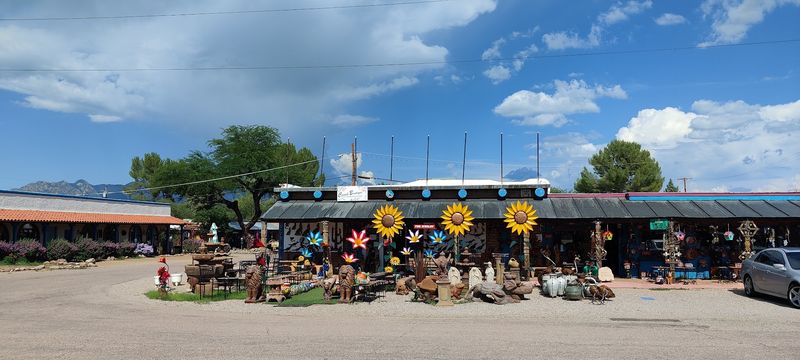
Count the doors, then count the residents, and the math starts to look a little wild. For a community of roughly 1,191 people, Tubac has earned a name as an arts village.
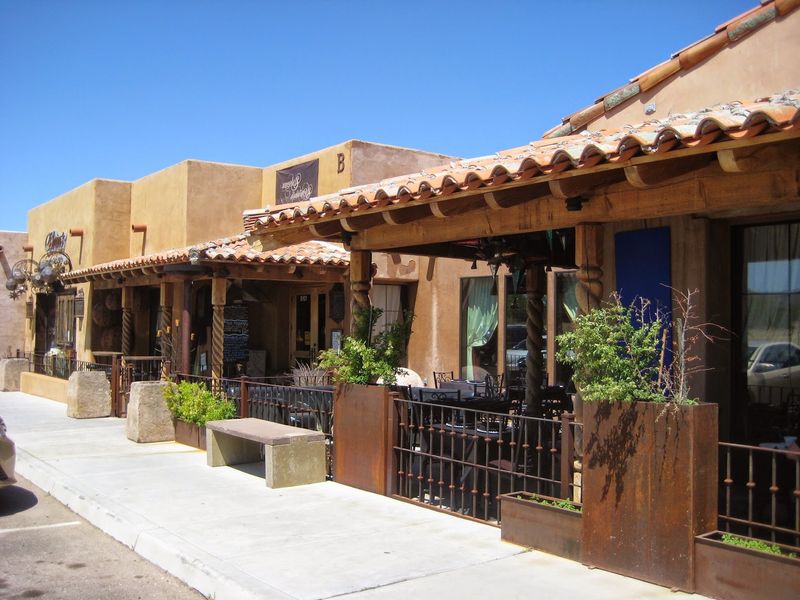
The headline claim is simple. In just a few blocks, a visitor can browse more galleries and studios than many big cities fit into a much larger footprint.
That density is the draw. There is no need for a car between stops or a map app with twenty pins.
Shops tend to cluster close together, so a lazy afternoon can turn into a long browsing session without much effort. It is the browsable kind of outing that Arizona locals love, where every next doorway might hold something worth a second look.
Painting, pottery, jewelry, and other handmade work are the kinds of pieces that fill these spaces. Each shop reflects the taste of its owner, so no two stops feel copied.
Bring patience more than a shopping list. The best finds here tend to show up when you are not looking for anything in particular.
Why Artists Picked This Patch Of Desert
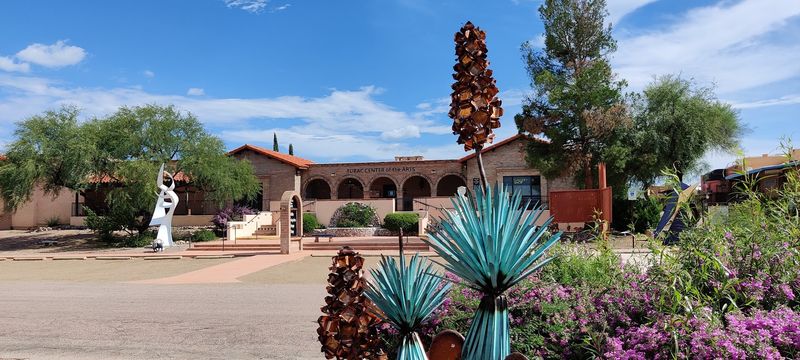
Artists rarely choose a home base by accident. Quiet streets, open land, and a slower pace tend to attract people who make things with their hands.
Tubac offers that kind of setting. It is small, it sits away from the bigger cities, and it carries deep history, all traits that tend to pull in creative folks.
Over time, a cluster of makers draws more makers. One studio becomes three, and a few years later the village has a reputation.
That snowball effect explains how a place this tiny could outshine larger cities in gallery count. Artists like being near other artists, and shoppers like being able to see many of them at once.
For locals, there is a bonus. Buying from a studio in your own state means the piece on your wall has an Arizona story attached.
Many of these spaces are run by the people who create the work, so a casual chat at the counter can reveal how a piece came to be. Those conversations are half the fun of the trip.
Old Roots Under New Paint
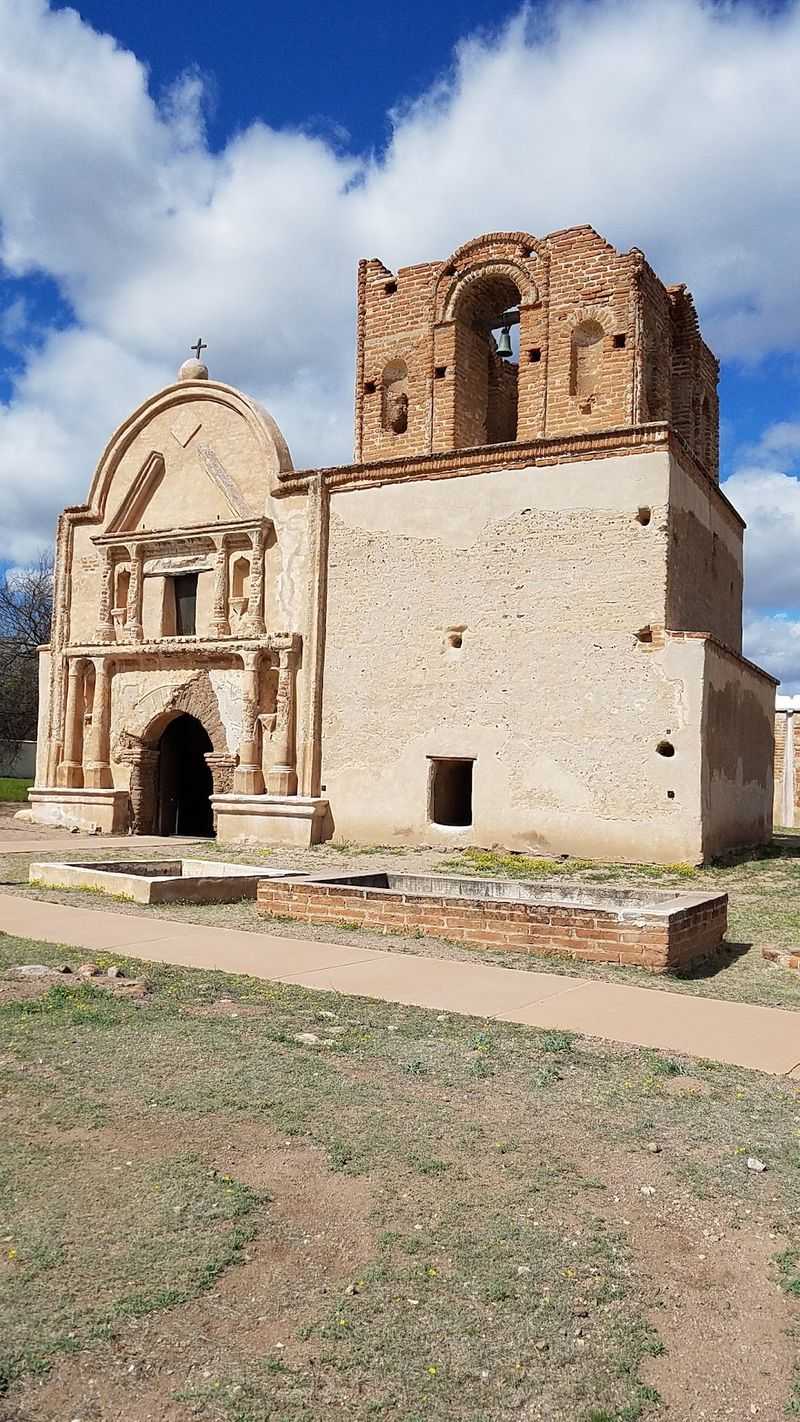
Long before price tags hung on canvases, this valley had people living in it. The O’odham name Cuwak tells you that much.
Later, Spanish speakers shaped that name into the form that English eventually borrowed. That chain of languages points to waves of people who called this area home across many generations.
Today the creative scene sits on top of that layered past. The galleries are new compared to the land, and that contrast gives the village its character.
Arizona has plenty of towns that lean on either history or art. Tubac manages to carry both at once, which is rare for a place you could walk end to end in an afternoon.
History buffs and art lovers can travel in the same car here without anyone getting bored. One person browses prints, another reads up on the area’s past, and everyone meets back up for the drive home.
The best way to respect those roots is simple. Learn the meaning of the name before you arrive, and the whole visit gains a little depth.
The Art Of Doing Nothing Fast
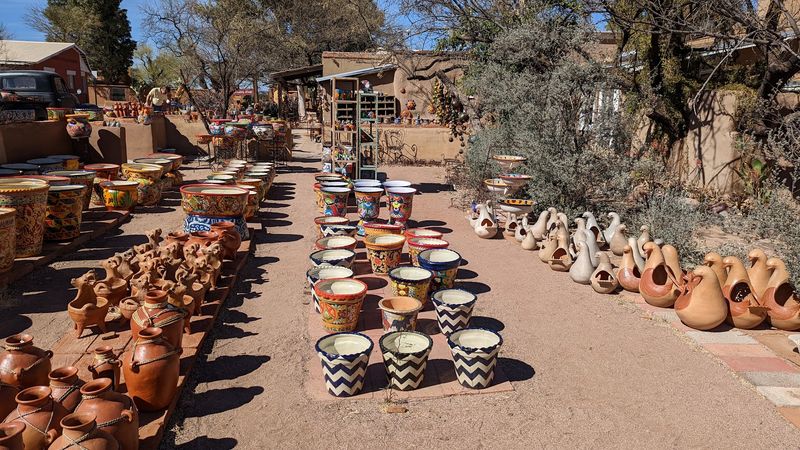
Speed is not the point in a town of about 1,191 residents. The pace here rewards people who are happy to wander.
There is no rush hour to dodge and no giant crowds to push through on an ordinary day. That calm is part of what makes browsing feel easy instead of tiring.
Couples looking for a low-key date day tend to fit right in. So do retirees, art collectors, and anyone who likes a gentle outing with plenty of chances to stop and chat.
Families with kids who enjoy drawing or crafts may also find inspiration. Seeing real artists at work can spark a lot of questions on the ride home.
People hoping for nightlife or theme-park energy should set expectations accordingly. This is a village built for slow afternoons, not late nights.
Think of it as a reset button. A few hours of poking around small studios can feel like a full vacation, even though you never left the state.
Souvenirs With Actual Stories
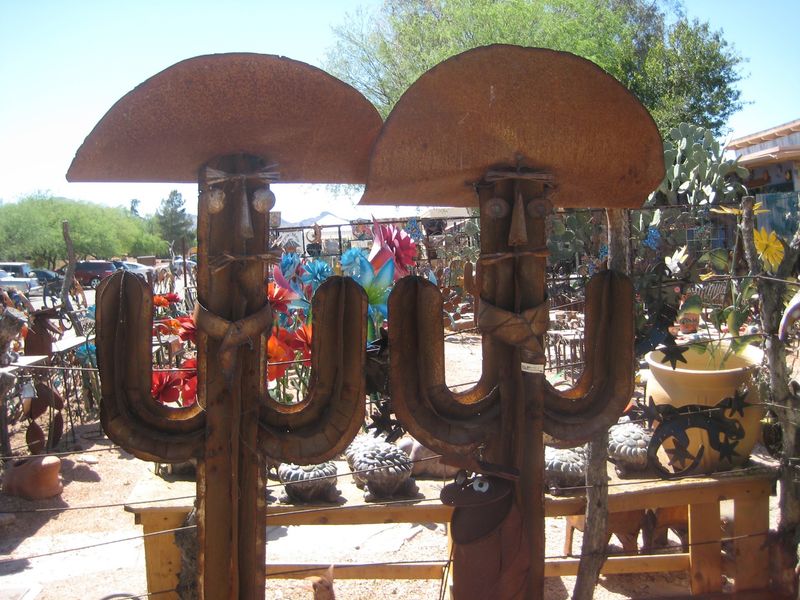
A refrigerator magnet from a highway stop is fine. A handmade piece from a small Arizona studio is something else entirely.
Shopping in Tubac tends to lean toward original and handcrafted work. That means the item you take home is often one of a kind.
Gift hunters should keep this village in mind before the holidays. Picking up a present from a local maker beats grabbing something generic from a big-box aisle.
Budgets vary from shop to shop, so it pays to browse widely before deciding. Smaller pieces can be a nice way to support artists without overspending, while serious collectors may find larger work worth the investment.
Asking about the artist behind a piece is always welcome in a creative community like this one. The answer often turns a pretty object into a meaningful keepsake.
Leave a little room in the trunk. Plans to just look around have a way of changing once you start opening gallery doors.
Bragging Rights For Arizona Locals
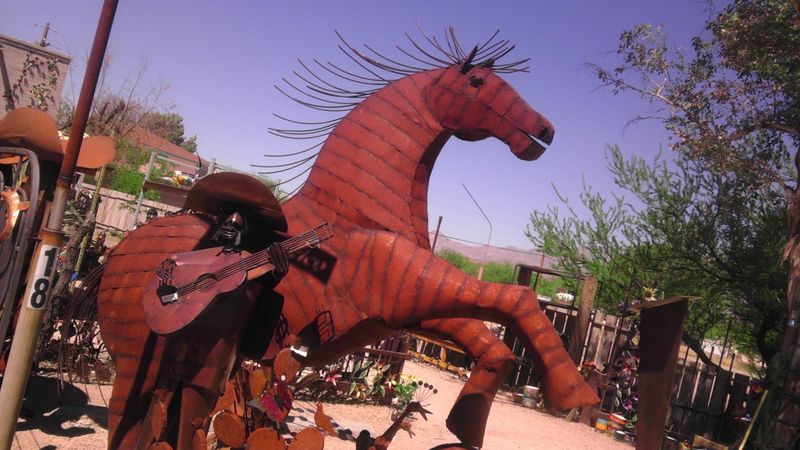
Out-of-state friends usually ask about the Grand Canyon or Sedona first. Tubac is the answer that makes you sound like a true insider.
Knowing that a community of about 1,191 people can rival big cities in art spaces is a fun fact worth sharing. It flips the idea that culture only lives in large metros.
Arizona residents have every reason to feel proud here. The state holds a creative hub that many people drive past without realizing it is there.
That hidden-in-plain-sight quality is part of the charm. It feels like discovering a room in your own house you never opened.
Bringing visiting relatives here can be a great move. They get a slice of Arizona history, a dose of local art, and a calmer day than a crowded tourist hot spot.
Next time someone says small towns have nothing to offer, there is a ready reply. Point them south to Santa Cruz County and let the galleries make the case.
Planning A Smooth Gallery Day
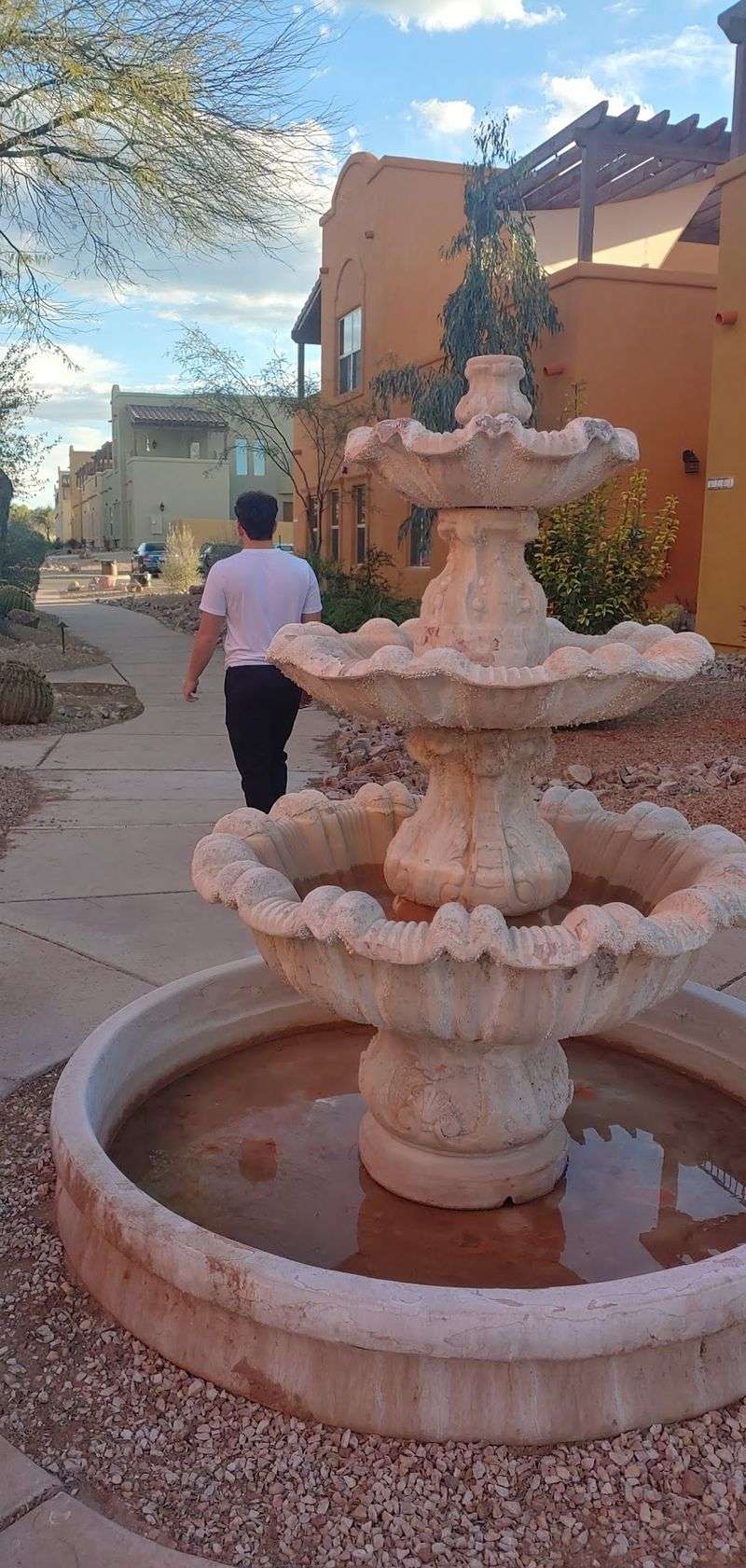
A little planning goes a long way in a small village. Tubac sits in Santa Cruz County in southern Arizona, so a car is the practical way to arrive.
Since it is a census-designated place rather than a large city, expect a small-town setup. Individual galleries and shops set their own hours, so check with specific businesses before making the drive.
Arizona summers can be intense in the southern part of the state. Many people prefer cooler months for long walks between shops, and bringing water and sun protection is a smart habit year round.
Comfortable shoes help, because the fun here happens on foot. Once you park, the compact layout makes it easy to explore without moving the car again.
Give yourself more time than you think you need. A quick look can easily stretch into several hours once the browsing begins.
Pack a bit of flexibility too. Small studios sometimes close for an afternoon, and rolling with those surprises keeps the day relaxed.
A Tiny Town With An Outsized Canvas
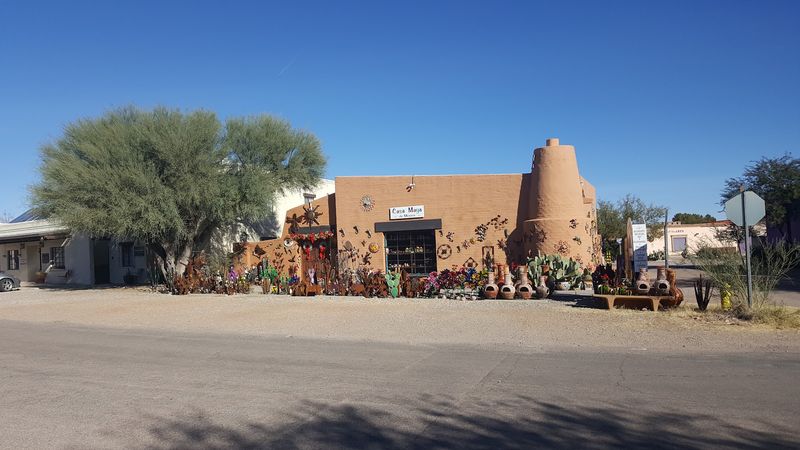
Size turns out to be the least interesting thing about Tubac. A population of about 1,191 hides a creative spirit that bigger places struggle to match.
The village blends an O’odham name meaning place of dark water, a history passed through several languages, and a cluster of studios that rewards slow wandering. That mix is hard to find anywhere else in Arizona.
Art lovers will find plenty to browse. History fans will find a story worth learning, and anyone needing a calm day out will find exactly that.
It may not be the flashiest stop on an Arizona map. It is, however, one of the most rewarding for people who enjoy discovery at a gentle pace.
So add it to the weekend list, invite a friend who likes handmade things, and head south. The few blocks waiting there might just change how you think about small towns in this state.


