
Affiliate disclosure: As an Amazon Associate I earn from qualifying purchases. Learn more
A noisy brown bird perched at the gate, watching every arrival like a self-appointed ticket taker, is a pretty good sign that a place is a little unusual. Down in the Rio Grande Valley, in the city of Edinburg, there is a small patch of ponds, boardwalks and shady trails where kiskadees, herons, whistling ducks and buff-bellied hummingbirds go about their business in plain view.
Admission for adults is three dollars, and kids under two get in free. That is less than a fast food side order, and it buys an hour, an afternoon, or a whole morning of wildlife watching.
Families bring picnics, students come on yearly field trips, and longtime fans keep coming back hoping to spot a kingfisher they have never seen. Keep reading for the full story, from the birds and butterflies to the hours, the heat and the best time to show up.
A Wild Pocket on Raul Longoria Road
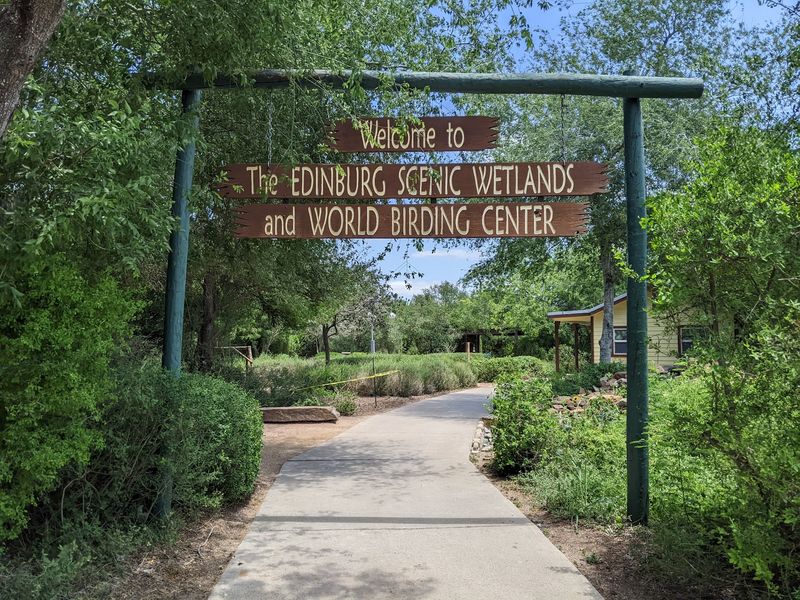
Edinburg Scenic Wetlands & World Birding Center sits at 714 S Raul Longoria Rd, Edinburg, TX 78542, in the heart of the Rio Grande Valley of South Texas.
The site covers about 40 acres. It mixes walking trails built for birdwatching with an educational center that anchors the whole experience.
What makes the spot stand out is its setting. It is a pocket of nature tucked inside a developed part of town, so a few steps off a busy road can put you on a shaded path beside open water.
The place is listed as a bird watching area, and the name says plenty. It is part of the World Birding Center network found across the Valley, which gives this compact property a bigger role than its size suggests.
For Texans planning a trip, Edinburg is the destination to type into the map. From San Antonio, the drive typically runs around four hours, and Houston folks should plan for a longer haul of roughly five to six hours.
That is a real road trip, but the wildlife here is tied closely to this corner of the state. Many of the birds that headline a visit are species Texans rarely see farther north.
Why the Valley Feels Like Another Latitude
Plenty of Texans think of their state as dry ranchland and big skies. The lower Rio Grande Valley breaks that mold, and this sanctuary shows why in a single loop.
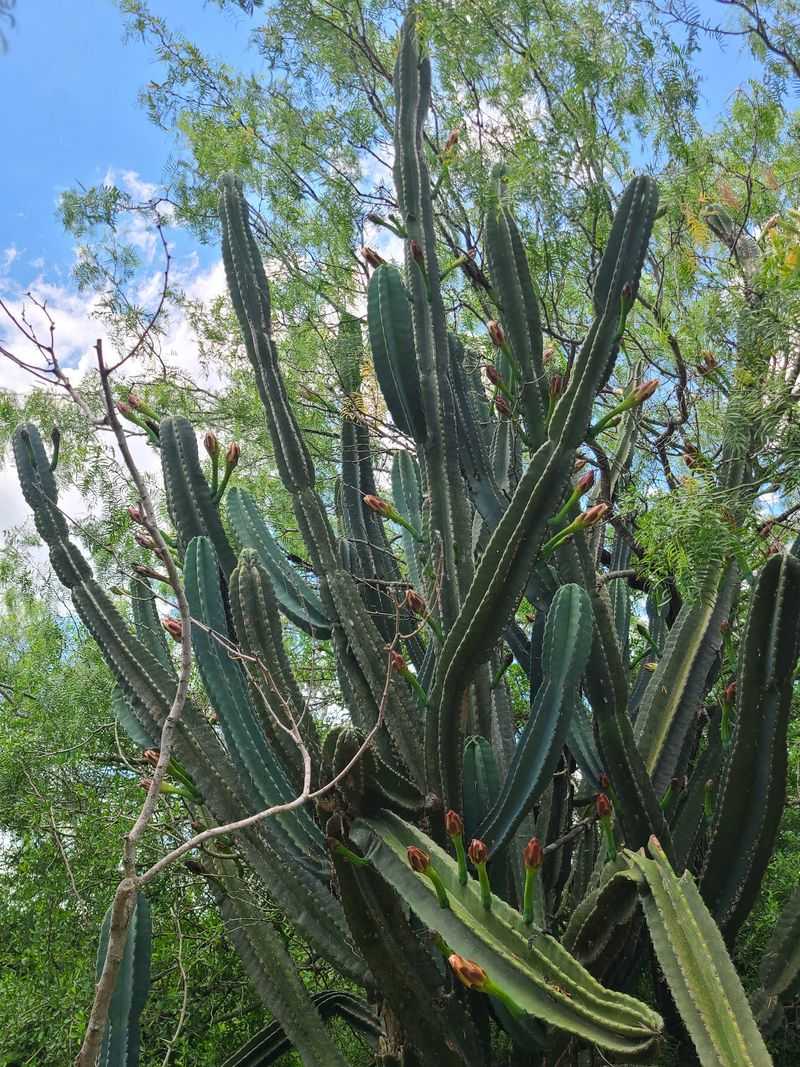
Dense trees, cactus, flowering plants and still water share the same few acres. Trails slip through thick green growth, then open onto lakes and resacas, the old river channels that give the Valley much of its character.
That mix is the source of the tropical look in the headline. The plant life and the bird list lean south, and some of the residents here are species the rest of the country mostly knows from field guides.
Longtime regulars describe the center as an important cornerstone of the Valley as a whole. They point out that it lets families teach kids about the specific natural niche found in this region and nowhere else in the state.
There is a fair dose of Texas pride in that idea. Nobody needs a passport to see this kind of habitat, just a full tank of gas and three dollars.
The property is small, but it packs in several kinds of terrain. Each turn of the path tends to reveal a different slice of Valley life.
The Chachalaca Welcome Committee
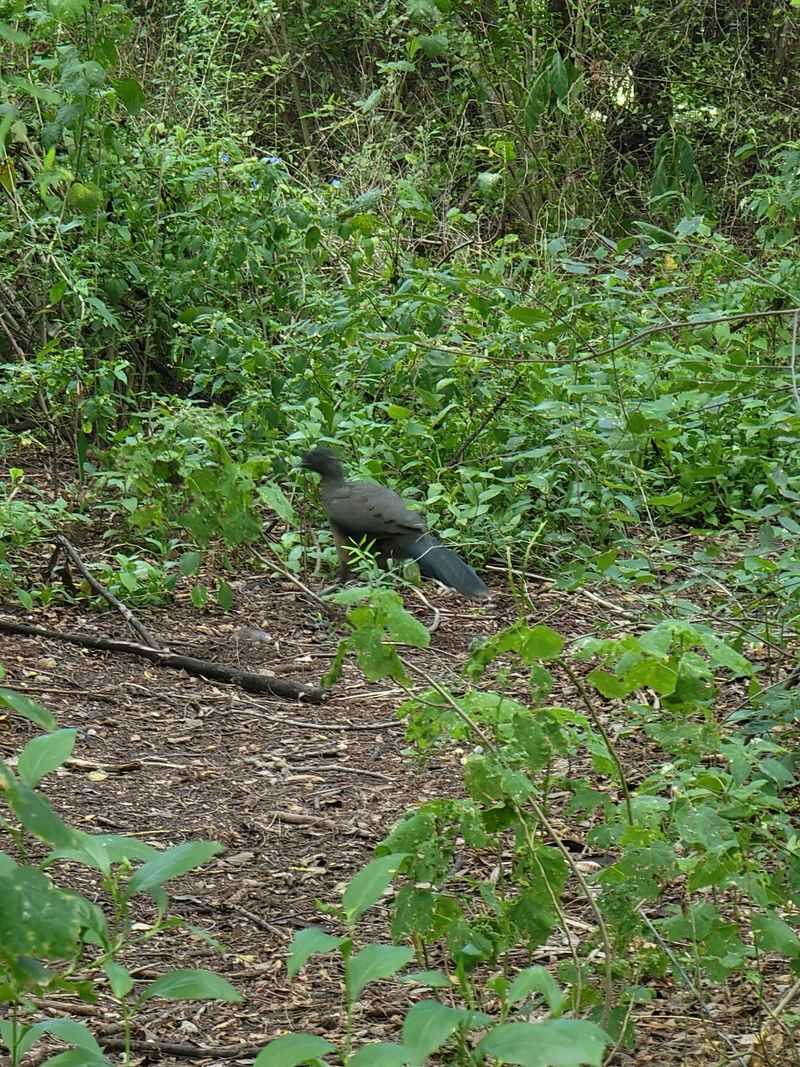
Some places hire greeters. This one seems to have recruited a plain chachalaca.
The chachalaca is a large brown bird with a long tail and a famously loud call, and it is one of the signature species of the Valley. Here, chachalacas often hang around the entrance, sometimes snacking on small berries in a tree right by the path.
One sat so perfectly at the entry way that it looked planned, quietly observing everyone who walked in. Others have been described as very vocal, which fits the species well.
Chachalacas earn more mentions than almost any other bird tied to this sanctuary. Their range in the United States is limited mostly to this southern tip of Texas, so seeing one is a small regional bragging right.
People who live here say you miss the kiskadees and chachalacas when you leave the Valley for long. That says something about how much these birds shape daily life in the area.
Keep an eye on the trees as soon as you park. The show sometimes starts before the first trail marker.
A Bird List Worth Bragging About
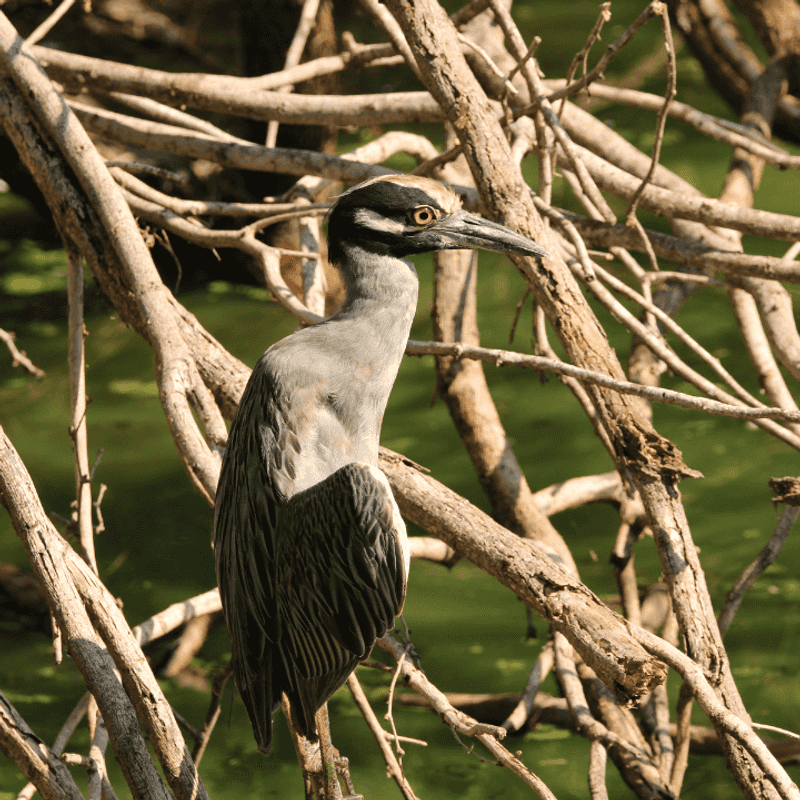
Stilts, flycatchers, kiskadees, cardinals and woodpeckers can all show up in a single hour. That kind of nonstop activity is part of why birders keep this place on their regular route.
Herons are a strong presence, including black-crowned night herons. Egrets and cormorants work the water, and pelicans sometimes appear on the big lake.
Black-bellied whistling ducks count as mainstays. Regulars treat them as a sign of a good day when they are around.
Soras, a secretive marsh bird, have been spotted along the edges too. Then there are the kingfishers, which keep dedicated birders coming back again and again.
The green kingfisher has turned up here, and some fans spend hours hoping to find the other two kingfisher species that range into the Valley. That ongoing hunt is a big part of the fun.
The variety shifts from visit to visit. A fall afternoon may look very different from a spring morning, and many visitors see that as a reason to return rather than a drawback.
Bring a notebook or an app if you keep a list. It may fill up faster than expected.
Tiny Hummingbirds, Big Payoff
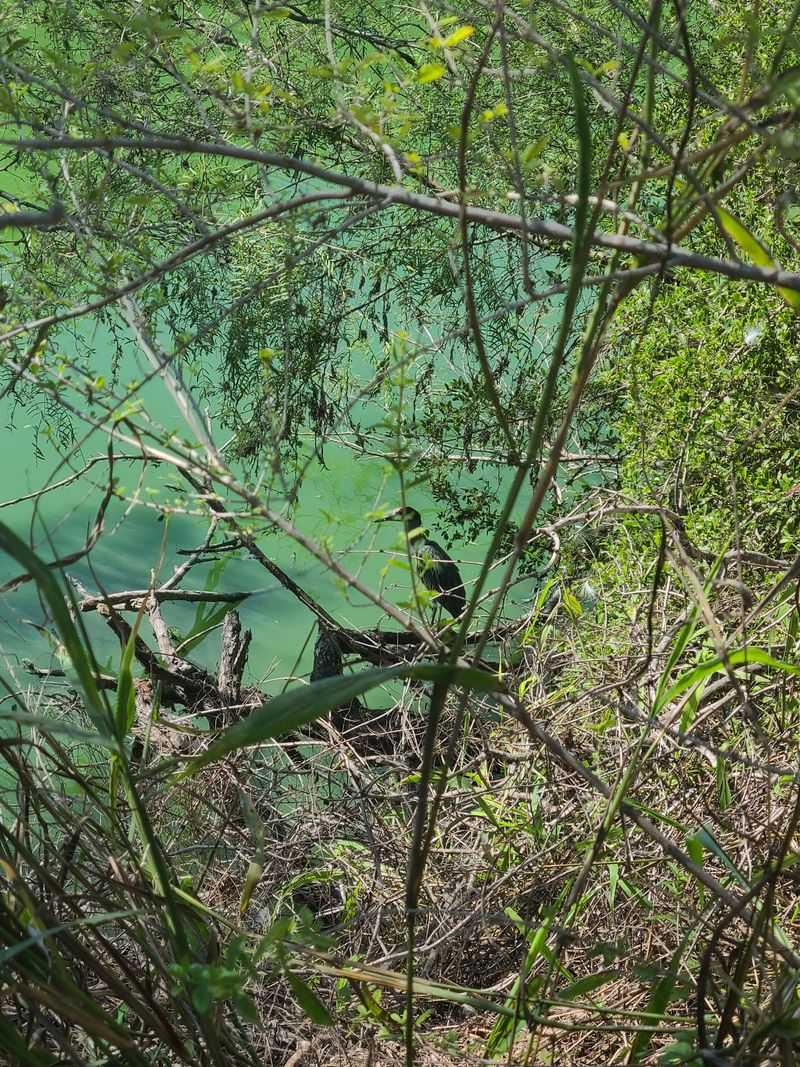
Blink and you might miss the smallest stars of the sanctuary. Hummingbirds zip through the gardens, and they are a regular part of the conversation about this place.
The buff-bellied hummingbird is the one to watch for. It is a specialty of South Texas, with a range in the United States that barely reaches beyond the Valley.
Spotting one here can be a highlight for out-of-town birders. Locals may see them often, but for many Texans from farther north it is a genuinely new bird.
Ruby-throated hummingbirds have been noted as well. Their presence adds another layer to a list that already leans heavy on regional species.
The flowering plants on the grounds help draw them in. Slow down near blooms and give the area a few patient minutes.
Hummingbirds do not hold still for long. A pair of binoculars and a little patience usually go further than chasing them around.
Butterflies Steal the Spotlight
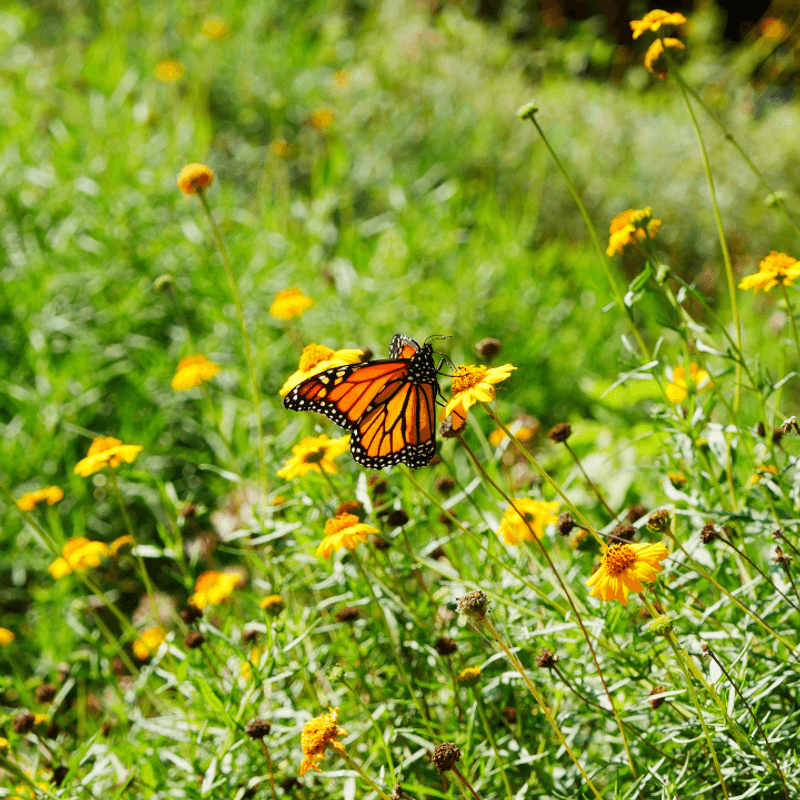
Birds may get top billing, but butterflies run a close second. They come up again and again among the things people love most here.
A dedicated butterfly area gives these insects a space of their own. Native flowers and plants supply what they need, and the result is a garden that keeps moving.
Trails in the birding area also carry a high concentration of butterflies alongside birds and ducks. A walk meant for birds can easily turn into a butterfly hunt.
Kids tend to connect with butterflies quickly. They are easy to spot without binoculars, which makes them a strong first step into nature watching.
The Valley sits in a part of Texas known among nature fans for butterfly variety. That makes this garden a good sample of what the region offers.
Photographers will find plenty to work with here. Patience near the flowers usually pays off with a decent shot or two.
Turtles, Snakes and the Supporting Cast
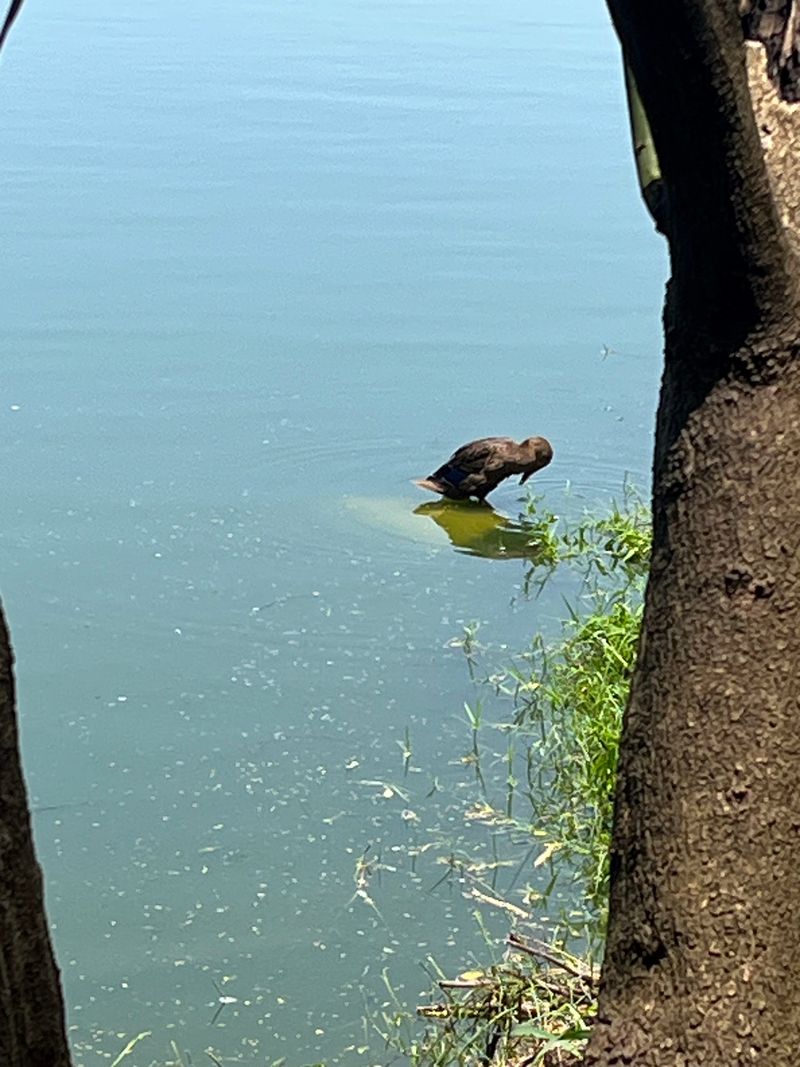
Not every resident has feathers. The ponds and trails support a lively crowd of reptiles, mammals and other small creatures.
Turtles are common in the lake and ponds. Ducks paddle nearby, and the water often holds more life than a quick glance suggests.
Snakes appear from time to time, including water snakes and a ribbon snake. They are part of a healthy wetland, so watch where you step and give them space.
Lizards dart across sunny spots, while rabbits and squirrels move through the brush. A small man-made pond has held tadpoles, which tends to keep young explorers busy for a good while.
That variety is a big reason families like the place. Kids who lose interest in a distant heron can stay hooked on a turtle sitting a few feet away.
The whole sanctuary works as a small-scale lesson in how a wetland supports many kinds of animals. Nobody needs a lecture when the turtles do the teaching.
Boardwalks, Lakes and Lookout Points
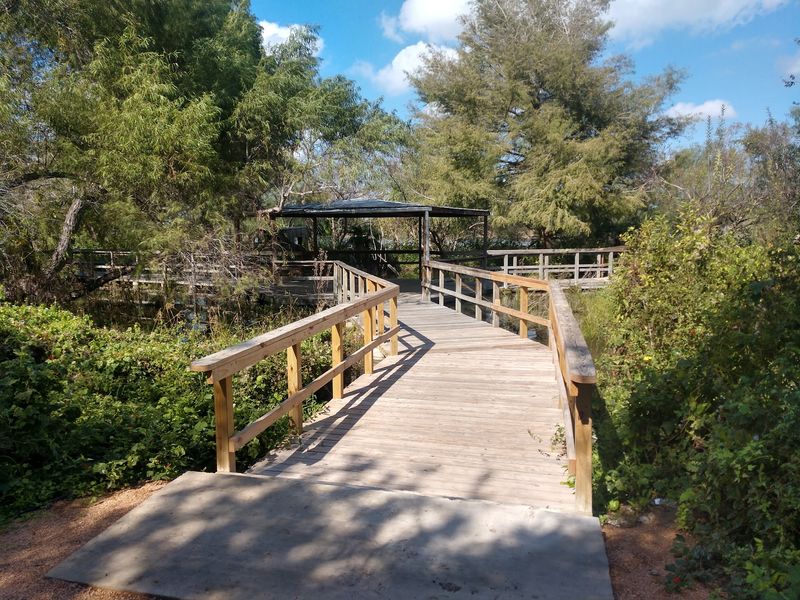
The layout is compact, and that works in its favor. You do not have to walk far to reach the different areas.
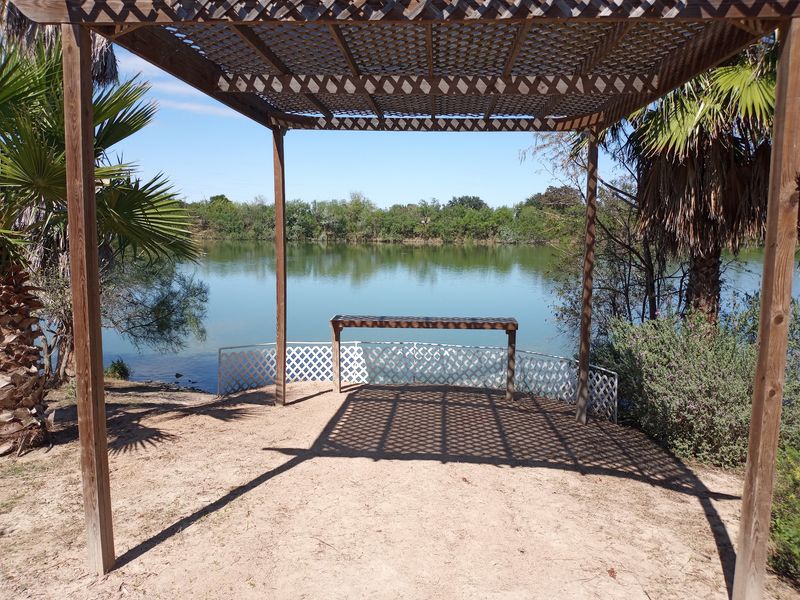
Two lakes form the main water features. Observation decks and scenic stations overlook them, giving clear views of ducks, herons and anything else using the water.
Boardwalks and several smaller ponds round out the setting. The birding area has narrow, winding trails with small pools and larger resacas, plus high or full shade.
The scenic wetlands portion offers wider trails that open up the view. Joggers and walkers often use these paths in the morning.
Trails are well kept and clear, with the City of Edinburg Parks and Recreation credited for keeping them tidy and free of litter. Clean restrooms also earn praise.
Some interpretive signs have gone missing at times, so a field guide or app can help fill gaps. Plan at least an hour to cover the grounds, and many people stay two or three.
Shade, Benches and Picnic Tables
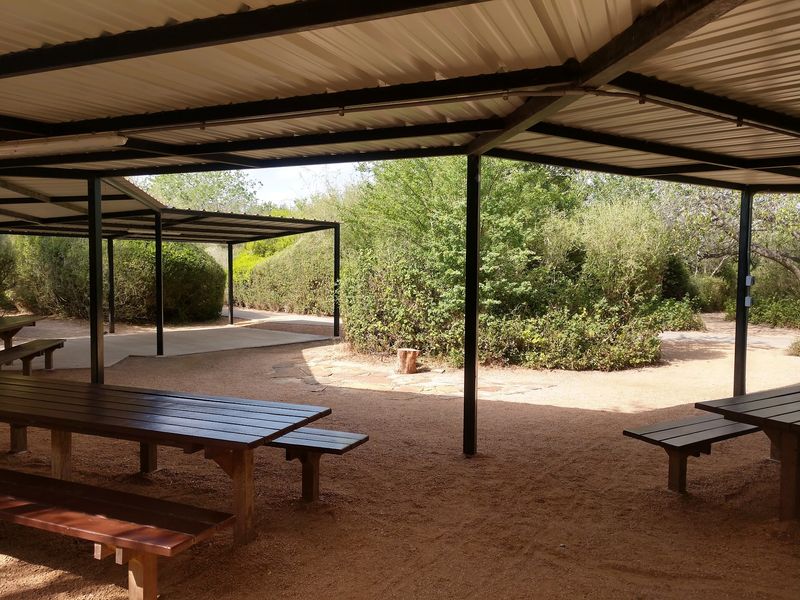
South Texas heat does not mess around. The good news is that this sanctuary was built with rest stops in mind.
Shade covers a fair share of the trails, which helps cut sun exposure on hot summer days. Benches are spread throughout for anyone who needs a break.
Picnic tables appear across the grounds, and several covered picnic sites even have fans. That is a welcome detail in a place where humidity runs high.
Bringing your own picnic is allowed. Families often pack lunch and turn a short walk into a three-hour outing.
The house rule is simple: clean up after yourself, every time. Keeping the grounds tidy keeps the wildlife healthy too.
Drinks and snacks are sold on site at reasonable prices. A water fountain exists, though it has needed maintenance at times, so carrying your own water is the safer plan.
A Starter Trail for Little Explorers
Kids do not need a mountain to fall in love with the outdoors. Sometimes a turtle, a tadpole and a loud bird at the gate do the job.
This sanctuary works well as a first nature trail for children. The distances are short and the wildlife is easy to find.
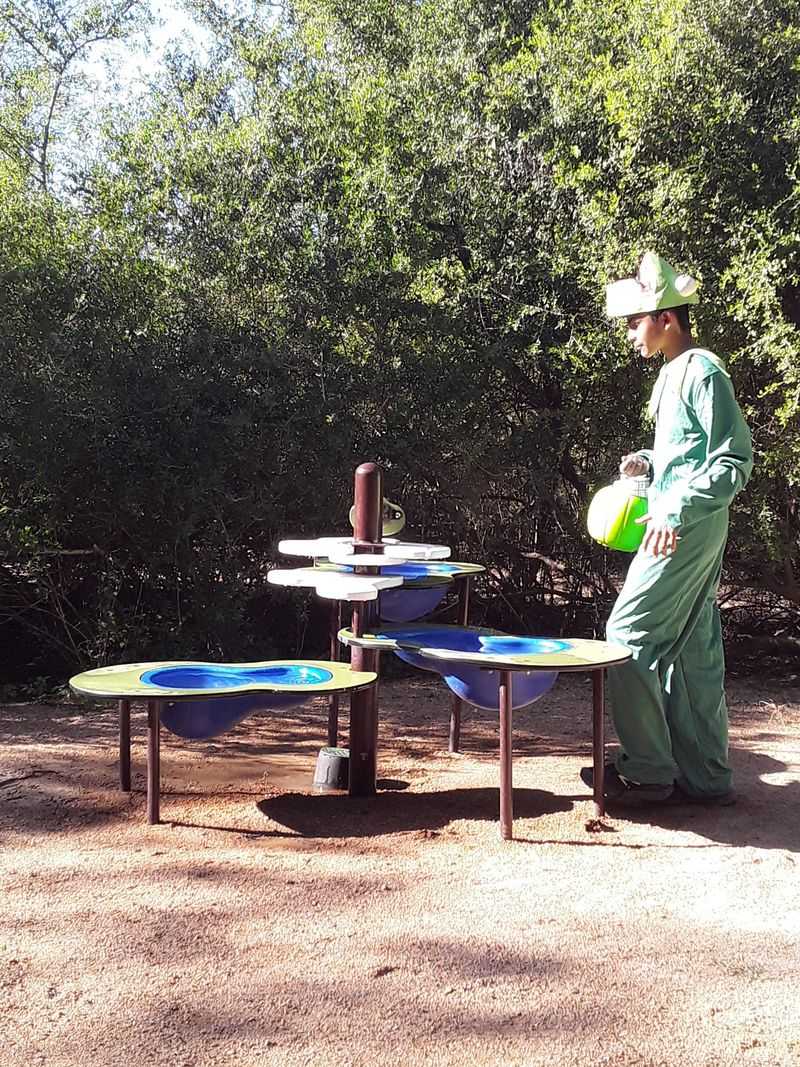
A children’s area offers a small playground and activities designed for kids. The center’s website lists special events and activities for young children throughout the year.
Schools bring students here on yearly trips to learn about Valley creatures and the migrants passing through. That classroom role adds to the community value of the place.
For adults just starting out with nature walks, the same logic applies. It is a gentle introduction that does not demand much stamina.
Next door, a large park offers wide open space for kids who still have energy to burn. Pairing the two can fill a full family day without spending much at all.
Binoculars, Gift Shop and Friendly Faces
Forgot your binoculars at home? No problem.
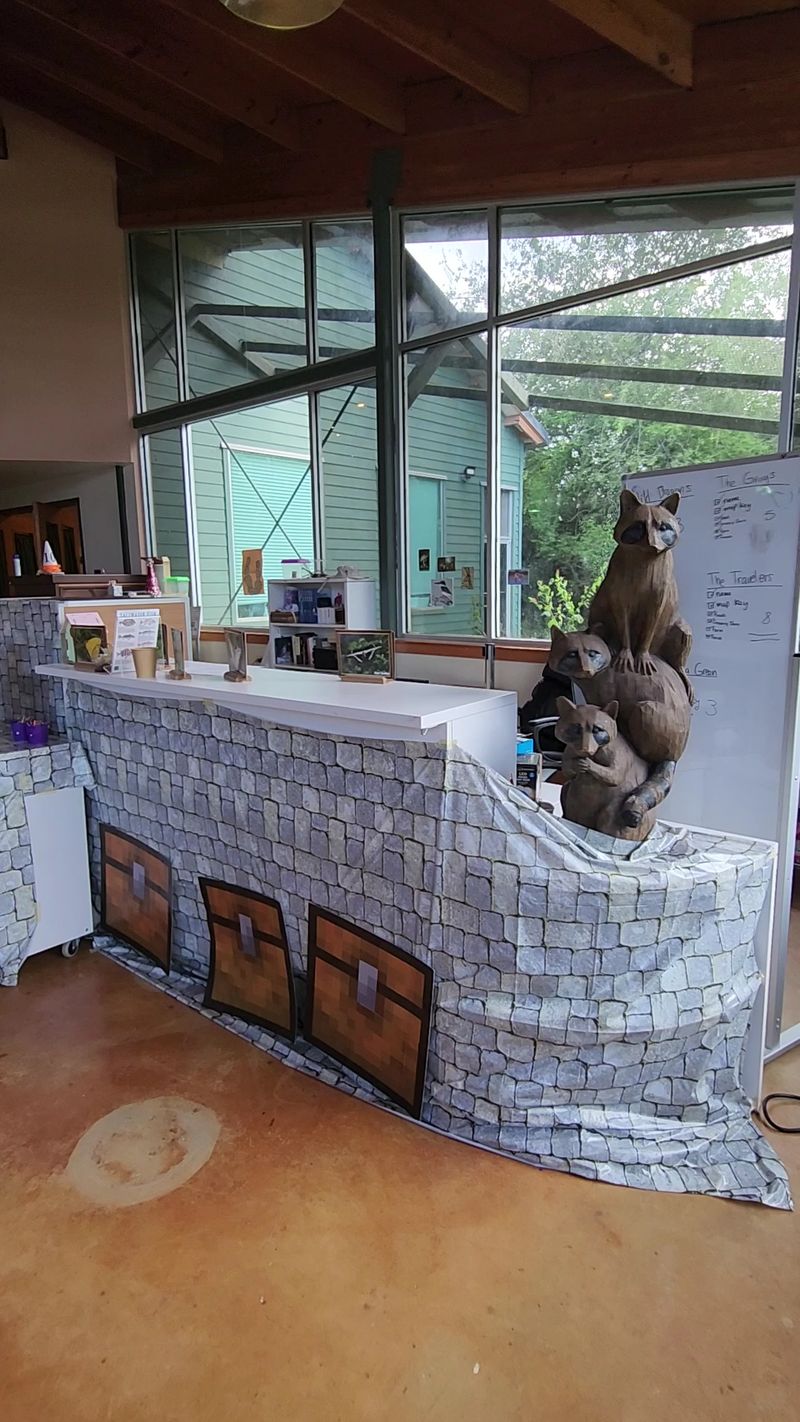
The center rents binoculars, typically starting in the morning when the doors open. That one detail can turn a casual stroll into a real birding outing.
A gift shop carries bird and nature themed items. Some loyal fans make a point of buying something on each trip as a way to support the center.
The staff and volunteers get steady praise for being polite, friendly and helpful. They answer questions and can point you toward recent sightings.
Memberships are available as well, and some locals have held one for years. For frequent visitors in the Valley, it is an easy way to show support.
Those small touches help a modest property punch above its size. People leave feeling looked after, not just checked in.
Three Dollars and Change Back
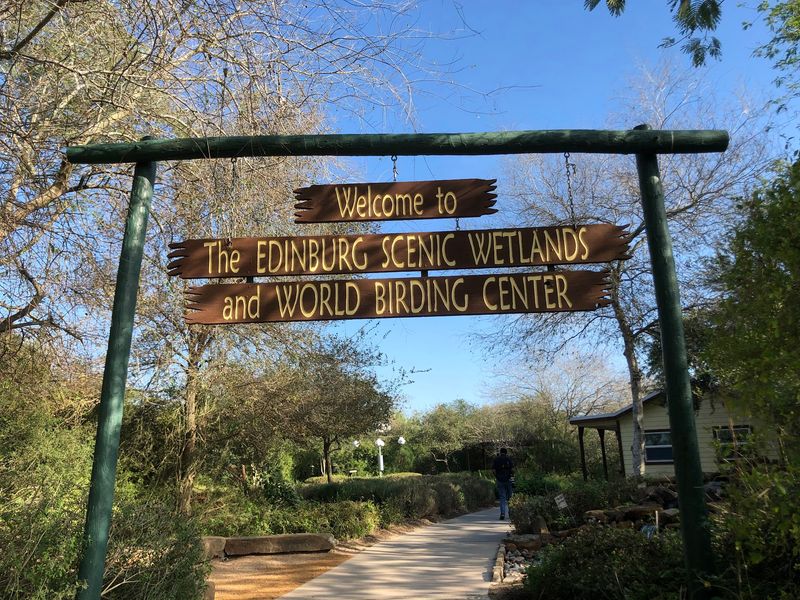
Here is the headline number. Adult admission is $3, and kids under two get in free.
Payment does not even have to happen before you enter. The fee goes toward the upkeep of the grounds, which many people consider money well spent.
For a family of four, a morning here can cost less than a single movie ticket. That makes it one of the better nature values in the state.
Snacks and drinks inside are reasonably priced too. Packing your own lunch drops the cost even further.
Fees may change over time, so a quick look at the official website before the drive is a good idea. The center’s site is edinburgwbc.org.
Value is a big part of the appeal, but it is not the whole story. A cheap ticket only matters when the place delivers, and this one keeps people coming back for years.
Hours, Heat and What to Pack
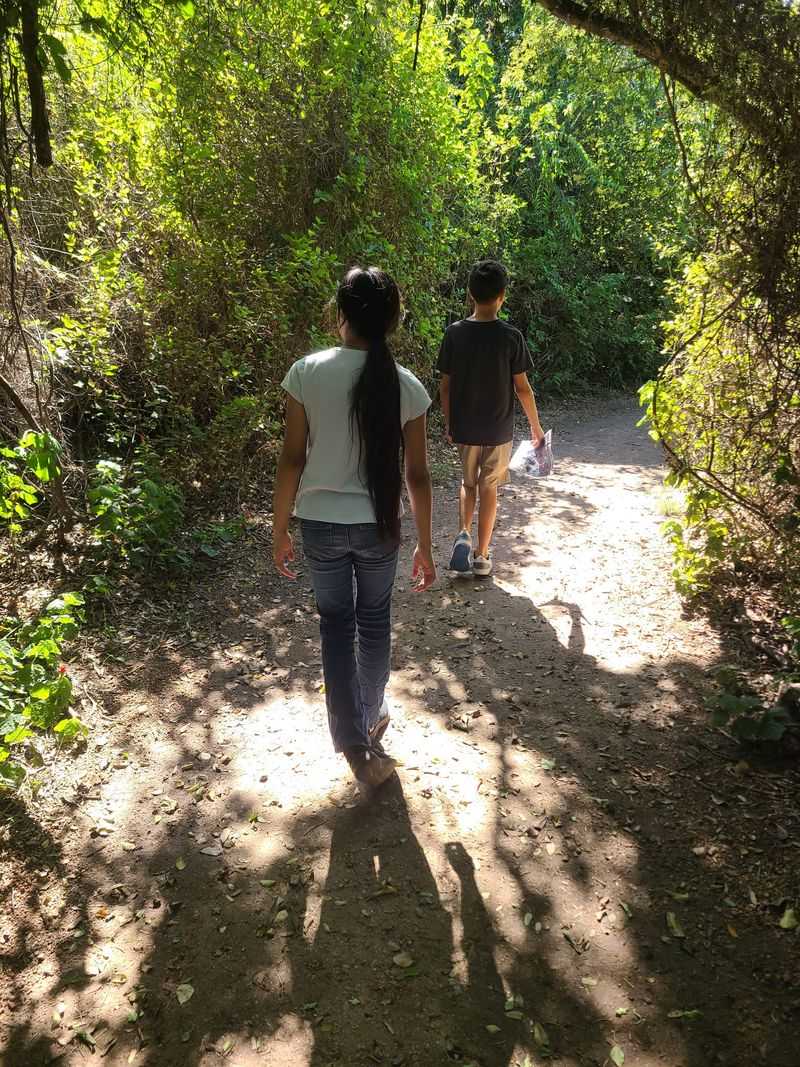
Timing can make or break a visit here. Monday through Friday, the center is open from 8 AM to 6 PM.
Saturday hours run shorter, from 8 AM to 2 PM. Sunday opens later, from 10 AM to 5:30 PM.
Start early, especially in the warm months. Families who arrive right at opening often manage the whole birding center before the heat peaks.
Overcast, breezy days can be ideal for exploring. Fall afternoons also bring pleasant walks around the ponds.
Pack plenty of water, sunscreen and bug spray. Humidity is high, and the fountain may not always be working.
Comfortable shoes help, though the trails are easy. Binoculars and a camera round out the kit, and bikes are a common sight on the wider scenic paths.
Worth the Drive to the Valley
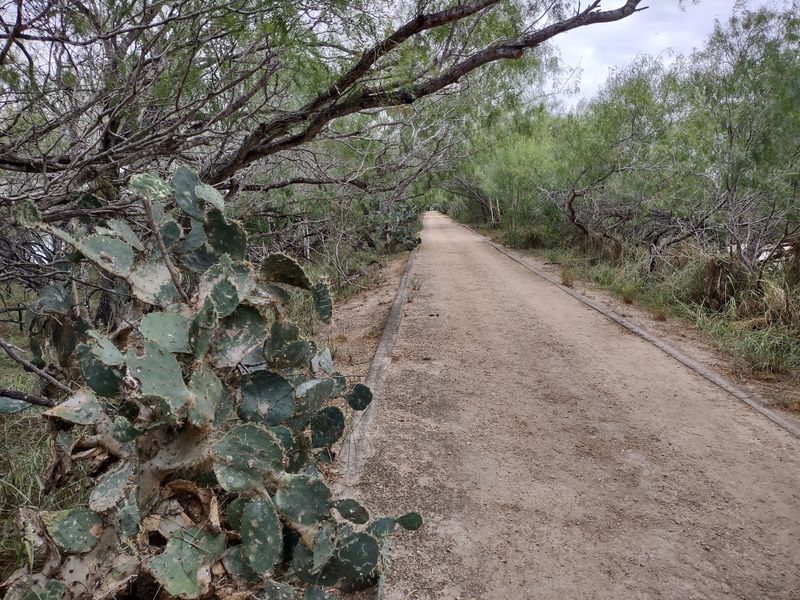
Small does not mean minor. Edinburg’s wetland sanctuary proves that a 40-acre patch can carry a lot of weight.
It holds birds found in few other corners of the country. It gives kids a hands-on start in nature and lets adults slow down for an hour or three.
The trails stay clean, the staff stays friendly, and the price stays low. Those basics are easy to overlook, but they are what turn a first trip into a habit.
Birders chasing a rare kingfisher will find reasons to return. Families wanting an easy outing will find shade, picnic tables and a playground nearby.
For Texans who love finding a spot before their friends do, this one fits the bill. Three dollars, a full water bottle and an early start are all it really asks.
The chachalaca at the gate will probably be waiting. It may even act like it saw you coming.


