
Affiliate disclosure: As an Amazon Associate I earn from qualifying purchases. Learn more
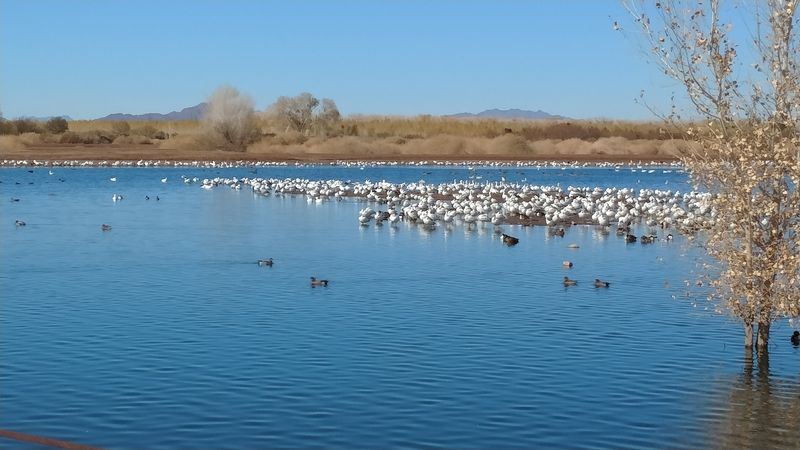
Every winter, a white blizzard lands in western Arizona, and it has nothing to do with snow. Snow geese by the flock drop out of the sky and settle into fields and marshes along the Colorado River.
Sandhill cranes join them, along with ducks, egrets, and Canada geese. Most Arizonans zoom past on Interstate 10 without knowing any of it is happening just south of the highway.
The spot is quiet, free to explore, and run by people who clearly love birds. Keep reading to find out where this winter gathering happens, the best months to catch it, which trails and drives lead to the action, and the practical details that make a trip easy.
Pack the binoculars, because this corner of the state has a secret worth sharing.
A Refuge Hiding Off Interstate 10
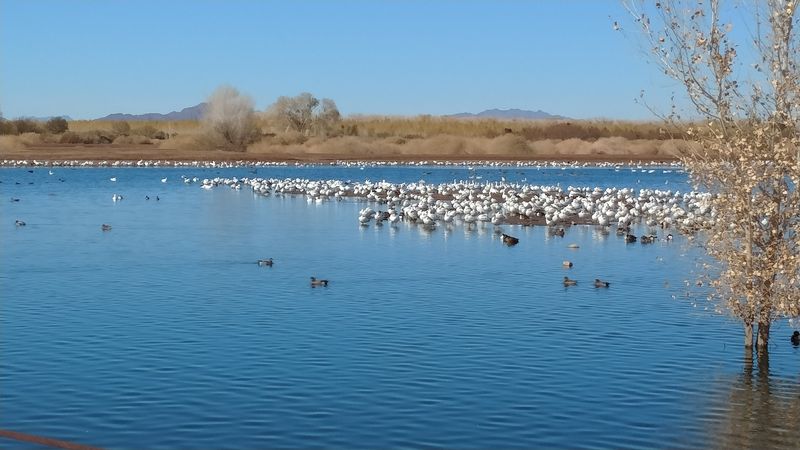
Tucked along the Colorado River on the Arizona side, Cibola National Wildlife Refuge sits at 66600 S Cibola Lake Rd, Cibola, AZ 85328. It is a vast protected natural area managed for wildlife, with nature trails, wildlife observation, fishing, and hunting.
The refuge lies 15-plus miles south of Interstate 10, outside Blythe on the California border. That puts it in the far western edge of Arizona, a long way from Phoenix and Tucson, but closer to Quartzsite than many people realize.
The final stretch involves a short bridge crossing that some drivers find a little nerve wracking. The roads in are described as semi-rough in places and good gravel in others, so a careful pace pays off.
Once there, the payoff is a mix of marsh, open fields, river shoreline, and desert mountains. The refuge exists to protect habitat where the desert meets the river, and that combination draws an impressive list of animals.
Winter is when the place earns its quiet reputation among birders. For everyone else, it remains one of the least talked about wildlife spots in the state, which is exactly why it deserves a closer look.
Where Desert Meets River
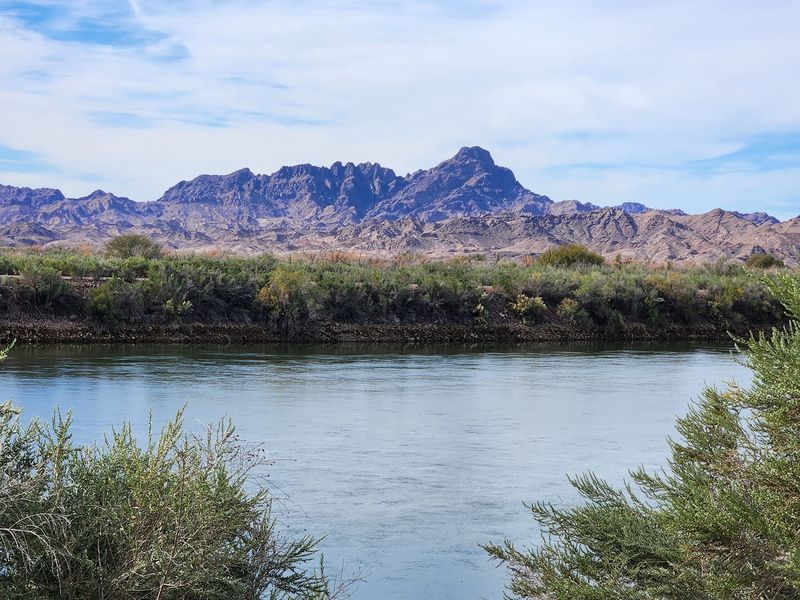
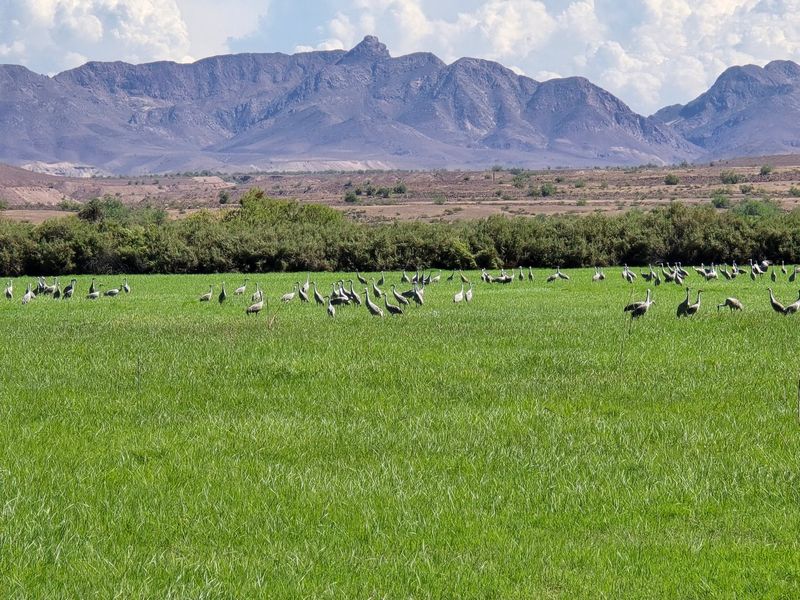
Rugged mountains frame the horizon here, while corn and alfalfa fields stretch across the flats below. That contrast is part of what makes the setting so striking on a clear day.
The Colorado River is the lifeline of the whole area. Marshy pockets, small bodies of water, and riverside trees create a green ribbon through a dry landscape.
Many people describe the scene as proof that the desert is a thriving natural community. The river and the surrounding land support each other, and the wildlife follows.
In winter, trees along the routes can turn yellow, giving the refuge an autumn look long after most of Arizona has moved on. A weekday afternoon visit in early January often means having those views largely to yourself.
Not every corner is dramatic, though. Parts of the scenic loop pass through farmland on dirt roads, and anyone expecting towering canyon walls may find the landscape more subtle than showy.
The real star is how the pieces fit together: water, fields, and peaks in one wide frame. Keep an eye on the sky, because the next section is all about who shows up there.
The Winter Snow Goose Takeover
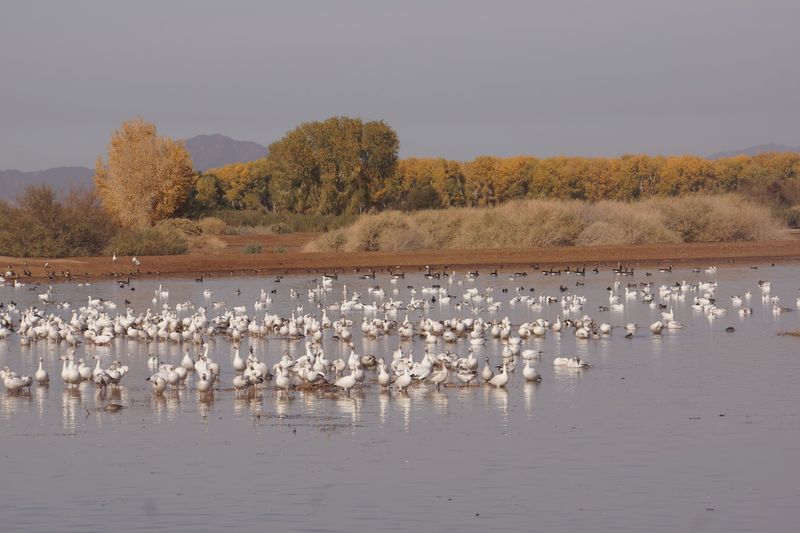
Forget flurries. In Cibola, the white stuff arrives with wings.
Snow geese are among the headline guests during the cooler months, and December, January, and February are prime time. Winter trips here often turn up more birds than anyone can count.
The geese share the stage with Canada geese, ducks, and ibis. The mix changes from day to day, which keeps repeat trips interesting.
Geese are one of the most talked about features of the refuge, and for good reason. Seeing a field filled with them is a reminder that Arizona sits along a major migration route, not just a sunbaked strip of interstate.
Timing matters. A visit in the off season can still be rewarding, but the busy fall and winter season is when the flocks really build.
Bring binoculars for everyone in the car. Sharing one pair while a flock lifts off is a quick way to start a family argument.
Sandhill Cranes and Other Headliners
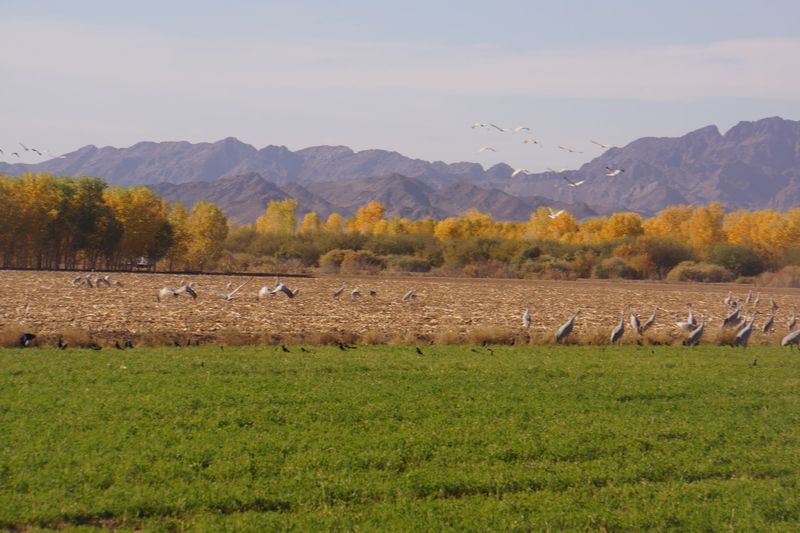
Hundreds of sandhill cranes can gather here, and they tend to steal the show from anything standing nearby. Tall, gray, and hard to miss, they are a winter favorite.
The supporting cast is long. Roadrunners, coots, American kestrels, verdins, wigeons, and egrets all appear on the refuge.
Burrowing owls are another prize for sharp eyes. They have been spotted along the drive, along with flocks of waterfowl.
Birds are not the only residents. Mule deer, coyotes, foxes, burros, and fish all call the area home, and coyotes are especially active around nightfall.
One short walk can produce a flock of egrets, hundreds of ducks, and a pair of coyotes. That kind of variety is why bird watching is the most mentioned activity at the refuge.
Photographers call it a paradise, and the label fits. Nobody promises a burro on cue, but the odds of seeing something memorable are strong.
Goose Road Auto Tour and Short Trails
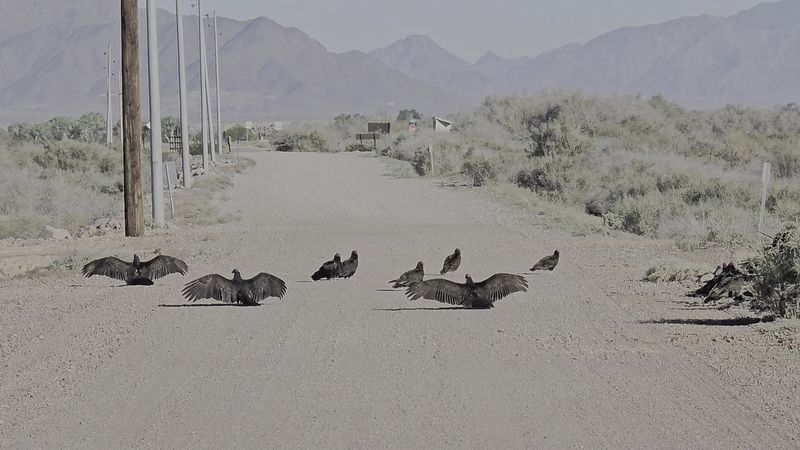
Some of the best birding here happens without leaving the driver’s seat. A loop road lets people spot wildlife from their cars, and drivers are asked to stay inside their vehicles along the way.
The Goose Road auto tour also has a short hike partway through. The walk runs a little over a mile total and includes a side path to a blind for birdwatching.
Near the visitor center, a 1 mile nature trail and a couple of small walking paths offer a closer view of the marsh. They are easy outings for a morning stroll.
An important note for dog owners: signs on the nature trail say no pets. Plan accordingly before loading up the pup.
A typical visit combining the drive and the trails takes about two hours. It is a relaxed morning rather than a full day of hiking.
Short routes, big flocks, and plenty of pull-offs make this a low-effort, high-reward kind of place.
Visitor Center Displays and a Free Scope
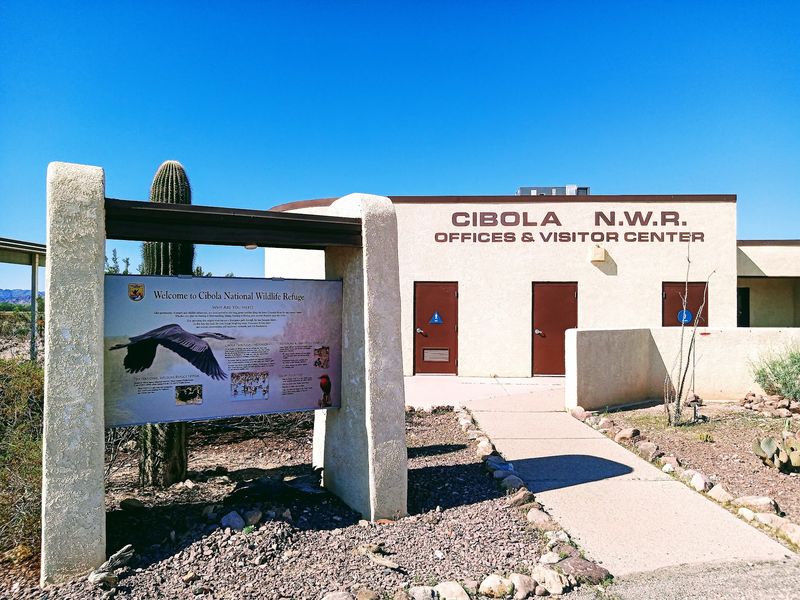
Friendly volunteers are a big part of the experience. Staff and docents at the visitor center are known for being helpful, knowledgeable, and kind.
One handy perk: a docent can help plan a customized auto tour based on time and interests. That kind of local advice makes a first trip much easier.
Inside, the displays are well done and include a hands-on area. Kids and curious adults alike can learn what to look for before heading out.
Outside, an updated overlook includes a free scope pointed at the nearby marshy area. It is a smart first stop for scanning the water.
Occasionally, school field trips can temporarily close the visitor center to the public. Calling ahead or keeping plans flexible helps avoid surprises.
There is a large parking lot with room to turn around, so even bigger vehicles can manage. Start here, ask questions, and the rest of the refuge makes a lot more sense.
Sunsets, Sunrises, and Serious Quiet
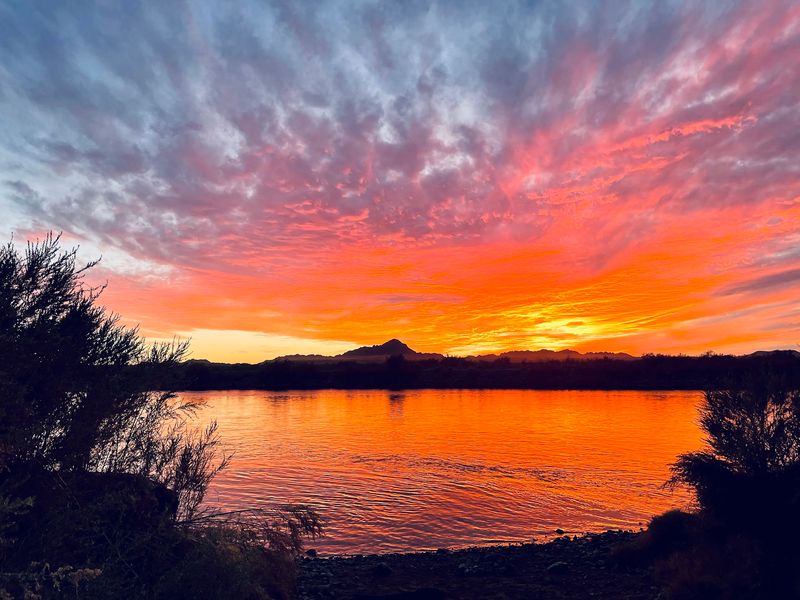
Golden hour might be the refuge’s most underrated feature. Sunsets come up again and again as a highlight, and sunrises earn praise too.
The mountains beyond the fields give the evening sky a dramatic backdrop. Photographers often time their trips around those first and last hours of light.
Calm is another selling point. The refuge is described as serene, tranquil, and well-kept, with few crowds on weekdays.
That peace suits birders, photographers, retirees, snowbirds, and families who want a slow outing. It may not suit someone looking for thrill rides or a packed schedule.
Honest expectations help. Some people find the loop underwhelming outside peak bird season, and one practical take is that it shines brightest when already in the area.
For those who love open sky and patience, though, the quiet is the point. Few places in Arizona let a sunset play out with this little competition.
Camping, Fishing, and River Days
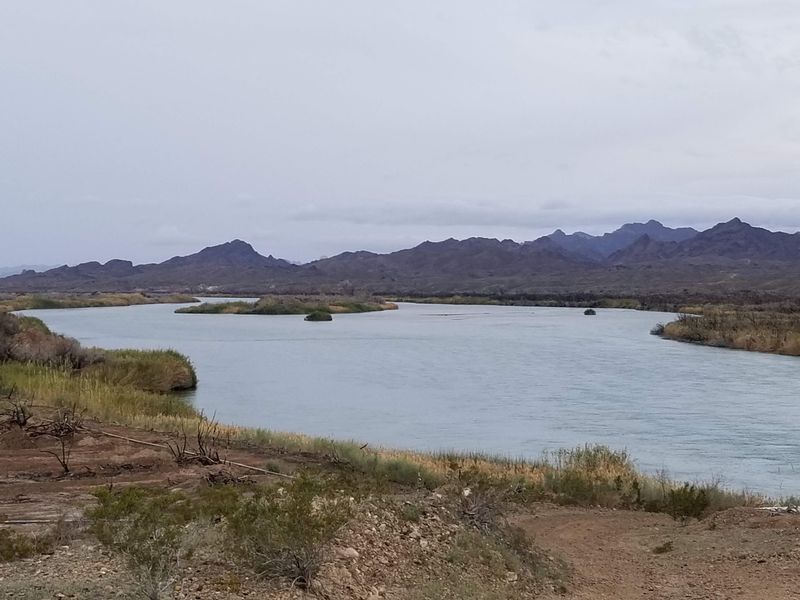
Plenty of people turn a quick bird stop into a full stay nearby. BLM land directly across the road offers camping for up to 14 days.
Riverside sites draw campers looking for remote, peaceful spots. Some have picnic tables and shade covers, and a few list electrical hookups, though whether they work may vary.
One popular area is known as Hippie Hole, where pit toilets stay clean and trash is scarce. Vault toilets are available in camping areas, and Verizon 5G service has shown three bars.
Large RVs may struggle, as the area is not really suited to big rigs. Sandy, steep roads lead to the shoreline where everyone can reach the water.
Fishing is part of the draw, and some folks bring a boat out for the day. Winter nights get very cold, so tent campers should pack proper gear, and firewood is limited.
Morning coffee by the river, then geese at the refuge by eight. Not a bad schedule.
Hours, Directions, and a Fair Verdict
Planning is simple. The refuge is open daily from 8 a.m. to 4 p.m., Monday through Sunday.
From Interstate 10 near Blythe, head south. The drive is roughly 20 minutes on paved road, followed by stretches of gravel and that short bridge.
Bring binoculars, layers, water, and a camera. A pair for every passenger makes the auto tour far more fun.
For the best birding, aim for December through February. January and February in particular bring snow geese, Canada geese, cranes, and burrowing owls.
Leave the dog at home if trail walking is on the agenda. More details are available on the U.S.
Fish and Wildlife Service website for the refuge.
So is it worth the trip? For bird lovers and Arizonans curious about their own backyard, the answer leans yes, especially in winter.
The geese will be back next season, and most of the neighbors still will not know. That gives you a head start.


